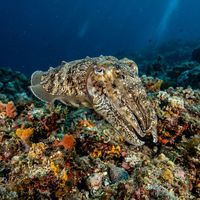
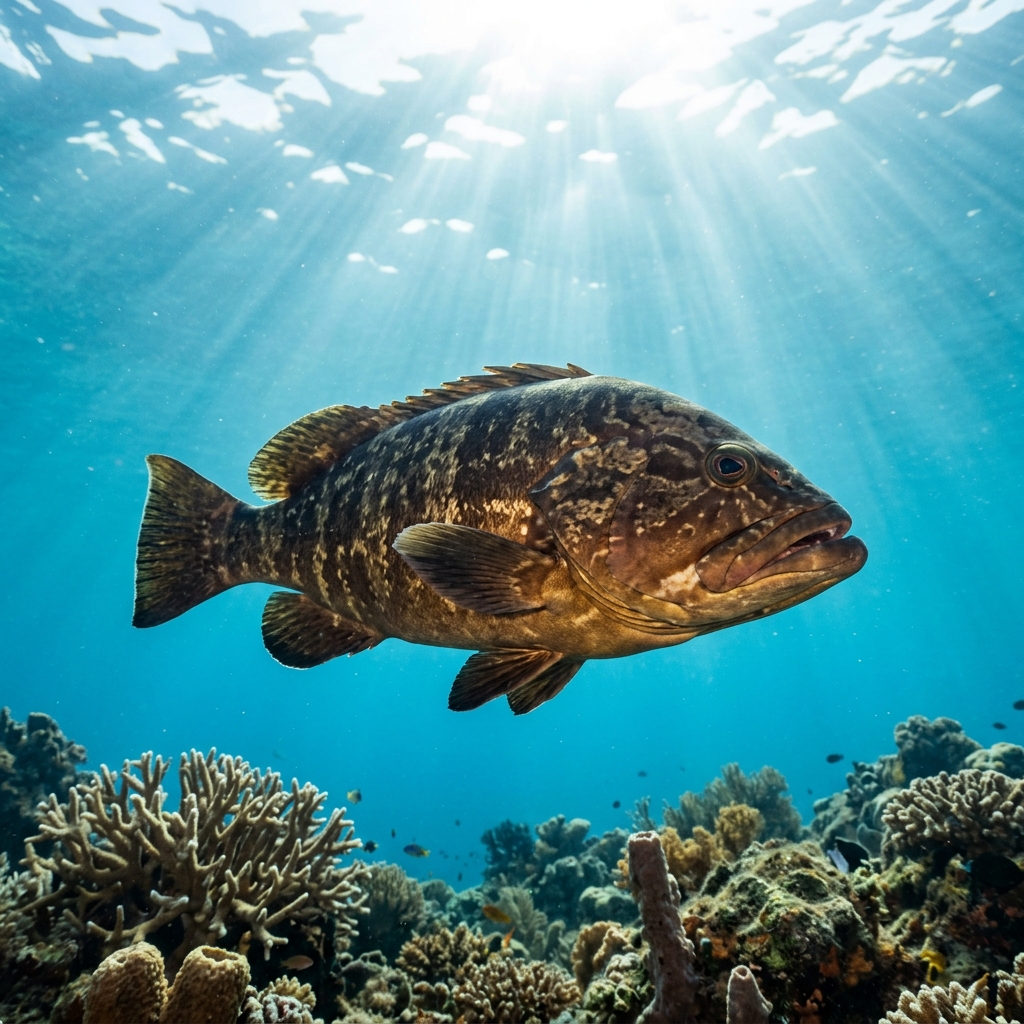
Italy's Adriatic Coast diving scene is defined by the tegnùe, a network of shallow rocky reef formations rising from flat sandy seabeds offshore. Chioggia holds the greatest concentration of sites, from beginner-friendly reefs to drift dives and deeper wrecks including the Evdokia II and the historic Nave Cannoniera. Trieste and Friuli adds wall and reef diving through sites like Miramare, while Romagna and Conero broaden the range further south. The European Common Cuttlefish and Dusky Grouper are the signature encounters, alongside Spiny Lobster, Conger Eel, Torpedo Ray and Seahorse across the reef and wreck sites.
5 areas
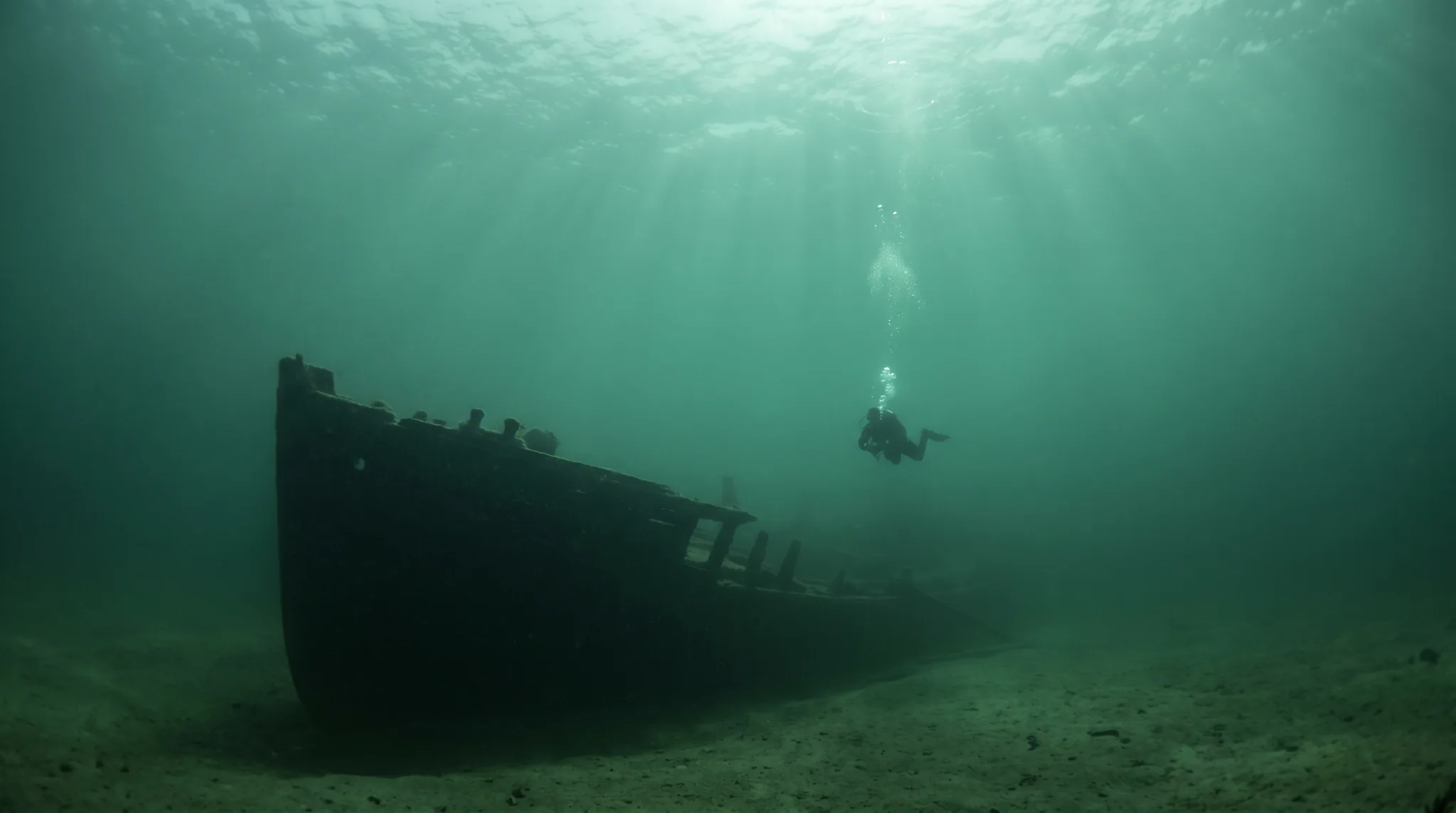 20
20Protected tegnue reef formations and wreck dives rich in cuttlefish, lobster and seahorse.
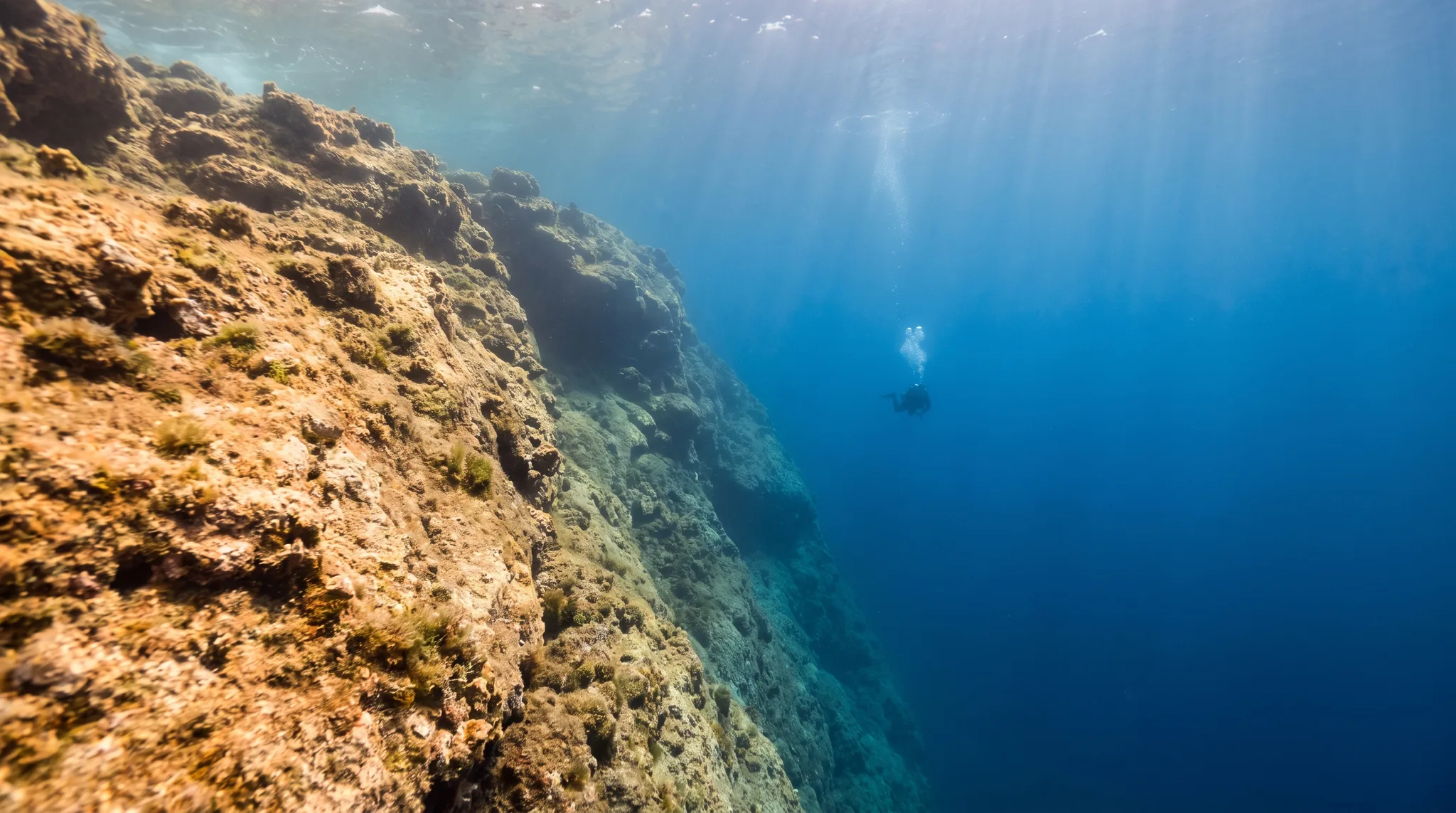 10
10Shore and boat dives across reefs, walls and wrecks, with European Common Cuttlefish present at almost every site.
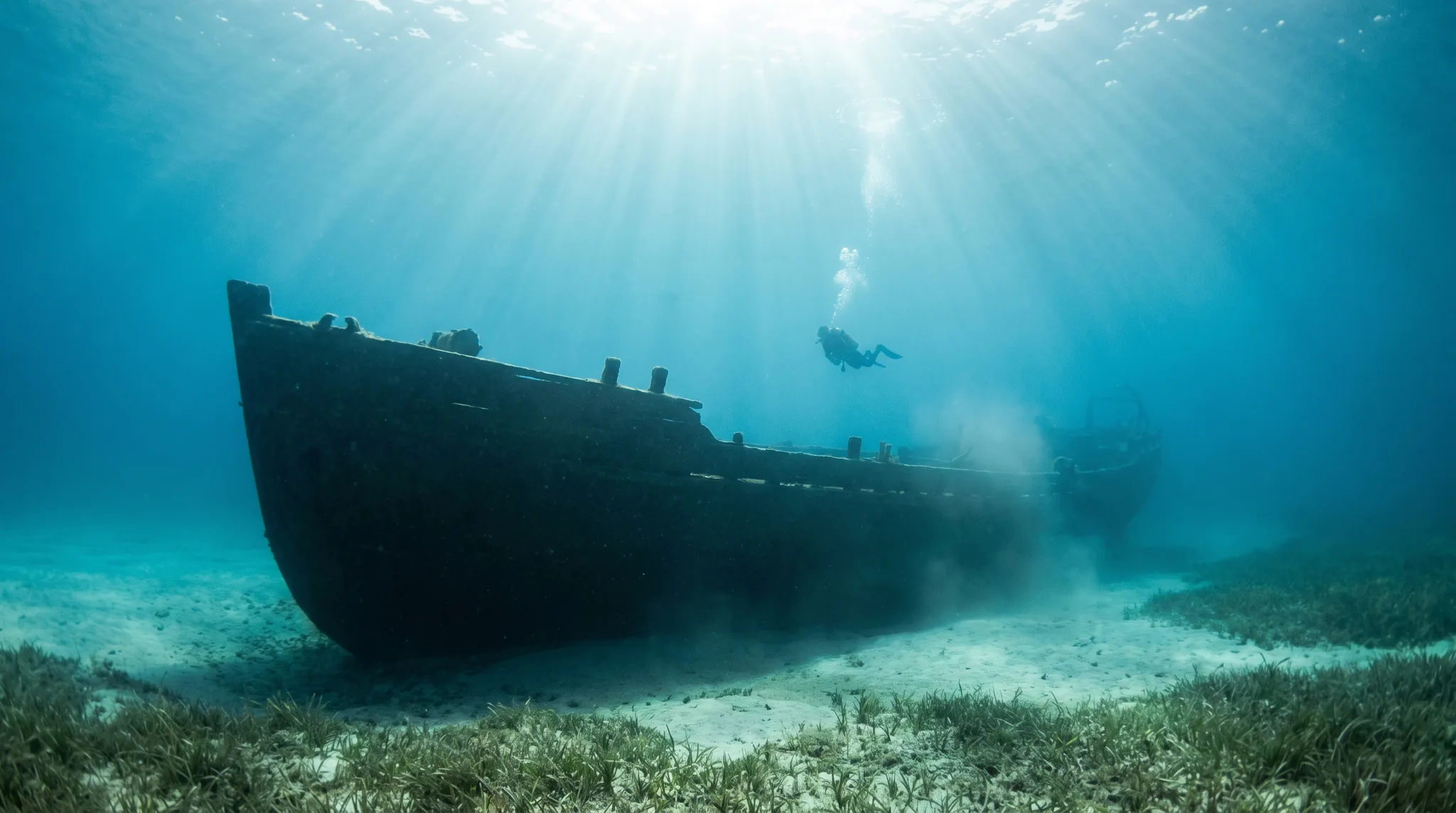 8
8Adriatic wreck and artificial reef diving in Romagna, anchored by the Paguro sunken drilling rig.
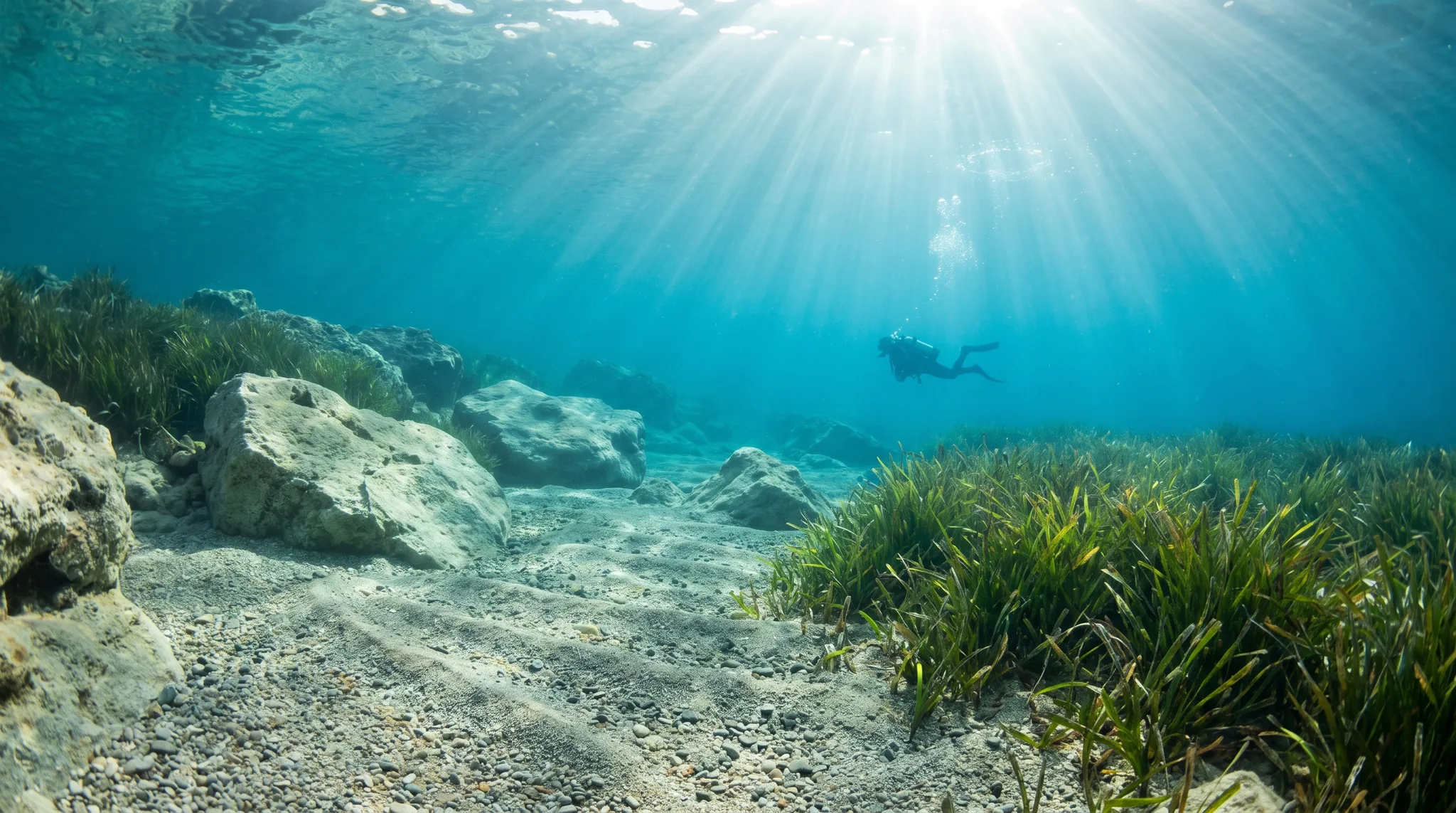 4
4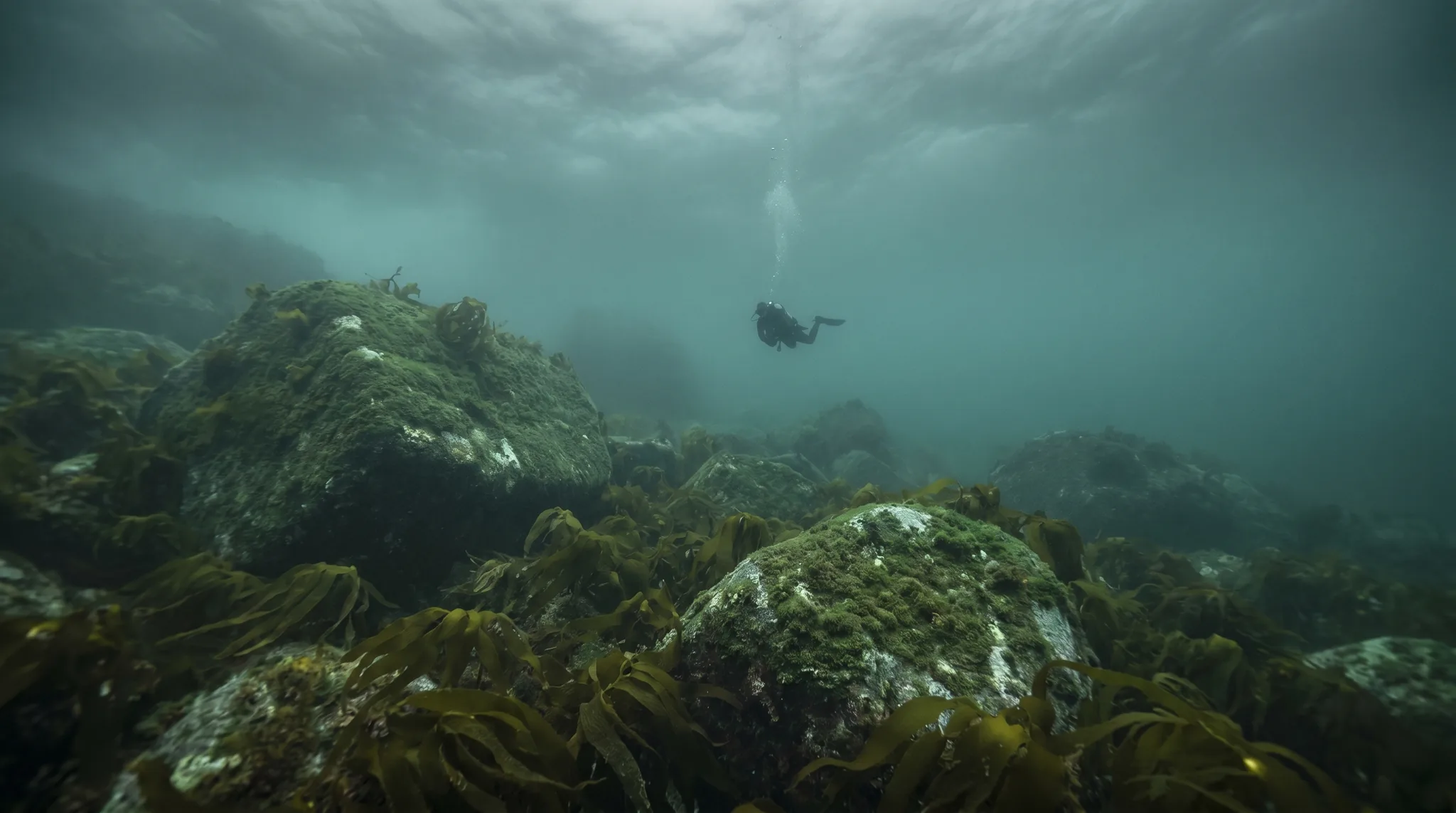
Monthly water temperature across Adriatic Coast's sites, from satellite sea-surface data corrected for depth. The band shows the site-to-site spread.
Water temperatures climb steadily from spring into the warmest months of late summer and early autumn, when conditions draw the most diver activity. The peak window runs from May through September, with October still viable. Winter months bring cooler water and reduced visibility, favouring drysuits and more experienced divers.
65 operators
Adriatic wreck and reef diving beneath the Conero promontory on the Marche coast.
Water temperature around Adriatic Coast ranges from about 10°C in February to 20°C in August, based on satellite sea-temperature data for its dive sites.
In the warm season (about 20°C) a 5mm suit is comfortable in Adriatic Coast; in the coldest months (about 10°C) step up to a drysuit.
Fin maps 43 sites in Adriatic Coast (43 scuba diving sites and 2 snorkelling spots, with some suited to both), organised into 5 areas.
Across Adriatic Coast's dive sites, May, June, July, August and September are most often reported as the best months to visit.
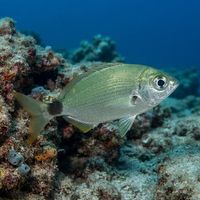
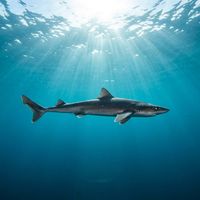
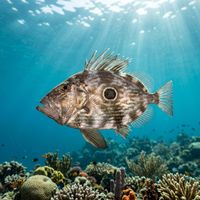
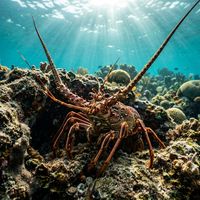
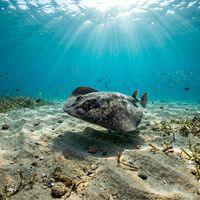
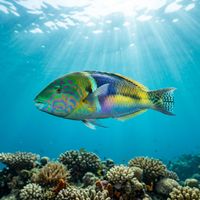
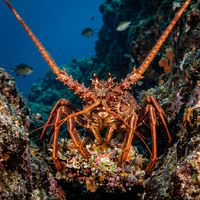
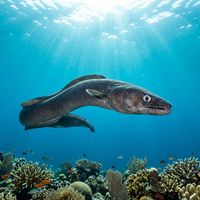
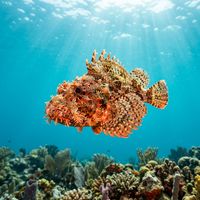
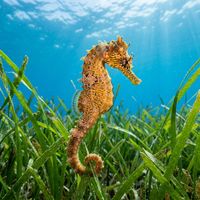
The European Common Cuttlefish is the most frequently encountered species across the region's sites. Dusky Grouper, Painted Comber, Two-banded Seabream and White Seabream are very common on the reefs, while Spiny Lobster, Conger Eel, Torpedo Ray, Scorpionfish and John Dory add variety. Patient divers may also spot Seahorse among the rocky outcrops.
A good portion of the sites are rated beginner level, including the shallow Miramare wall and reef, Piramidi artificial reef and the Vrmak wreck and wall combination. Intermediate sites such as the tegnùe reefs around Chioggia and the Evdokia II wreck offer progression, while a handful of advanced sites cater to more experienced divers. The mix means the region works well for mixed-ability groups.
Chioggia is the largest sub-area, centred on the tegnùe reef system and several wreck sites, ranging from shallow to deeper dives. Trieste and Friuli offers sites like Miramare with wall and reef topography in shallower water. Romagna and Conero extend coverage southward with their own mix of reef and artificial reef sites, while Venice Tegnùe contributes a single distinctive tegnùe dive.
All sites listed across the region are accessed by boat. Operators including Venice Diving, Isamar Diving Center, Albarella Diving Center and Dive For Fun Venezia are among those running trips in the area. Boat access is standard because the tegnùe reefs and wrecks sit well offshore from the coastline.