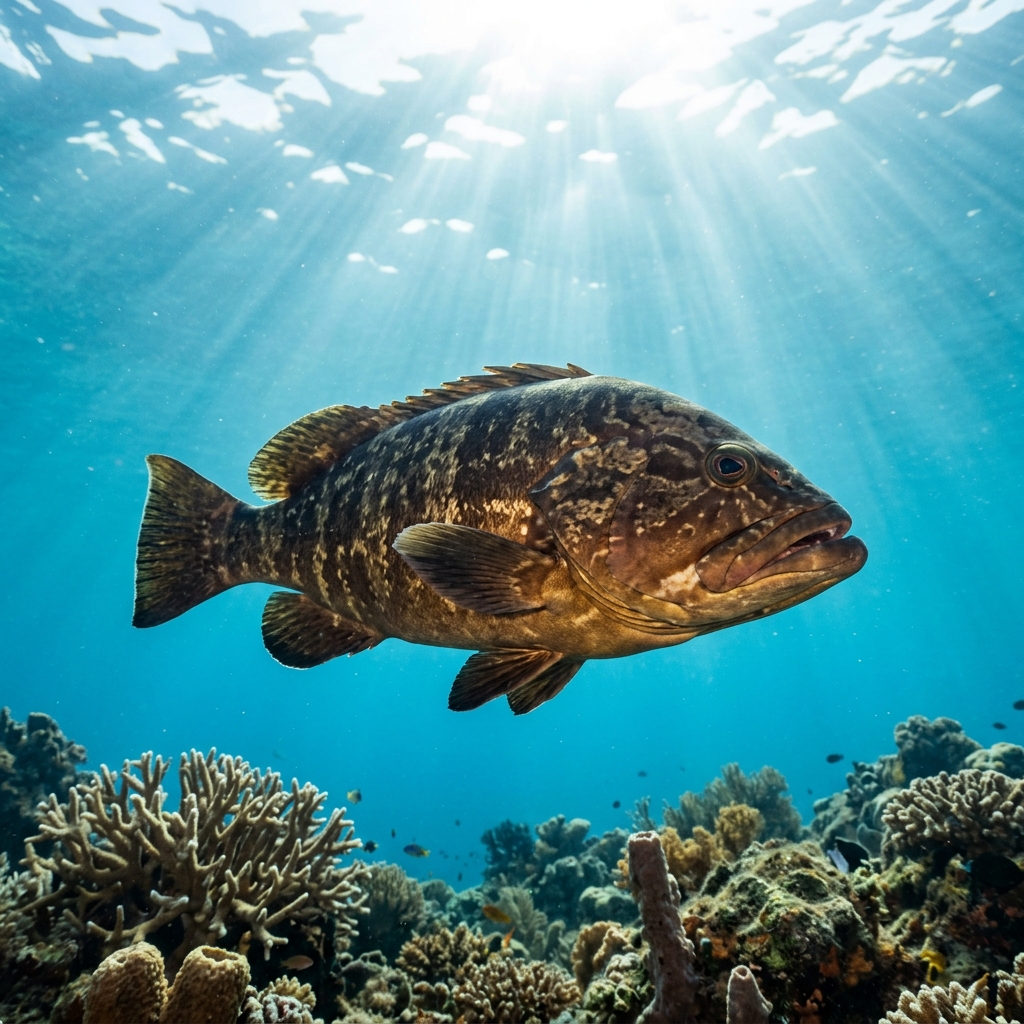
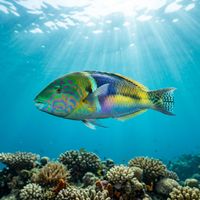
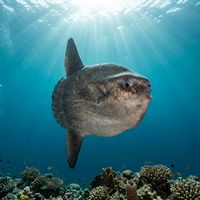
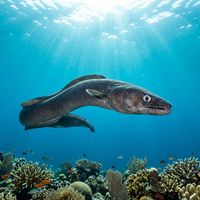
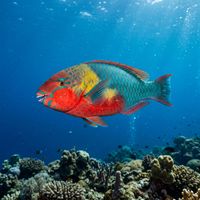
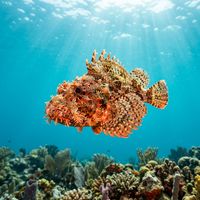
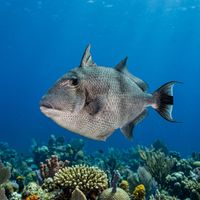
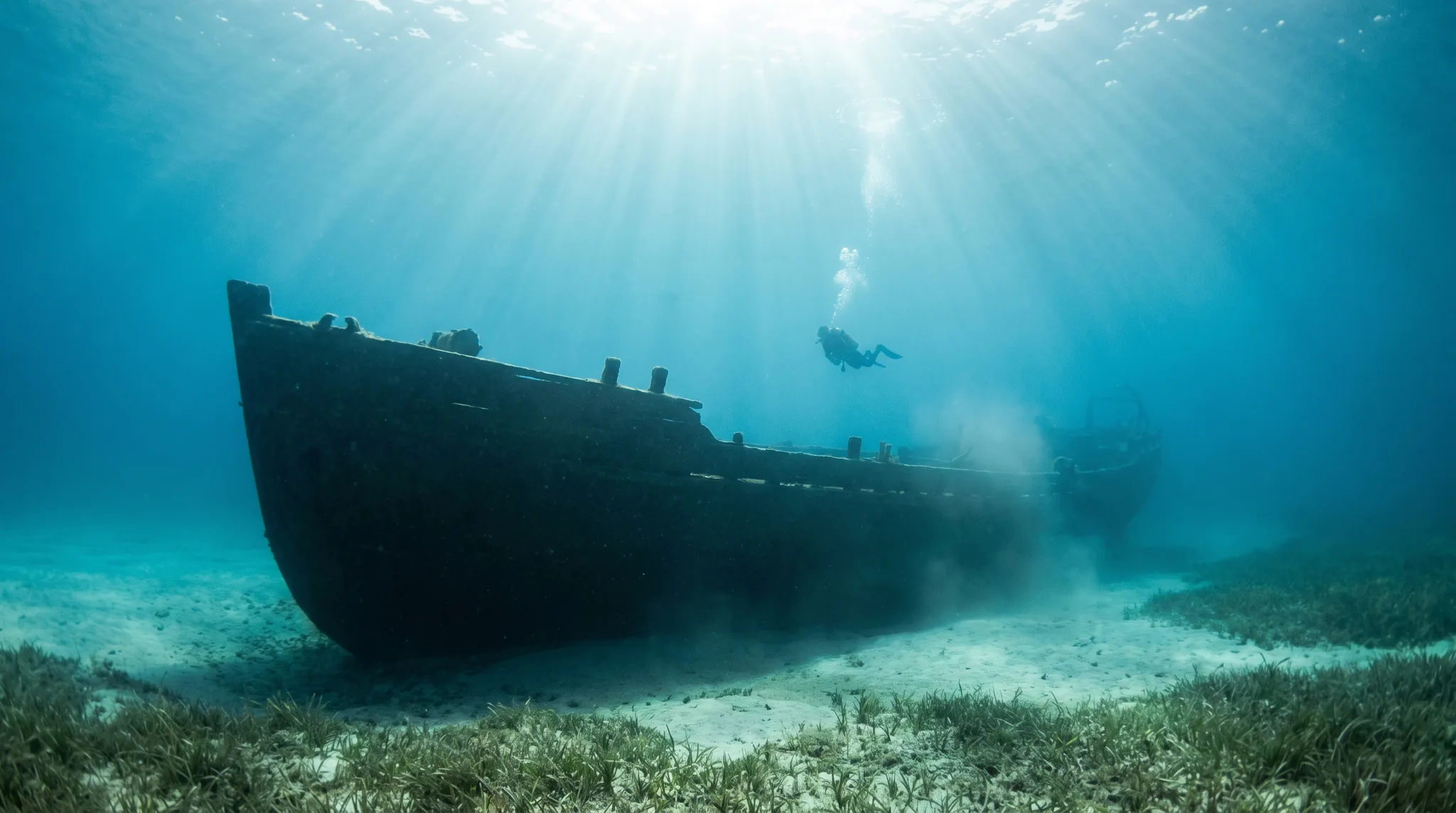
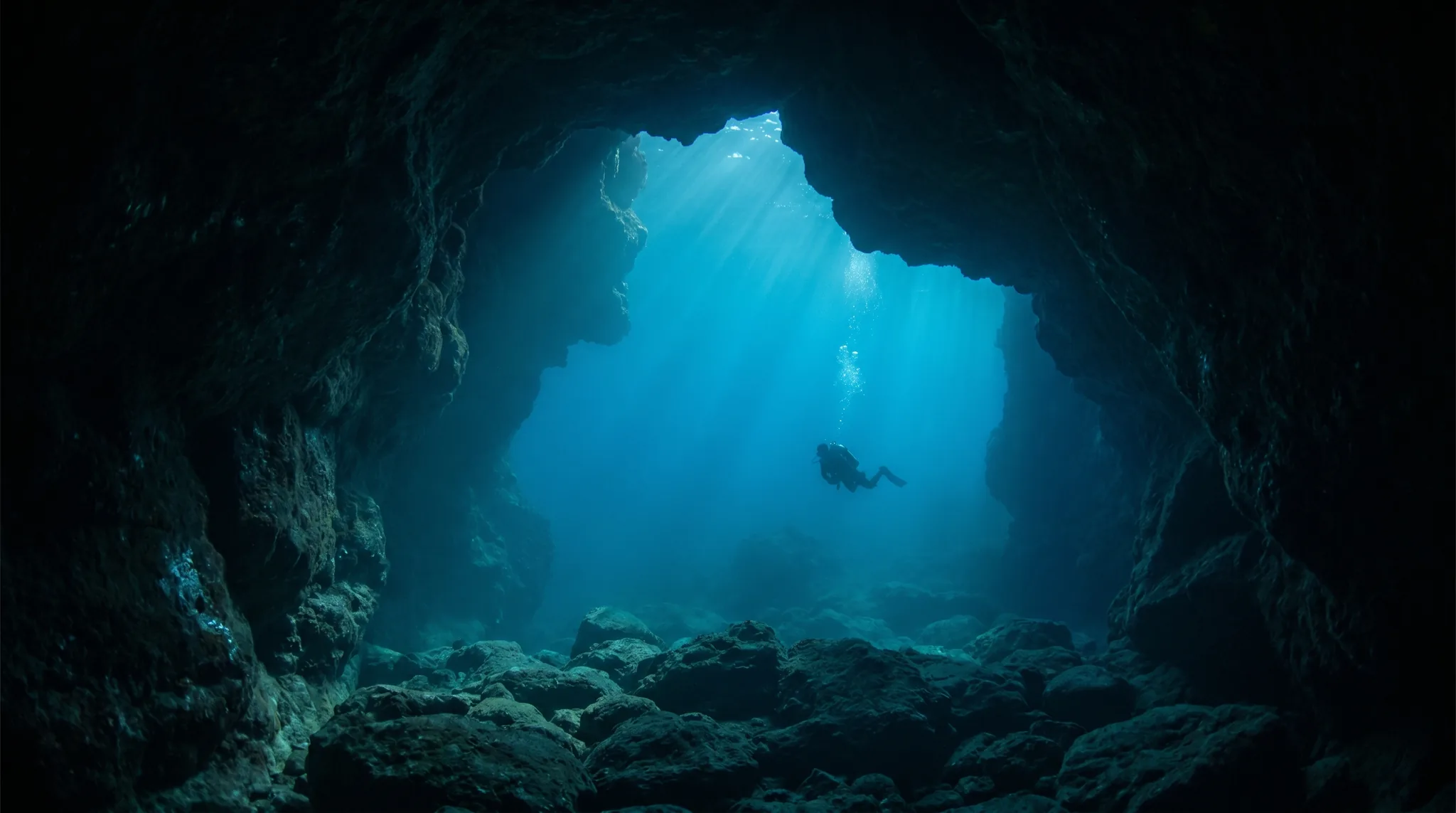
Puglia's diving is defined by a varied seabed that shifts dramatically between its four sub-areas. Salento holds the largest concentration of sites, ranging from shallow shore-entry reefs to deep pinnacles and wreck sites holding Roman-era anchors and ancient amphorae. The Tremiti Islands offer advanced wall and drift diving with distinctive arch formations. Taranto and Polignano a Mare round out the region with additional reef and cave topography. The Turkish Wrasse, Red Gorgonian, Conger Eel, and Dusky Grouper appear consistently across sites, while the Ocean Sunfish is an occasional highlight.
4 areas
 21
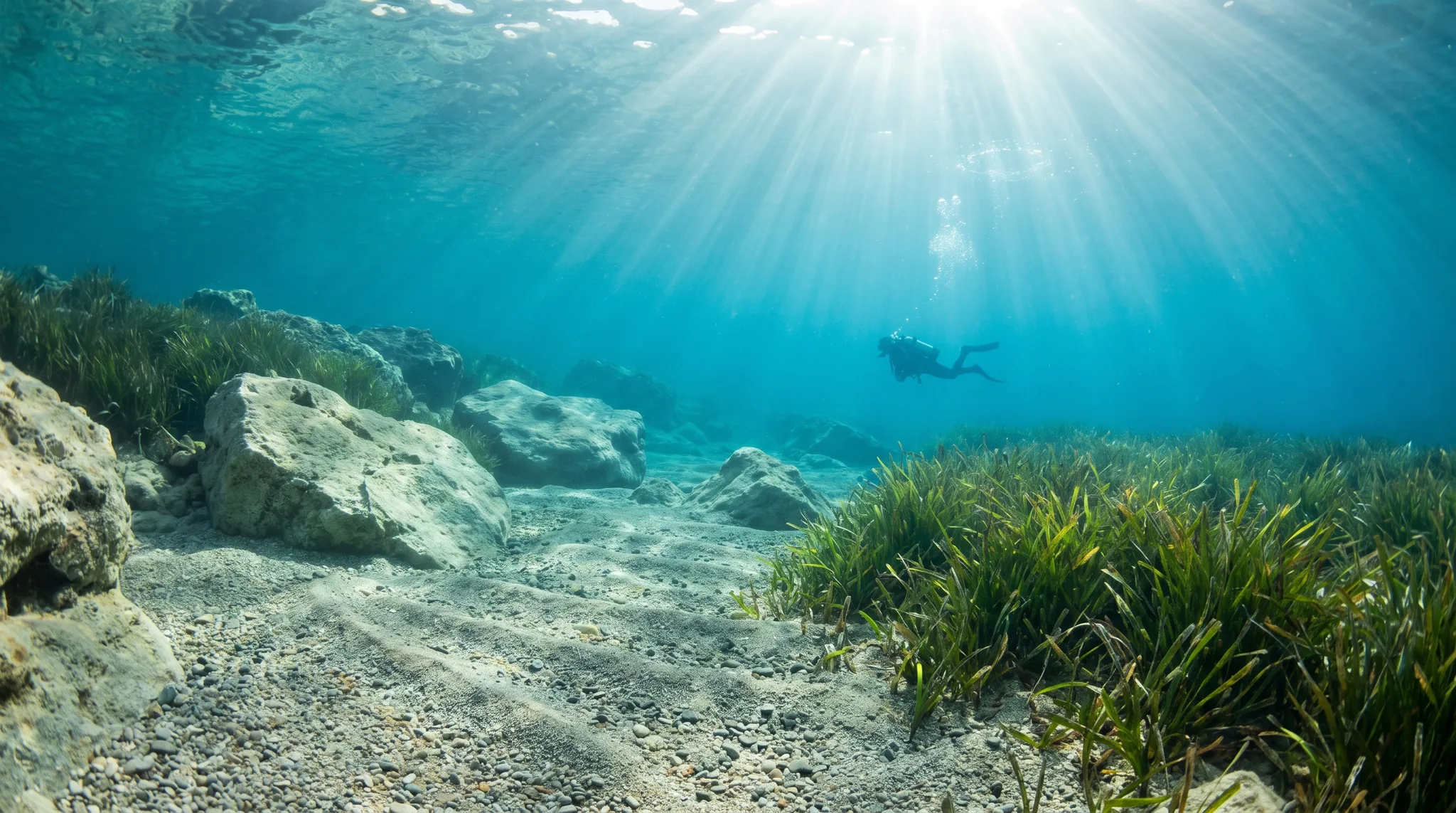
21Reef walls, sea caves and historically rich wrecks make Salento one of Puglia's most varied dive destinations.
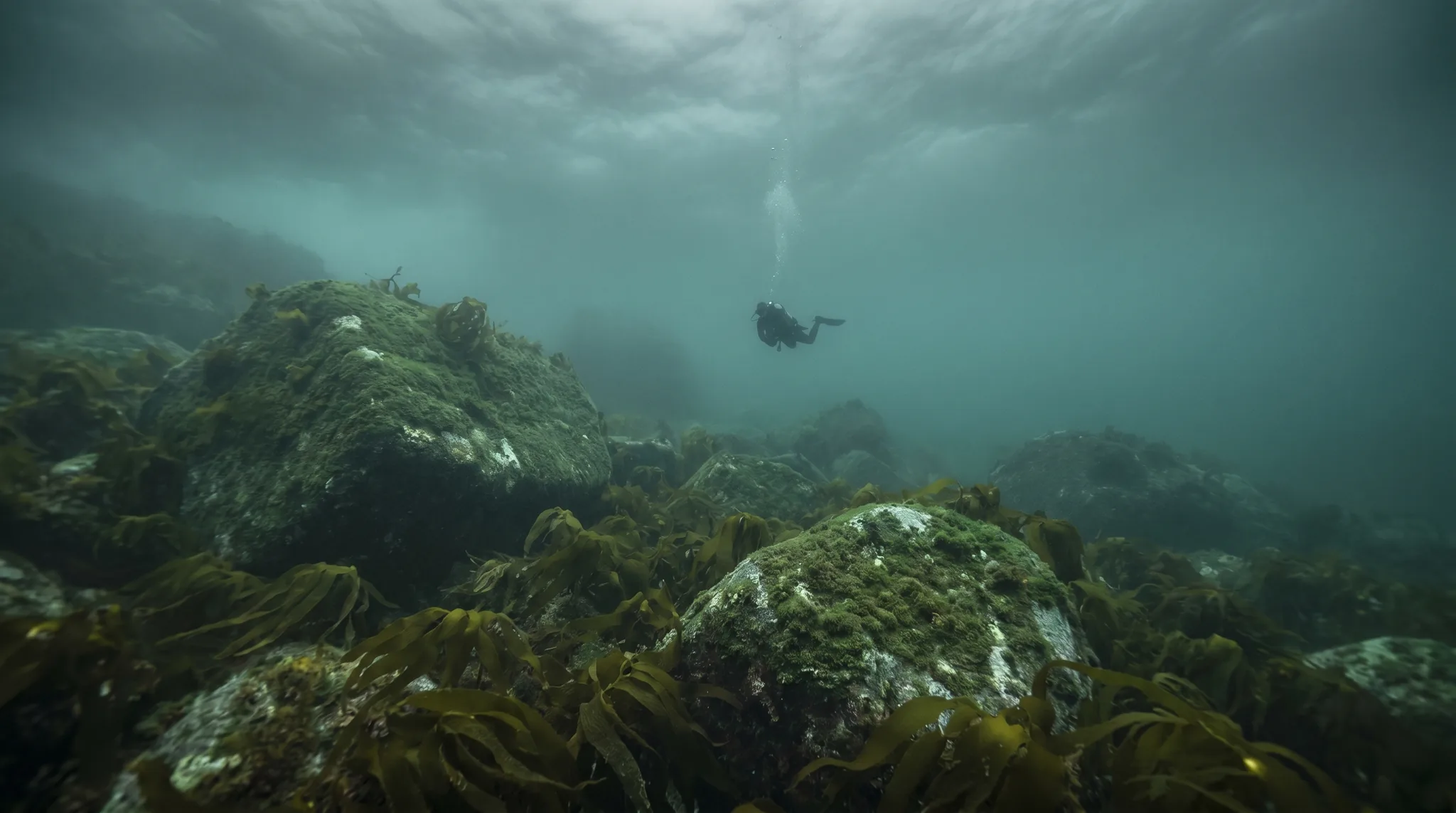 12
12Walls, pinnacles and gorgonian-covered reefs across a compact island group, with sites ranging from beginner caves to advanced drift dives.
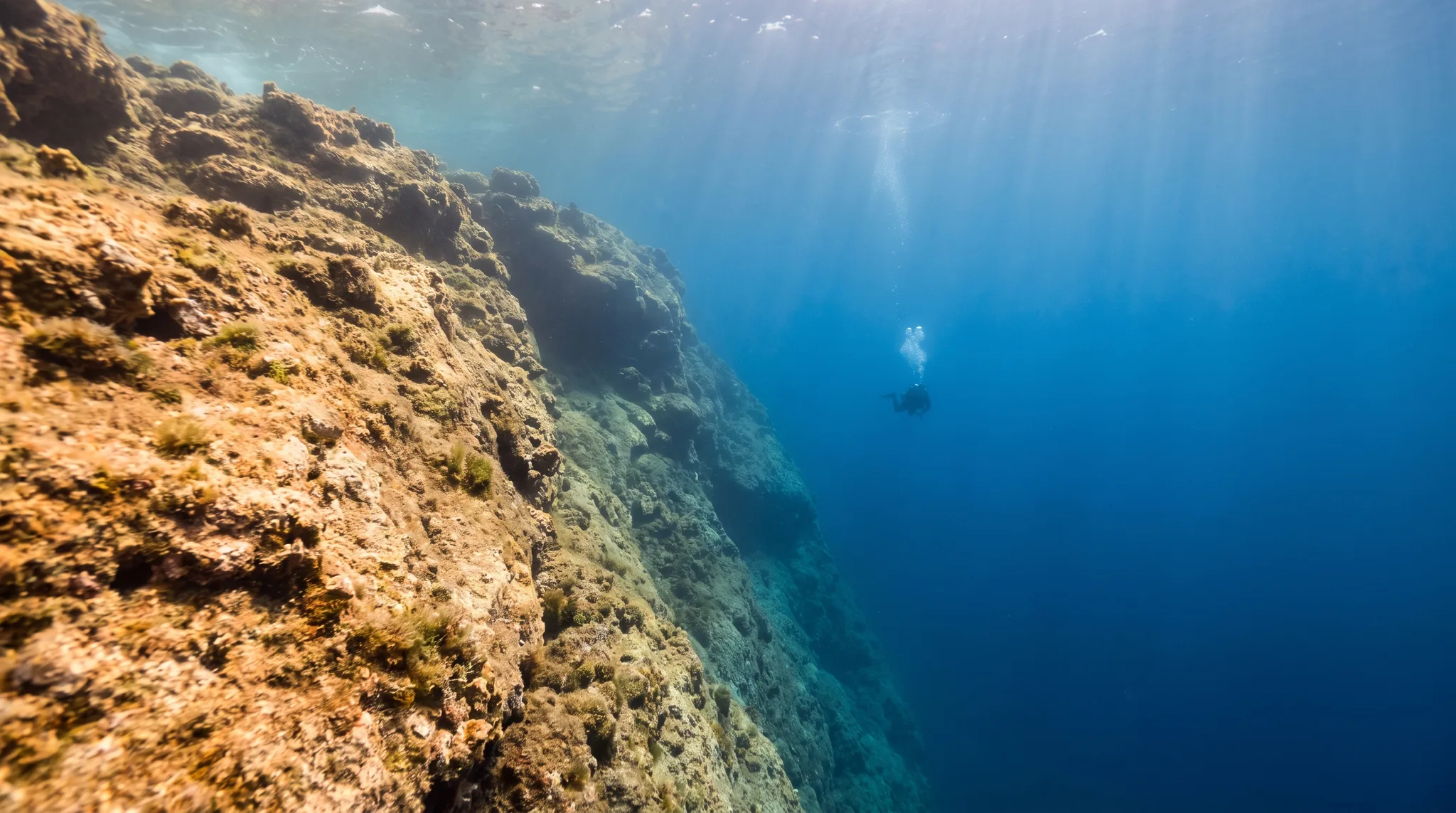 7
7Ionian Sea diving near Taranto with diverse marine life, caves, walls, and wreck sites in Puglia.
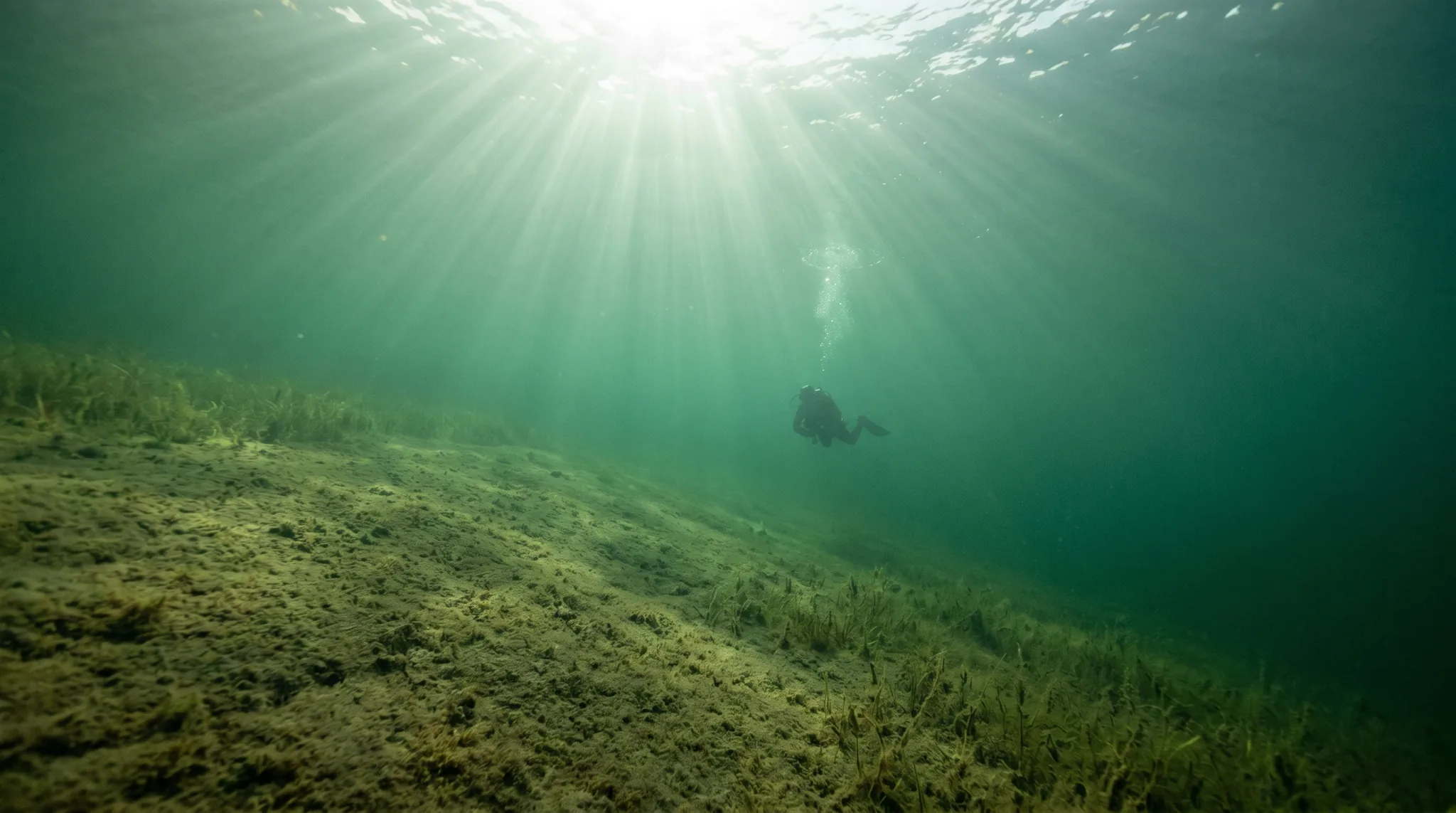 5
5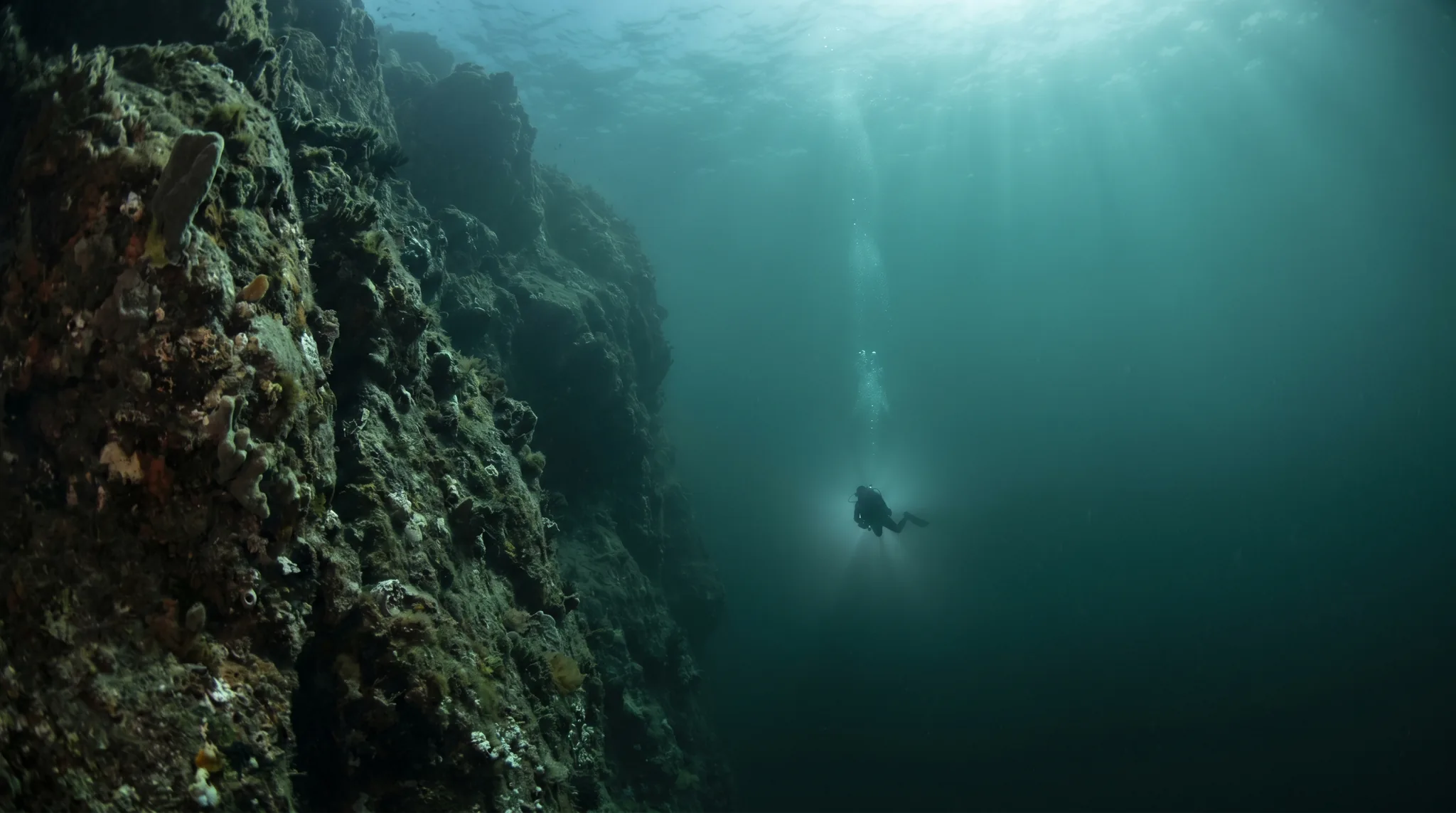
Monthly water temperature across Puglia's sites, from satellite sea-surface data corrected for depth. The band shows the site-to-site spread.
Water temperatures sit at their coolest in late winter and begin climbing meaningfully from May onward, reaching their warmest through late summer and early autumn. June and October share the strongest popularity among divers, suggesting that shoulder-season conditions combine comfortable water with favourable visibility. Winter diving remains possible but demands appropriate thermal protection and suits more experienced divers comfortable with cooler conditions.
58 operators

Water temperature around Puglia ranges from about 14°C in February to 22°C in August, based on satellite sea-temperature data for its dive sites.
In the warm season (about 22°C) a 3mm full suit is comfortable in Puglia; in the coldest months (about 14°C) step up to a 7mm or semi-dry suit.
Fin maps 45 sites in Puglia (45 scuba diving sites and 1 snorkelling spots, with some suited to both), organised into 4 areas.
Across Puglia's dive sites, June, July, September and October are most often reported as the best months to visit.
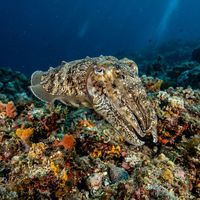
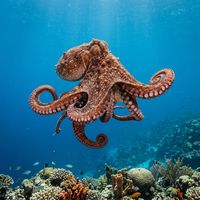
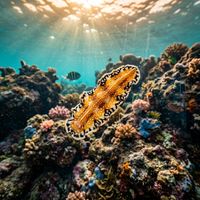
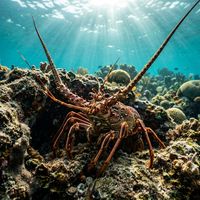
Puglia's reefs and wrecks support a wide cast of species observed across the region's sites. The European Common Cuttlefish and Common Octopus are among the most frequently seen, alongside the Dusky Grouper, Turkish Wrasse, Conger Eel, and Scorpionfish. Crustacean enthusiasts will find Spiny Lobster, Slipper Lobster, and Squat Lobster in rocky recesses, while the Ocean Sunfish makes occasional appearances. Red Gorgonian growth decorates many walls, and Sea Slug and Flatworm sightings reward divers who look closely.
Puglia caters well to divers across all levels. A good number of sites, including Torre S Emiliano, Punta del Serrone, La Cattedrale, and Punta Penne, are rated for beginners and offer shallow, accessible topography. Intermediate divers have solid options in wreck sites like Relitto Neuralia and wall dives such as Malepasso. Advanced divers are drawn to Gli Archi in the Tremiti Islands and Secca del Pisello in Salento, where deeper walls and currents demand more experience.
Salento is the most site-rich sub-area, offering everything from beginner shore reefs to deep pinnacles and historically interesting wreck sites with Roman anchors and amphorae. The Tremiti Islands lean toward more demanding diving, with wall, drift, and arch formations suited to experienced divers. Taranto adds a further cluster of sites, and Polignano a Mare provides a compact selection of reef and cave options. Each sub-area has its own character, so the right choice depends on your skill level and the type of diving you prefer.
Both entry types are available in Puglia, though boat access is more common across the region's sites. Shore entries are possible at sites including Torre S Emiliano and Canyon in Salento, making independent diving feasible for those who prefer it. Several sites such as Punta Penne and Punta del Serrone offer both shore and boat access, giving divers flexibility. The many operators spread across the region, including UP Salento Diving, Acquatica Scuba ASD, and H2O ScubaLibre, provide guided boat trips to sites that cannot be reached from land.