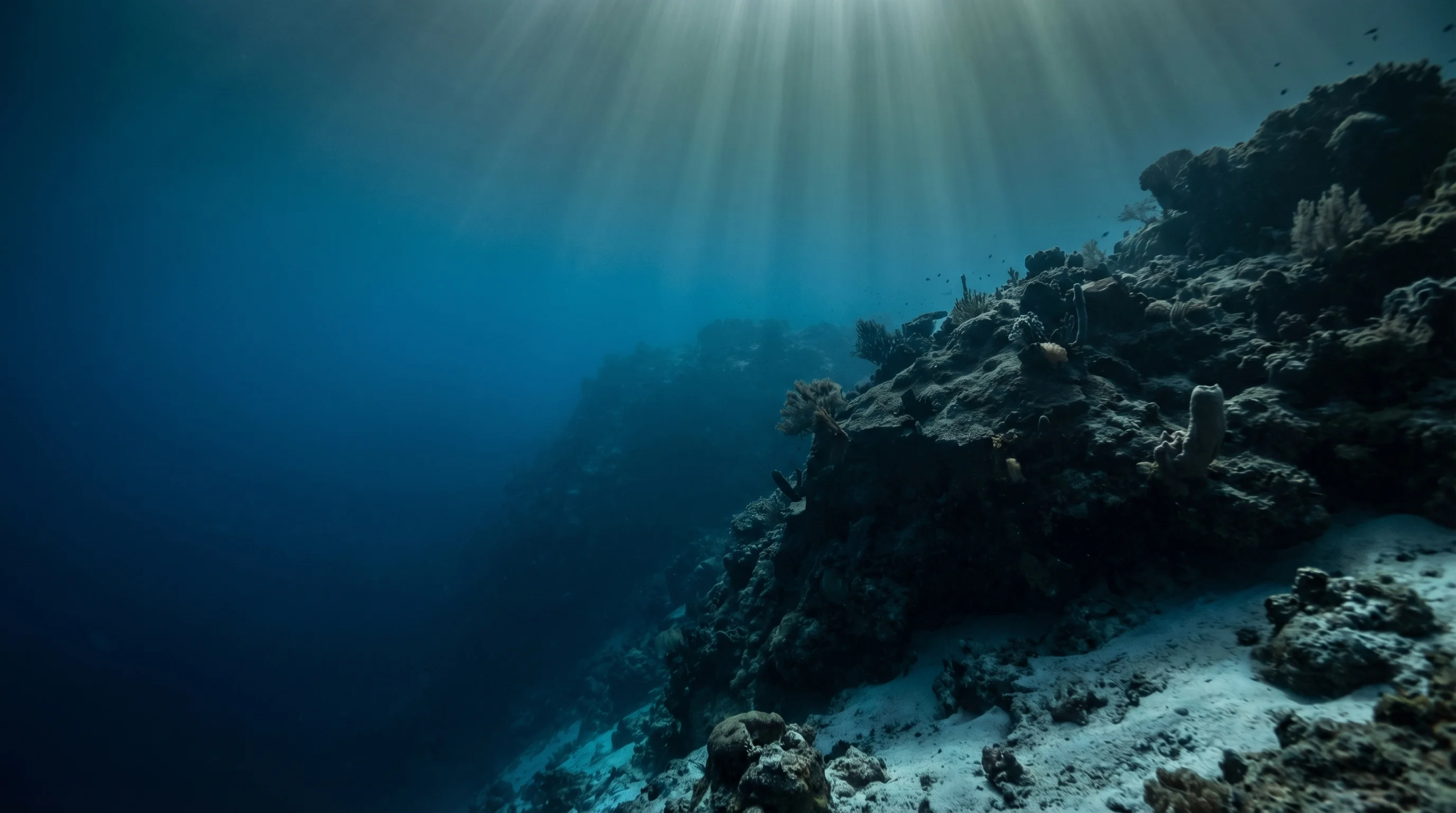
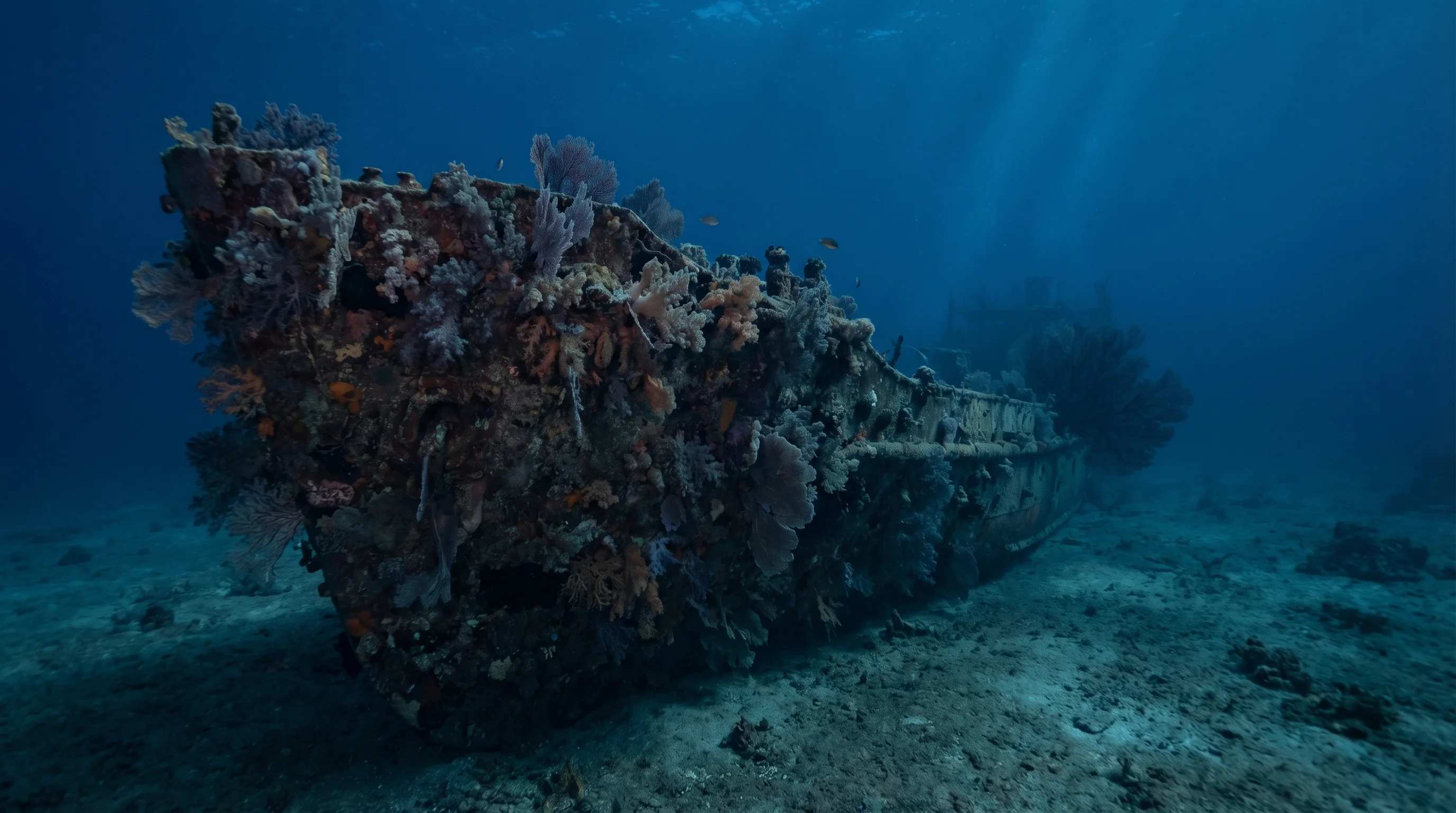
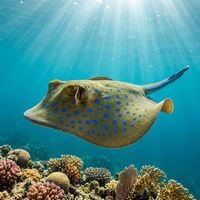
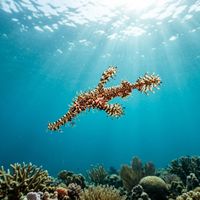
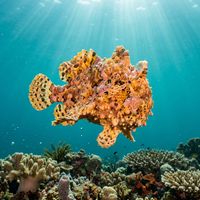
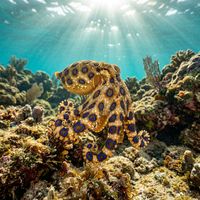
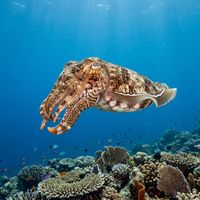
Sulawesi offers one of the most varied diving landscapes in Indonesia, spanning eight distinct sub-areas from the macro-heavy Lembeh Strait to the wall-dominated reefs of Bunaken and Manado and the remote atolls of Taka Bonerate. Site types range from shallow reef flats and caverns to steep drop-offs, pinnacles and drift dives. The species list is extraordinary in its breadth: observation-backed records include the Painted Frogfish, Mandarinfish, Ornate Ghostpipefish and Blue-ringed Octopus alongside reef staples like Common Clownfish and Broadclub Cuttlefish. Warm water persists year-round, and the mix of beginner-friendly shore entries and advanced boat dives means the region suits a wide range of experience levels.
8 areas
 85
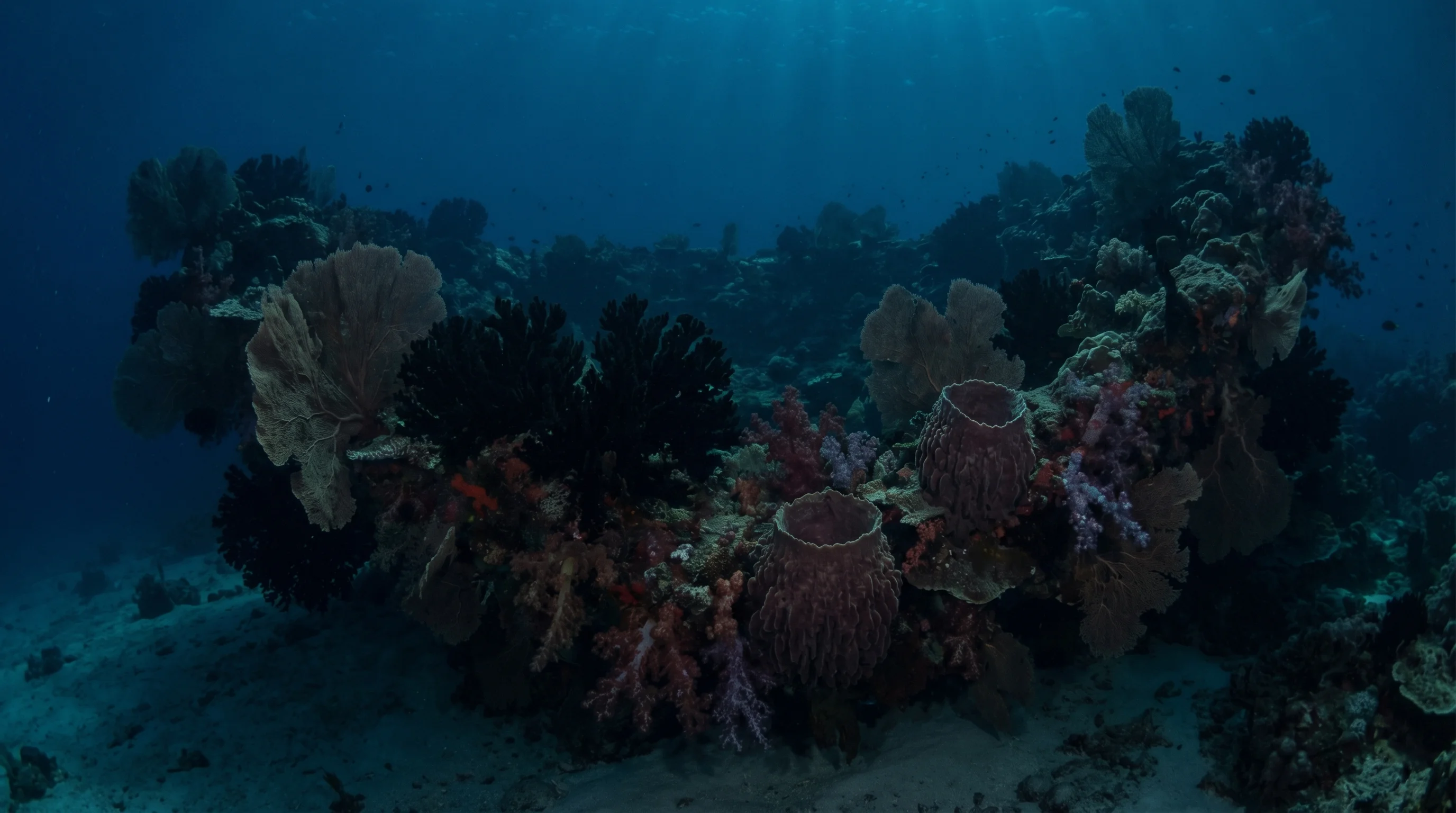
85Wrecks, pinnacles, and exceptional macro life across three distinct island groups in Sulawesi.
 77
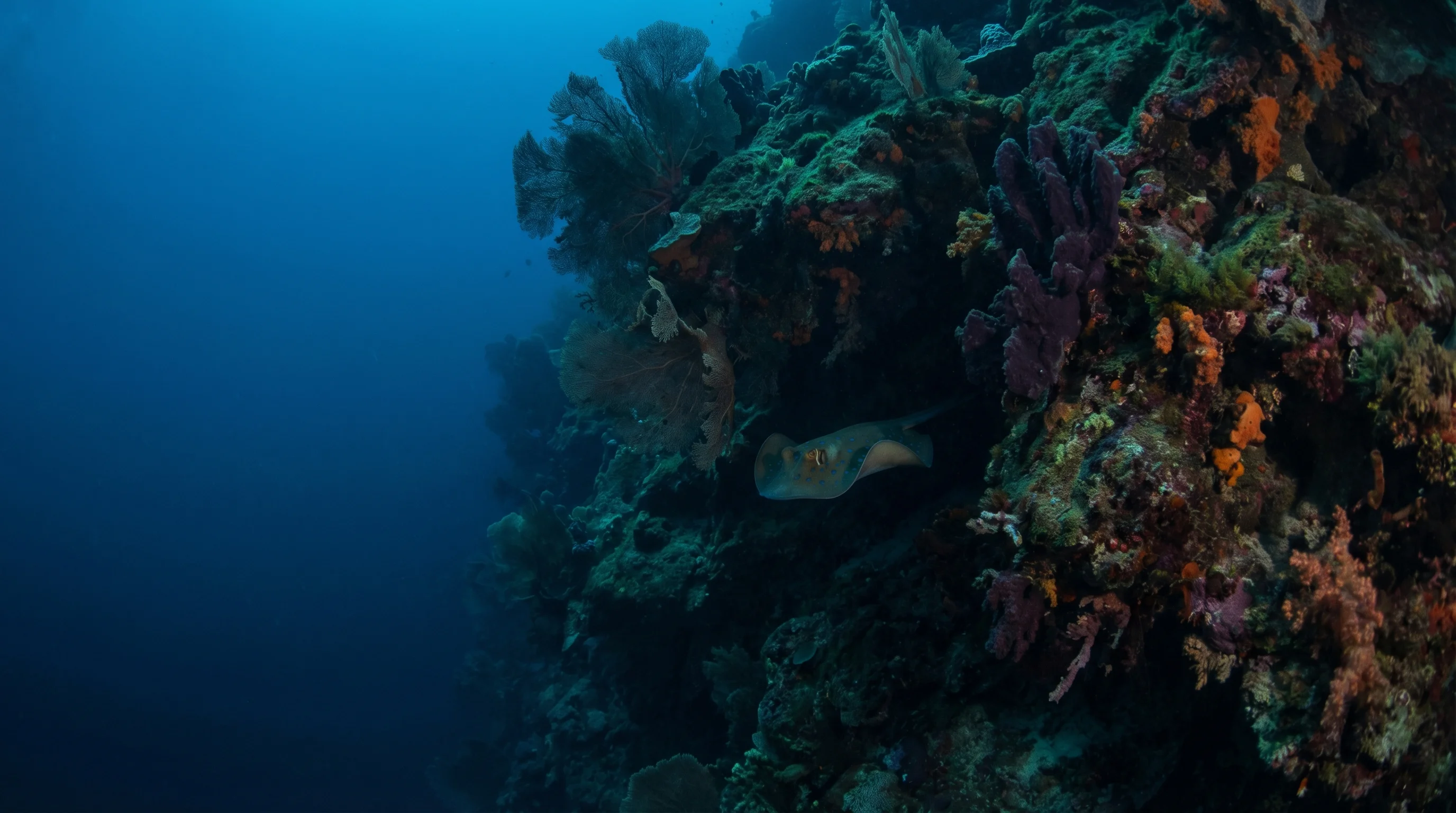
77Dramatic vertical walls, strong drift potential, and an exceptional spread of reef species across three distinct island and mainland sub-areas.
 53
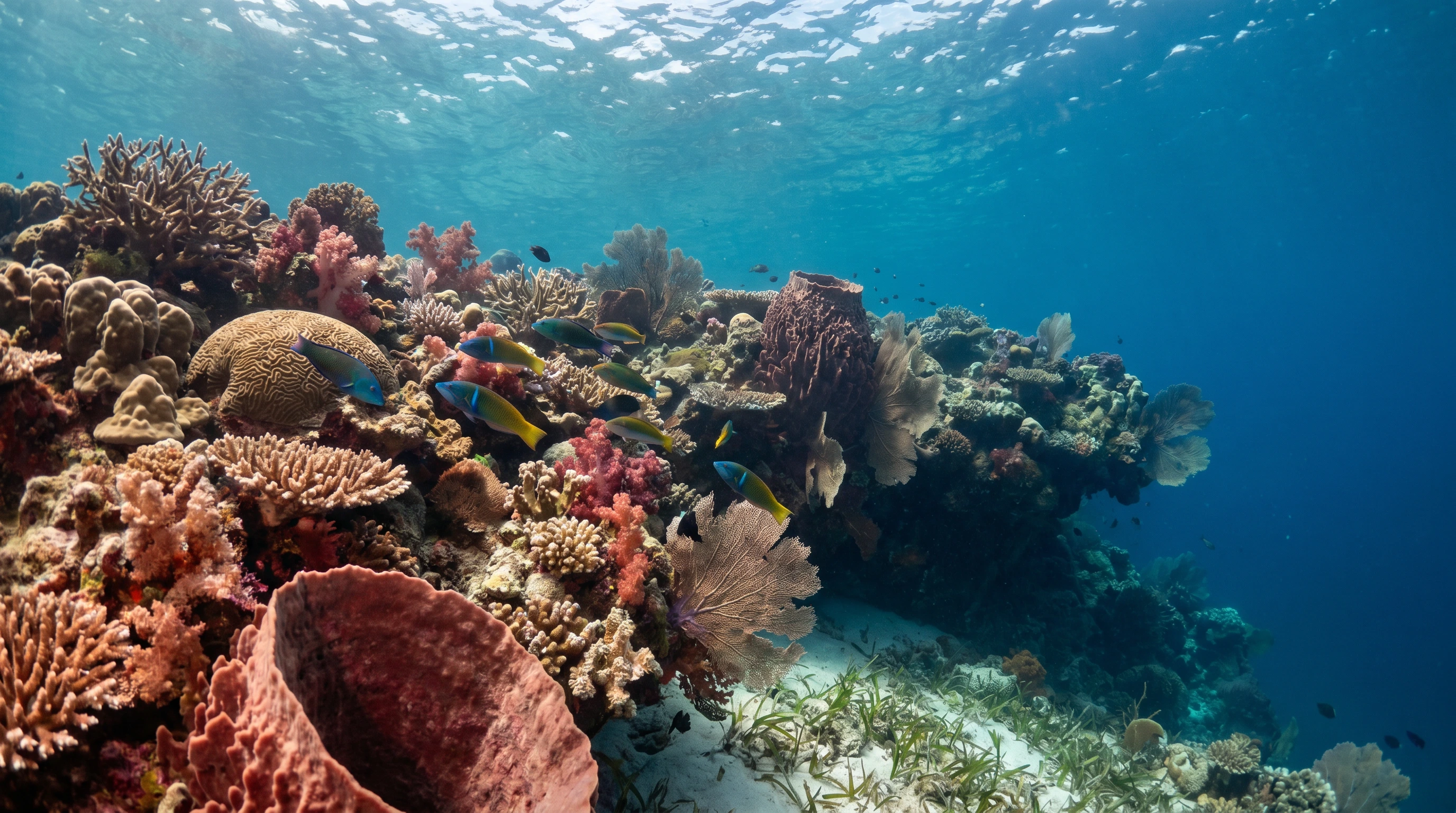
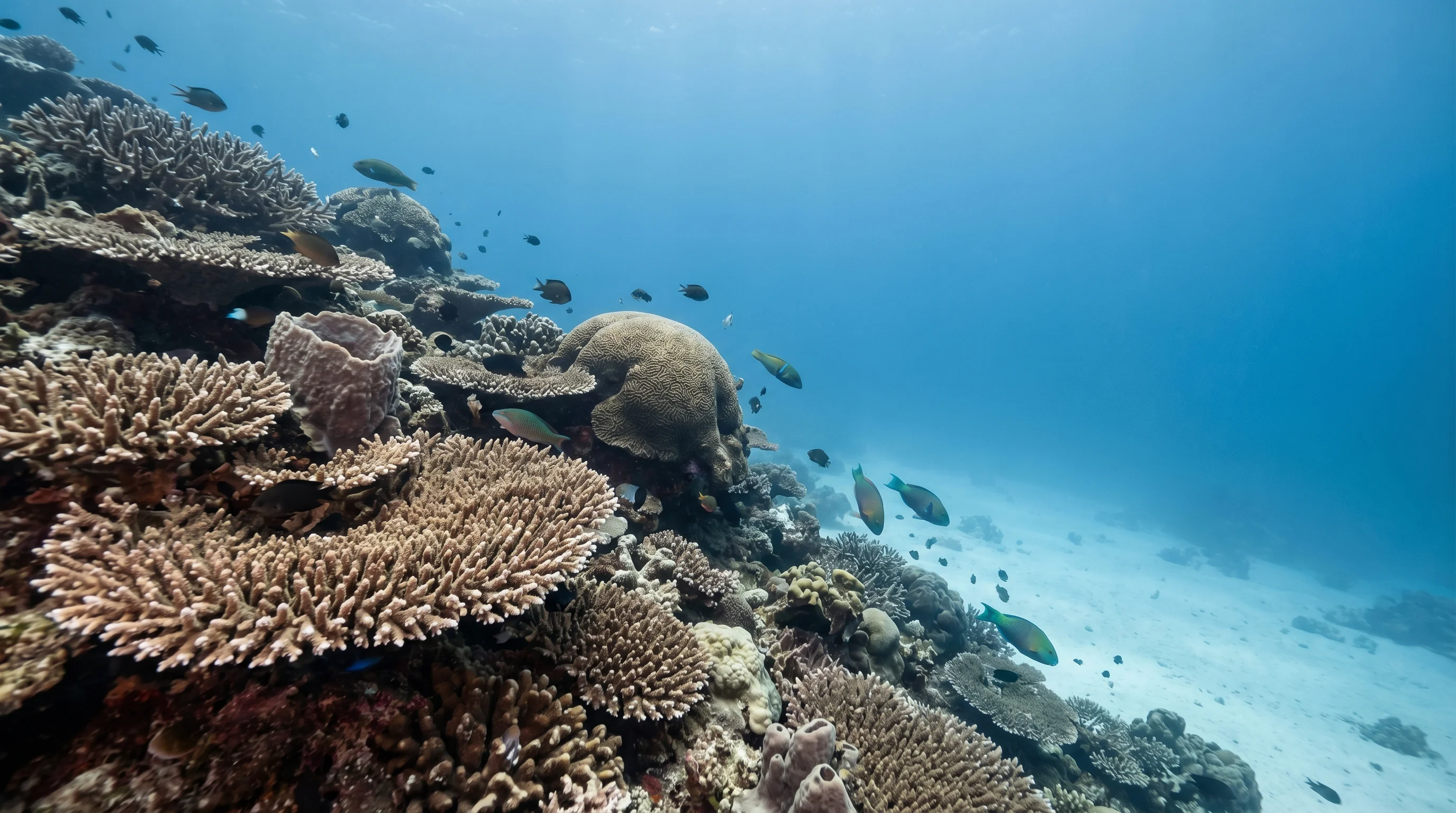
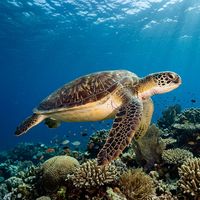
53Two island groups delivering walls, drift dives and exceptional macro life, from nudibranch-covered reefs to resident Green Sea Turtle.
 34
34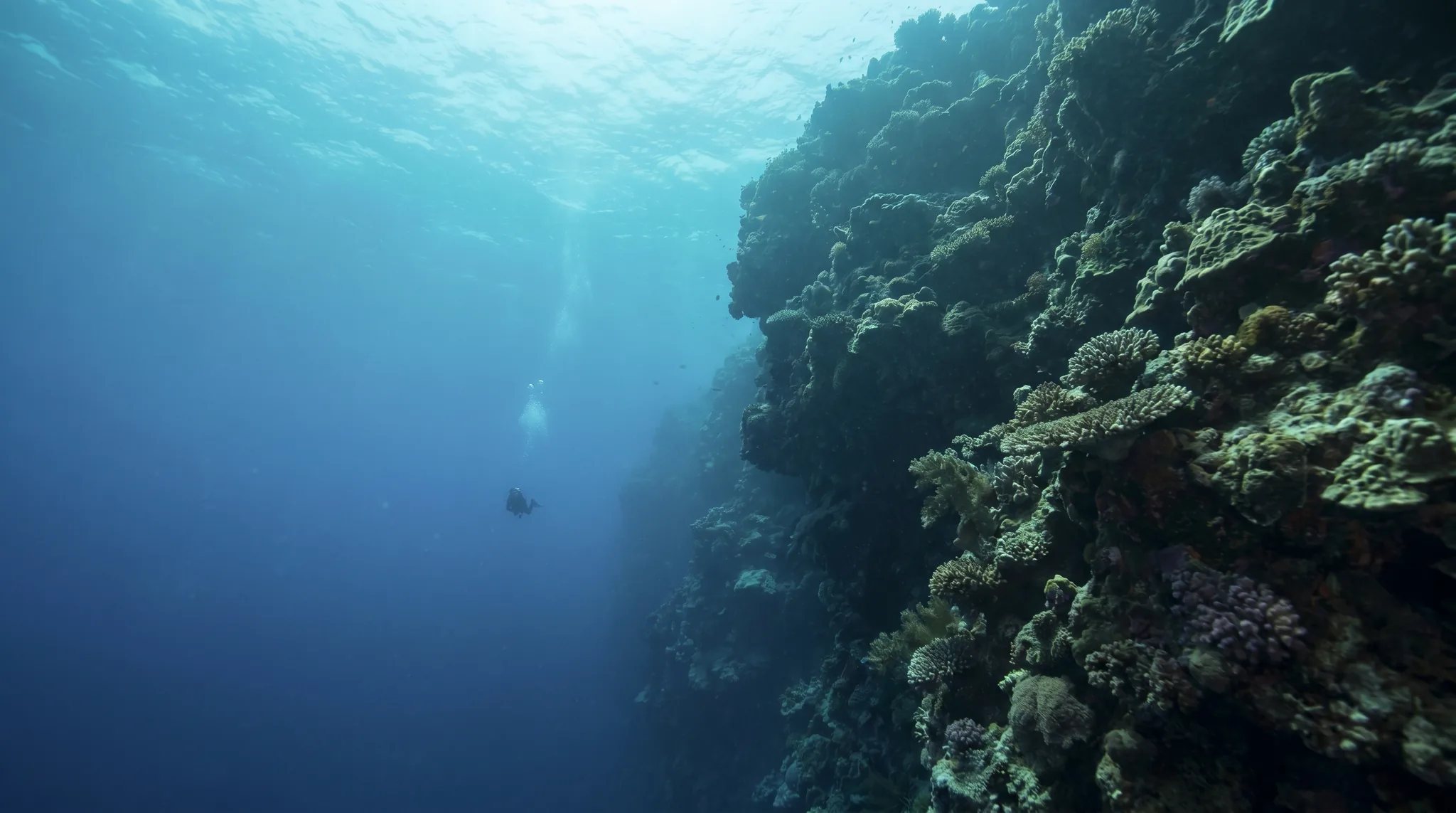
Monthly water temperature across Sulawesi's sites, from satellite sea-surface data corrected for depth. The band shows the site-to-site spread.
Water temperature remains consistently warm across all months, with only marginal variation, so thermal comfort is rarely a planning concern. Dive conditions vary more by sub-area than by season: exposed sites in Bunaken and Bangka Island can see stronger swells during the northwest monsoon period, while the Lembeh Strait and Wakatobi tend to dive well across a broader window. The histogram shows peak activity from March through October, with April and October standing out as particularly popular months.
193 operators


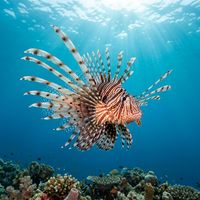
Pinnacle and reef diving with exceptional nudibranch diversity and multiple lionfish species across a compact, well-organised site network.
Water temperature around Sulawesi ranges from about 28°C in September to 30°C in December, based on satellite sea-temperature data for its dive sites.
With water around 28–30°C, a rash guard or 3mm shorty works in Sulawesi year-round.
Fin maps 313 sites in Sulawesi (285 scuba diving sites and 65 snorkelling spots, with some suited to both), organised into 8 areas.
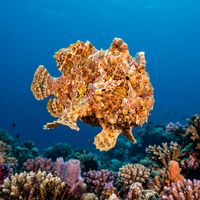
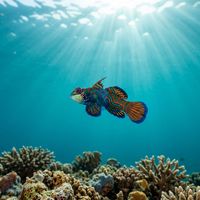
Sulawesi has observation-backed records for some of the most sought-after cryptic species in Indonesian waters. The Painted Frogfish, Warty Anglerfish, Ornate Ghostpipefish, Robust Ghost Pipefish and Mandarinfish have all been observed across the region's sites. The Blue-ringed Octopus is also recorded here, and the Leaf Scorpionfish is encountered with reasonable regularity. Lembeh Strait in particular is structured around this kind of macro and muck diving.
Sulawesi accommodates a broad range of skill levels. Many top sites, including Wakatobi Resort, Zoo Point, Fun Garden and Sporter Turtle, are rated beginner-friendly, with shallow reef tops and calm conditions. Intermediate and advanced sites such as Tanjung Kopi and Una Una - The Pinnacle exist for those seeking deeper walls and more demanding topography. With so many sub-areas and site types available, divers at most experience levels will find appropriate options.
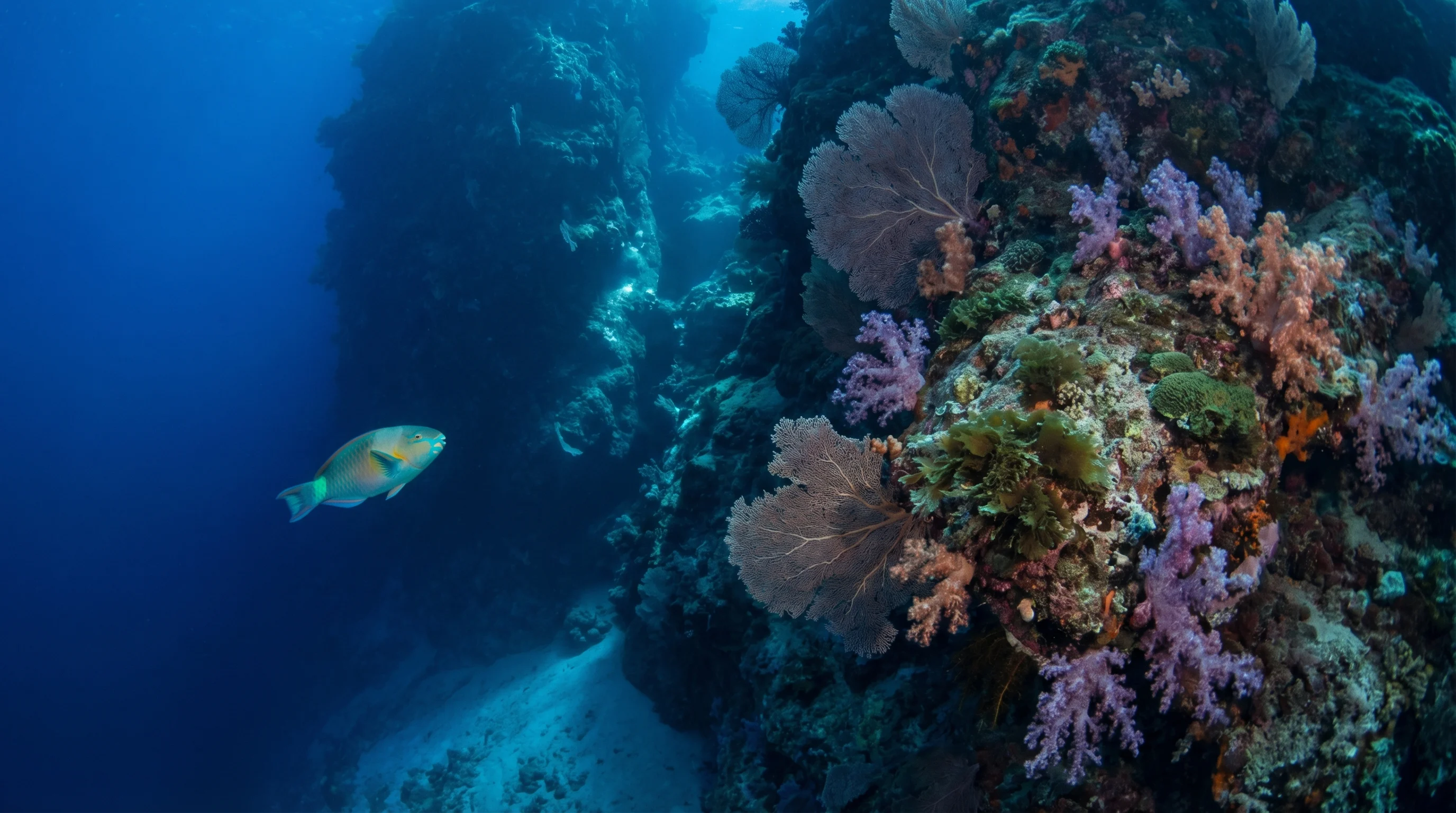
Each sub-area has a distinct character. Lembeh Strait is the destination for muck and macro diving, while Bunaken and Manado are known for steep walls and drop-offs. Wakatobi centres on coral reef quality and includes the well-regarded Wakatobi Resort house reef accessible from shore. The Togian Islands offer the largest concentration of sites in the region, and Taka Bonerate adds atoll diving with blue holes and dramatic drop-offs. Bangka Island and Gorontalo round out the offer with reef and wall diving in quieter settings.
Boat access dominates across most of Sulawesi's sub-areas, reflecting the spread of sites across islands and atolls. However, shore entry is available at notable sites including Wakatobi Resort, and some sites such as Tanjung Galaxy offer both shore and boat options. Operators including Lembeh Resort, Murex Resorts Bangka, and Bunaken Oasis Dive Resort and Spa run dedicated boat programmes, making it straightforward to reach sites that cannot be reached on foot.