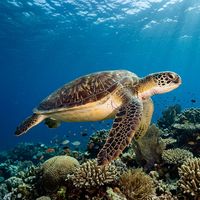
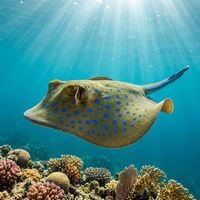
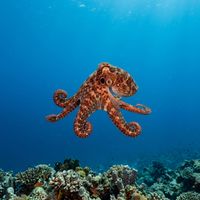
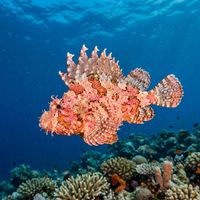
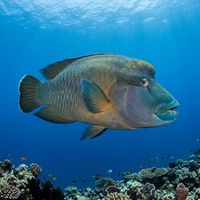
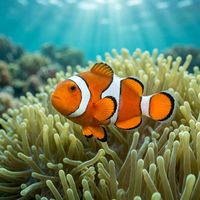
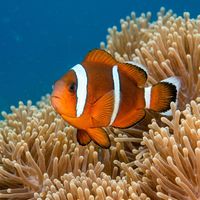
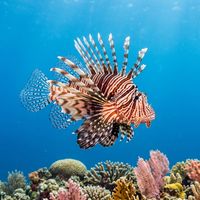
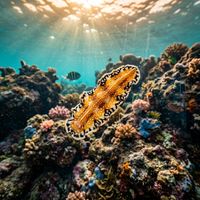
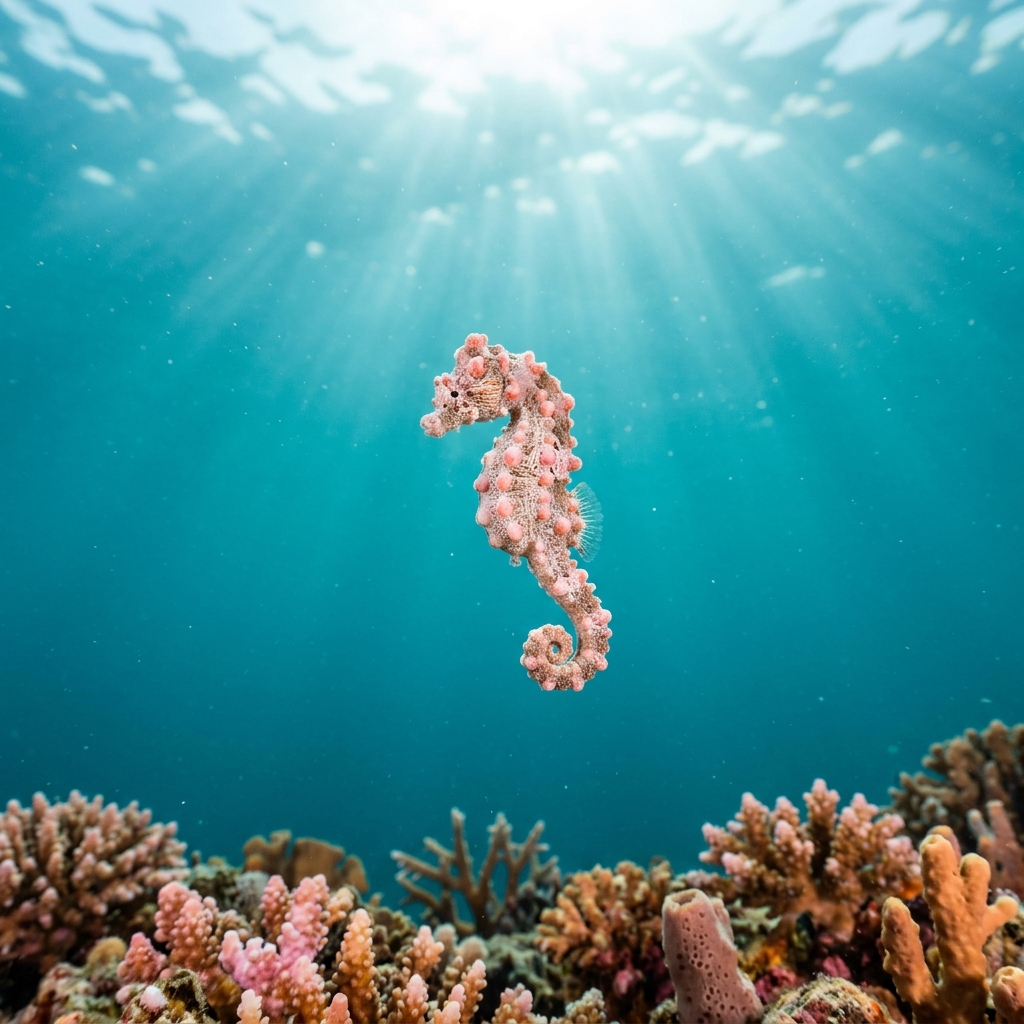
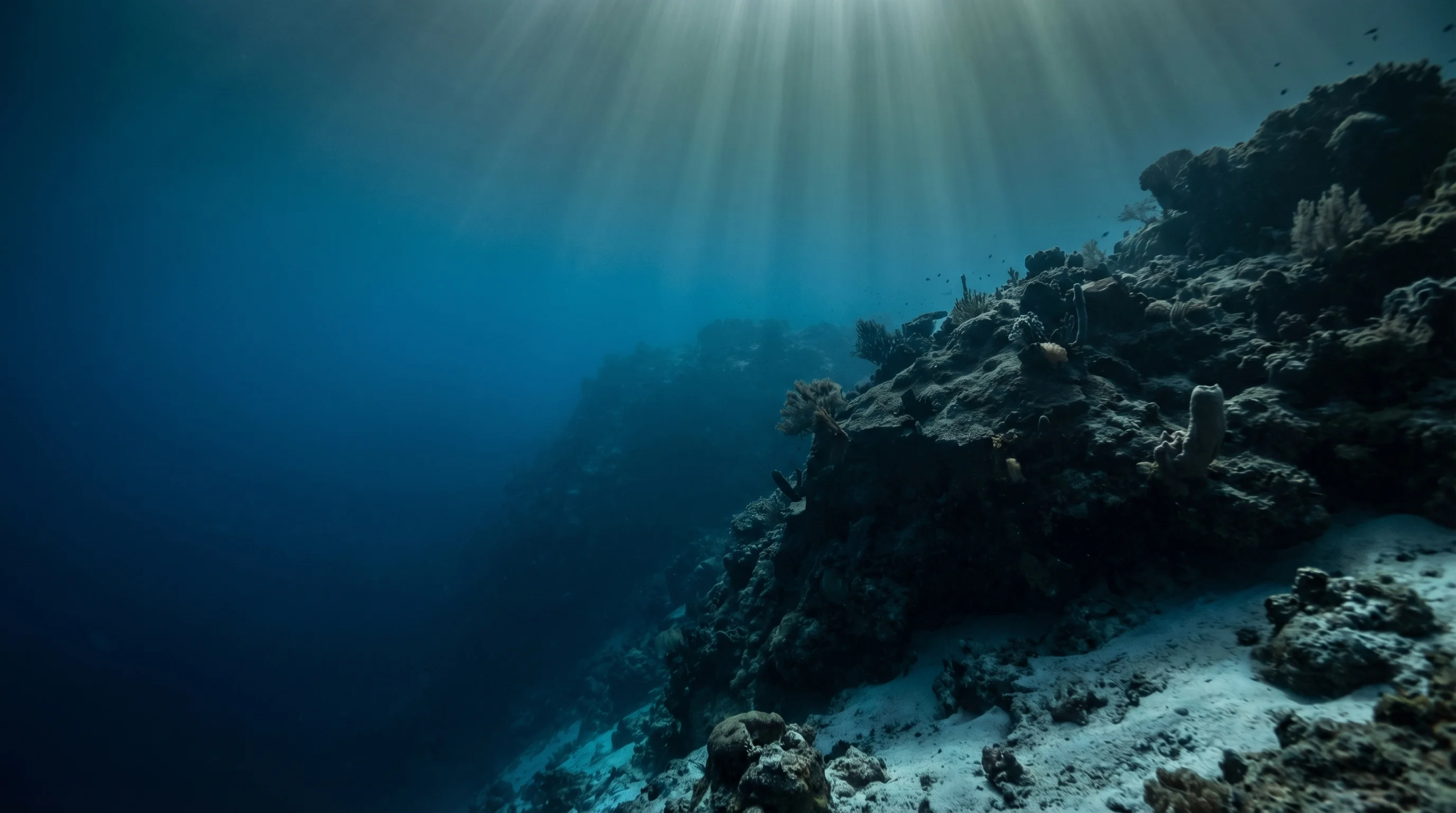
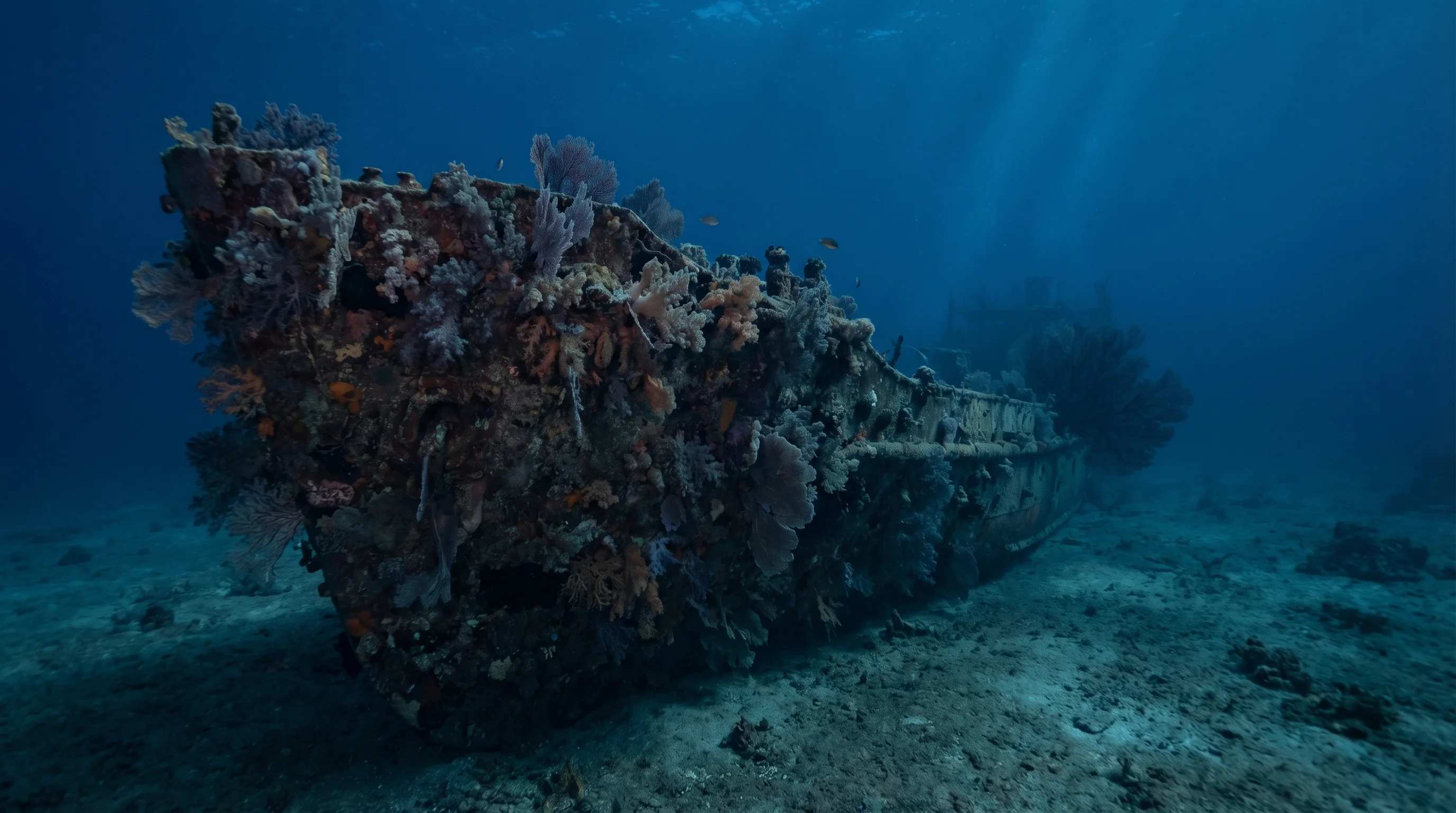
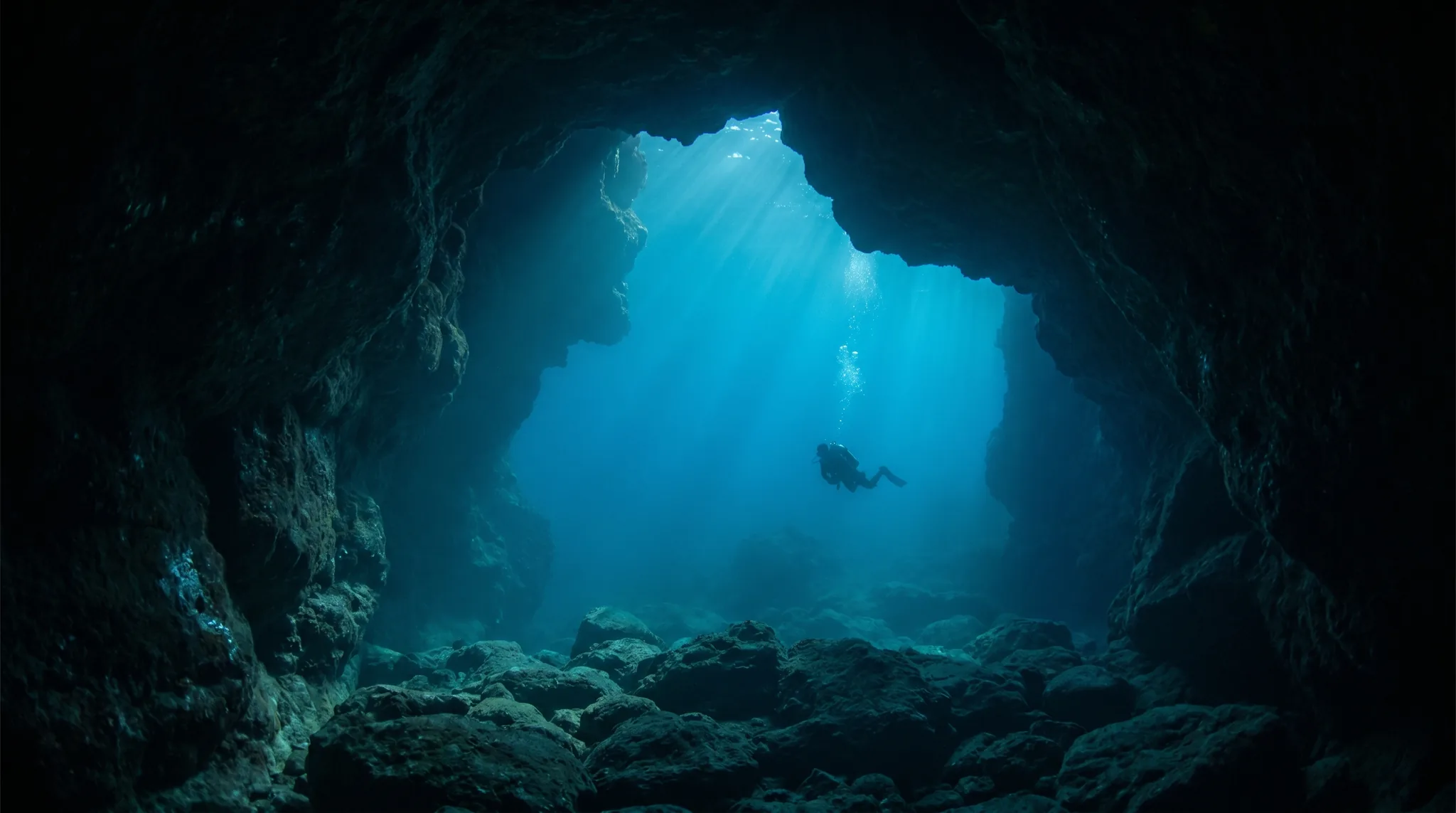
Wakatobi divides across two island groups: Tomia Island and Wangi-Wangi Island, together offering reefs, walls, drop-offs, pinnacles, drift dives and caverns. The macro life is exceptional, with Chromodoris Nudibranch, Mantis Shrimp, Day Octopus and Leaf Scorpionfish recorded across nearly every site. Green Sea Turtle and Napoleon Wrasse appear regularly, while signature finds include Pygmy Seahorse, Painted Frogfish and Blue-ringed Octopus. Most sites suit beginners, with a handful of intermediate options for those chasing deeper walls and stronger drift.
2 areas
Monthly water temperature across Wakatobi's sites, from satellite sea-surface data corrected for depth. The band shows the site-to-site spread.
Water stays warm throughout the year, with the coolest readings arriving in August and the warmest around April. The strongest showing of favourable conditions runs from March through May and again from September into October, making those shoulder periods particularly appealing. Exposed sites on both Tomia Island and Wangi-Wangi can generate notable drift, so conditions vary between sheltered house reefs and more current-swept walls.
17 operators
Lasehao, Indonesia
41 more sites to explore
Walls, pinnacles and rich reef life make Tomia Island one of Wakatobi's most varied diving destinations.
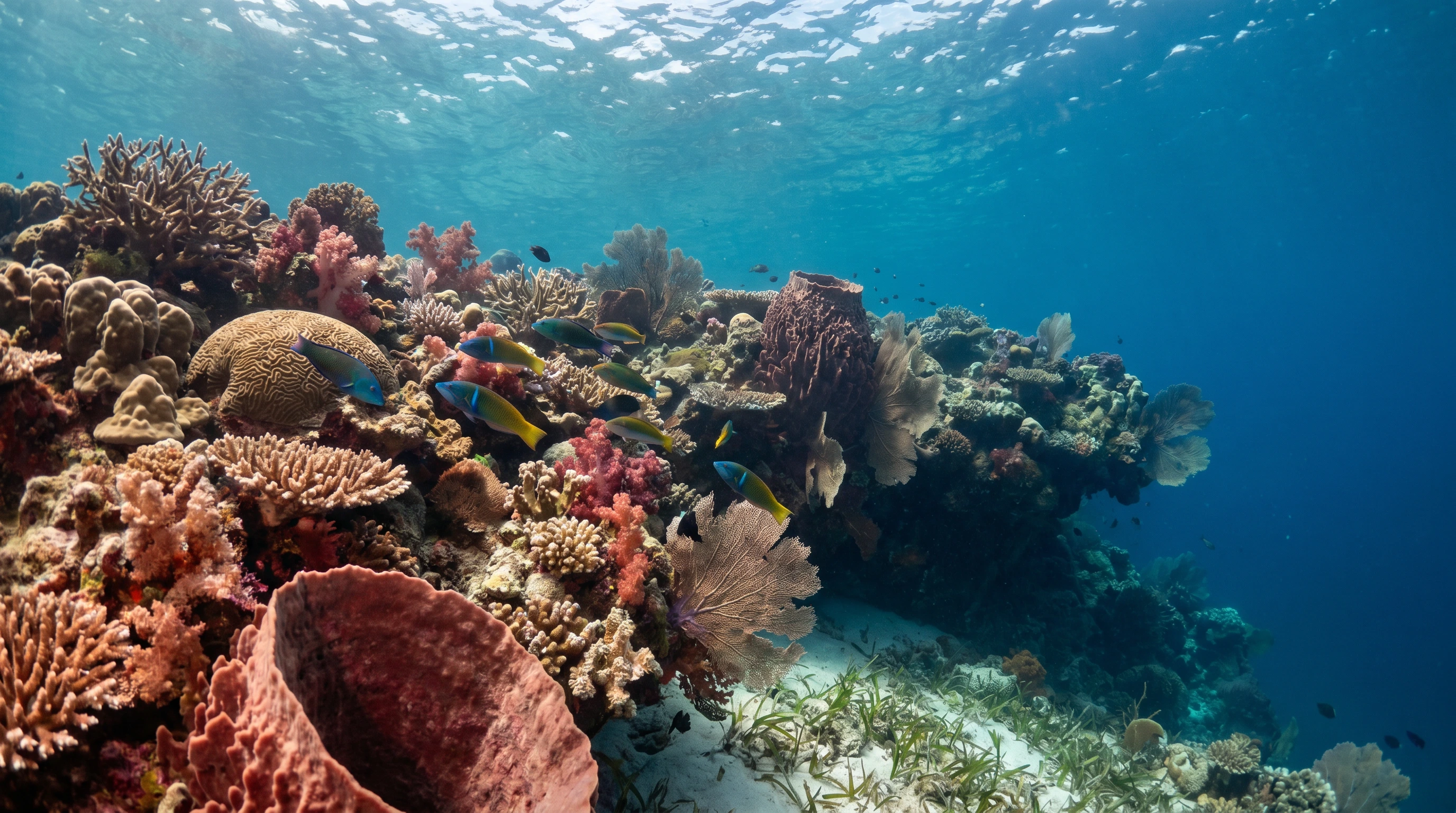
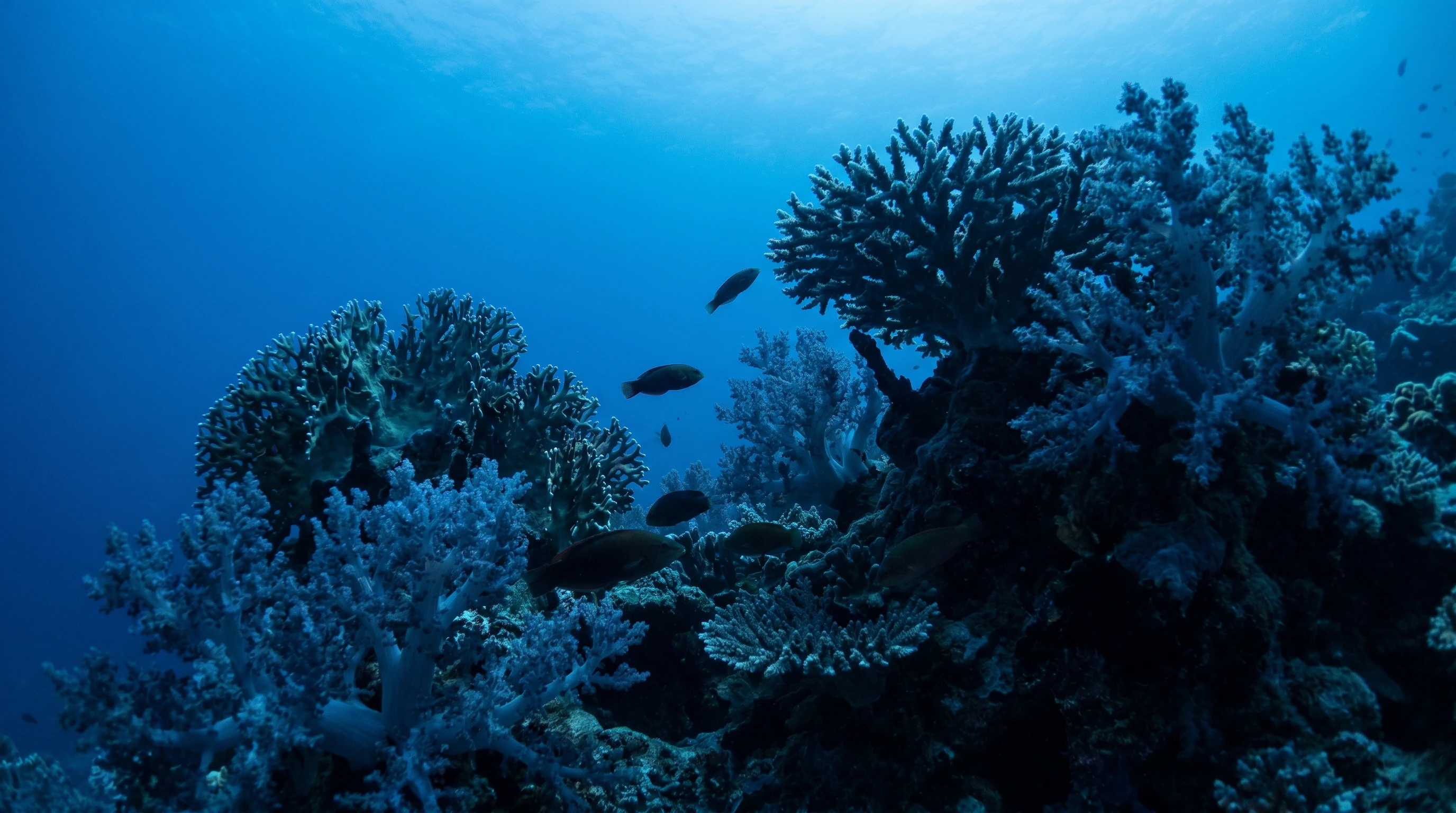

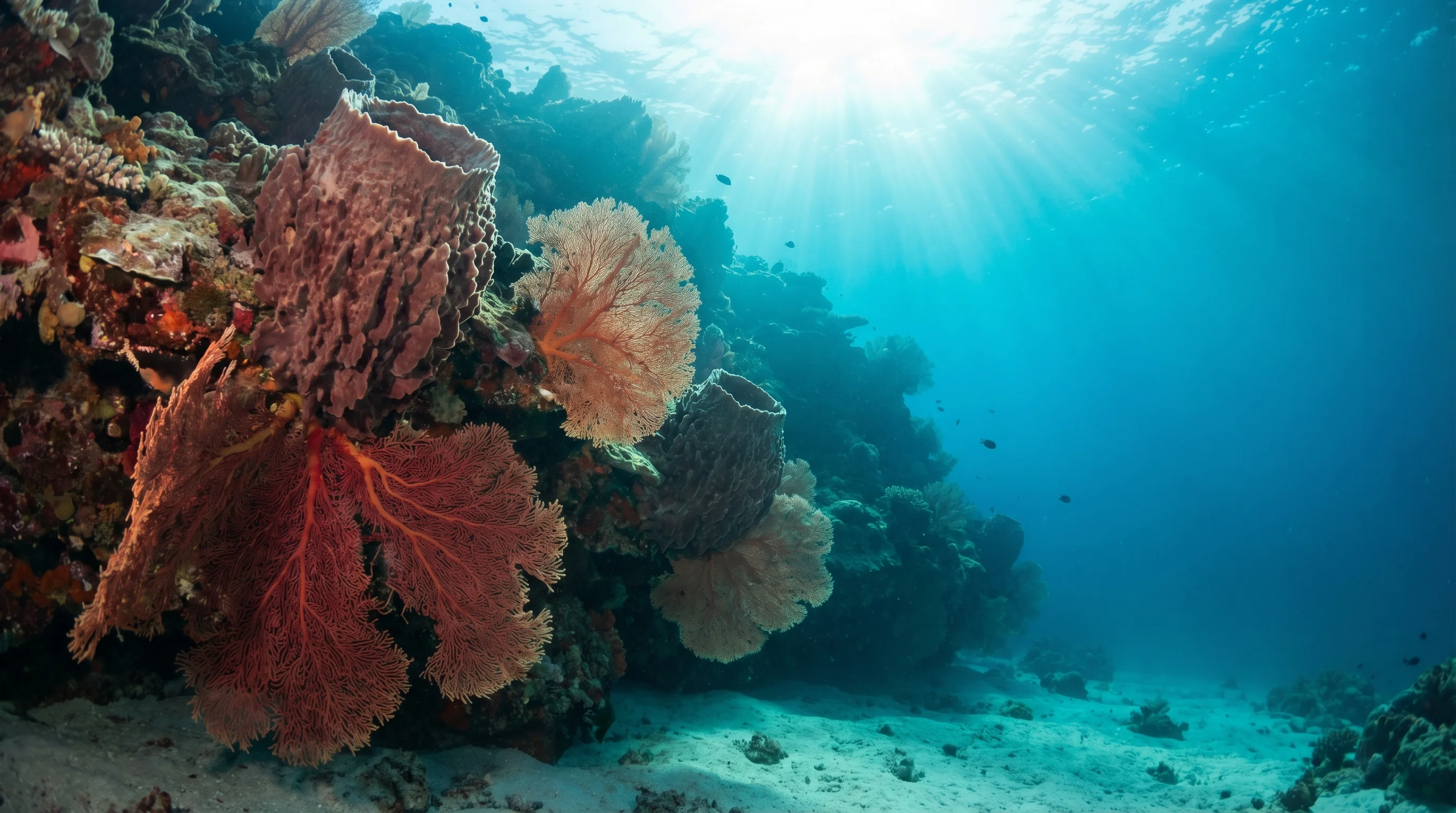
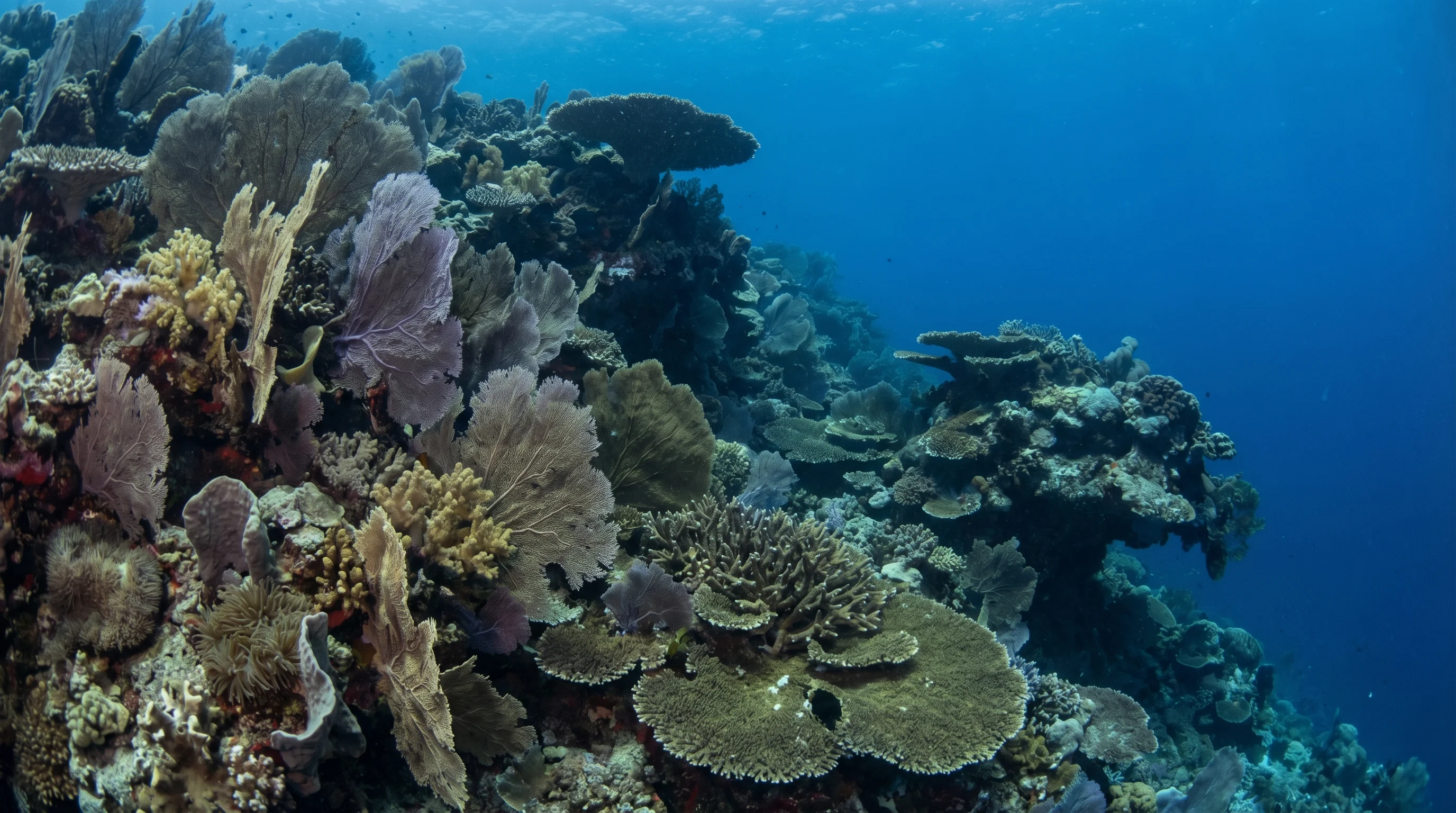
Water temperature around Wakatobi ranges from about 26°C in August to 30°C in April, based on satellite sea-temperature data for its dive sites.
In the warm season (about 30°C) a rash guard or 3mm shorty is comfortable in Wakatobi; in the coldest months (about 26°C) step up to a 3mm full suit.
Fin maps 53 sites in Wakatobi (49 scuba diving sites and 11 snorkelling spots, with some suited to both), organised into 2 areas.
Observation-backed records show an exceptionally rich mix of species. Chromodoris Nudibranch, Nembrotha Nudibranch, Day Octopus, Broadclub Cuttlefish and Mantis Shrimp are found across most sites. Green Sea Turtle and Napoleon Wrasse appear regularly, and signature species include Pygmy Seahorse, Painted Frogfish, Giant Frogfish and Blue-ringed Octopus for those willing to search carefully.
The majority of sites in Wakatobi are rated for beginners, including shore-entry diving at the Wakatobi Resort house reef and shallow boat dives at sites such as Table Coral City and Fun Garden. A smaller number of sites, including Aquarium Point, Shark Point and Tanjung Kapota, are rated intermediate and involve deeper walls or stronger current. Beginners have plenty of options on both Tomia Island and Wangi-Wangi Island.
Tomia Island hosts the larger share of sites, including the Wakatobi Resort house reef, Fan Garden and Teluk Maya. Wangi-Wangi Island offers a broader variety of site types, including caverns at Brandel Cave and Waelmu Cave, a pronounced drift option at Fun Garden and deeper wall dives at Tanjung Kapota. Both islands are served by multiple dive operators.
The great majority of sites require boat access, which is the standard arrangement across both Tomia Island and Wangi-Wangi Island. The Wakatobi Resort house reef is a notable exception, accessible directly from shore. Tanjung Galaxy on Wangi-Wangi Island can be reached from either shore or boat. Multiple operators, including Wakatobi Dive Resort, Sombu Dive and Tomia Ocean Dive, run regular boat departures.