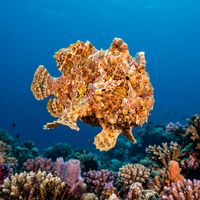
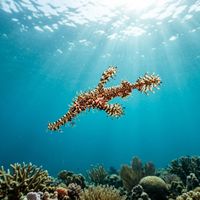
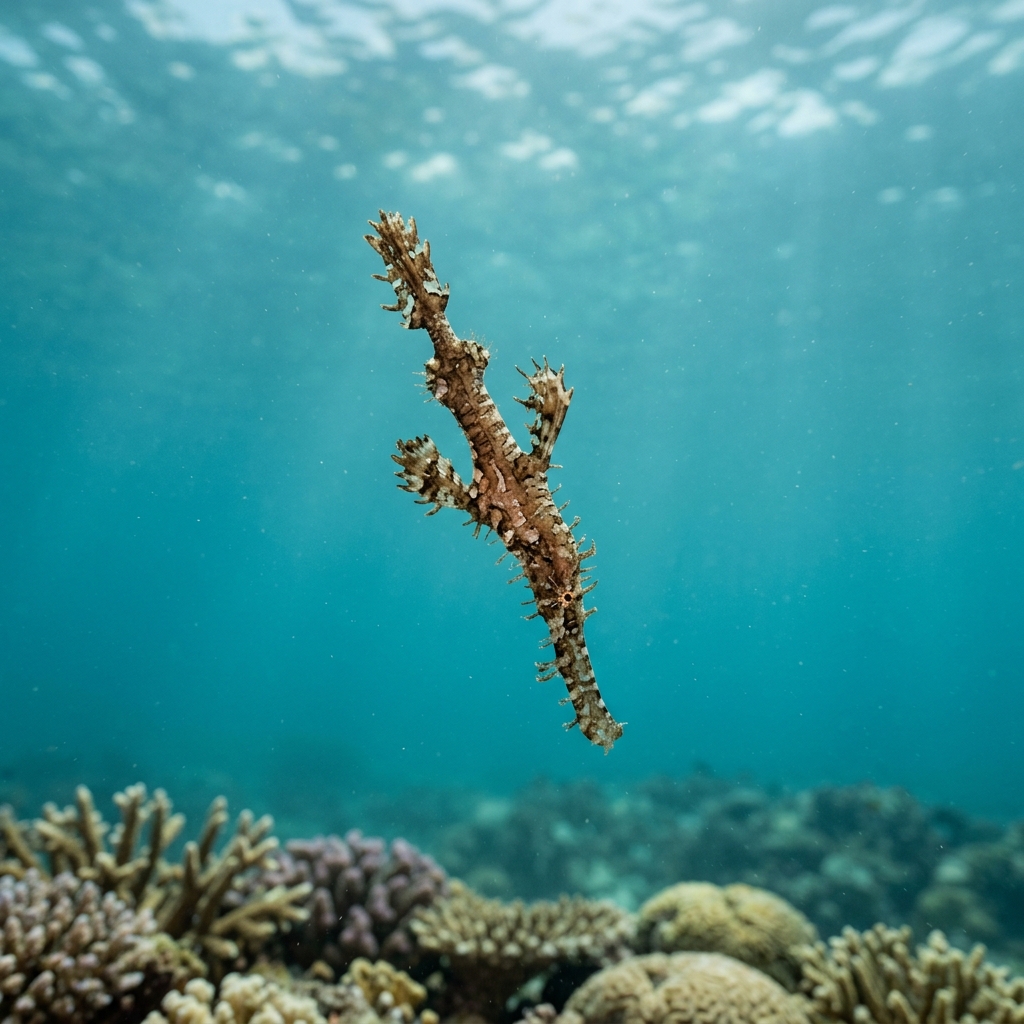
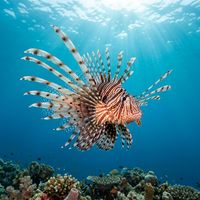
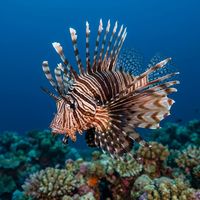
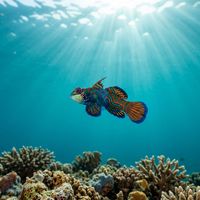
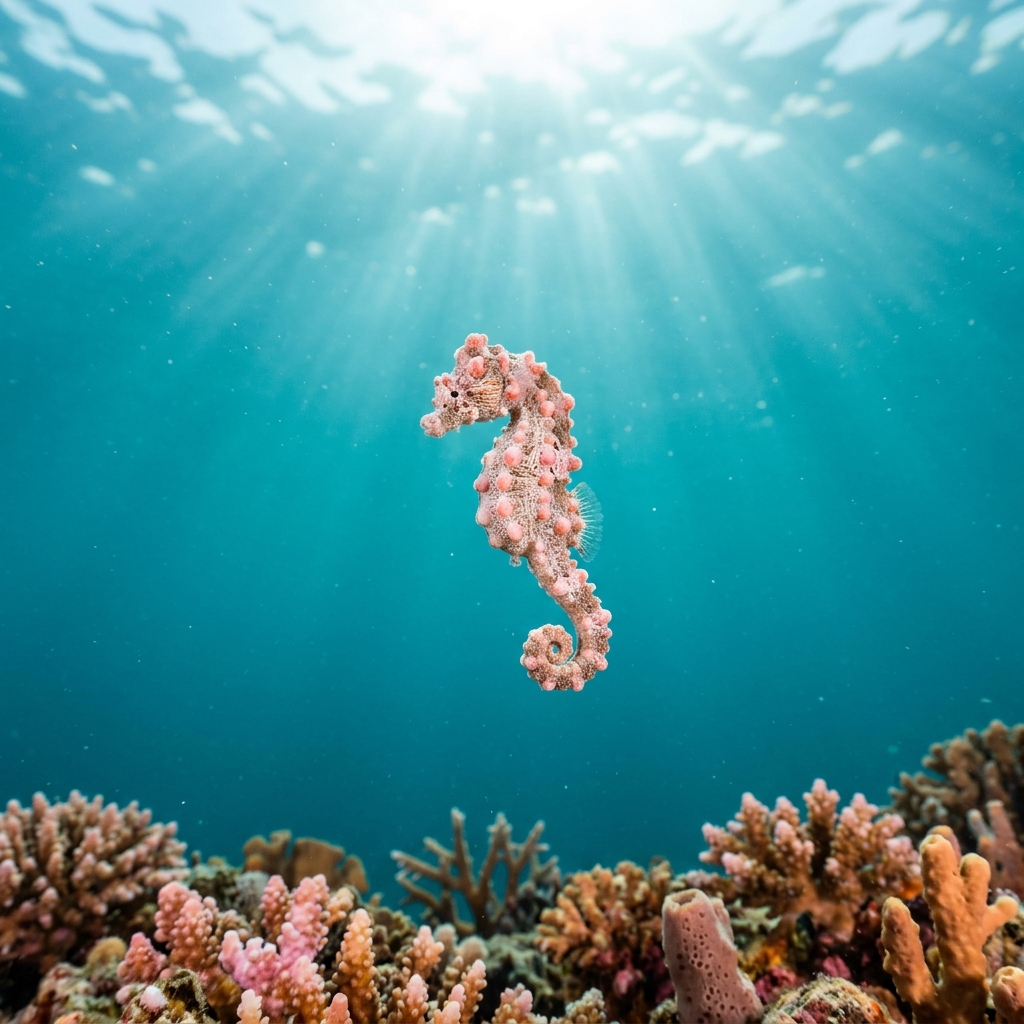
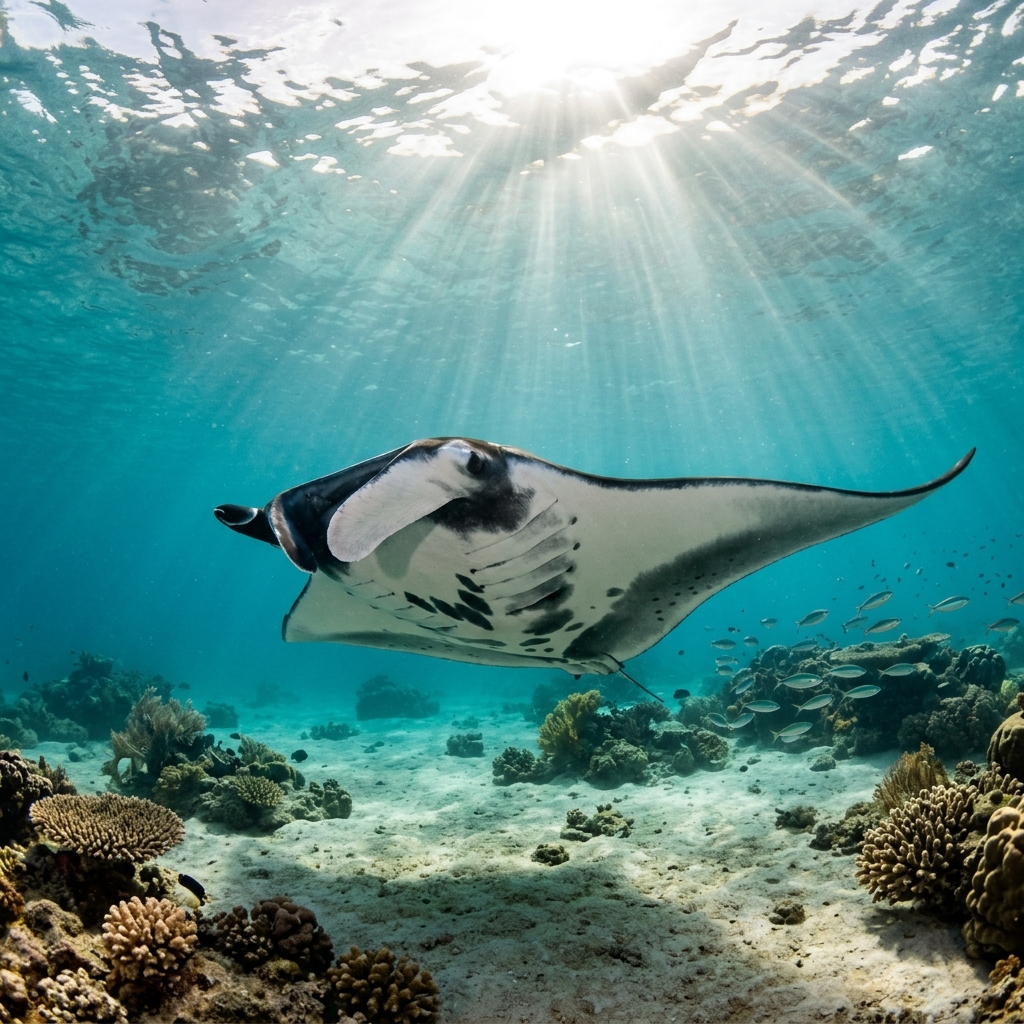
West Papua divides into two distinct sub-areas: Triton Bay and Cenderawasih Bay. Triton Bay dominates the site count and delivers an exceptional variety of topography, from shallow beginner reefs like Disney Land and Djeudin Point to deep wall and pinnacle drift dives such as Fresh Waters and Catalina. Currents run strong at several sites, shaping both the conditions and the life you find there. The region's signature is its cryptic and macro fauna: Painted Frogfish, Ornate Ghostpipefish, Pygmy Seahorse, and Mandarinfish are all regularly observed, alongside Whale Shark encounters associated with Cenderawasih Bay. Almost all sites are boat access.
2 areas
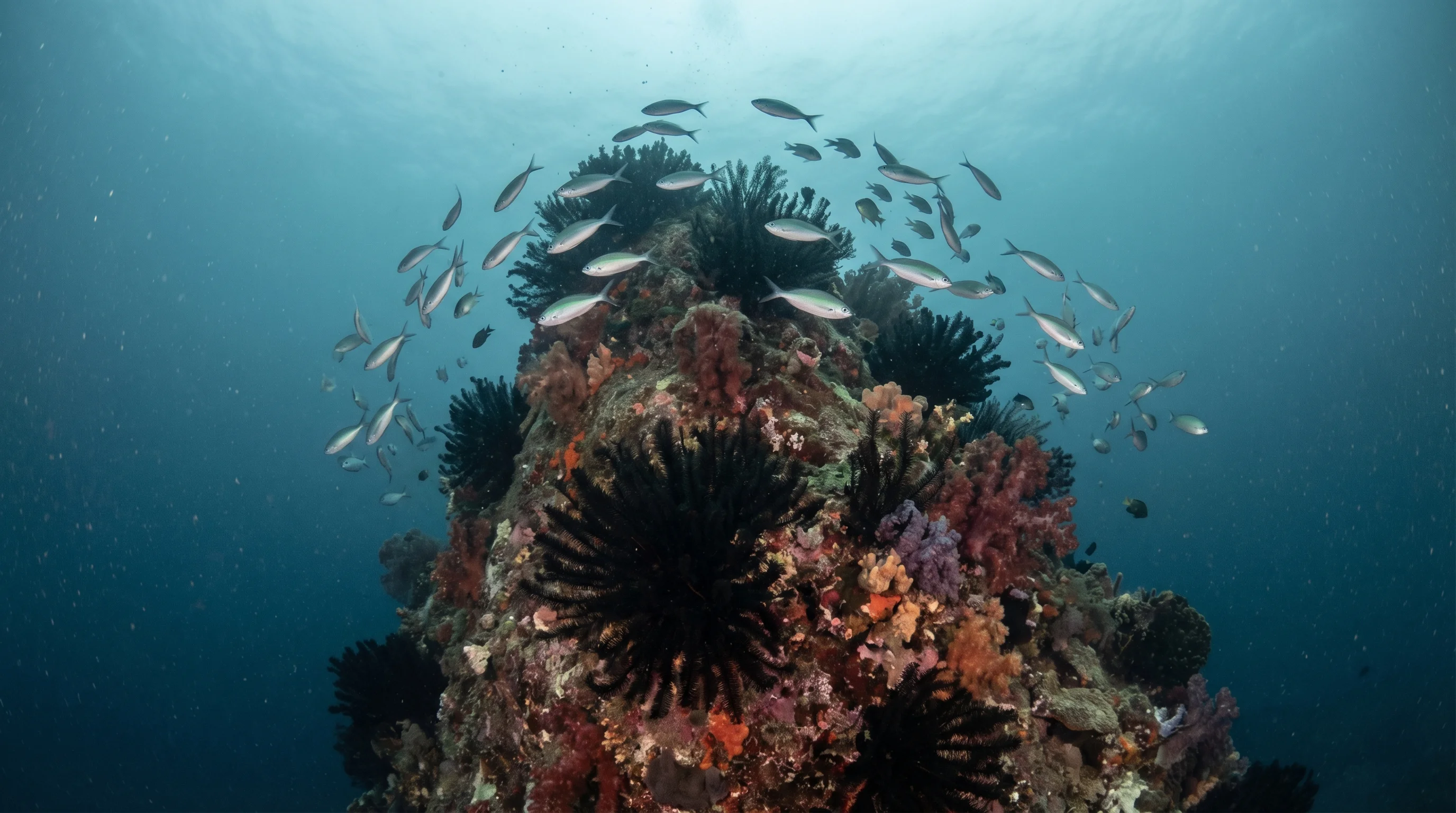
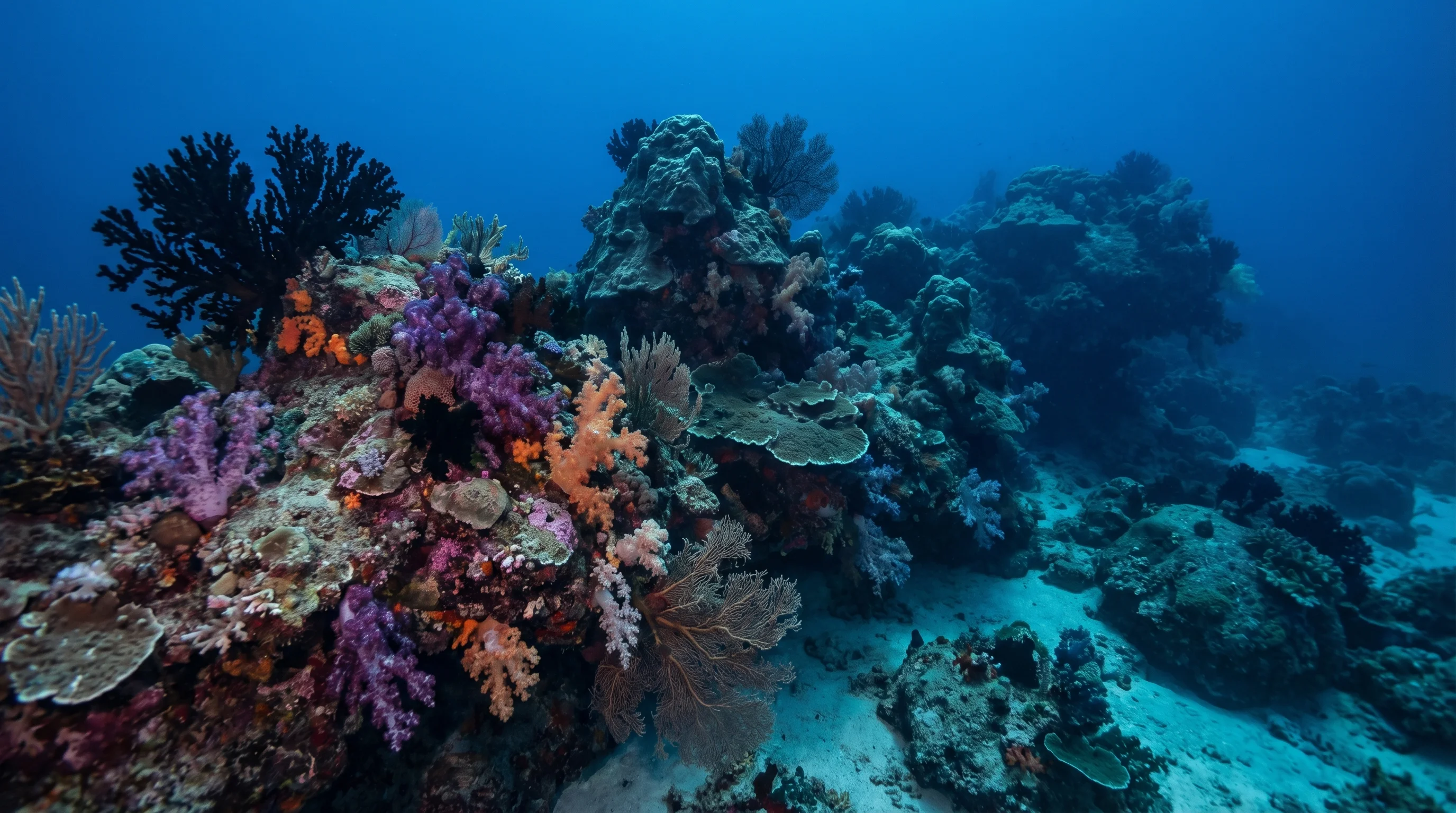
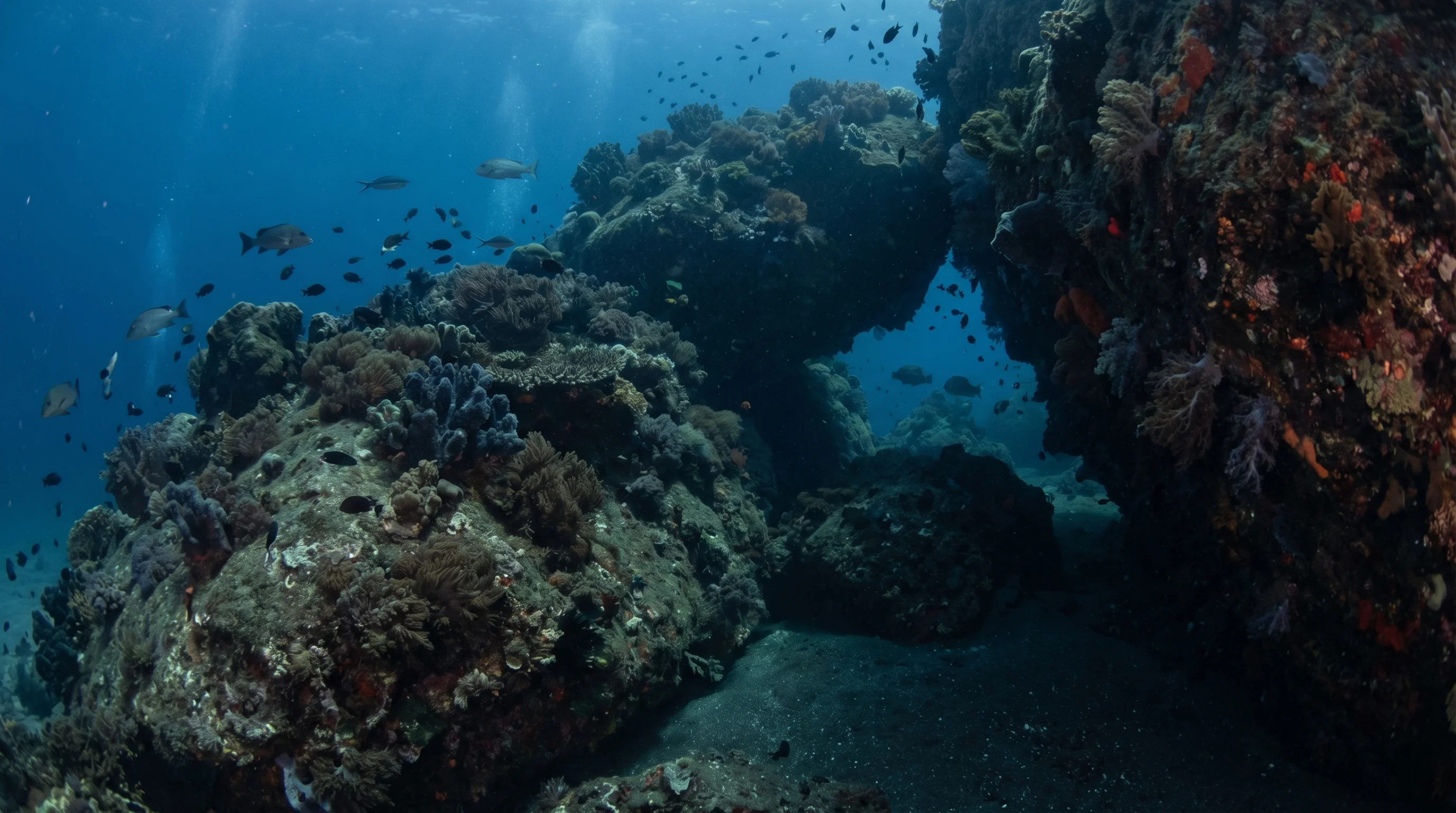
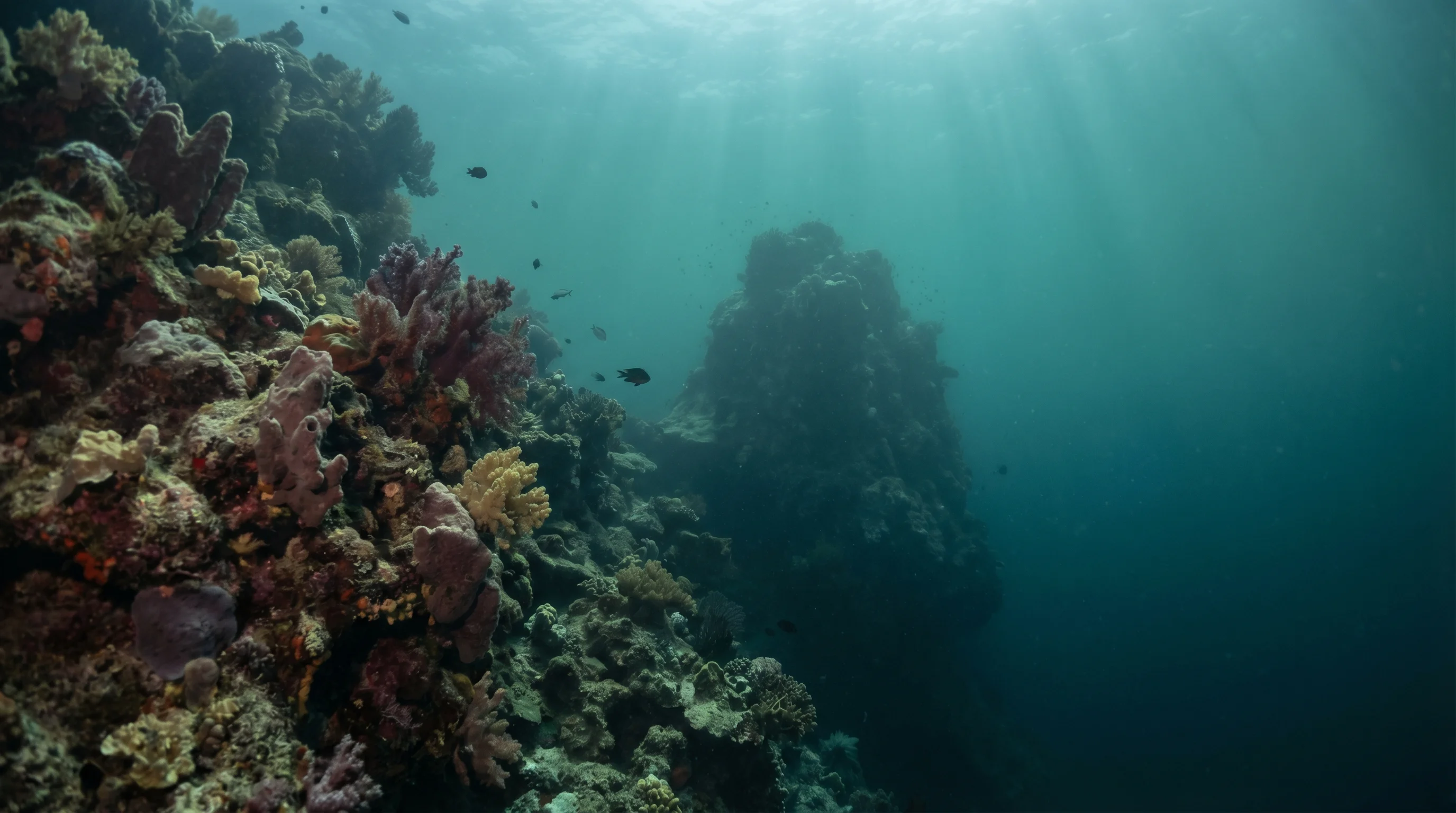
Monthly water temperature across West Papua's sites, from satellite sea-surface data corrected for depth. The band shows the site-to-site spread.
Water stays warm throughout the year, peaking from November through April and dipping slightly in July and August. The cooler mid-year months can bring stronger currents at exposed sites, which suits divers seeking drift diving but demands solid buoyancy control. October through April draws the most diver interest, with October, November and April standing out as particularly popular months.
9 operators

Indonesia
Water temperature around West Papua ranges from about 26°C in August to 30°C in January, based on satellite sea-temperature data for its dive sites.
In the warm season (about 30°C) a rash guard or 3mm shorty is comfortable in West Papua; in the coldest months (about 26°C) step up to a 3mm full suit.
Fin maps 39 sites in West Papua (39 scuba diving sites and 2 snorkelling spots, with some suited to both), organised into 2 areas.
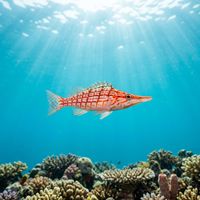
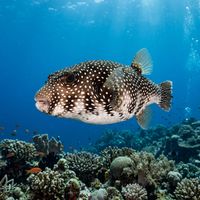
The region is particularly strong for cryptic and macro species. Painted Frogfish, Ornate Ghostpipefish, Robust Ghost Pipefish, and Pygmy Seahorse are all commonly observed across sites. Spotfin Lionfish, Zebra Lionfish, and Mandarinfish are also regularly sighted, as are Nembrotha Nudibranch and Longnose Hawkfish. Cenderawasih Bay is associated with Whale Shark encounters, making it a separate draw within the region.
A number of sites are rated for beginners, including Disney Land and Djeudin Point in Triton Bay, both of which offer shallow reef diving via boat. However, the majority of West Papua's sites are pitched at intermediate level, and several involve currents that require confident buoyancy control. Beginners will find options available but should plan their itinerary selectively.
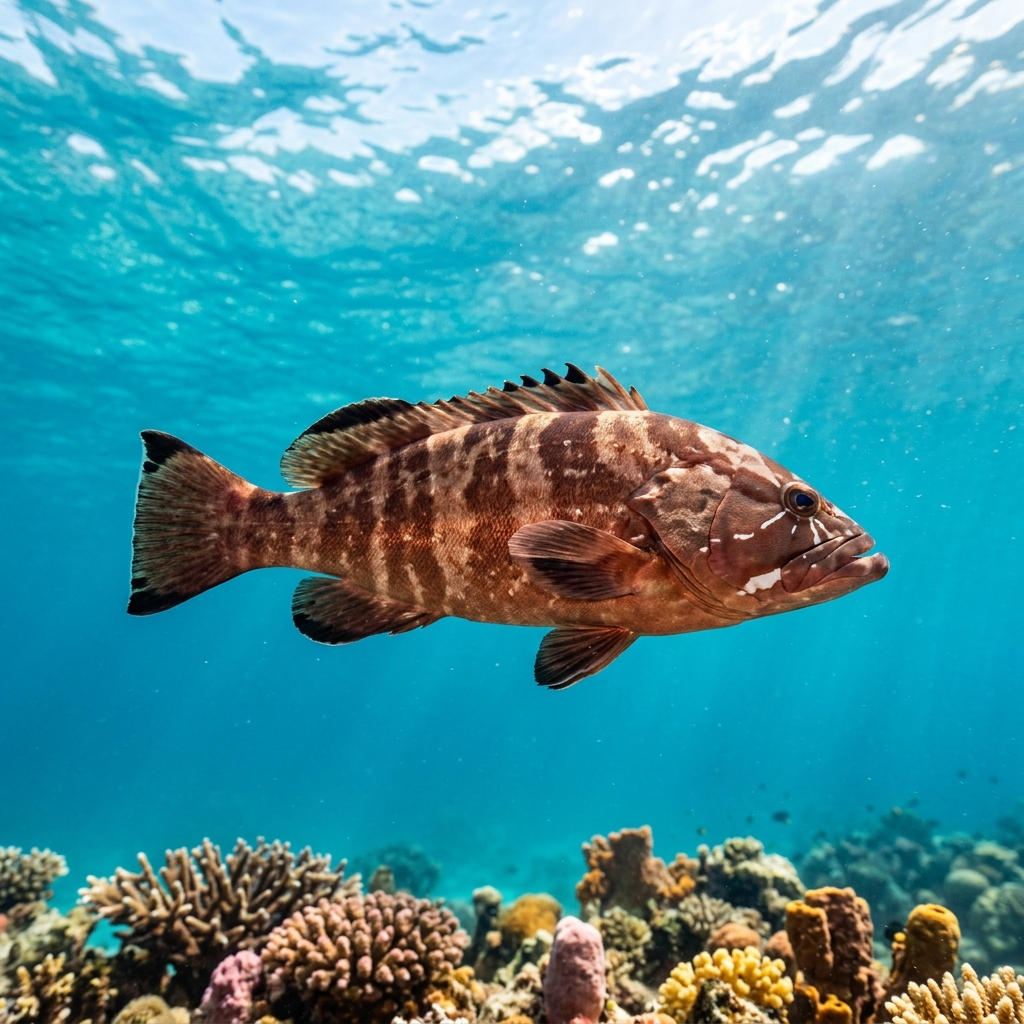
Triton Bay holds the greater number of sites and offers the widest variety of topography, including reefs, walls, pinnacles, drift dives, and artificial structures. It is the primary destination for macro and cryptic species. Cenderawasih Bay has fewer sites but is associated with Whale Shark encounters, giving it a distinct character suited to divers seeking larger pelagic encounters alongside reef diving.
The vast majority of sites across both Triton Bay and Cenderawasih Bay are reached by boat. Ahe Island is the one site that also offers a shore entry option. Operators serving the region include Triton Bay Divers and Nirmala Dive Resort Biak and Yacht Club, both of which can organise liveaboard or day-trip access depending on the sub-area.