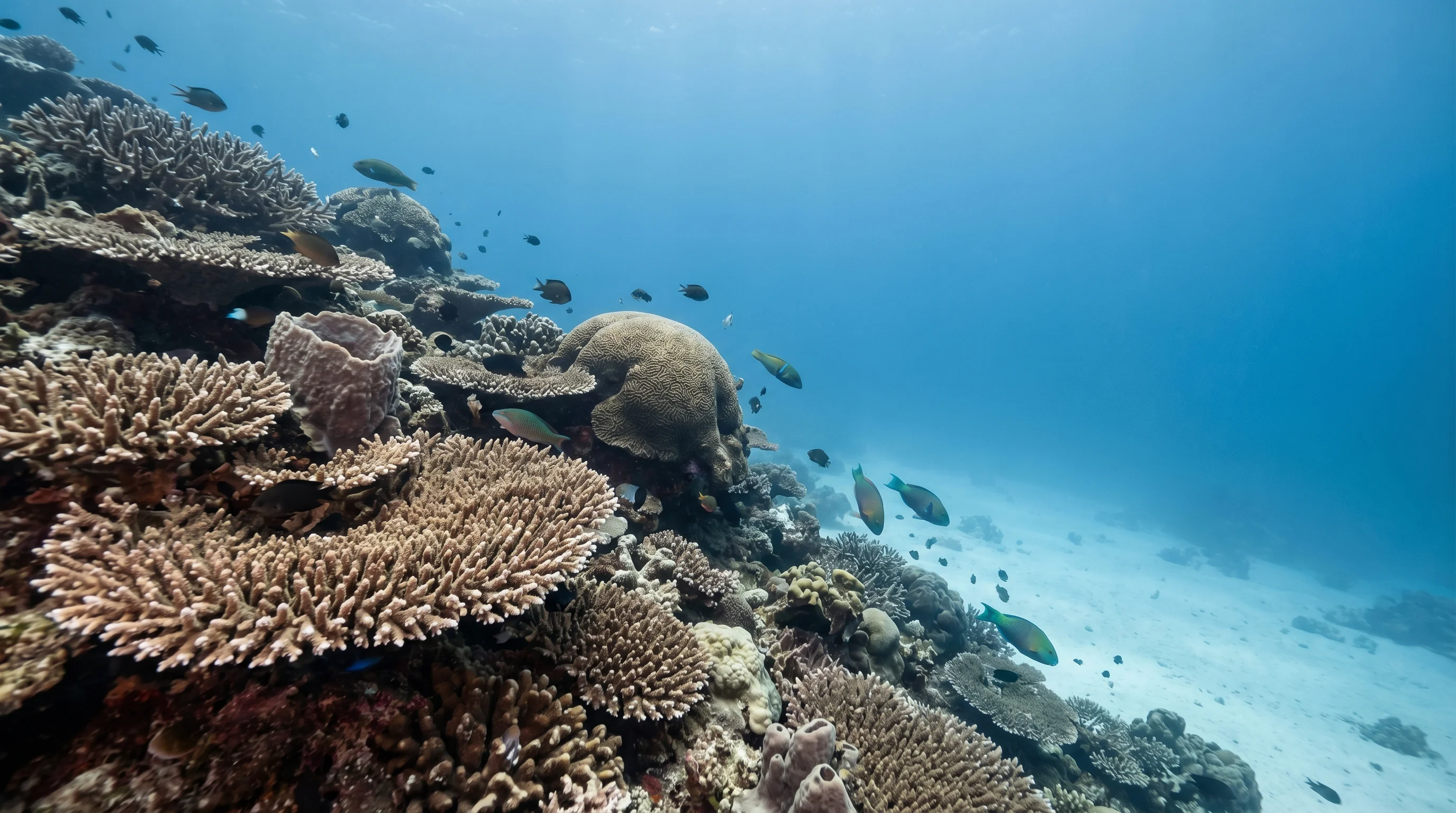
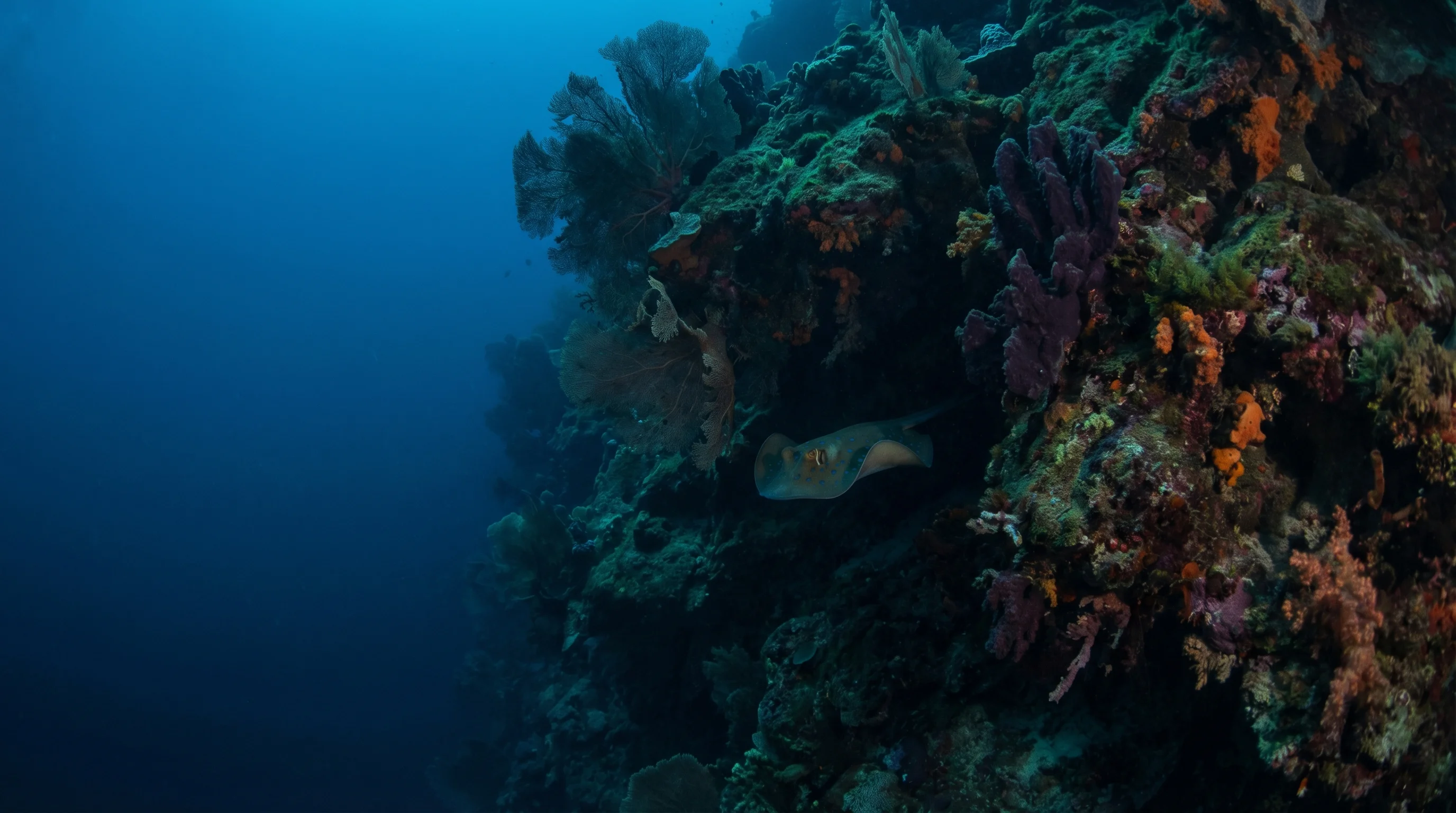
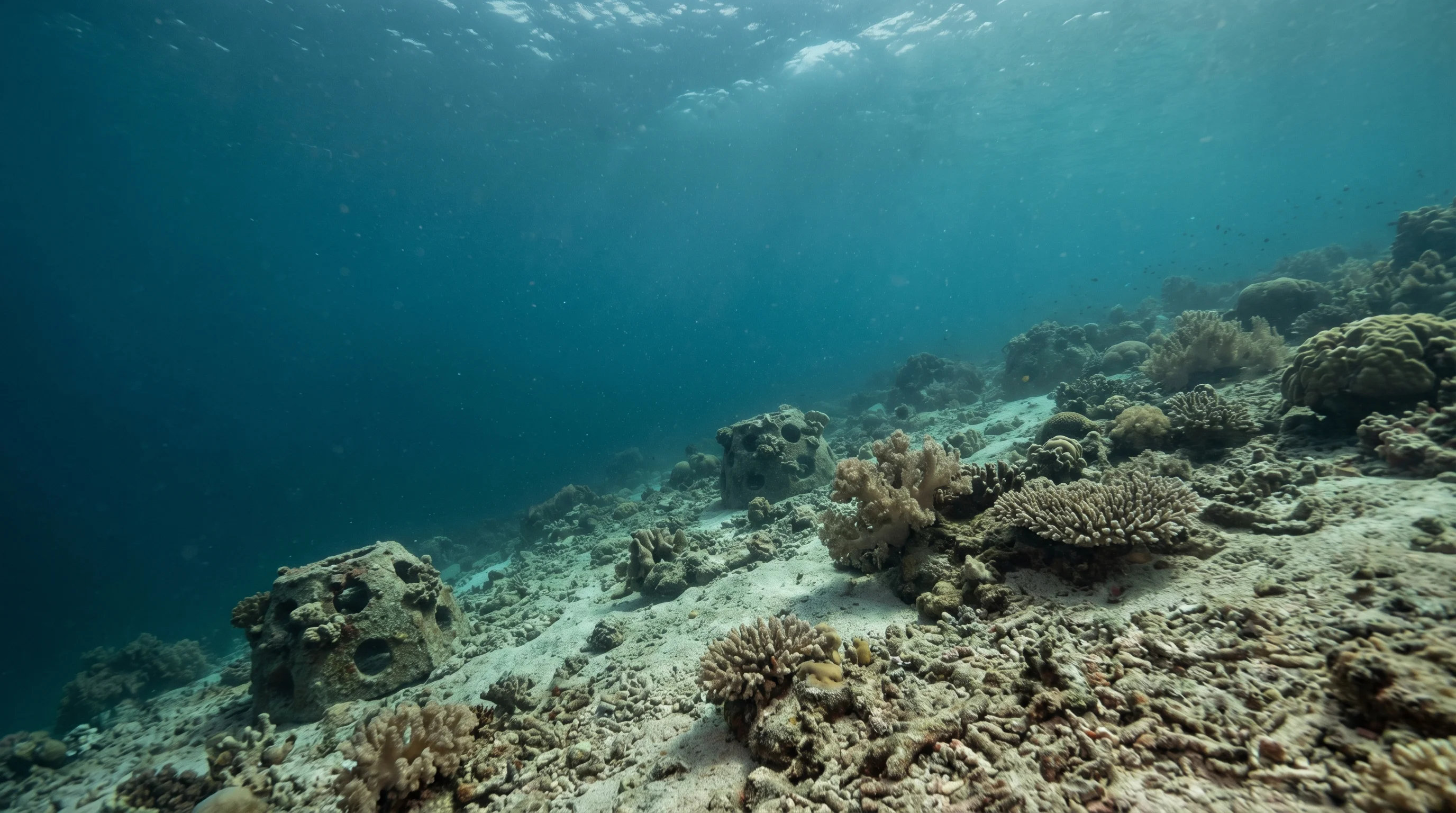
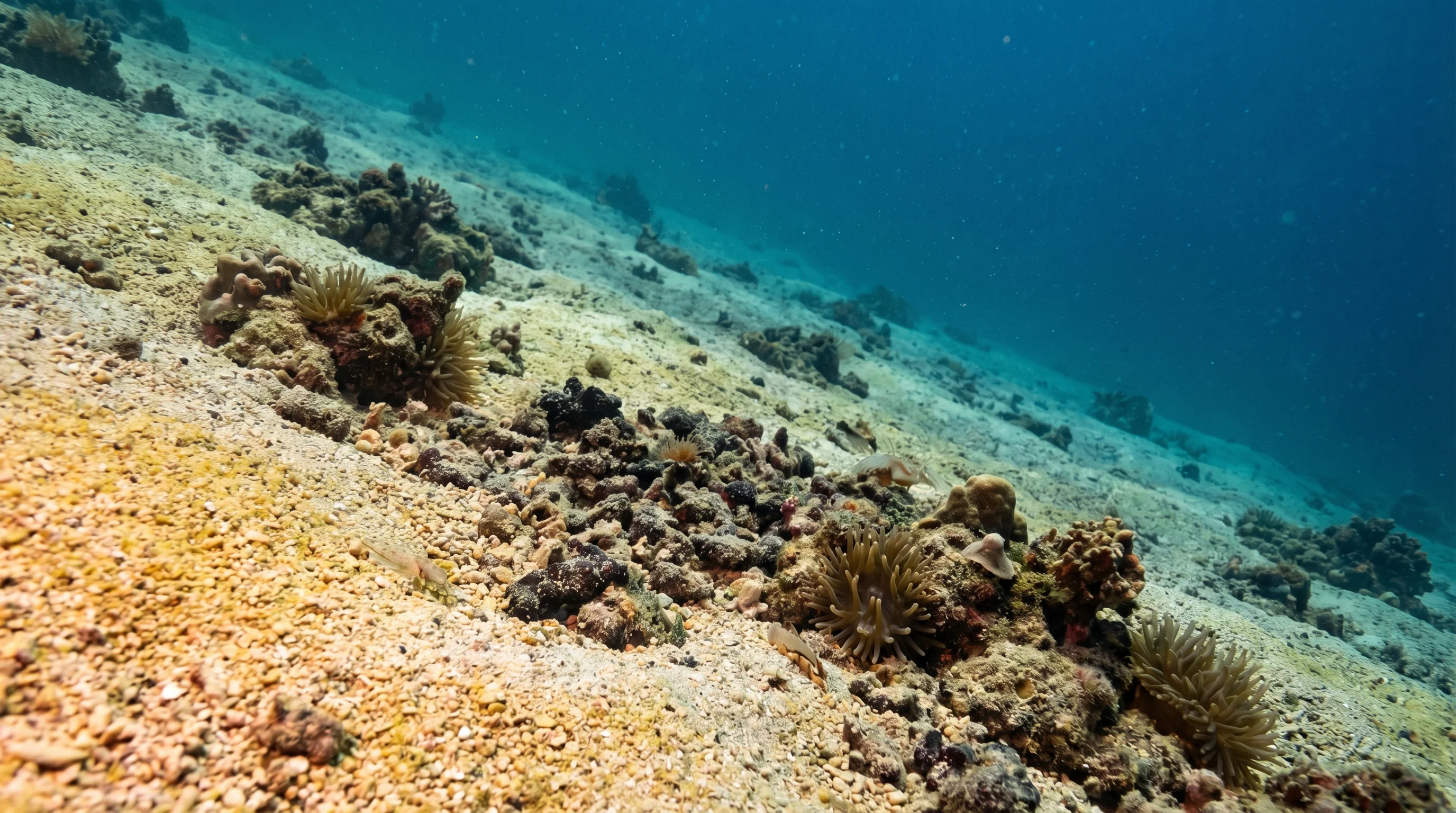
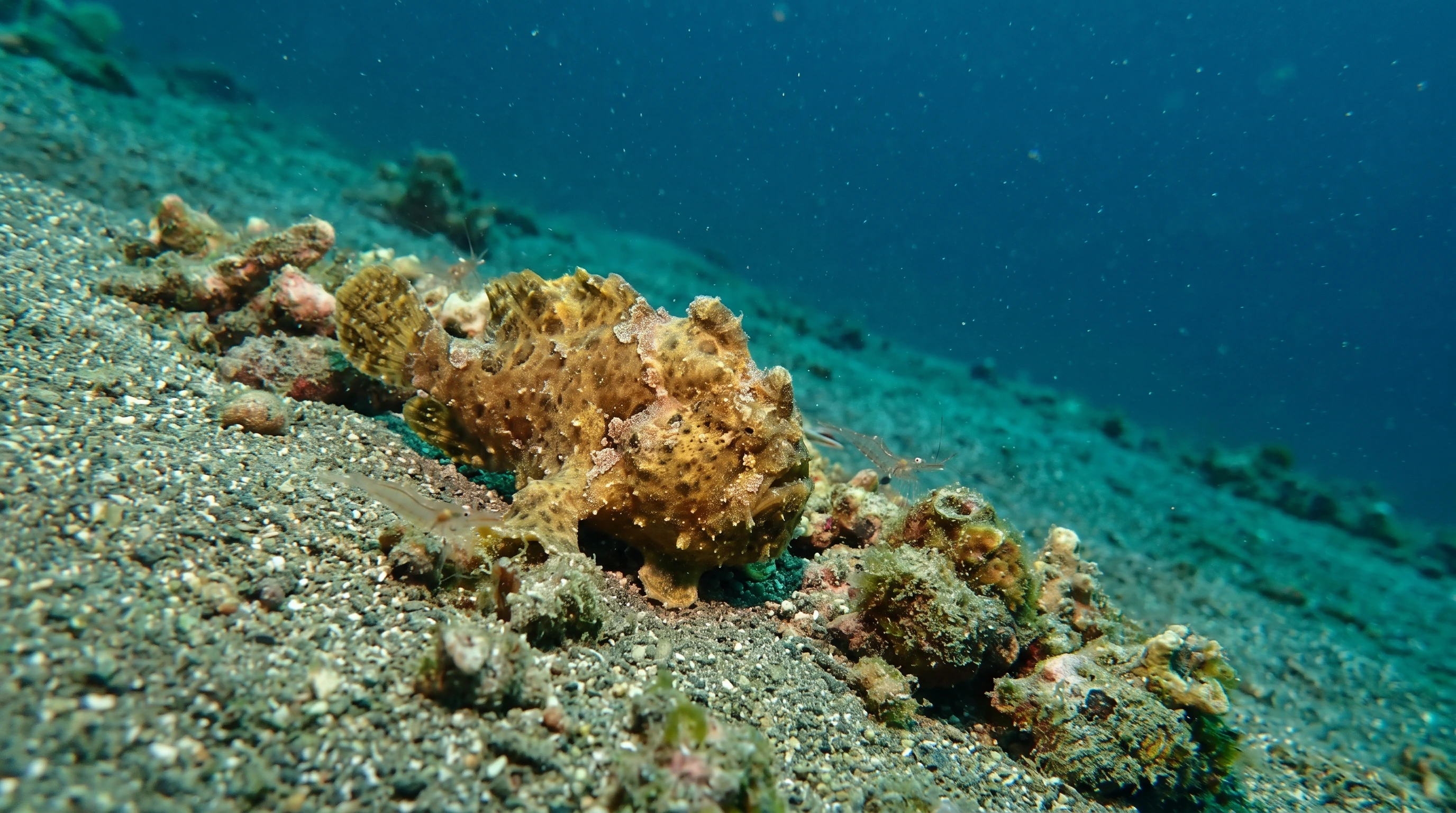
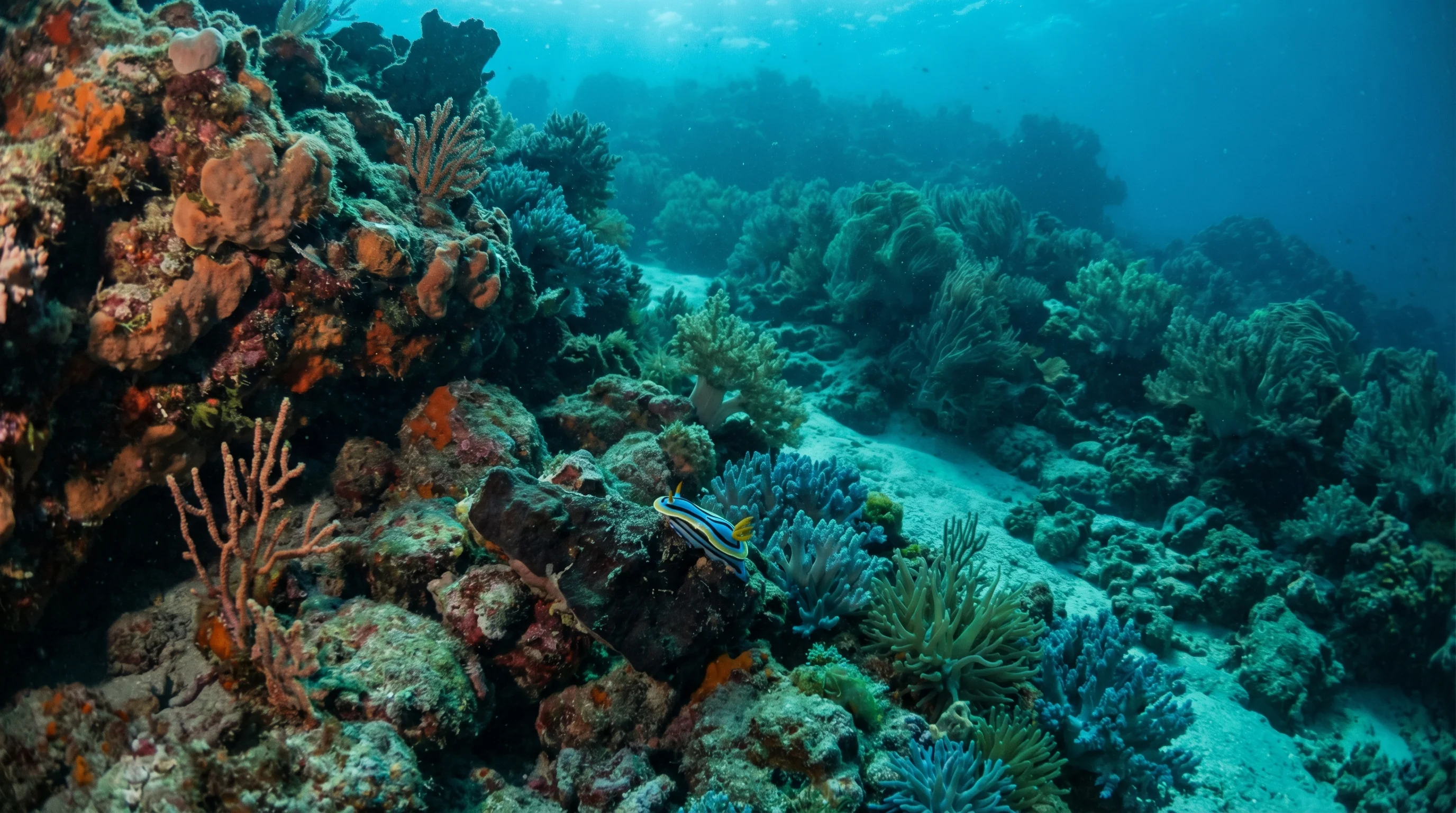
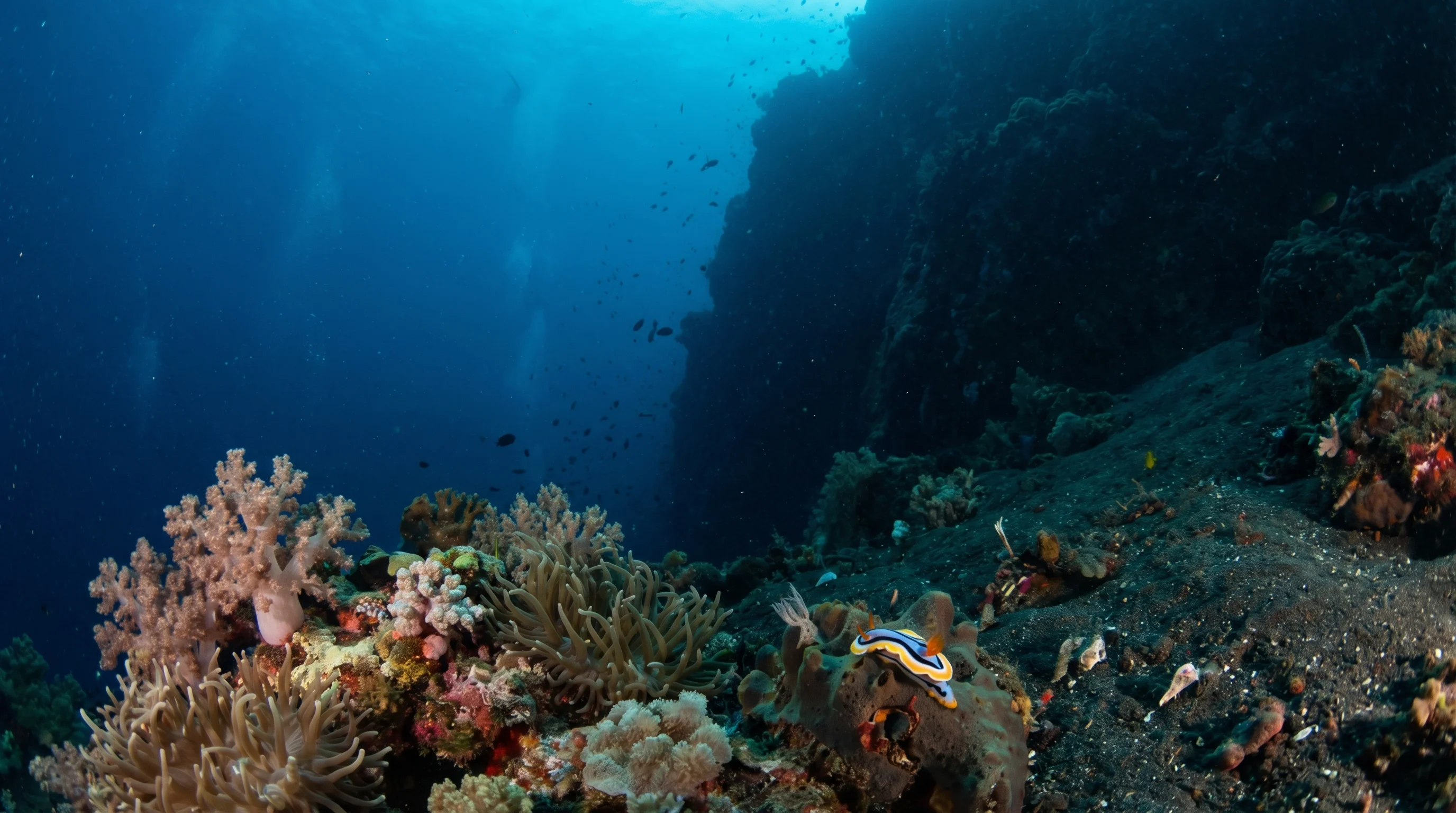
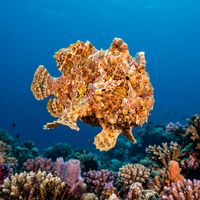
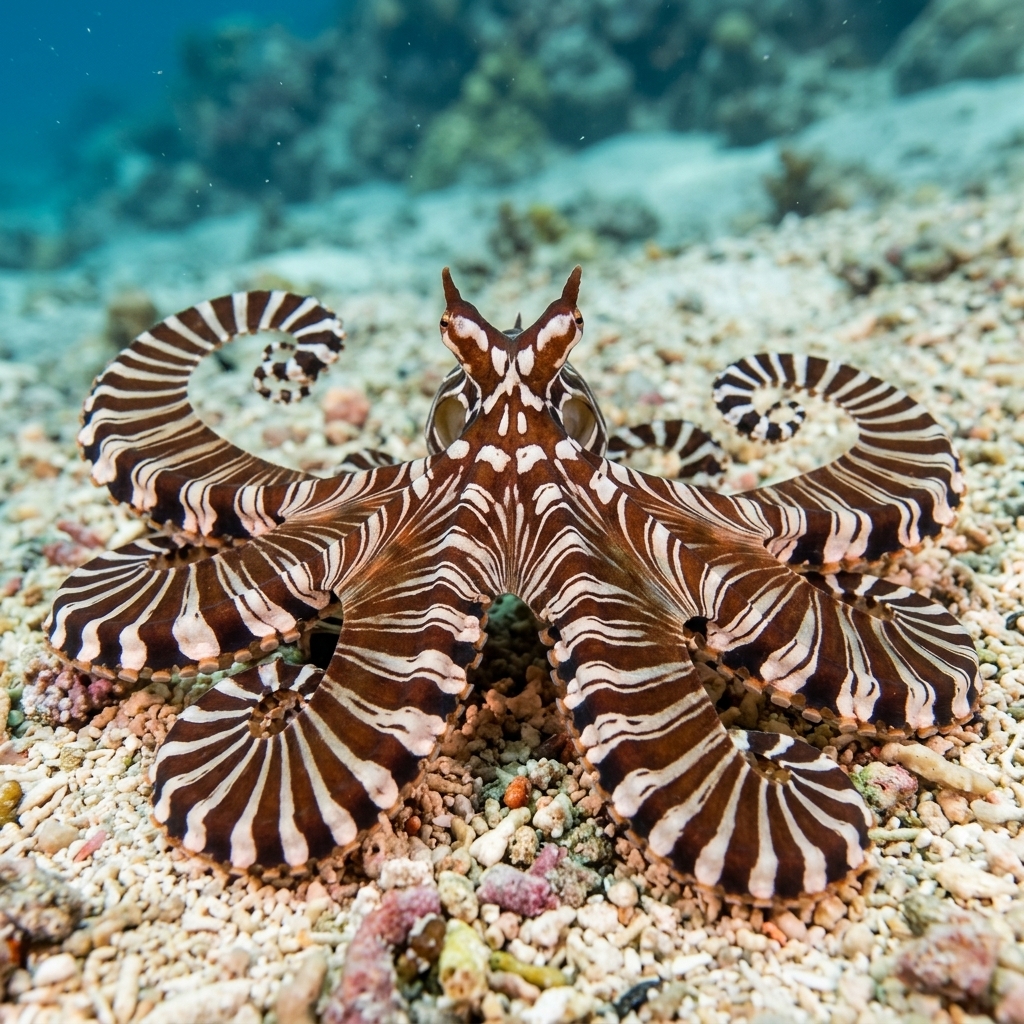
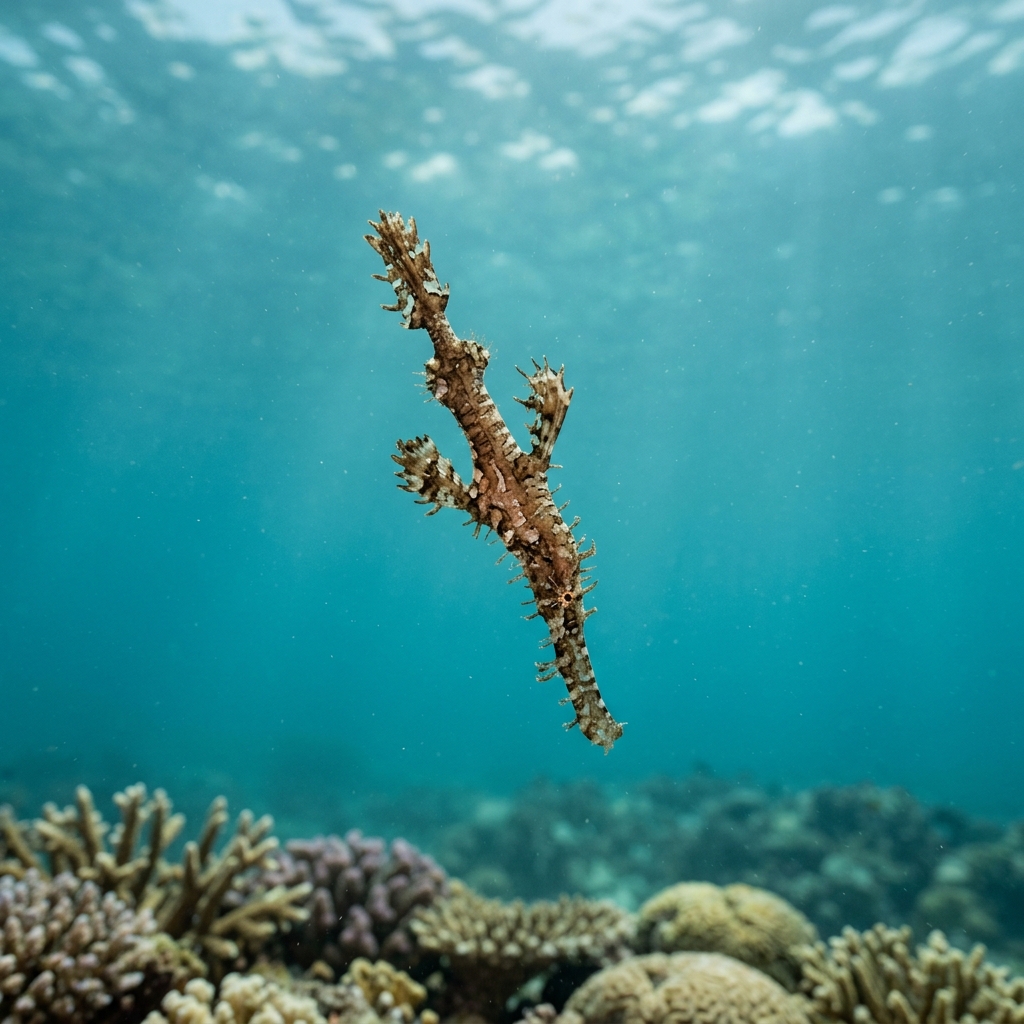
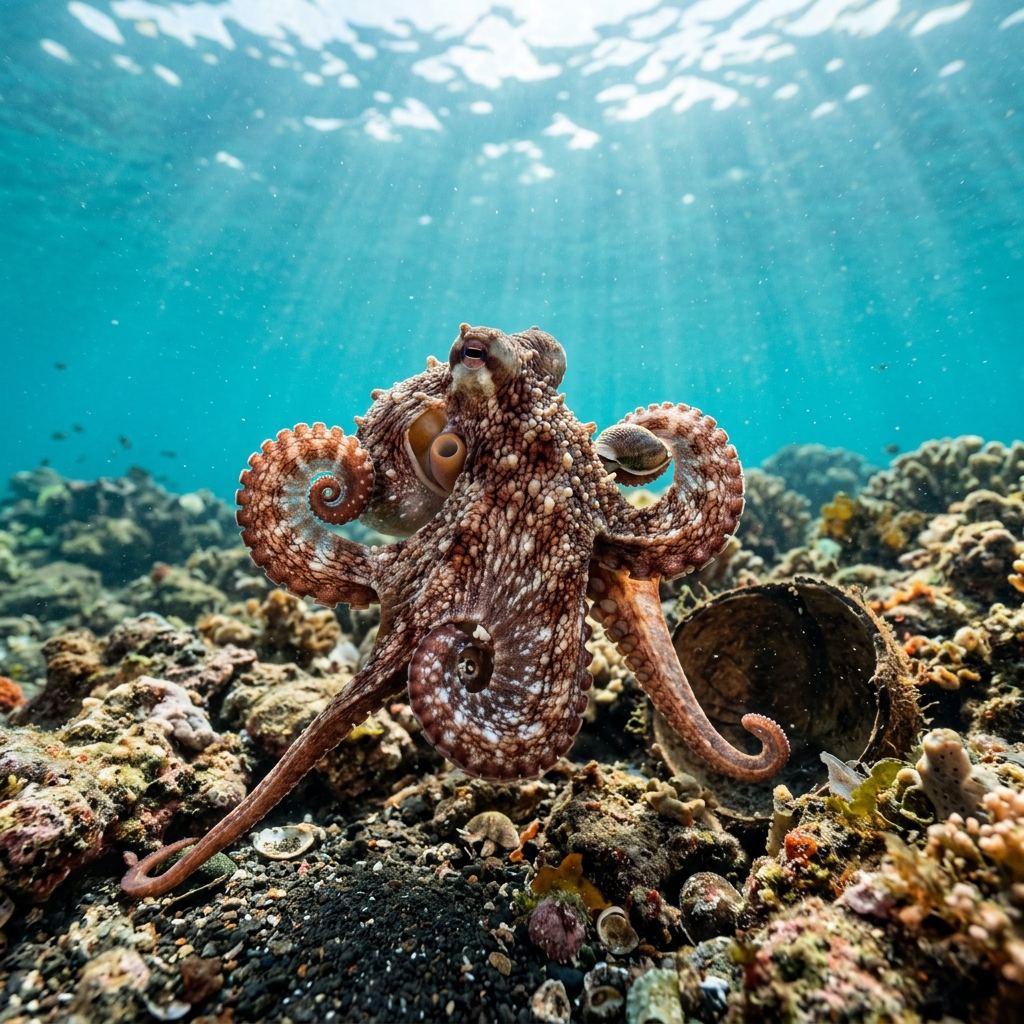
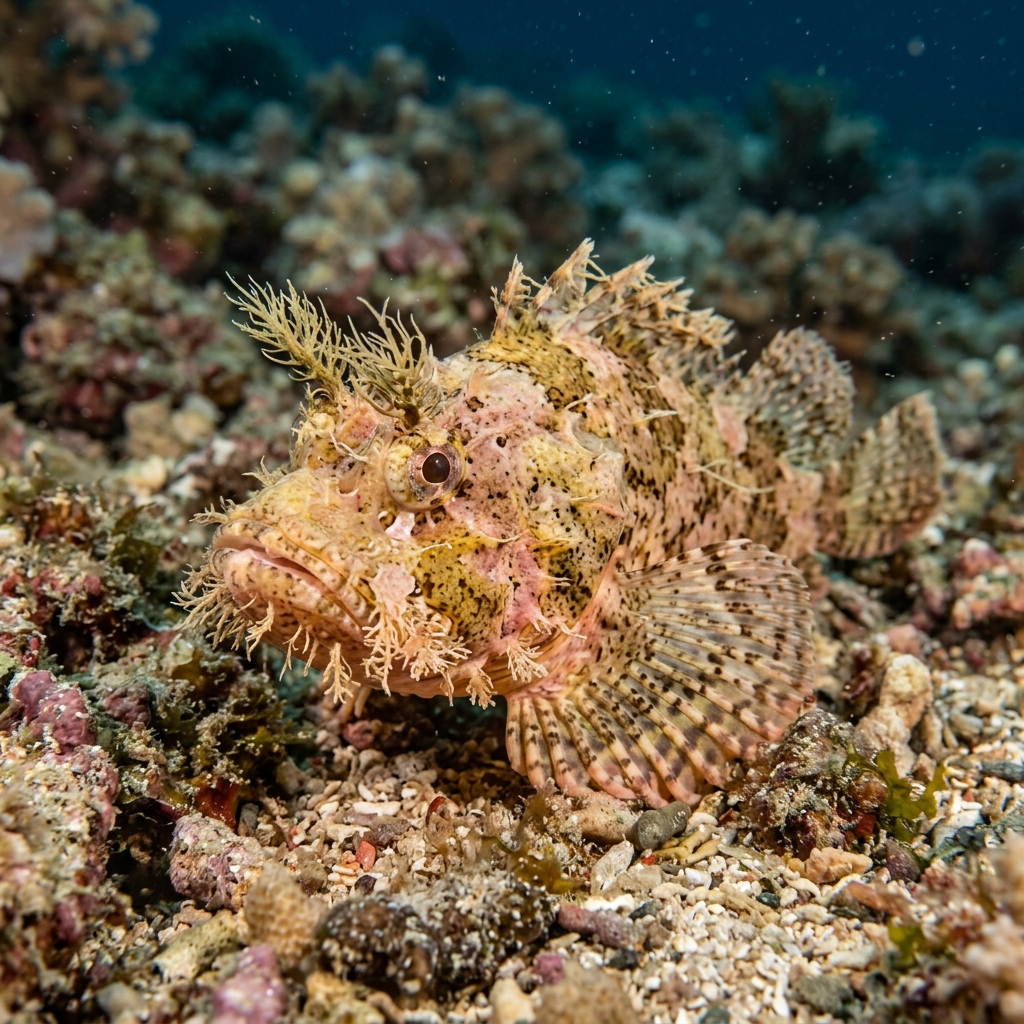
Lembeh Strait is defined by muck diving. The majority of sites combine sandy or silty substrate with reef structure, and that habitat underpins one of the most concentrated assemblages of cryptic and unusual marine life found anywhere in Indonesia. Flamboyant Cuttlefish, Mimic Octopus, Wunderpus, Ornate Ghostpipefish and Painted Frogfish are observed across nearly all sites. Wrecks and artificial reefs add variety, while a handful of sites such as Batu Kapal bring current-swept walls and pinnacles into the mix.

Monthly water temperature across Lembeh Strait's sites, from satellite sea-surface data corrected for depth. The band shows the site-to-site spread.
Water temperature stays consistently warm throughout the year, dipping only slightly in the middle months and peaking briefly around April and December. The histogram of favoured months points to April through November as the core season, with April, October and November attracting the strongest preference. Visibility is variable by design: muck sites trade clarity for critter density, so divers should expect a wide range depending on site type and conditions.
8 operators
Bitung, Indonesia
20 more sites to explore
Water temperature around Lembeh Strait ranges from about 28°C in July to 30°C in April, based on satellite sea-temperature data for its dive sites.
With water around 28–30°C, a rash guard or 3mm shorty works in Lembeh Strait year-round.
Fin maps 32 sites in Lembeh Strait (30 scuba diving sites and 9 snorkelling spots, with some suited to both).
Across Lembeh Strait's dive sites, April, May, June, September, October and November are most often reported as the best months to visit.
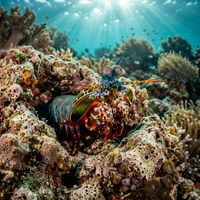
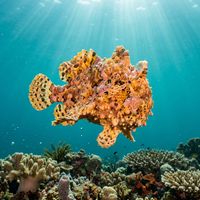
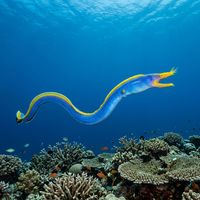
Lembeh Strait is particularly noted for cryptic and camouflaged species observed across the site network. Signature animals include the Flamboyant Cuttlefish, Mimic Octopus, Wunderpus, Ornate Ghostpipefish and Painted Frogfish. Beyond those headline species, divers regularly encounter Peacock Mantis Shrimp, Ambon Scorpionfish, Ribbon Eel, Chromodoris Nudibranch, Nembrotha Nudibranch, Broadclub Cuttlefish, Zebra Lionfish, Snowflake Moray and Mandarinfish.
A good portion of the sites are rated for beginners, including Lembeh Resort House Reef, Nudi Falls, Nudi Retreat, Kuda Laut, California Dreaming and Kapal Indah. Many of these are shallow or have calm entry conditions. Intermediate-rated sites such as Batu Kapal and Pantai Parigi 2 can involve stronger currents and surge, so newer divers should discuss site selection with their operator before the day.
The vast majority of sites are boat access, which is the standard approach across the region. Lembeh Resort House Reef is a notable exception, offering shore entry and making it convenient for those staying at the property. Nudi Falls also accepts both shore and boat entry. With a large number of operators active in the area, including Eco Divers, Divers Lodge Lembeh and Two Fish Divers Lembeh Dive Resort, boat transfers to sites are typically well organised.
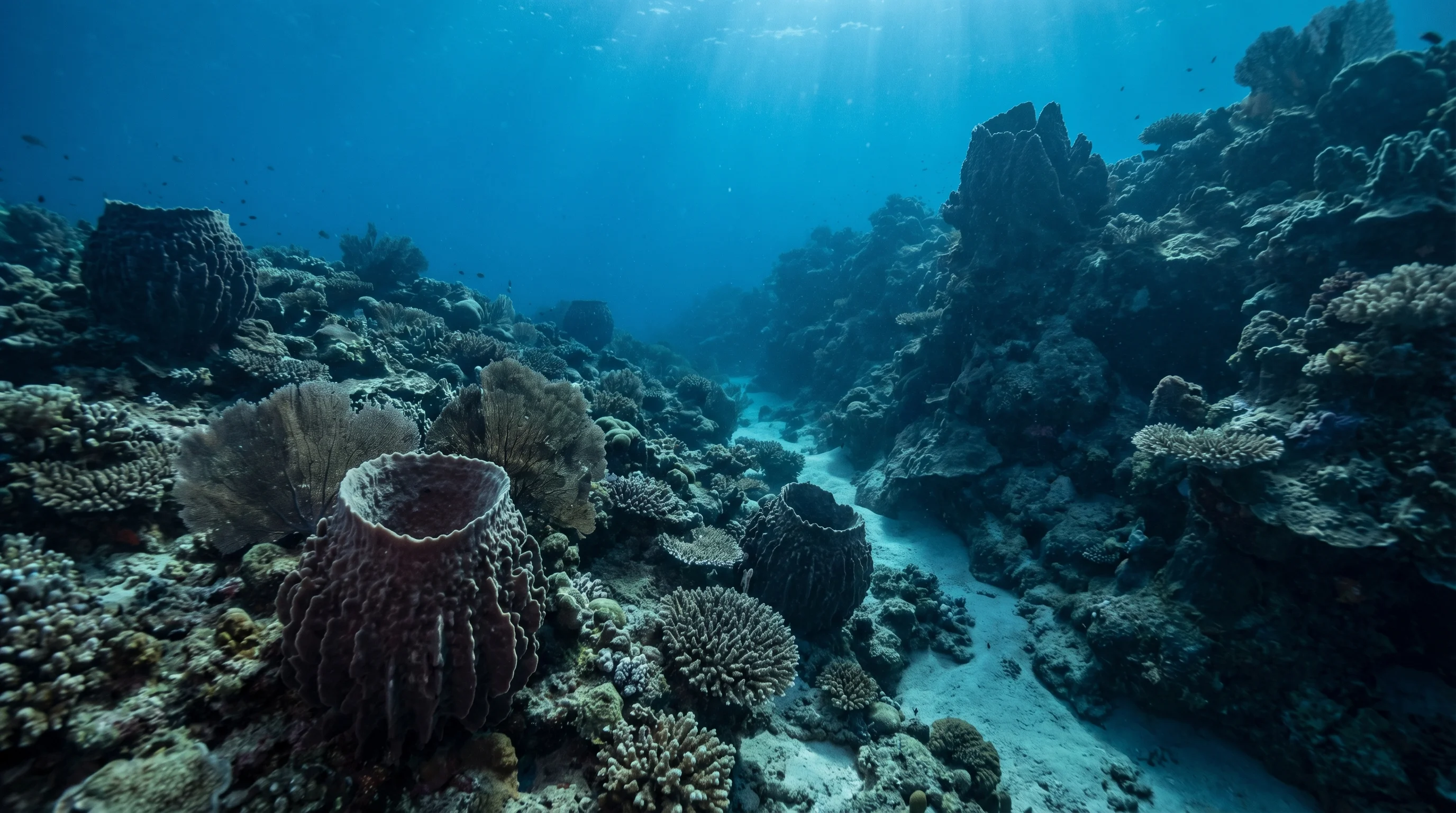
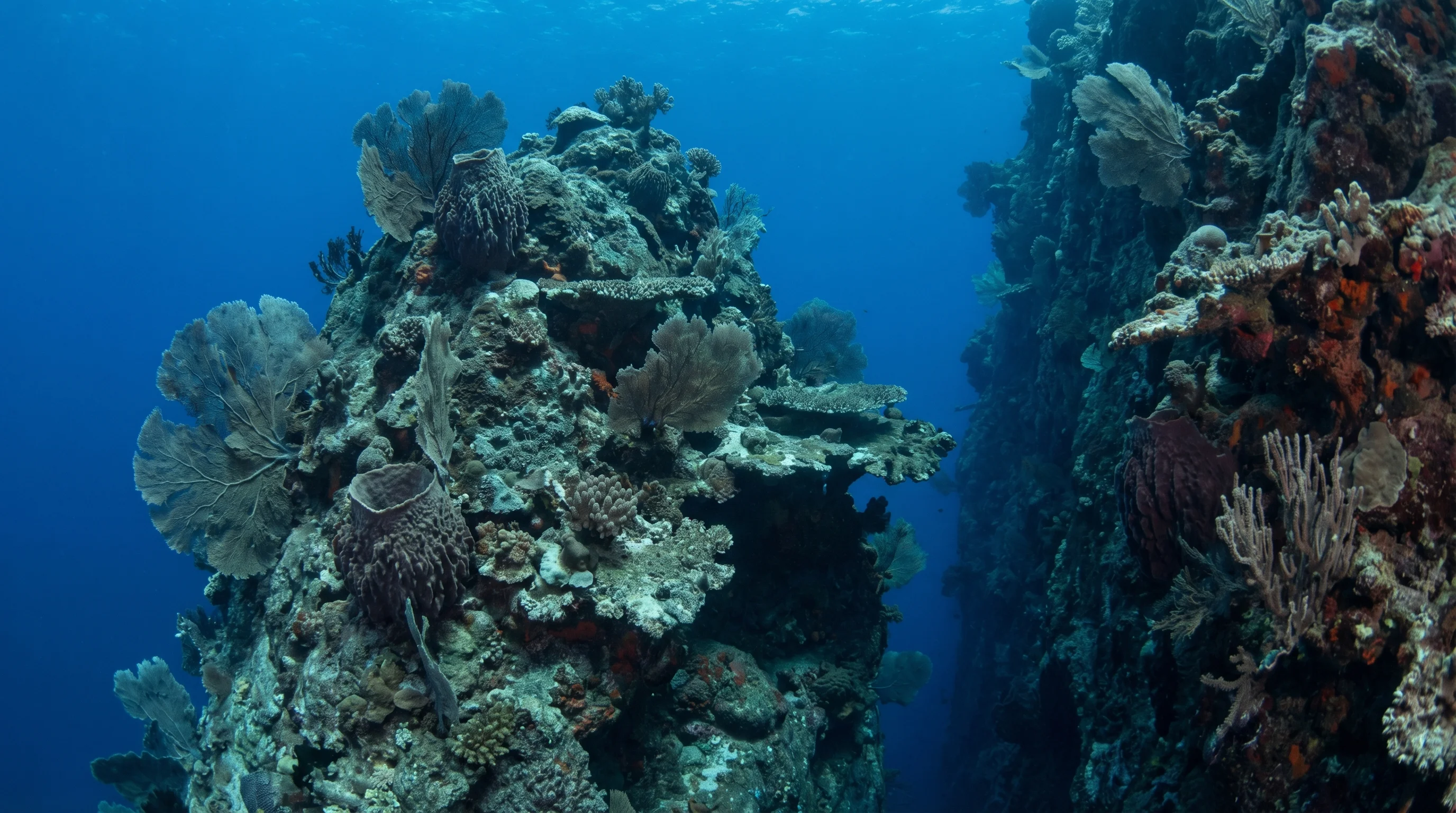
Muck diving is the dominant character: dark or sandy substrate where camouflaged animals hide in plain sight. Most sites blend muck with natural reef, and several also incorporate artificial reef structures or wrecks such as the Mawali Wreck and Kapal Indah. A smaller number of sites, notably Batu Kapal and Nudi Falls, offer wall and drift diving, giving Lembeh Strait more variety than a purely muck-focused destination.