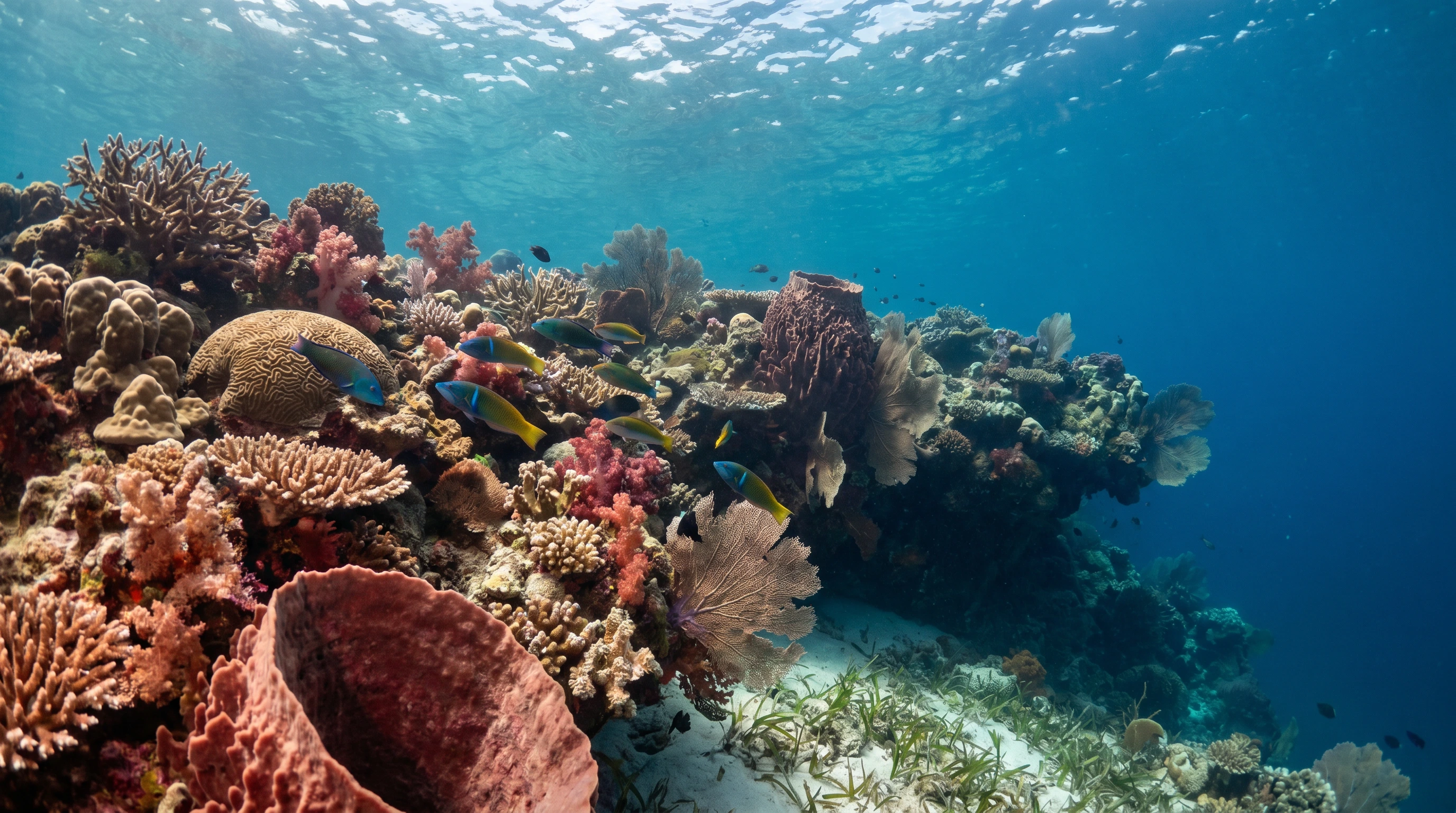
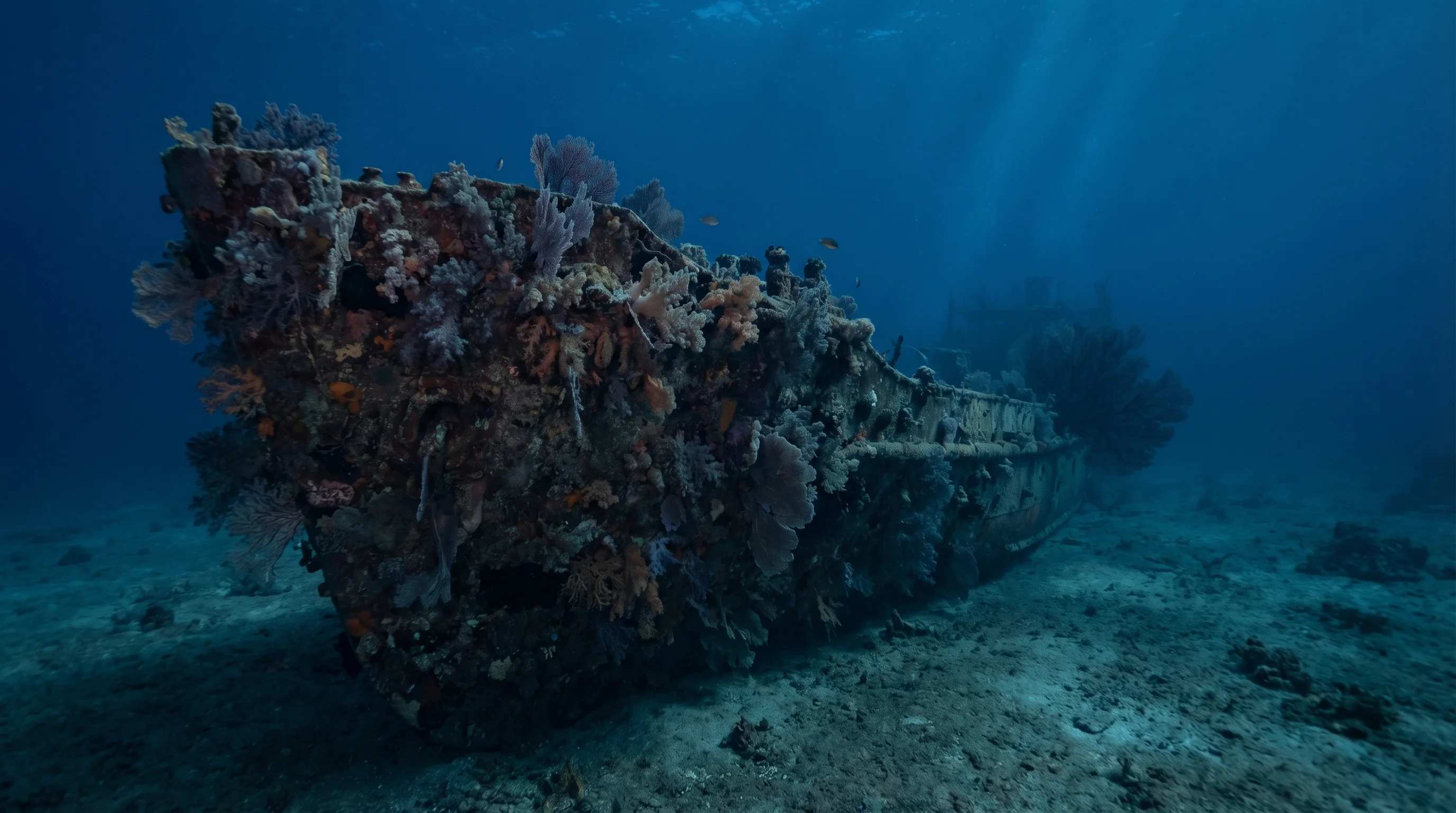
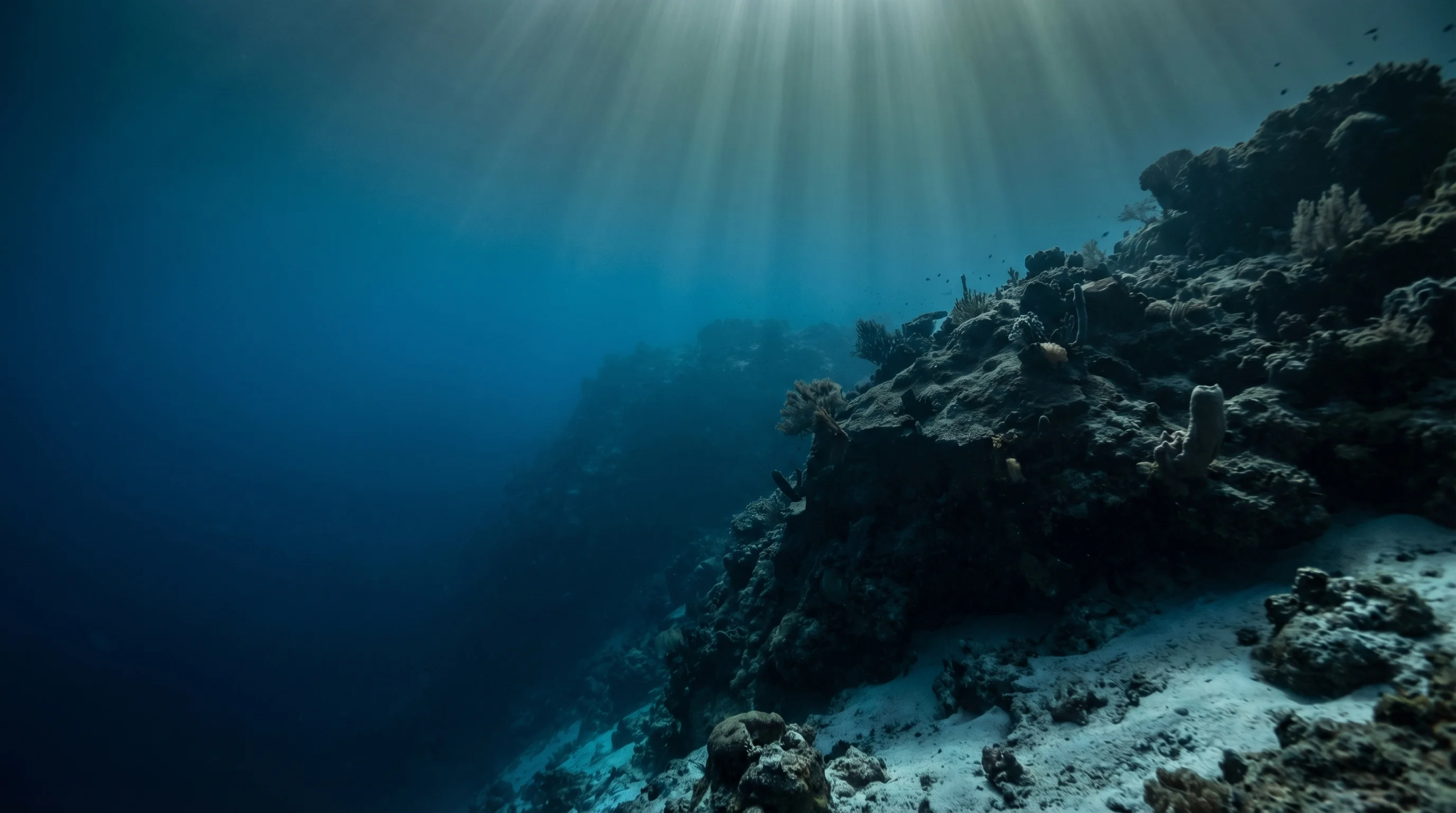
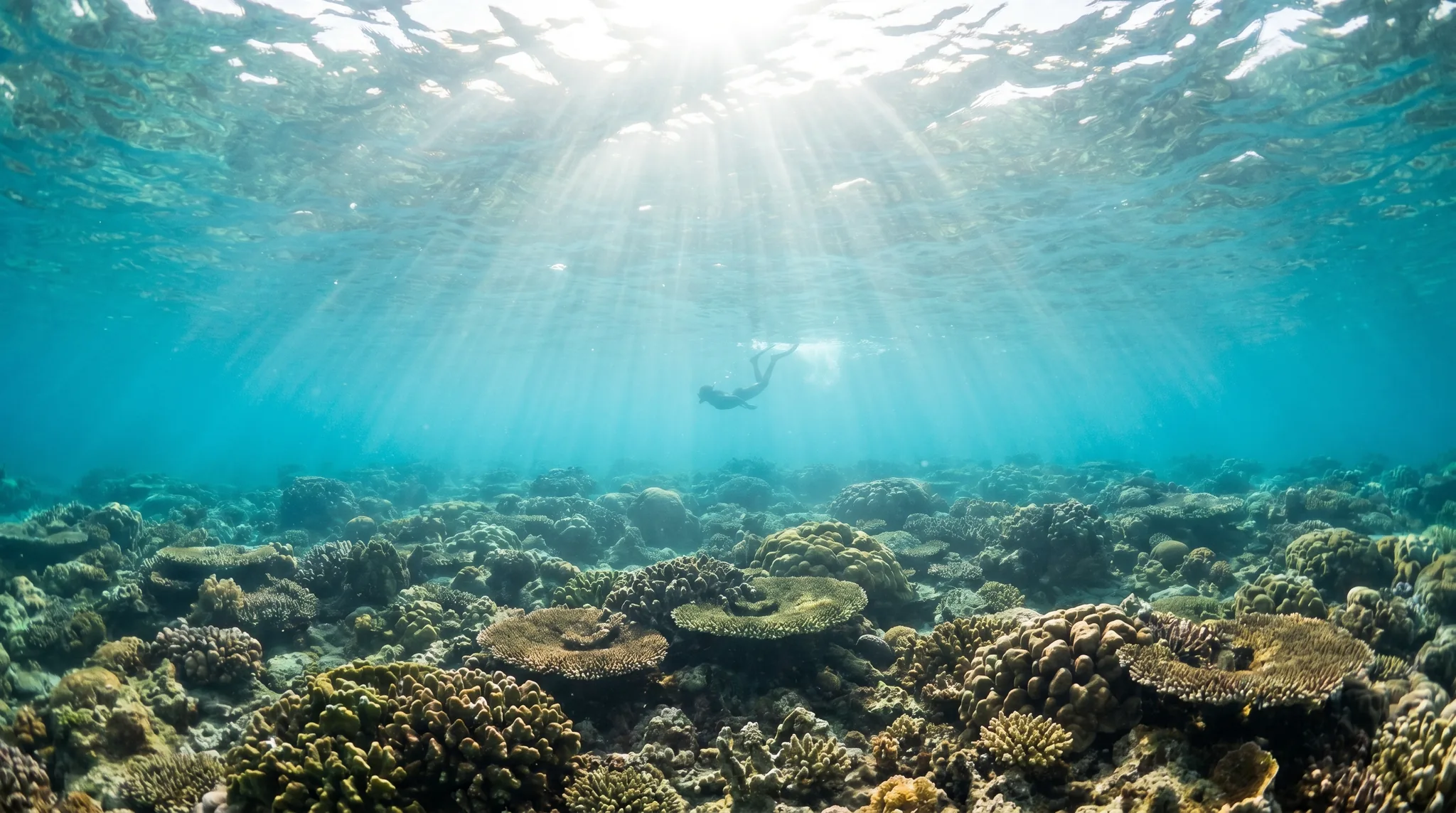
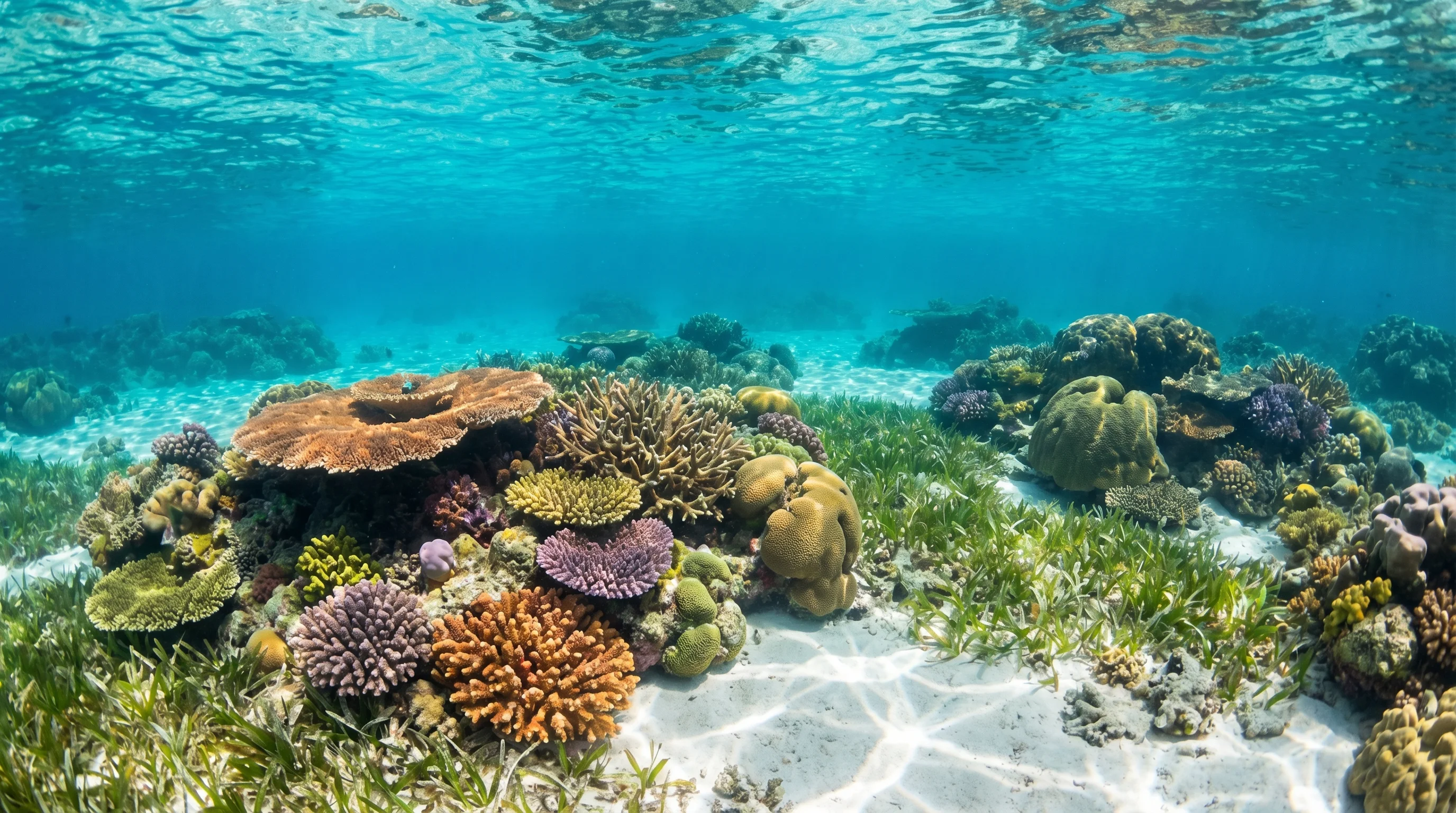
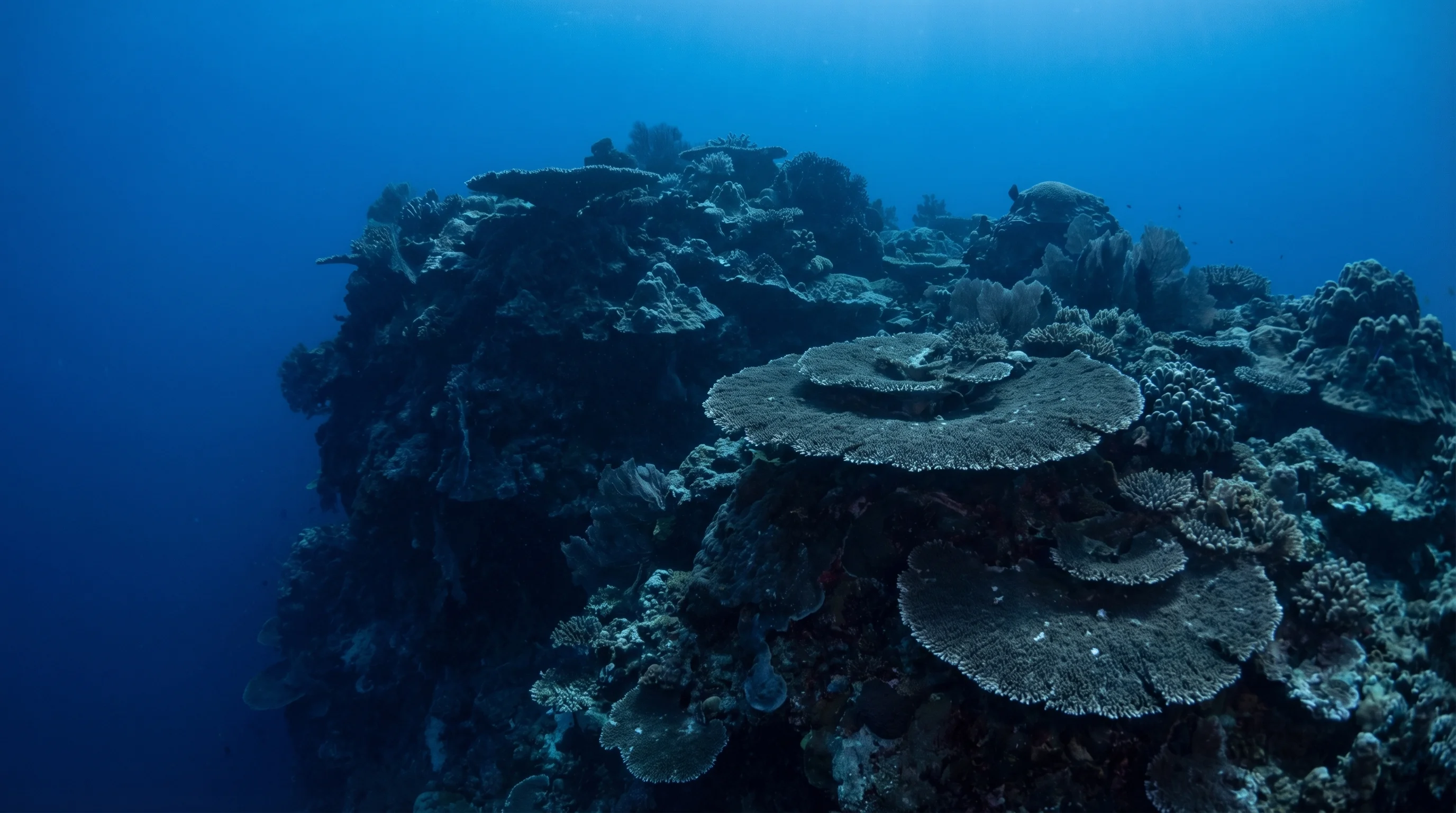
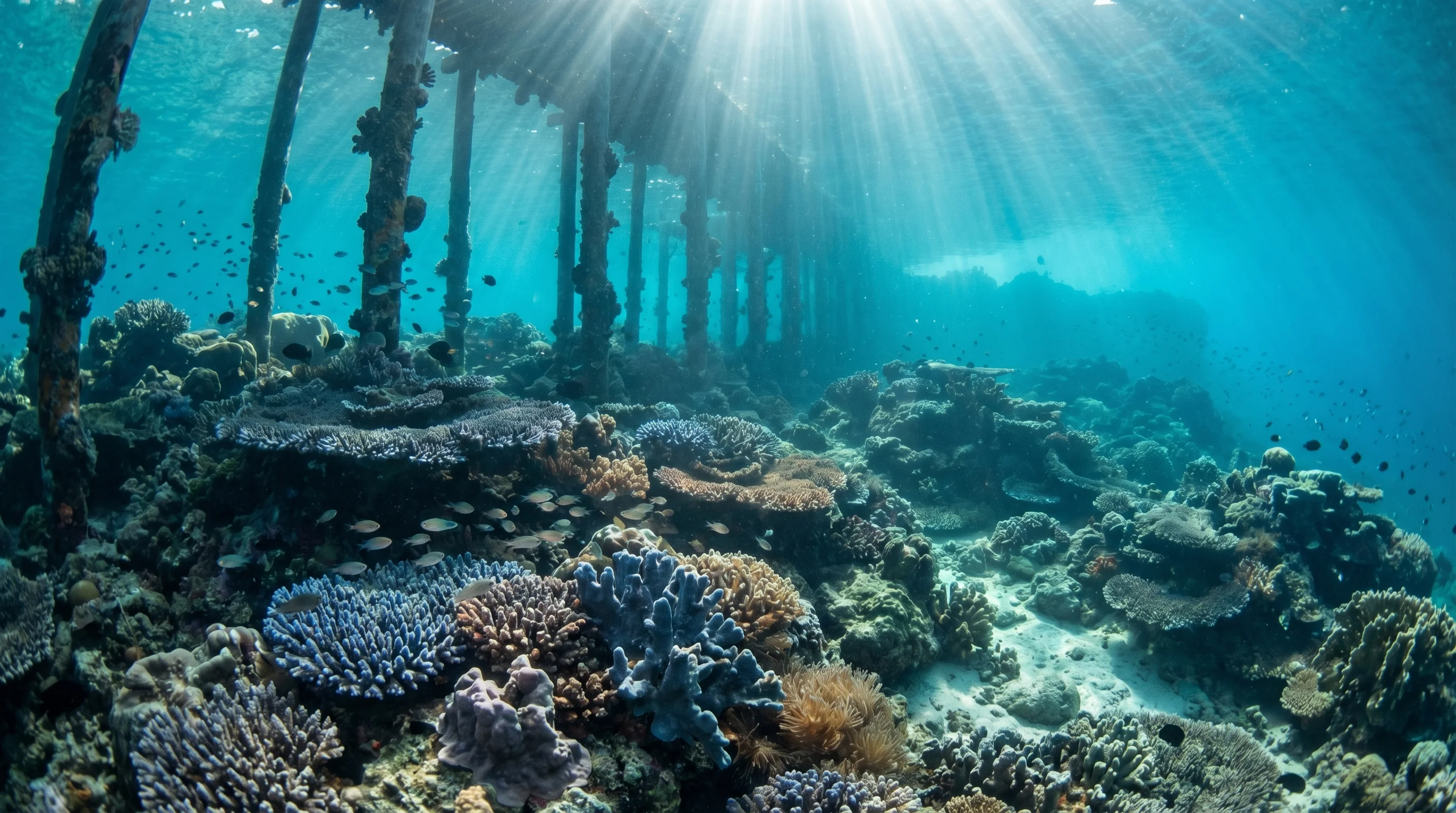
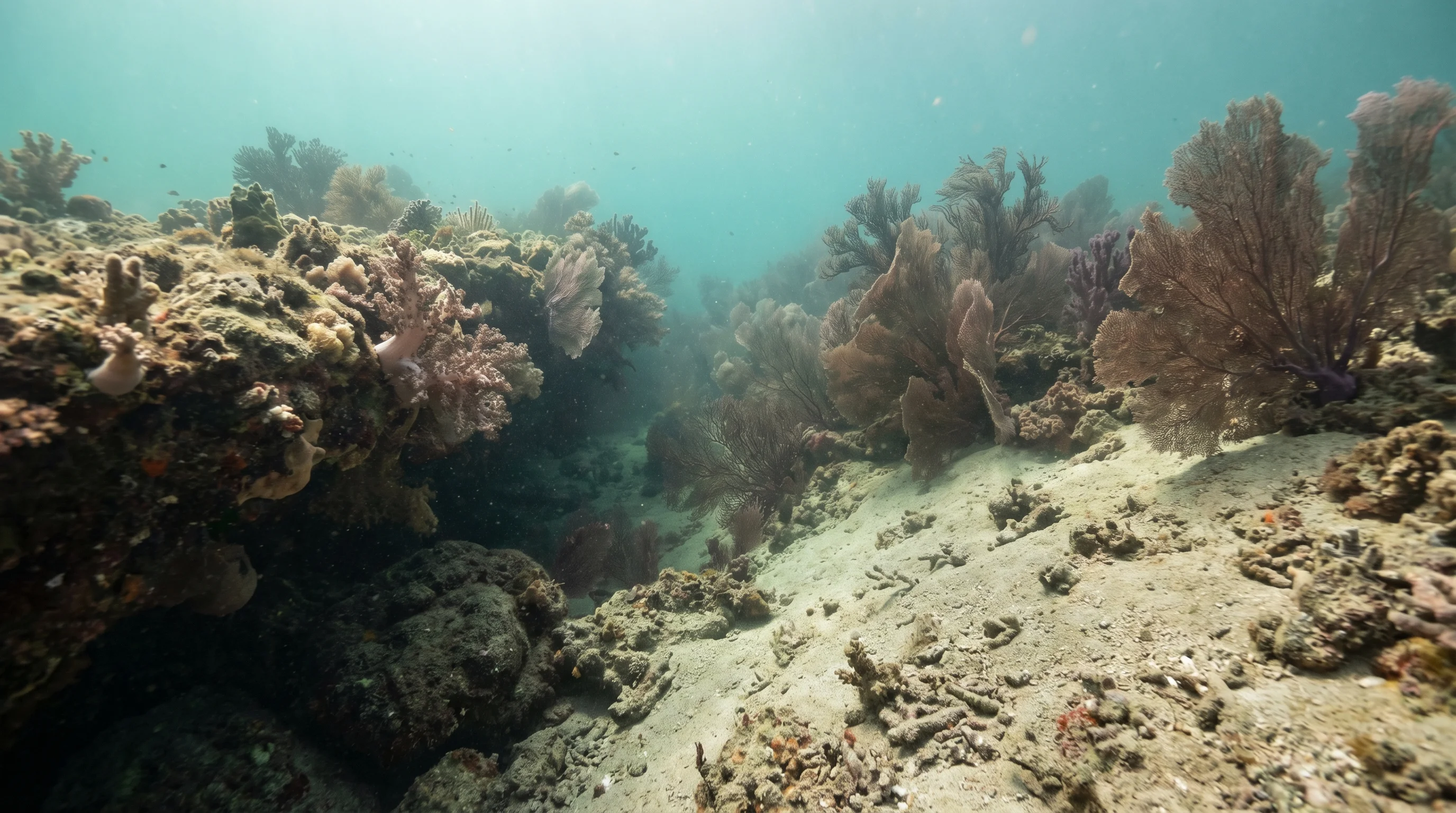
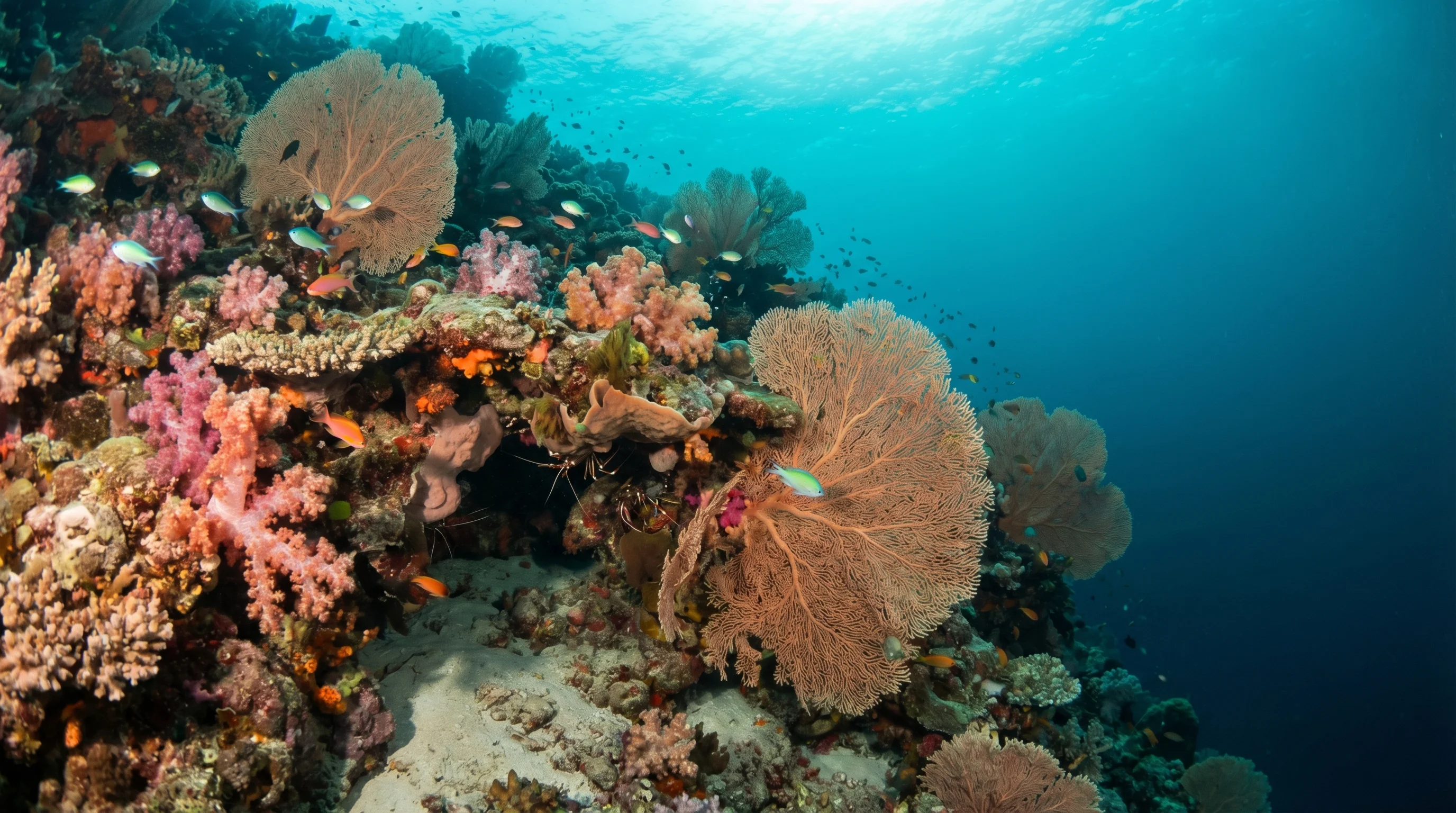
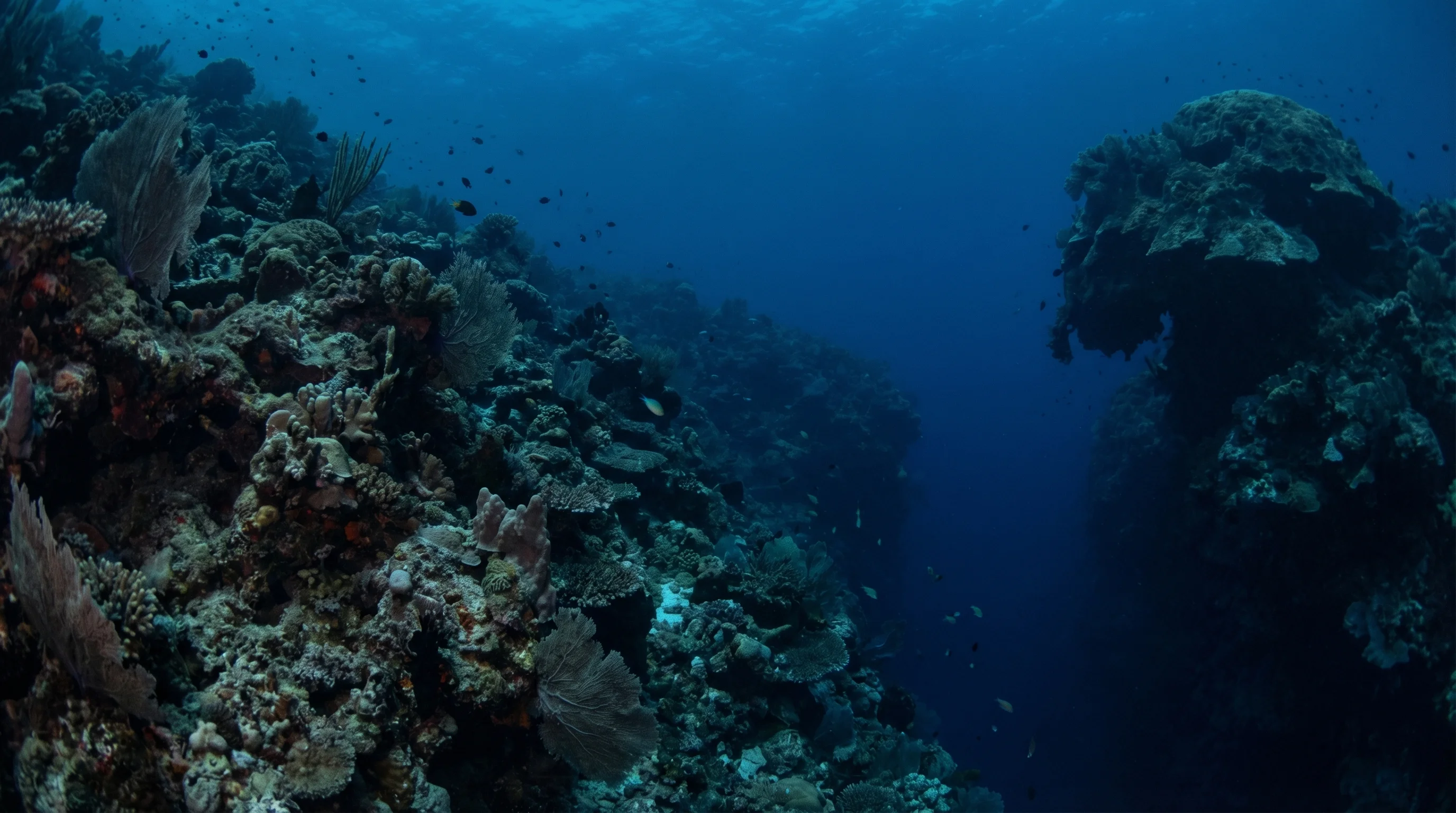
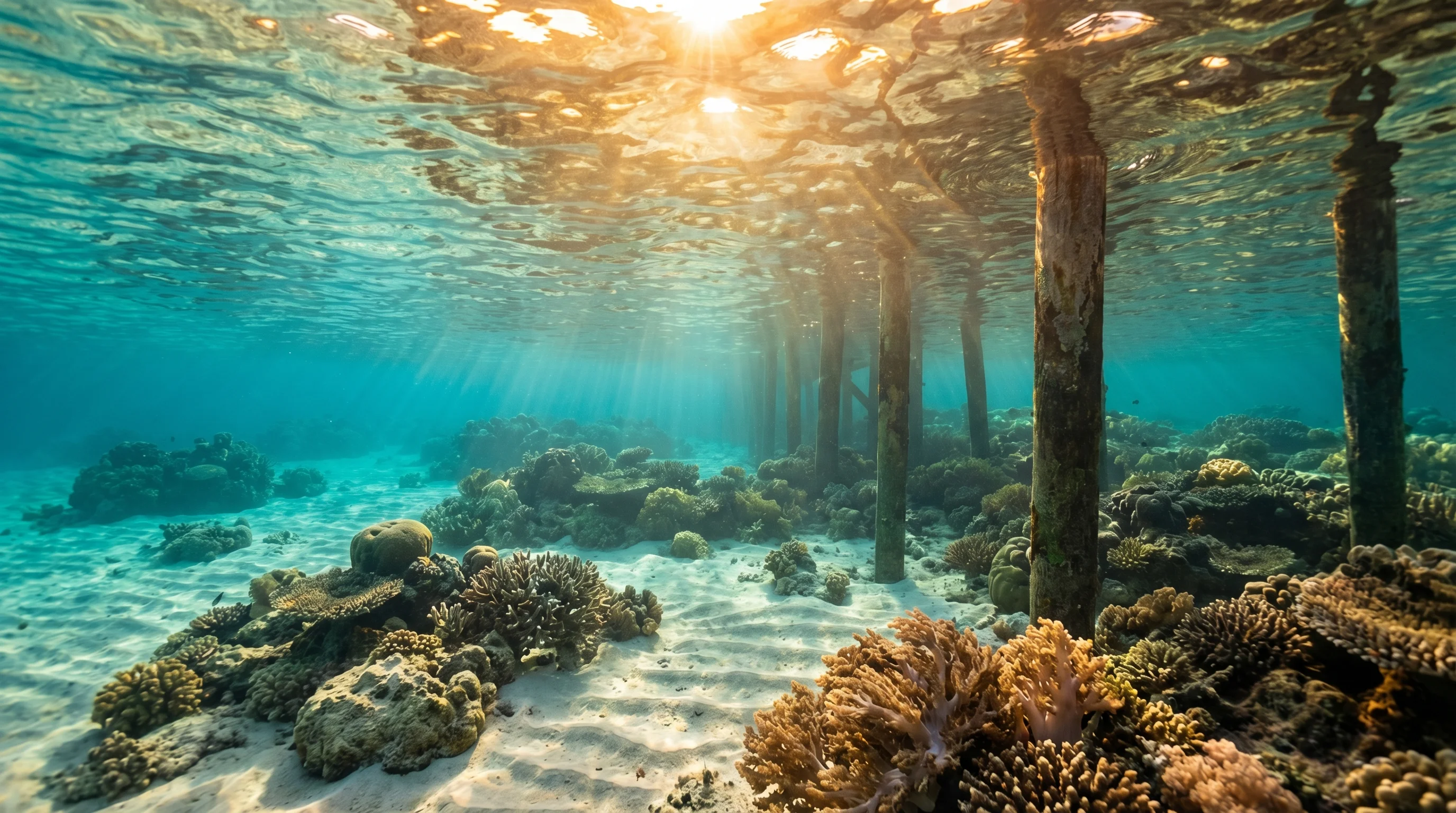
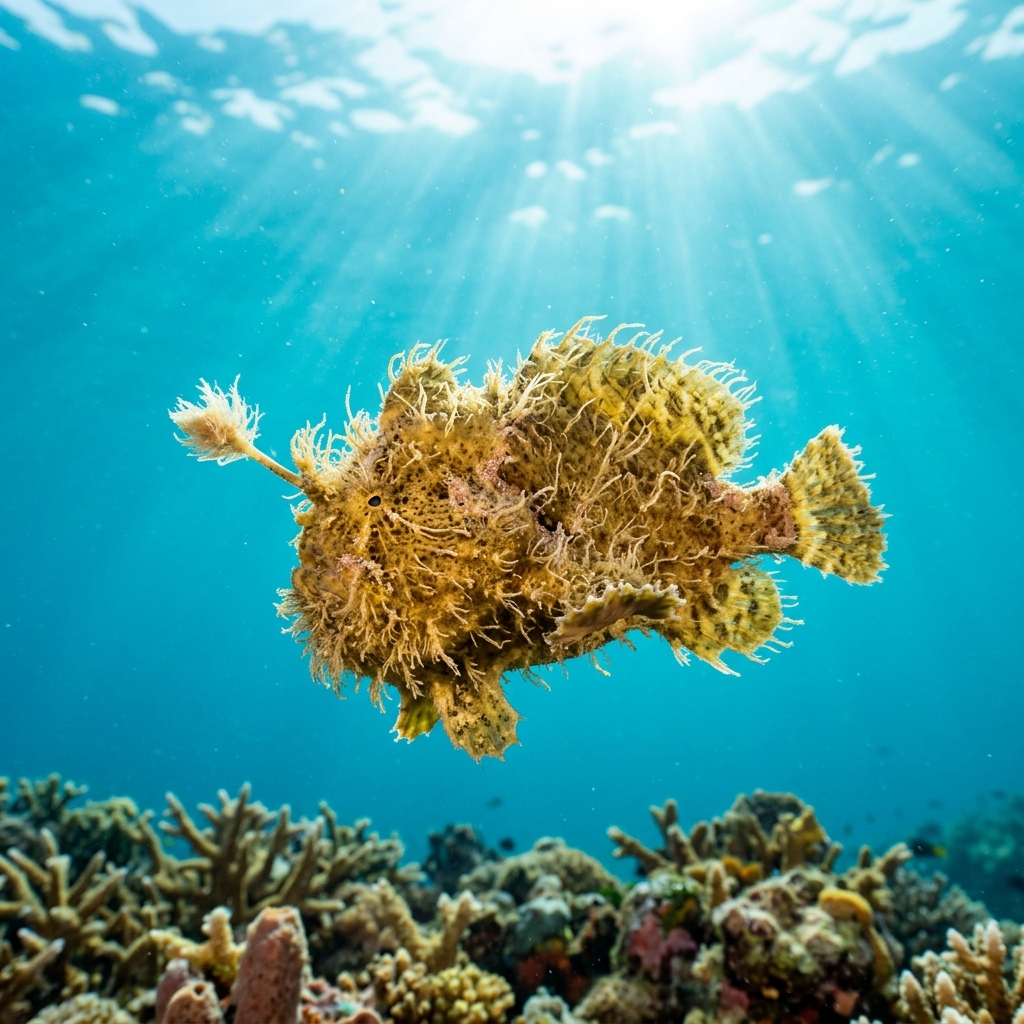
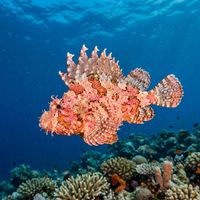
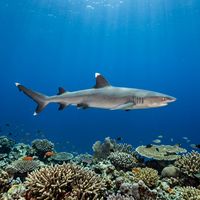
Taka Bonerate rewards divers with a varied mix of reef slopes, dramatic walls, drop-offs and a blue hole at Tinabo Island. The macro life is exceptional: Chromodoris Nudibranch, Leaf Scorpionfish, Hairy Frogfish and Ornate Ghostpipefish appear across nearly every site. Whitetip Reef Shark, Blacktip Reef Shark and Green Sea Turtle round out the larger encounters. Snorkellers have dedicated shallow sites, while drift diving along walls like Cape Bira suits intermediate divers. Water stays warm year-round, with the clearest conditions running from late spring through autumn.
Monthly water temperature across Taka Bonerate's sites, from satellite sea-surface data corrected for depth. The band shows the site-to-site spread.
Water temperature stays warm throughout the year, dipping only slightly in the mid-year months before rising again towards the end of the year. The best diving conditions, based on site data, fall from late spring through to mid-autumn, when visibility and sea state are most favourable. Sites like Cape Bira offer drift diving along walls, so familiarity with current is useful outside the calmer periods.
11 operators
Bantaeng, Indonesia
Bantaeng, Indonesia
Bantaeng, Indonesia
Bantaeng, Indonesia
11 more sites to explore
Water temperature around Taka Bonerate ranges from about 27°C in August to 30°C in November, based on satellite sea-temperature data for its dive sites.
With water around 27–30°C, a rash guard or 3mm shorty works in Taka Bonerate year-round.
Fin maps 13 sites in Taka Bonerate (9 scuba diving sites and 4 snorkelling spots).
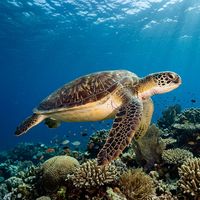
Whitetip Reef Shark is a very common sighting across the majority of sites, with Blacktip Reef Shark and Grey Reef Shark also recorded regularly. Green Sea Turtle is frequently observed, and Batfish appear in good numbers around the reef structures. These are all observation-backed records, not simply range estimates.
Yes, in part. Tinabo Island is rated for beginners and offers a wide depth range, from shallow reef to wall and blue hole, so newer divers can explore without committing to the deeper sections. Cape Bira is rated intermediate due to its drift-diving character and deeper drop-off, so less experienced divers should check site conditions with their operator before heading there.
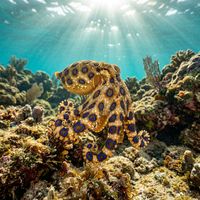
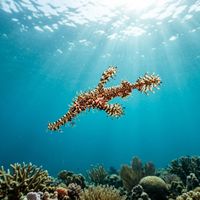
The region's signature macro species are observed across virtually all dive sites. Chromodoris Nudibranch, Leaf Scorpionfish, Ornate Ghostpipefish, Hairy Frogfish and Blue-ringed Octopus are all rated very common, with observation-backed records. Spanish Dancer nudibranch is also a standout species here, found on the vast majority of sites. Photographers focusing on critters will find consistent subjects throughout the area.
Several operators are based in the area, including Selayar Dive Resort, Blue Planet Dive Resort, GaiaOne Boutique Diving and Bira Dive Adventure, among others. Sites such as Tinabo Island offer both shore and boat entry, giving flexibility depending on your operator and itinerary. Boat access is the norm for reaching the more exposed wall and drop-off sites like Cape Bira.