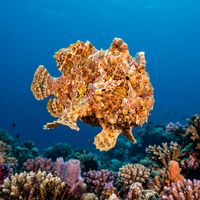
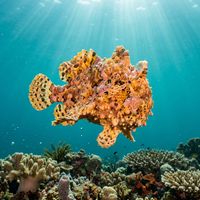
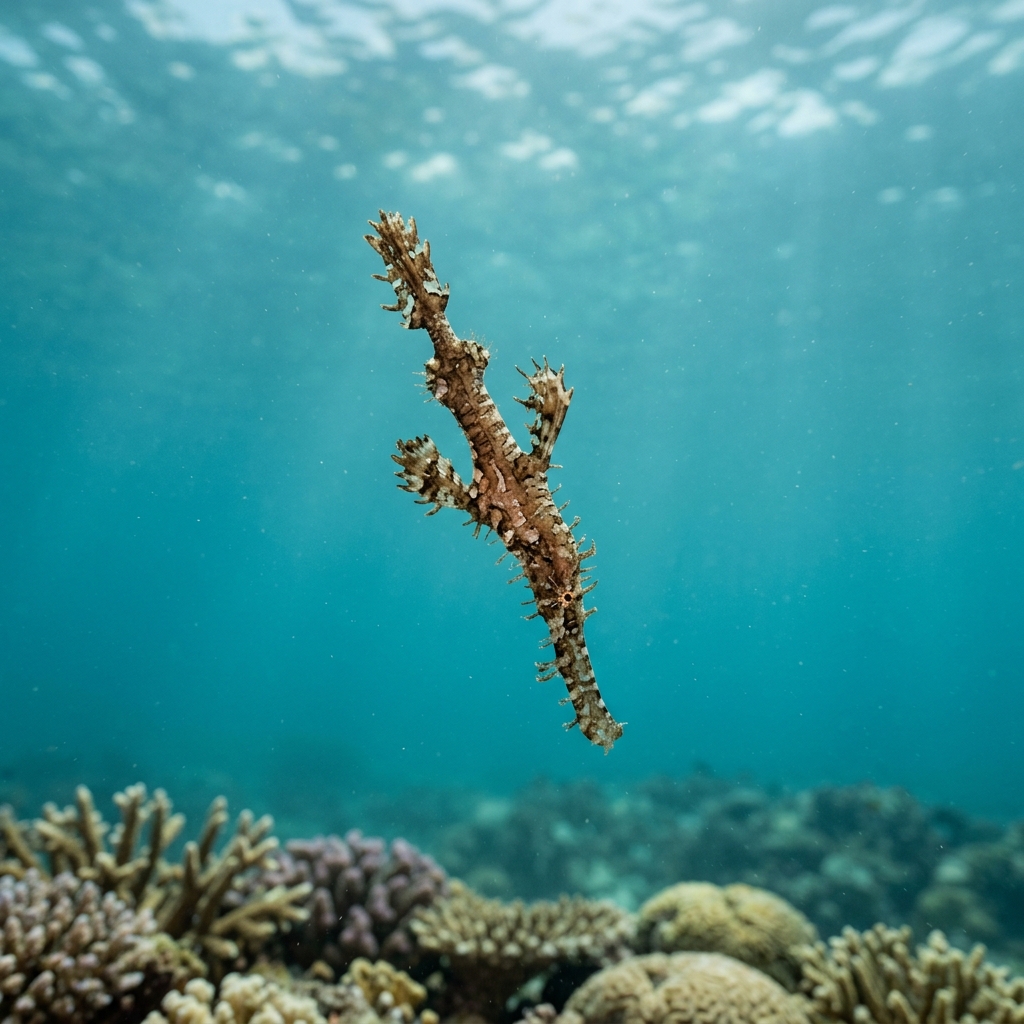
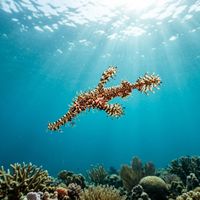
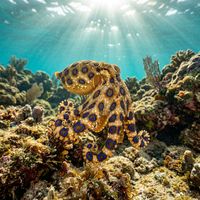
Maluku draws divers with an unusually strong muck and macro character, sitting alongside dramatic reef walls, drop-offs and even cave sections. Ambon anchors the region with the largest concentration of sites, while the Patinti Strait delivers current-swept reefs, walls and drift dives across a dense cluster of headlands and islands. The Banda Islands and Morotai offer more remote alternatives. Spanish Dancer, Painted Frogfish, Warty Anglerfish and both ghost pipefish species appear with remarkable consistency across sites, and the Blue-ringed Octopus is a regular encounter. Most sites are boat-access, and intermediate skill levels dominate, though real beginner-friendly shallow reefs exist in Ambon.
5 areas
 27
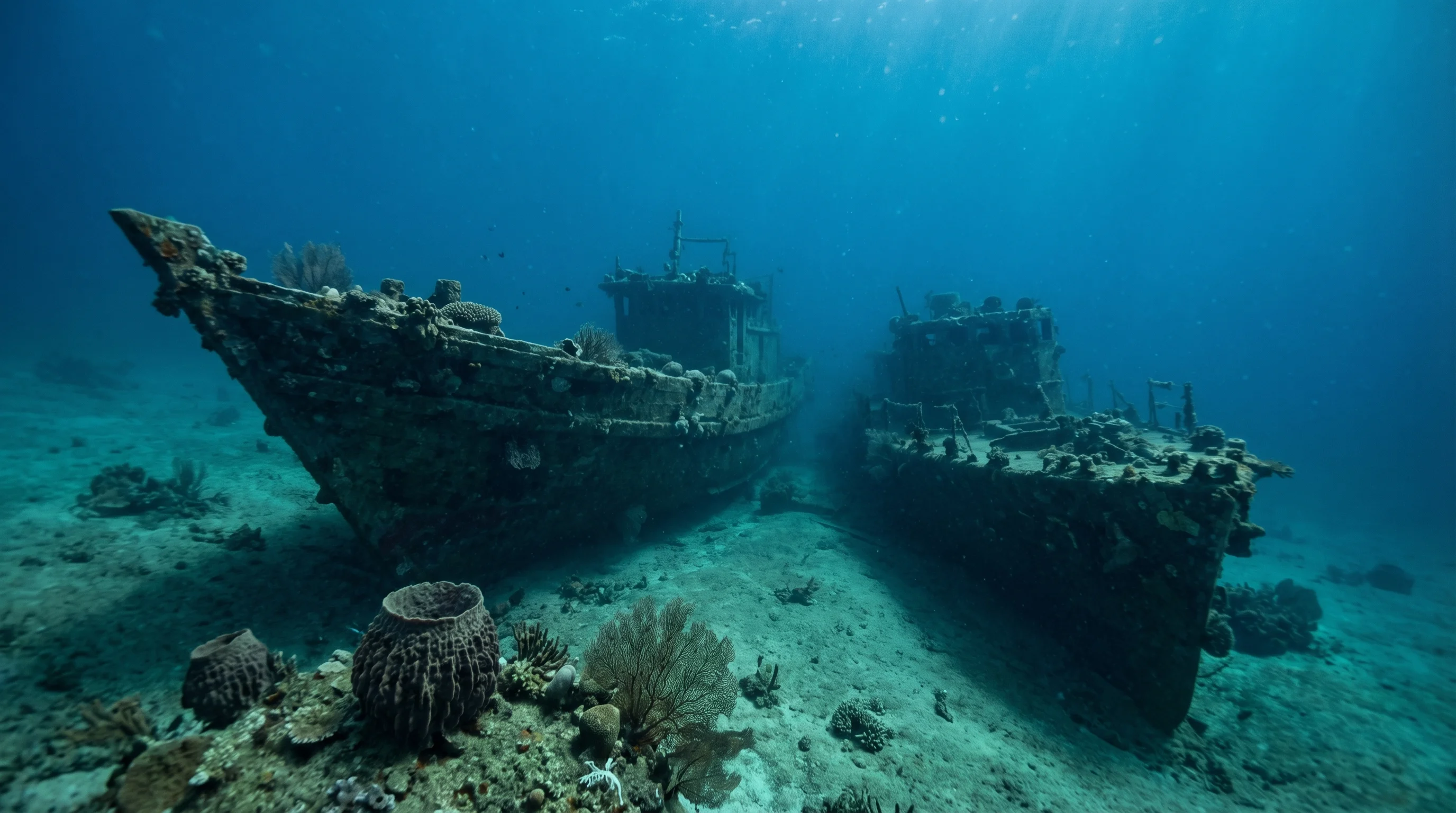
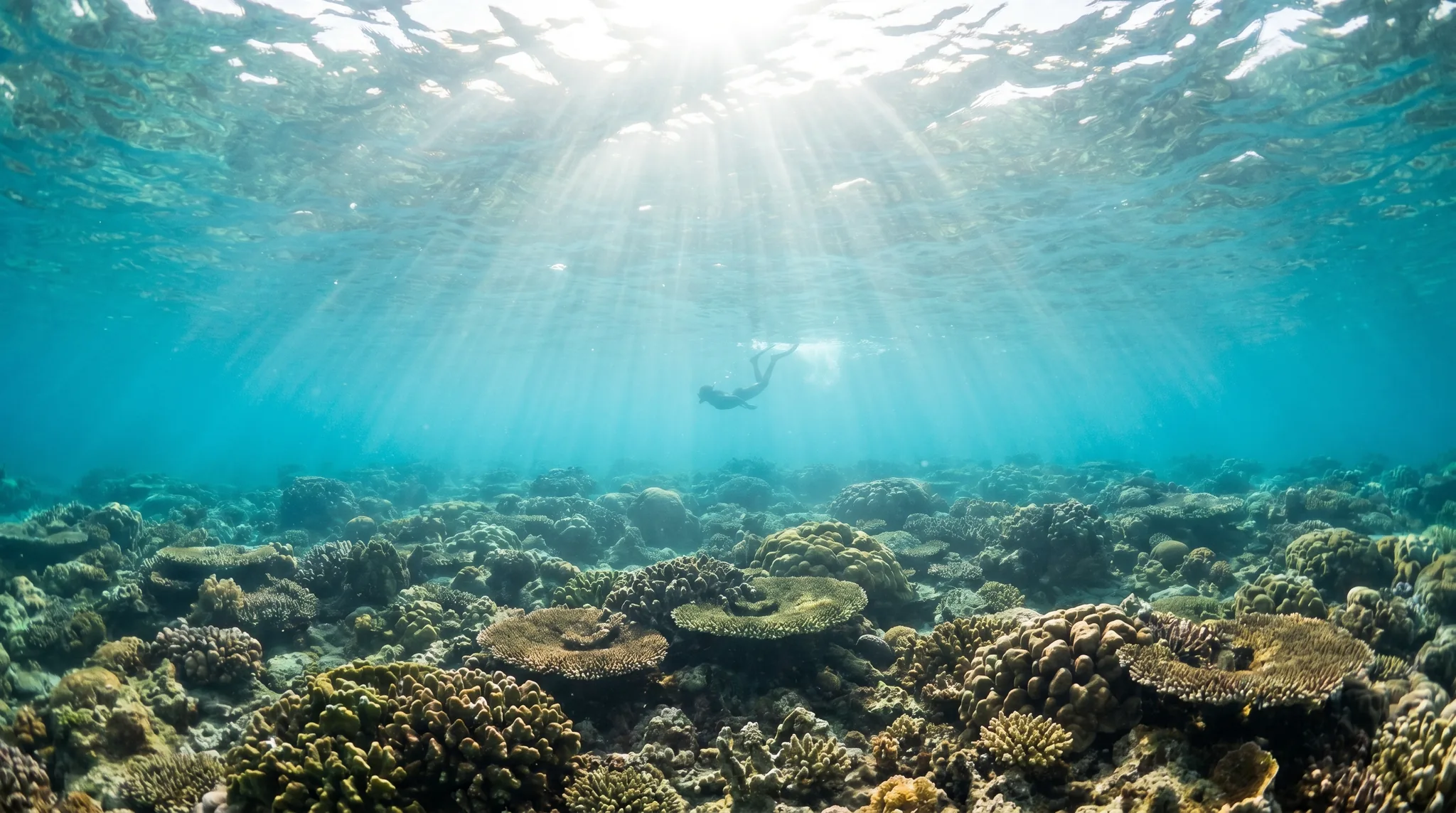
27Ambon delivers some of the richest muck and critter diving in Indonesia, with frogfish, ghostpipefish and nudibranchs across a varied mix of reefs, walls and wrecks.
 11
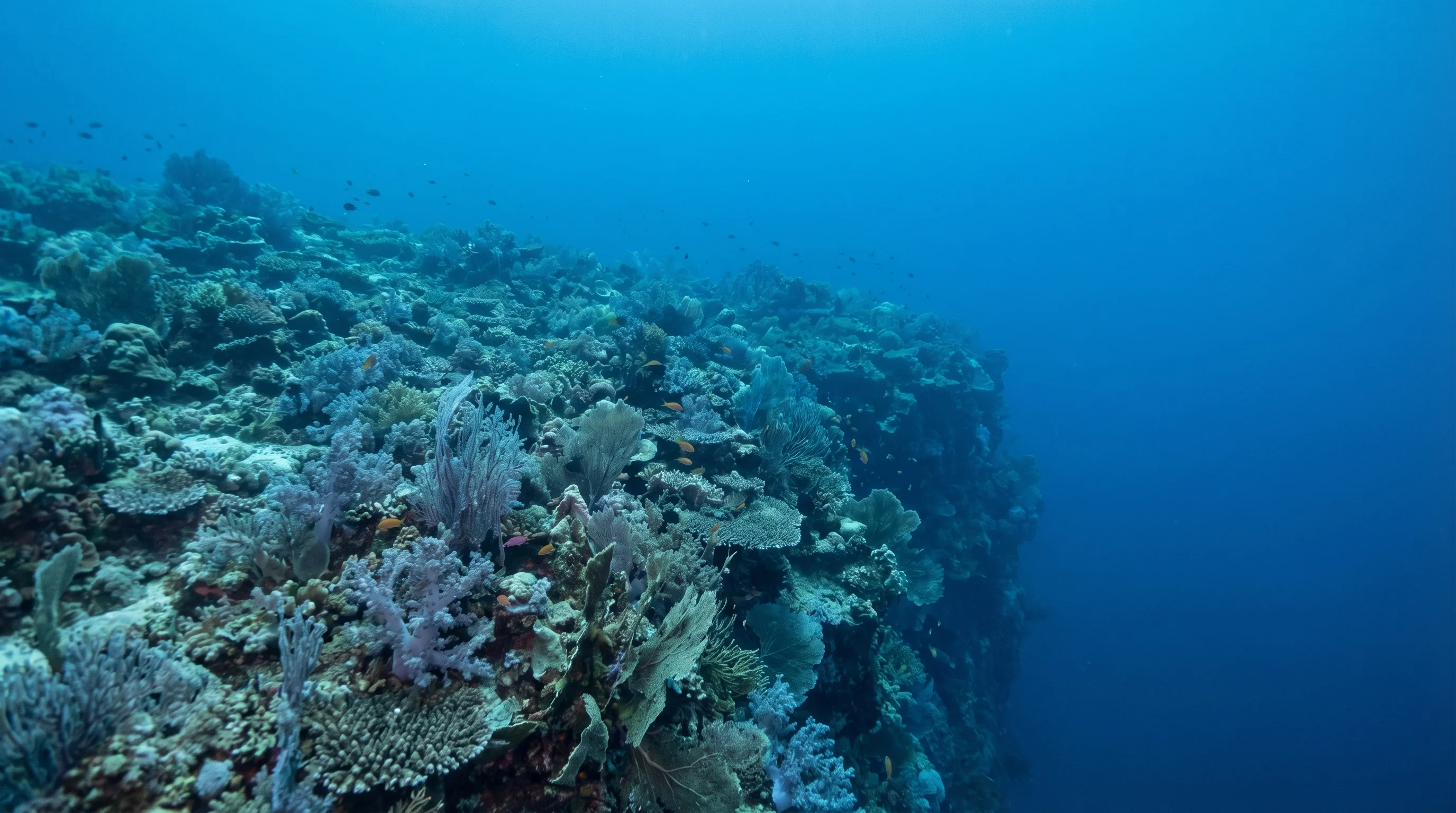
11Boat-access reef and wall diving in Maluku with strong currents, prolific nudibranch and occasional Dugong sightings.
 3
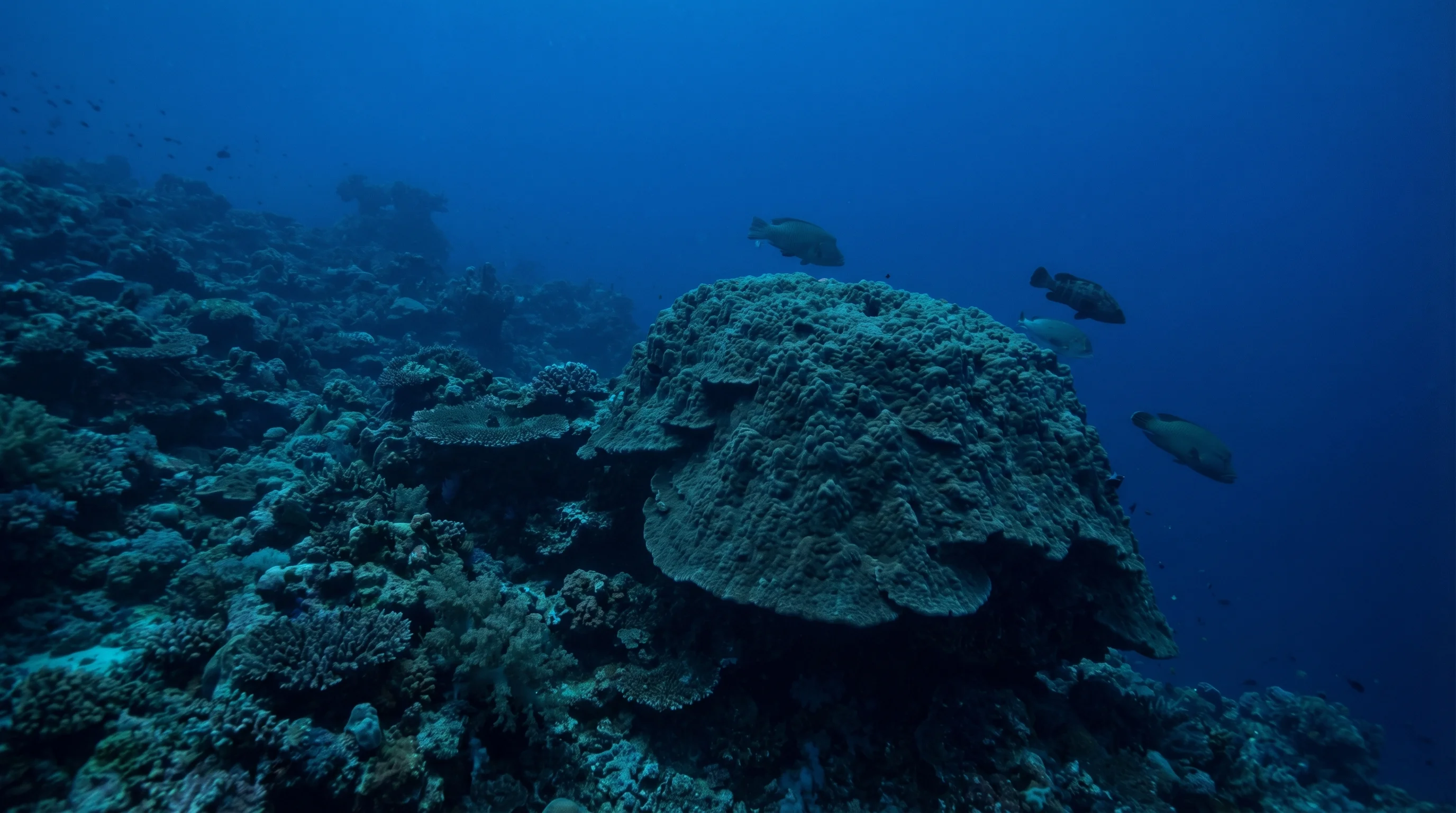
3Warm Maluku Sea reefs and drop-offs with sharks, turtles, and cryptic reef species, dived by boat from Daruba.
 2
2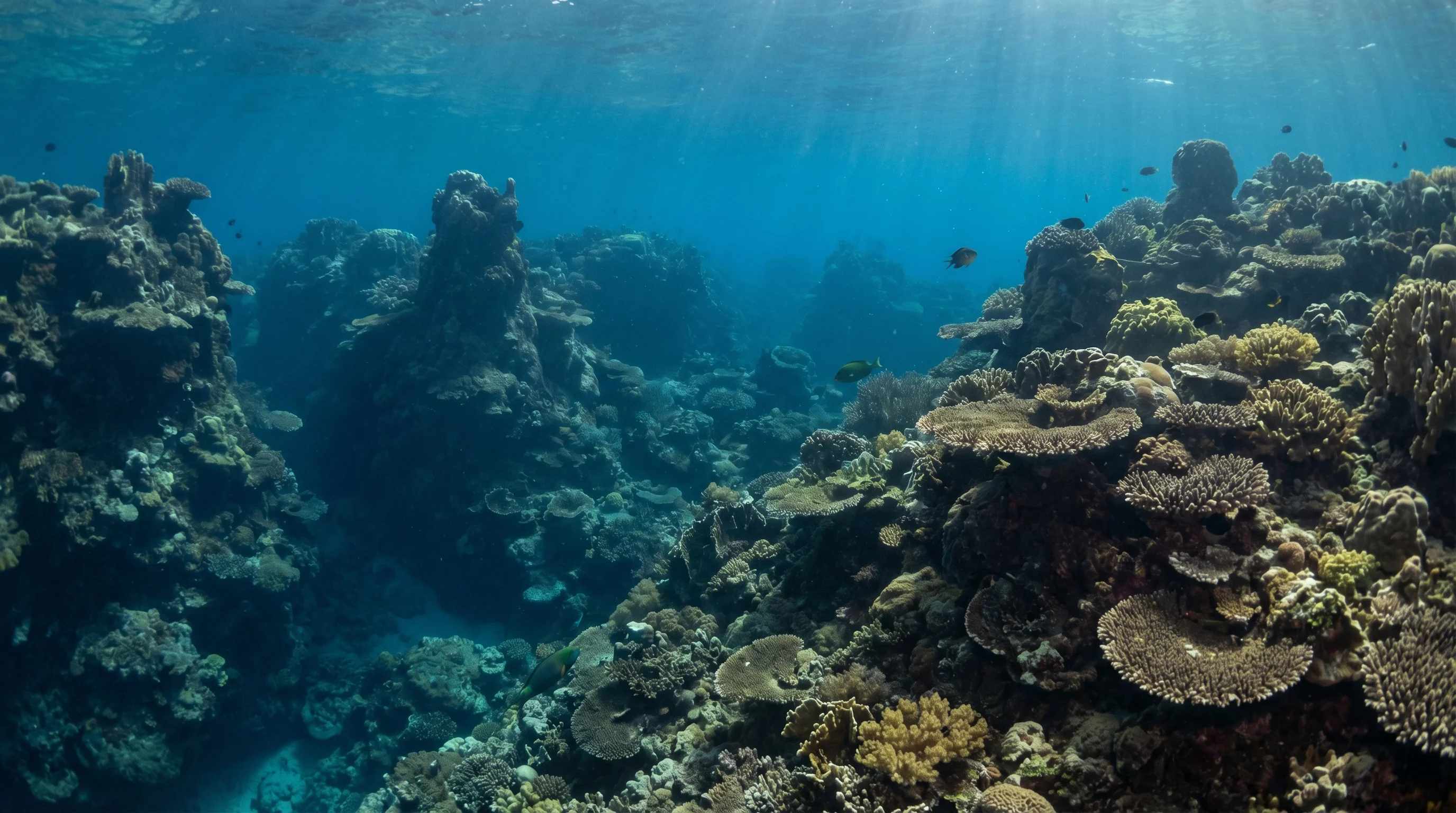
Monthly water temperature across Maluku's sites, from satellite sea-surface data corrected for depth. The band shows the site-to-site spread.
Water stays warm throughout the year, cooling slightly from mid-year through to early September before climbing again in the warmer months around March and April. The best-months data points strongly to April, October and September as peak periods, with March and November also well regarded. Some sites in the Patinti Strait carry strong or unpredictable currents, so conditions vary meaningfully between the sheltered bays of Ambon and the more exposed headlands further north.
18 operators
Indonesia
Indonesia
Jambulang, Indonesia
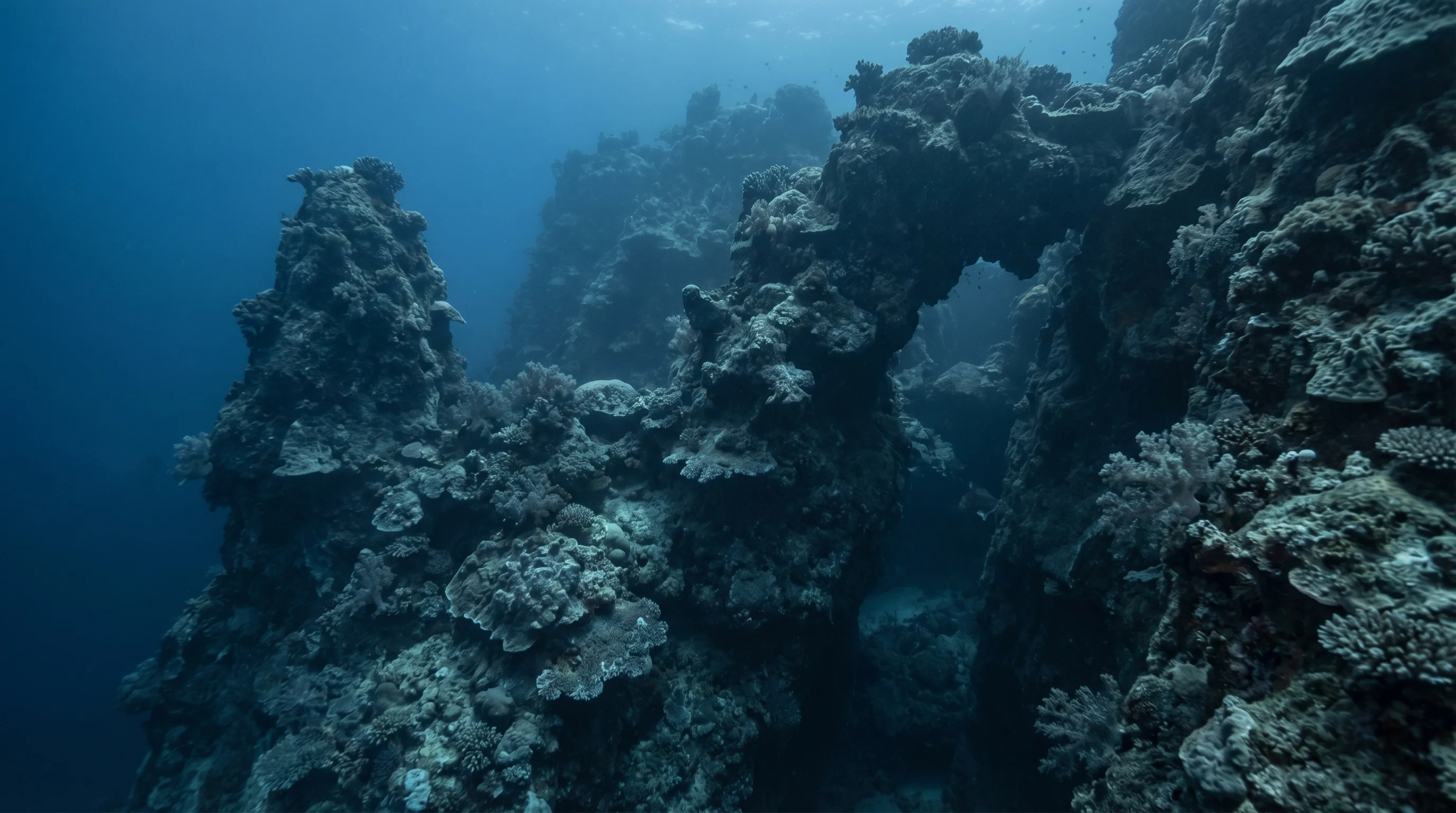
Banda Sea dive sites combining shallow reefs at Hatta Island with the demanding wall and pinnacle of Batu Kapal.
Water temperature around Maluku ranges from about 27°C in July to 30°C in March, based on satellite sea-temperature data for its dive sites.
With water around 27–30°C, a rash guard or 3mm shorty works in Maluku year-round.
Fin maps 44 sites in Maluku (41 scuba diving sites and 9 snorkelling spots, with some suited to both), organised into 5 areas.
Across Maluku's dive sites, March, April, September, October, November and December are most often reported as the best months to visit.
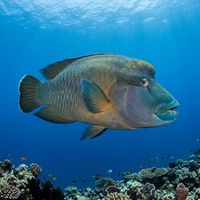
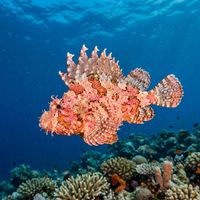
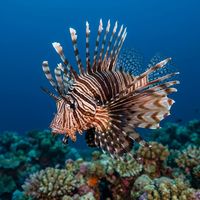
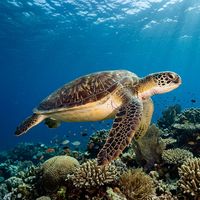
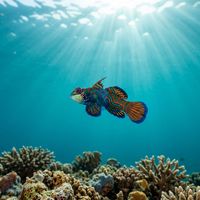
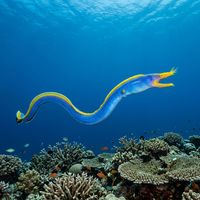
Maluku has a particularly strong macro and cryptic species character. Spanish Dancer, Painted Frogfish, Warty Anglerfish, Robust Ghost Pipefish and Ornate Ghostpipefish are all observation-backed and appear across a wide spread of sites. Beyond those signature species, divers also encounter Blue-ringed Octopus, Leaf Scorpionfish, Mandarinfish, Ribbon Eel, Napoleon Wrasse, Grey Reef Shark and Green Sea Turtle, among many others.
Most sites in Maluku are rated intermediate, particularly across the Patinti Strait where currents can be strong or unpredictable. However, Ambon does offer beginner-friendly options: Cape Paperu House Reef is a shallow reef accessible by shore or boat, and Nanas Island in the Patinti Strait also suits newer divers. Beginners should discuss site selection with their operator before heading out.
Ambon has the greatest number of sites and includes muck diving, artificial reef and accessible house reefs alongside deeper wall dives. The Patinti Strait is dominated by boat-access reef, wall and drift sites where currents play a larger role in the experience. Morotai and the Banda Islands offer a smaller, more remote selection of sites, while Ternate contributes a single site to the region.
The majority of sites across Maluku are reached by boat, which applies to virtually all diving in the Patinti Strait, Morotai and the Banda Islands. In Ambon, a handful of sites including Cape Paperu House Reef and Air Manis offer the option of shore entry as well as boat access. Several dive operators based in the region run regular boat trips and can organise logistics across multiple sub-areas.