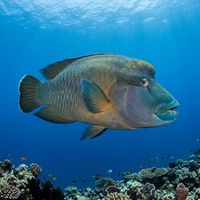
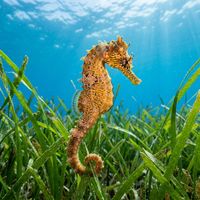
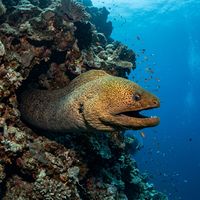
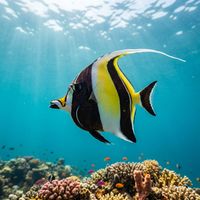
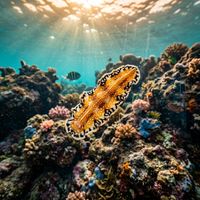
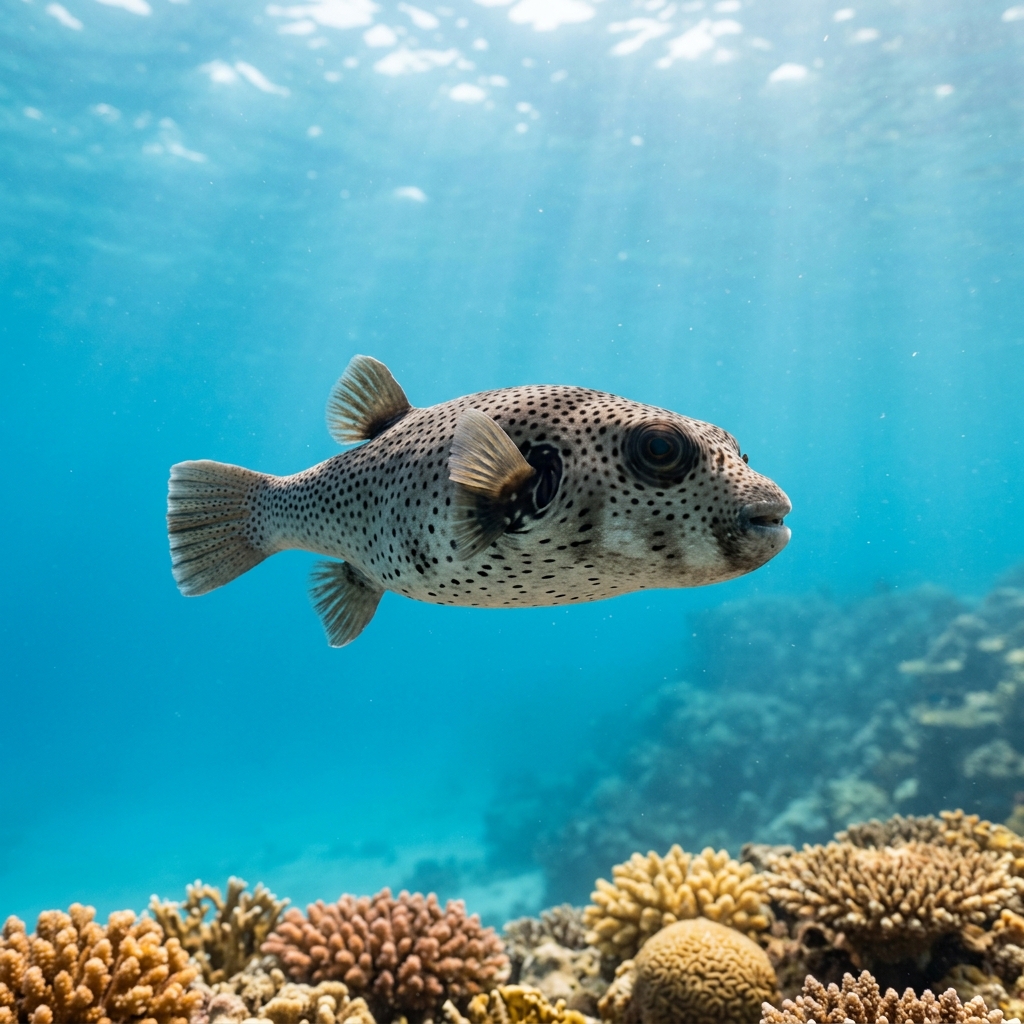
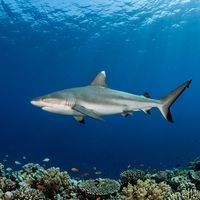
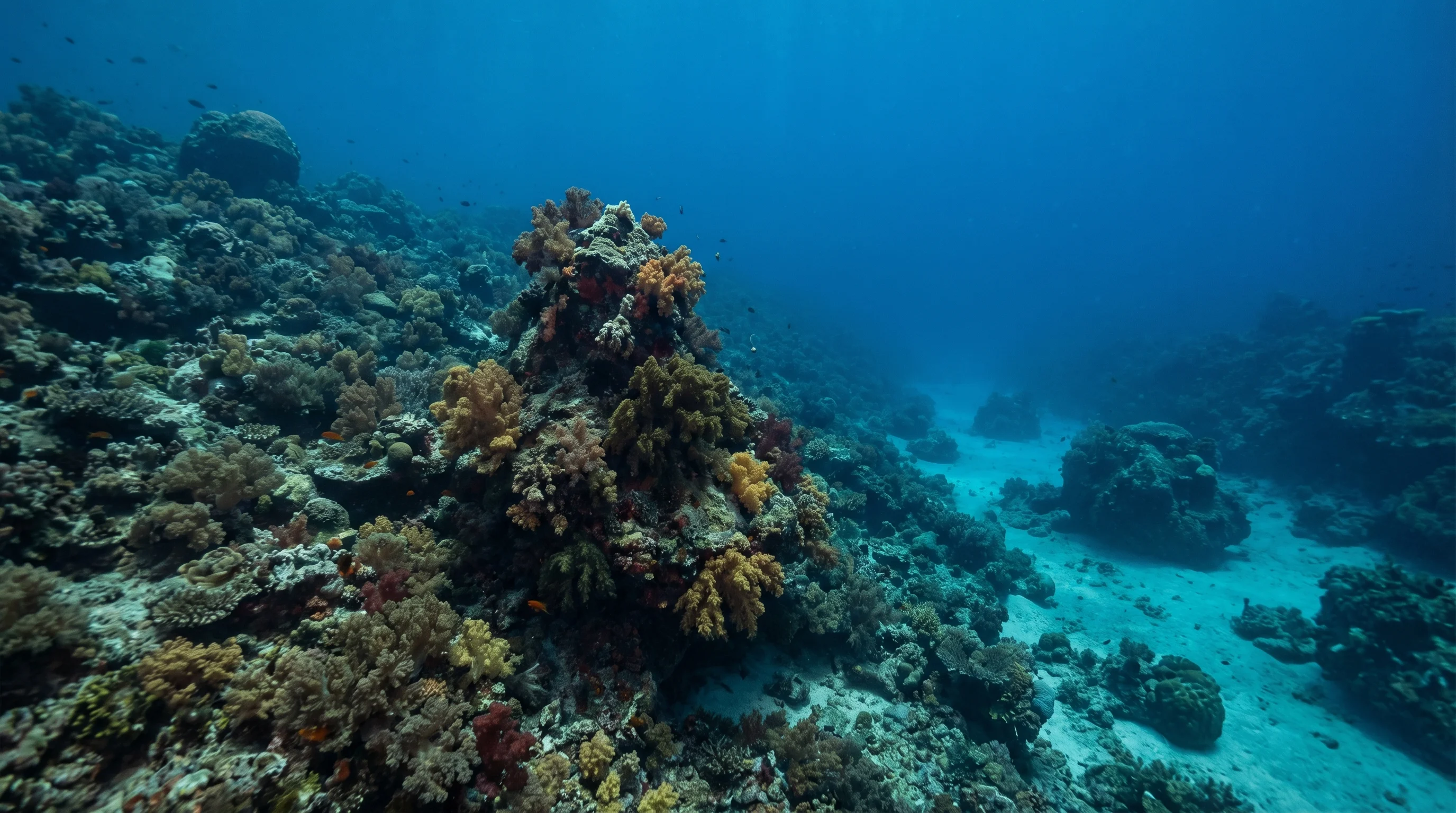
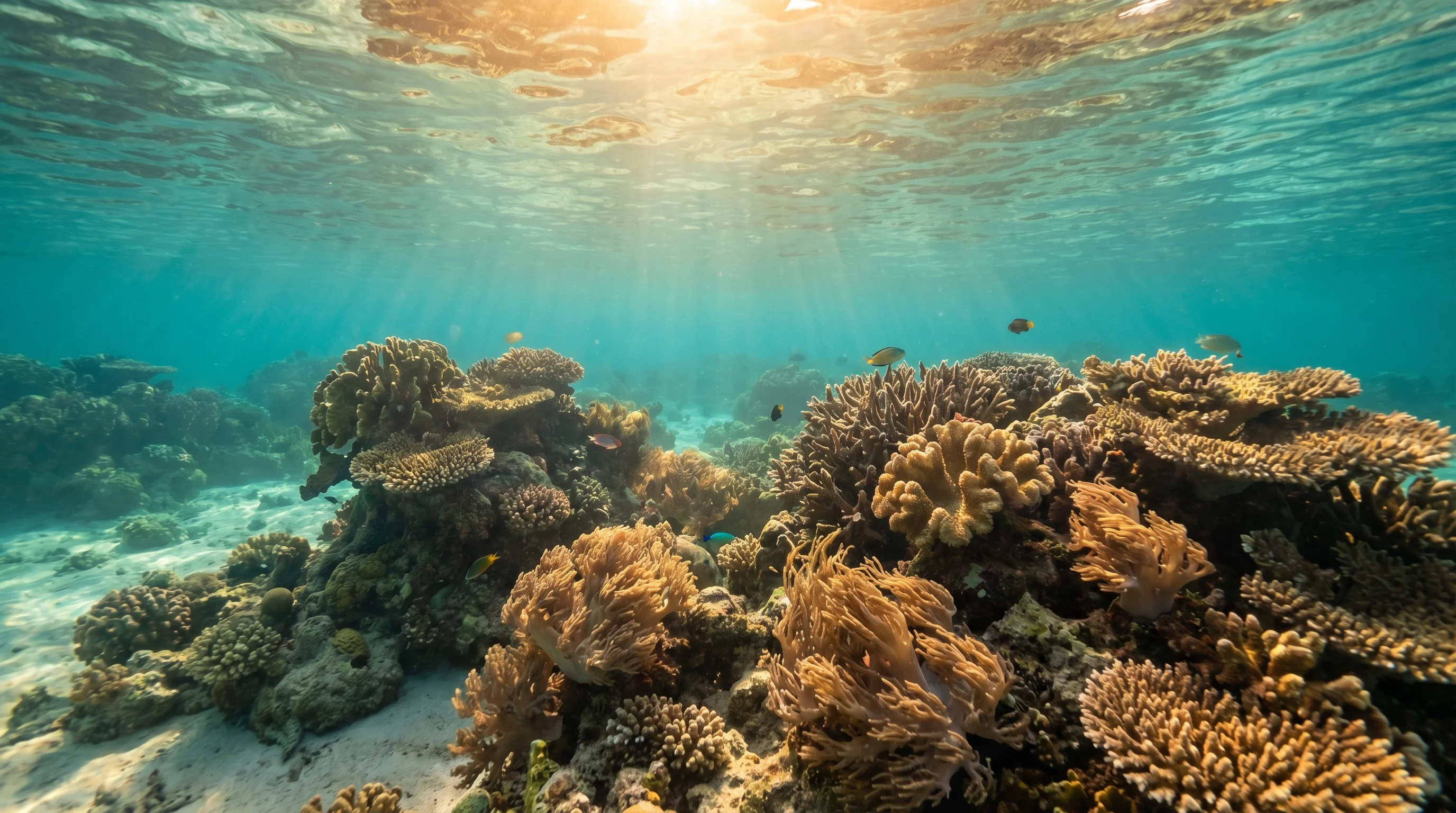
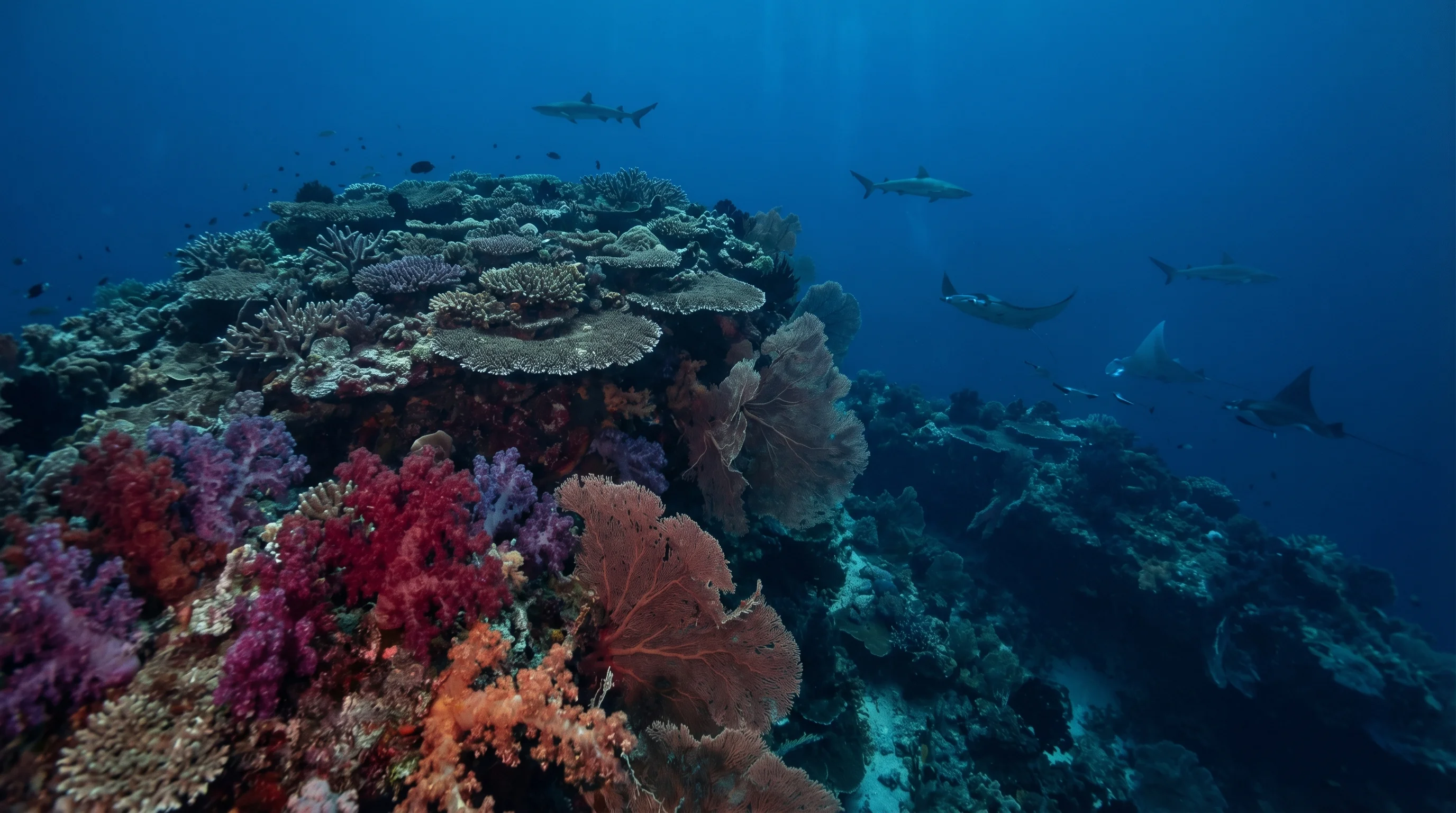
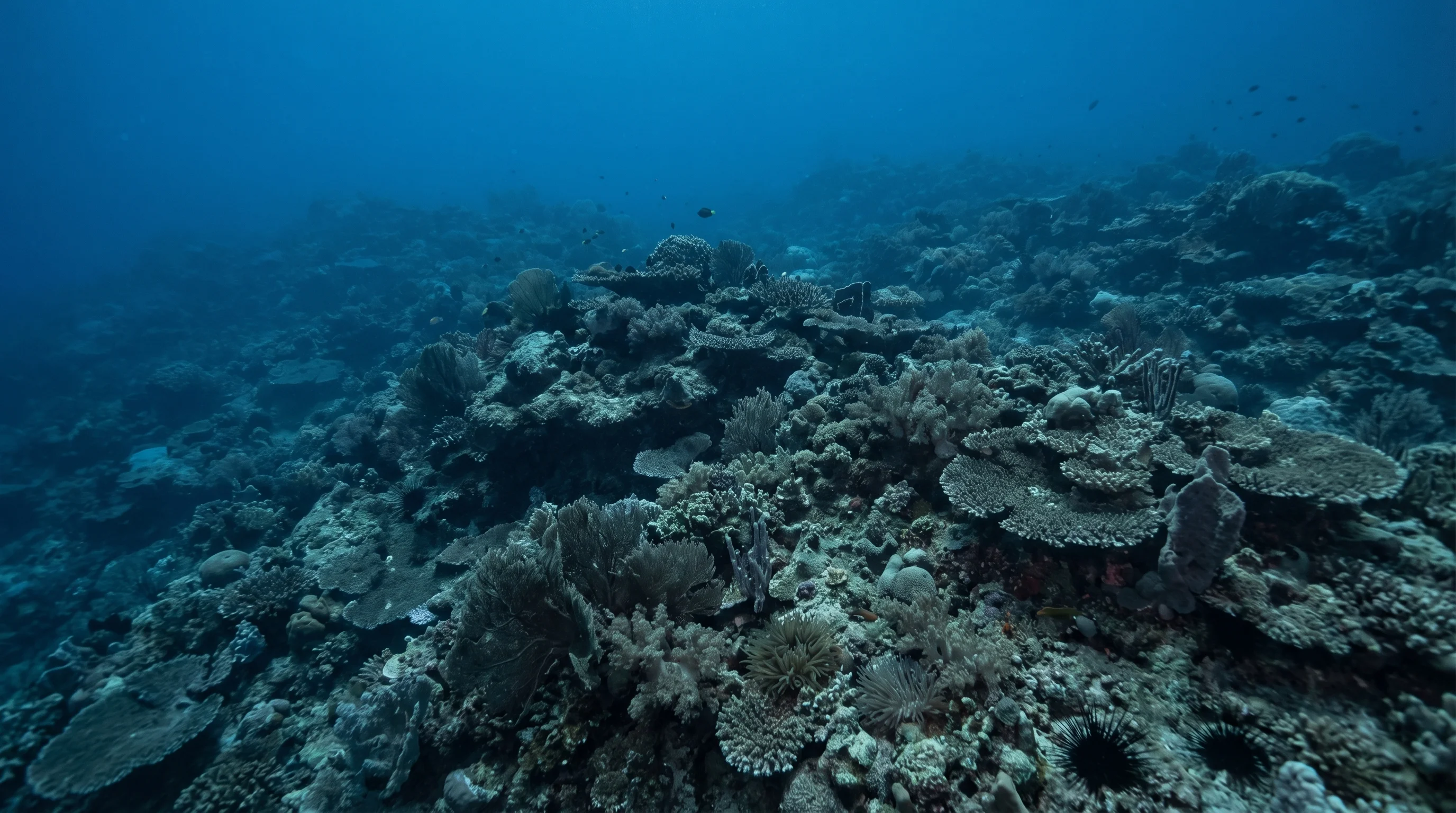
Raja Ampat is defined by an exceptional variety of site types: pinnacles, walls, drift reefs and drop-offs spread across sub-areas ranging from the current-swept Dampier Strait to the remote walls of Misool and the sheltered passages of Gam. Boat access is universal, and conditions shift from mild and beginner-friendly to strong drift dives suited to intermediate divers. The marine life list spans large, charismatic species such as Napoleon Wrasse and Grey Reef Shark alongside intricate finds like Chromodoris Nudibranch, Seahorse and Spotted Wobbegong. Wrasses and Grouper appear across nearly every site, giving even a single dive day considerable richness.
7 areas
 54
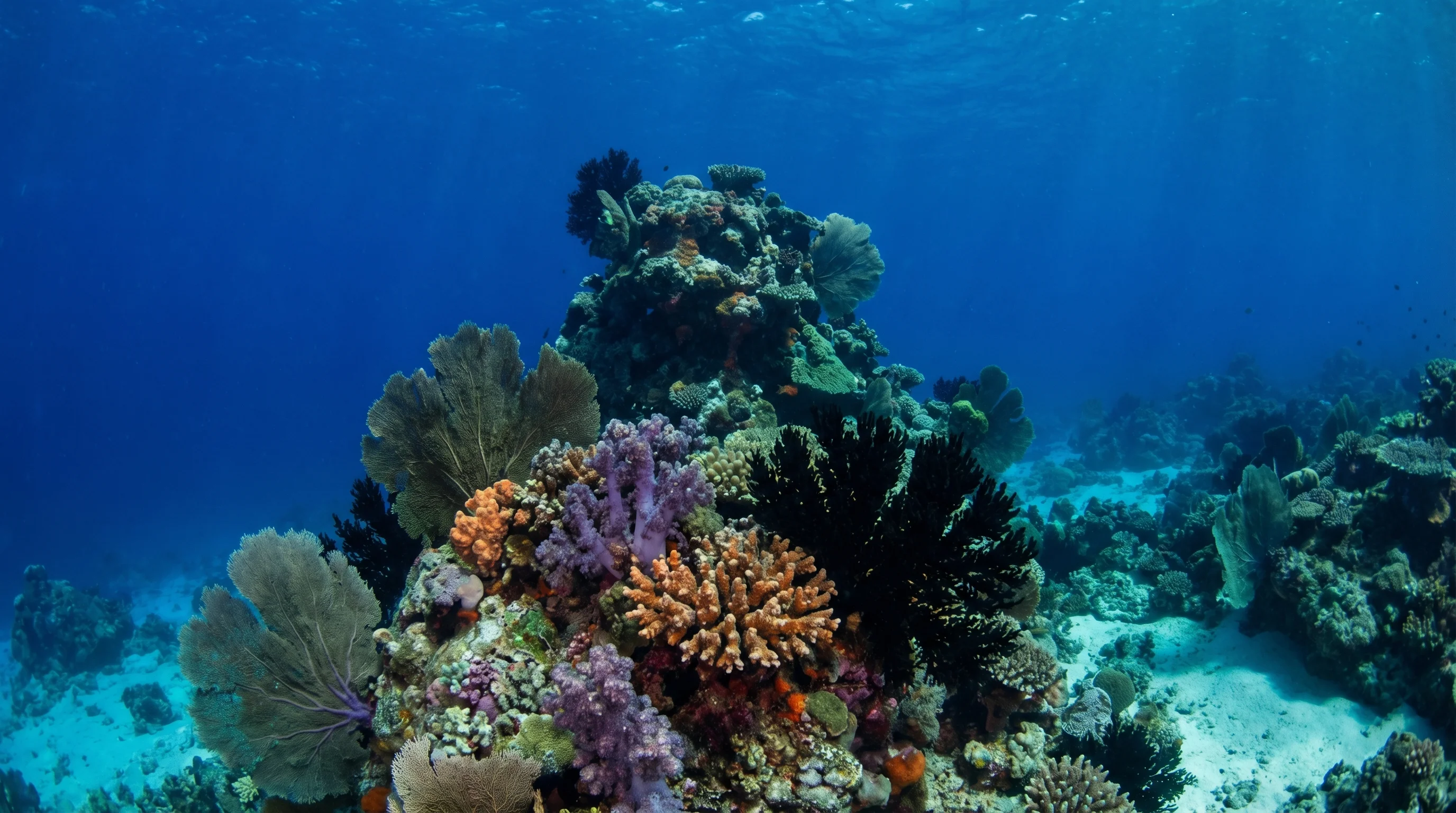
54Reef walls, drift dives, and an extraordinary species count across two distinct island sub-areas, with Napoleon Wrasse and Spotted Wobbegong among the signatures.
 16
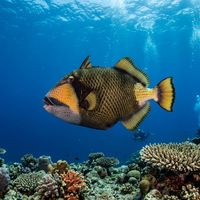
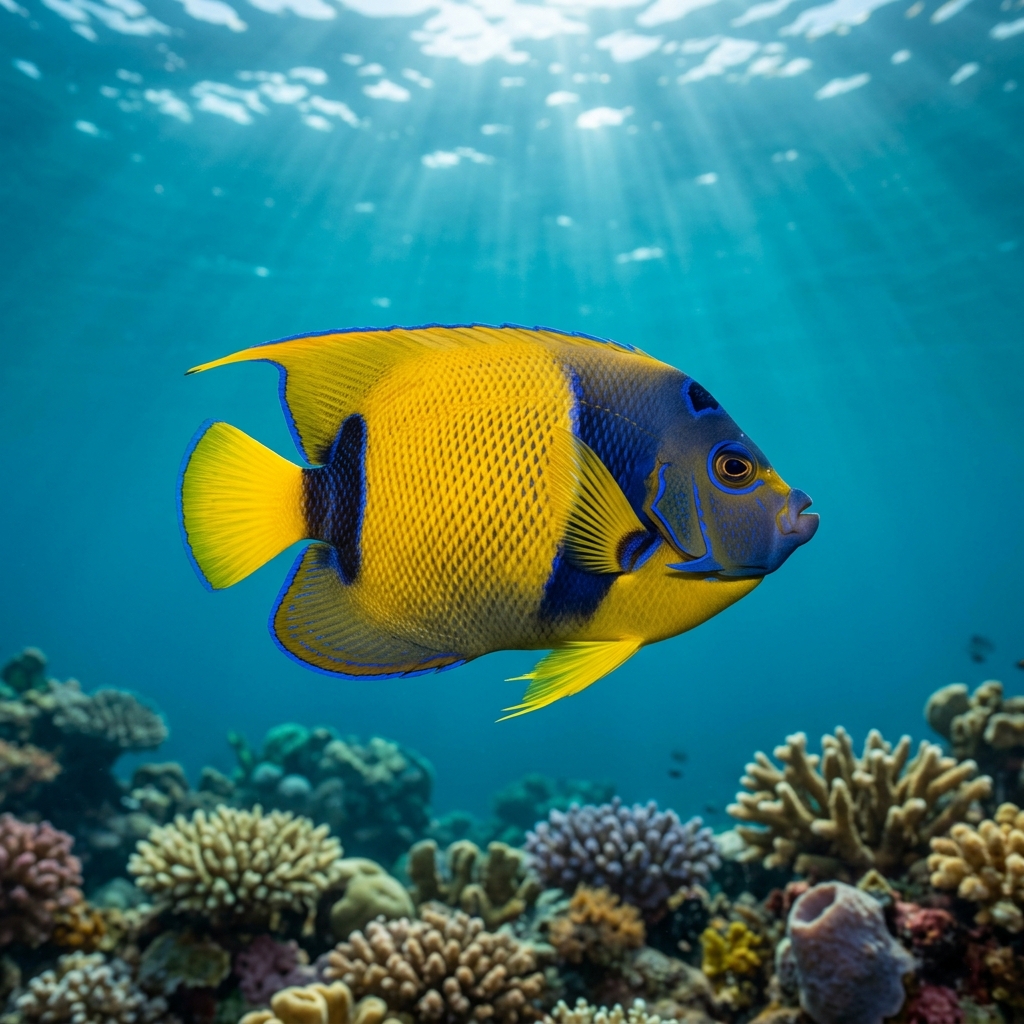
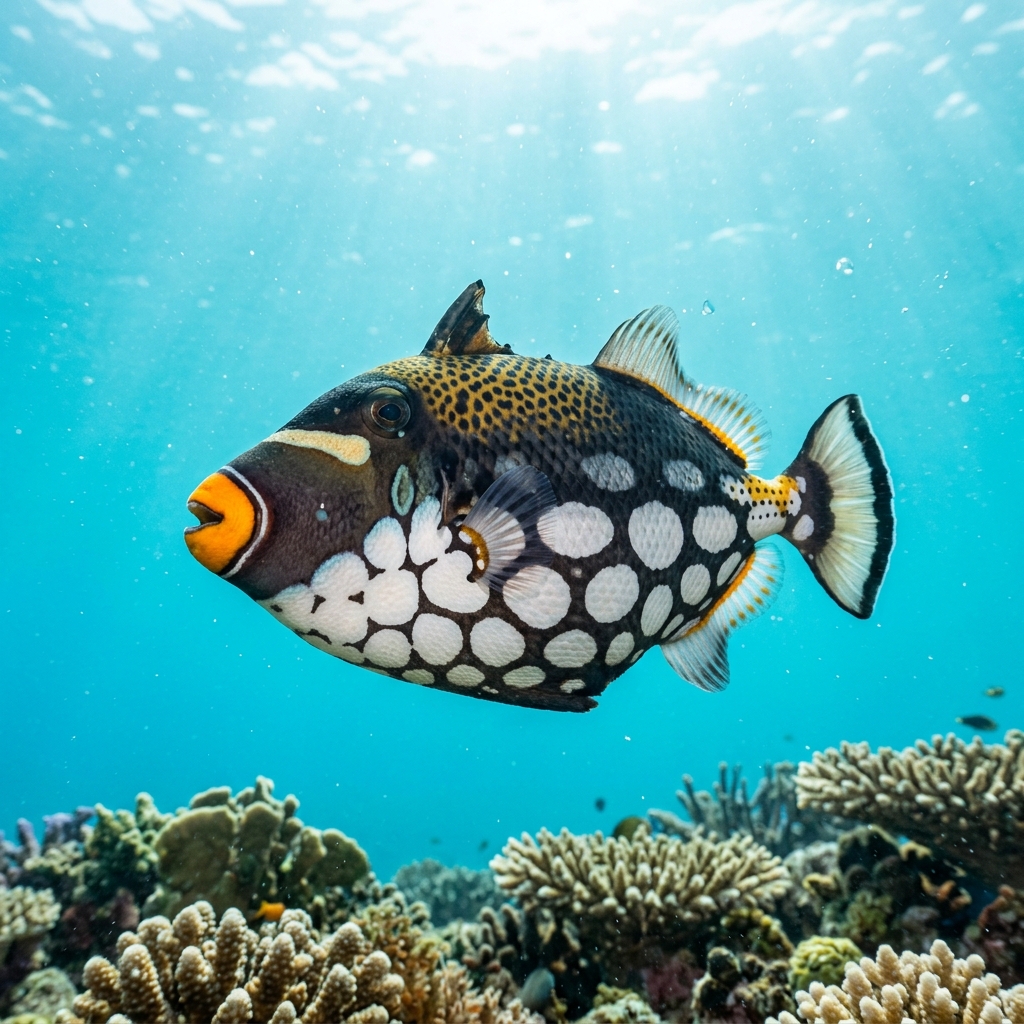
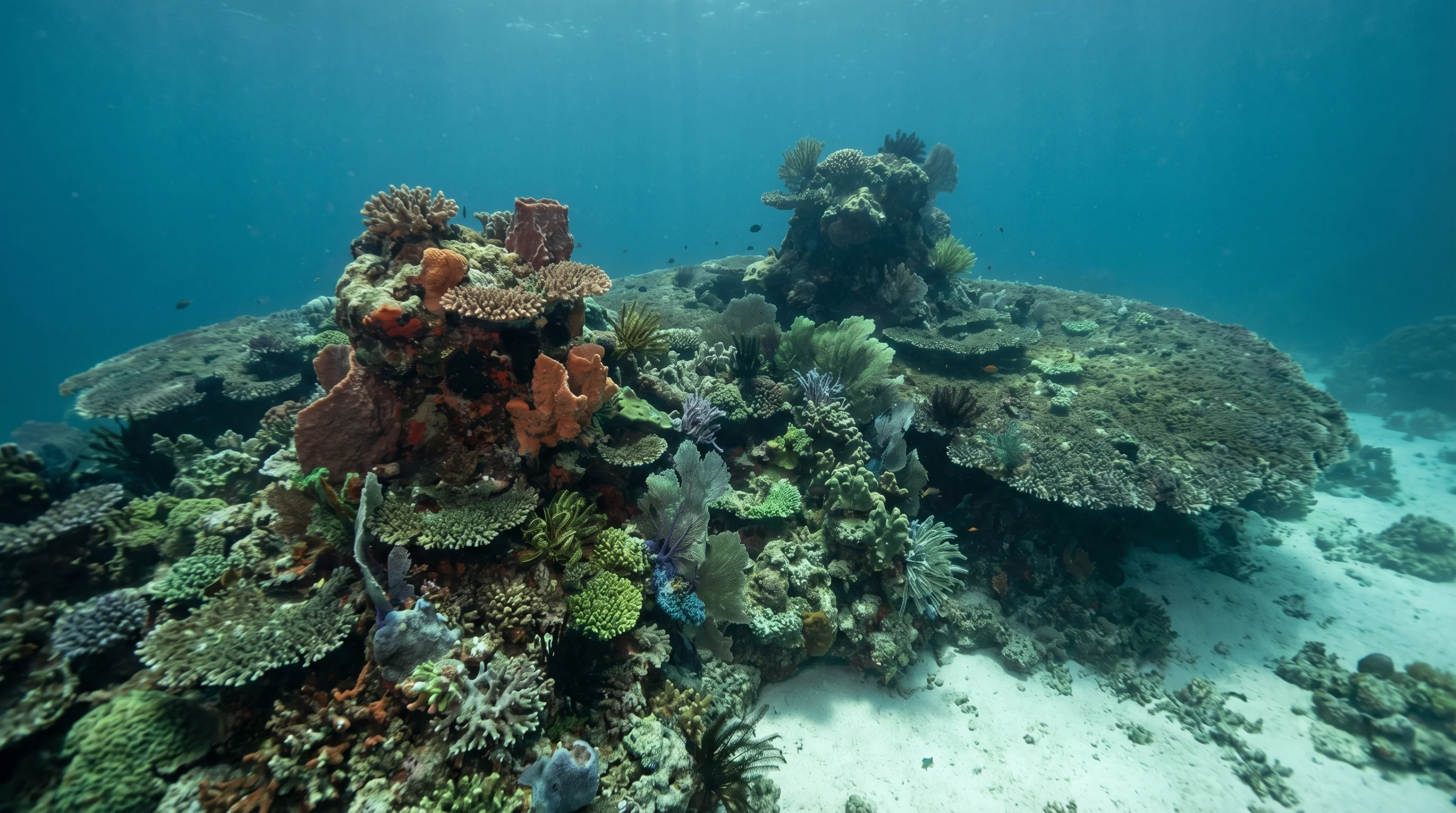
16Reef and pinnacle diving in Raja Ampat, with consistent sightings of Napoleon Wrasse, angelfish and triggerfish across a compact, boat-accessed site collection.
 14
14Reef and wreck diving with strong currents, wobbegong sharks, and a coral-covered wartime aircraft.
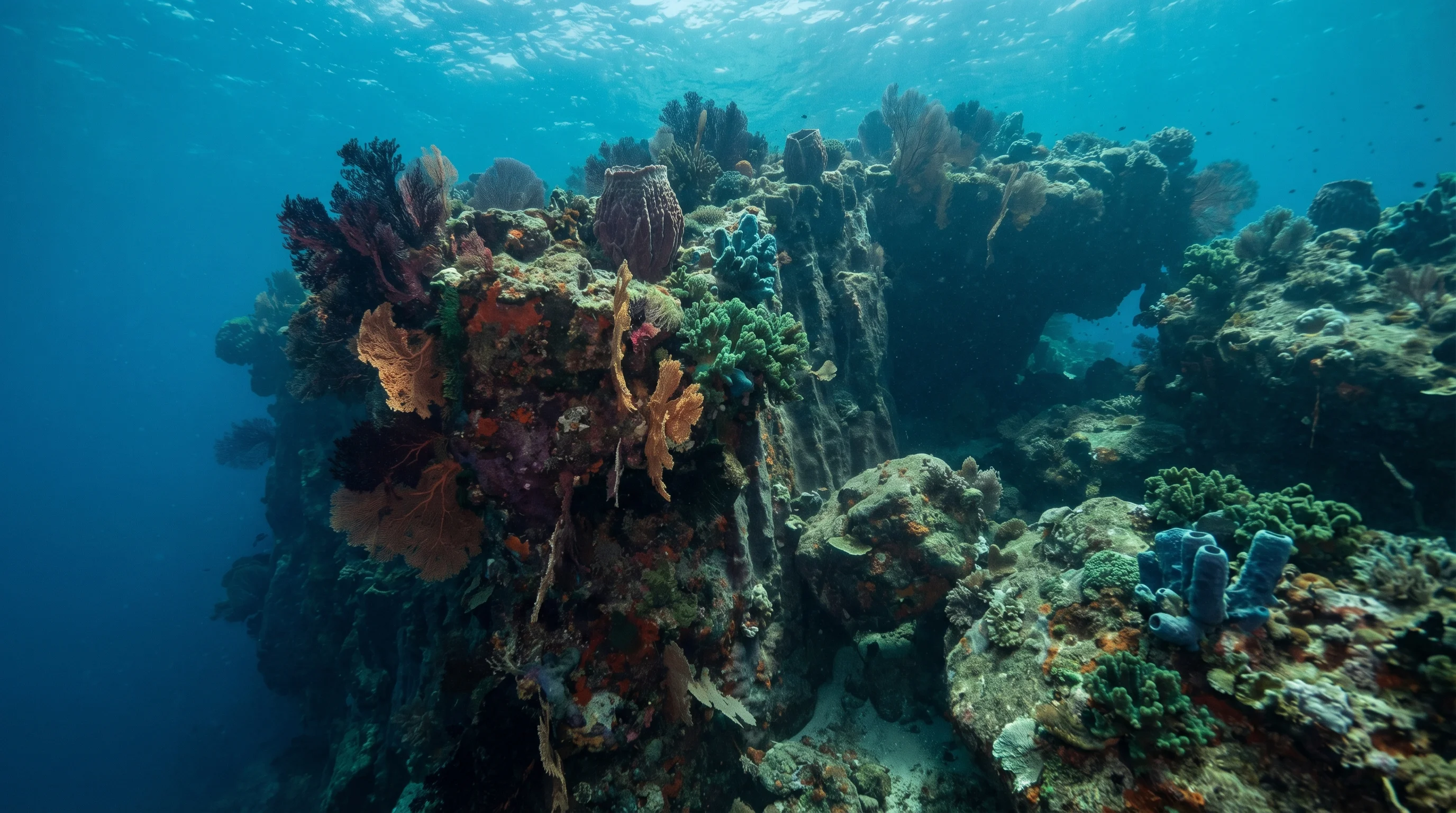
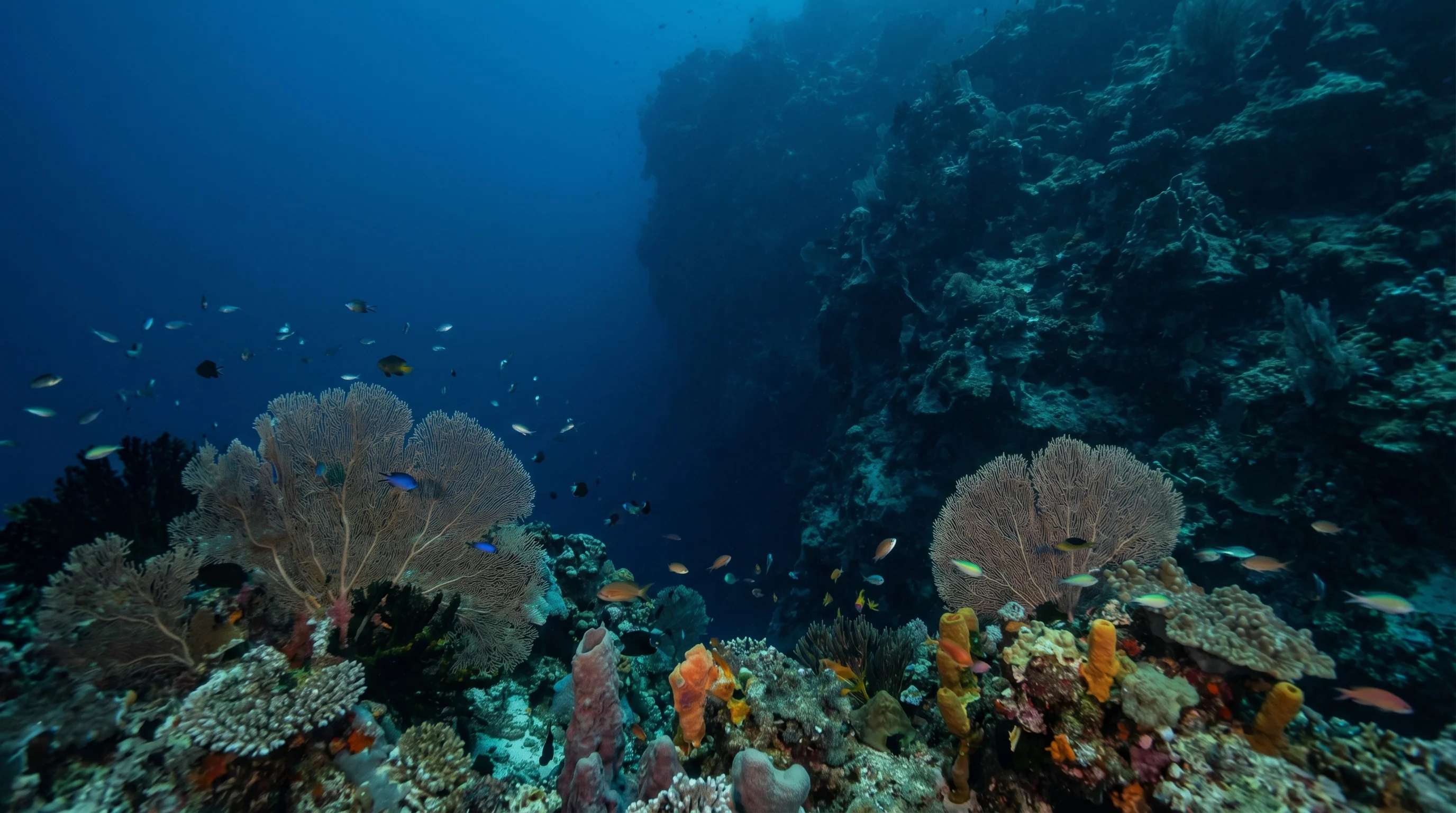
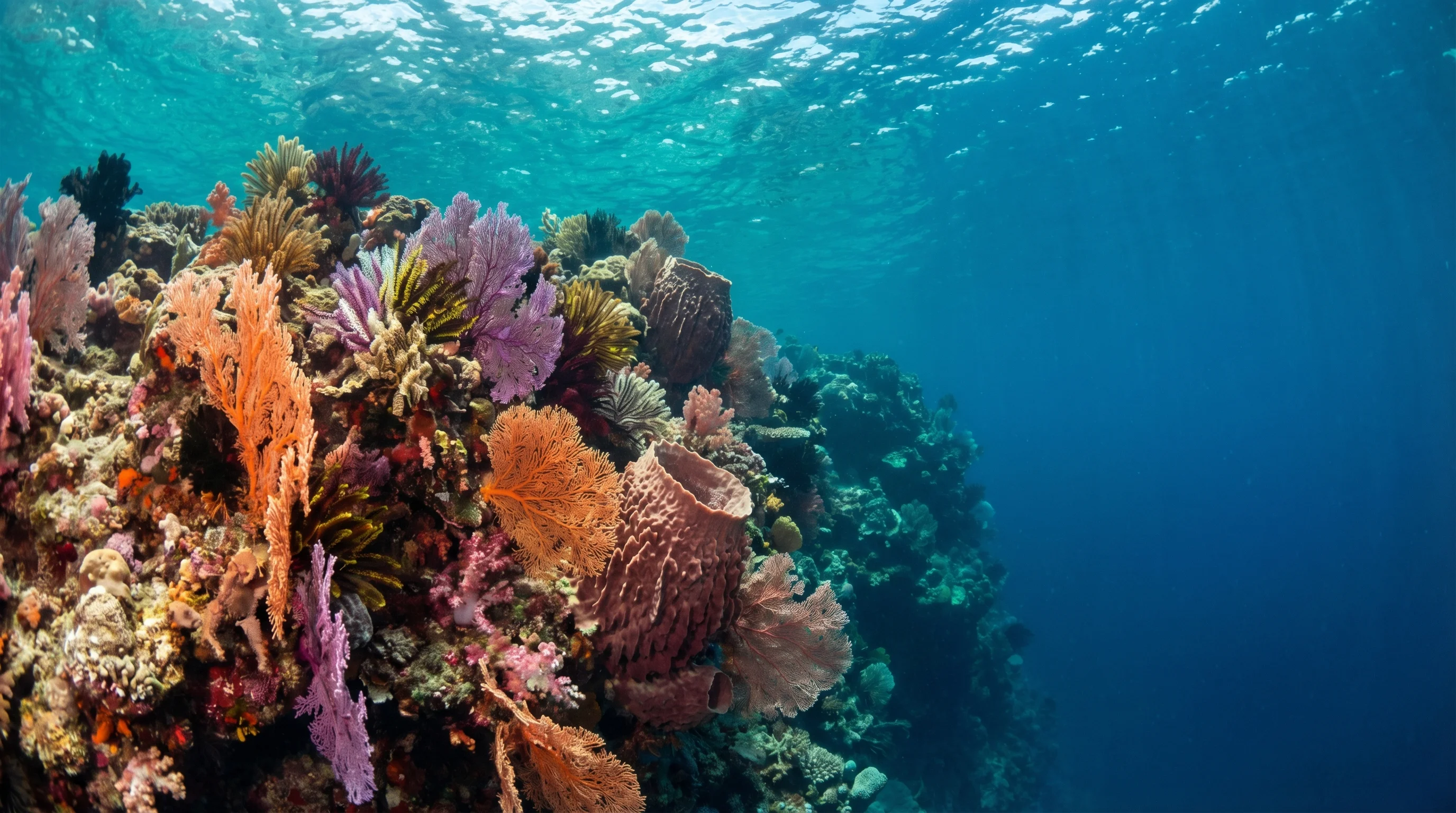
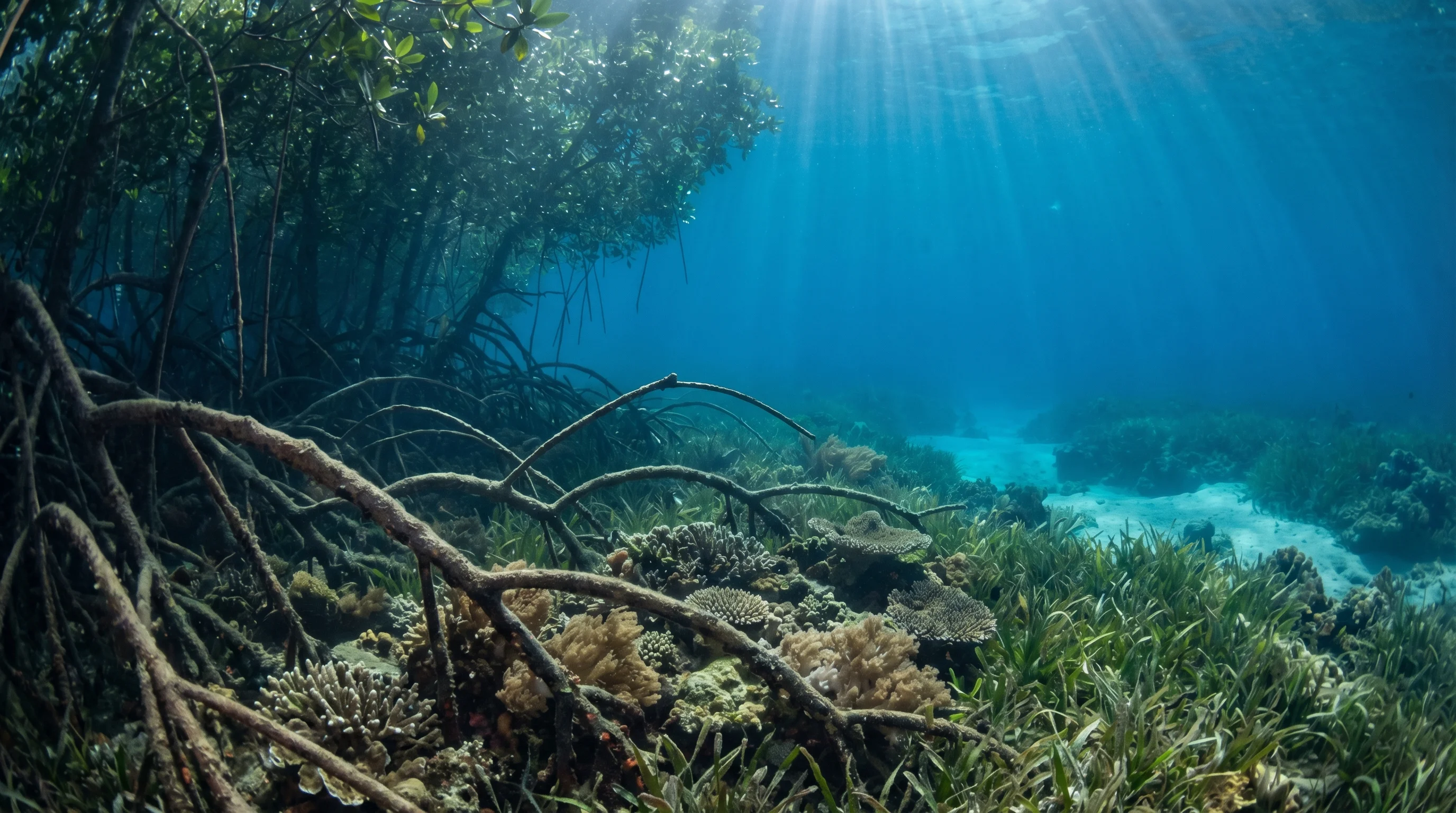
Monthly water temperature across Raja Ampat's sites, from satellite sea-surface data corrected for depth. The band shows the site-to-site spread.
Water temperature stays consistently warm throughout the year, with a slight peak toward the end of the calendar year. The best-months data shows a clear dip from late spring through late summer, reflecting seasonal conditions that reduce visibility and complicate planning. October through to March offers the most reliable diving windows, when calmer surface conditions complement the strong currents that characterise sites like Sorido Wall and Magic Mountain.
46 operators

4 more sites to explore
Pinnacle and wall diving with strong drift sites, resident Napoleon Wrasse and Spotted Wobbegong, plus a shore-entry reef for beginners.
Water temperature around Raja Ampat ranges from about 28°C in February to 30°C in November, based on satellite sea-temperature data for its dive sites.
With water around 28–30°C, a rash guard or 3mm shorty works in Raja Ampat year-round.
Fin maps 114 sites in Raja Ampat (111 scuba diving sites and 23 snorkelling spots, with some suited to both), organised into 7 areas.
Observed sightings across Raja Ampat's sites include Napoleon Wrasse, Grey Reef Shark and Spotted Wobbegong alongside a broad range of Grouper. Napoleon Wrasse appears consistently across the majority of sites, making it one of the most reliably encountered large fish in the region. Seahorse sightings are recorded across many sites as well, though encounters are more occasional.
Several sites in Raja Ampat are rated as beginner-friendly, including Melissa's Garden, Mioskon and Candy Store, all of which feature shallower reef sections and manageable conditions. However, many of the most-visited sites, particularly those in the Dampier Strait and Misool, involve strong currents and deeper walls suited to intermediate divers. A mix of skill levels is well catered for across the region's sub-areas.
The Dampier Strait holds the largest concentration of sites and includes current-driven drift dives off Kri Island and Mansuar. Misool, in the south, offers wall and pinnacle diving at sites like Magic Mountain, Fiabacet and Kalaeidoskop, generally requiring boat journeys from liveaboard or remote lodge bases. Gam and The Passage tend to offer calmer, shallower conditions more suited to snorkelling and beginner diving, while the Fam Islands and Batanta add further variety to an already broad spread of environments.
Every site listed in Raja Ampat requires boat access; there are no shore-entry dives in the region's site data. Operators including Meridian Adventure Scuba Dive Resort and Marina, Papua Explorers Dive Resort and Raja Ampat Dive Lodge provide boat-based services from various bases across the islands. Liveaboard itineraries are a common way to reach more remote sub-areas such as Misool and the Fam Islands.