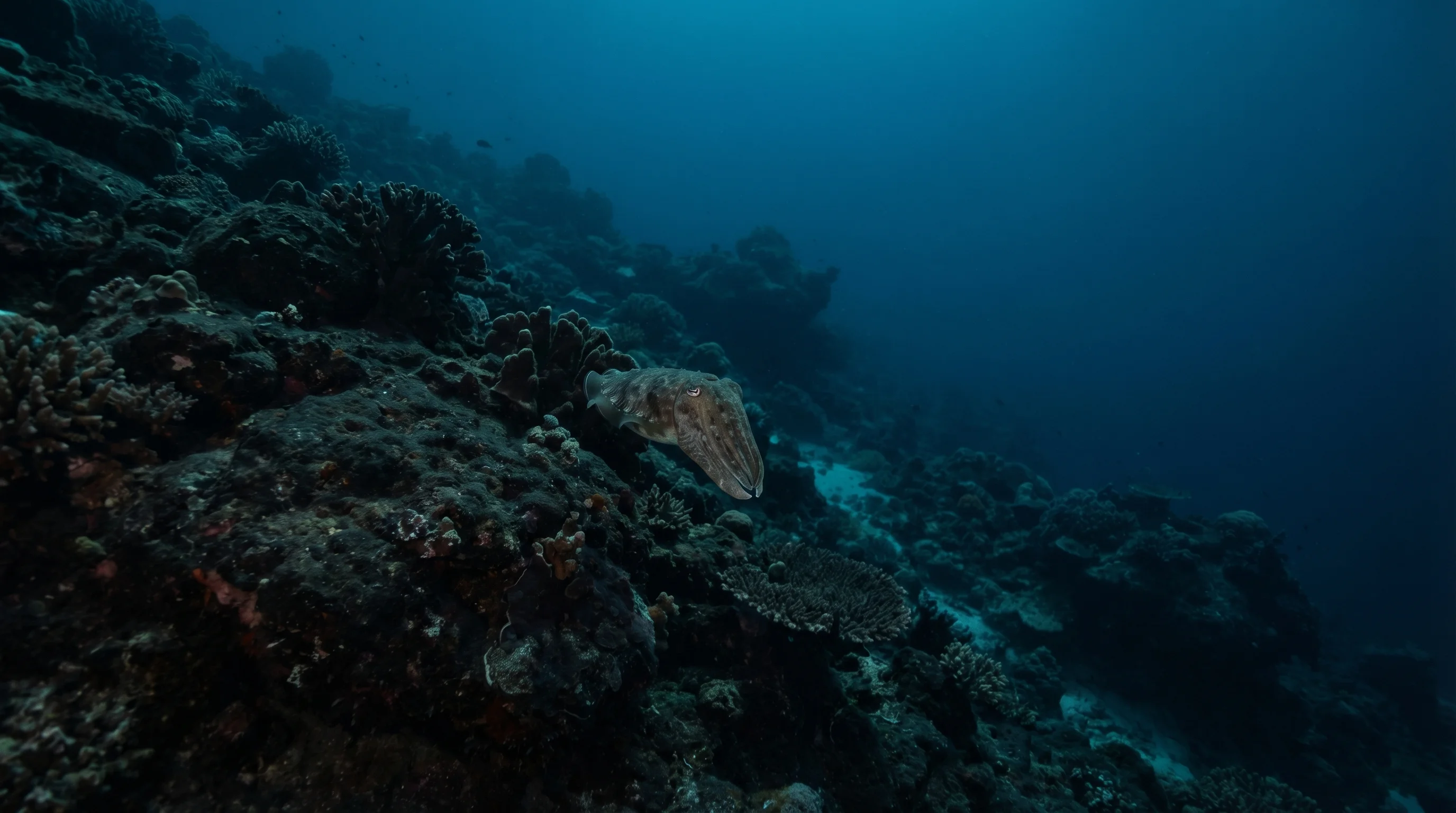
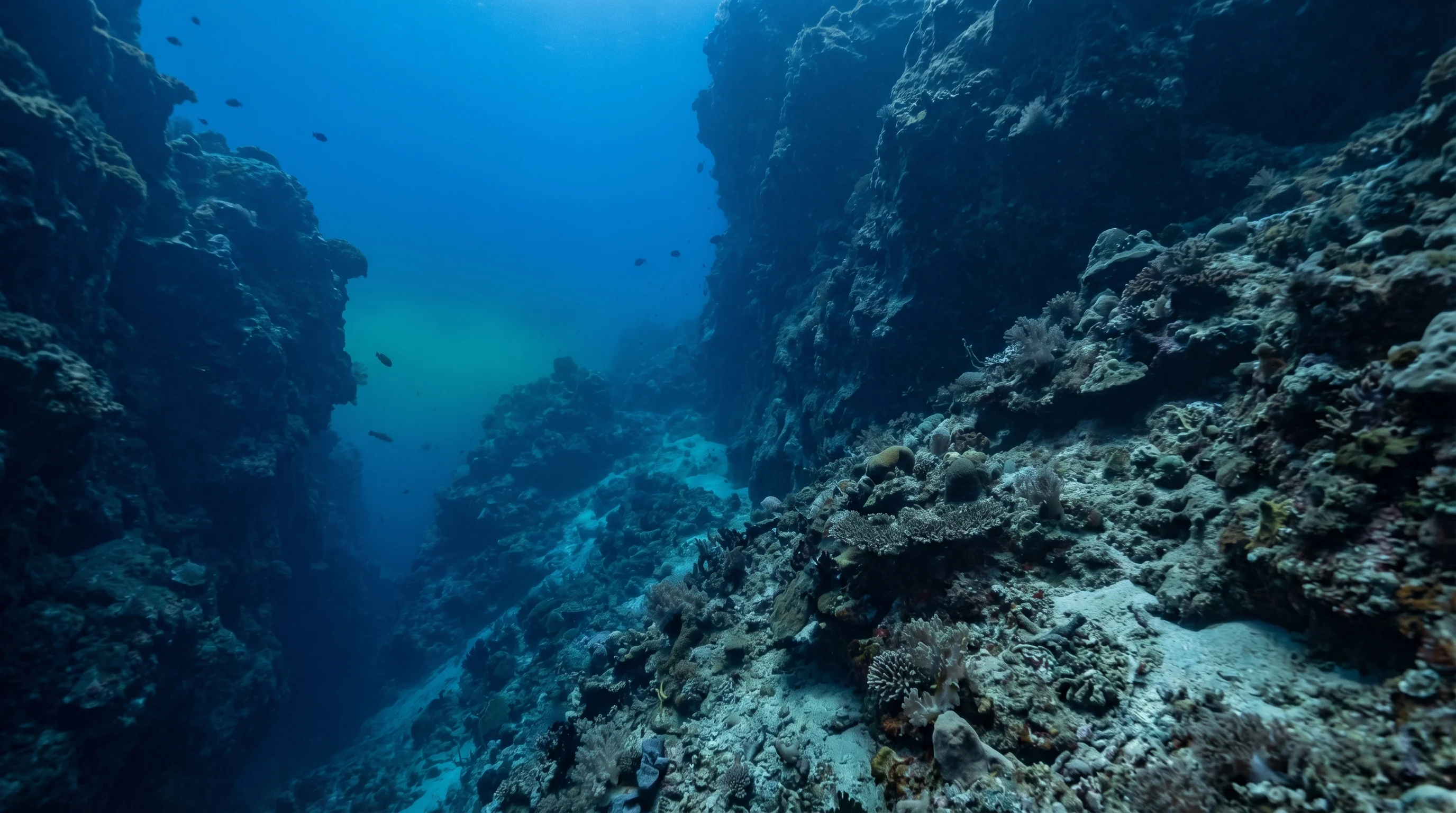
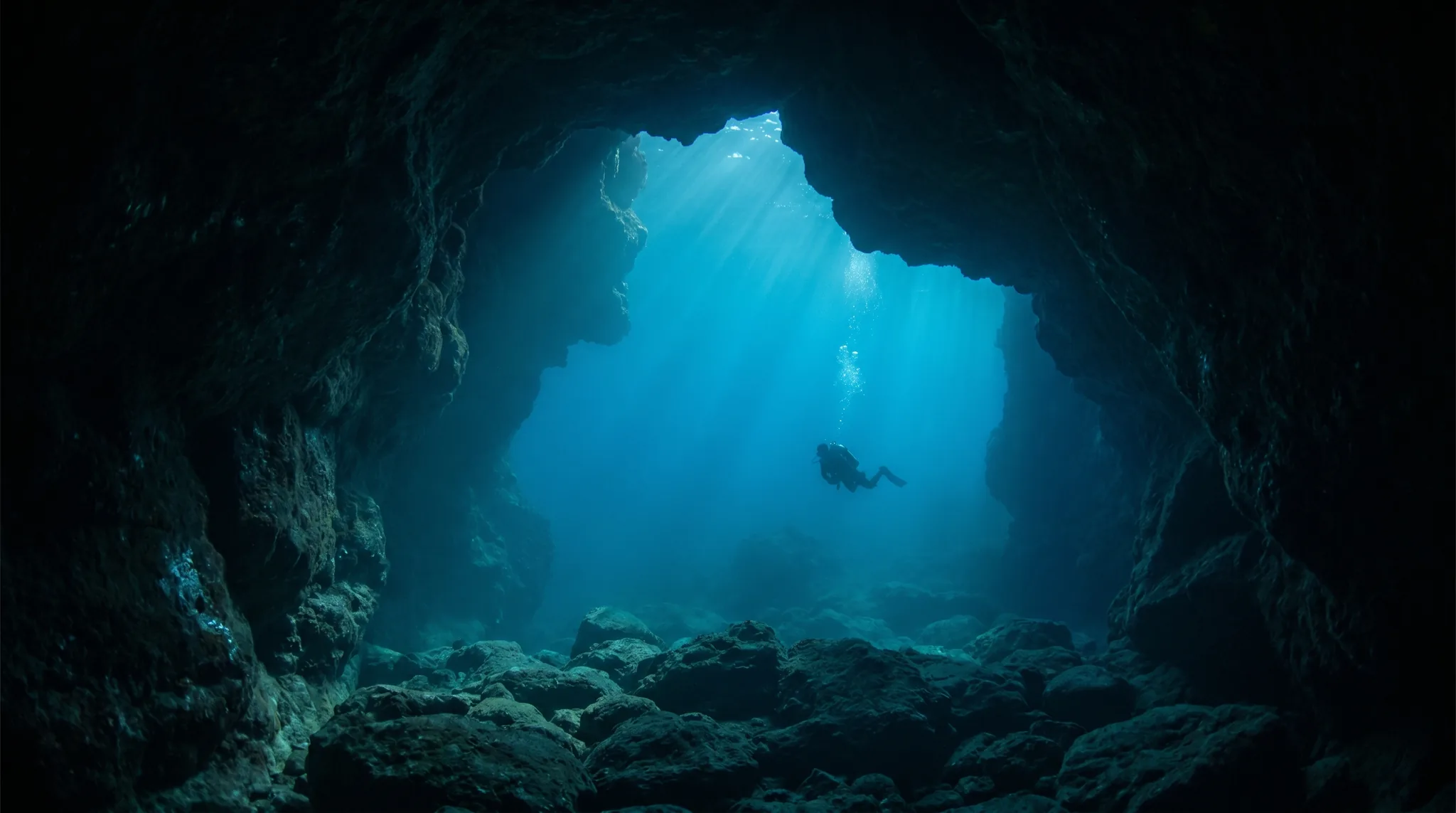
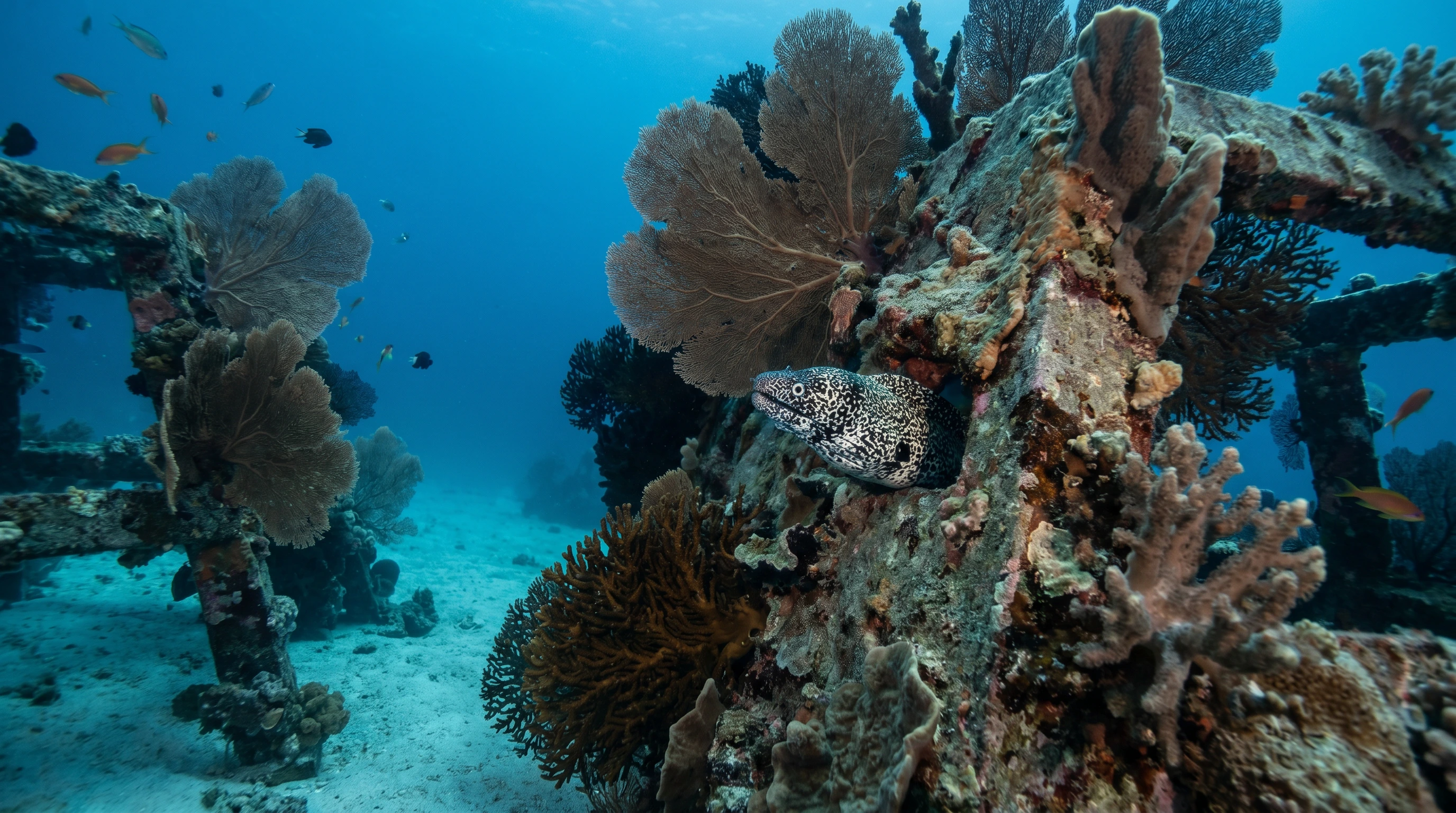
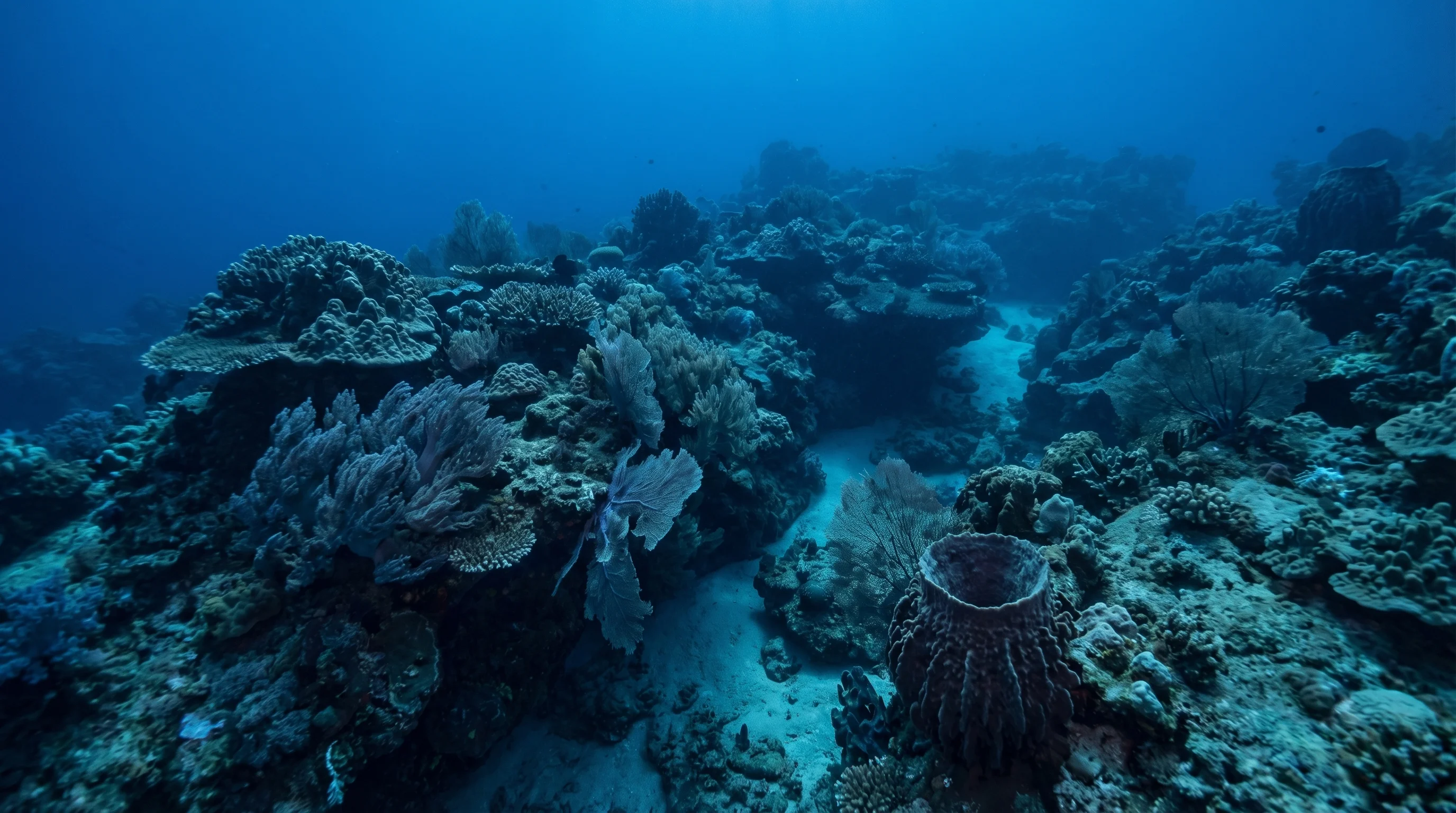
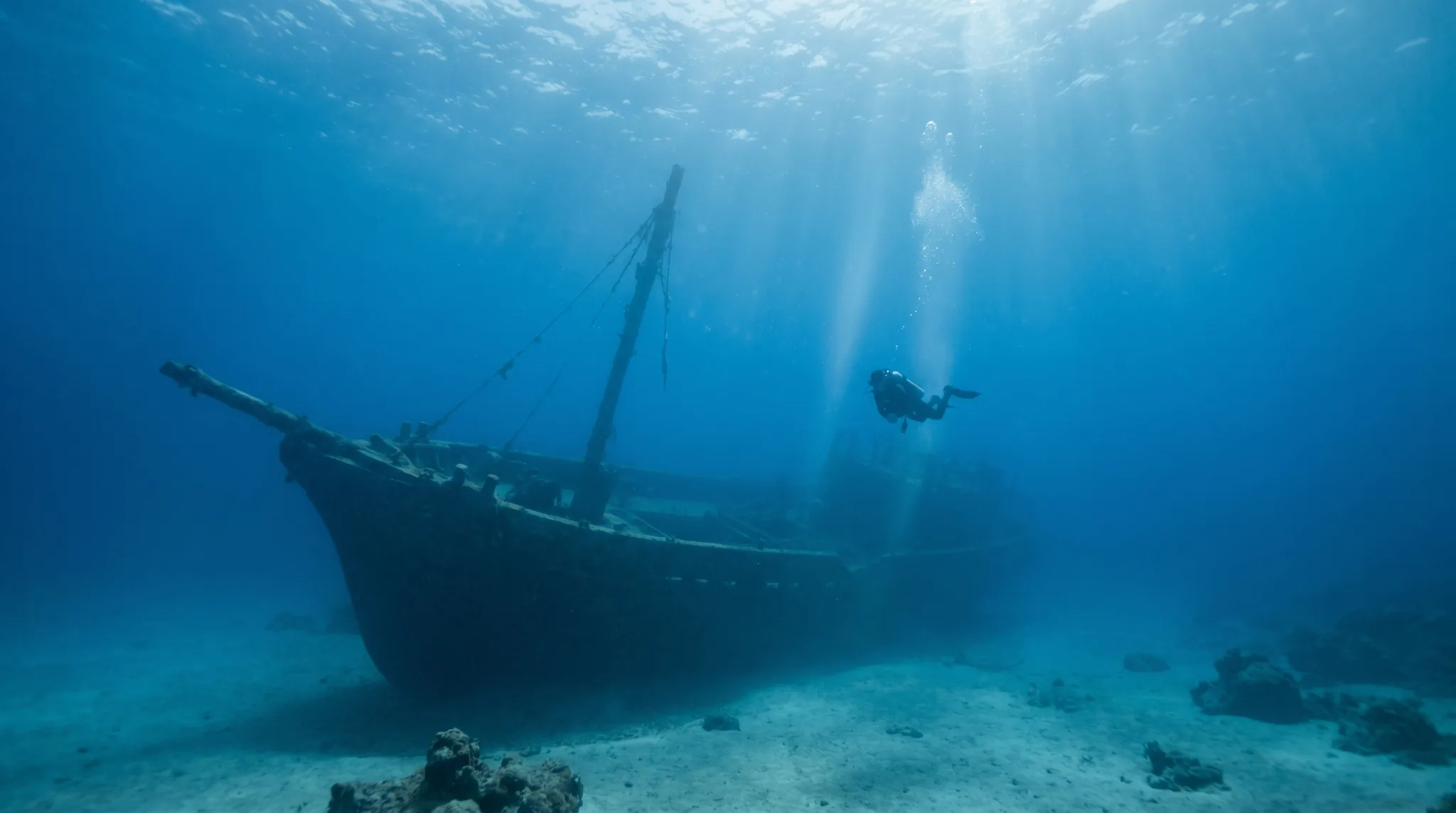
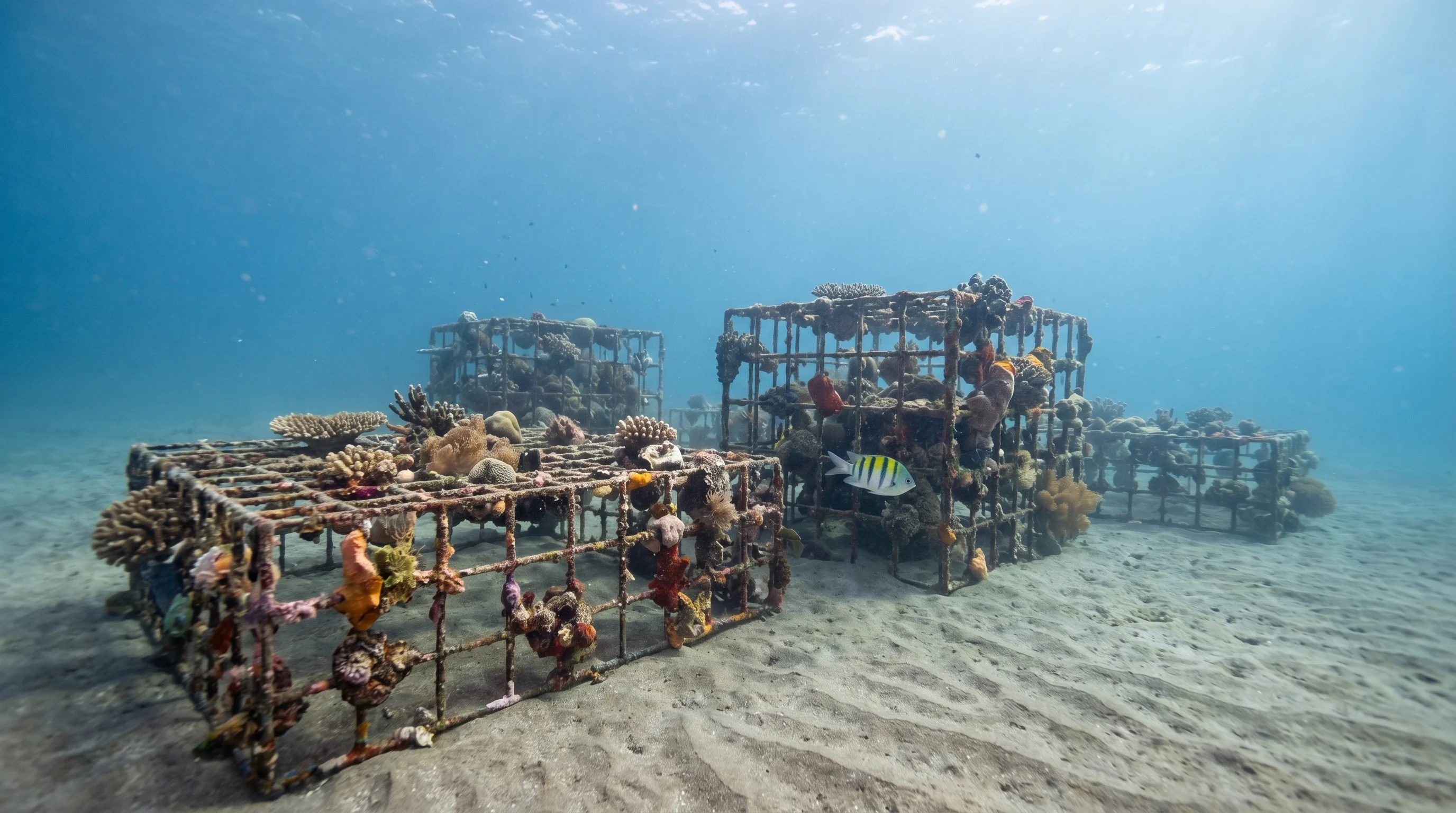
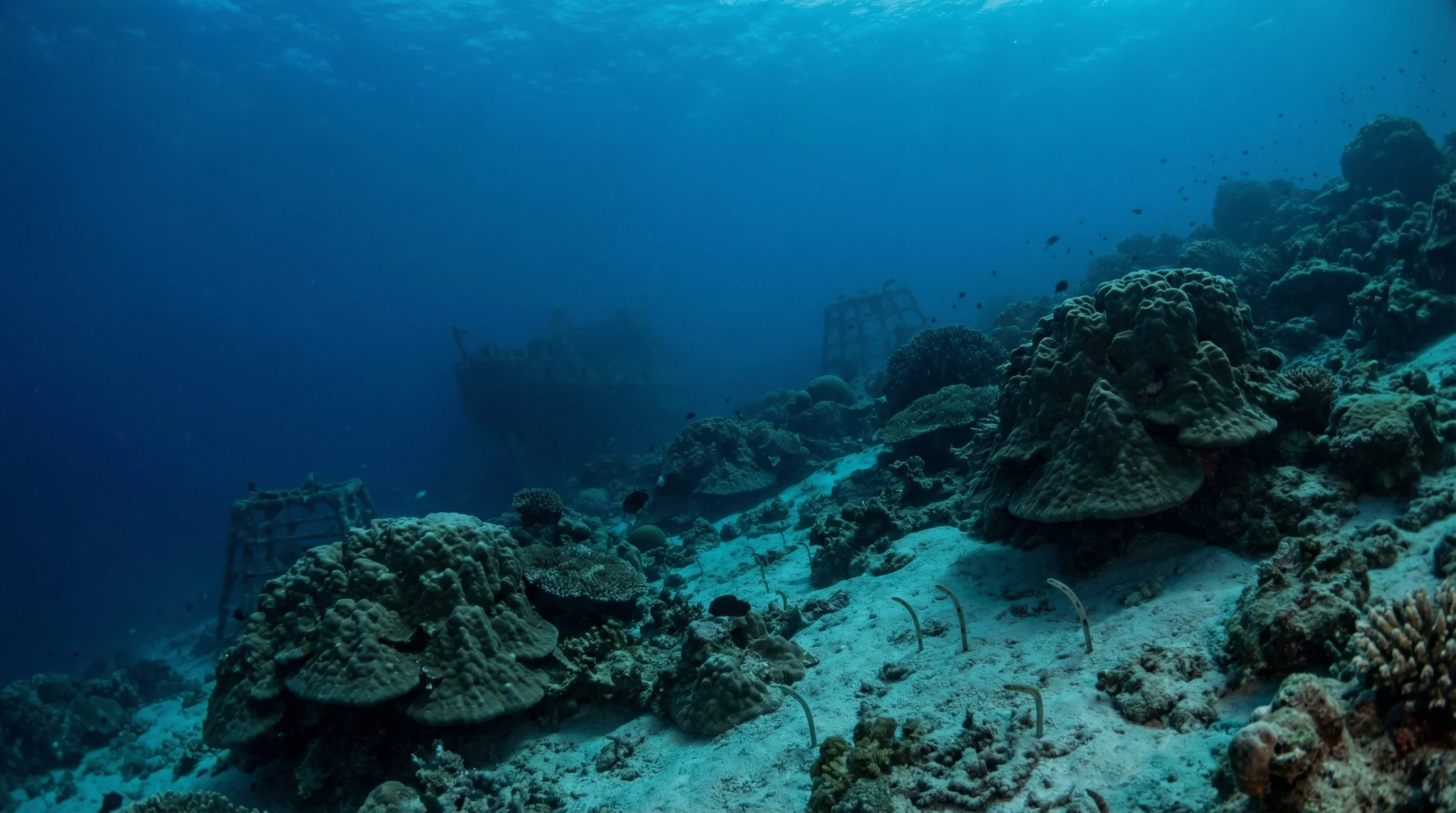
The Gili Islands spread their dive sites across three distinct islands: Gili Trawangan, Gili Meno, and Gili Air. Reef diving dominates, but the area also offers drift dives, artificial reef projects such as Biorock, and the deep wreck at Japanese Wreck off Gili Air. Beginner-friendly shore entries sit alongside demanding drift sites and canyon topography suited to advanced divers. Signature encounters include the Green Sea Turtle, Whitetip Reef Shark, and Peacock Mantis Shrimp.
3 areas
Monthly water temperature across Gili Islands's sites, from satellite sea-surface data corrected for depth. The band shows the site-to-site spread.
Water temperature stays warm year-round, with the coolest conditions arriving in the late dry season months of August and September and the warmest periods falling around February, March, May, and November. The histogram of preferred dive dates points strongly to May and September through October as the most popular windows, likely reflecting calmer seas and better visibility. Drift potential at sites like Meno Slope and Deep Turbo means current strength is a key factor to check with local operators before diving.
65 operators


Tawun, Indonesia
23 more sites to explore
Diverse reef, drift, and biorock diving with Whitetip Reef Shark and a strong mix of beginner and advanced sites.
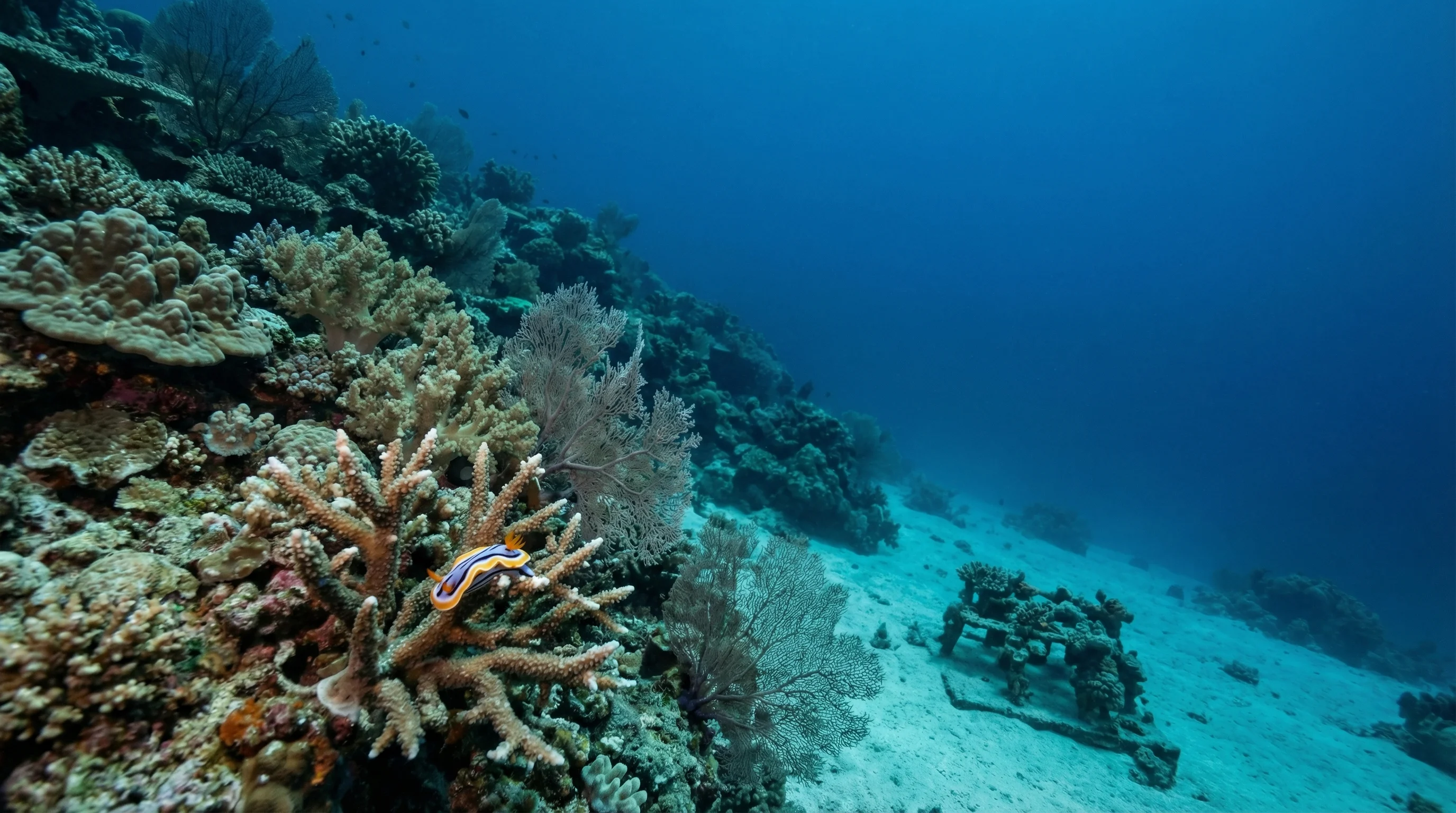

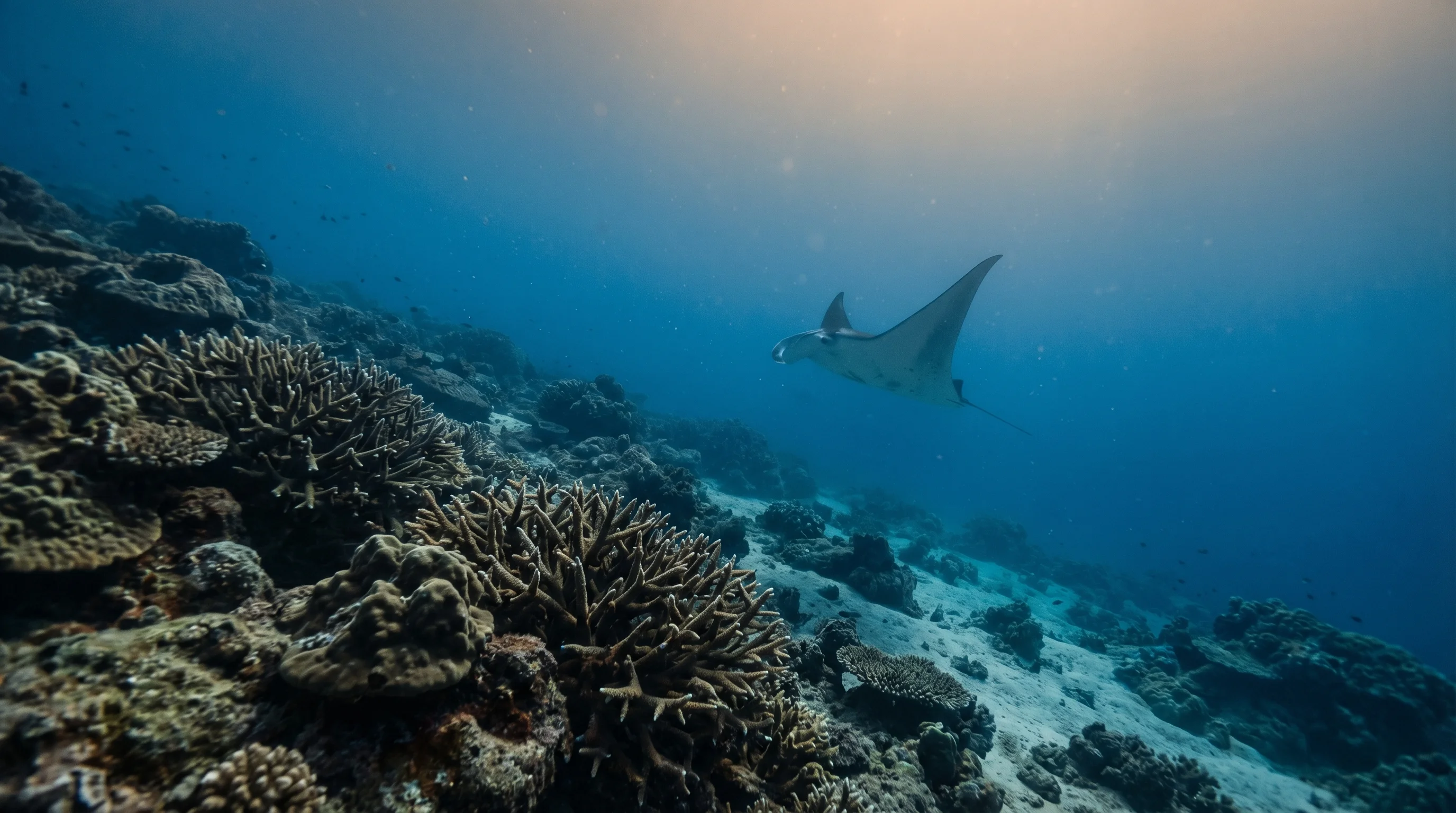
Water temperature around Gili Islands ranges from about 27°C in August to 29°C in February, based on satellite sea-temperature data for its dive sites.
With water around 27–29°C, a rash guard or 3mm shorty works in Gili Islands year-round.
Fin maps 35 sites in Gili Islands (34 scuba diving sites and 9 snorkelling spots, with some suited to both), organised into 3 areas.
Across Gili Islands's dive sites, May, September and October are most often reported as the best months to visit.
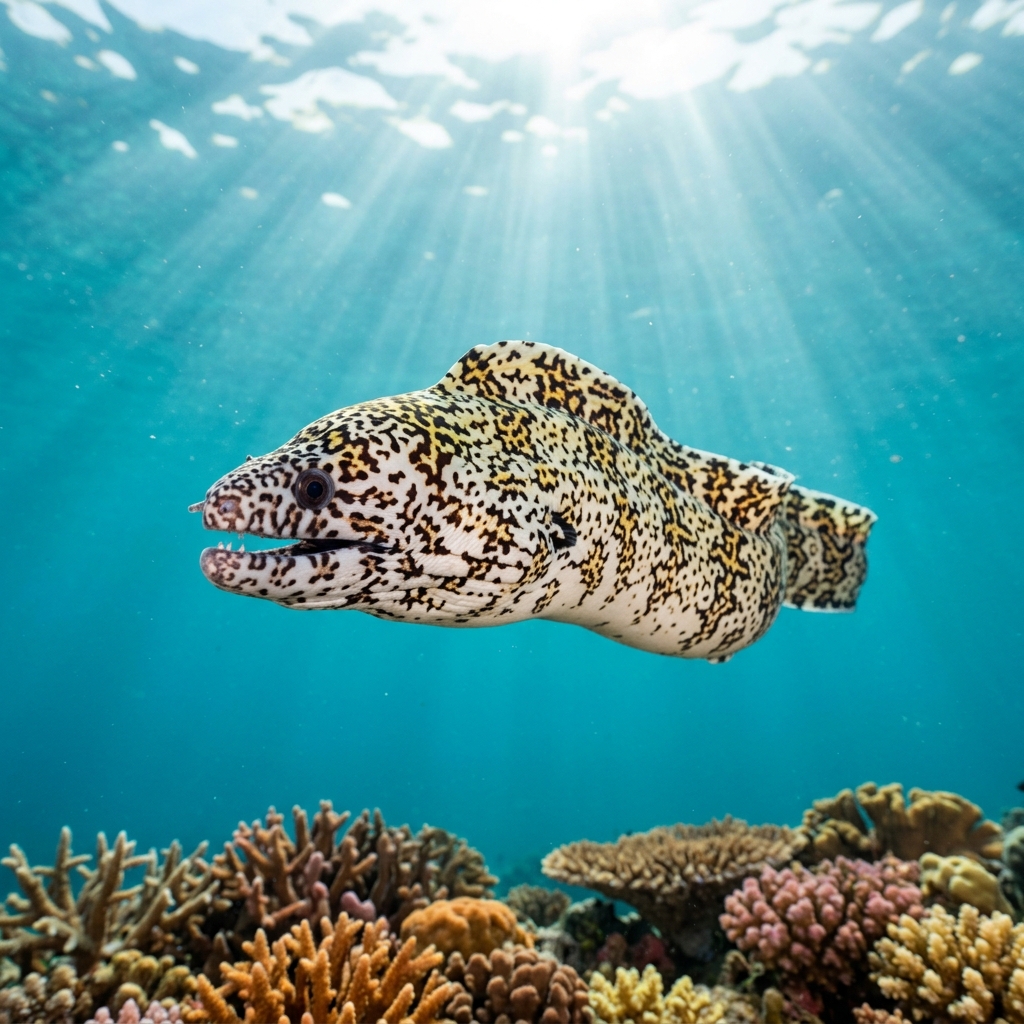
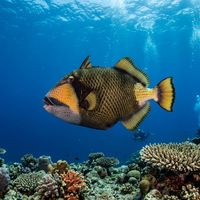
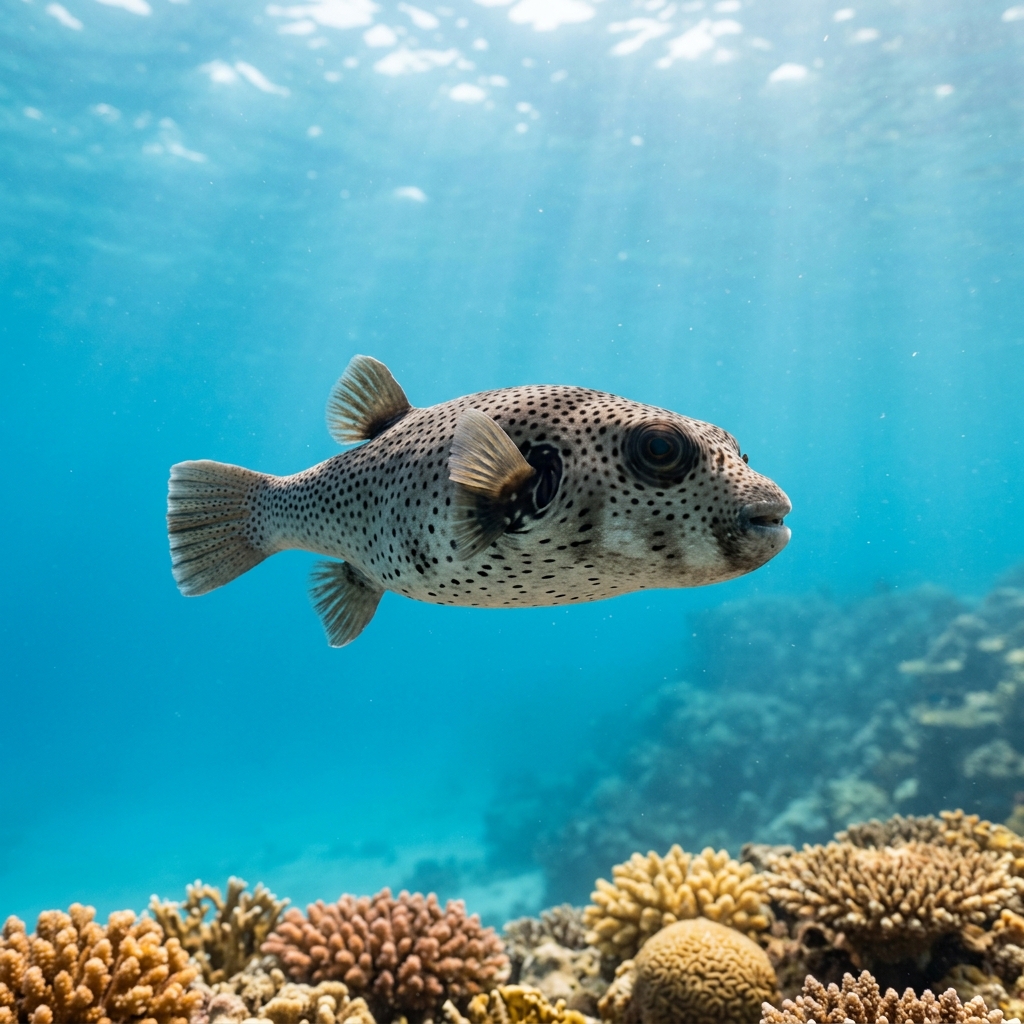
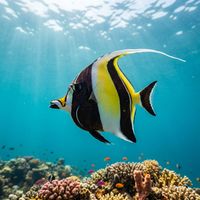
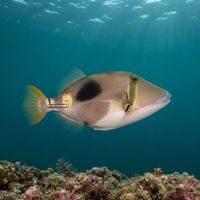
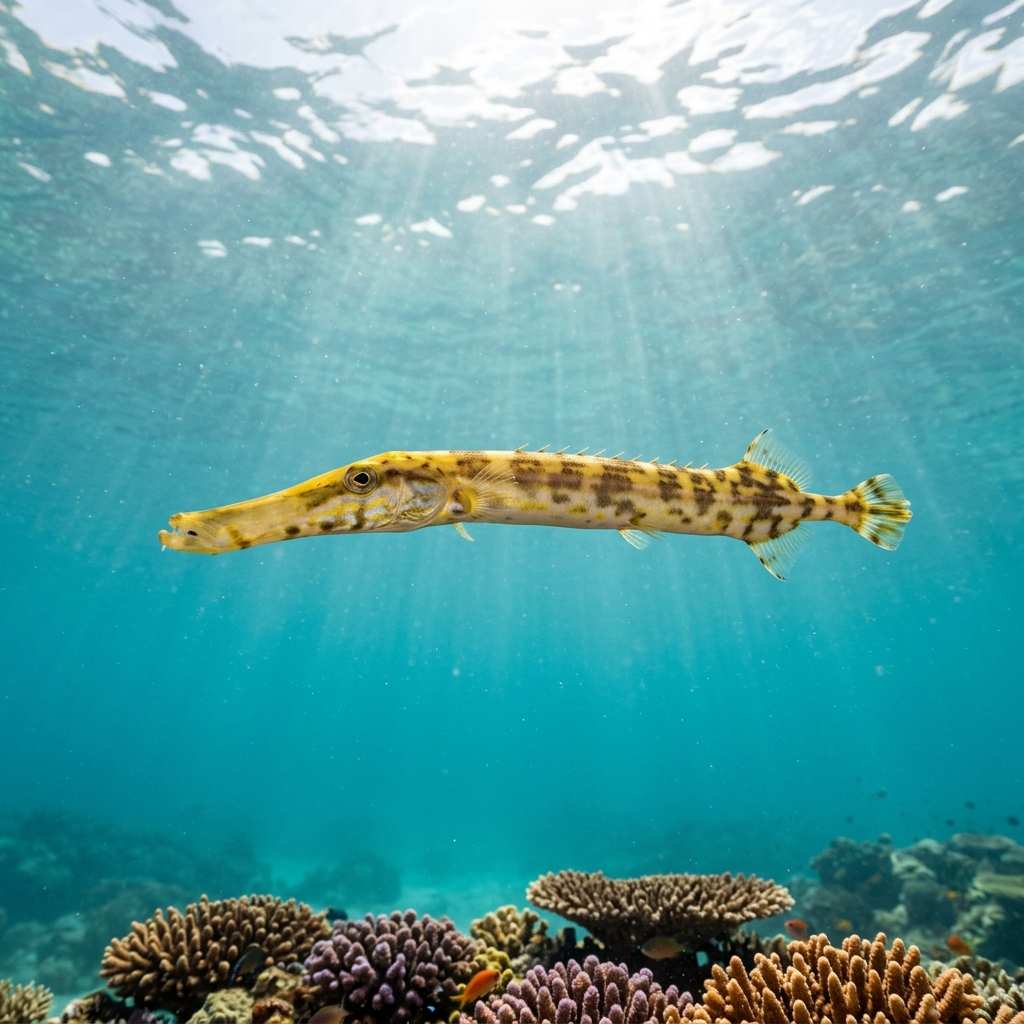
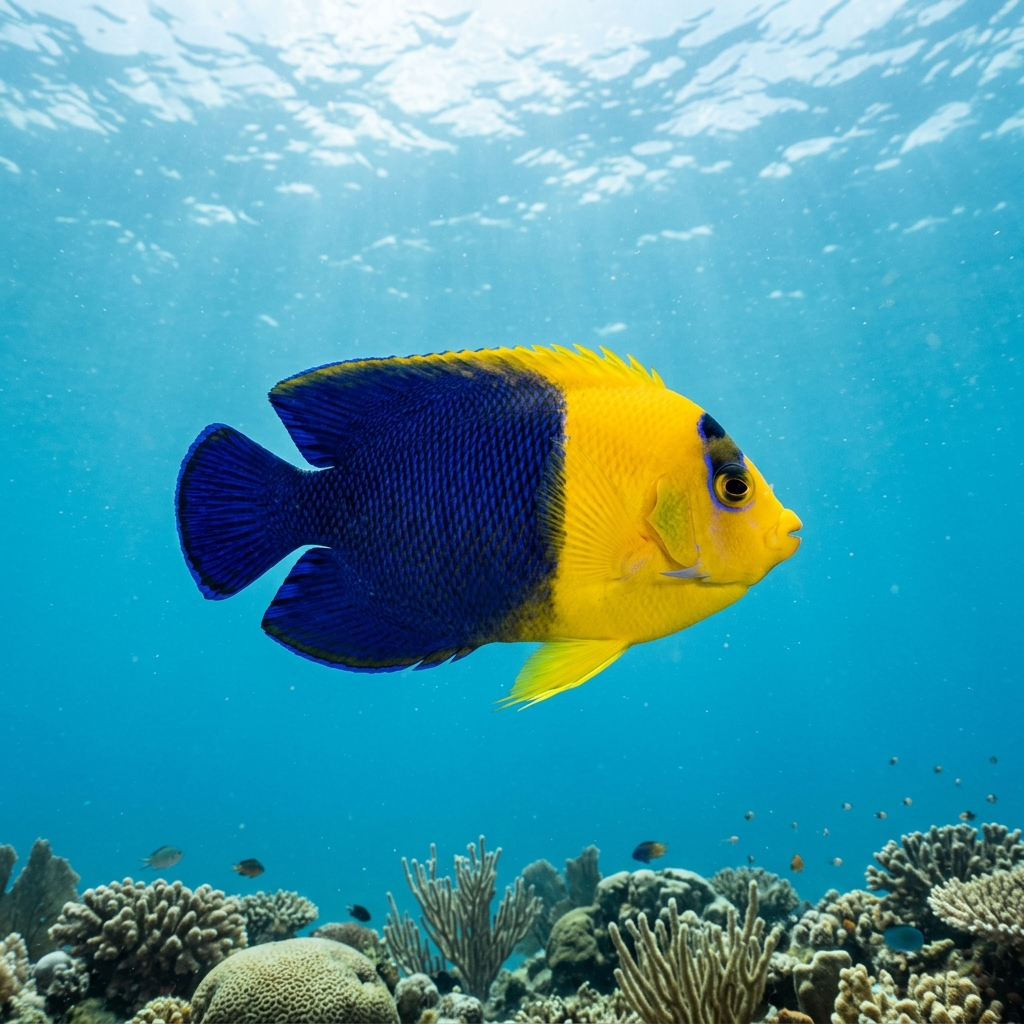
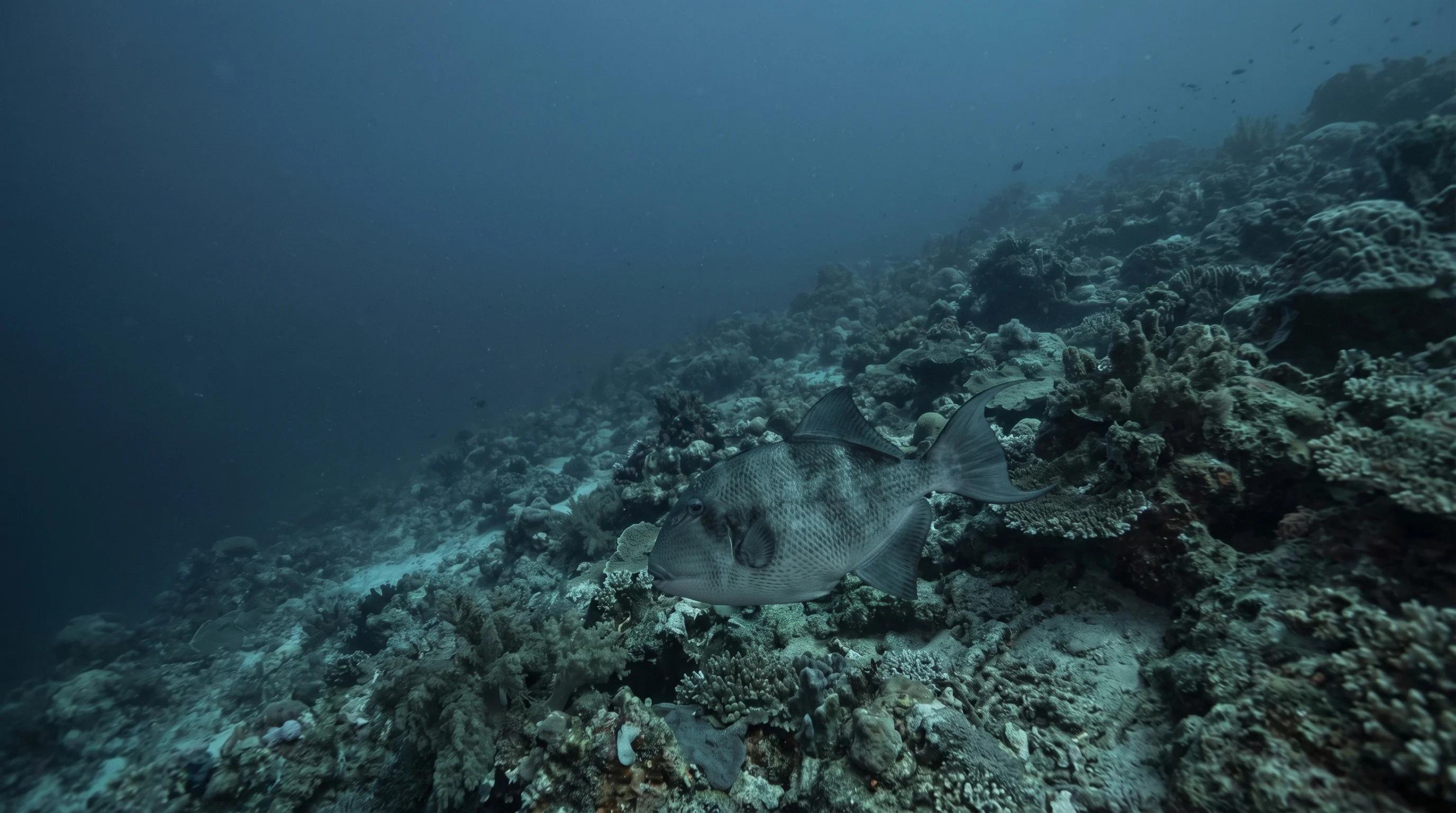
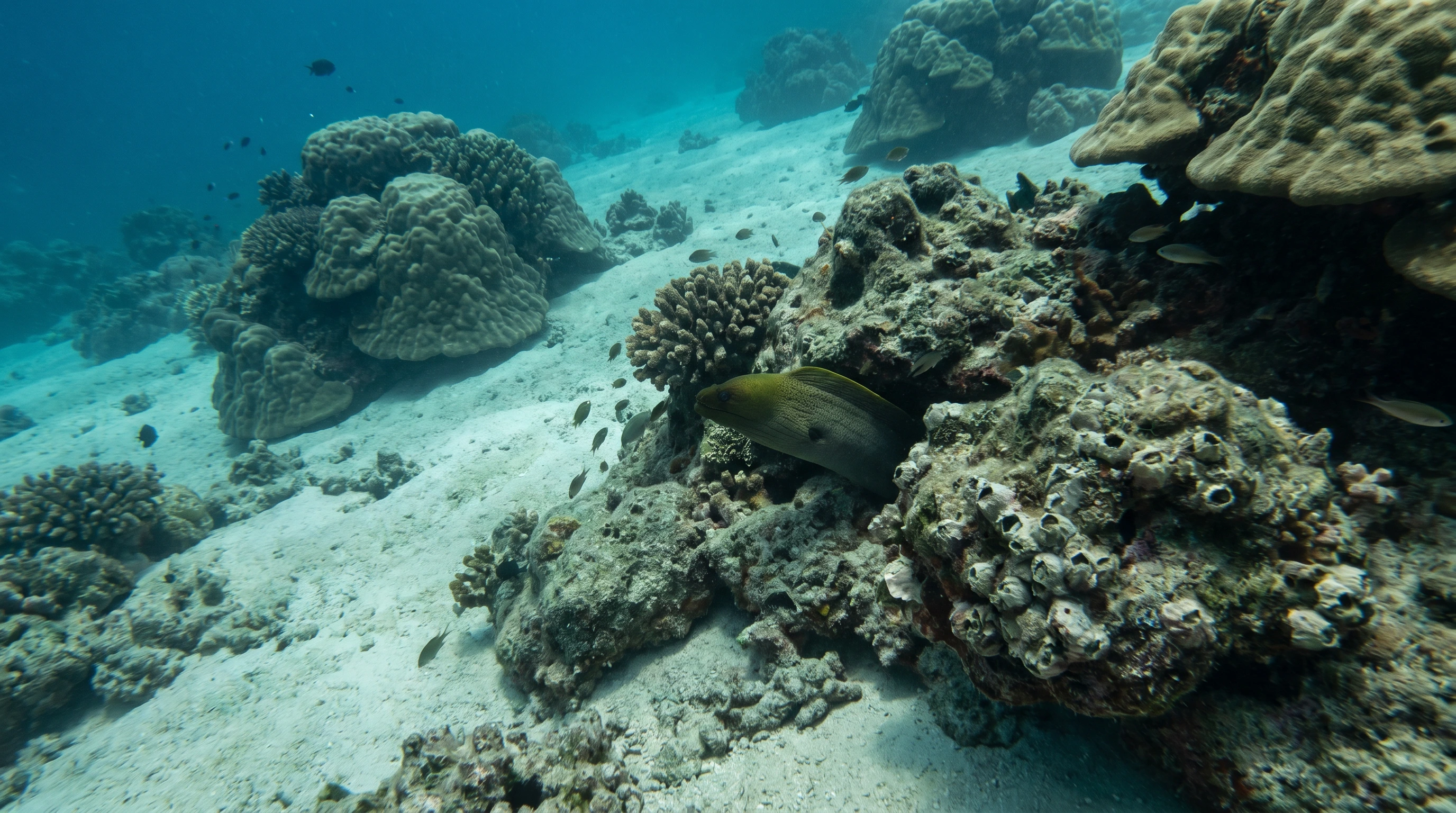
The Gili Islands have a large and well-observed species list. Very common sightings include the Spotfin Lionfish, Snowflake Moray, Blackspotted Pufferfish, Moorish Idol, Titan Triggerfish, and Peacock Mantis Shrimp. The Green Sea Turtle is a signature species of the area, and the Whitetip Reef Shark is a common encounter at sites such as Shark Point.
A good proportion of sites are rated for beginners, including Coral Arks, Hans Reef, Shallow Turbo, and Biorock, which starts at very shallow depth. Shore and boat entries are both available, giving new divers flexible options. More demanding sites such as Deep Turbo and Japanese Wreck are reserved for advanced divers who are comfortable with strong currents and significant depth.
Gili Meno hosts the greatest concentration of listed sites, including the Biorock artificial reef project, drift sites like Meno Slope and Deep Turbo, and the pinnacle and canyon topography of Simon's Reef. Gili Trawangan offers a broad range from shallow reef to wreck diving. Gili Air is home to the deep Japanese Wreck, which is an advanced-only site, alongside shallower reef and wall diving.
Both access types are available. Coral Arks off Gili Meno is a shore-entry site suitable for beginners, and Biorock and Shallow Turbo also offer shore or combined access. The majority of sites, however, require boat access, which is easily arranged through the many operators based across the islands, including Gili Air Divers, Trawangan Dive, Dream Divers, and Blue Coral Diving.