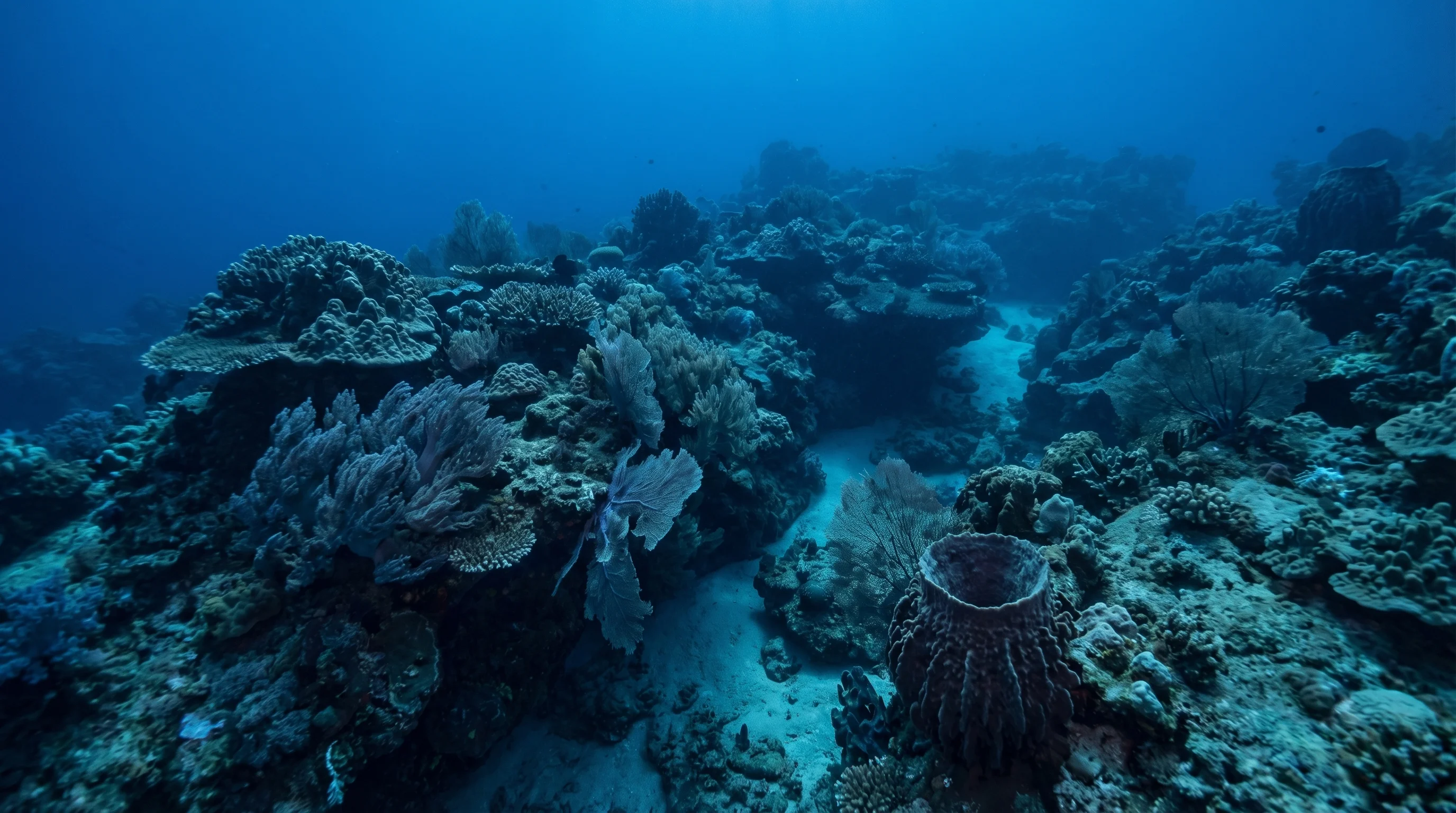
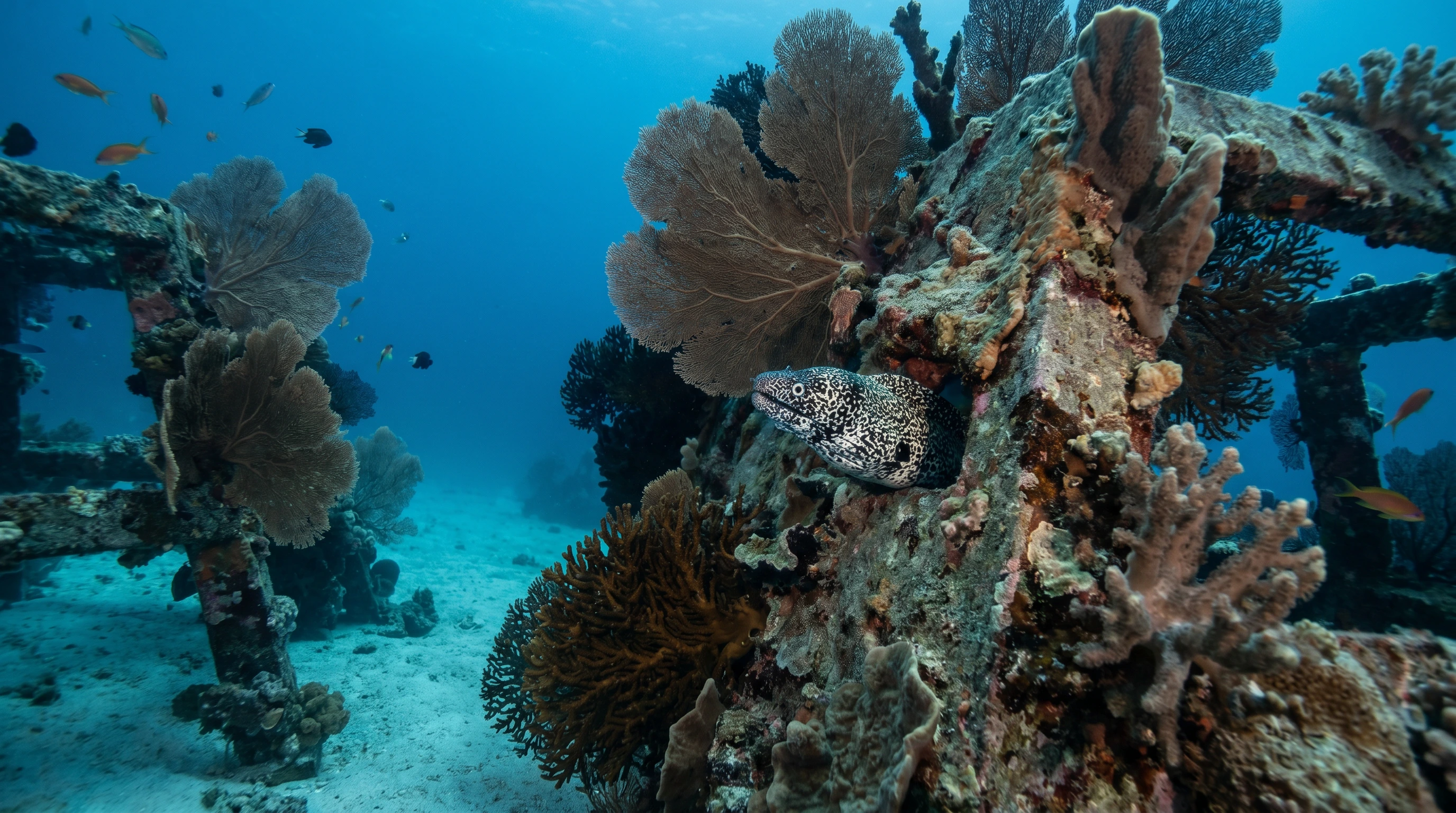
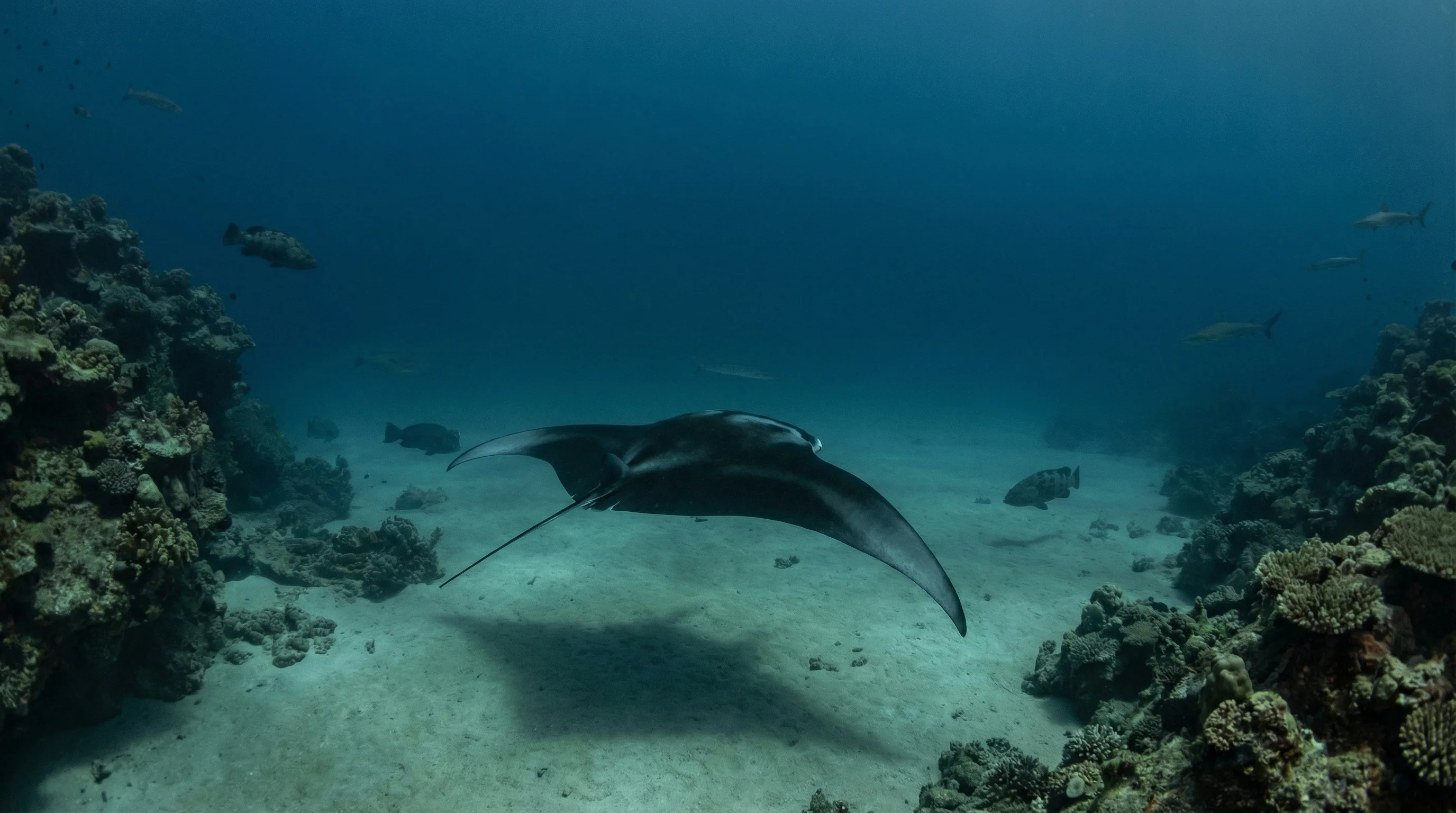
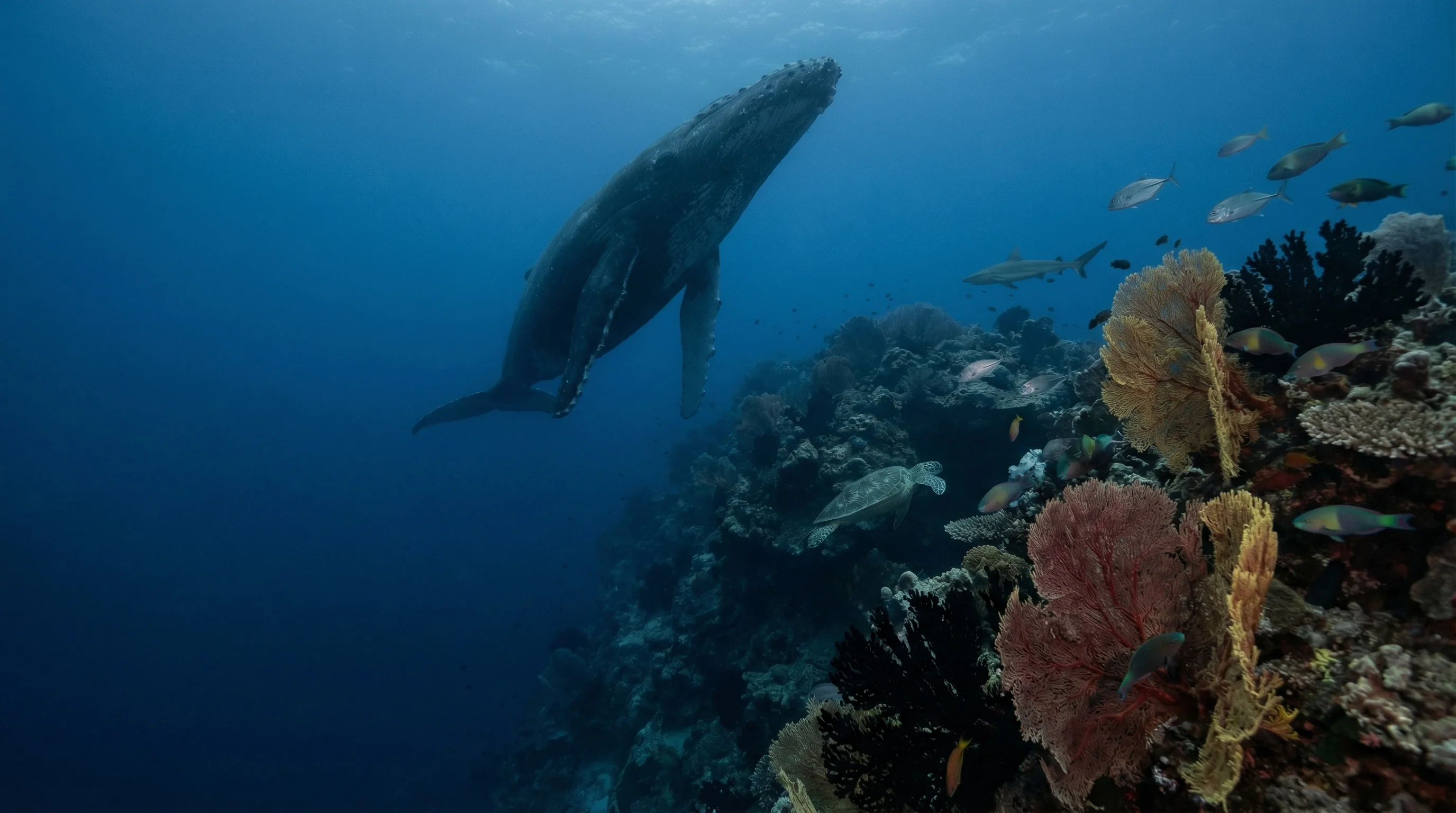
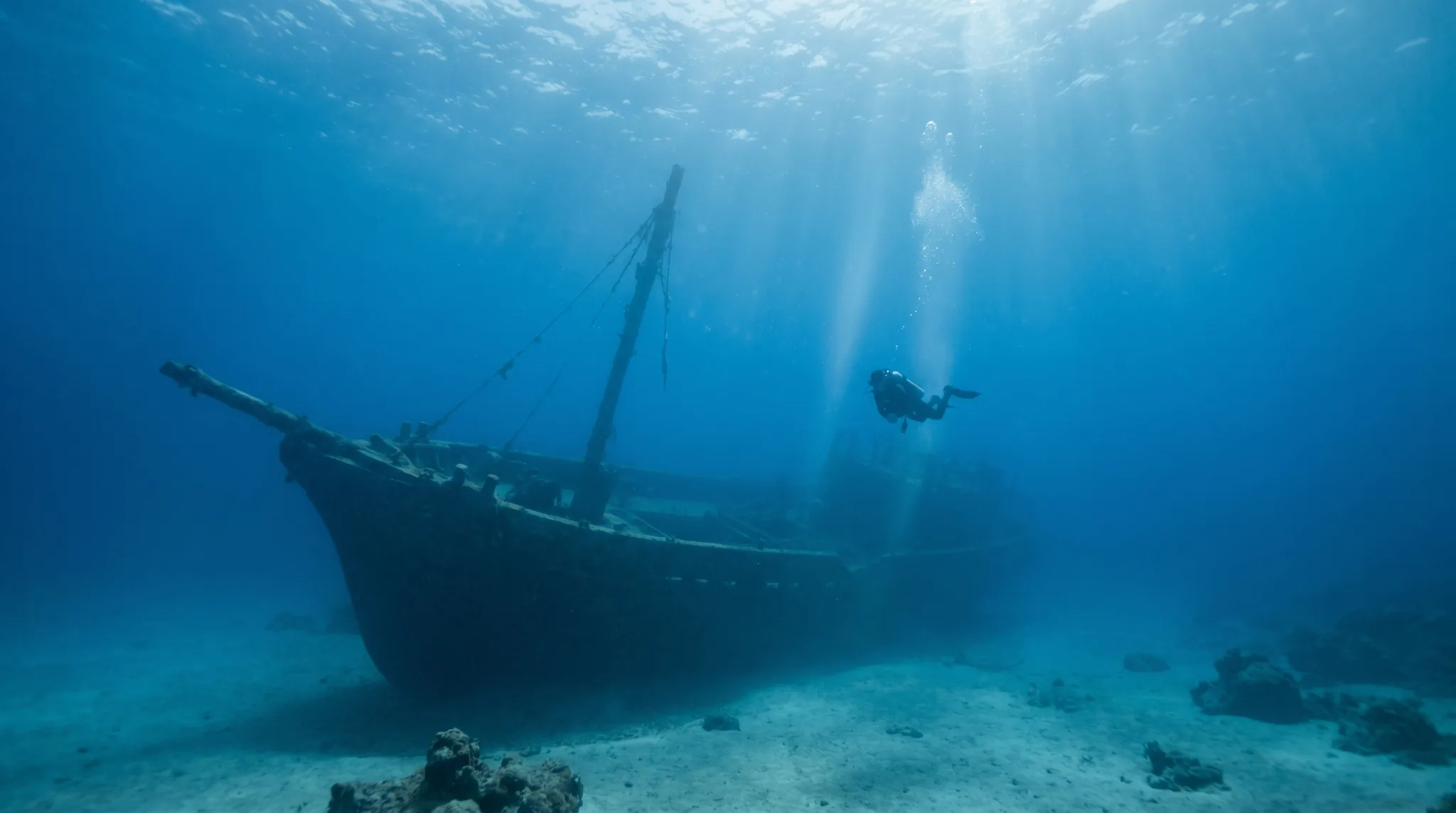
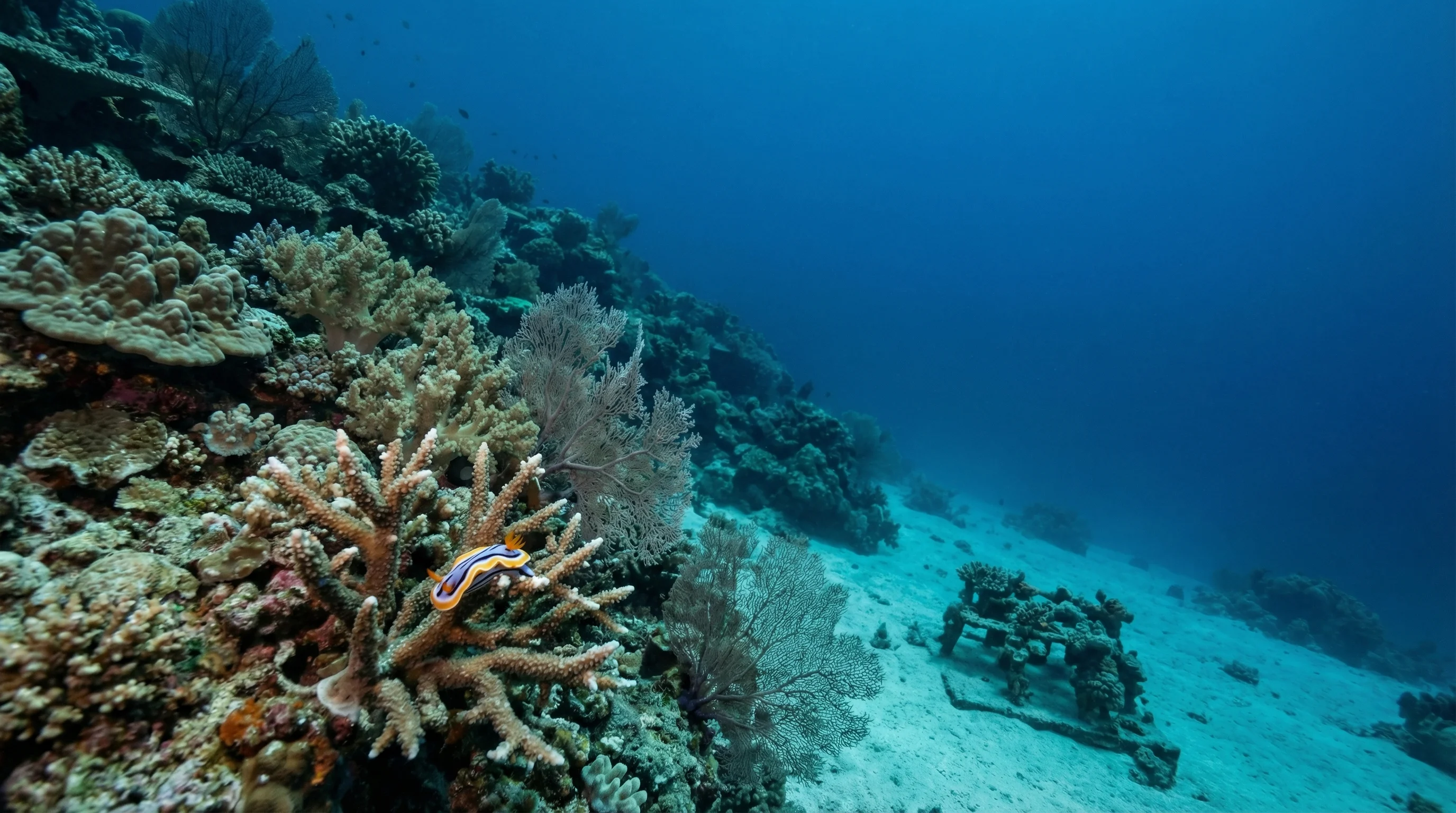
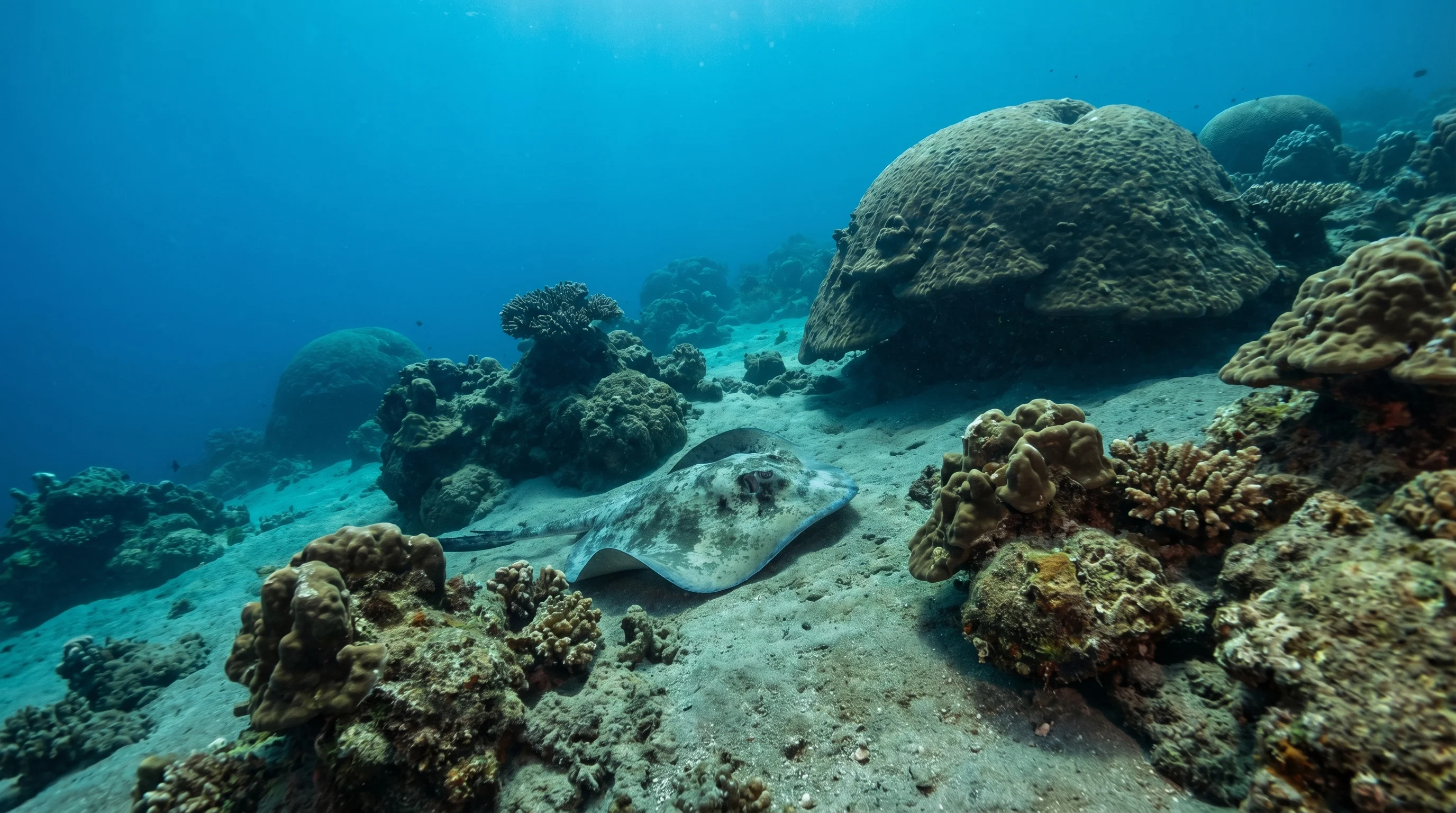
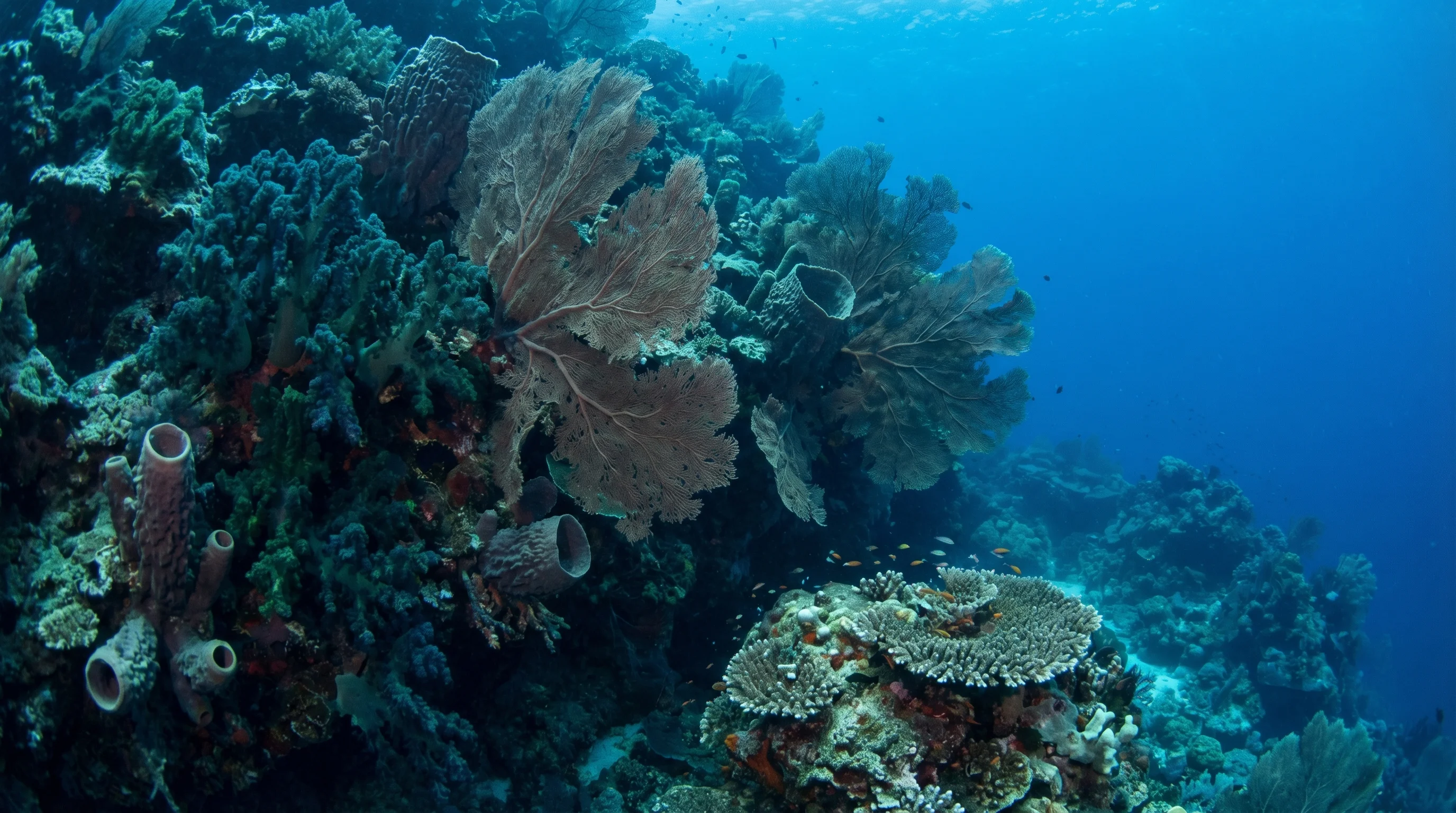
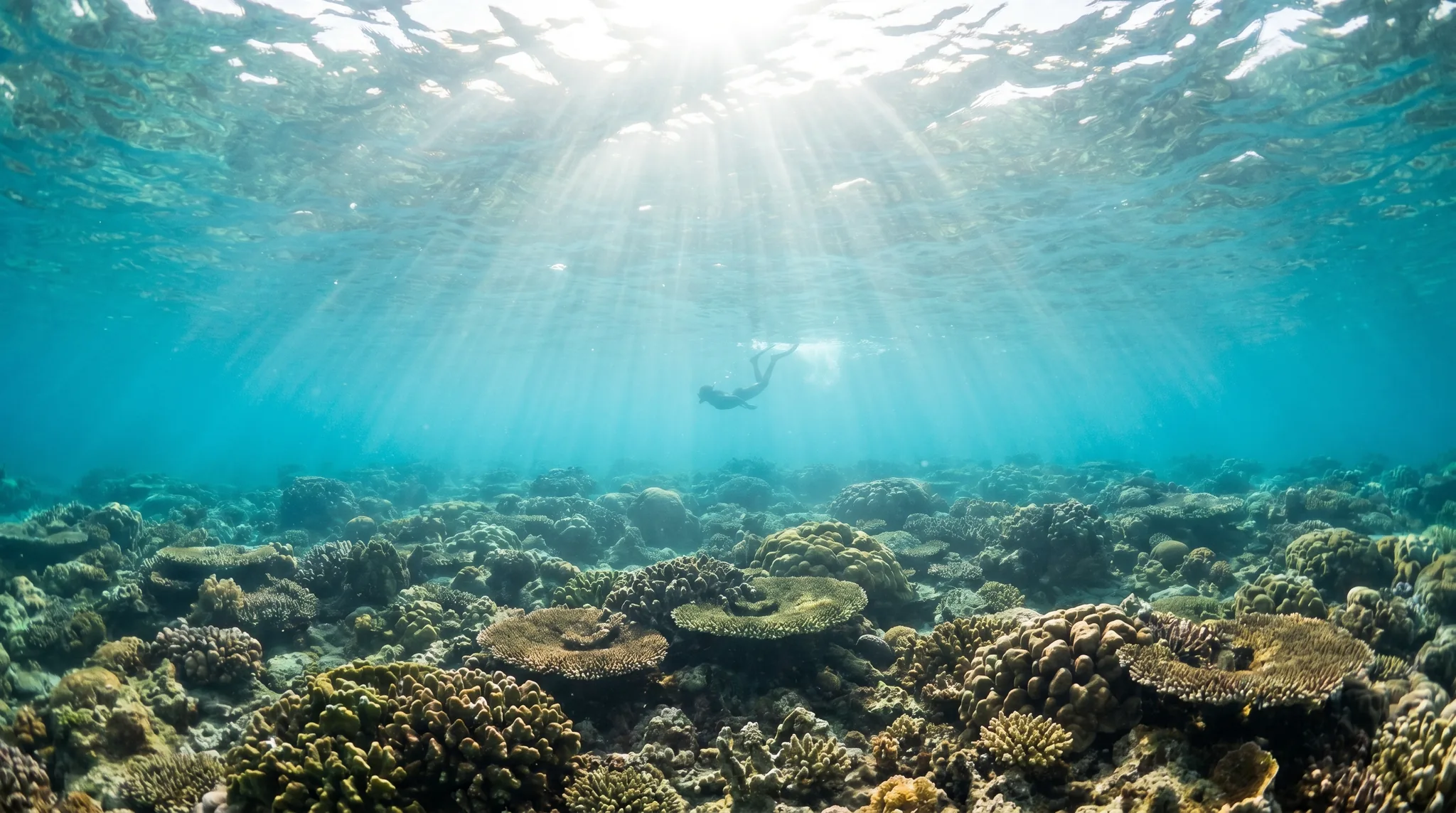
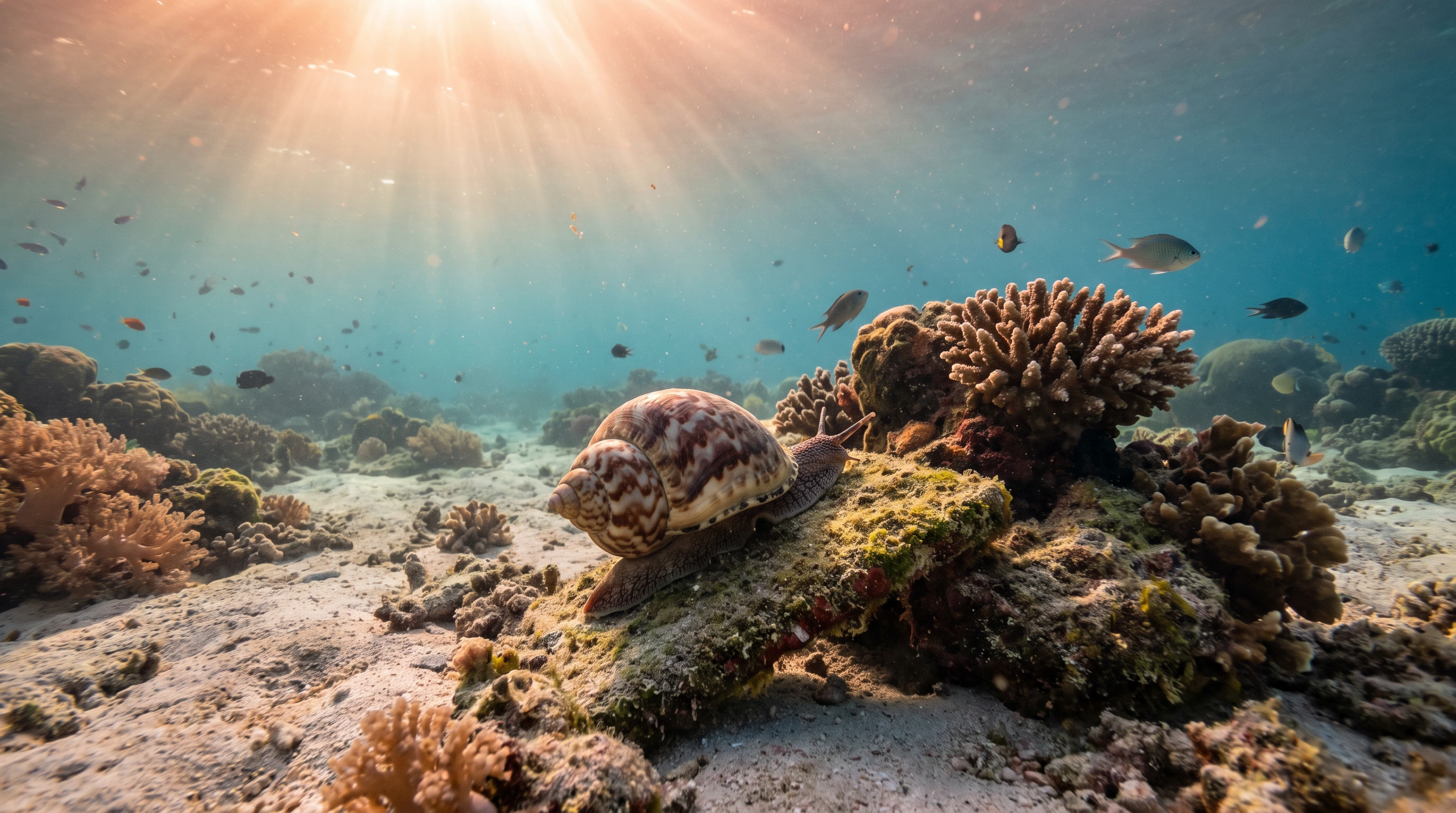
Gili Air packs a wide range of site types into a compact area: reefs, walls, pinnacles, drift zones, artificial structures, and a deep wreck. Beginners can explore shallow coral gardens from shore or boat, while intermediate divers work the walls and canyons of Takat Malang and Air Wall. The Japanese Wreck is reserved for advanced divers comfortable at serious depth. Morays, triggerfish, and Peacock Mantis Shrimp are consistently observed across sites.
Monthly water temperature across Gili Air's sites, from satellite sea-surface data corrected for depth. The band shows the site-to-site spread.
Water temperature stays warm and remarkably stable through the year, dipping only slightly in August and September. Conditions are most favoured from May through September, with another peak around May and September suggesting calmer, clearer windows. Drift potential at sites like Air Wall and Takat Malang means current awareness matters, particularly for intermediate divers.
28 operators

5 more sites to explore
Water around Gili Air stays near 28°C all year, based on satellite sea-temperature data for its dive sites.
With water around 27–28°C, a rash guard or 3mm shorty works in Gili Air year-round.
Fin maps 10 sites in Gili Air (10 scuba diving sites and 2 snorkelling spots, with some suited to both).
Across Gili Air's dive sites, May, June, July, August, September and October are most often reported as the best months to visit.
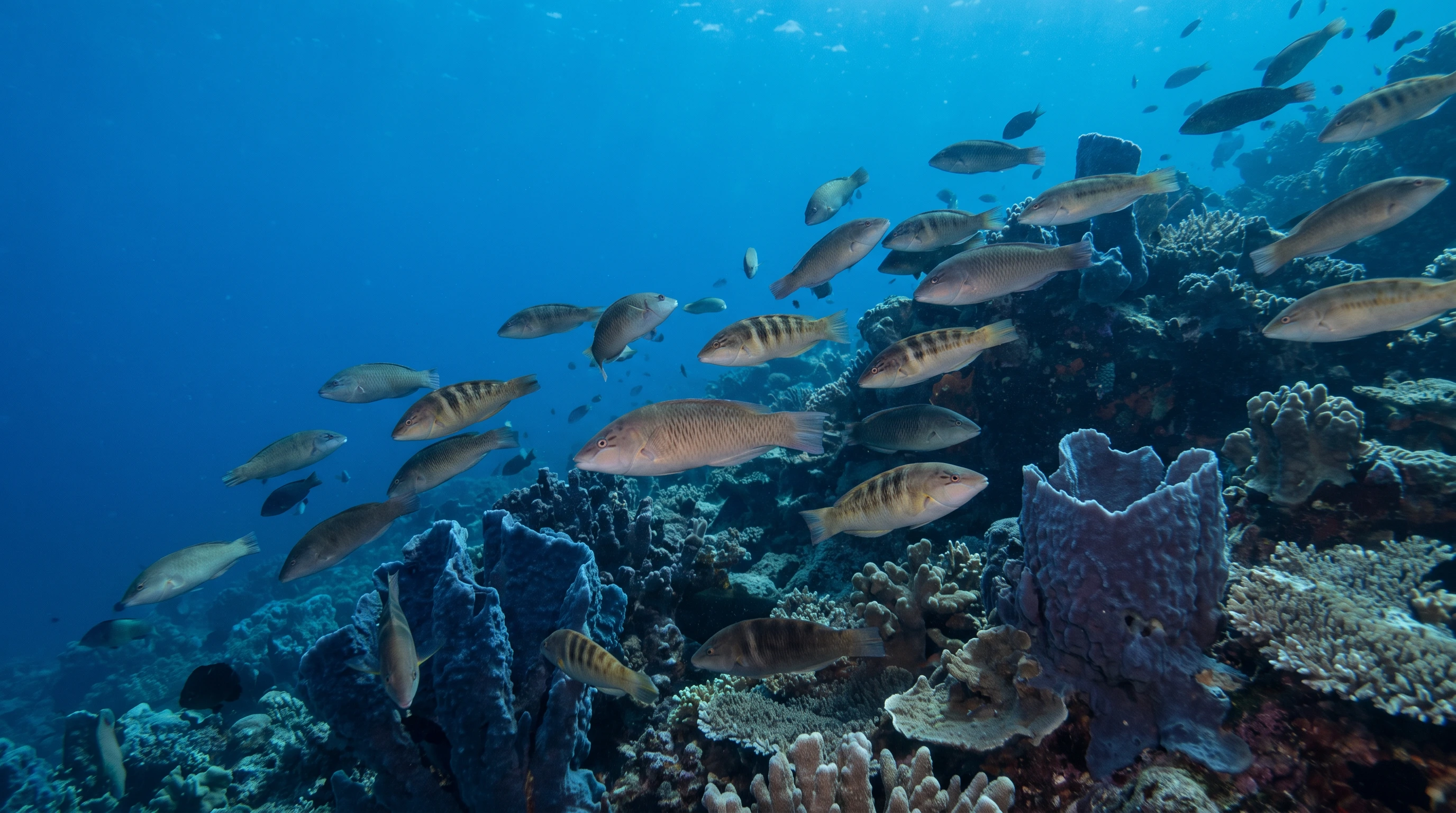
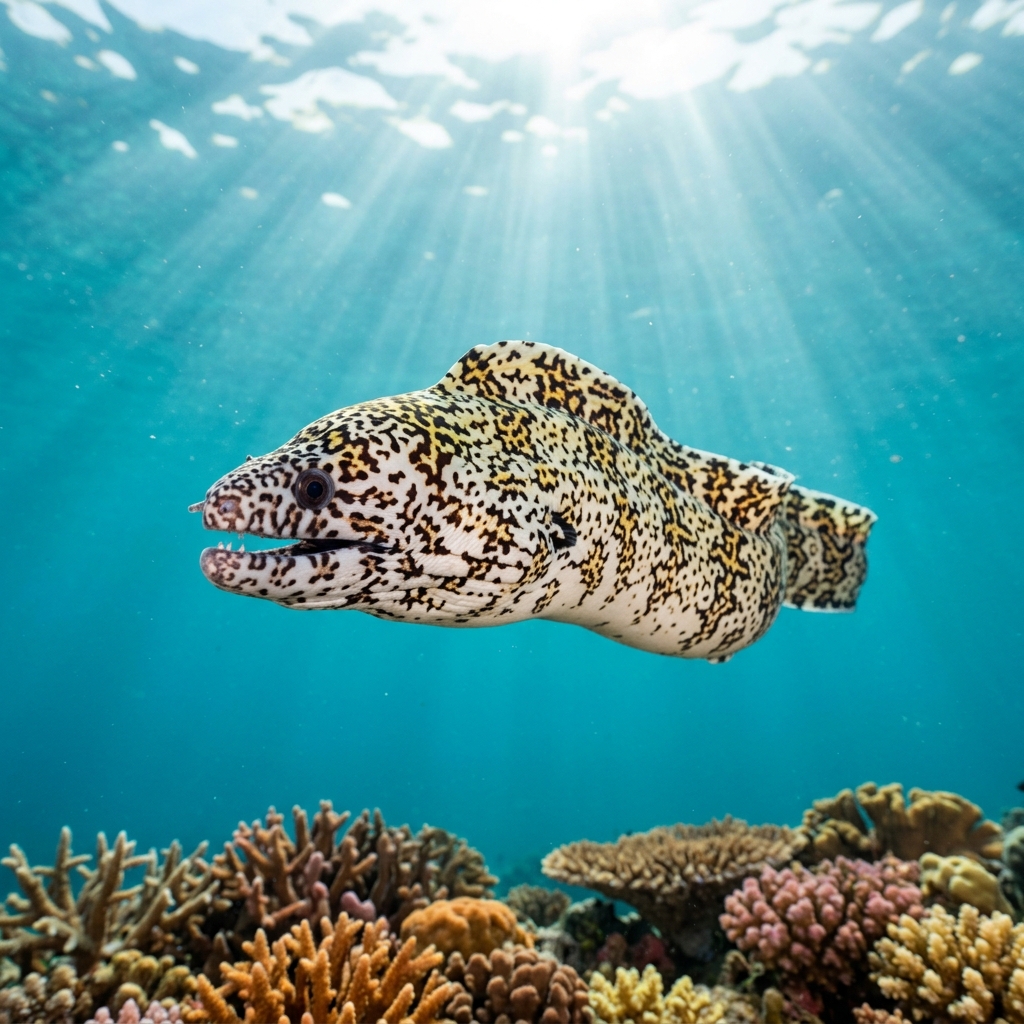
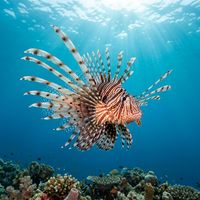
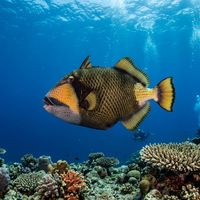
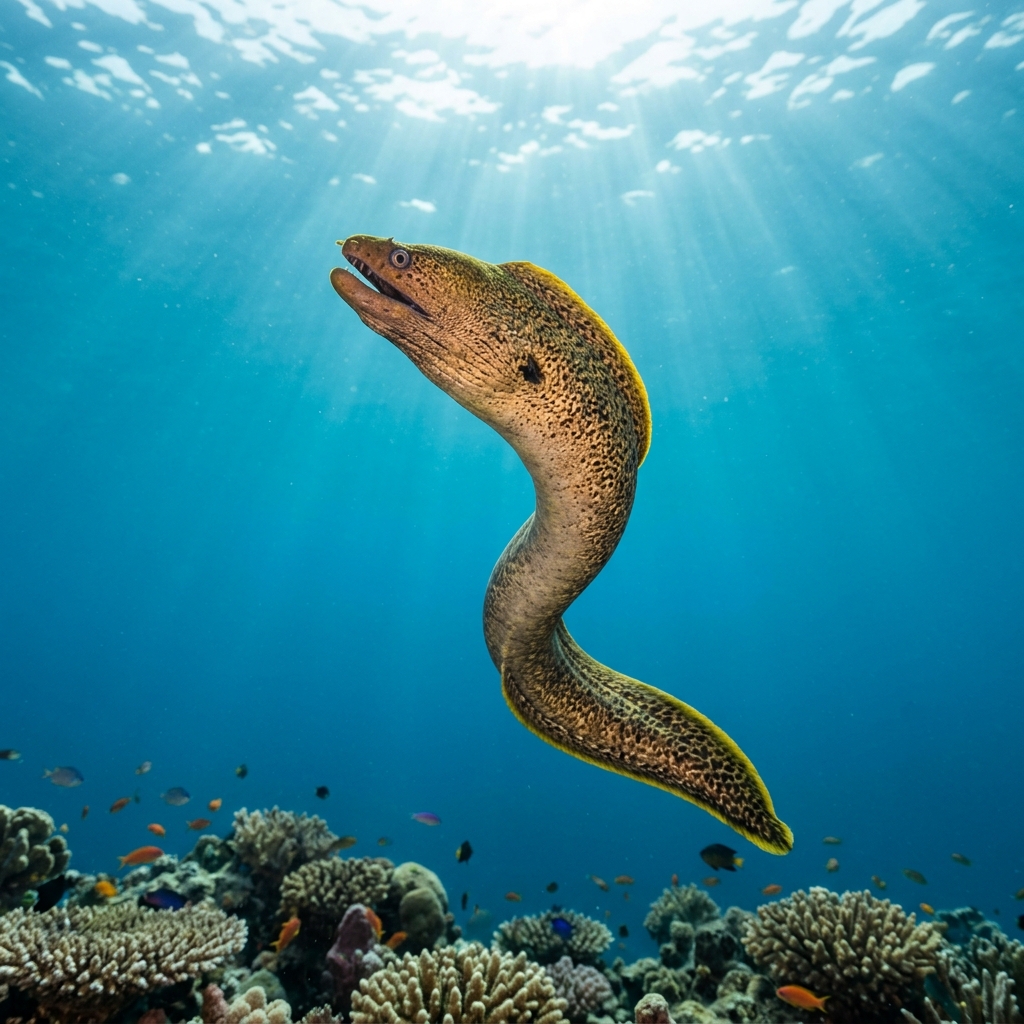
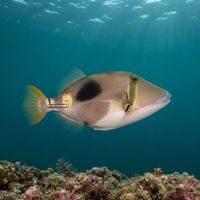
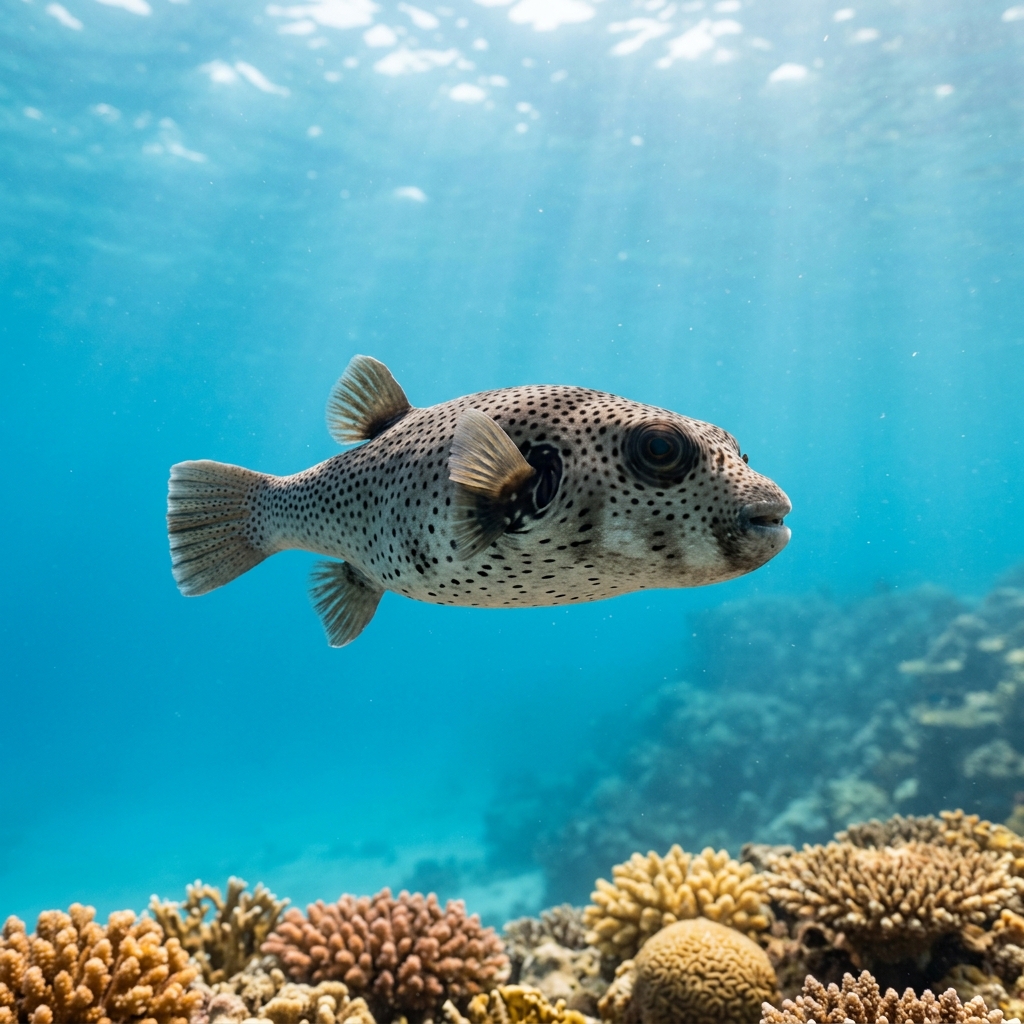
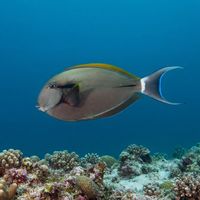
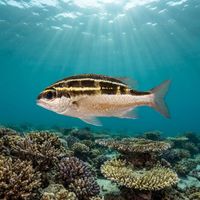
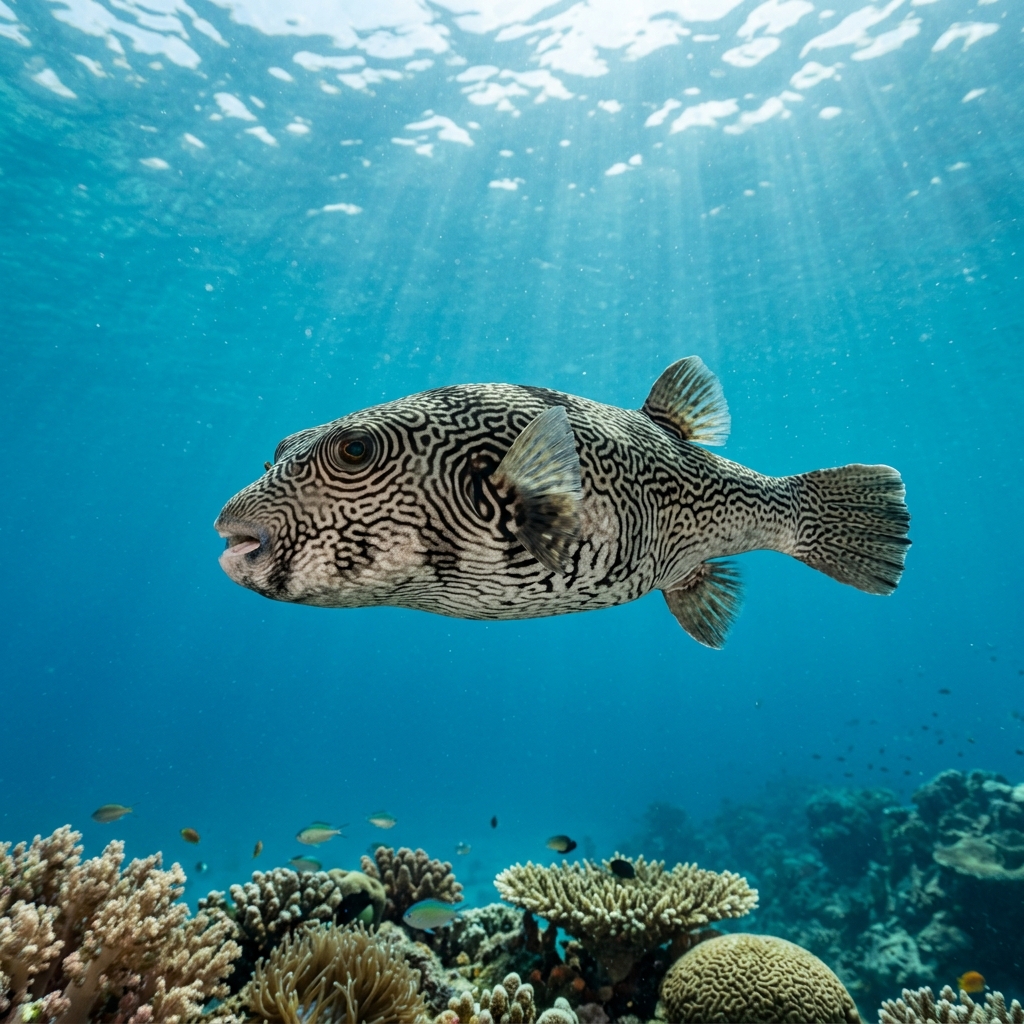
Observed species across sites include the Peacock Mantis Shrimp, Snowflake Moray, Yellow-edged Moray, Spotfin Lionfish, Titan Triggerfish, Blackspotted Pufferfish, and Moorish Idol. Broadclub Cuttlefish is among the signature species for the area. The overall species list is broad, so a single trip will rarely exhaust what is on offer.
Several sites, including the main Gili Air reef site and Hans Reef, are rated beginner level and offer shallow starting depths accessible by both boat and shore. More advanced topography at Takat Malang and Air Wall suits intermediate divers, and the Japanese Wreck is strictly for advanced divers due to its considerable depth. The mix means all certification levels can dive here productively.
The main Gili Air site offers the greatest variety of topography, covering reef, wall, drift, and artificial reef within a wide depth range. Hans Reef adds pinnacles and sand gullies on a shallower profile. Takat Malang brings canyon structures and deeper exposure for intermediate divers. Air Wall is a focused wall and pinnacle dive with drift potential, while the Japanese Wreck is a deep-water wreck dive for advanced divers only.
Most sites are boat-access only, including Hans Reef, Takat Malang, Air Wall, and the Japanese Wreck. The main Gili Air site supports both boat and shore entry, giving divers flexibility depending on their operator and chosen depth. With many operators based on the island, arranging boat trips is straightforward.