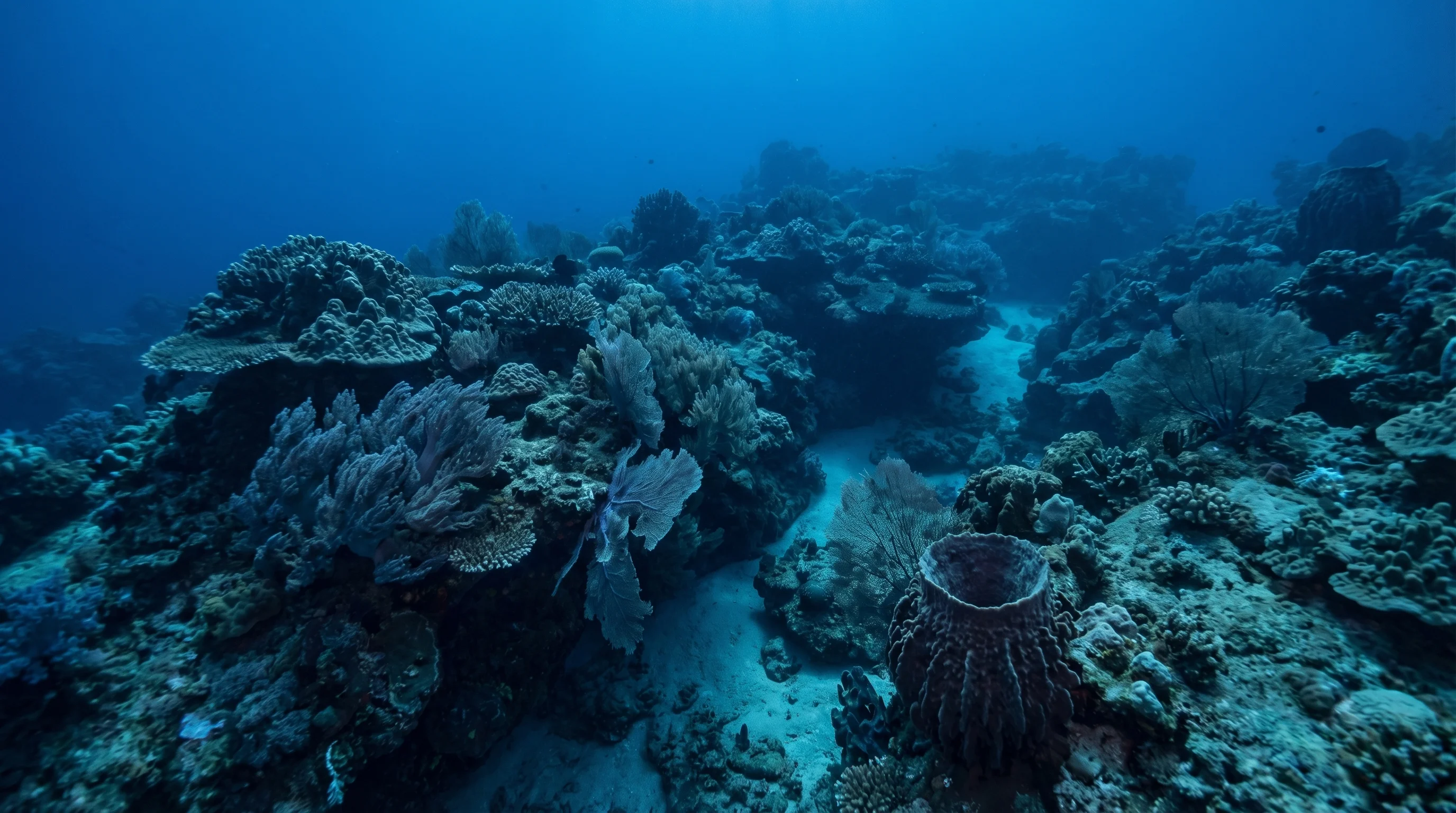
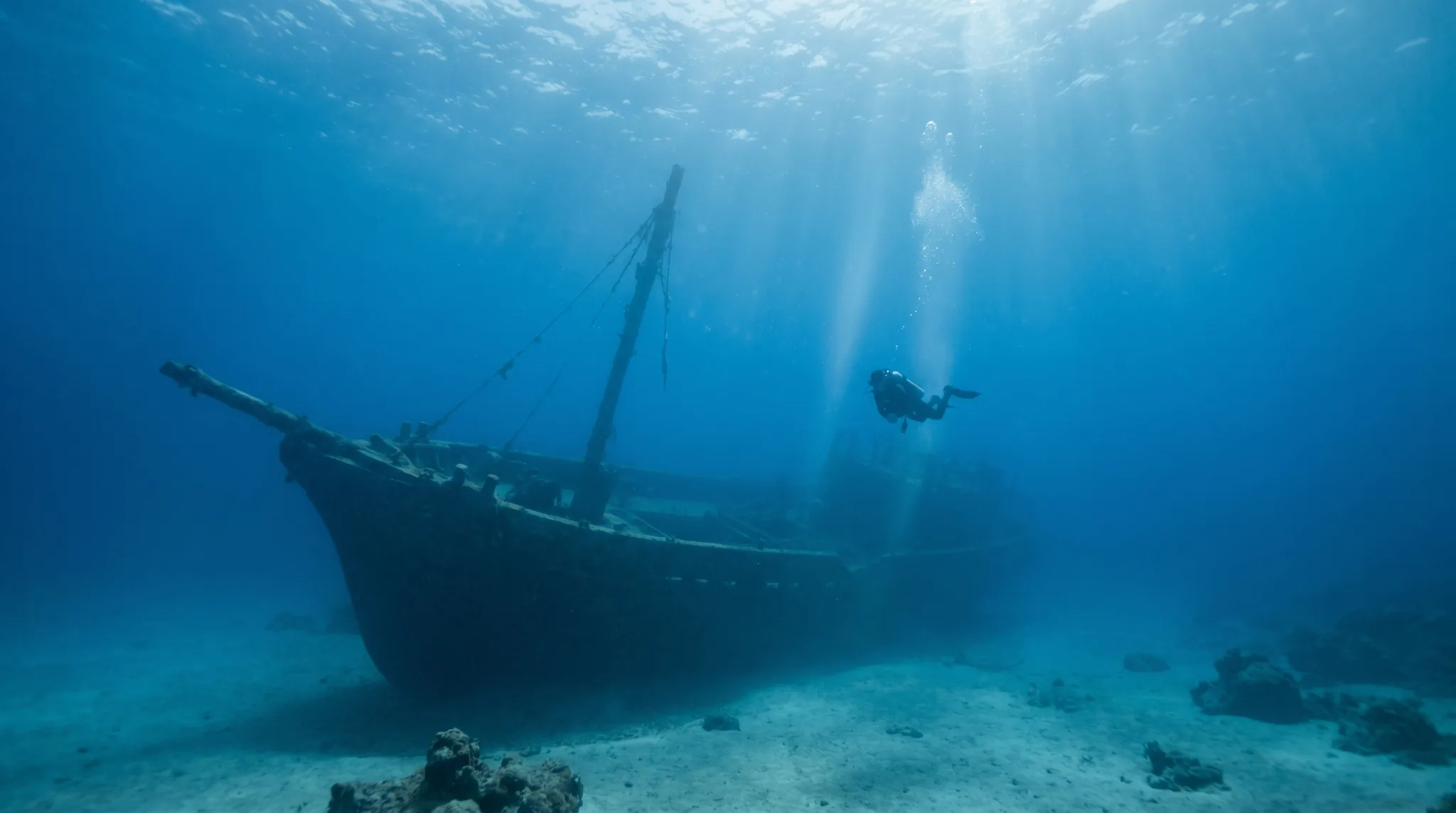
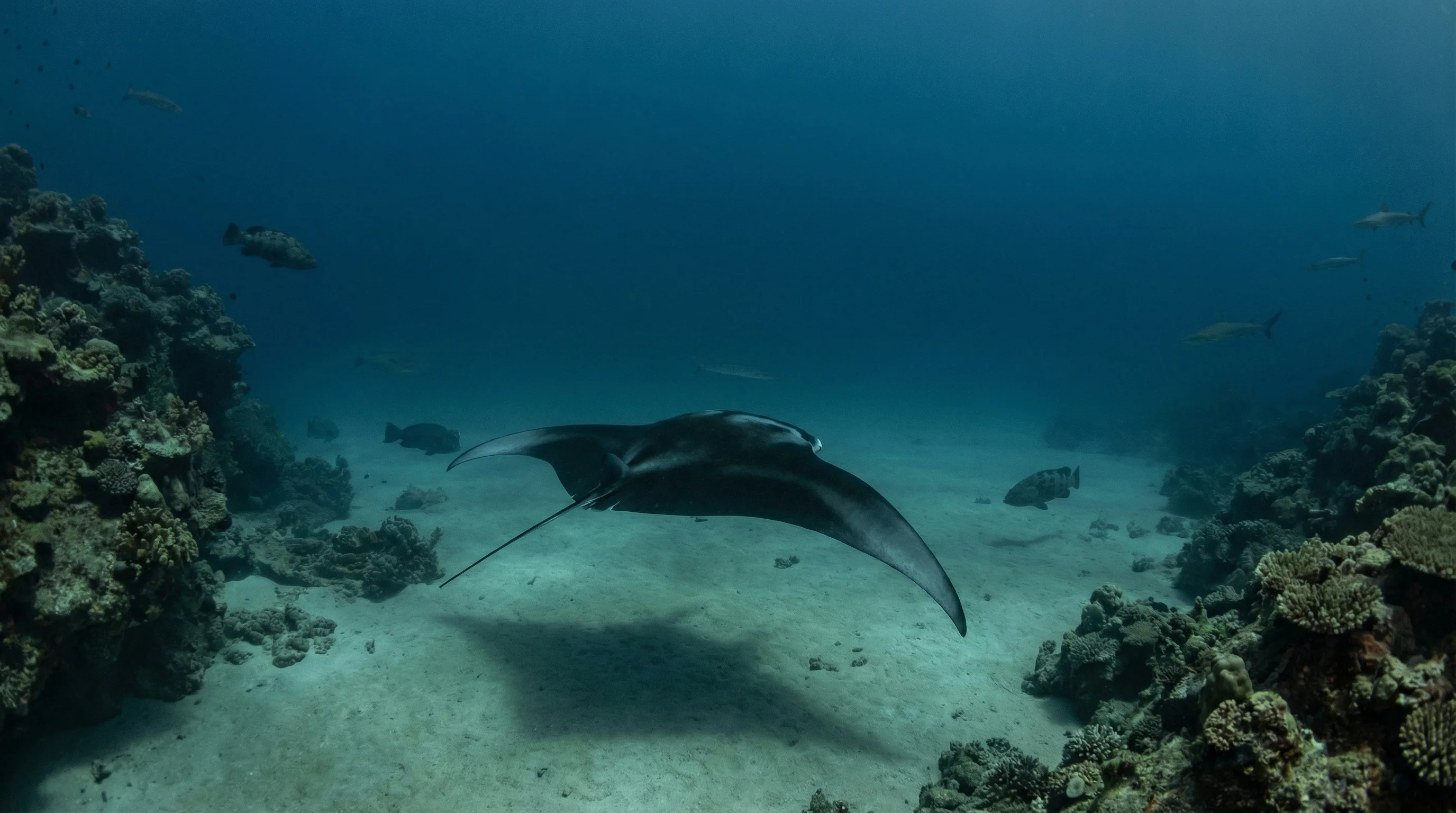
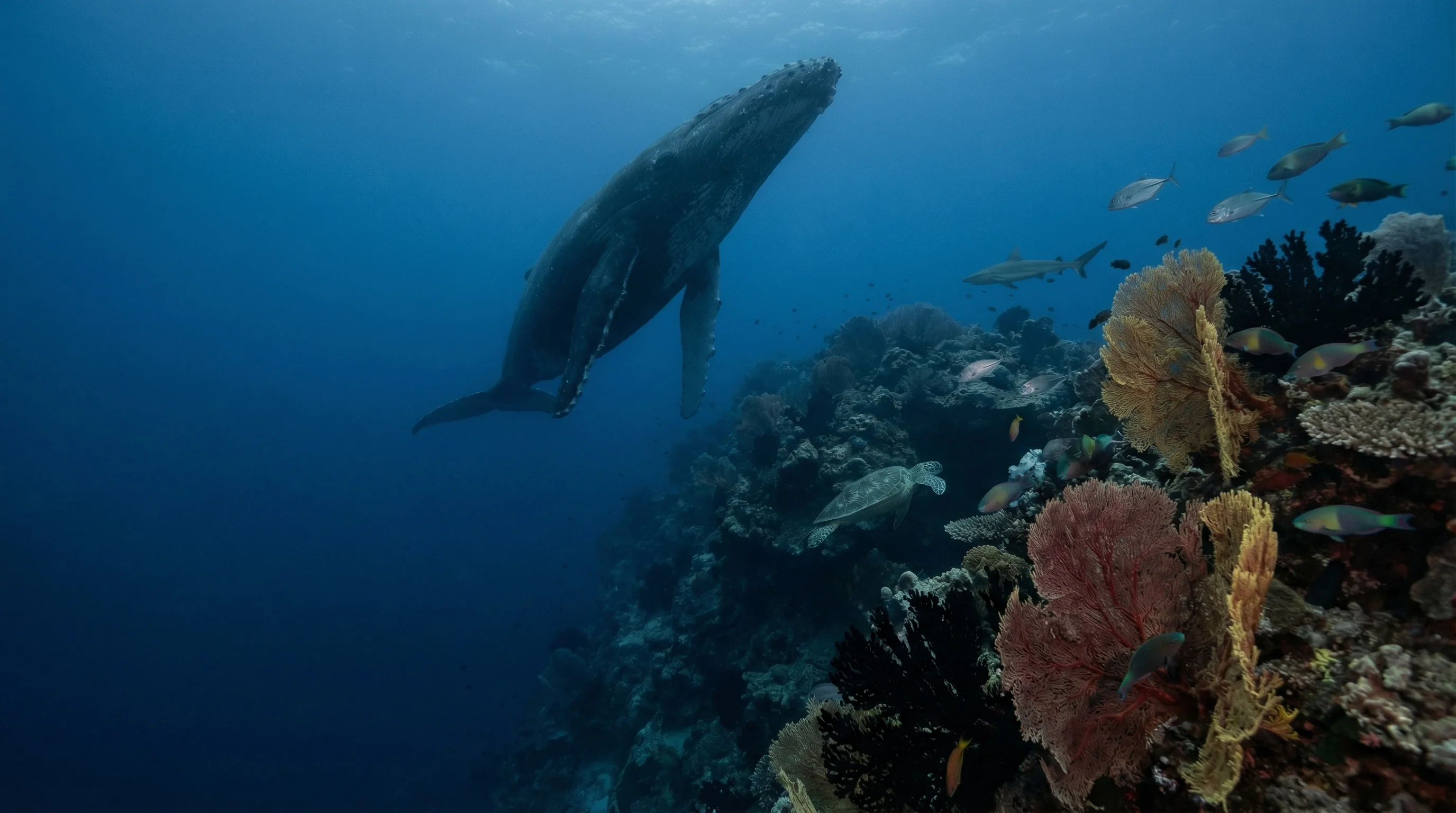
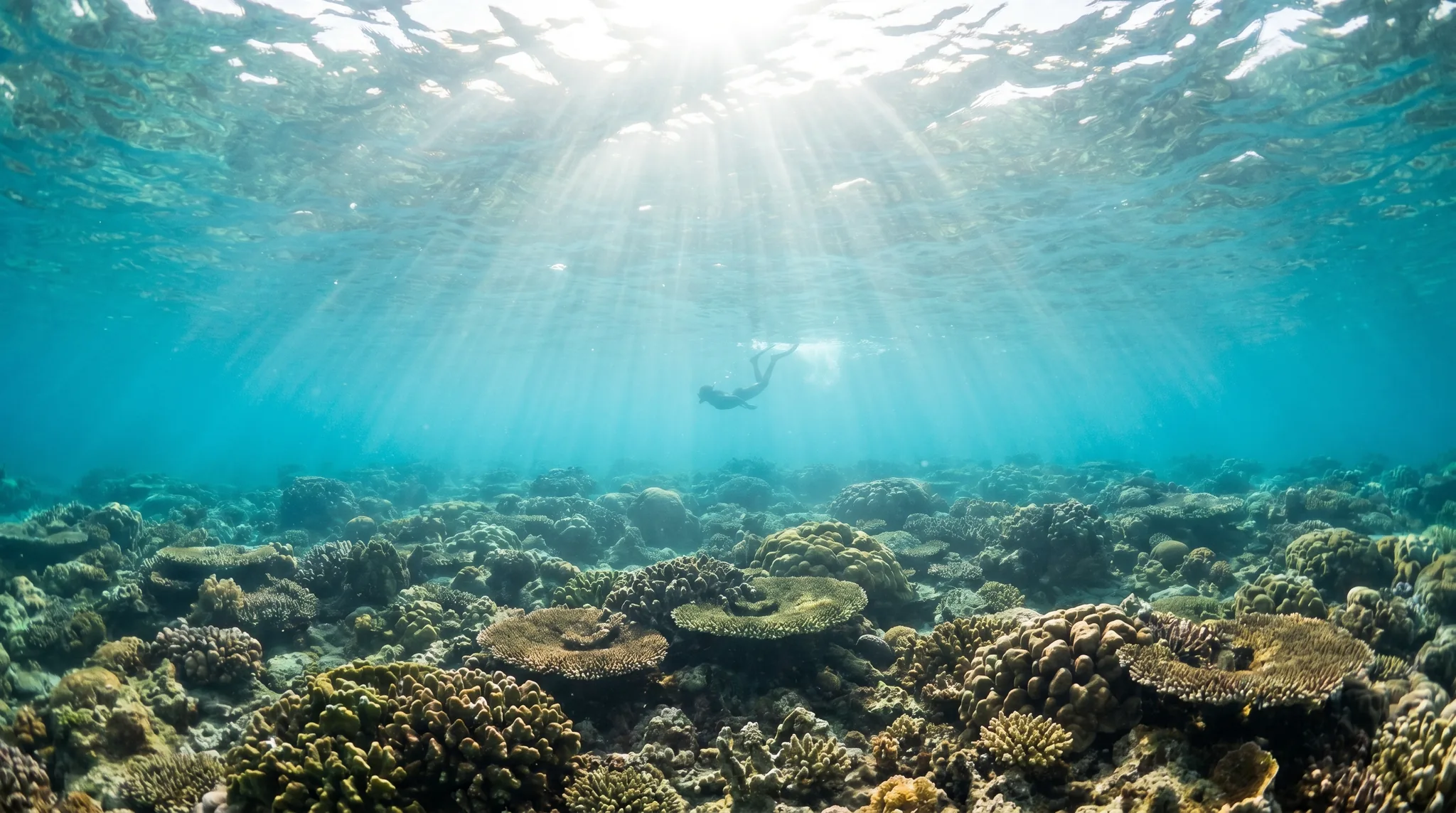
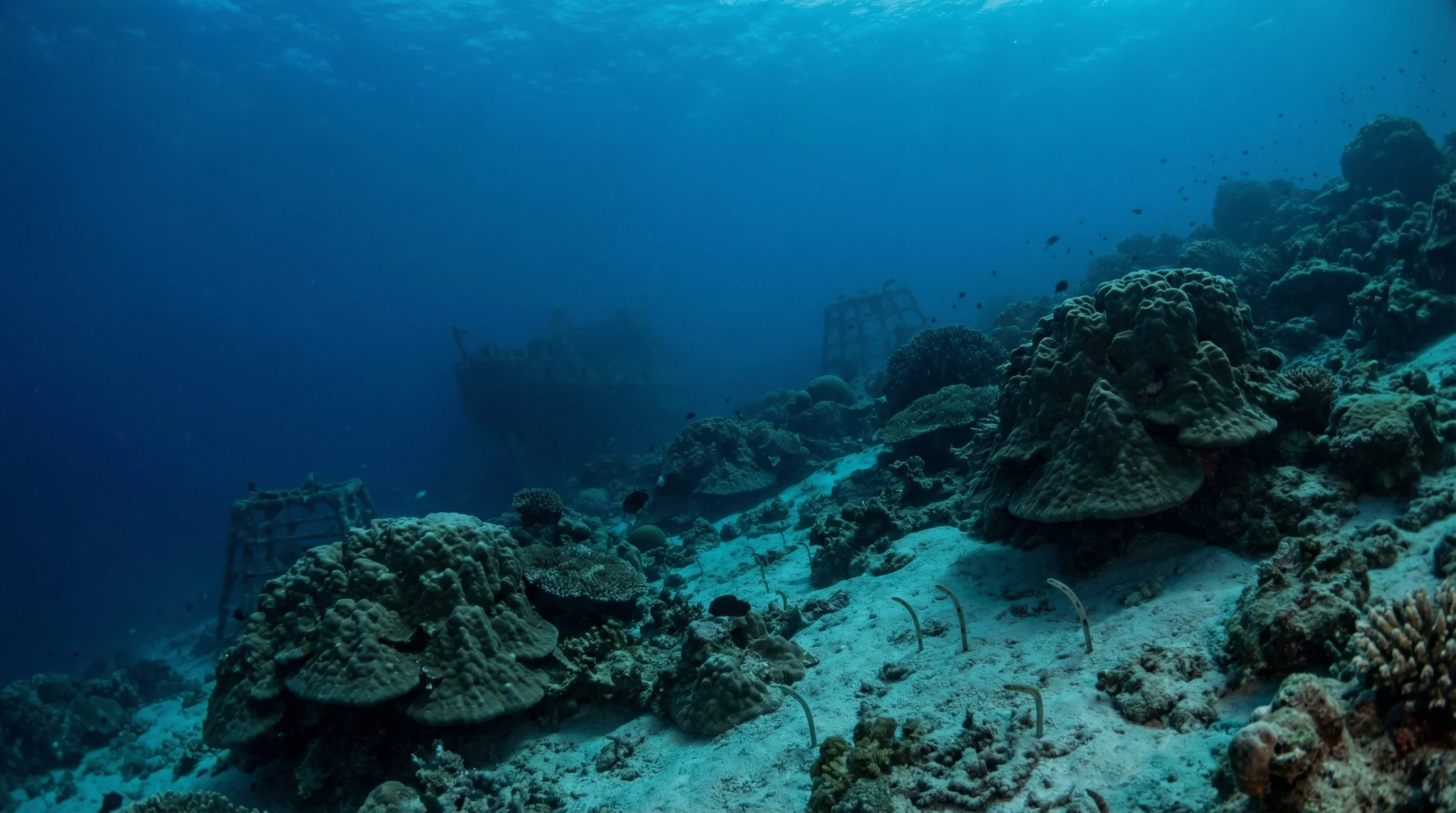
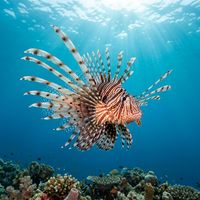
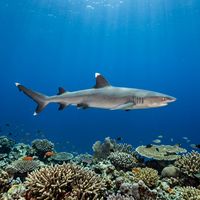
Gili Trawangan's dive sites span natural reef, drift, wreck, and biorock artificial structures, giving the area an unusually varied character for its size. Shallow sites like Coral Arks and Biorock suit beginners, while Deep Turbo and Halik offer walls, caves, and strong currents for advanced divers. Whitetip Reef Shark, Peacock Mantis Shrimp, and Spotfin Lionfish are consistently observed across the sites.
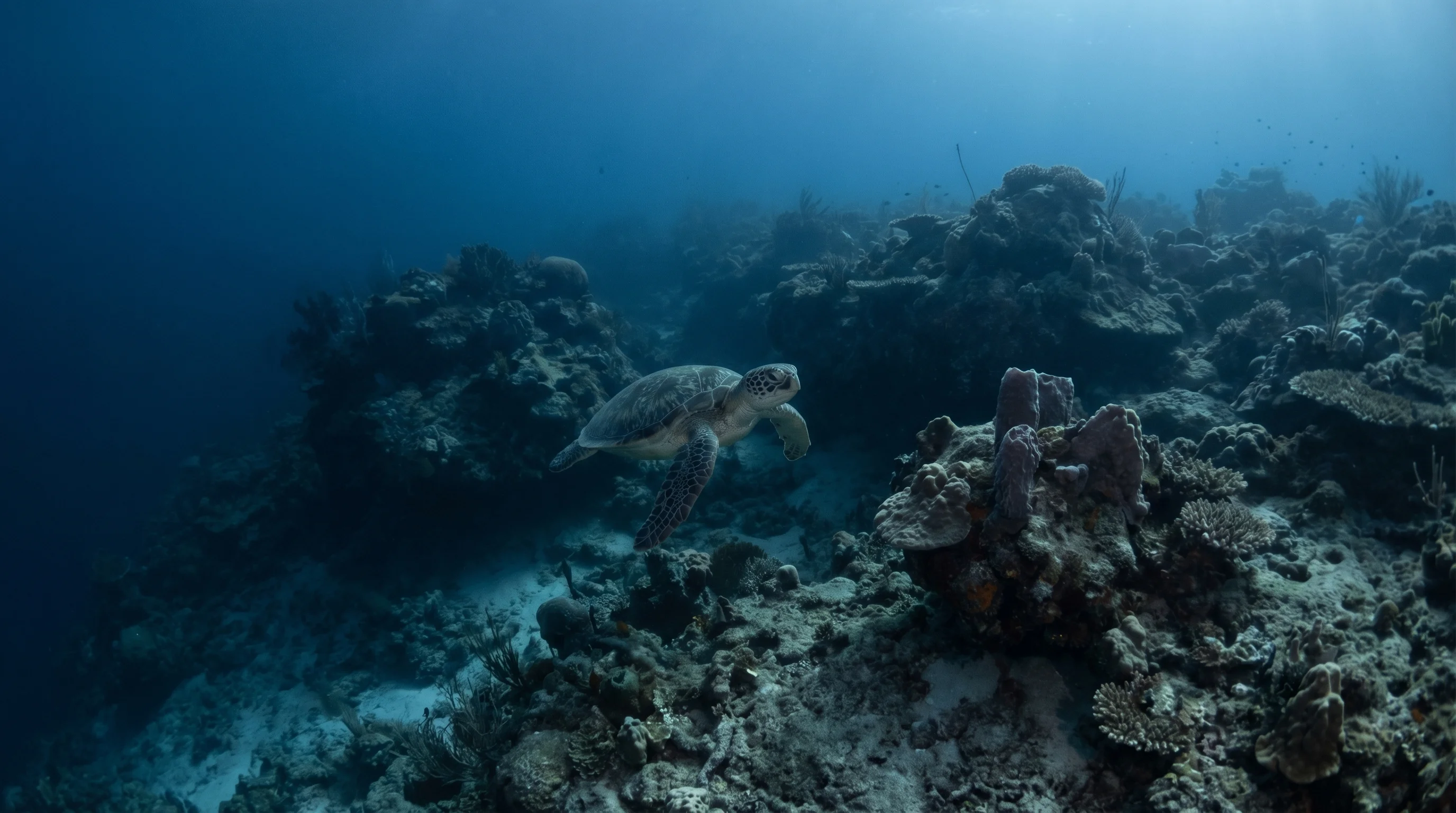
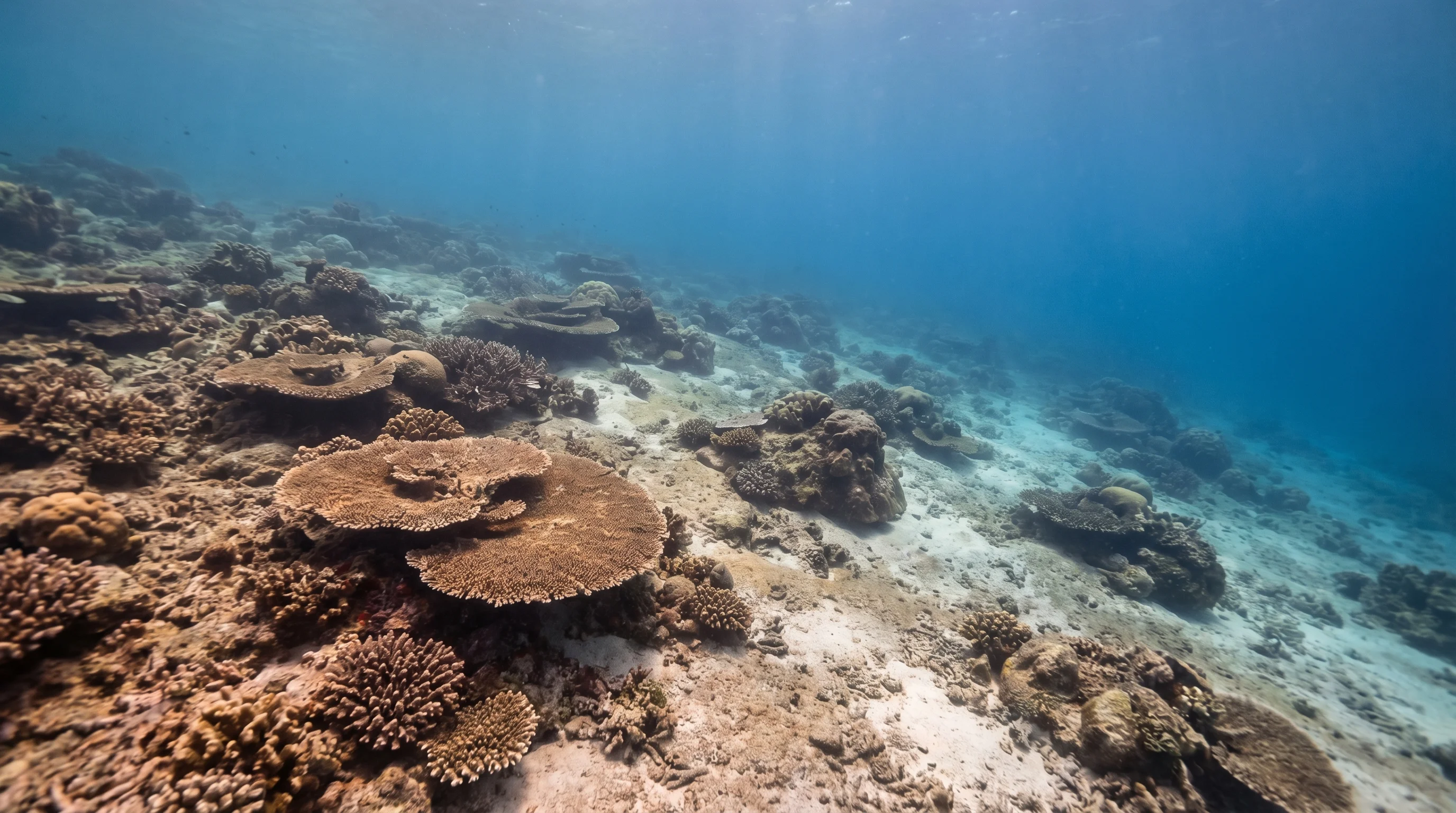
Monthly water temperature across Gili Trawangan's sites, from satellite sea-surface data corrected for depth. The band shows the site-to-site spread.
Water temperature stays warm throughout the year with only modest variation, dipping slightly during the middle months and peaking around late dry season. Visibility tends to be best from April through October, when currents at drift sites like Deep Turbo are most reliable. Beginners can dive year-round, but advanced divers planning drift and pinnacle dives will find conditions most rewarding from May through October.
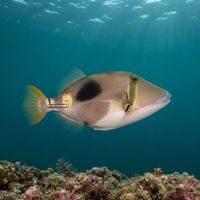
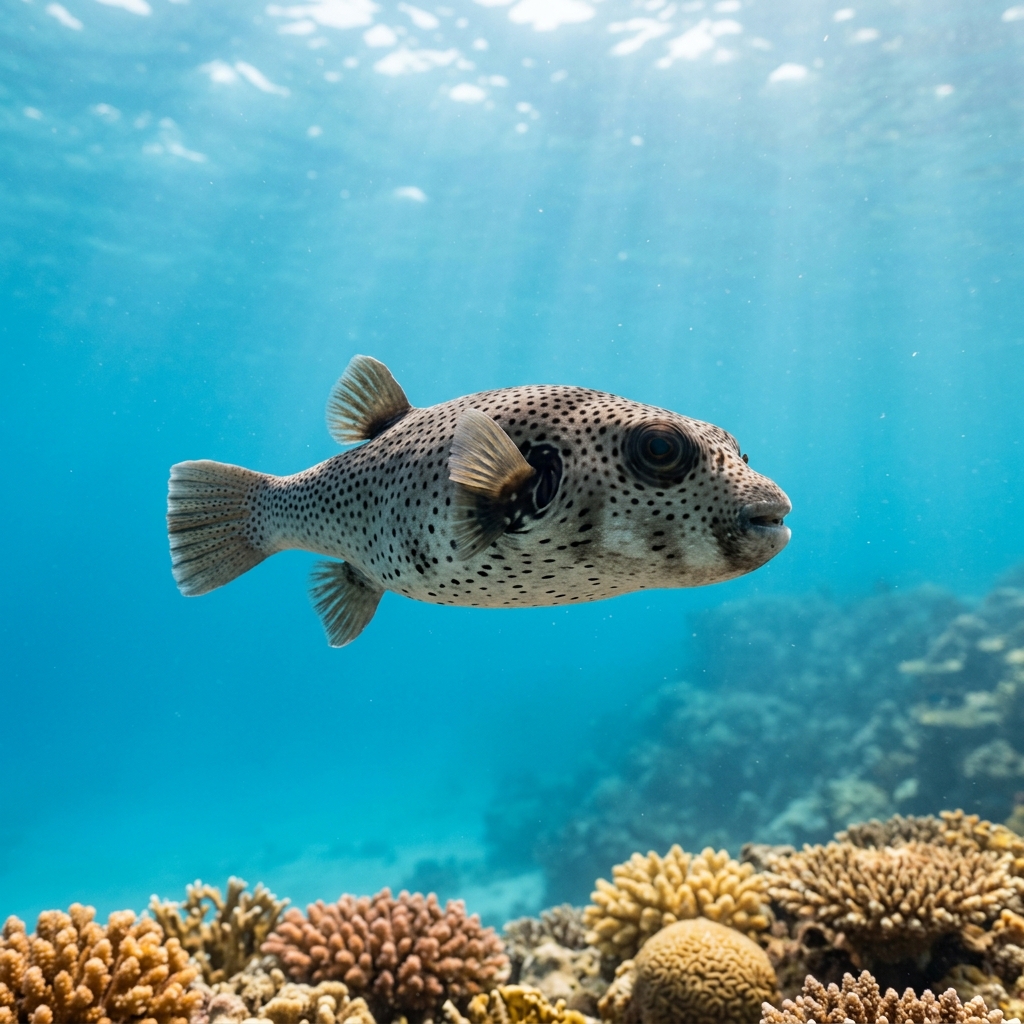
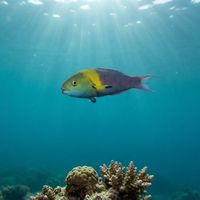
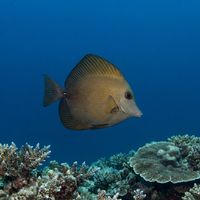
21 operators



4 more sites to explore
Water temperature around Gili Trawangan ranges from about 27°C in July to 29°C in February, based on satellite sea-temperature data for its dive sites.
With water around 27–29°C, a rash guard or 3mm shorty works in Gili Trawangan year-round.
Fin maps 13 sites in Gili Trawangan (13 scuba diving sites and 2 snorkelling spots, with some suited to both).
Across Gili Trawangan's dive sites, May, September and October are most often reported as the best months to visit.
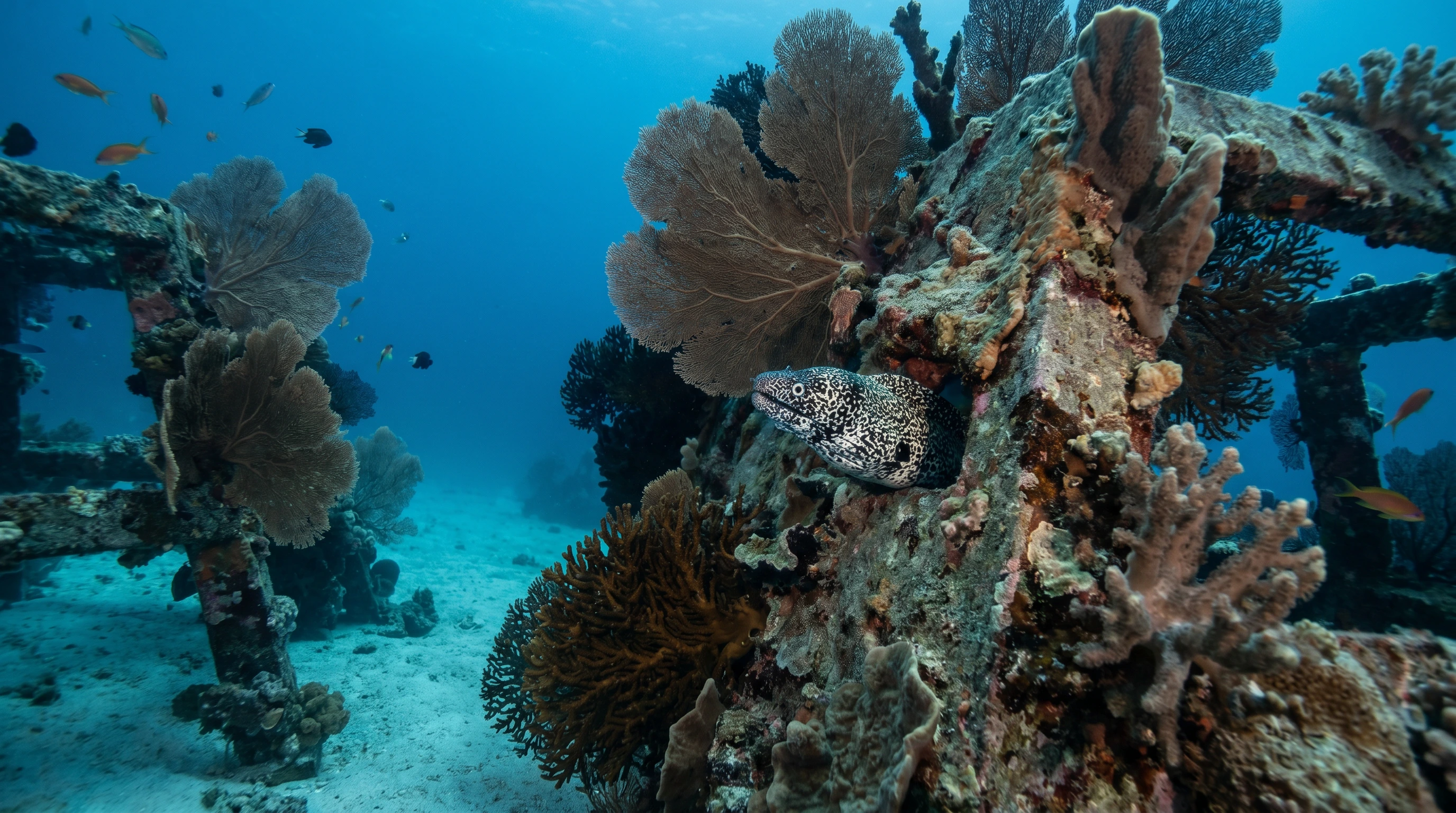
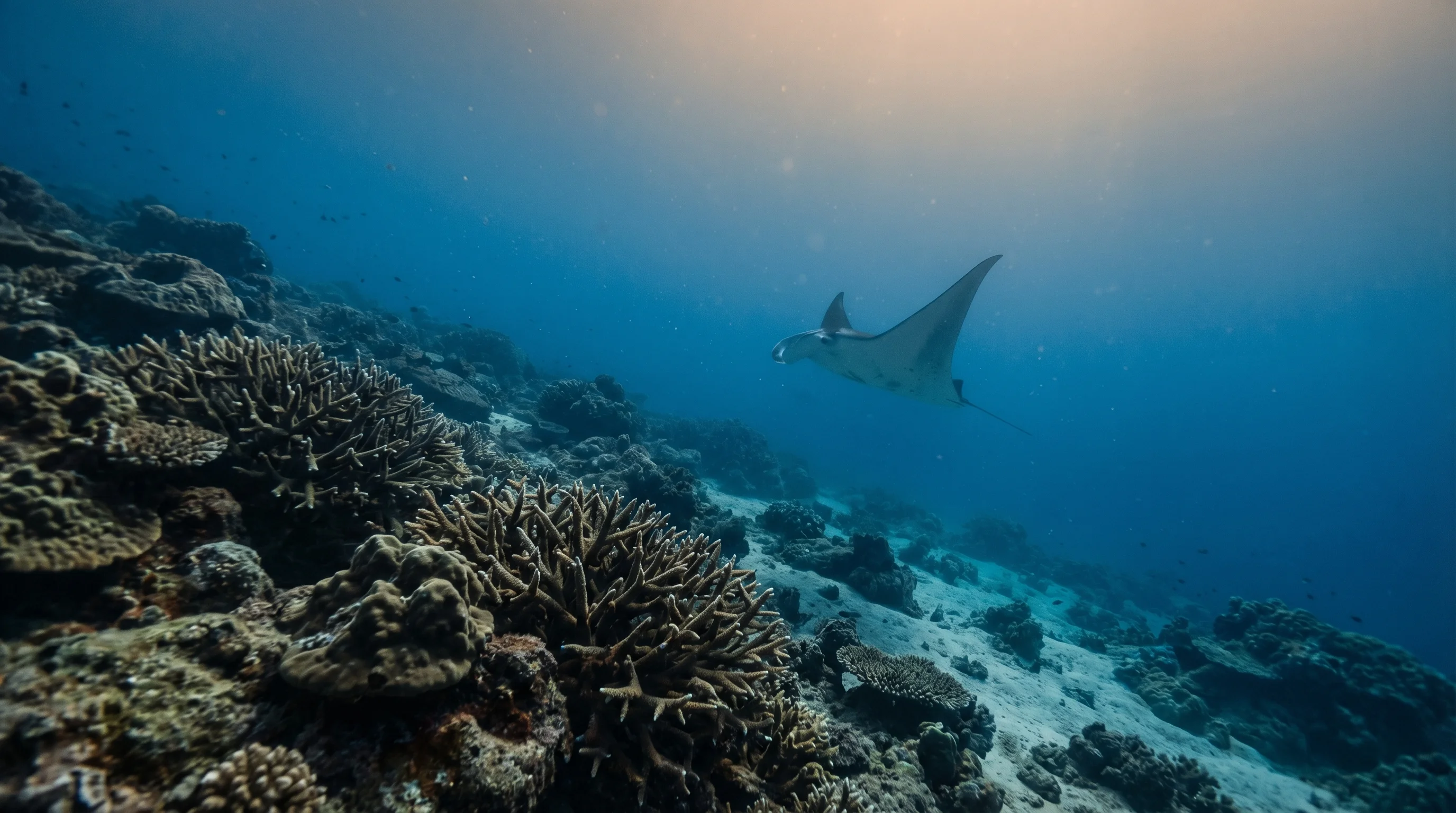
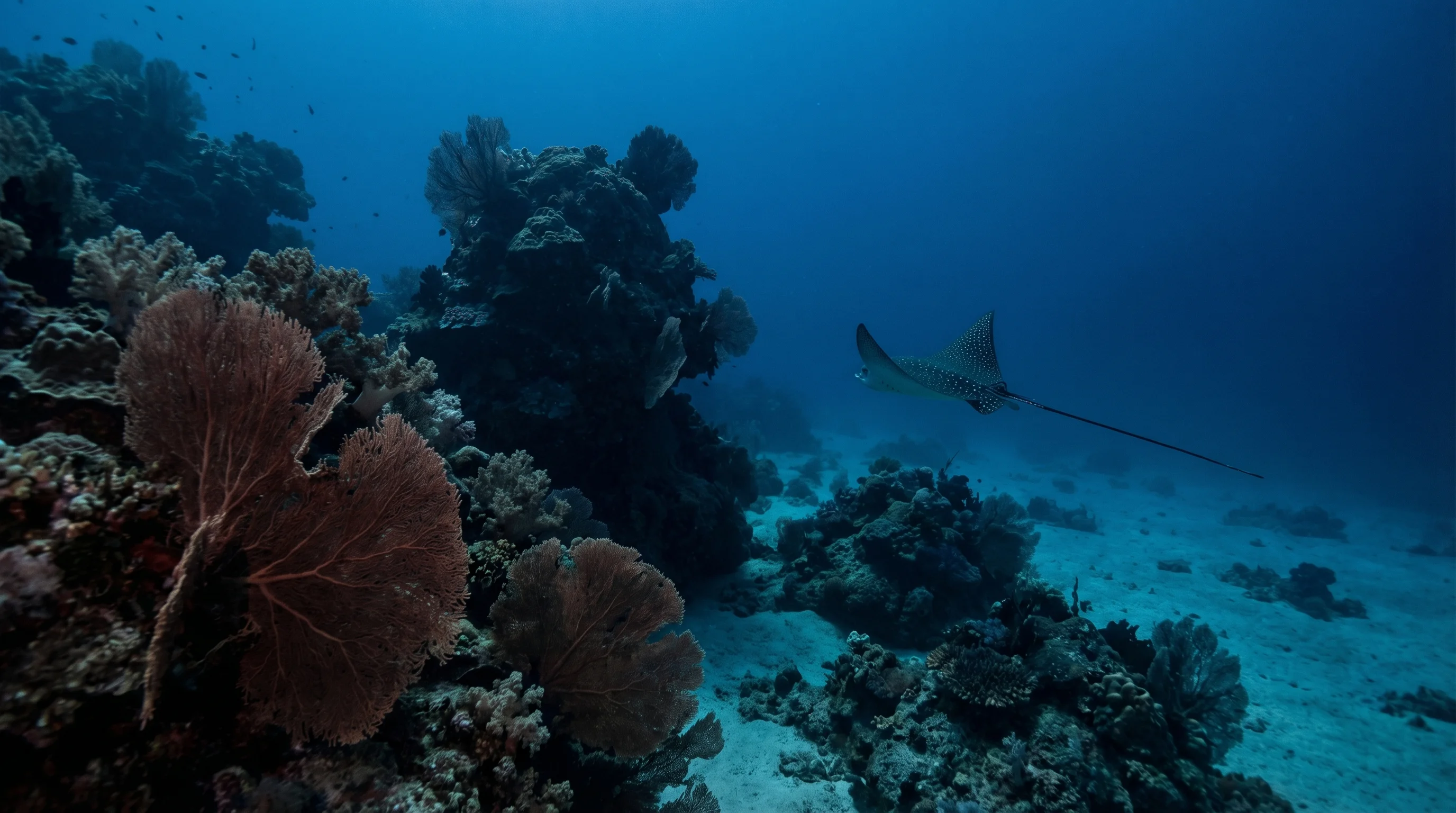
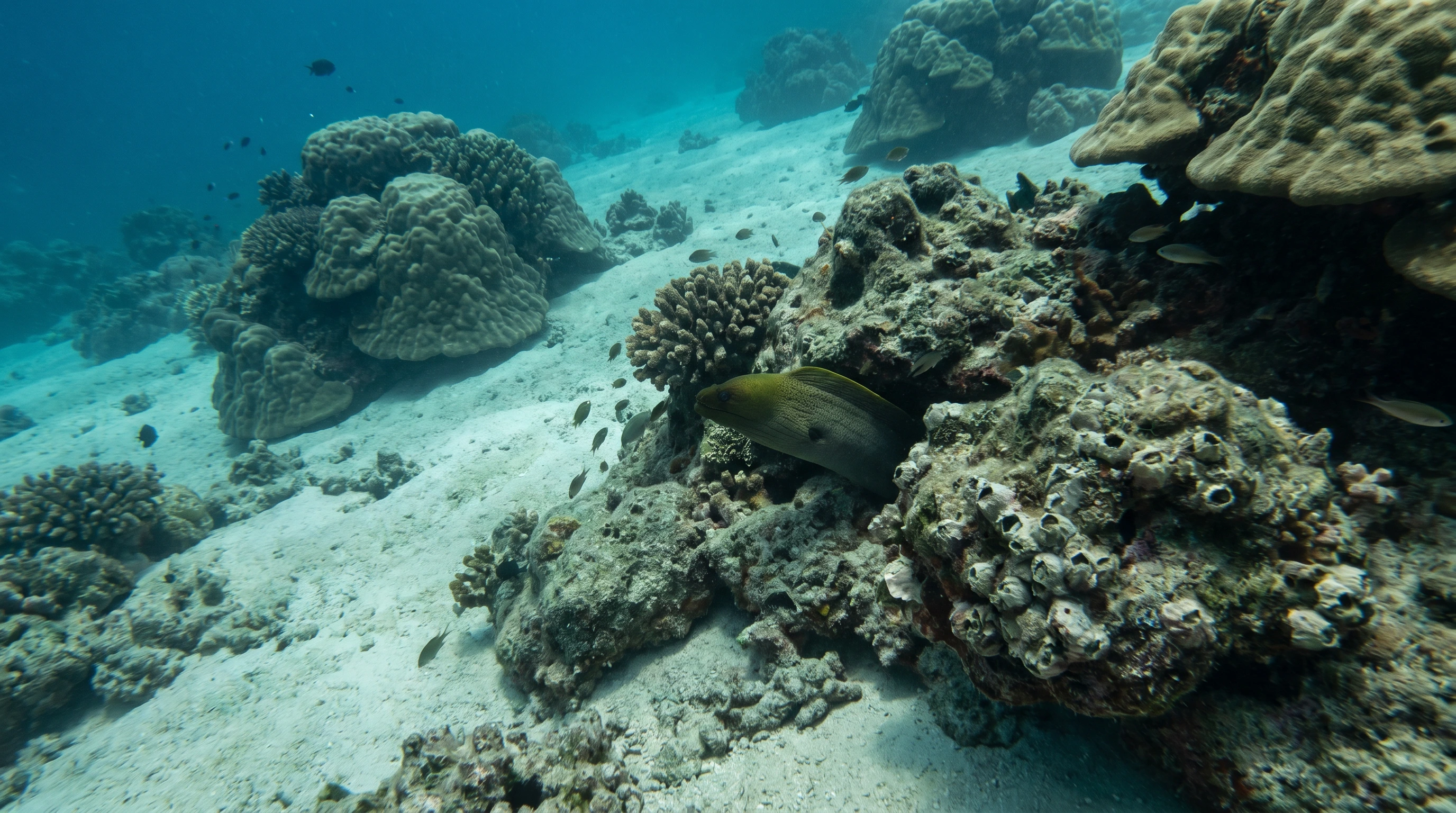
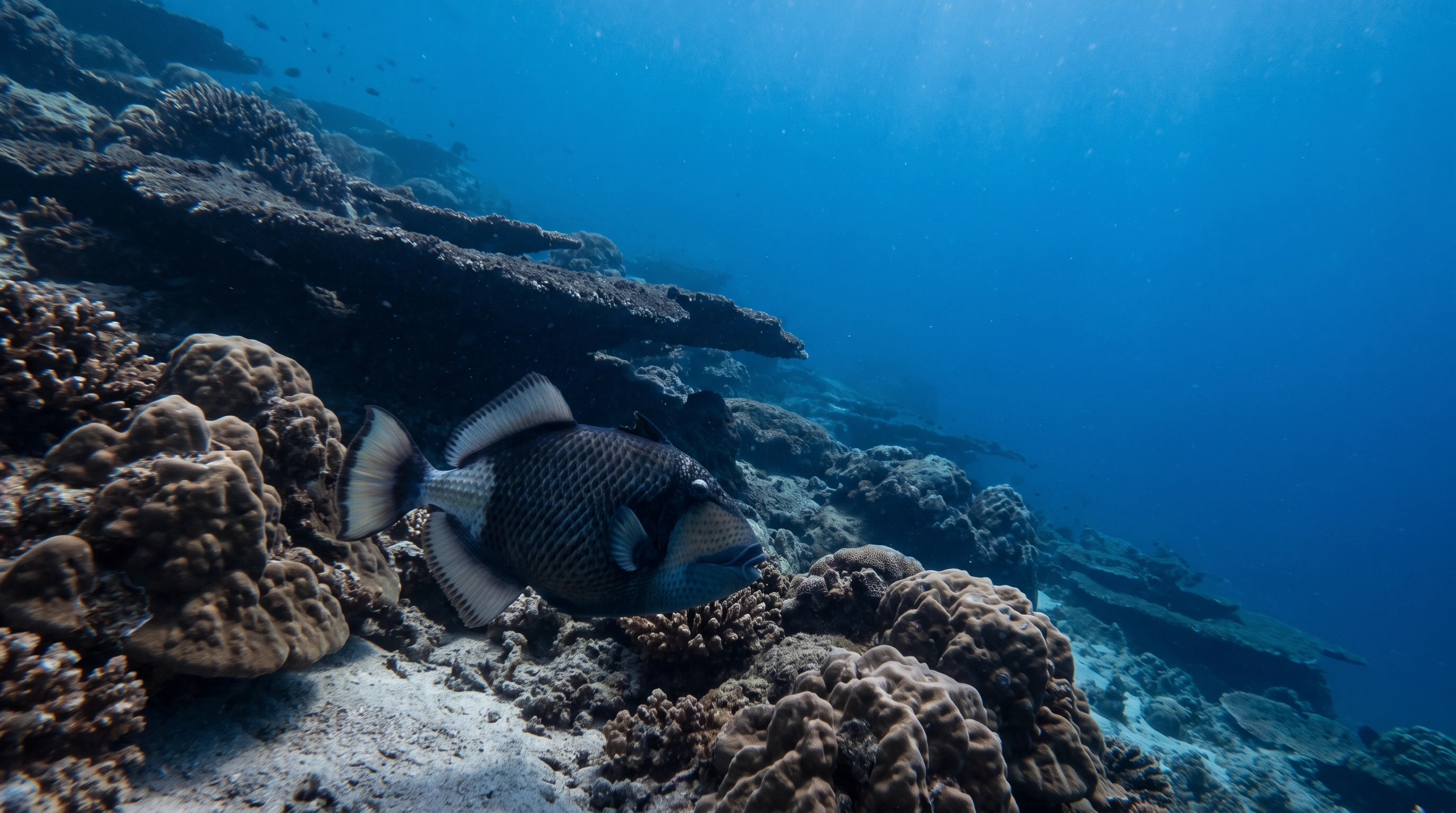
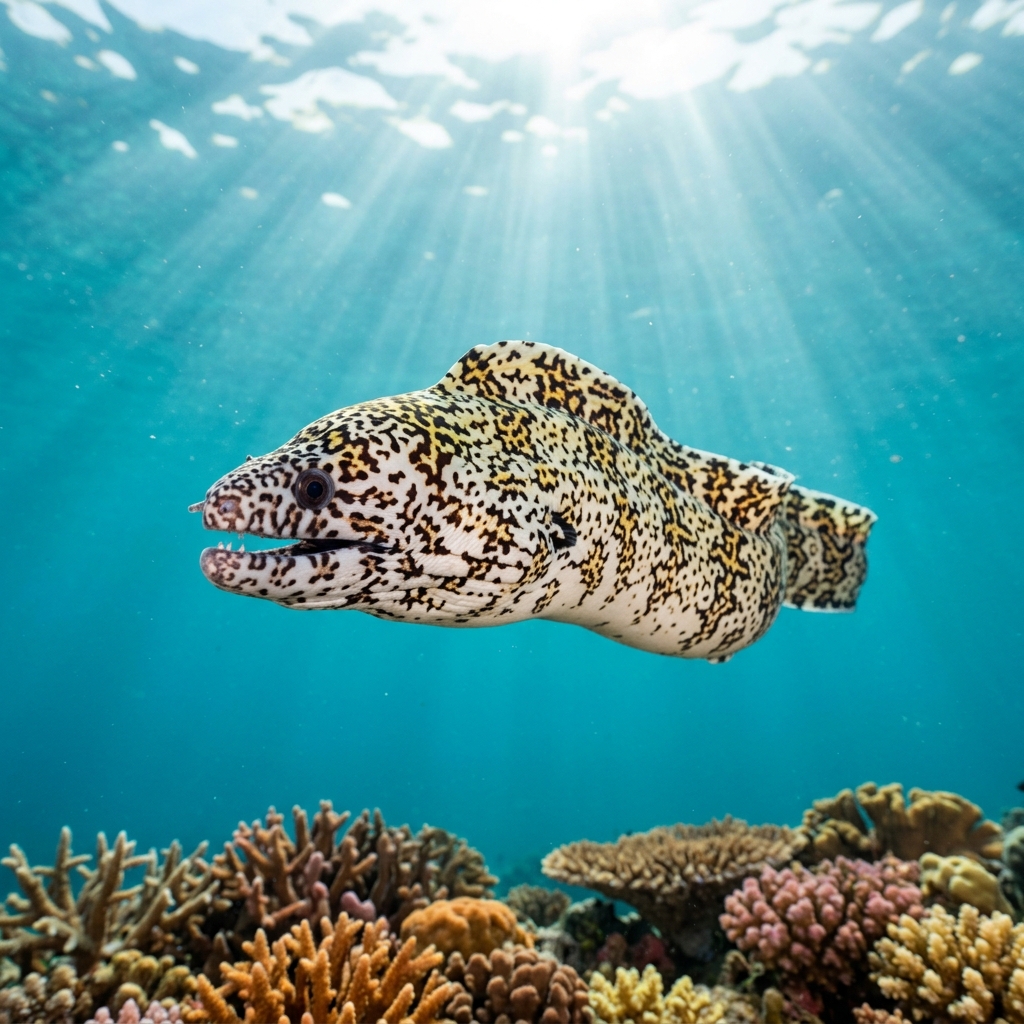
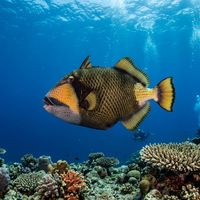
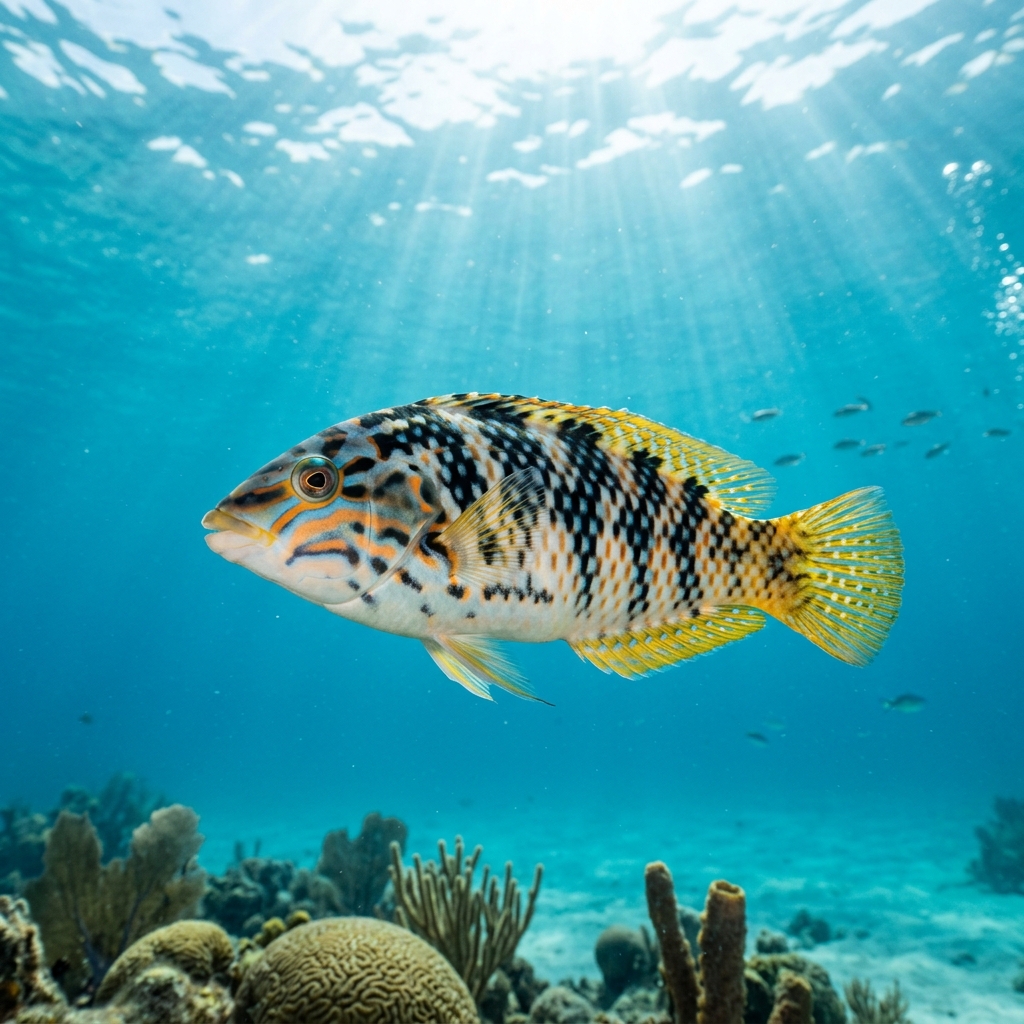
Observation-backed sightings include Whitetip Reef Shark, Peacock Mantis Shrimp, Spotfin Lionfish, Snowflake Moray, and Titan Triggerfish. Reef fish such as Moorish Idol, Blackback Butterflyfish, and Checkerboard Wrasse are recorded as very common across the sites. The site Manta Point is named for larger pelagic encounters, while Shark Point and its canyon structure attract sharks.
A good proportion of the sites are rated beginner level, including Coral Arks, Shallow Turbo, Biorock, and Manta Point. These offer shallow entry points and calm enough conditions for those early in their diving career. Boat access is required for most sites, but Biorock and Shallow Turbo can also be reached from shore.
Most sites require boat access, which the island's many operators arrange as part of guided dive trips. Coral Arks and Biorock both offer shore entry as an alternative. Operators including Dream Divers, Trawangan Dive, Gili Divers Biorock, and Buddha Dive are based on the island and run regular trips across the site range.
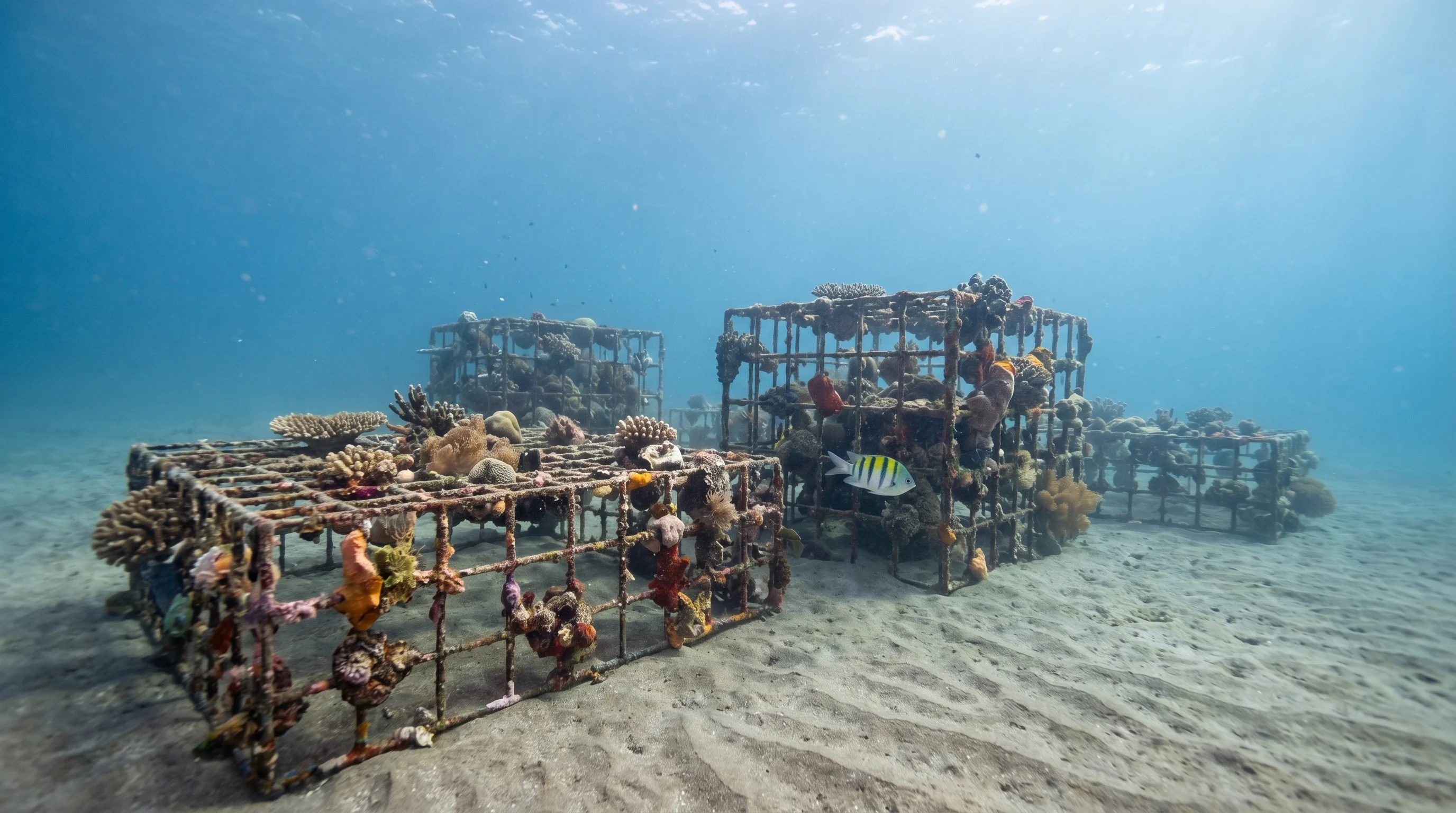
The Biorock project consists of many metal structures placed on the seabed and stimulated with a low-voltage electrical current to encourage coral growth, making it both a restoration effort and an active dive site. Shallow Turbo and Coral Arks also incorporate artificial biorock elements alongside natural reef. These sites carry a strong species list and are accessible to beginners, making them a practical first dive for visitors.