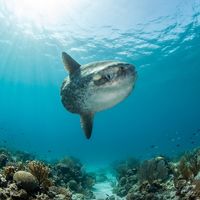
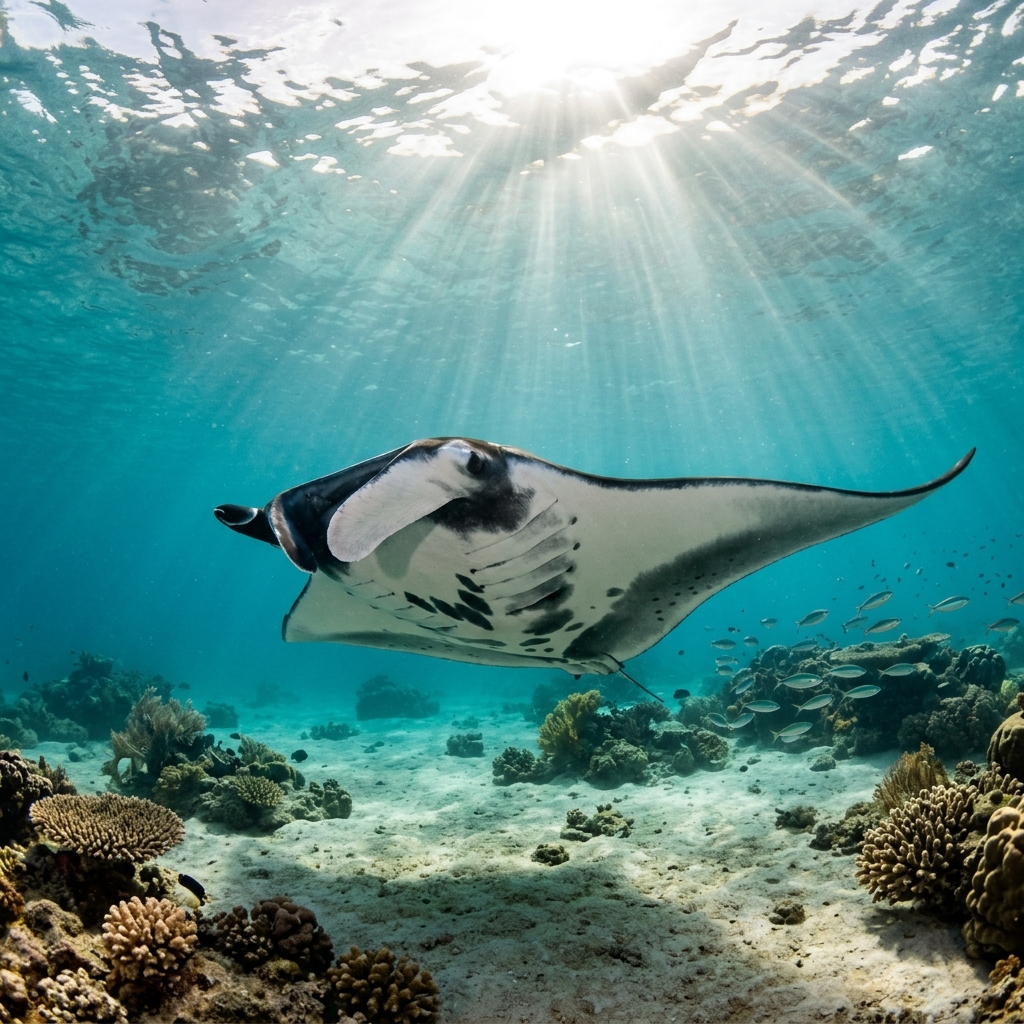
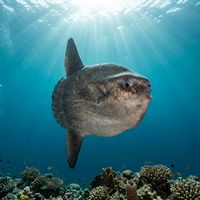
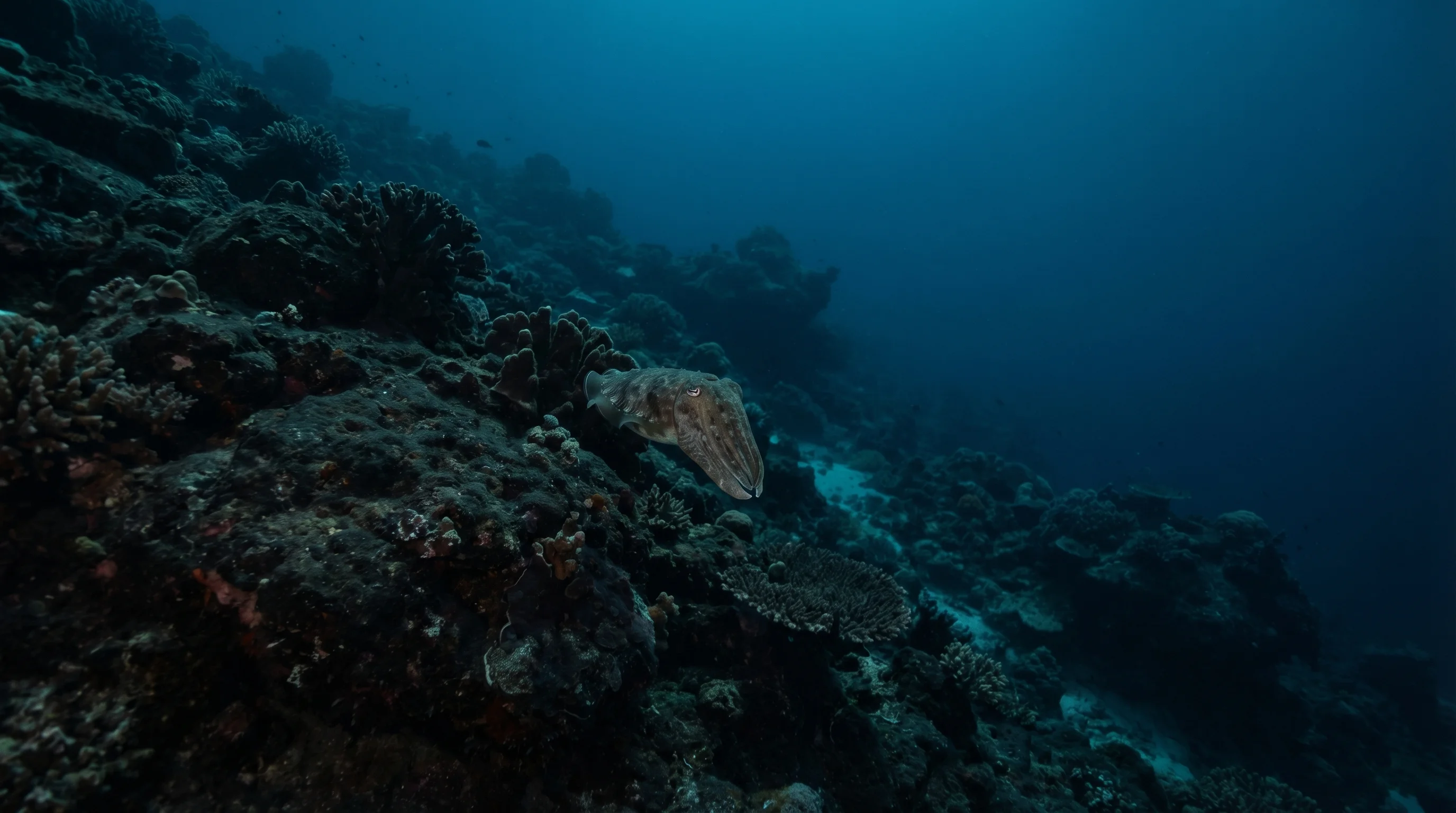
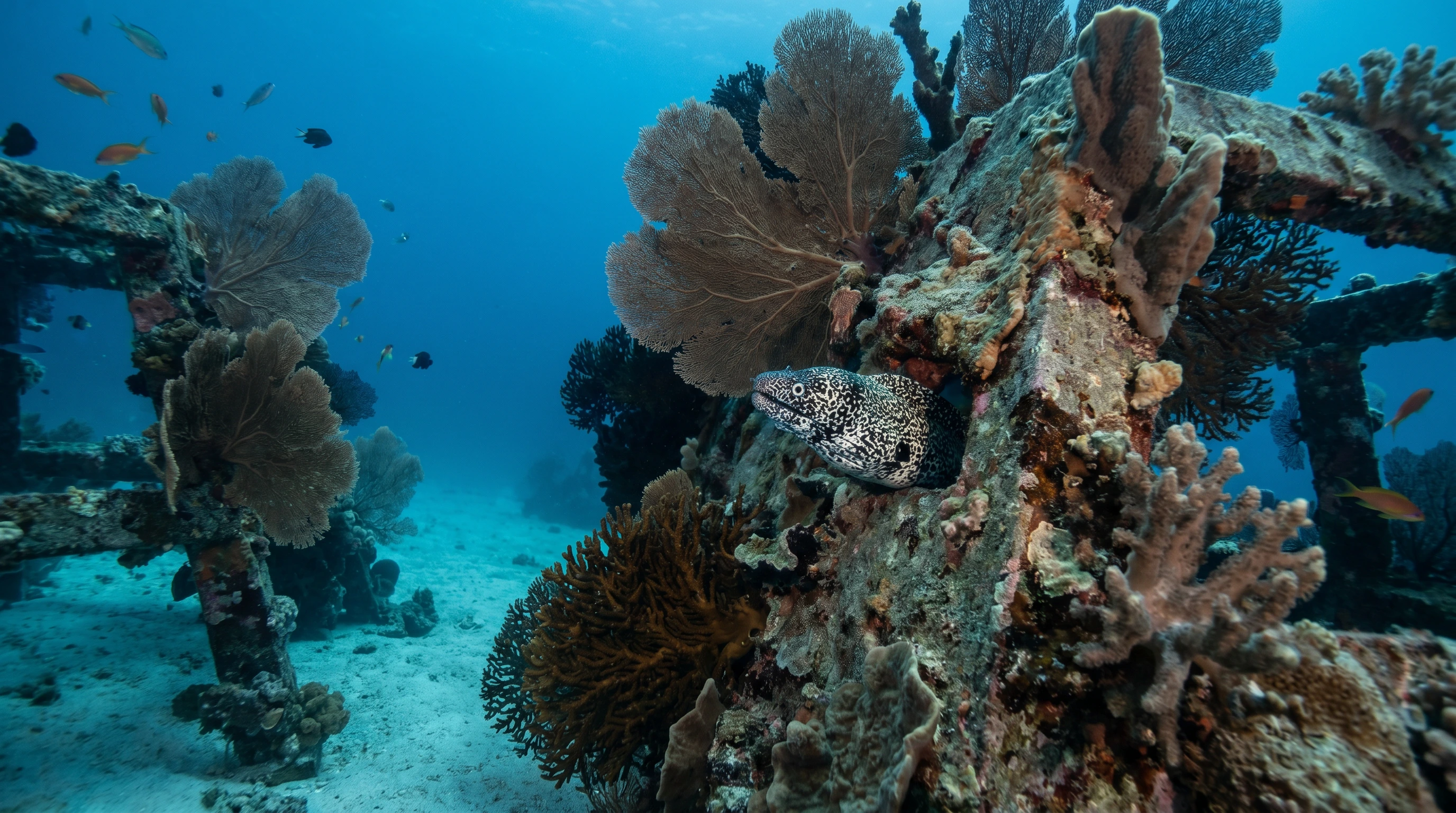
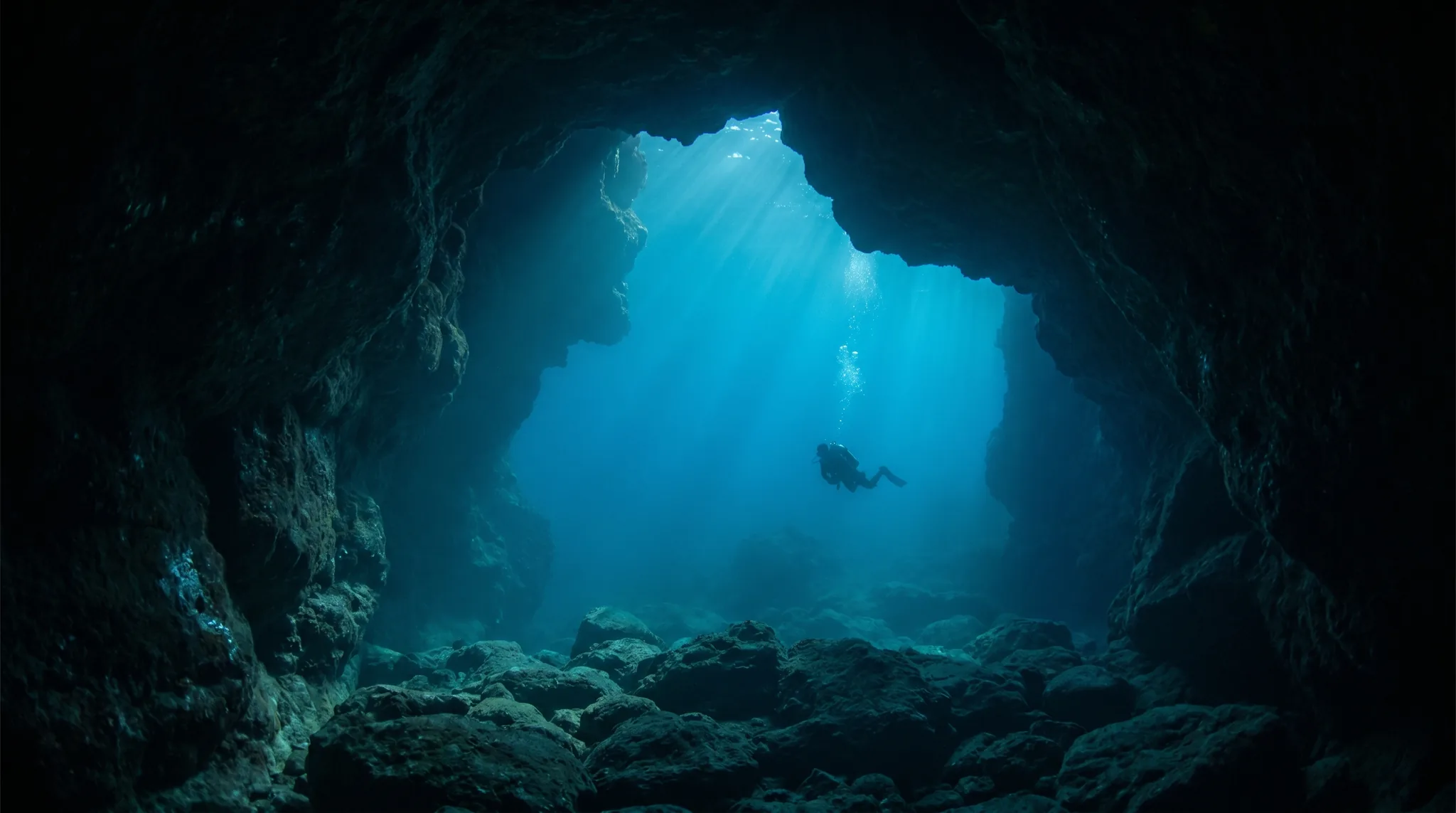
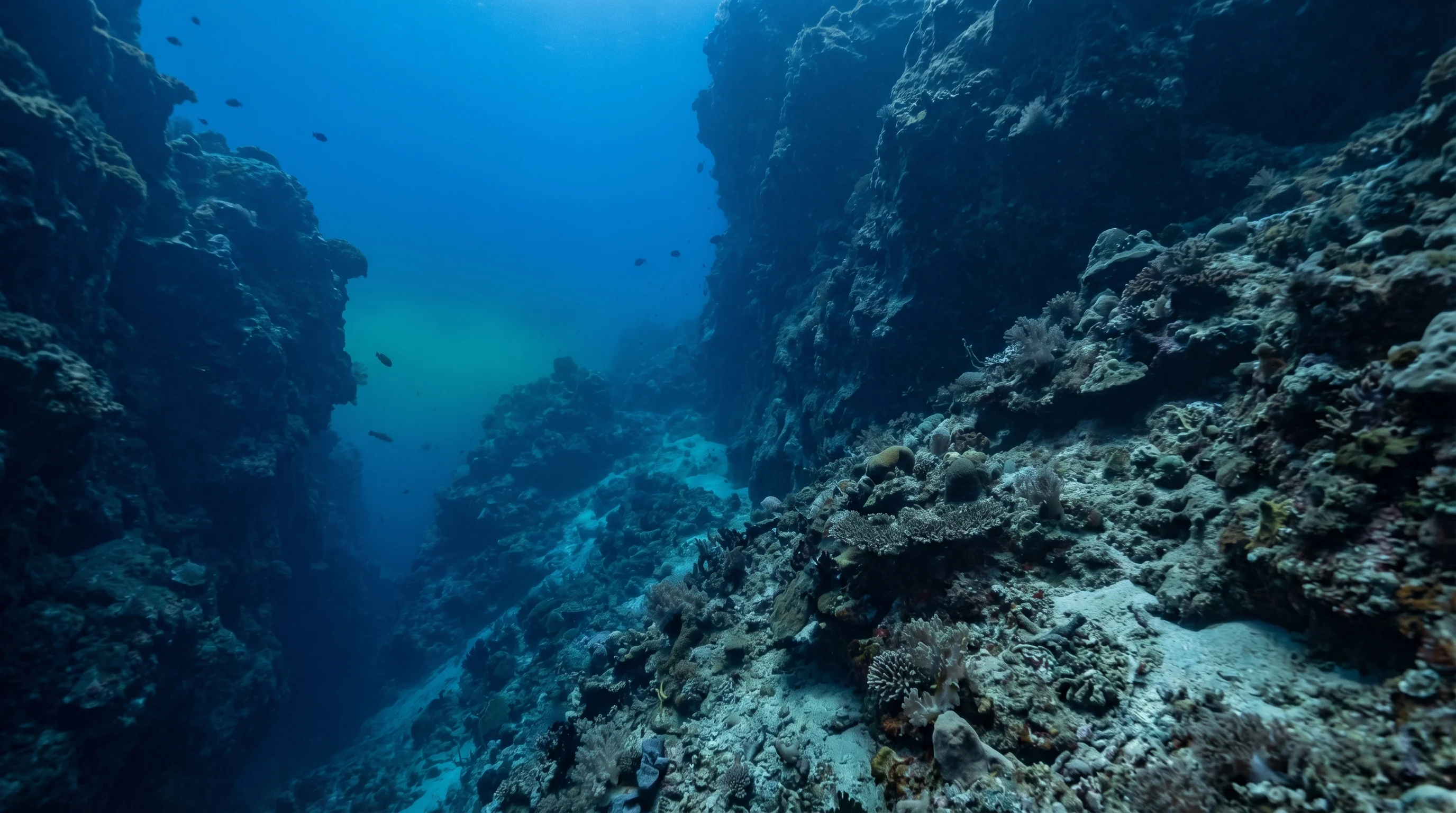
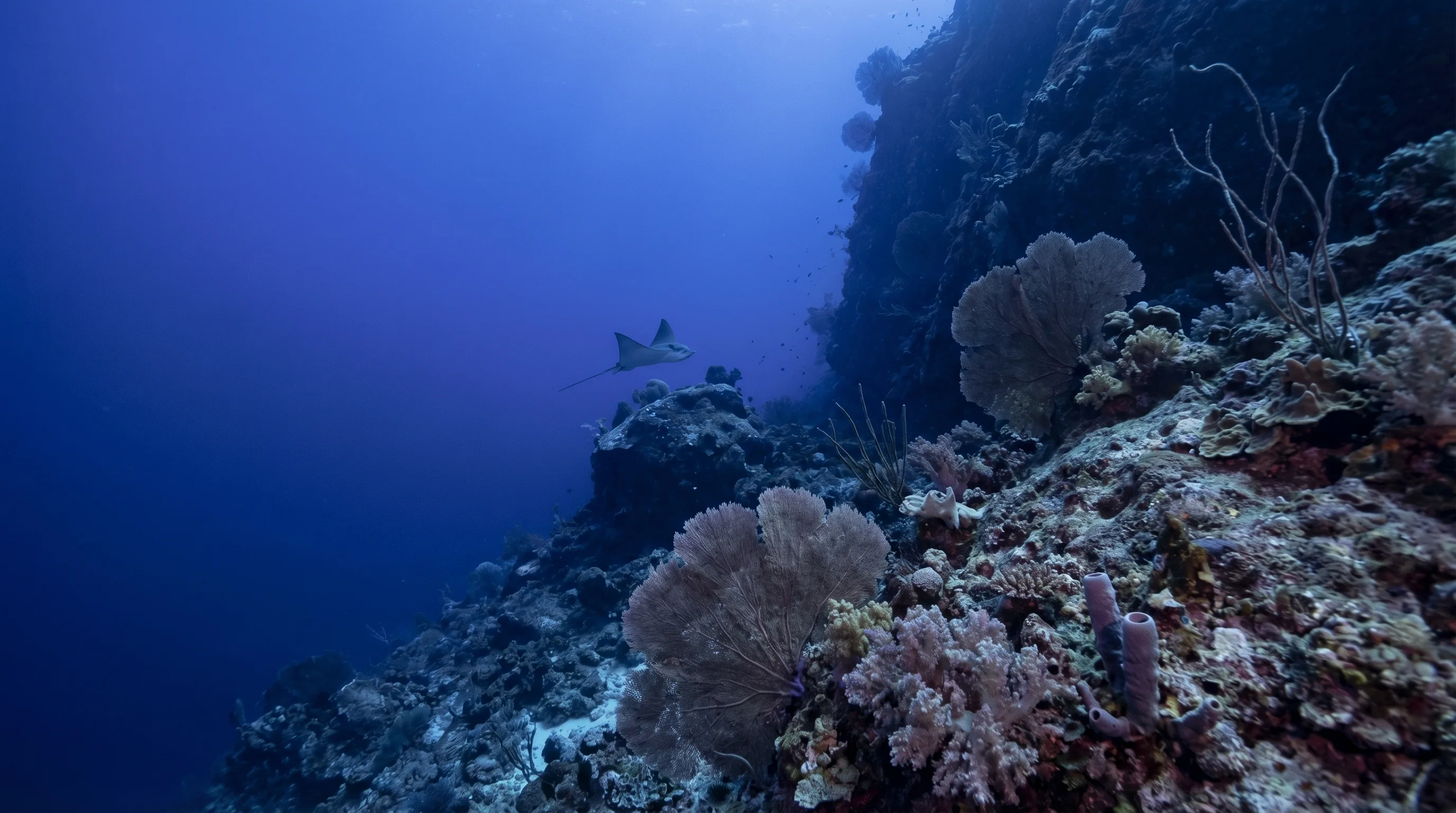
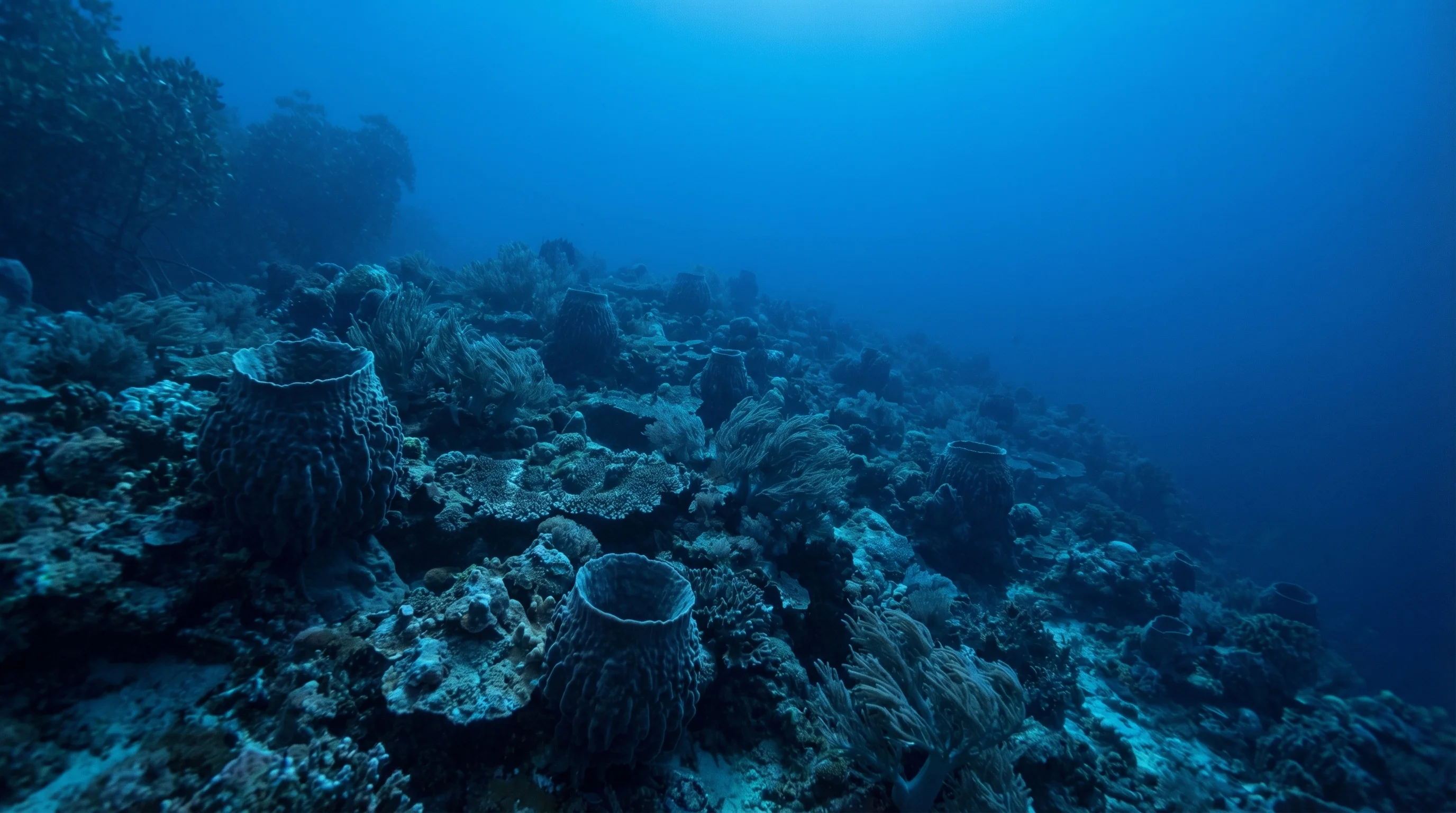
Nusa Lembongan and Ceningan deliver drift diving as their defining character, with strong currents pushing divers through reef slopes, canyon passages, and walls at sites like Canyons, Blue Corner, and Ental Point. Skill levels range from the sheltered shallows of Lenbongan Bay, suited to beginners, through to challenging advanced walls. The marine life list is broad: Reef Manta Ray, Bumphead Sunfish, and Ocean Sunfish appear alongside a remarkable variety of nudibranchs and resident reef fish. Visibility and conditions peak from April through October.
Monthly water temperature across Nusa Lembongan & Ceningan's sites, from satellite sea-surface data corrected for depth. The band shows the site-to-site spread.
Water stays warm across the year, dipping slightly during the middle months before rising again toward the early-year peak. The drier months from April through October bring the clearest visibility and the most consistent conditions for drift diving, making that period the preferred window. Currents can be strong regardless of season, so reading the tidal timing before each dive matters.
57 operators

Jungutbatu Kaja Dua, Indonesia

7 more sites to explore
Water temperature around Nusa Lembongan & Ceningan ranges from about 25°C in August to 29°C in February, based on satellite sea-temperature data for its dive sites.
In the warm season (about 29°C) a rash guard or 3mm shorty is comfortable in Nusa Lembongan & Ceningan; in the coldest months (about 25°C) step up to a 3mm full suit.
Fin maps 13 sites in Nusa Lembongan & Ceningan (12 scuba diving sites and 5 snorkelling spots, with some suited to both).
Across Nusa Lembongan & Ceningan's dive sites, April, June, July, August, September and October are most often reported as the best months to visit.
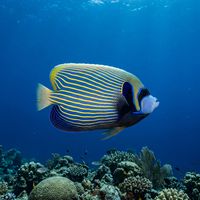
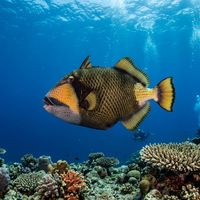
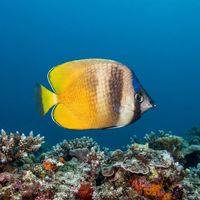
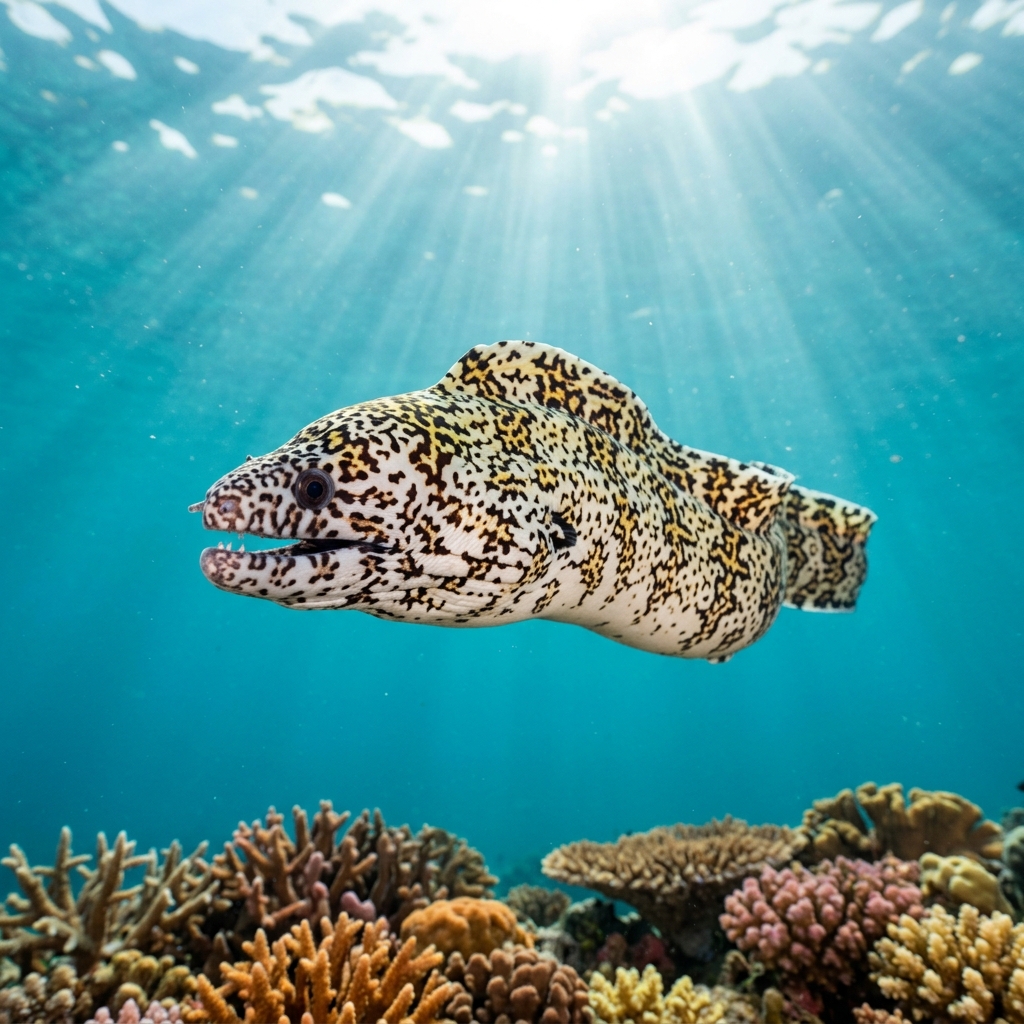
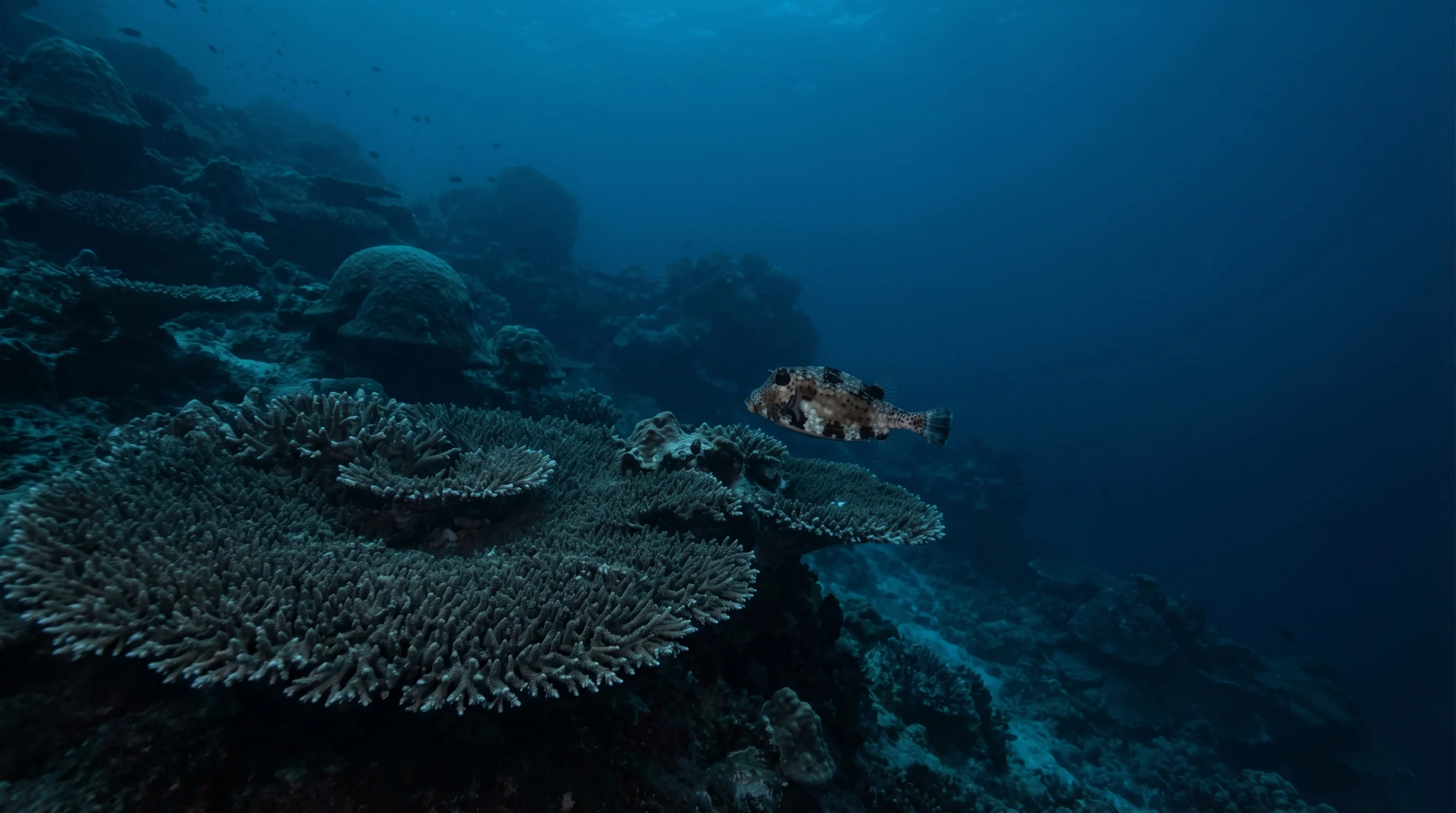
The area has observation-backed records of Reef Manta Ray, Bumphead Sunfish, and Ocean Sunfish, all of which are considered signature species here. Titan Triggerfish is very commonly encountered across the reef sites, and Emperor Angelfish appears with high regularity. Sightings of the larger pelagic visitors tend to be more reliable during the clearer-water months from April through October.
Some sites cater well to beginners, particularly Lenbongan Bay, which offers a shallow reef with mild currents, and Mangrove Point, which starts very shallow and has a gentle slope. However, many of the area's best-known sites, including Blue Corner and Ental Point, are rated advanced due to strong drift conditions and significant depth. A local operator can match you to the right site based on your certification and experience.
All listed dive sites are accessed by boat. The area has a large number of dive operators, including Blue Corner Dive, S.E.A. Diving Bali, French Kiss Divers, and Bali Diving Academy, among many others. Operators handle boat logistics and current-timing decisions, which is particularly important at drift sites where entry and exit timing is critical.
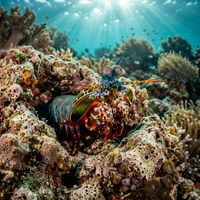
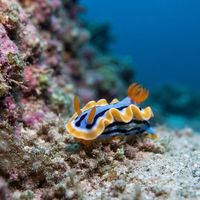
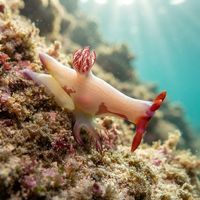
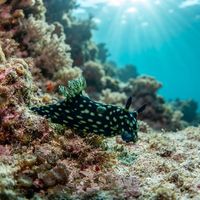
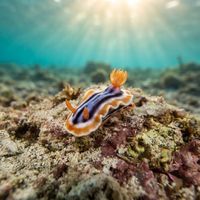
The reef sites here have consistently produced sightings of multiple nudibranch species, including Anna's Chromodoris, Chamberlain's Nembrotha, Crested Nembrotha, and Magnificent Chromodoris, all observation-backed. Macro hunters also find Peacock Mantis Shrimp and Ribbon Eel at various sites. The diversity of small, colourful reef life complements the area's reputation for larger pelagic encounters.