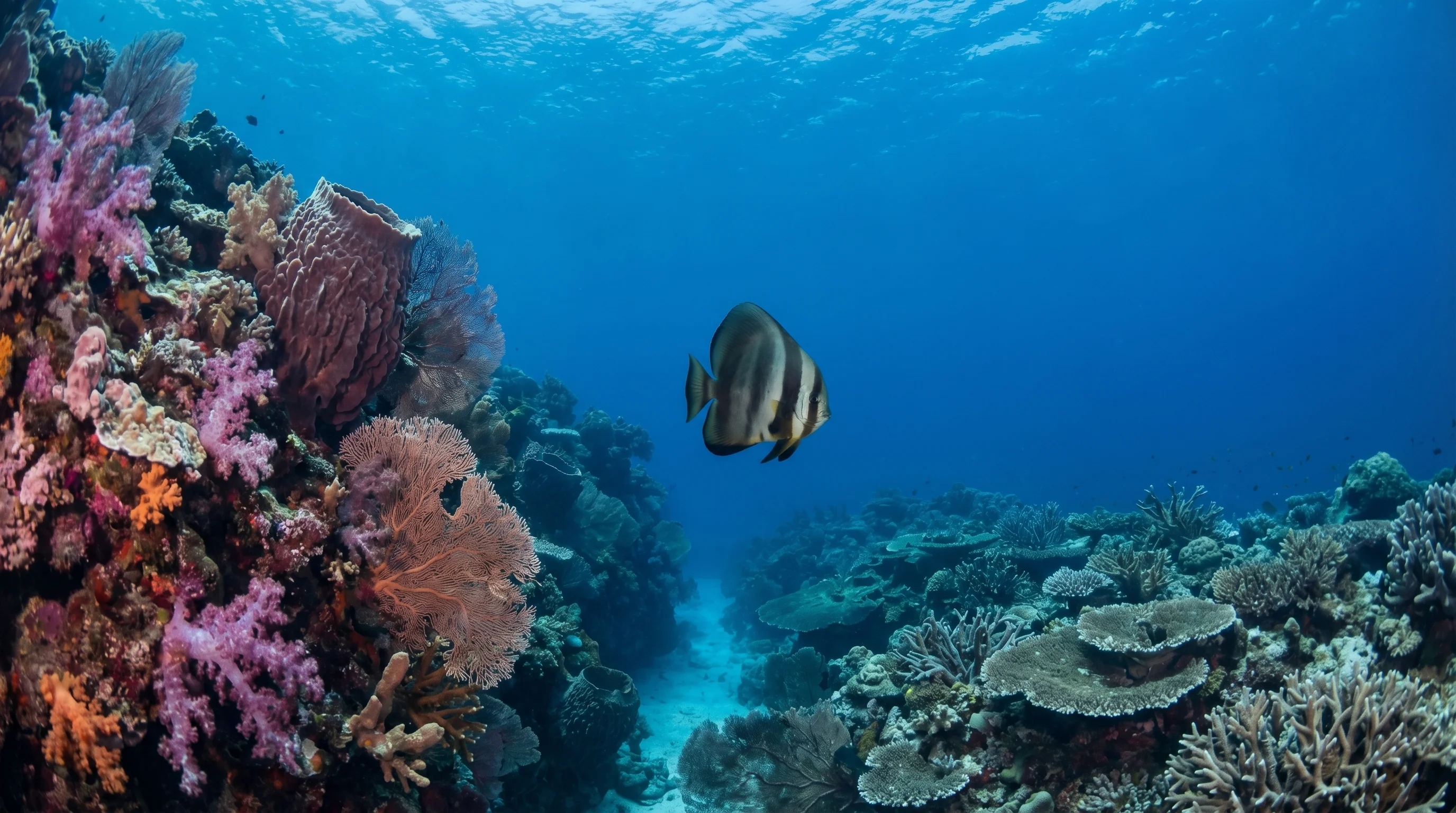
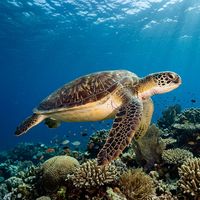
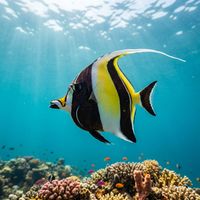
Lombok and the Gili Islands span a wide range of site types, from shallow artificial reefs and muck slopes to deep walls, drift channels and a wreck reserved for advanced divers. The Gili Islands sub-area concentrates many of the most accessible sites, including shore entries suitable for beginners. Currents define the experience across much of the region, making drift diving a recurring theme. The Spotfin Lionfish, Moorish Idol and Green Sea Turtle are consistently encountered, while signature species such as the Peacock Mantis Shrimp and Mandarinfish reward patient searching.
1 areas
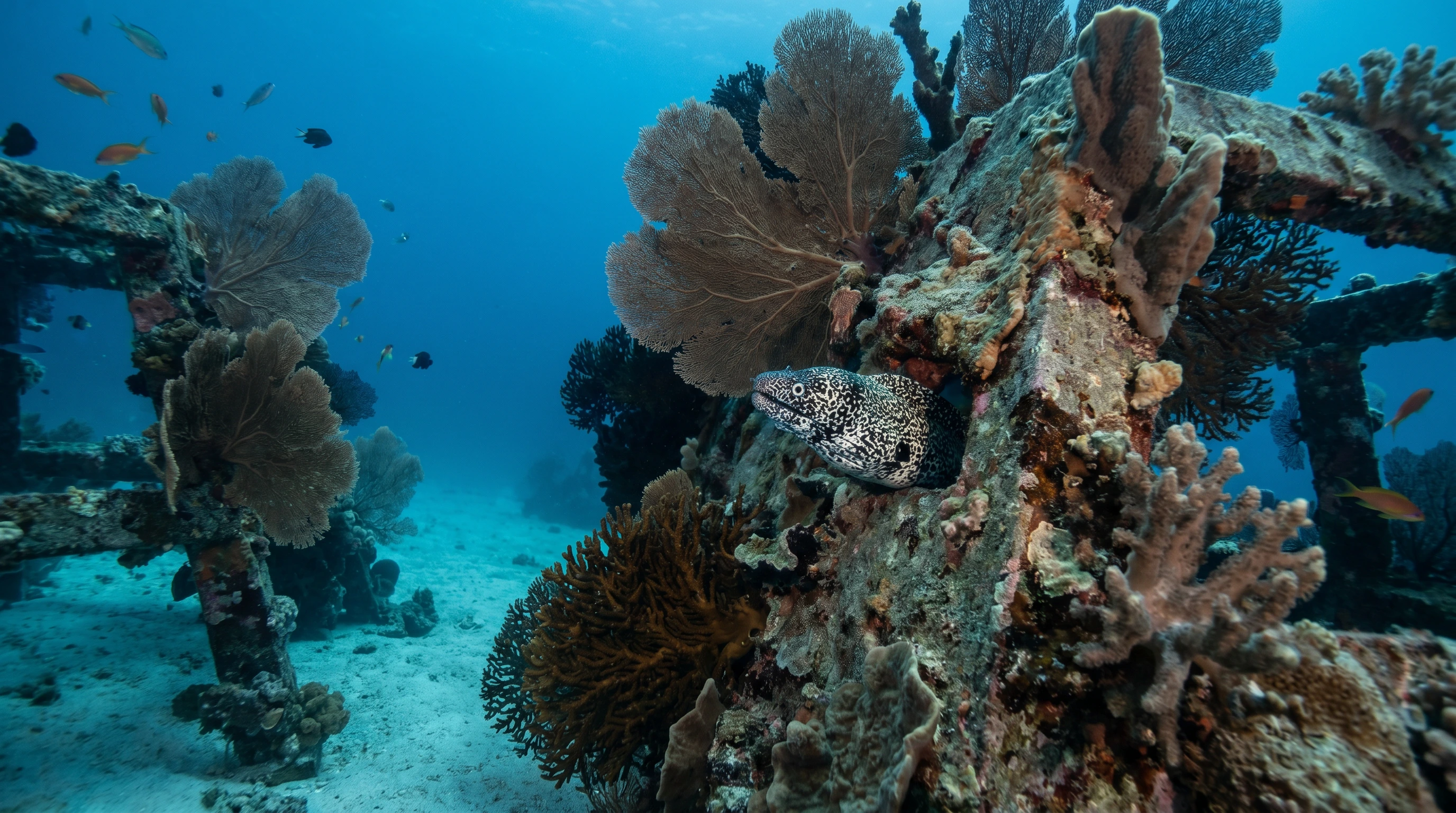
Monthly water temperature across Lombok & Gili Islands's sites, from satellite sea-surface data corrected for depth. The band shows the site-to-site spread.
Water temperature stays warm throughout the year, with a slight dip during the middle months of the year around July through September. Diver-reported conditions peak strongly in October and again in April through May, suggesting these shoulder periods offer the clearest and most settled water. Currents can run hard at exposed sites, so many dives are planned around tidal timing.

81 operators



73 more sites to explore
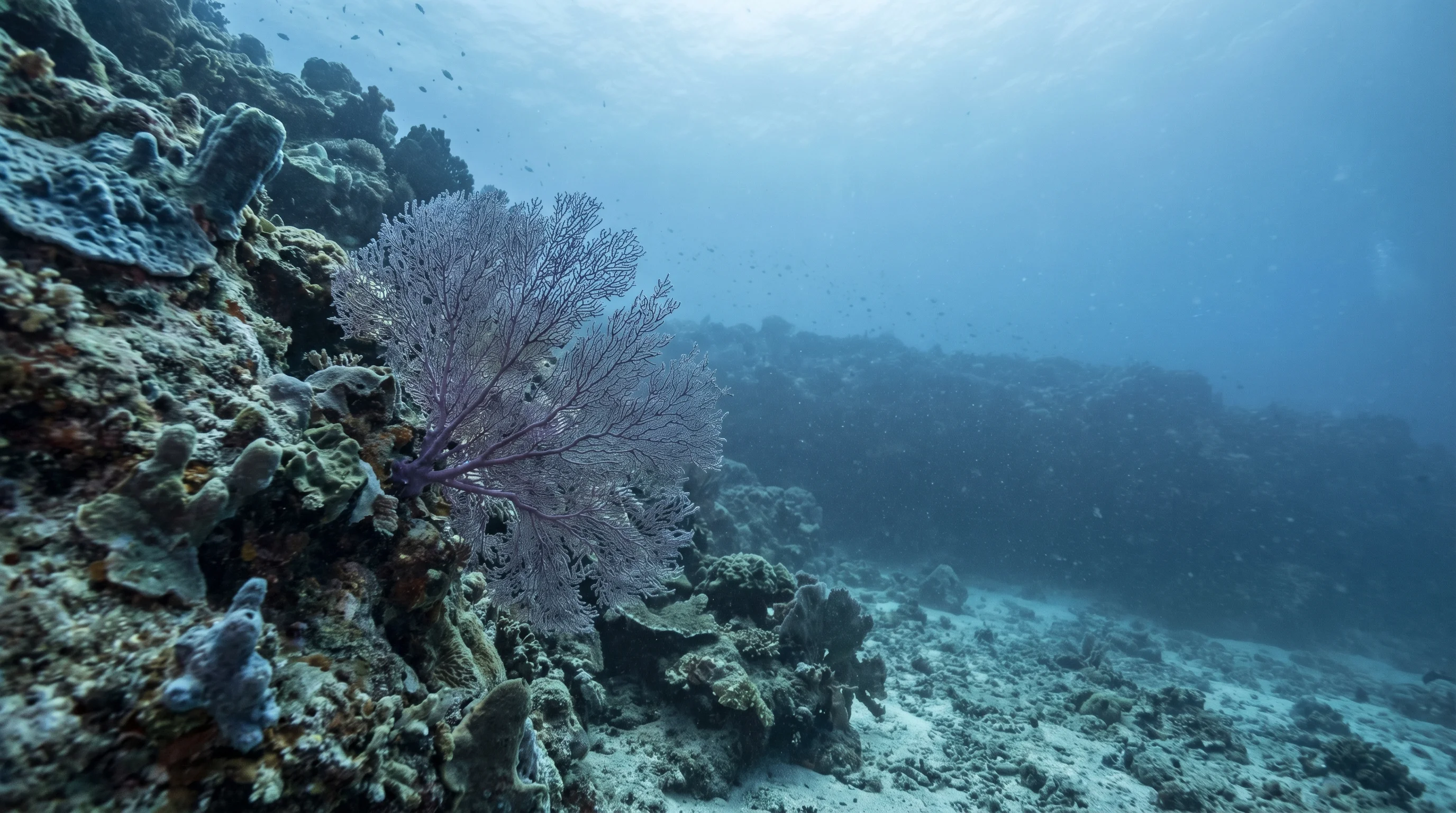
Three islands, one remarkable dive destination: natural reefs, artificial structures, drift diving, and regular Green Sea Turtle encounters across sites for all levels.
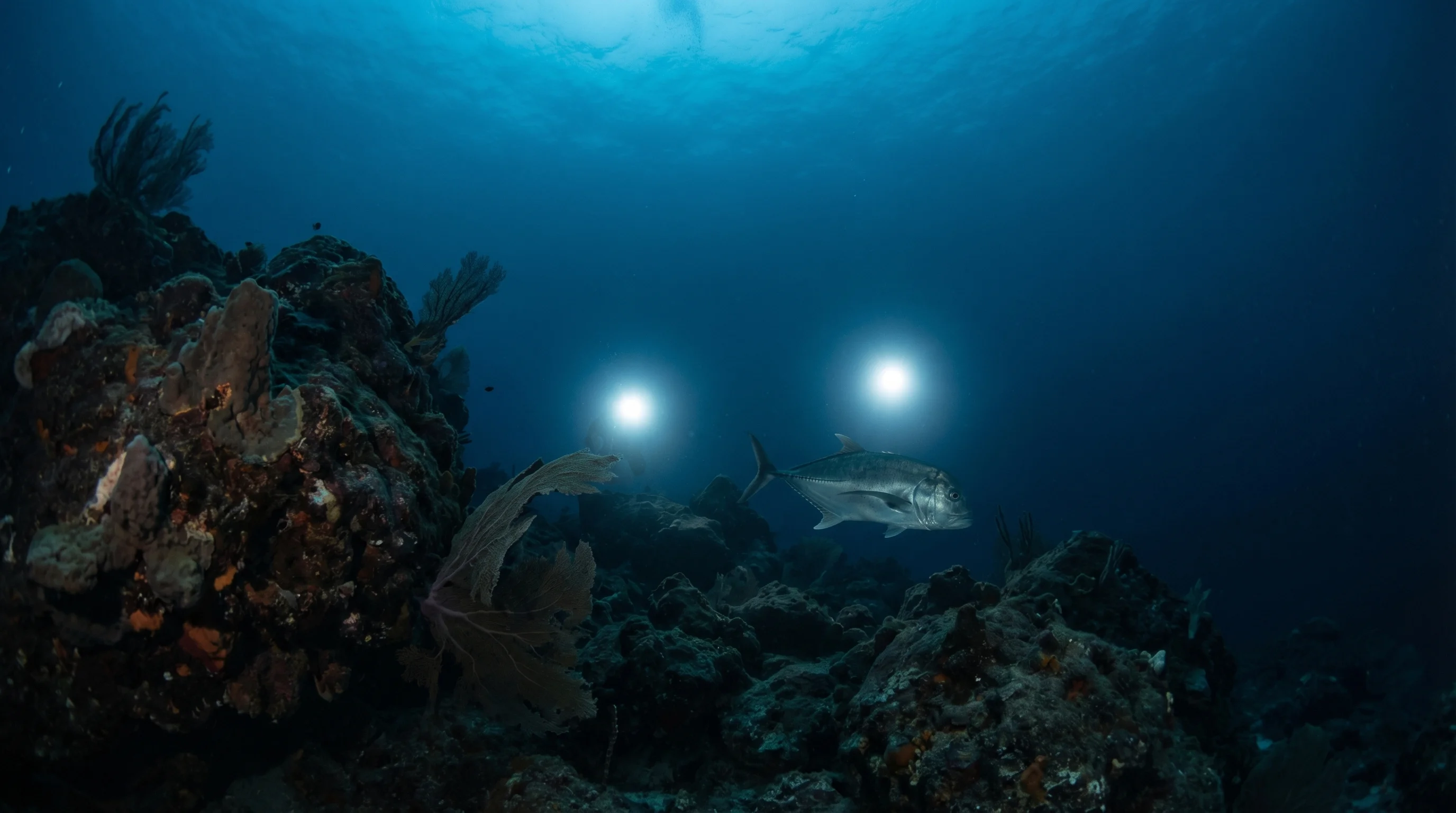

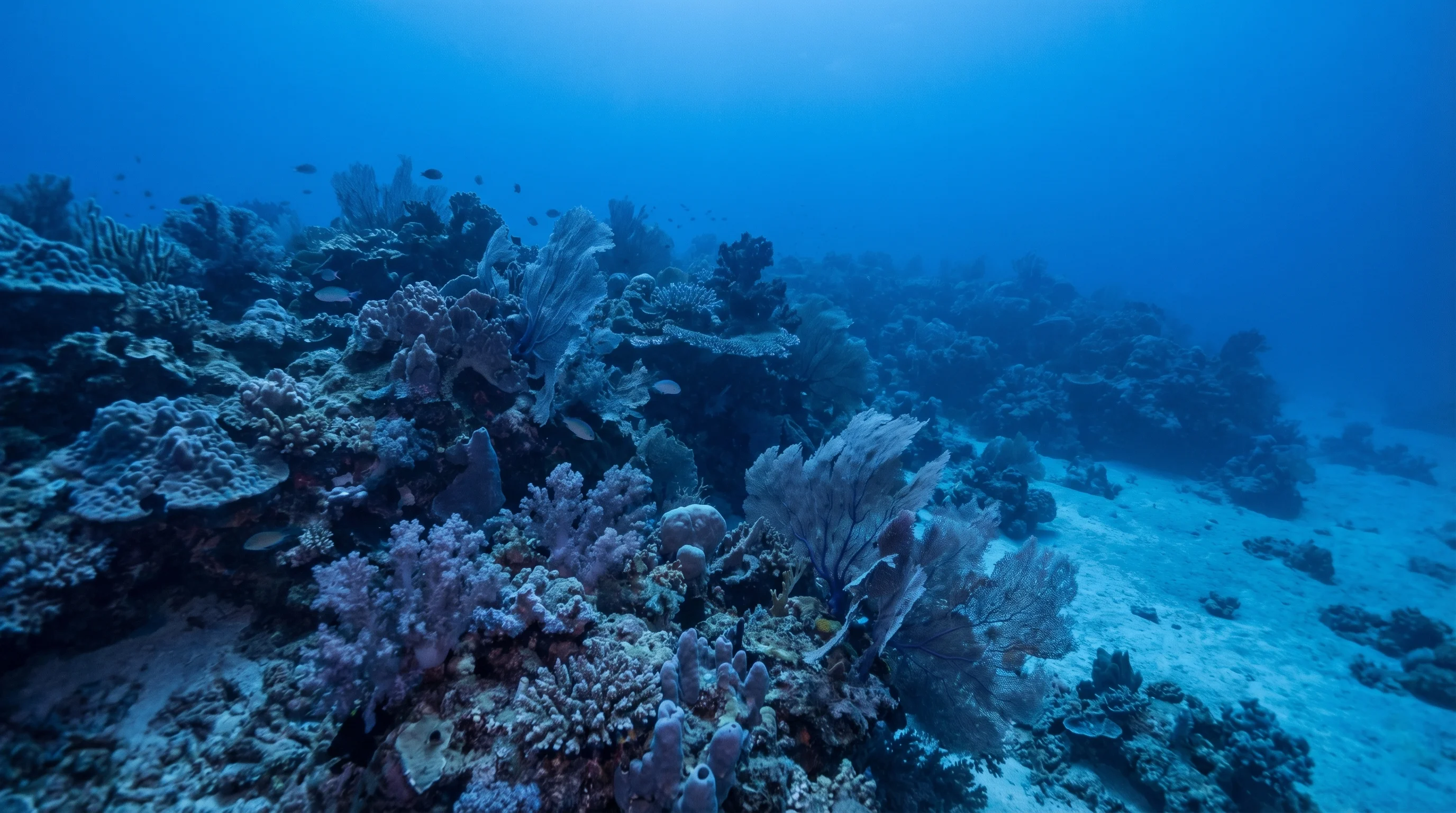
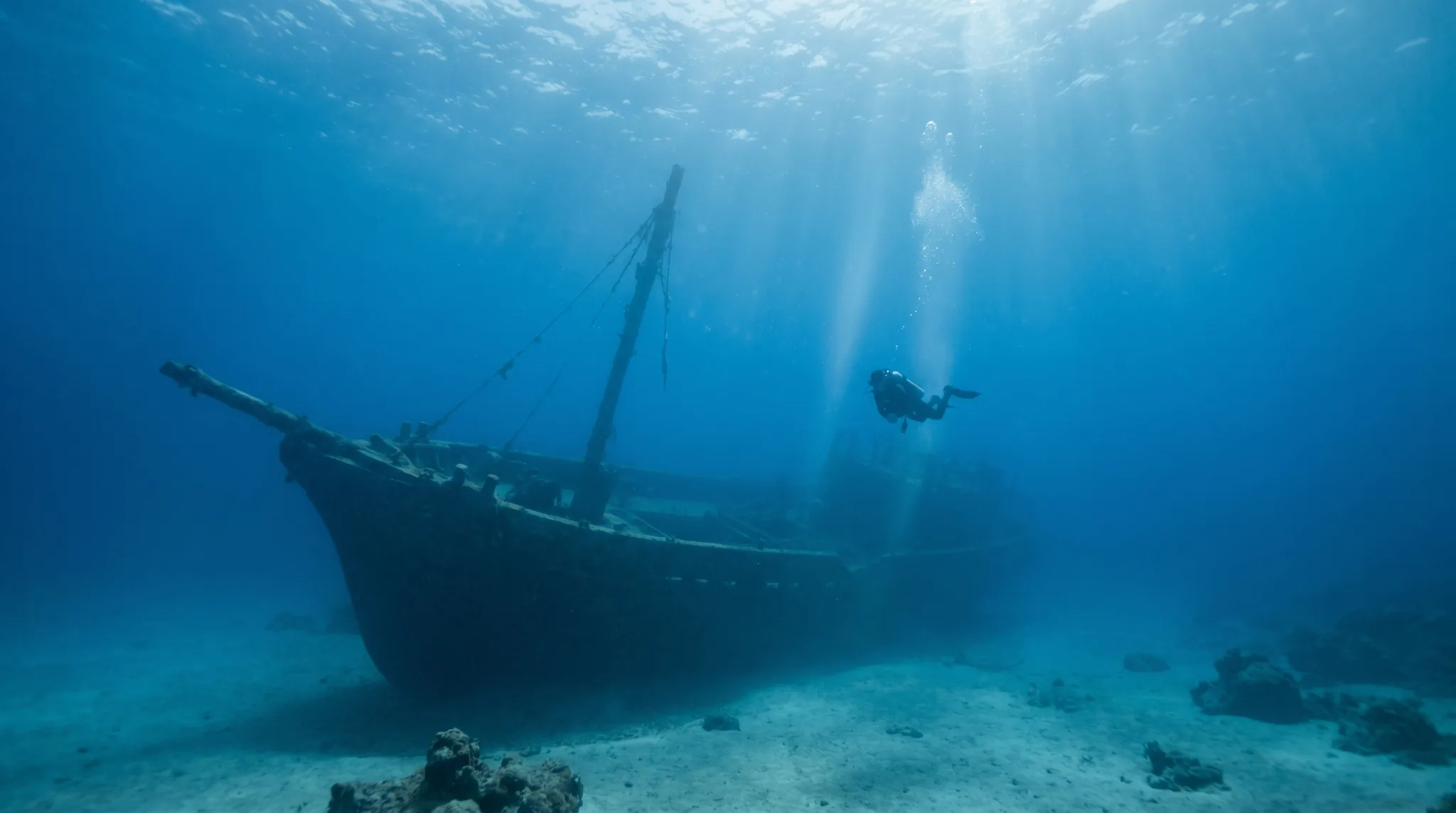
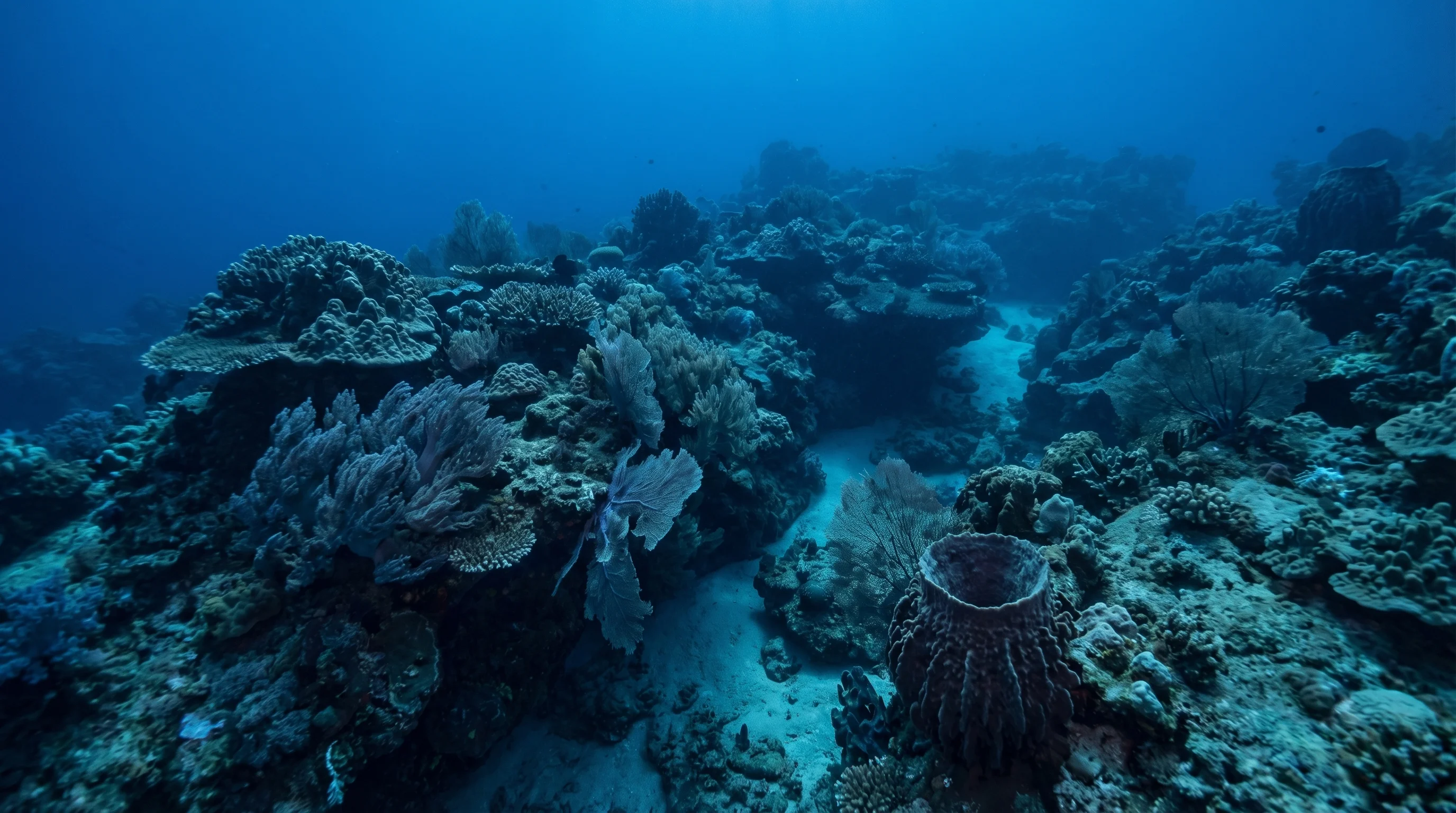
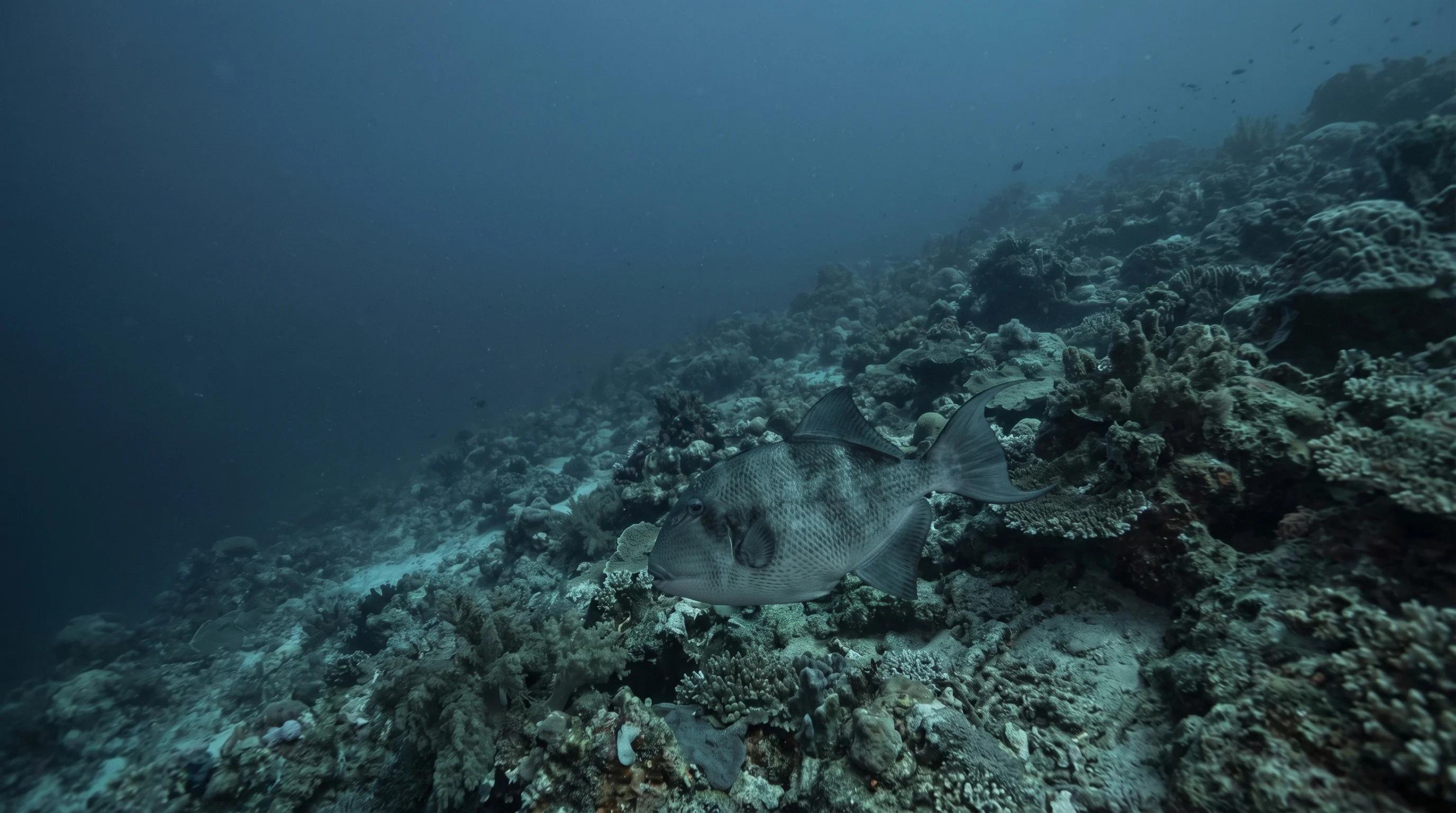
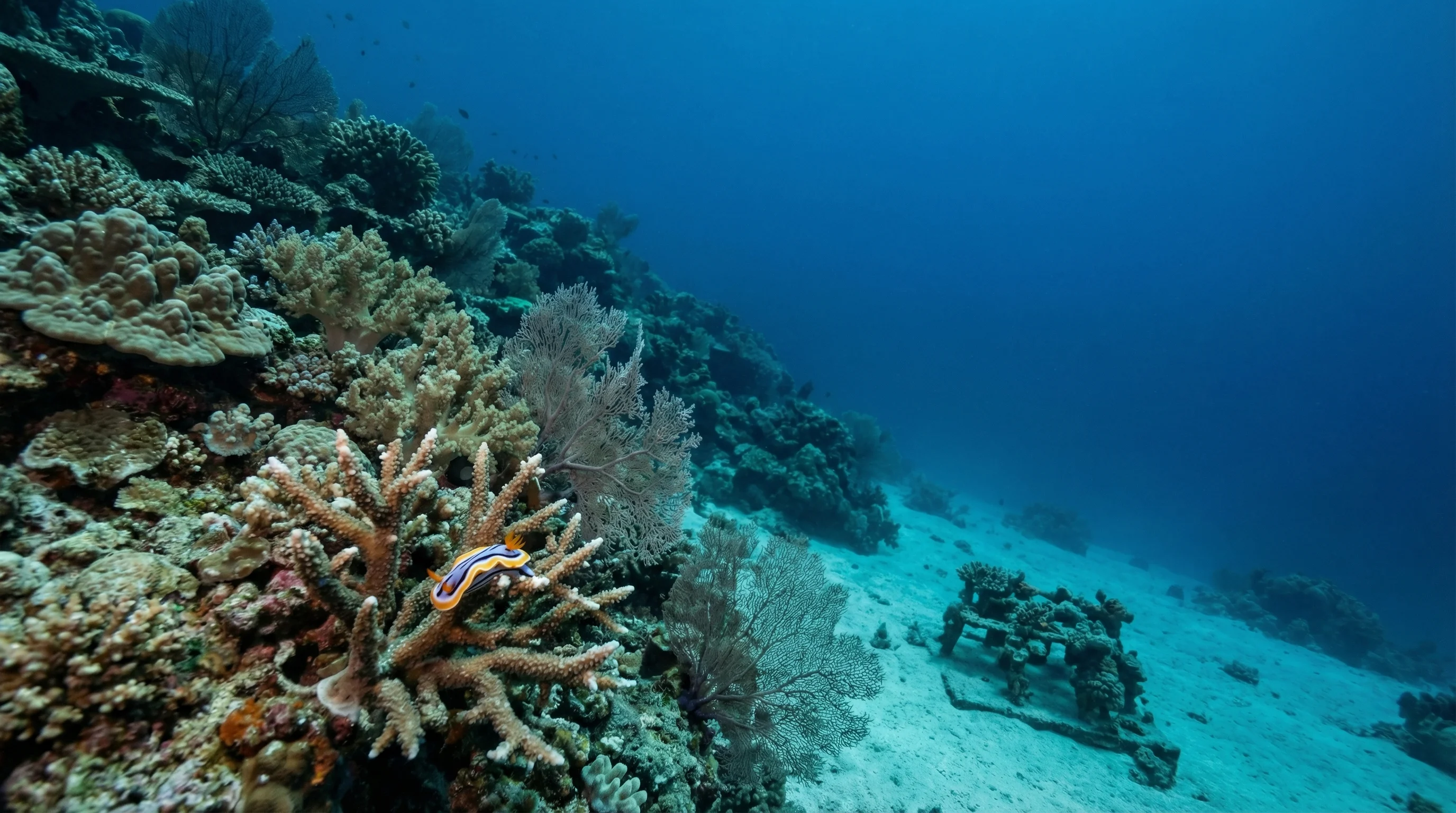
Water temperature around Lombok & Gili Islands ranges from about 27°C in July to 29°C in February, based on satellite sea-temperature data for its dive sites.
With water around 27–29°C, a rash guard or 3mm shorty works in Lombok & Gili Islands year-round.
Fin maps 85 sites in Lombok & Gili Islands (78 scuba diving sites and 18 snorkelling spots, with some suited to both).
Across Lombok & Gili Islands's dive sites, April, May, September and October are most often reported as the best months to visit.
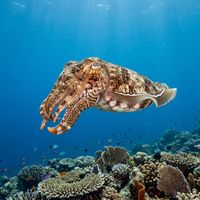
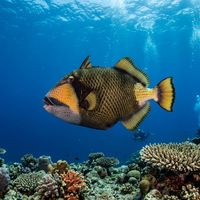
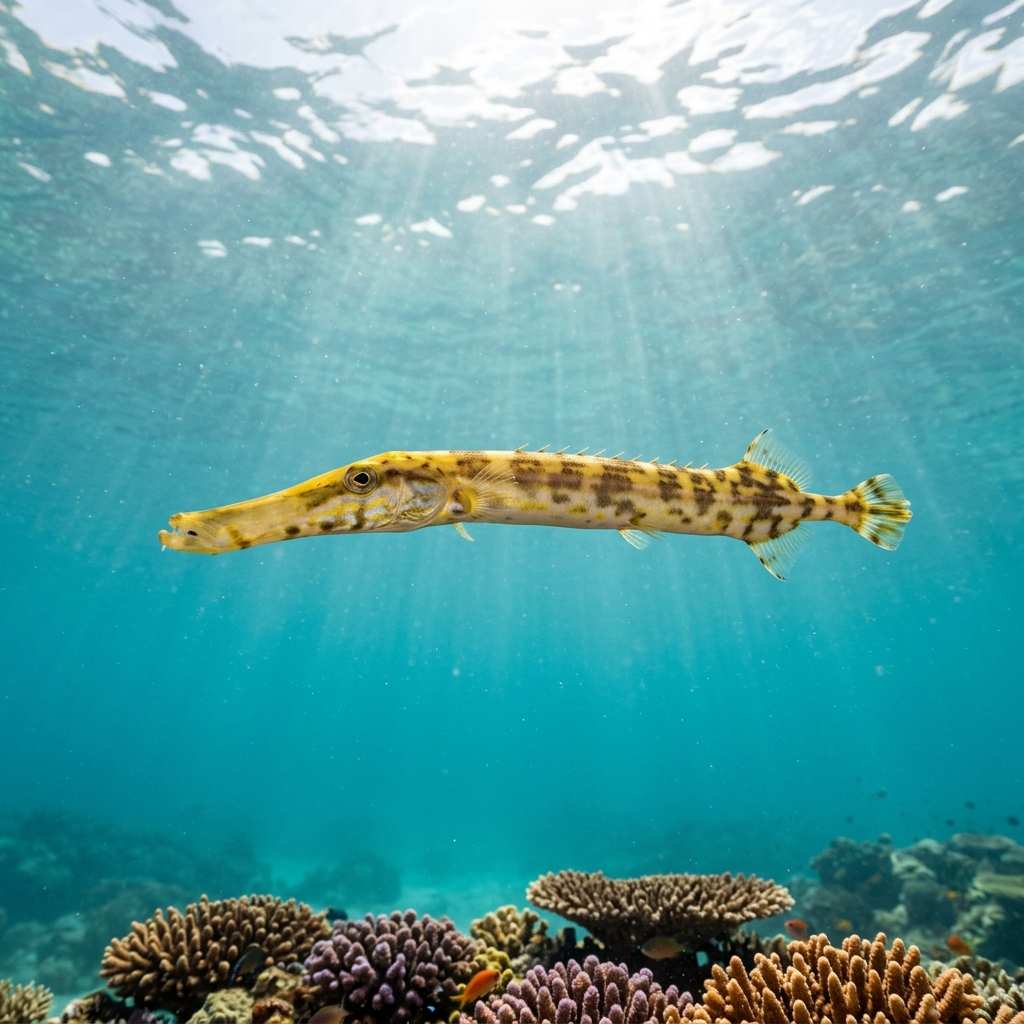
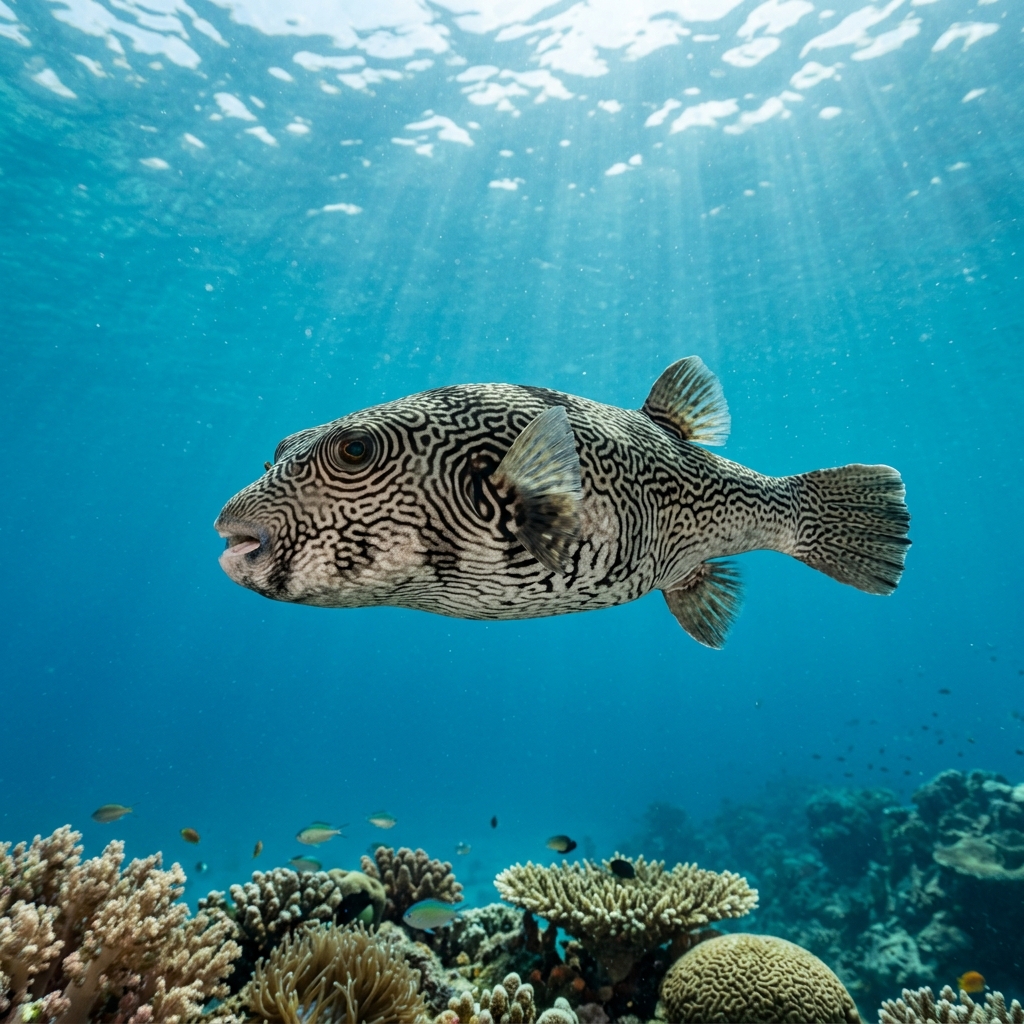
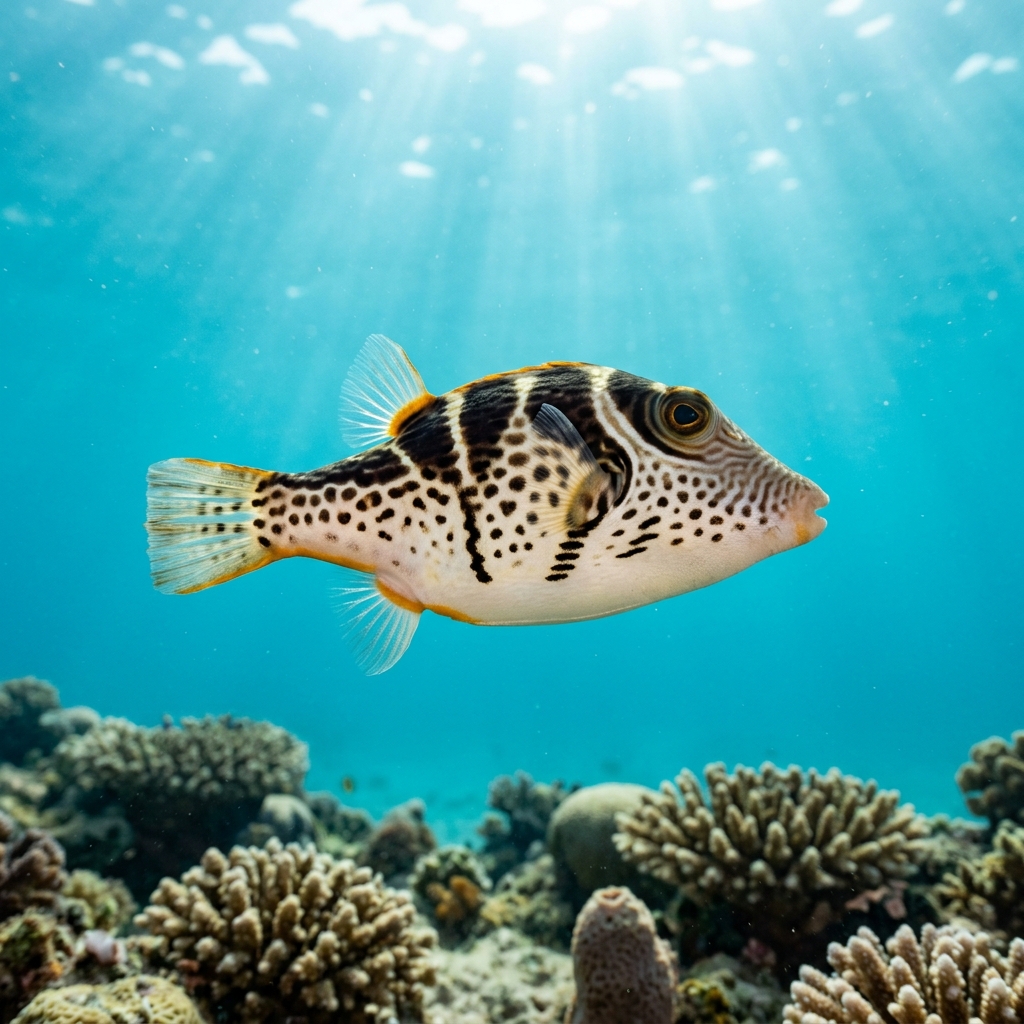
The region has a rich and well-documented species list. Spotfin Lionfish and Moorish Idol are encountered at the vast majority of sites, and the Green Sea Turtle and Whitetip Reef Shark are commonly sighted. Signature species worth seeking out include the Peacock Mantis Shrimp, Mandarinfish, Giant Frogfish, Spanish Dancer and Blue-ringed Octopus, though these require more targeted searching.
Yes, a good portion of sites across the region are rated for beginners, and the Gili Islands sub-area in particular has several calm, shallow options. Sites such as Gili Nanggu offer easy shore entry with gentle conditions, while Salut Dropoff provides a structured wall accessible from a short boat ride. Intermediate and advanced sites are also plentiful for those ready to progress.
The Gili Islands concentrate a large share of the region's sites and host several of the most operator-serviced entry points. Sites here range from shallow beginner reefs through to deeper intermediate walls. Elsewhere in the Lombok region you find more exposed drift sites and the deep Japanese Wreck off Gili Air, which is strictly for experienced divers comfortable managing significant depth.
Boat access is the norm across the majority of sites, particularly for walls, drift dives and the wreck. However, several sites including Coral Arks and Gili Nanggu offer direct shore entry, which makes them convenient for independent snorkellers and beginner divers staying close to the beach. Operators such as Gili Air Divers, Dream Divers and Trawangan Dive Centre run regular boat trips across the main site clusters.