Best for beginner divers, 5-35m, shore entry, moderate current.
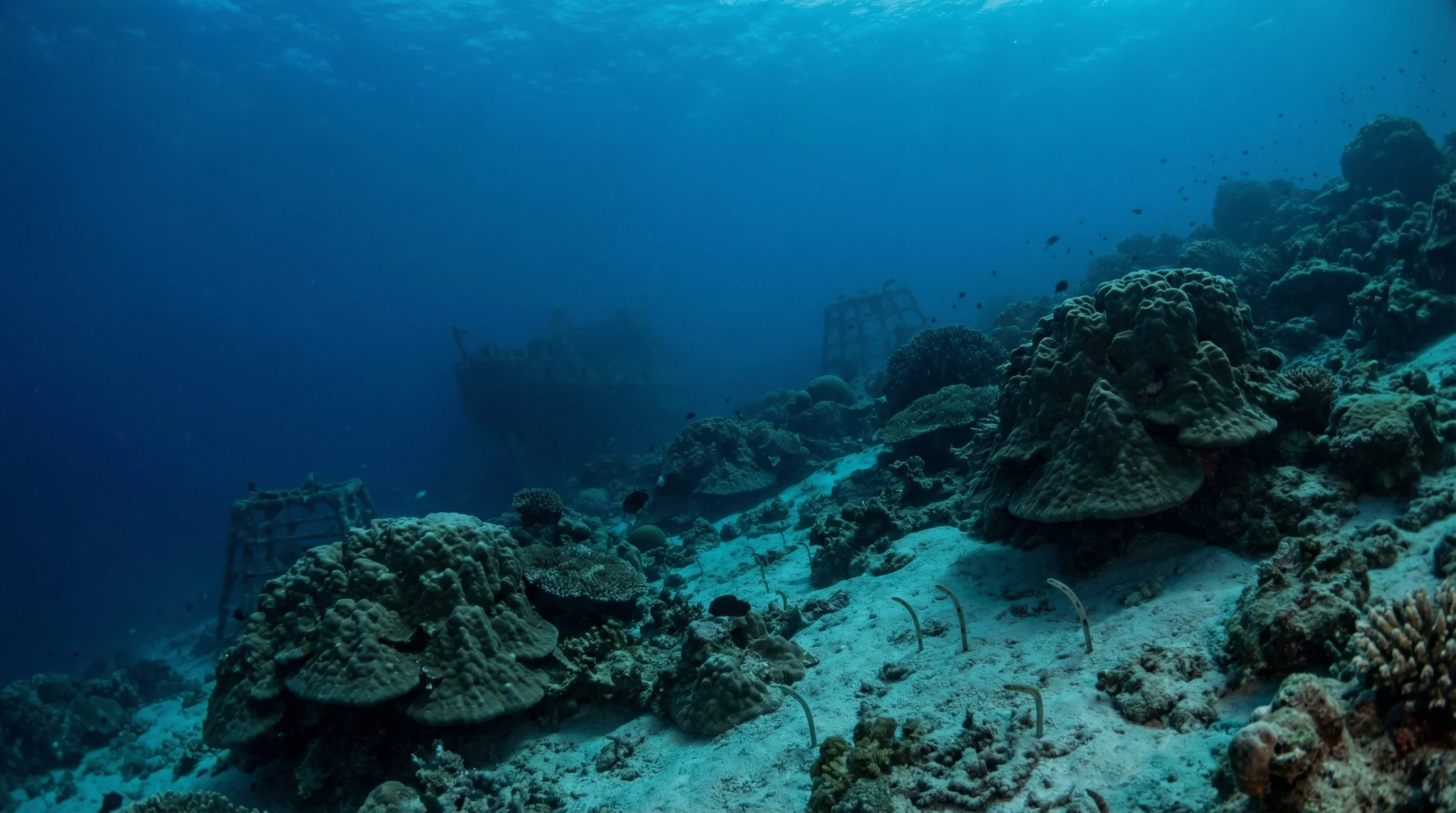
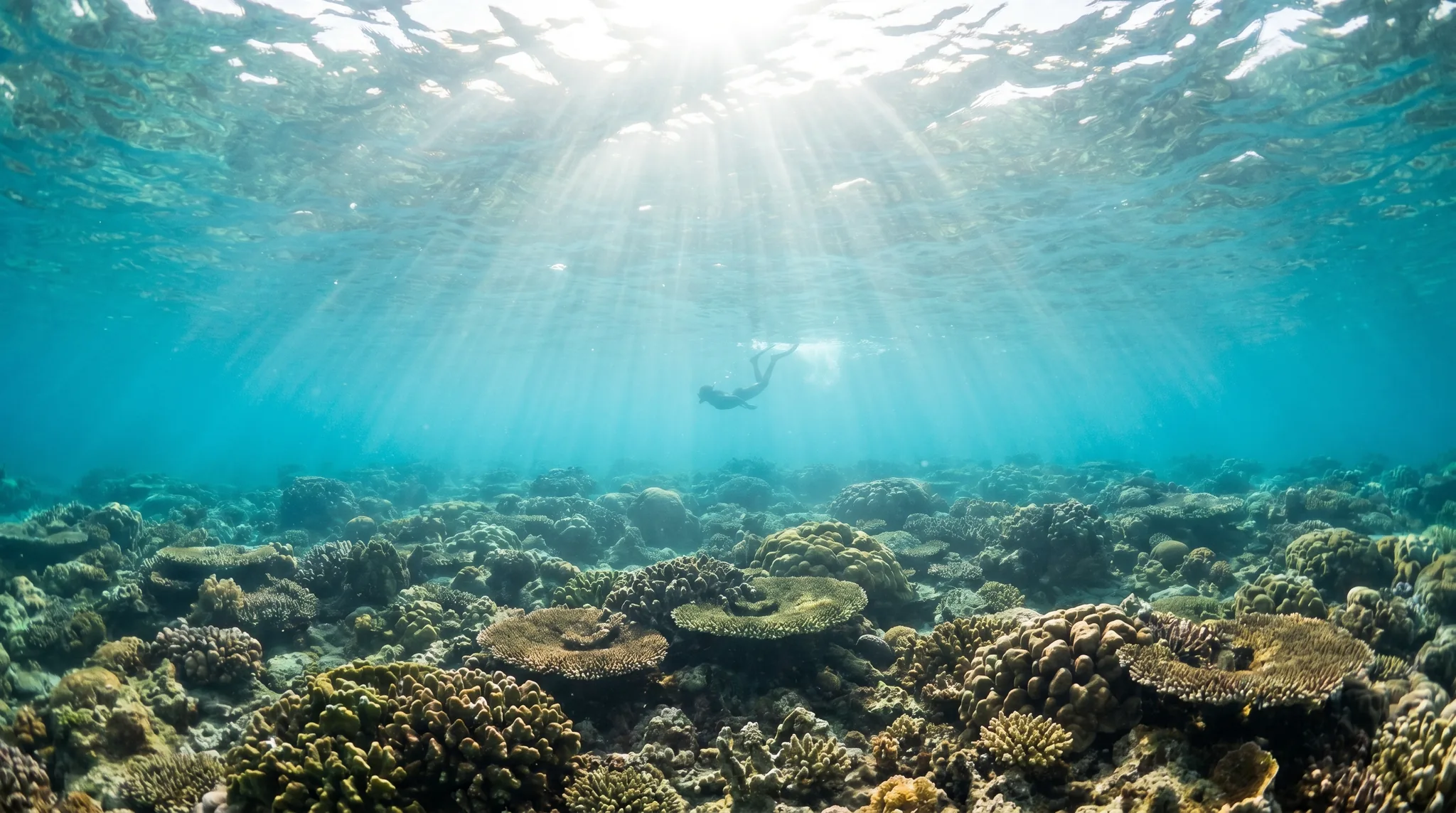
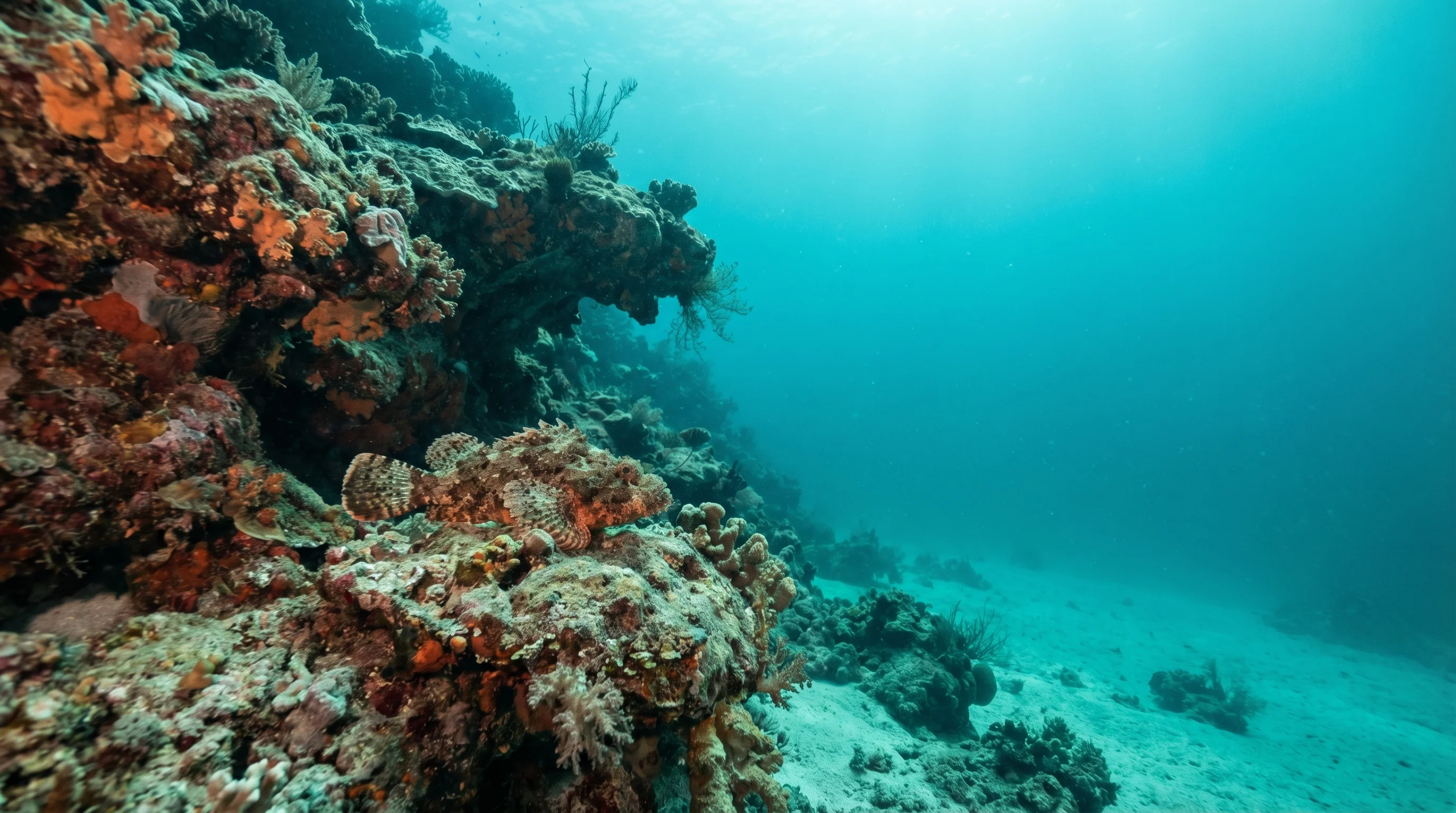
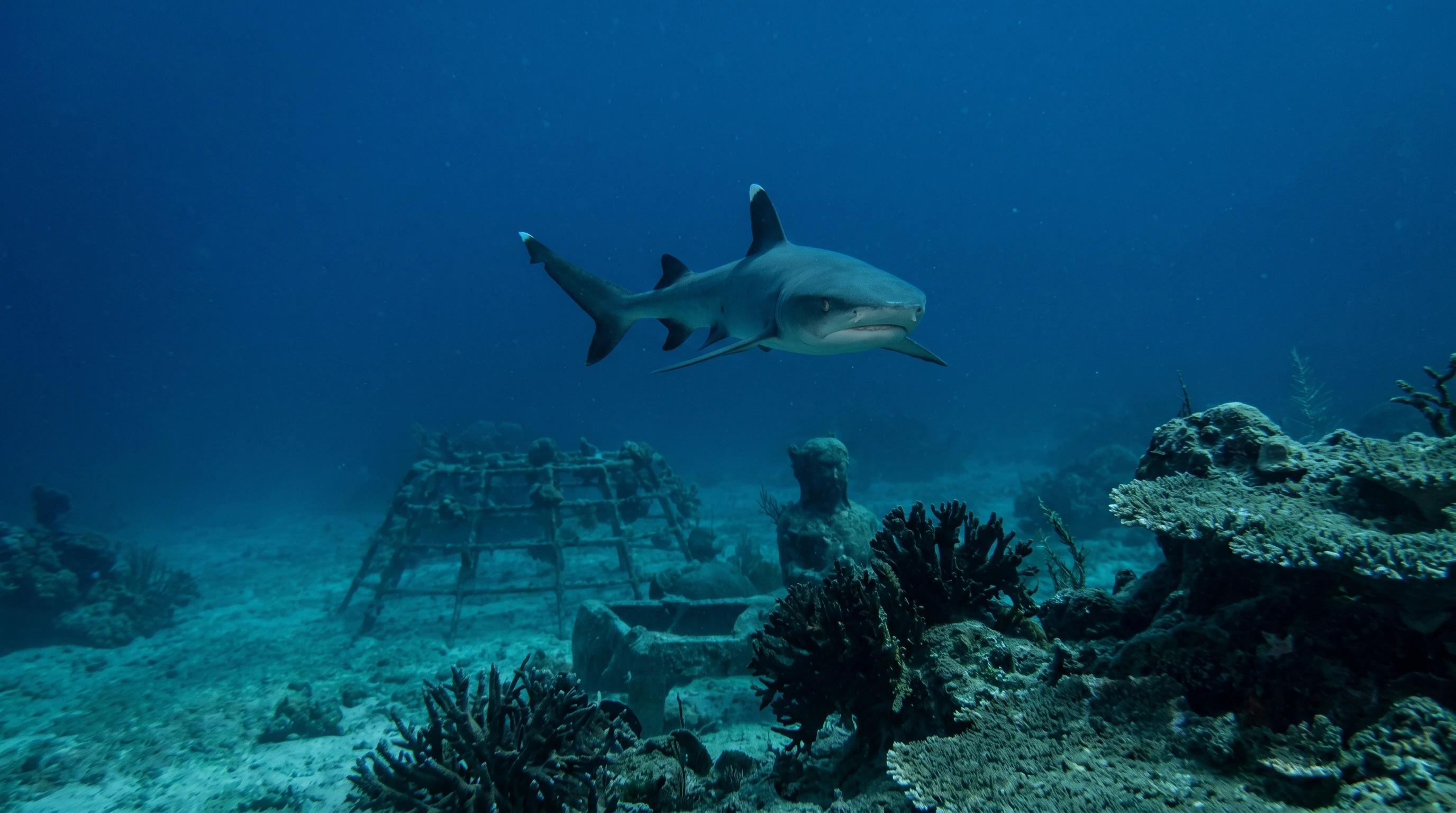
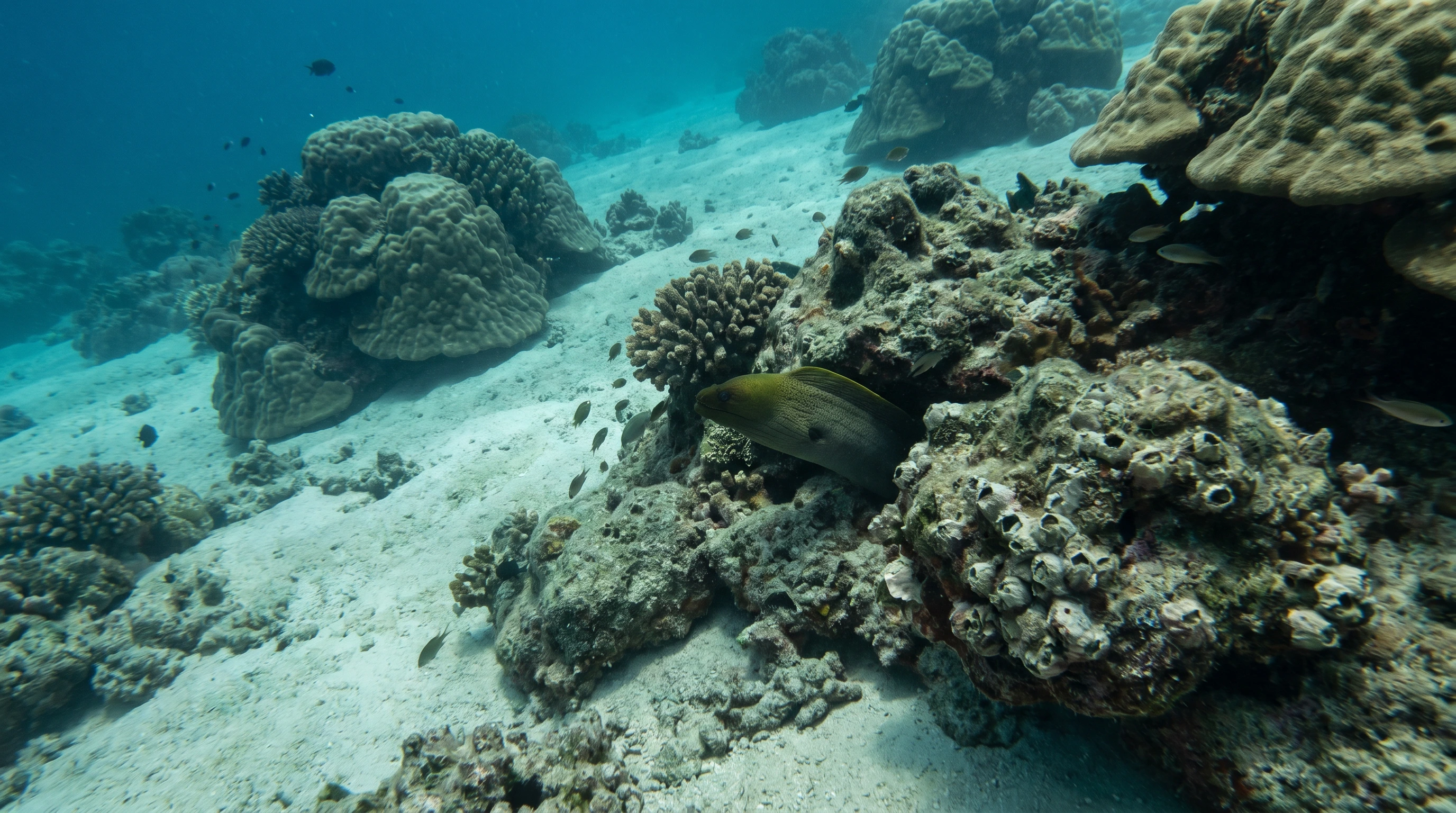
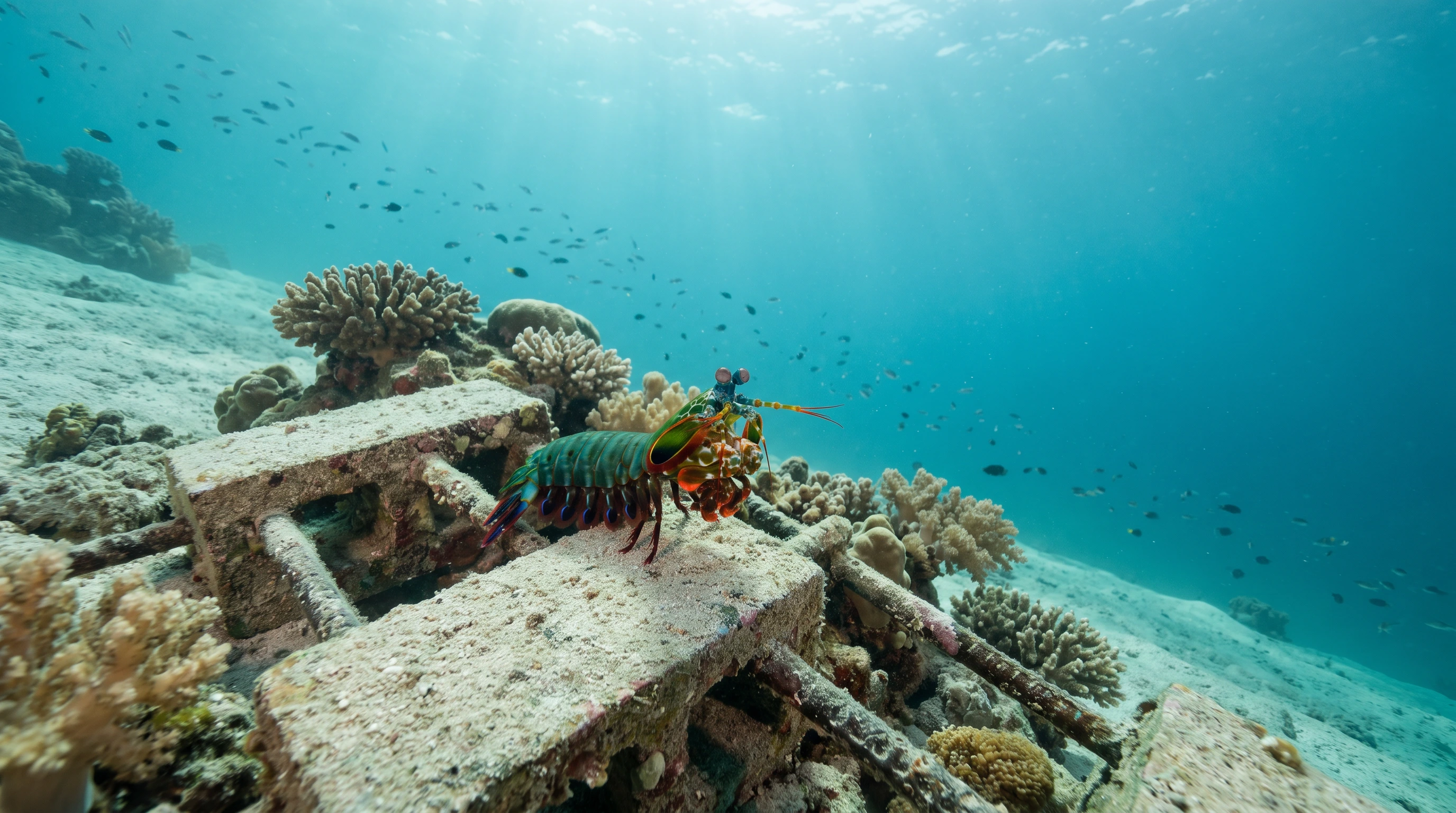
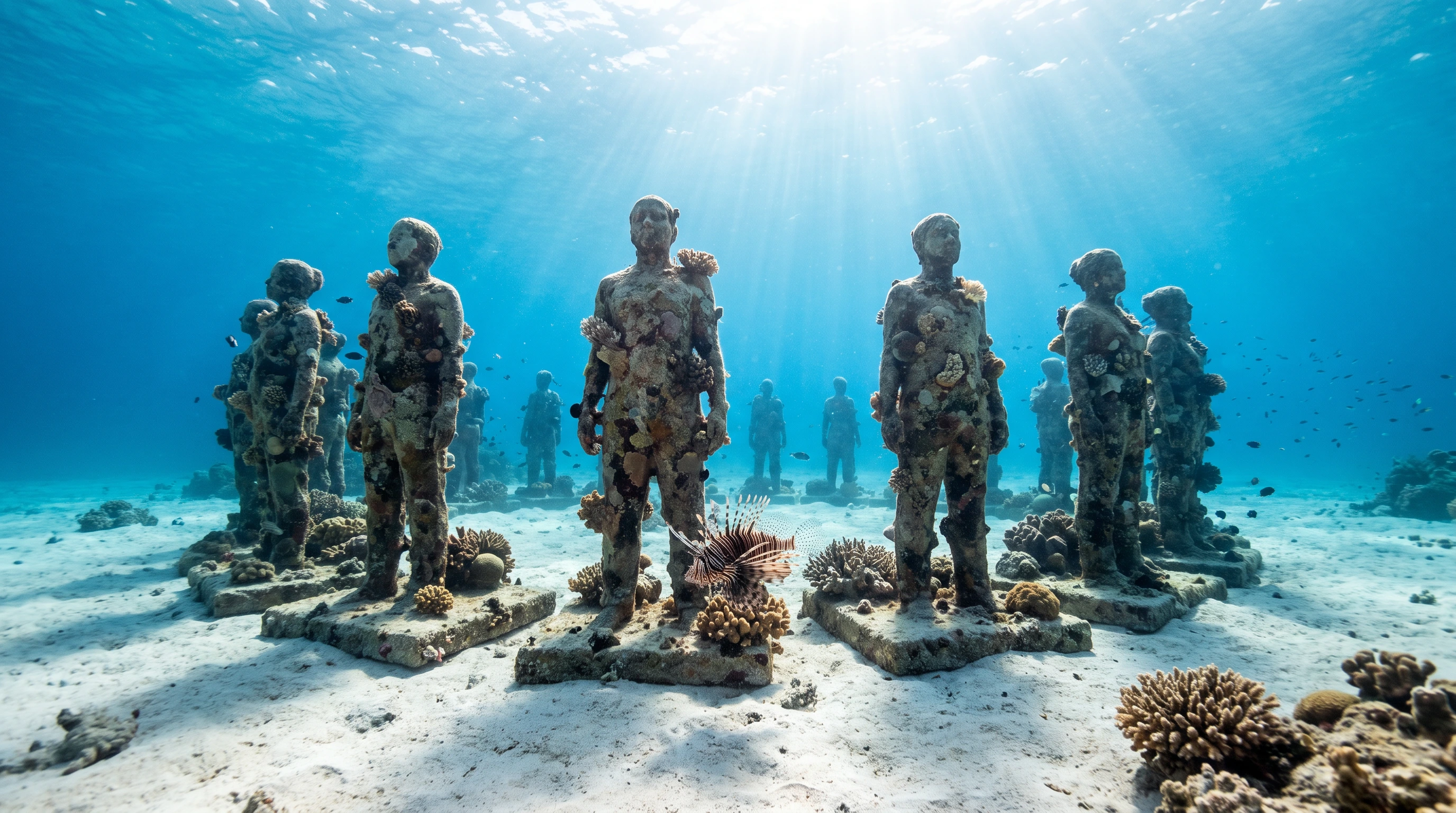
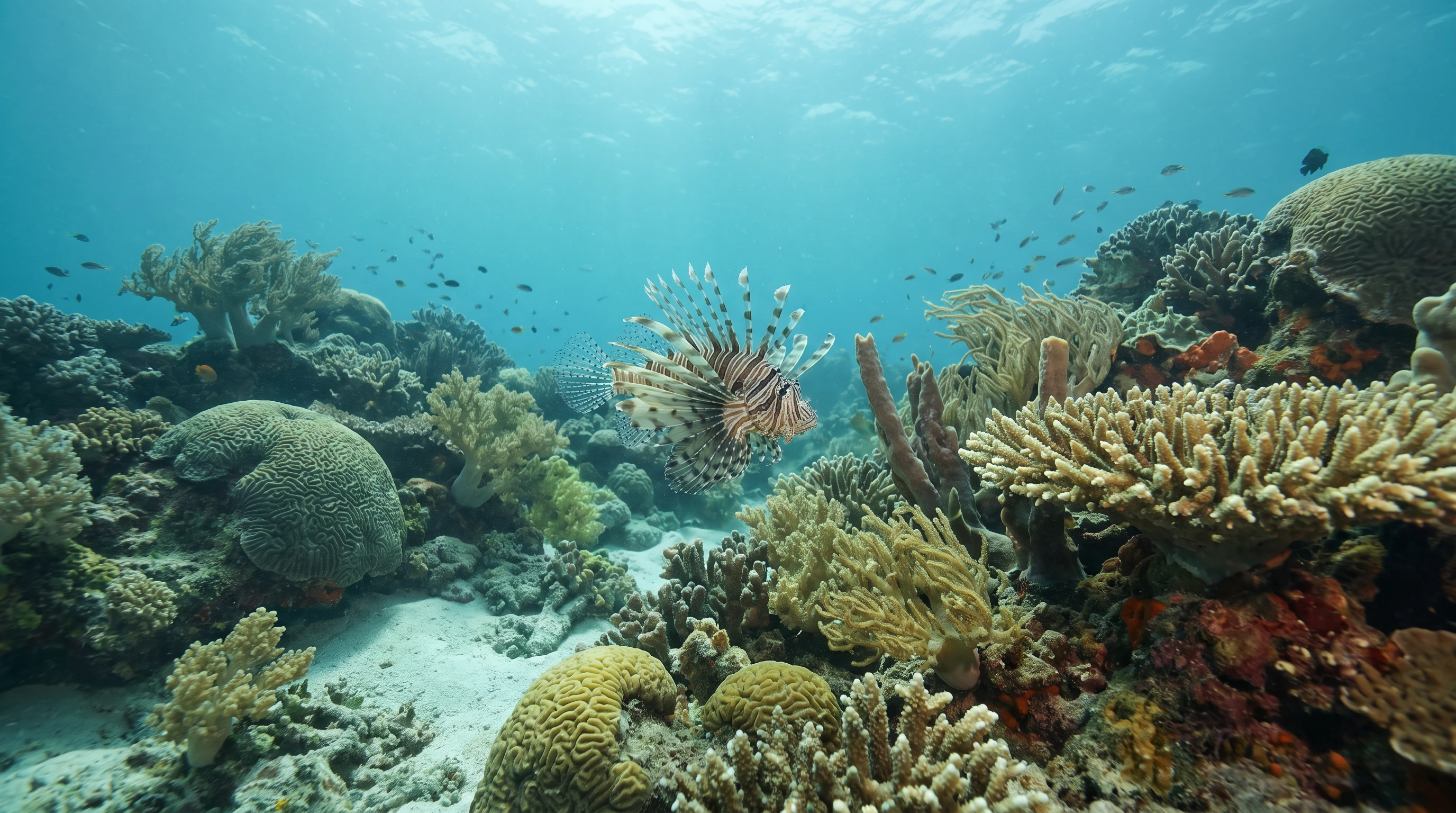
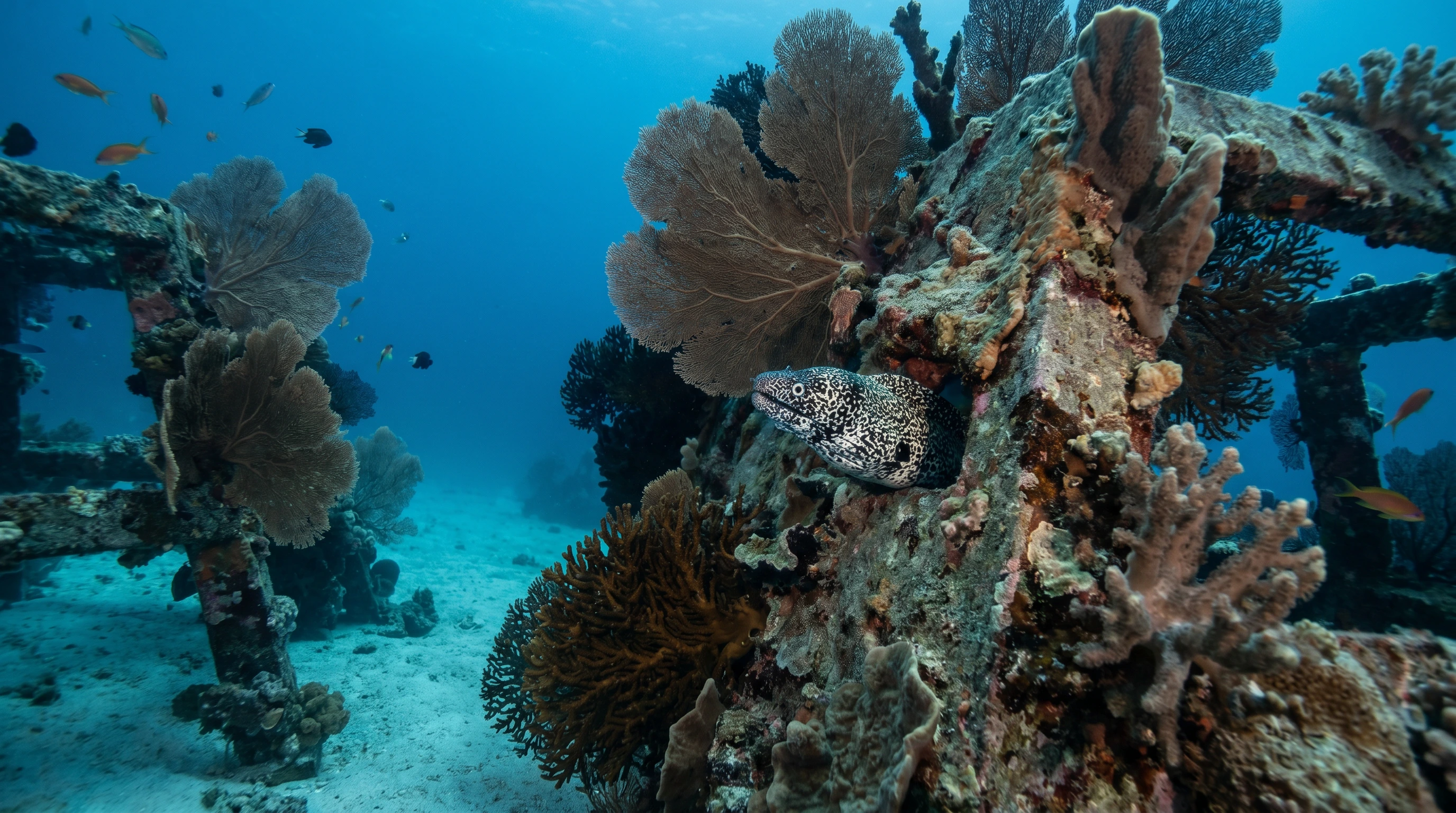
Coral Arks is an artificial and natural reef site located off Gili Meno, Indonesia. The site features a depth range of 5 to 35 metres, with an average depth of 15 metres. Divers and snorkellers can access the site directly from the shore. Conditions are generally stable with visibility reaching 30 metres, though moderate currents are common. Water temperatures remain consistent throughout the year, typically between 27 and 28 degrees Celsius. Due to the presence of sharp coral and potential for strong currents, visitors should exercise caution during their entry and exit. This site is suitable for beginners, though awareness of current conditions is advised.
-8.34502, 116.04447
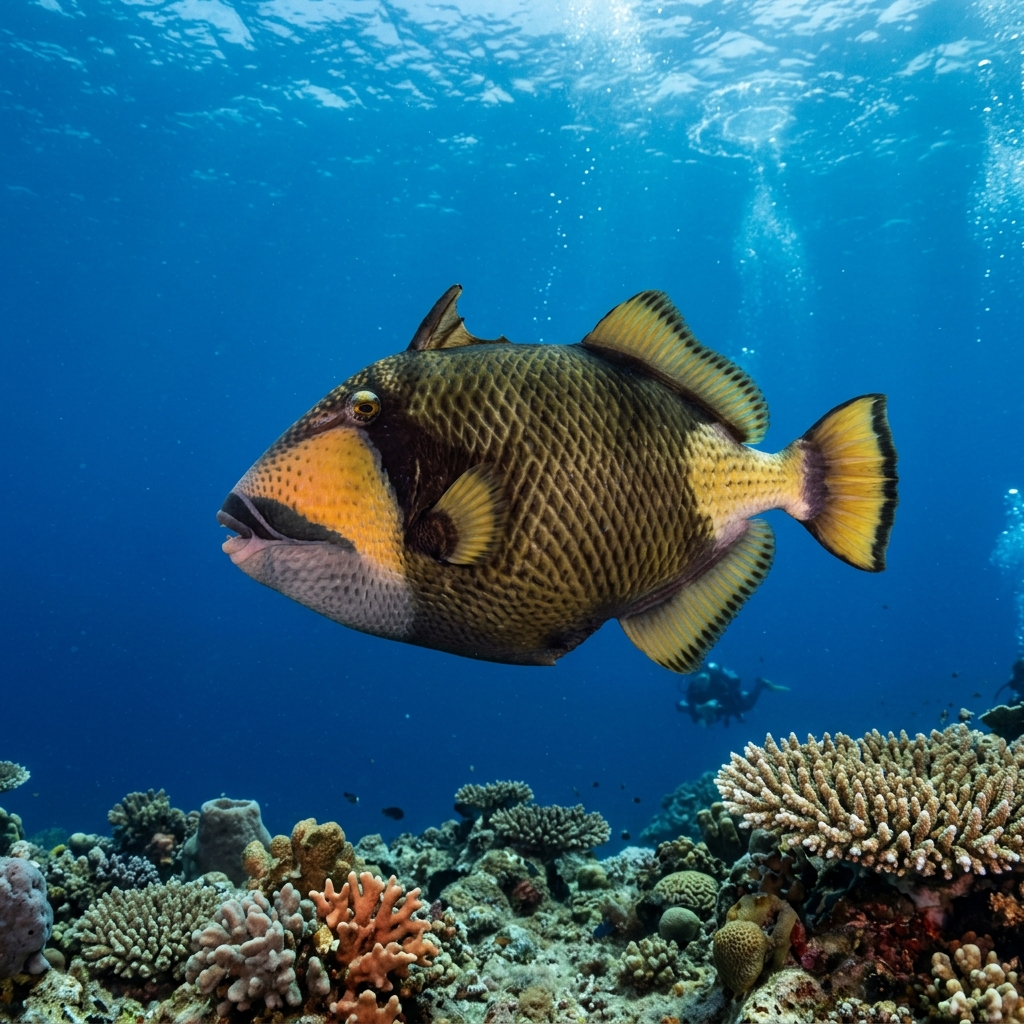
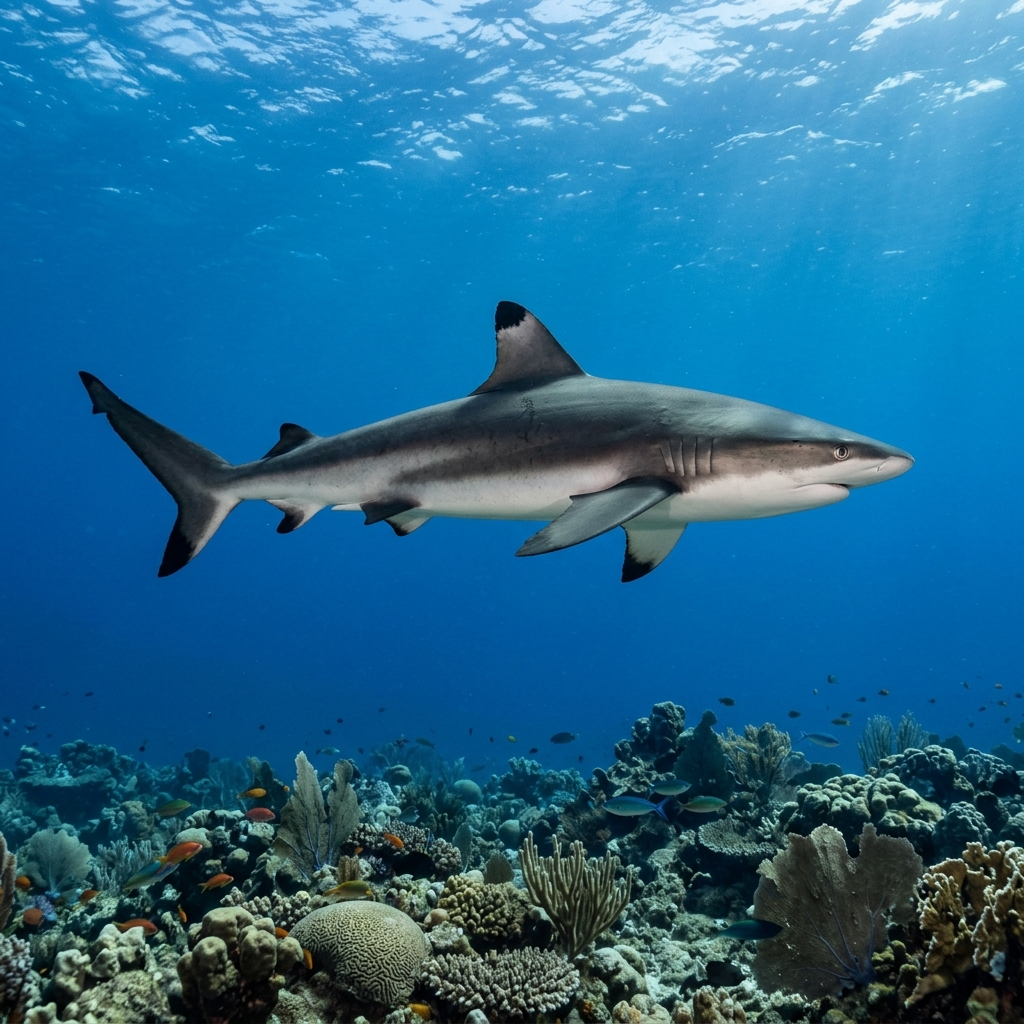
You can dive deeper on the slope around 35 meters to look at the big fishes swimming in the channel between the Gili Islands.
Access from the shore.
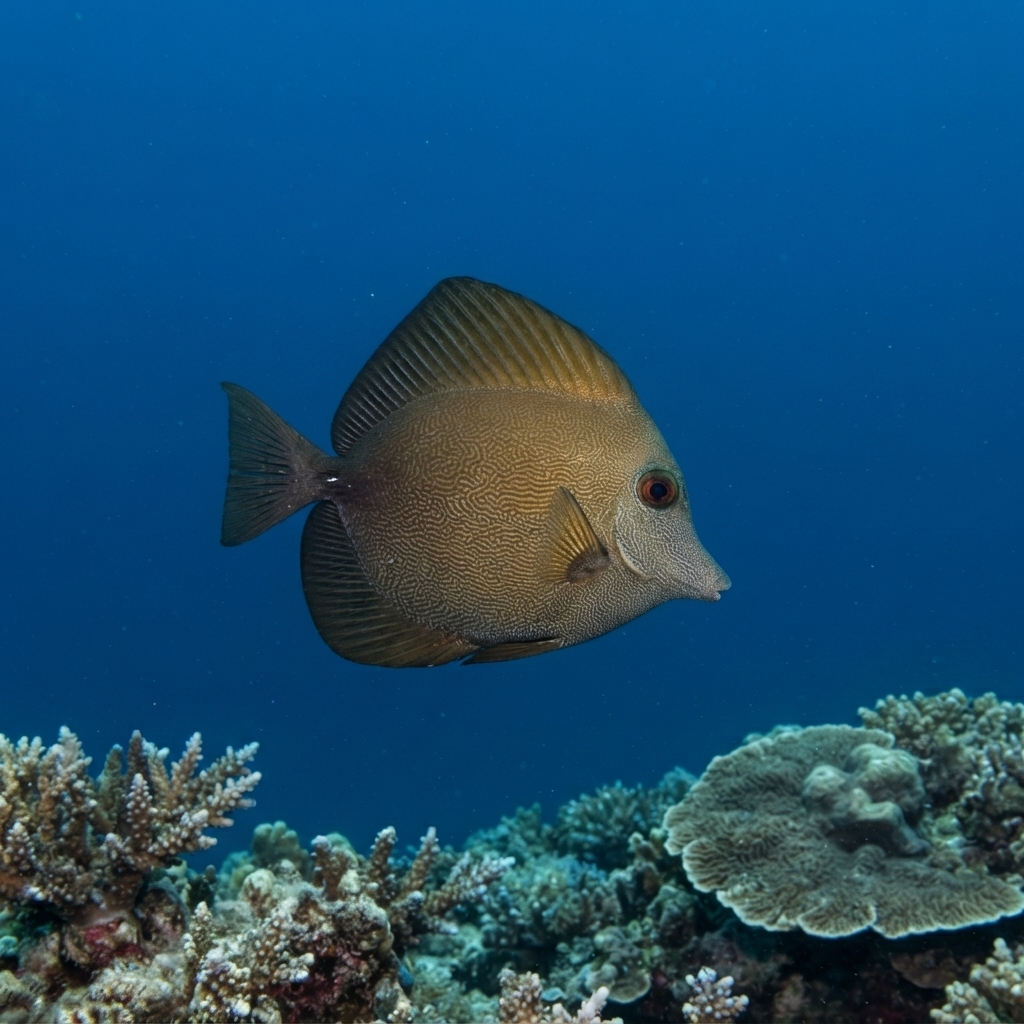
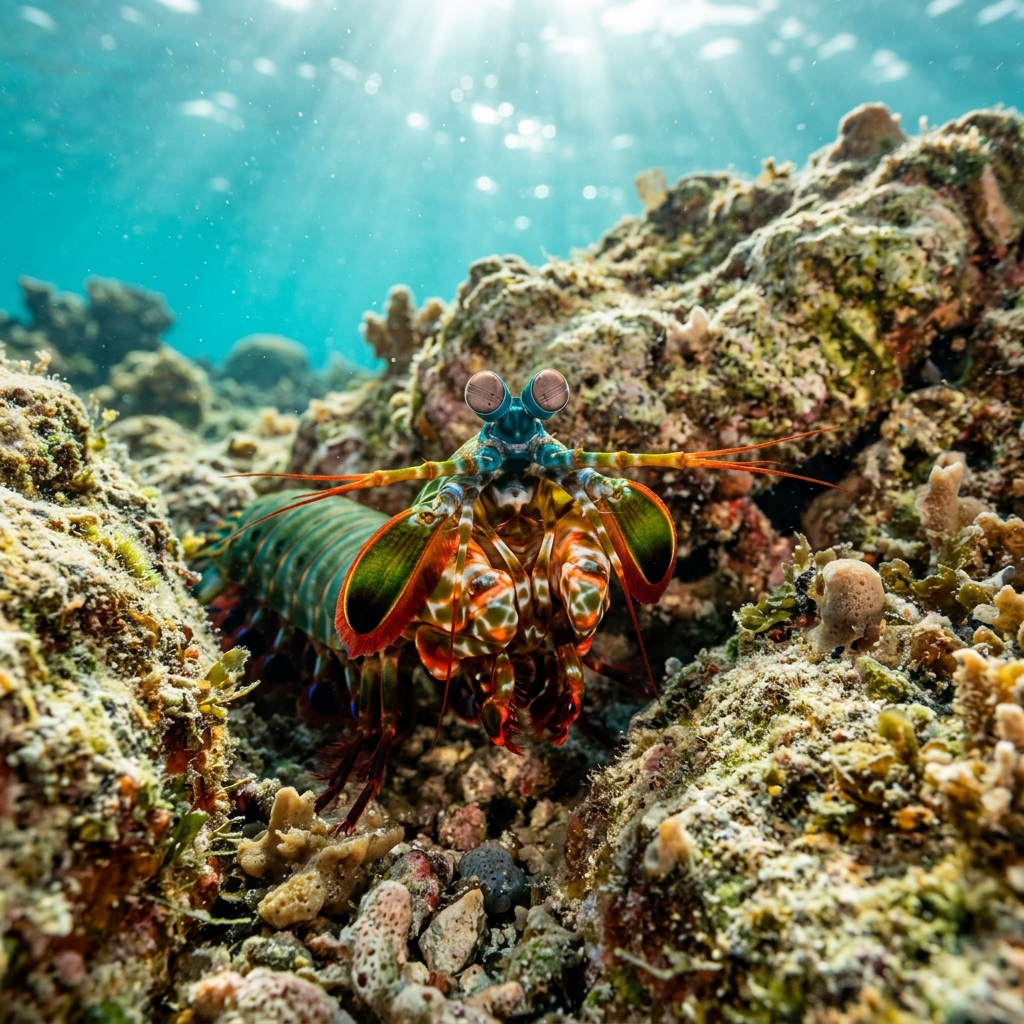
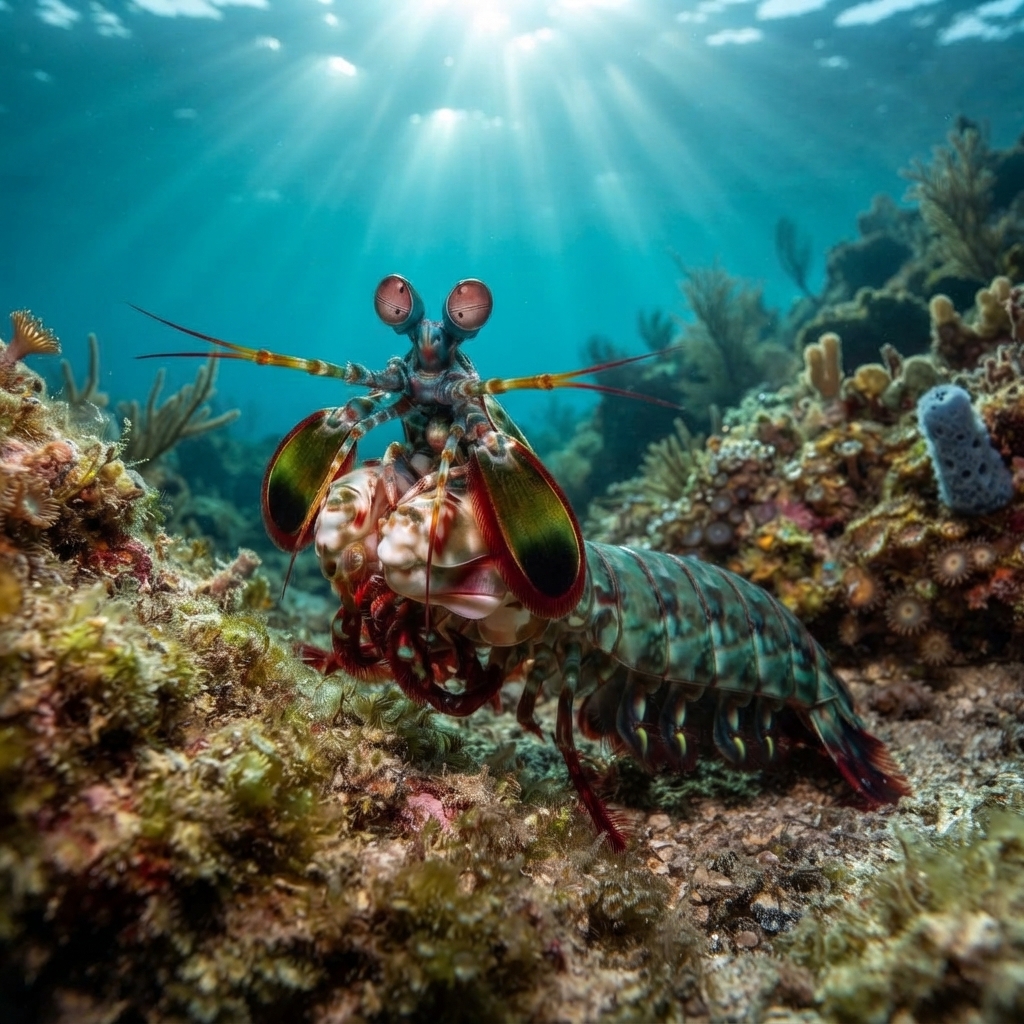
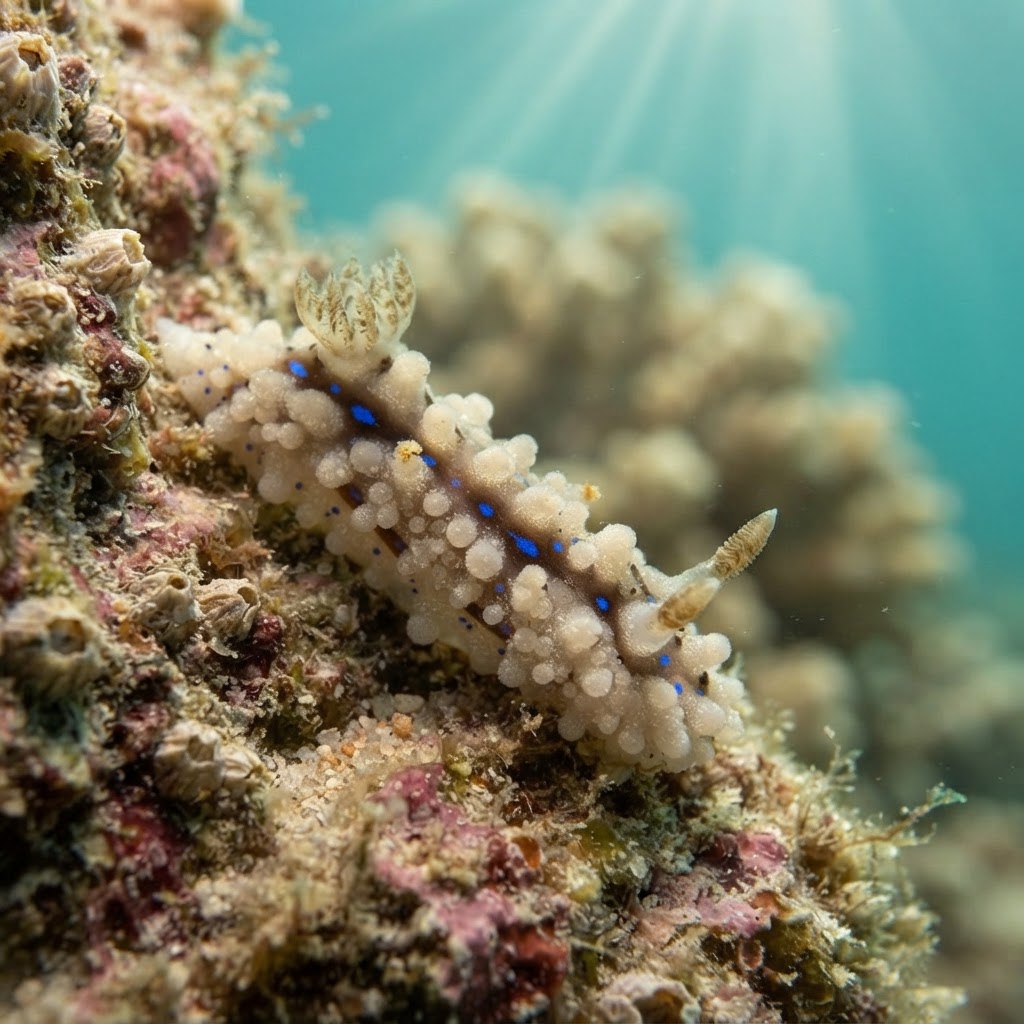
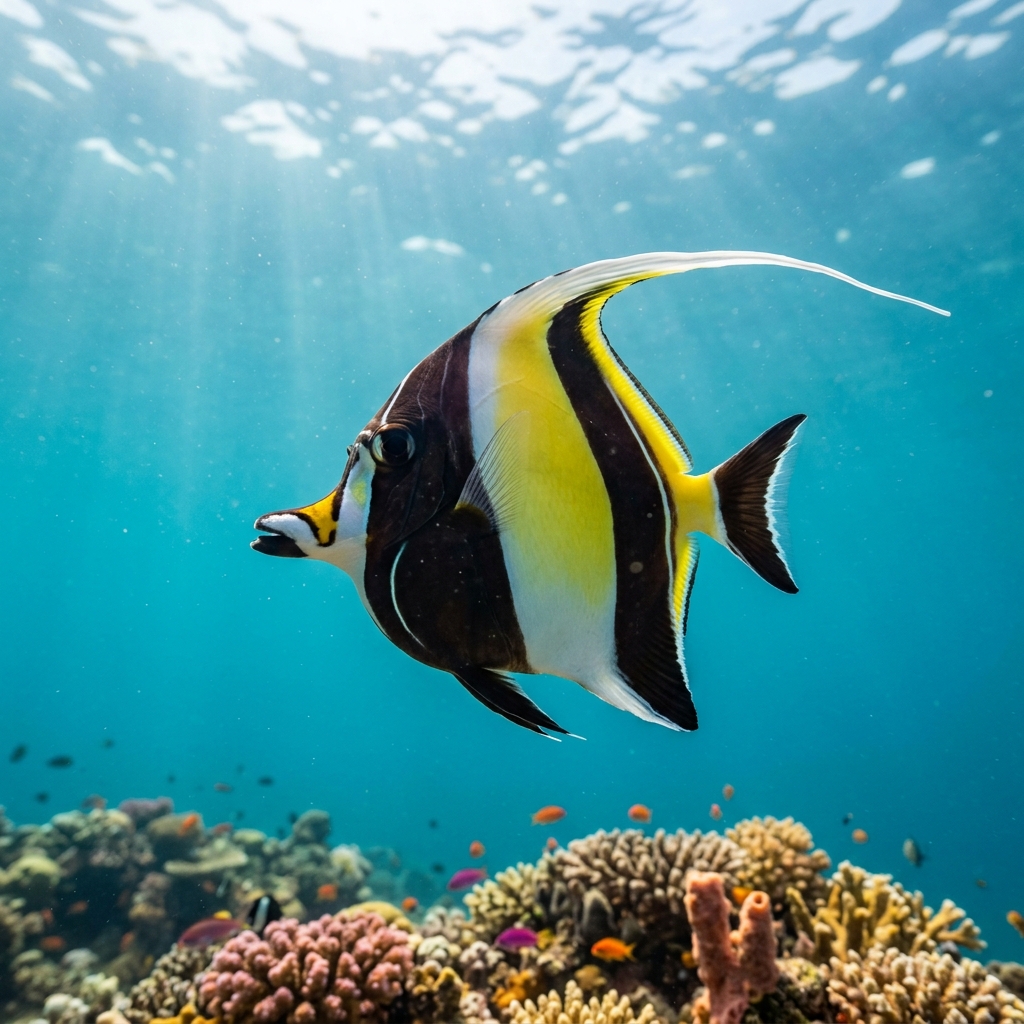
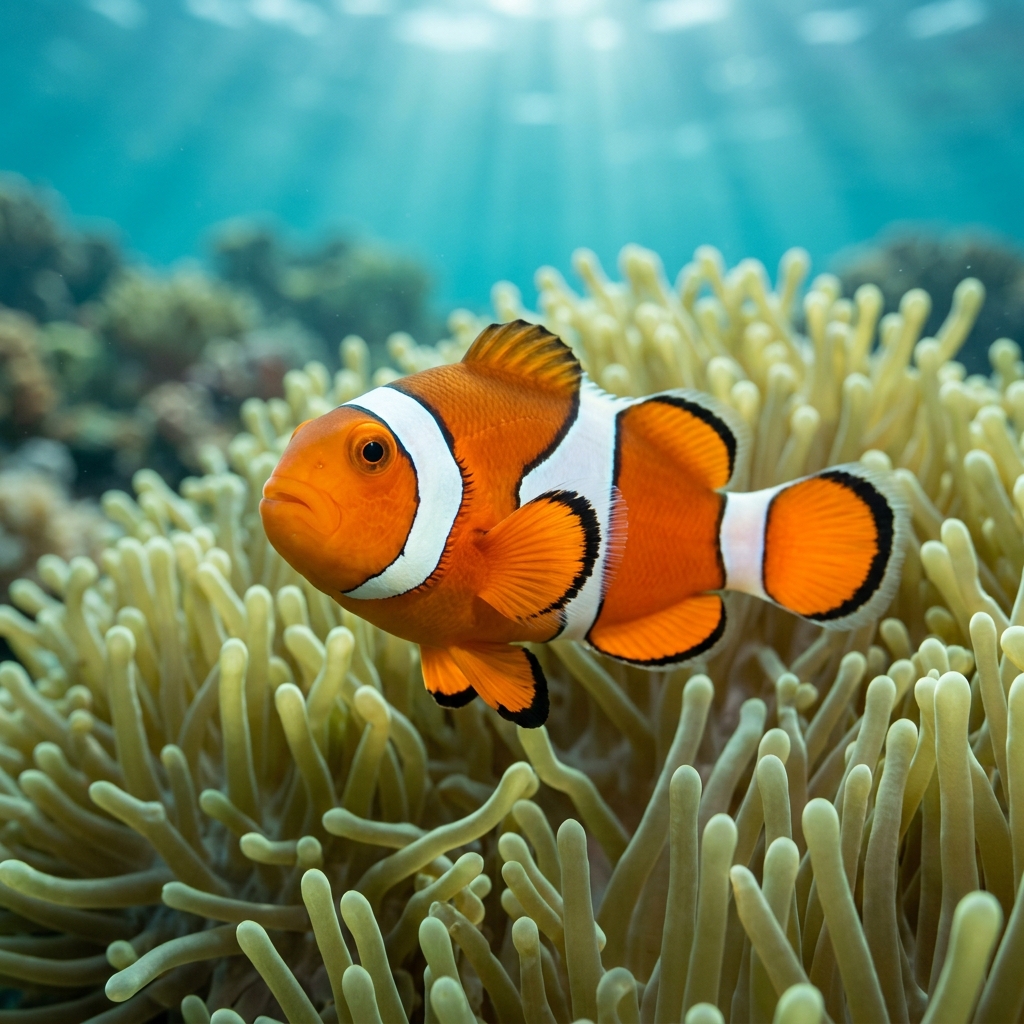
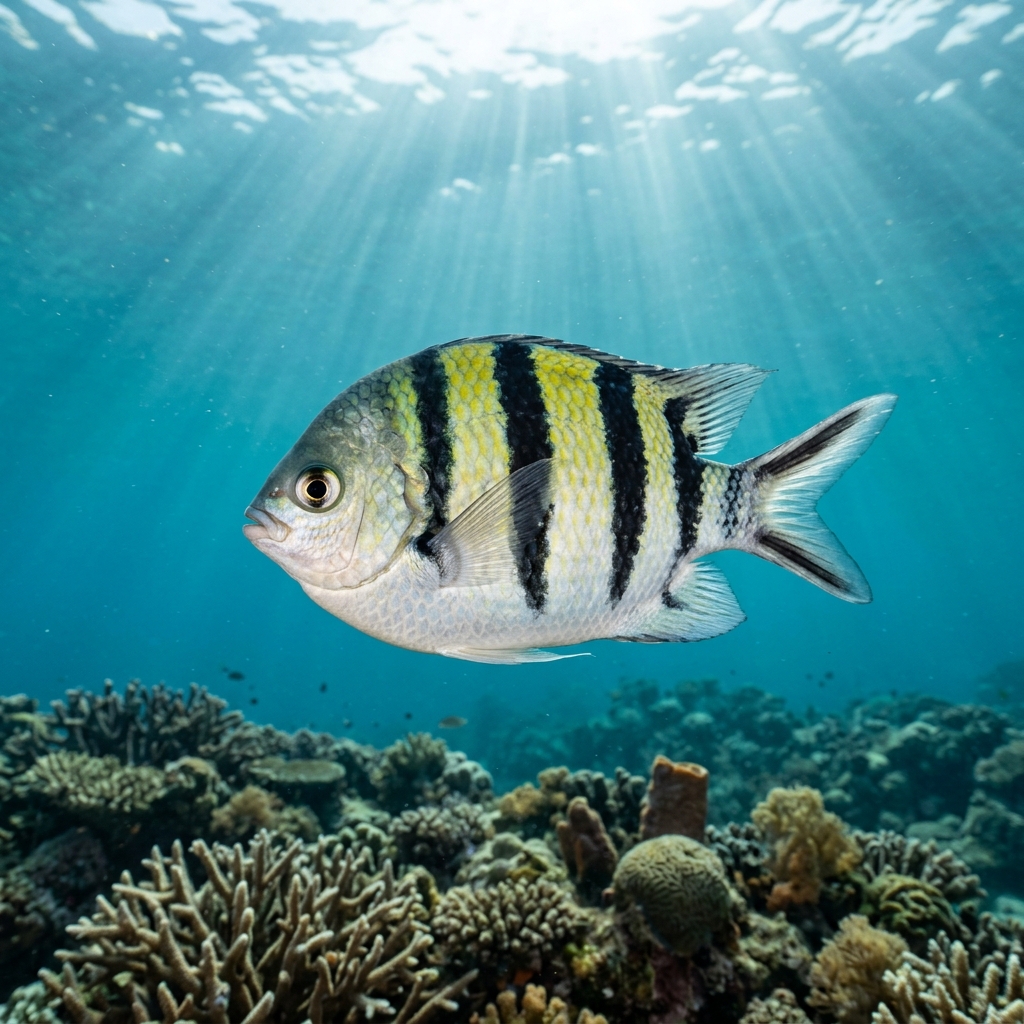
Recorded at this site
Depth
5-35m
Visibility
30m
Skill Level
Beginner
Entry
Shore
Water Temp
27-28°C
Current
Moderate
Best Time
Year-round
Yes, the site is suitable for beginners, though visitors should remain aware of the moderate currents present.
The site ranges from 5 to 35 metres in depth, with an average depth of 15 metres.
Coral Arks is accessible via a shore entry.
Yes, the site is suitable for both diving and snorkelling activities.
Diving at Coral Arks in Gili Trawangan requires the following certifications: Open Water. Always dive within your training limits.
A 3mm wetsuit is recommended for diving at Coral Arks in Gili Trawangan. Water temperatures range from 27°C to 28°C.
The best months to visit Coral Arks in Gili Trawangan are January, February, March, April, May, June, July, August, September, October, November, and December. Conditions outside these months can still be good but are less predictable.
Expect moderate currents at Coral Arks in Gili Trawangan. Good buoyancy control and some drift diving experience is helpful.
Visibility at Coral Arks in Gili Trawangan typically ranges from 30 metres to 30 metres. Conditions vary with weather, tides, and seasons.