Rhinecanthus verrucosus
Small reef trigger with a dark belly patch, most often logged in the Visayas and Nusa Tenggara at 26-29C reefs year-round.
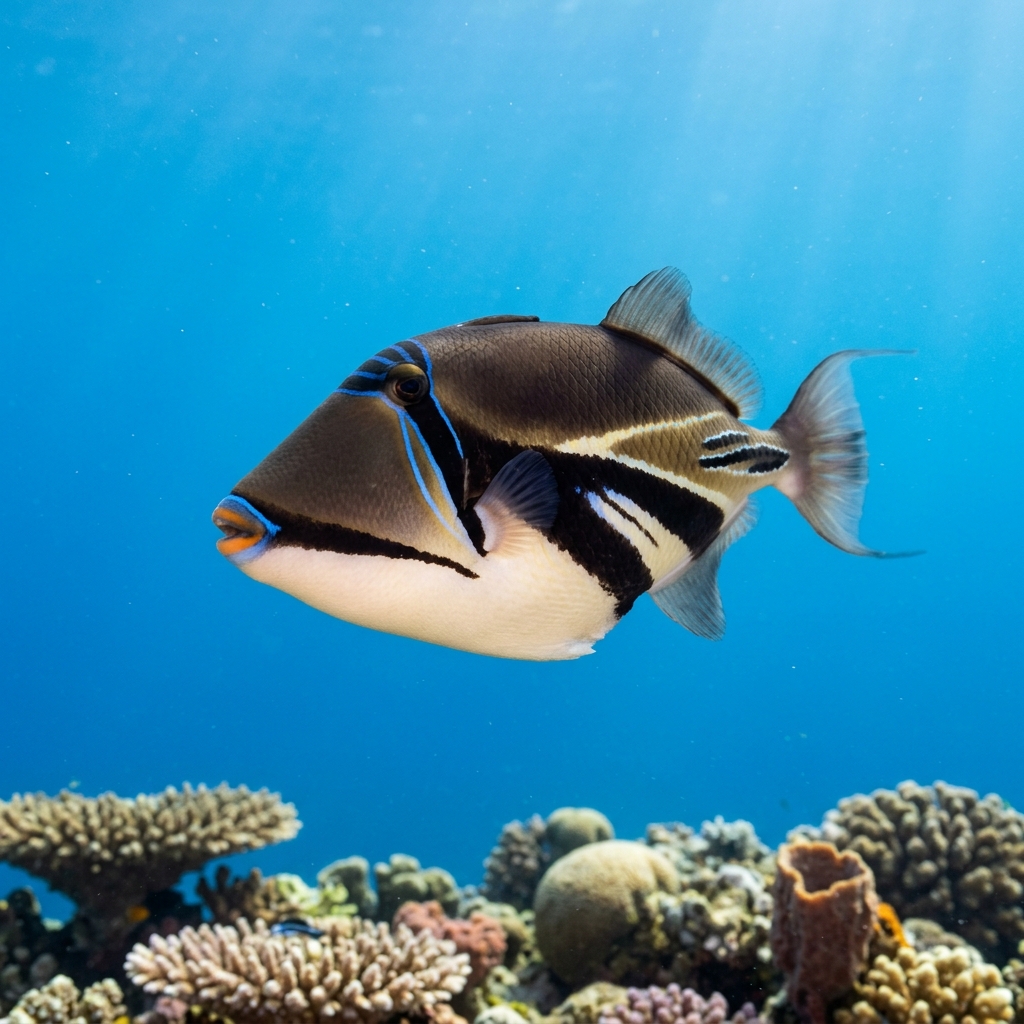
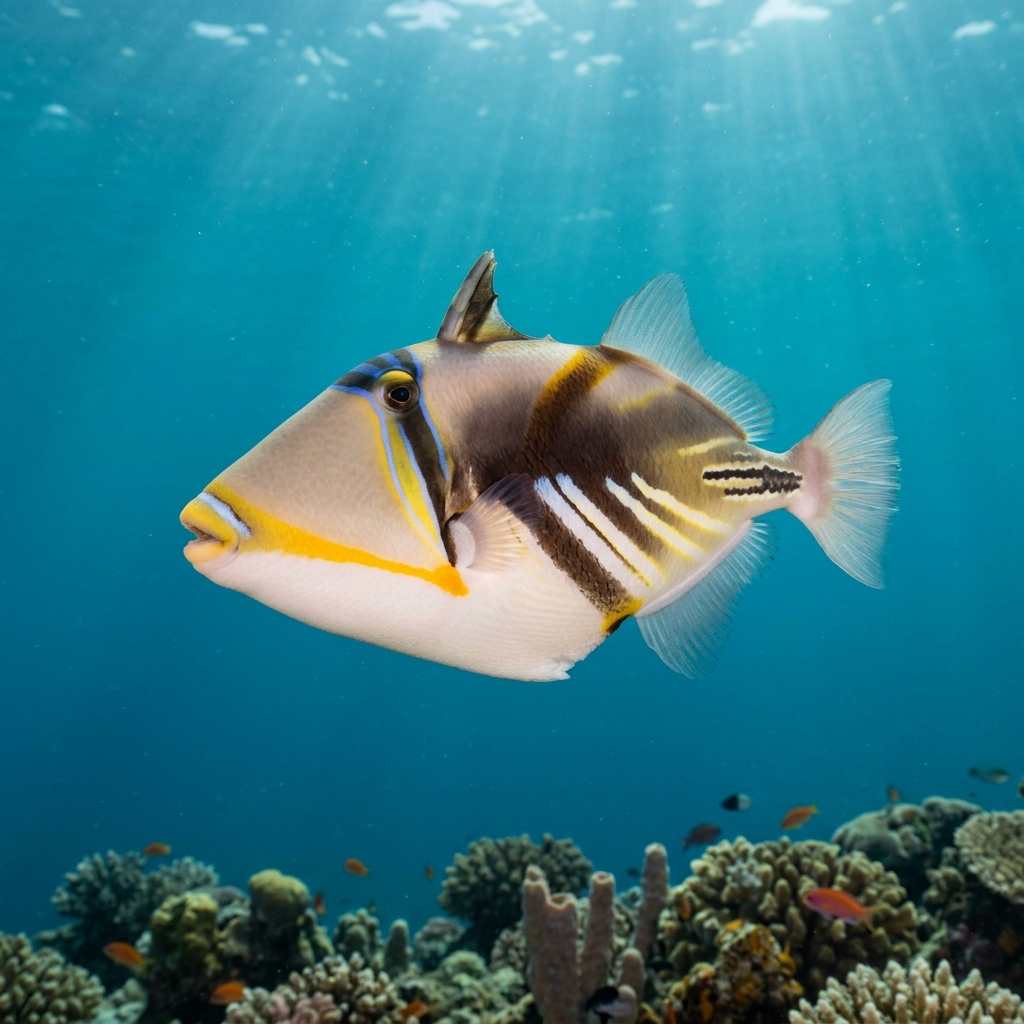
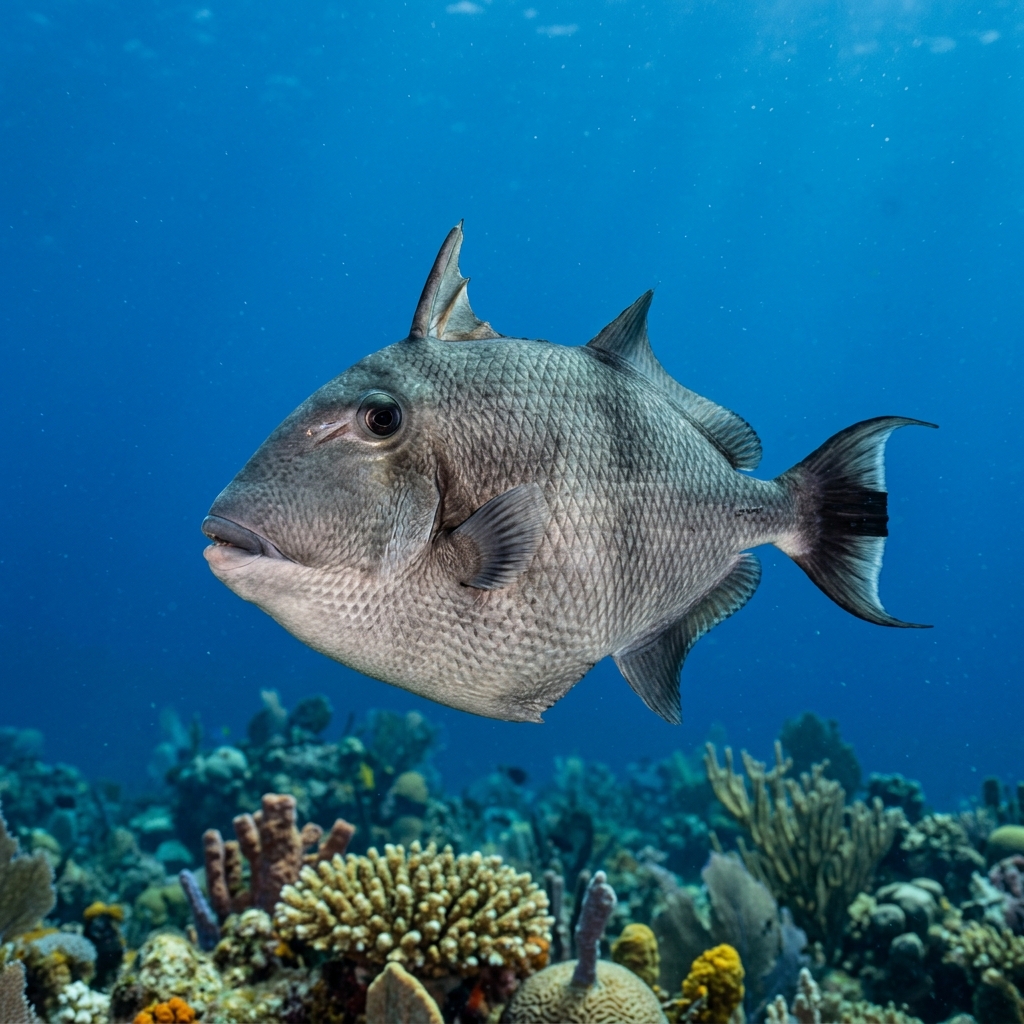
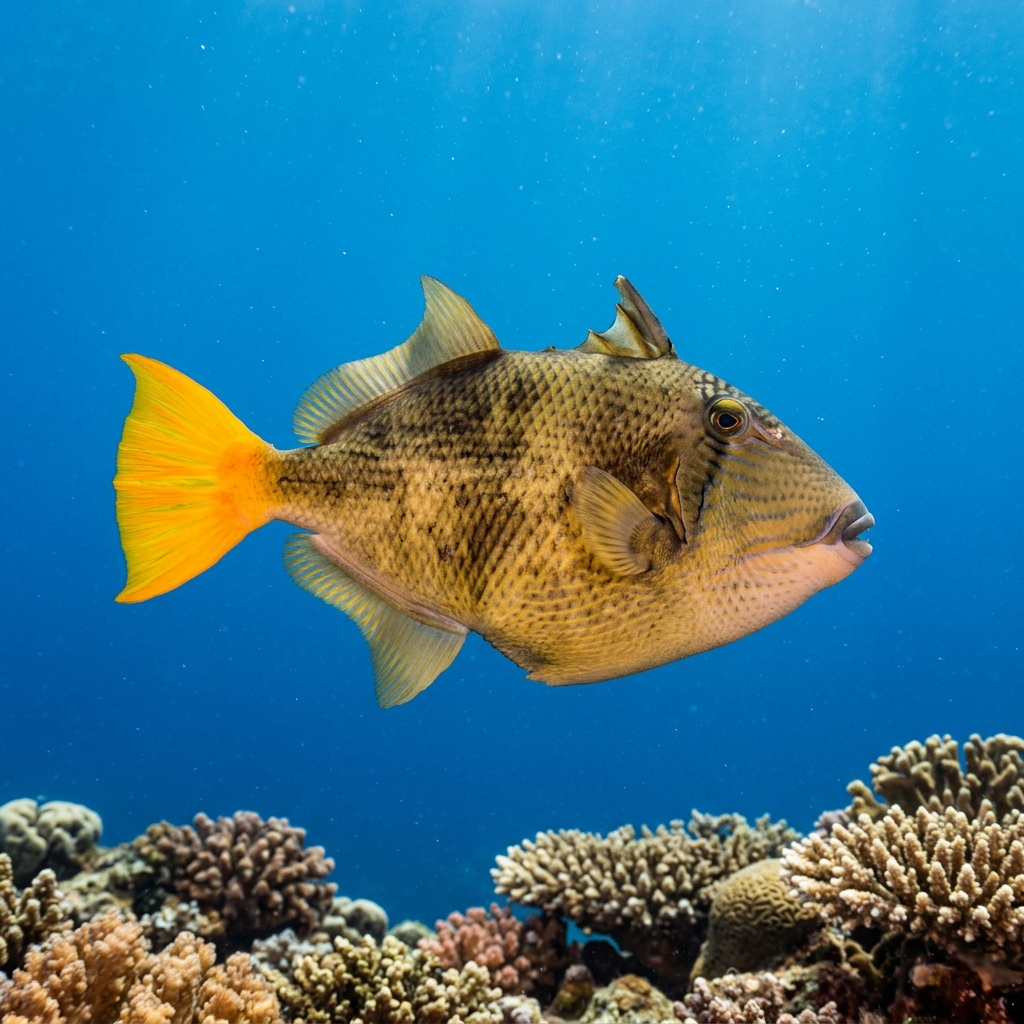
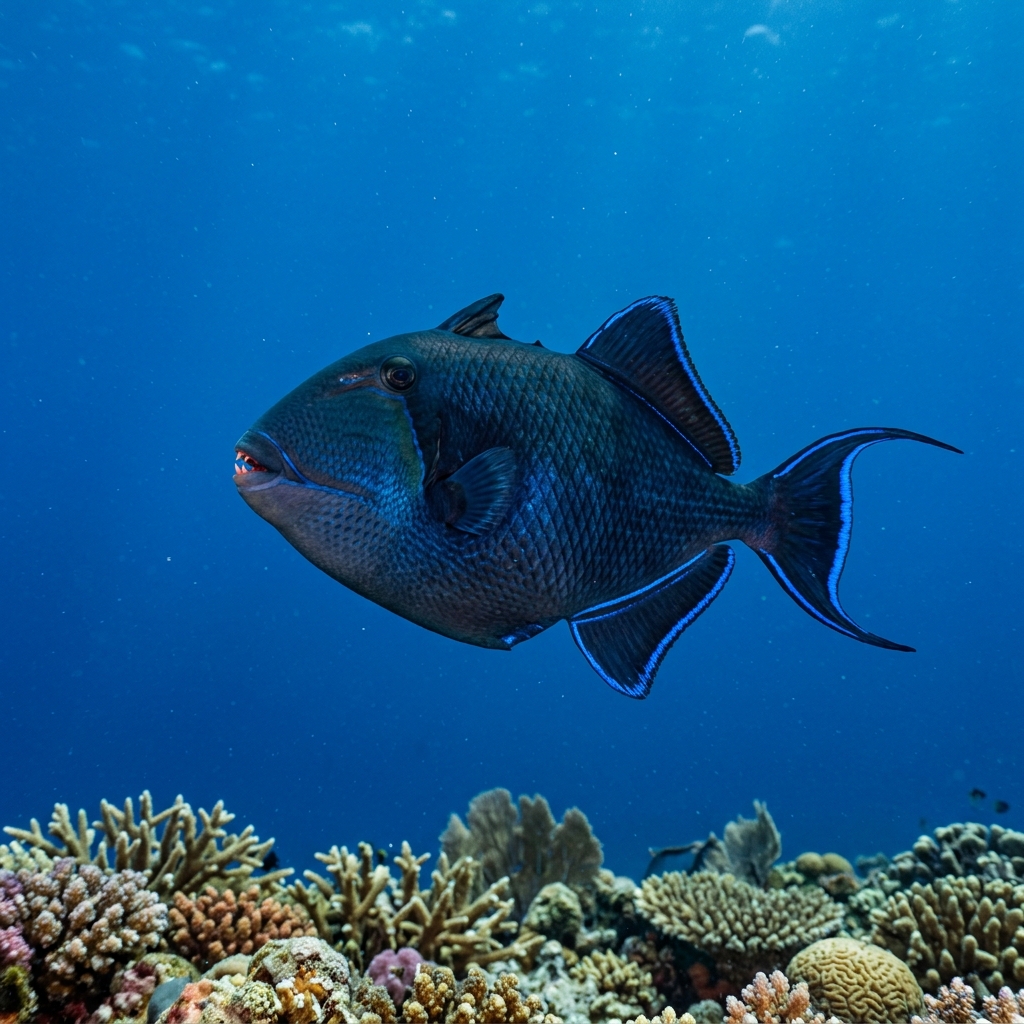
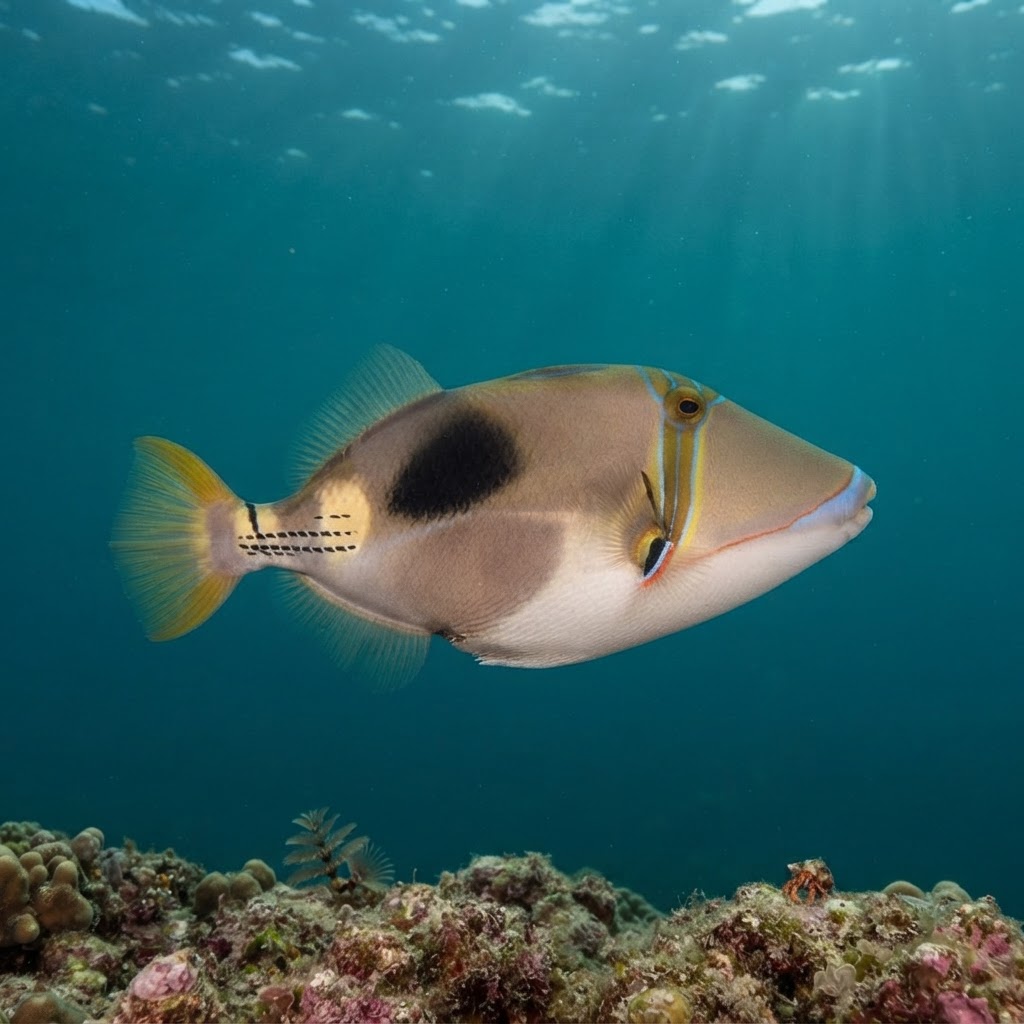
A small, compact triggerfish that tops out around 16 cm, easy to tell apart by the sharp two-tone split between its pale grey-white upper body and the dark, almost black patch covering the lower half and belly. The face carries fine dark lines radiating from the eye and mouth, and like other Rhinecanthus triggerfish it has a stiff, angular body shape and swims with a distinctive rowing motion of the dorsal and anal fins. There's a pale band near the tail base that helps separate it from muddier-looking relatives.
Usually spotted hovering low over sand patches or rubble near the reef edge, at shallow depths well within snorkel range, picking at the substrate for small invertebrates. It tends to be wary rather than confrontational, darting for cover in a crevice or under a ledge when a diver gets close, then peeking back out once the coast seems clear. Most sightings are of single fish going about their business rather than pairs or groups.
Like other triggerfish, it can lock its first dorsal spine upright using a second smaller spine as a trigger, wedging itself into a crevice so tightly that predators (and curious divers) can't easily pull it out.
No clear seasonal pattern shows up in the data, and it sits comfortably in warm water between 26.2 and 29.3C, so it's a year-round sighting on the tropical reefs it favours.
Reef neighbours a diver could mistake it for. Use the identification notes above to tell them apart.
Most consistently logged in the Philippines, especially the Visayas and Palawan, and across Indonesia in Nusa Tenggara, Bali and Sulawesi. It also turns up reliably in Okinawa and the Ryukyu Islands in Japan, with smaller but steady numbers in Vanuatu, Timor-Leste, Thailand and Taiwan.
Mapping where Blackbelly Triggerfish is logged…
It's most reliably seen in the Philippines, particularly the Visayas and Palawan, and in Indonesia across Nusa Tenggara, Bali and Sulawesi. Okinawa in Japan and Efate in Vanuatu also produce regular sightings.
There's no strong seasonal pattern in the sightings, and it lives in consistently warm water from about 26 to 29C, so divers see it year-round on the reefs where it occurs.
Look for a small triggerfish, around 16 cm, with a clean split between a pale upper body and a dark, almost black lower half and belly. Fine dark lines radiate from the eye across the face, and it swims low over sand and rubble with the rowing fin motion typical of triggerfish.
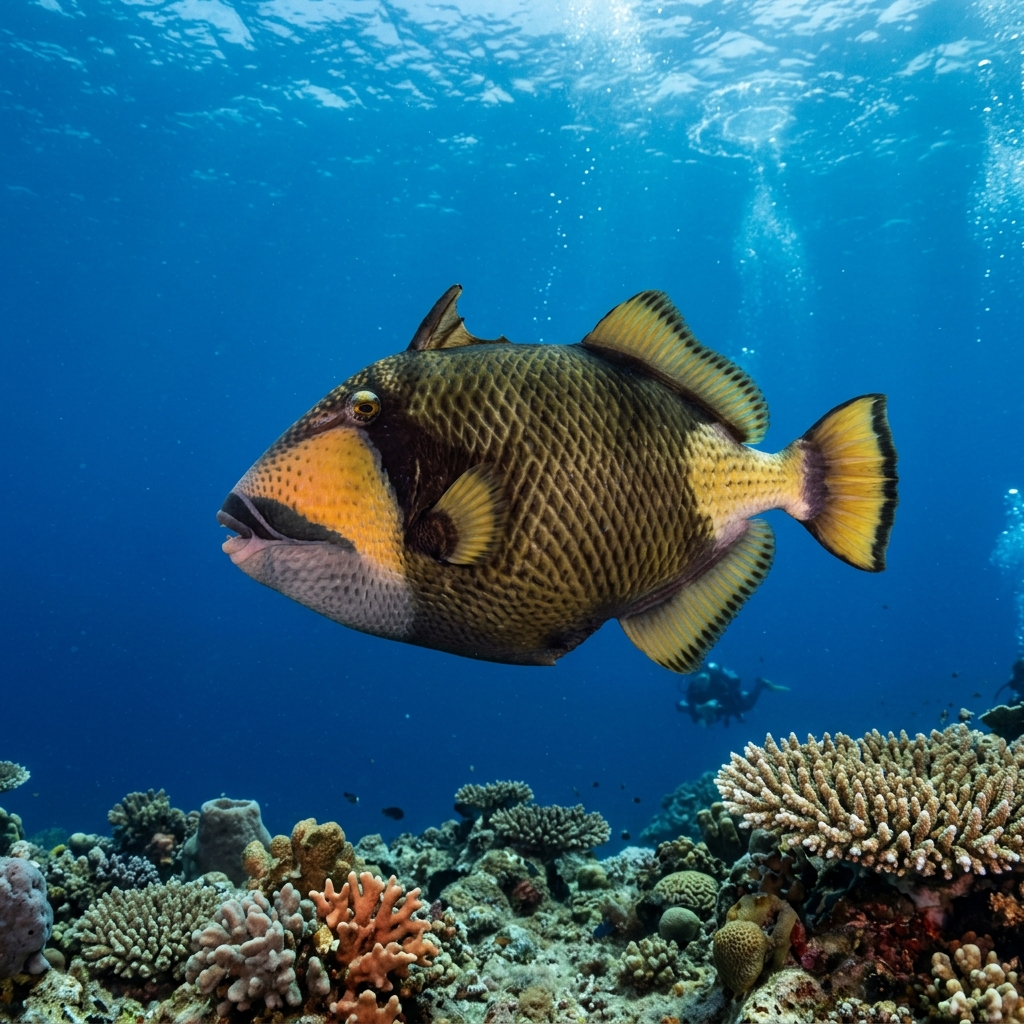
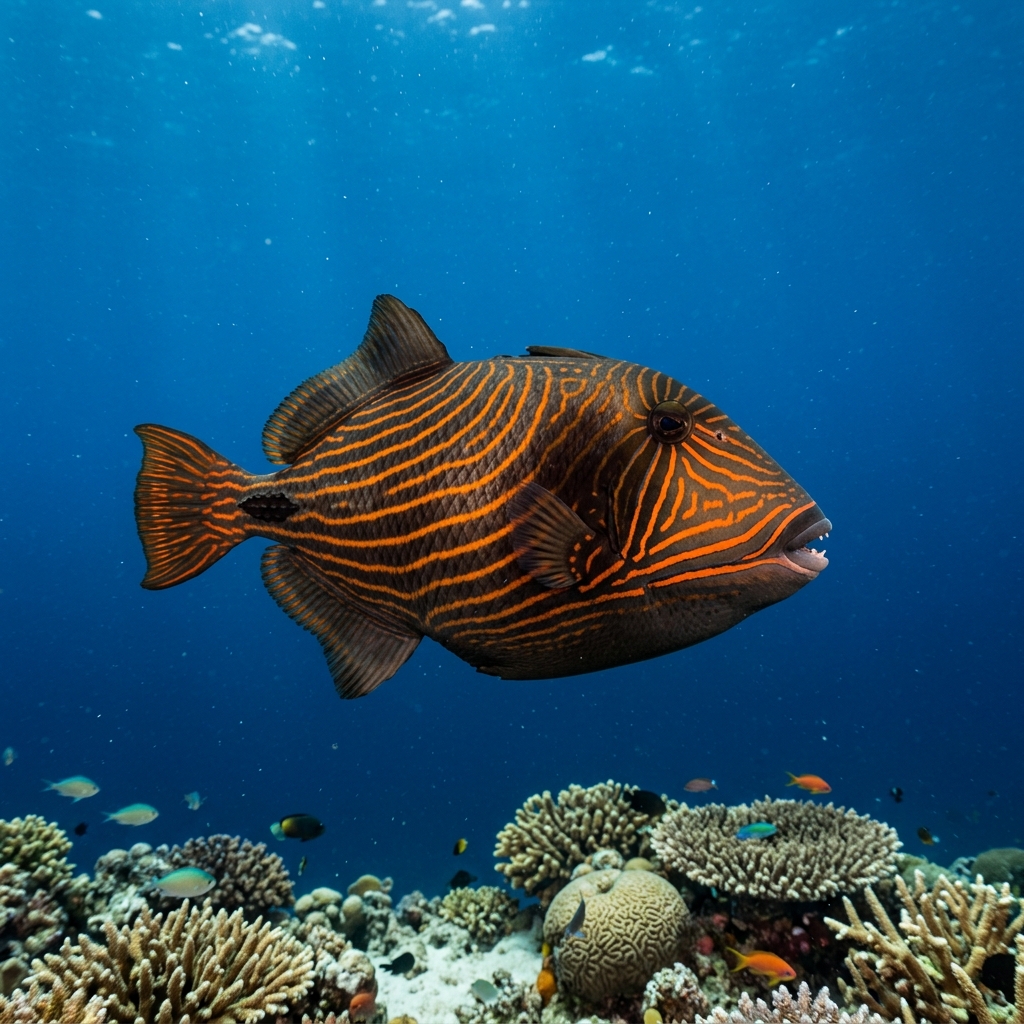
They're a small species for a triggerfish, typically reaching around 16 cm in length, so they're easy to overlook against the larger titan or clown triggerfish on the same reefs.
No, they're not considered a risk to divers. They tend to retreat into cover when approached rather than defend territory aggressively, unlike some larger triggerfish species during nesting.
Site and sighting data is aggregated from diver logs, iNaturalist and GBIF. For taxonomy and conservation status:
Lagoon Triggerfish
2,435 sites