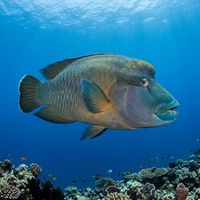
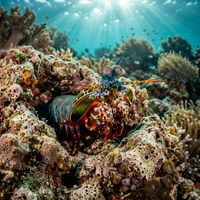
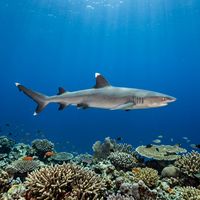
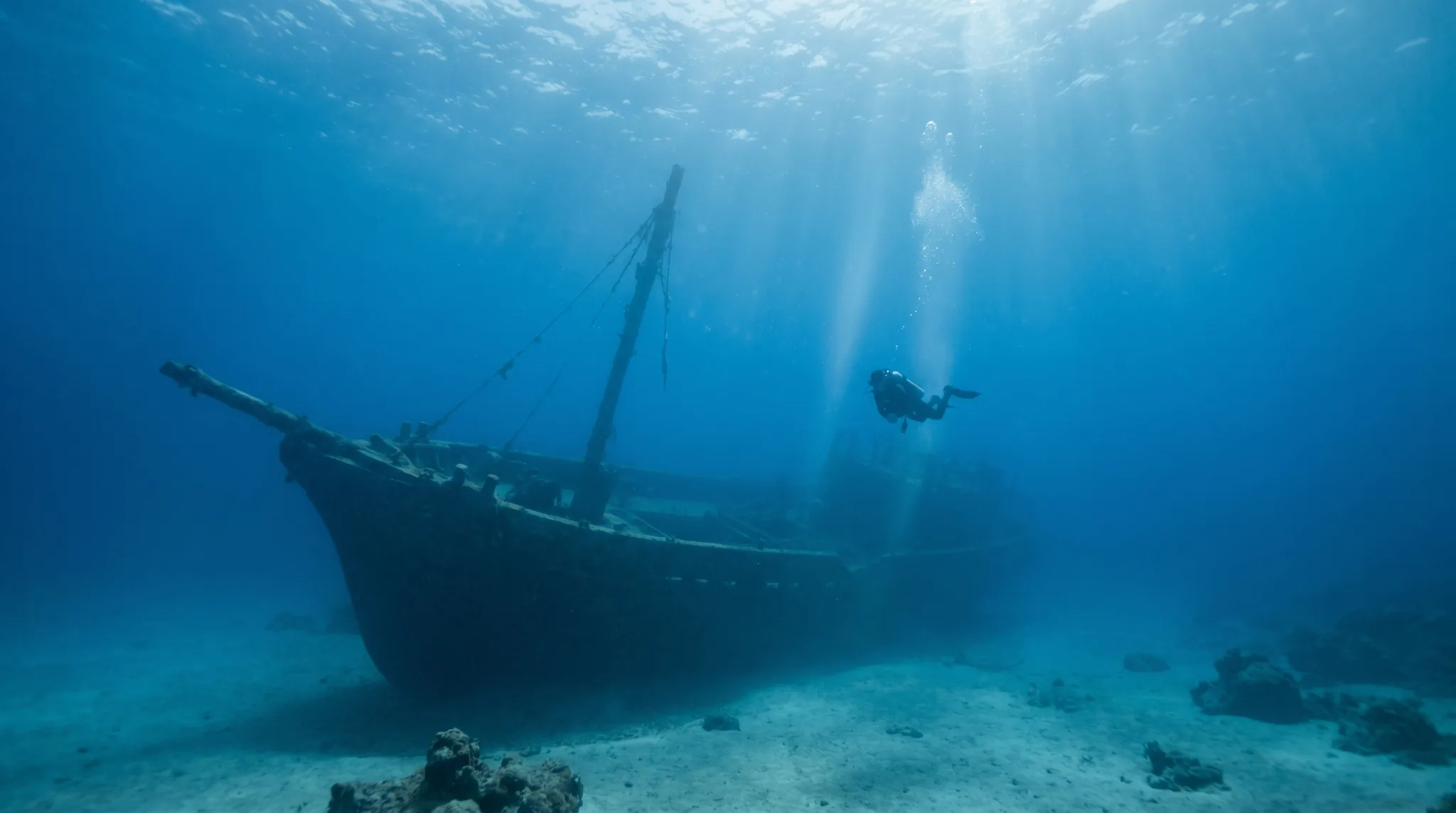
Nusa Tenggara stretches across a chain of Indonesian islands, dividing its diving character between the current-driven pinnacles and walls of Komodo, the reef slopes and drop-offs around Lombok and the Gili Islands, and the more remote sites of Alor and Sumbawa. Strong currents are a defining feature: many of the standout sites, including The Cauldron, Batu Bolong, and Castle Rock, demand advanced skills and reward divers with large pelagics and dense reef life. Shallower, calmer options exist for beginners. The species list spans Whitetip Reef Shark, Napoleon Wrasse, Mandarinfish, and Green Sea Turtle, among many others.
5 areas
 85
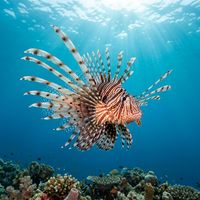
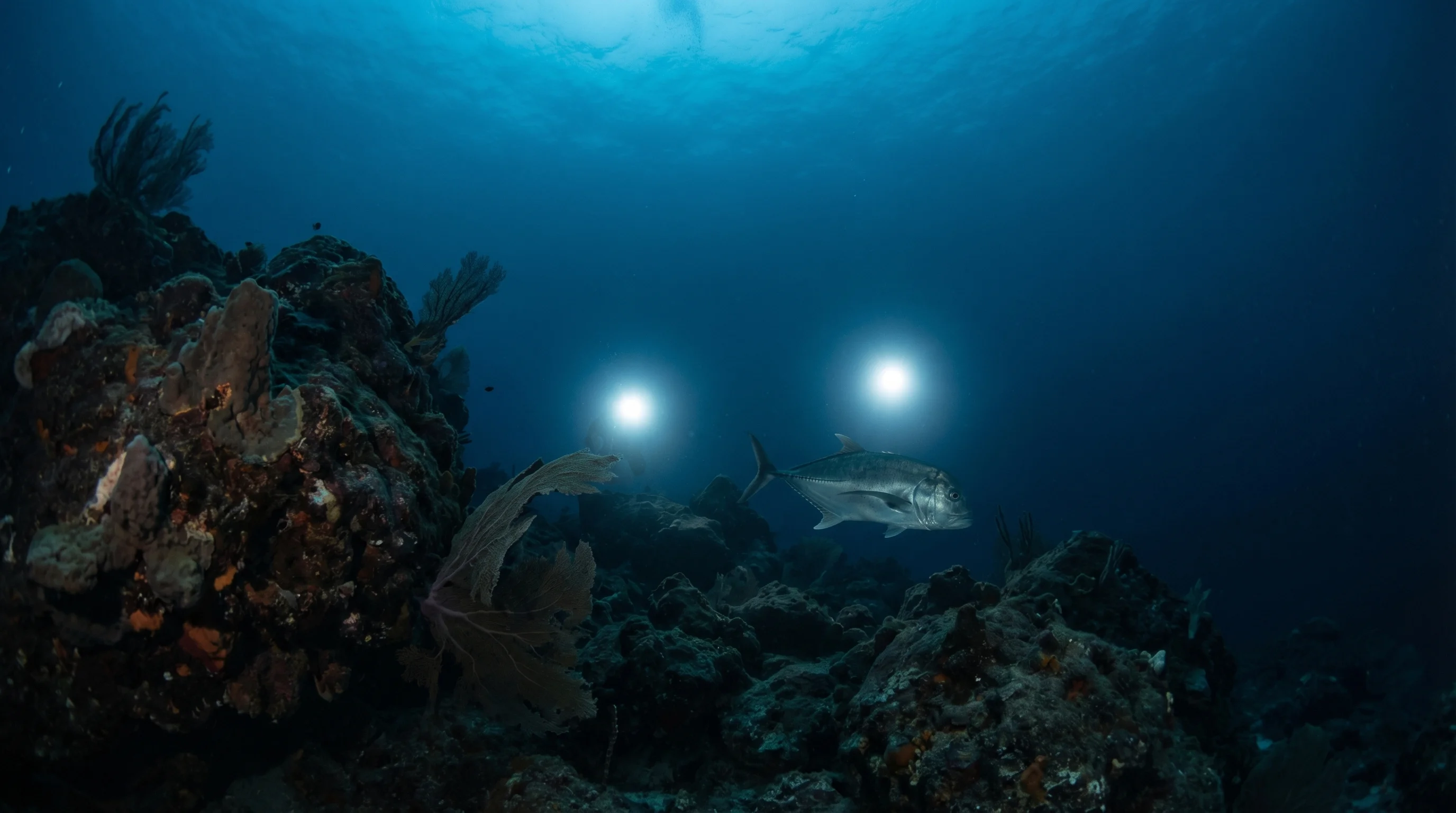
85Drift dives, shallow reefs and a diverse species list spanning lionfish, sea turtles and mantis shrimp across the Gili Islands and Lombok.
 63
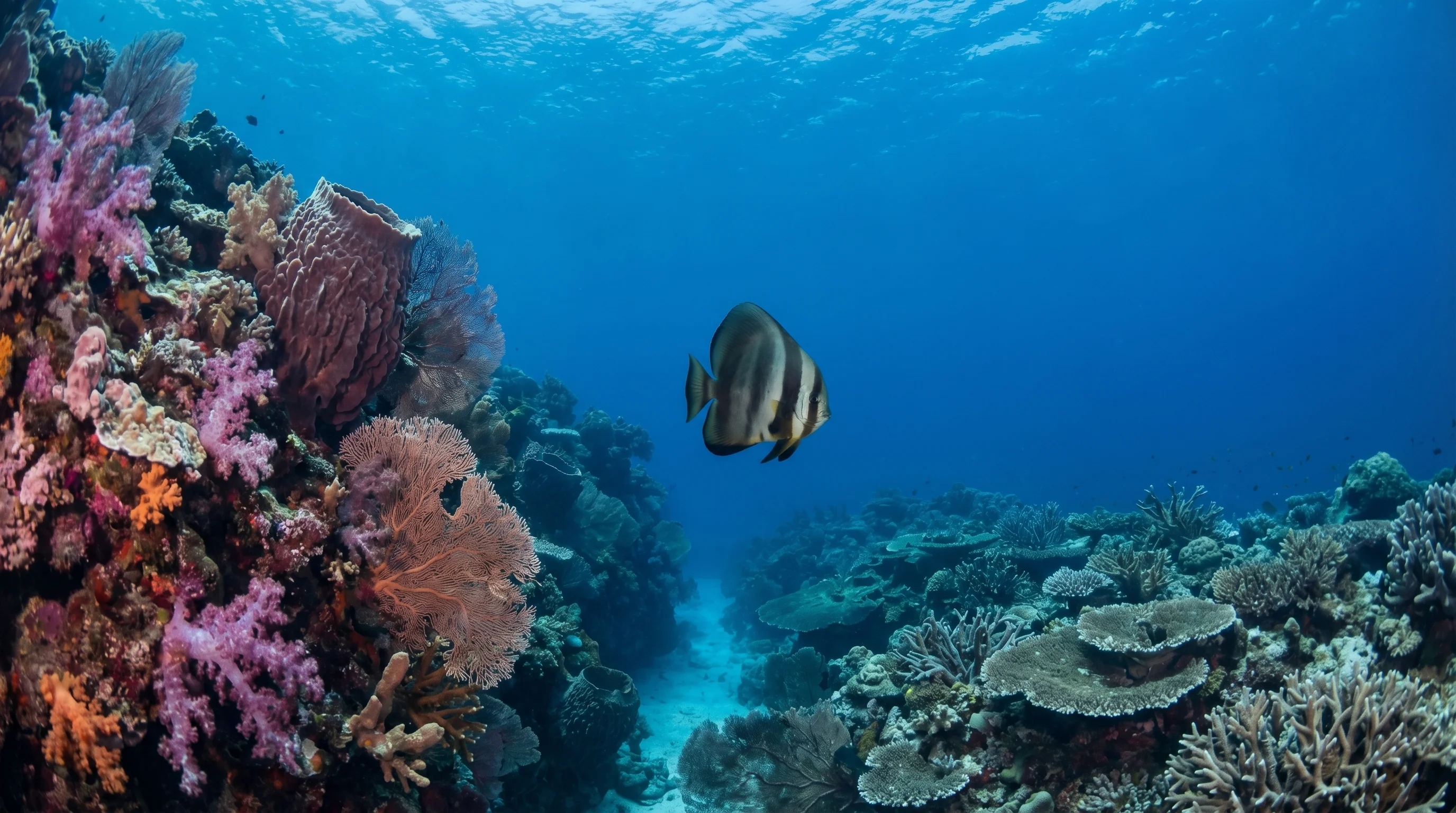
63Powerful drift dives past pinnacles and walls, with Manta Ray encounters and an extraordinary spread of reef life across a large site network.
 10
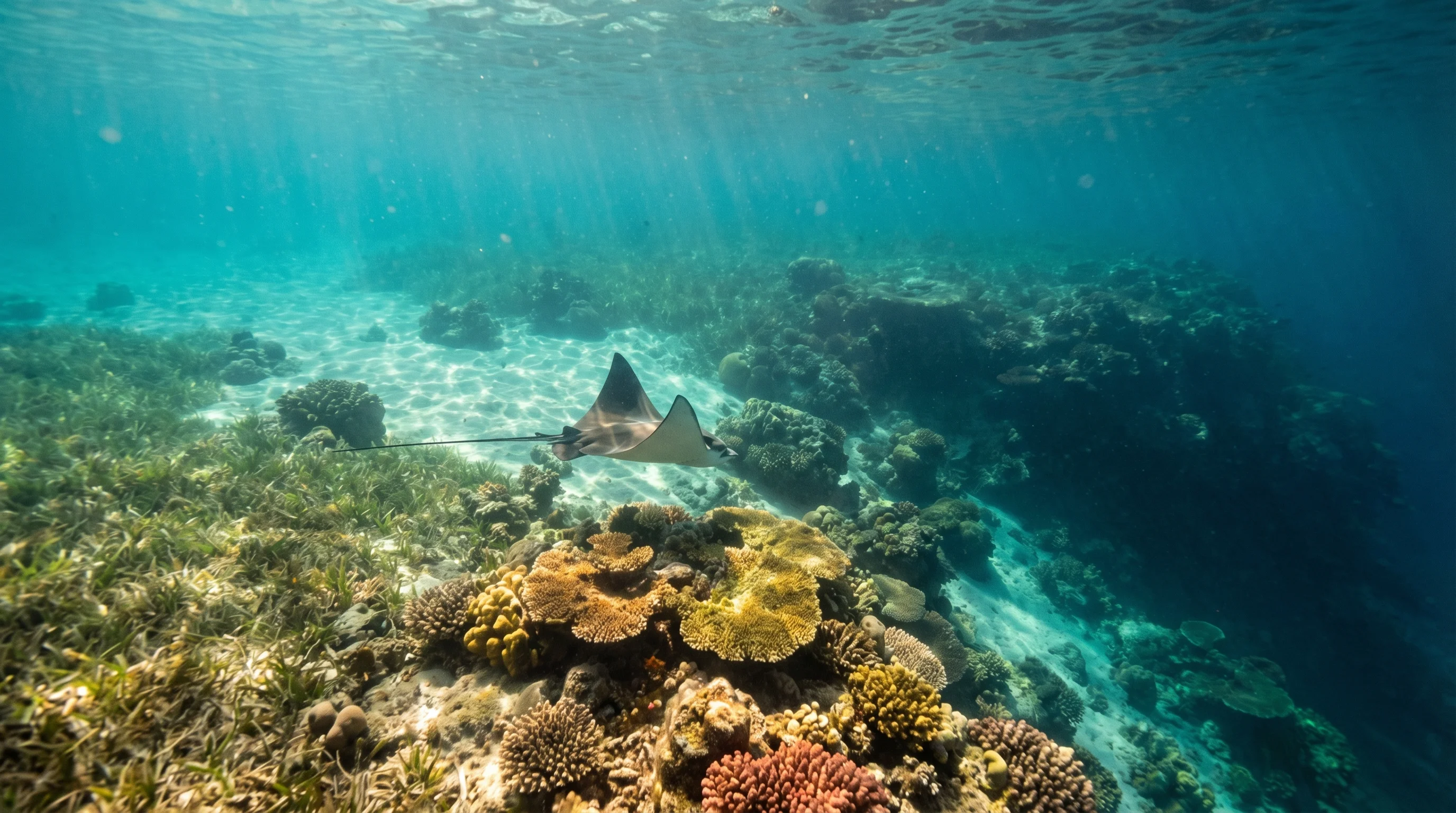
10Drift walls, volcanic muck slopes, and a remarkable density of cryptic species make Alor one of Indonesia's most rewarding dive destinations.
Monthly water temperature across Nusa Tenggara's sites, from satellite sea-surface data corrected for depth. The band shows the site-to-site spread.
Water temperature stays warm throughout the year with very little variation, making thermal comfort a constant. The best-months data shows a clear peak running from April through October, aligning with calmer surface conditions and stronger visibility across the exposed sites. Outside this window diving remains possible but conditions, particularly at current-exposed sites in Komodo, become less predictable.
143 operators
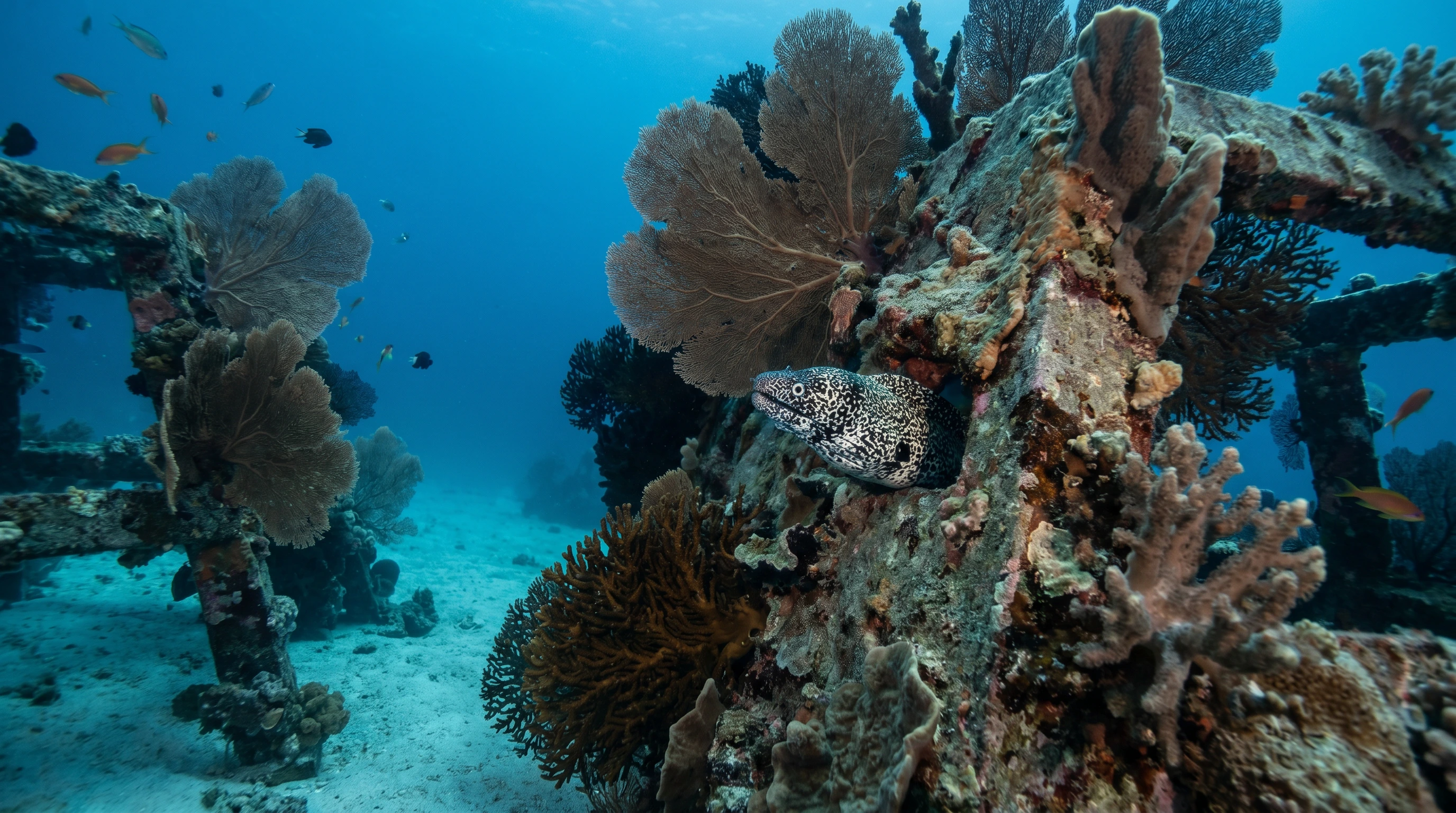
Varied reef and drift diving off Sumbawa, from calm snorkelling at Pulau Satonda to strong-current wall dives in the Flores Sea.
Water temperature around Nusa Tenggara ranges from about 27°C in August to 29°C in March, based on satellite sea-temperature data for its dive sites.
With water around 27–29°C, a rash guard or 3mm shorty works in Nusa Tenggara year-round.
Fin maps 163 sites in Nusa Tenggara (155 scuba diving sites and 35 snorkelling spots, with some suited to both), organised into 5 areas.
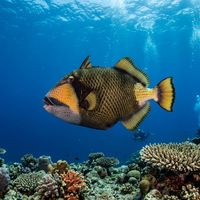
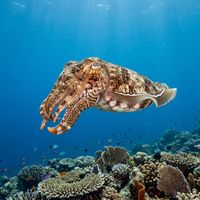
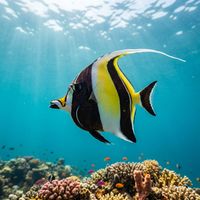
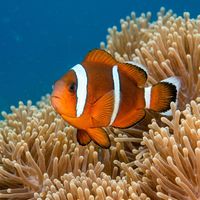
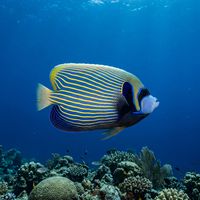
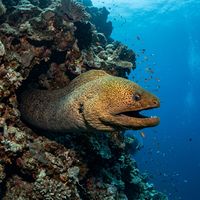
Nusa Tenggara has an extensive, observation-backed species list. Whitetip Reef Shark and Napoleon Wrasse are regularly encountered, as are Green Sea Turtle and Giant Moray. Signature species for the region include Mandarinfish, Peacock Mantis Shrimp, and Emperor Angelfish, with Broadclub Cuttlefish and Day Octopus also recorded commonly across sites.
A portion of the sites cater specifically to beginners, including The Komodo Resort house reef, Gili Nanggu, and Manta Point Komodo, all of which feature shallow depths and mild conditions. However, the most celebrated sites, such as Batu Bolong, Castle Rock, and The Cauldron, are rated advanced due to strong and sometimes unpredictable currents. Beginners should choose their sites and operators carefully.
Lombok and the Gili Islands hold the largest concentration of sites and offer a broad spread of skill levels, from gentle reef dives to deeper walls. Komodo is the heartland of advanced drift diving, with current-swept pinnacles and walls as its signature. Alor sits at the far end of the chain with a smaller, more specialist selection of sites, while Sumbawa and Maumere are the most lightly documented sub-areas.
The majority of sites across Nusa Tenggara require boat access, which is particularly true in Komodo where all the main pinnacle and drift sites are reached by vessel. Shore entry is available at a smaller number of sites, including The Komodo Resort house reef and Gili Nanggu. Several operators listed for the region, including Alami Alor Dive and Snorkel Resort and Gili Air Divers, can arrange boat trips to the relevant sites.