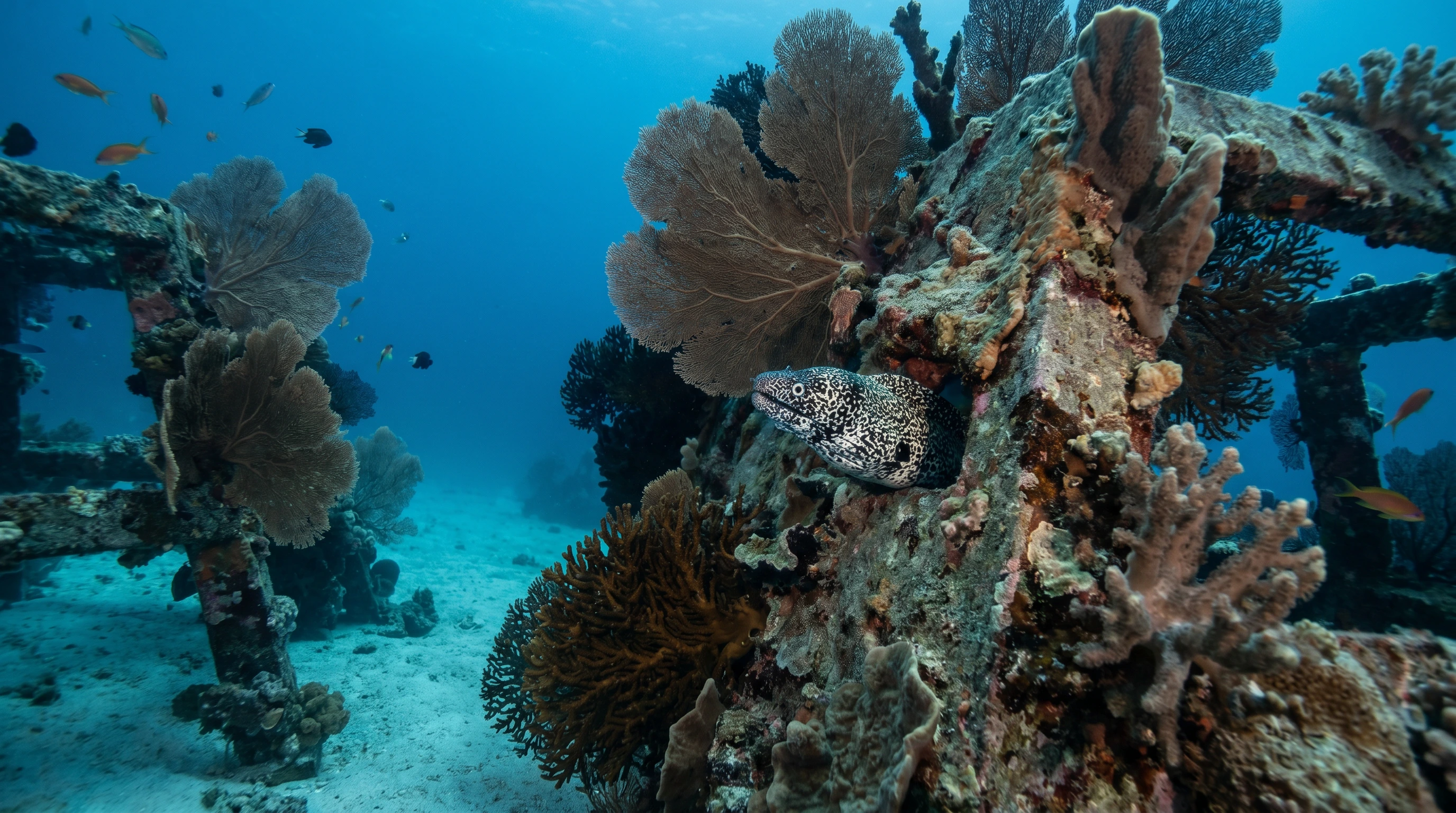
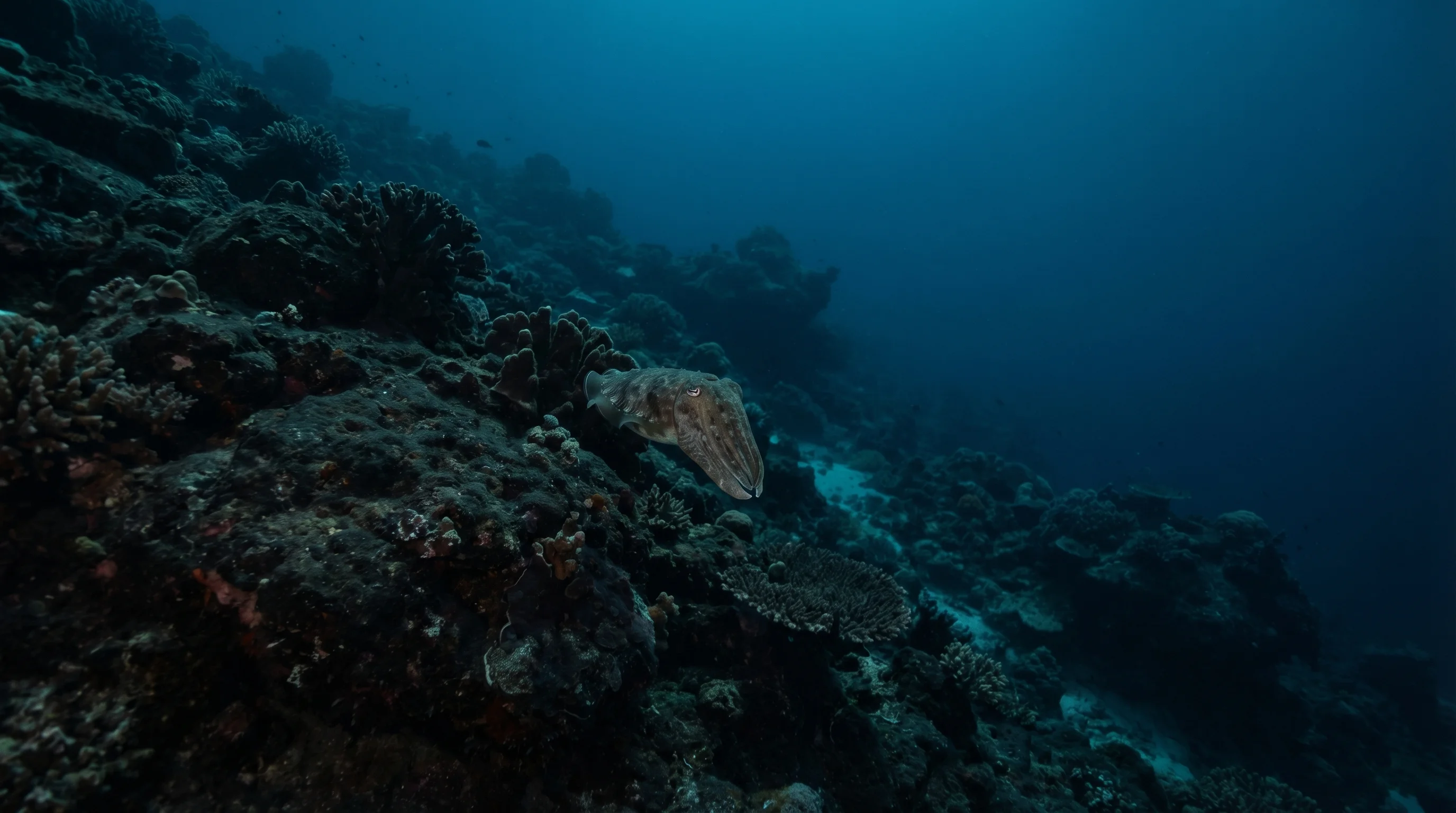
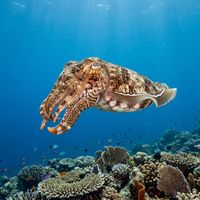
Labuan Bajo serves as the main gateway into the Komodo area, offering muck diving alongside reef-based sites where the two styles overlap. The Indian Lionfish, Broadclub Cuttlefish and Bluespotted Fantail Ray appear consistently across sites, while the Whitetip Reef Shark and Hawksbill Sea Turtle reward patient divers. Conditions are generally warm year-round, with the period from April through November considered best. A large number of operators is based here, making access straightforward for visiting divers.


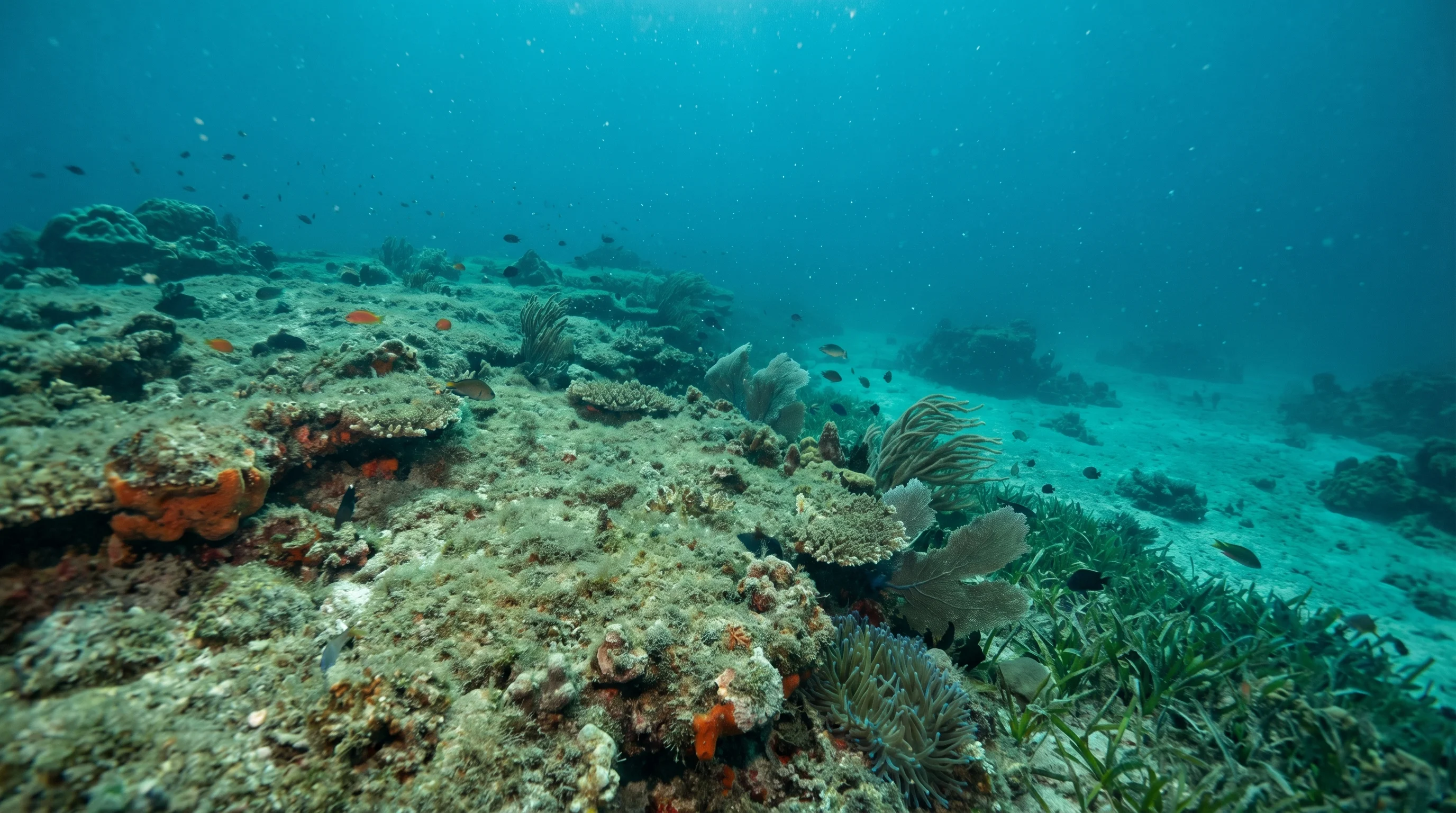
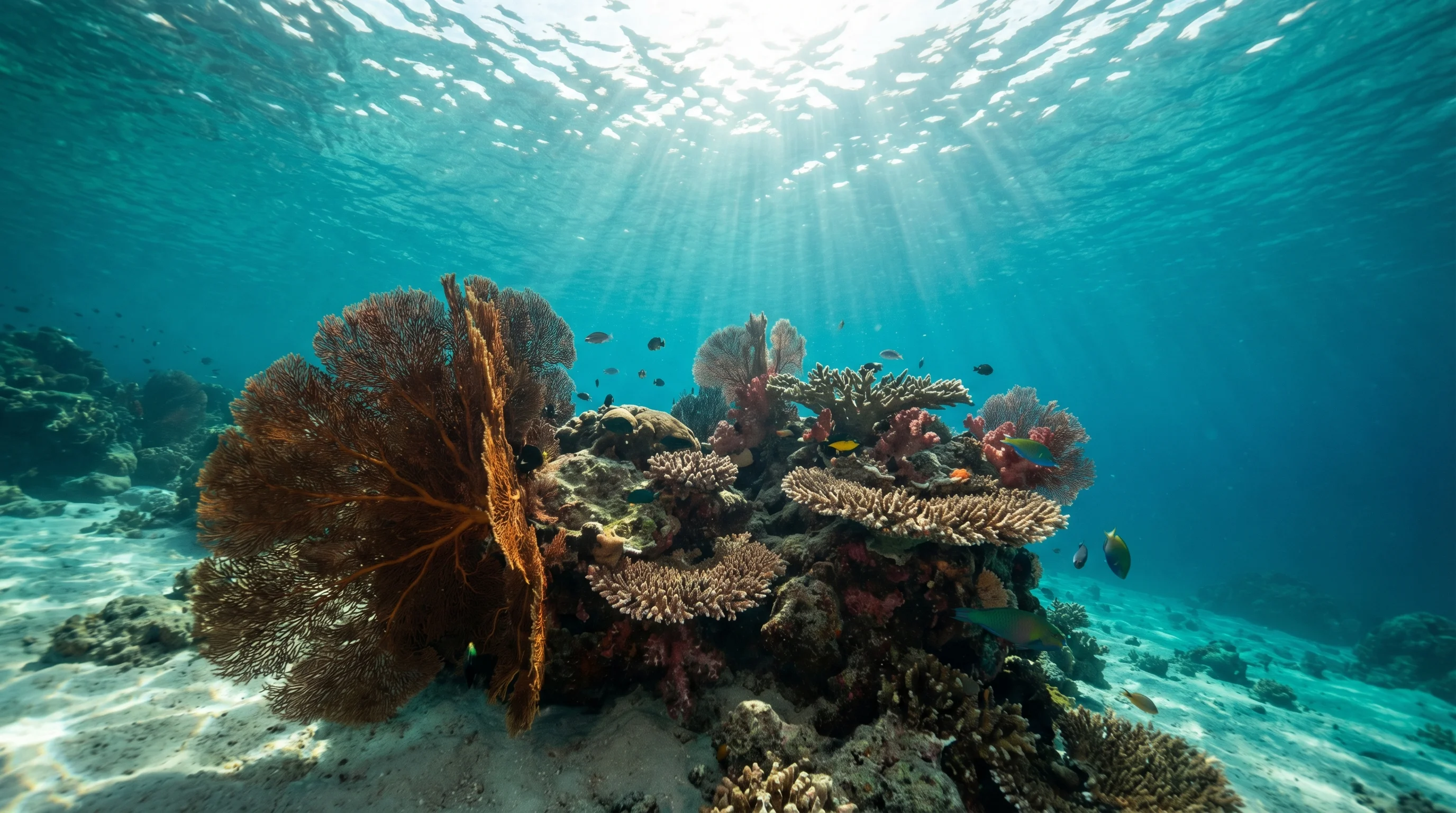
Monthly water temperature across Labuan Bajo's sites, from satellite sea-surface data corrected for depth. The band shows the site-to-site spread.
Water temperature remains warm throughout the year with little seasonal variation, keeping conditions comfortable across all months. The best-months data favours April through November, aligning with calmer, clearer conditions. Sites such as Waecicu and Sture feature mild currents, making them accessible even to less experienced divers.



41 operators


Cempa, Indonesia
10 more sites to explore
Water temperature around Labuan Bajo ranges from about 27°C in February to 29°C in January, based on satellite sea-temperature data for its dive sites.
With water around 27–29°C, a rash guard or 3mm shorty works in Labuan Bajo year-round.
Fin maps 11 sites in Labuan Bajo (11 scuba diving sites and 5 snorkelling spots, with some suited to both).
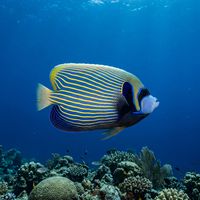
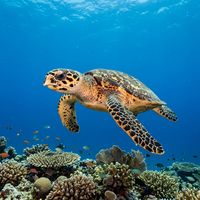
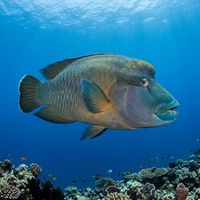
The most consistently observed species include Indian Lionfish, Broadclub Cuttlefish, Bluespotted Fantail Ray and multiple clownfish species including Common Clownfish, Maroon Clownfish and Blackback Clownfish. Whitetip Reef Shark and Hawksbill Sea Turtle are seen at a good number of sites, and the Napoleon Wrasse and Emperor Angelfish appear occasionally. The Peacock Mantis Shrimp is among the signature species of the area.
Yes, several sites here are rated for beginners, including the muck diving sites at Waecicu and Sture, which feature mild currents and moderate maximum depths. The range of operators based in Labuan Bajo means guided experiences and instruction are readily available. The warm, stable water temperature also makes conditions comfortable for those new to diving.
Sites can be reached by both shore entry and boat, depending on the specific site. A large number of operators offer boat-based trips, and with so many dive centres based in Labuan Bajo, organising a guided trip is straightforward. Shore-accessible sites like Waecicu and Sture lie a short distance from the waterfront.
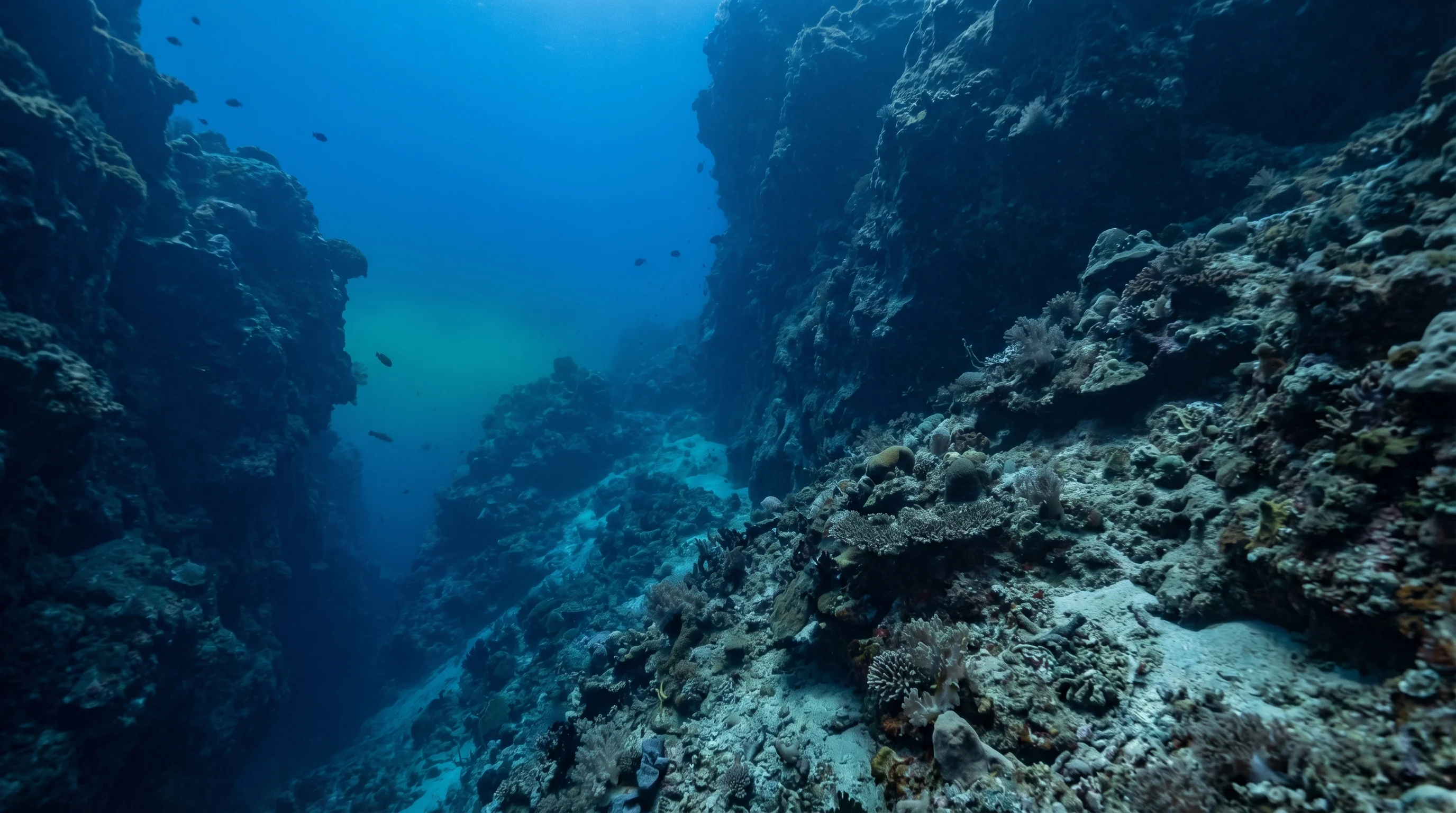
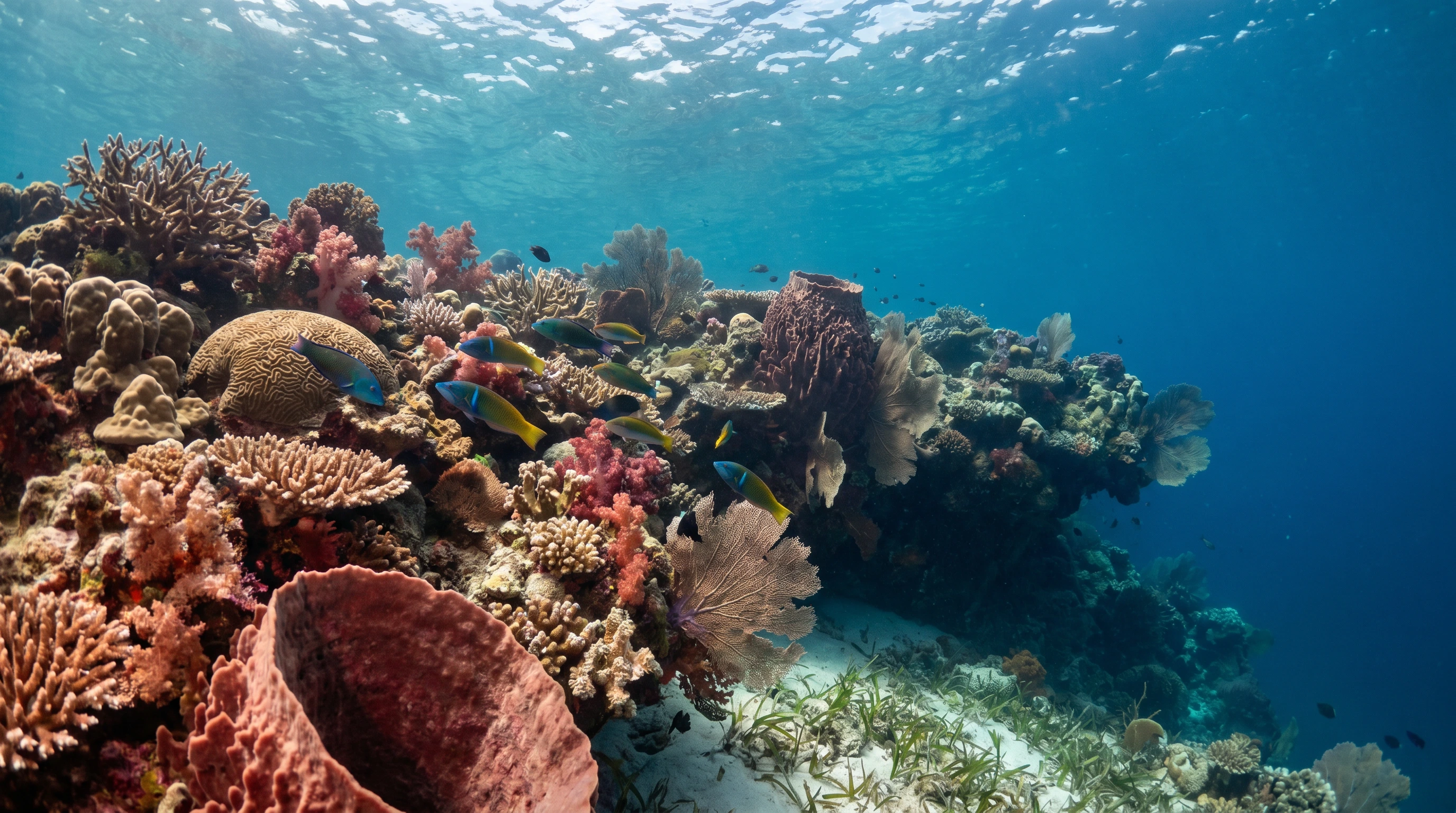
Labuan Bajo's sites lean toward muck diving, where sandy or silty seabeds host cryptic and unusual creatures such as cuttlefish, lionfish and rays. Several sites serve both divers and snorkellers, meaning reef structures with colourful reef fish are also part of the mix. This combination gives the area appeal for divers who enjoy both macro subjects and broader reef encounters.