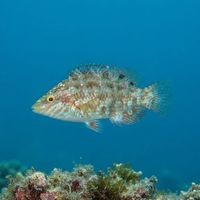
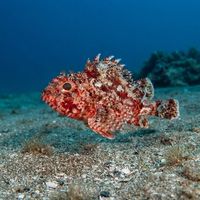
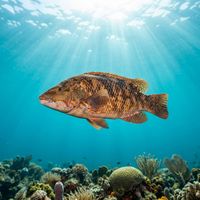
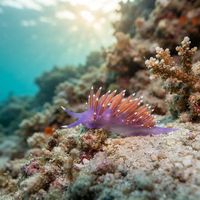
Porquerolles Island divides neatly between shallow, seagrass-fringed shore entries suited to beginners and serious boat dives ranging from rocky drop-offs to several wrecks at considerable depth. The reef at Escampobariou combines walls, caves and drop-offs in a single dive, while Le Niedersachsen and the Mustang P51 are strictly the domain of advanced and expert technical divers. Mediterranean Cardinalfish, Common Octopus, Mediterranean Moray and multiple wrasse species are consistently observed across sites.
Monthly water temperature across Porquerolles Island's sites, from satellite sea-surface data corrected for depth. The band shows the site-to-site spread.
Water is coolest through late winter and early spring, calling for a thick wetsuit or drysuit. Temperatures climb through summer into the warmest months of July and August, when visibility tends to be at its best and conditions are most settled. Autumn sees a gradual cooling but remains comfortable and popular with divers through October.
8 operators
Toulon, France
France
France
France
6 more sites to explore
Water temperature around Porquerolles Island ranges from about 14°C in February to 22°C in August, based on satellite sea-temperature data for its dive sites.
In the warm season (about 22°C) a 3mm full suit is comfortable in Porquerolles Island; in the coldest months (about 14°C) step up to a 7mm or semi-dry suit.
Fin maps 16 sites in Porquerolles Island (14 scuba diving sites and 4 snorkelling spots, with some suited to both).
Across Porquerolles Island's dive sites, May, June, July, August and September are most often reported as the best months to visit.
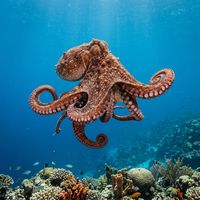
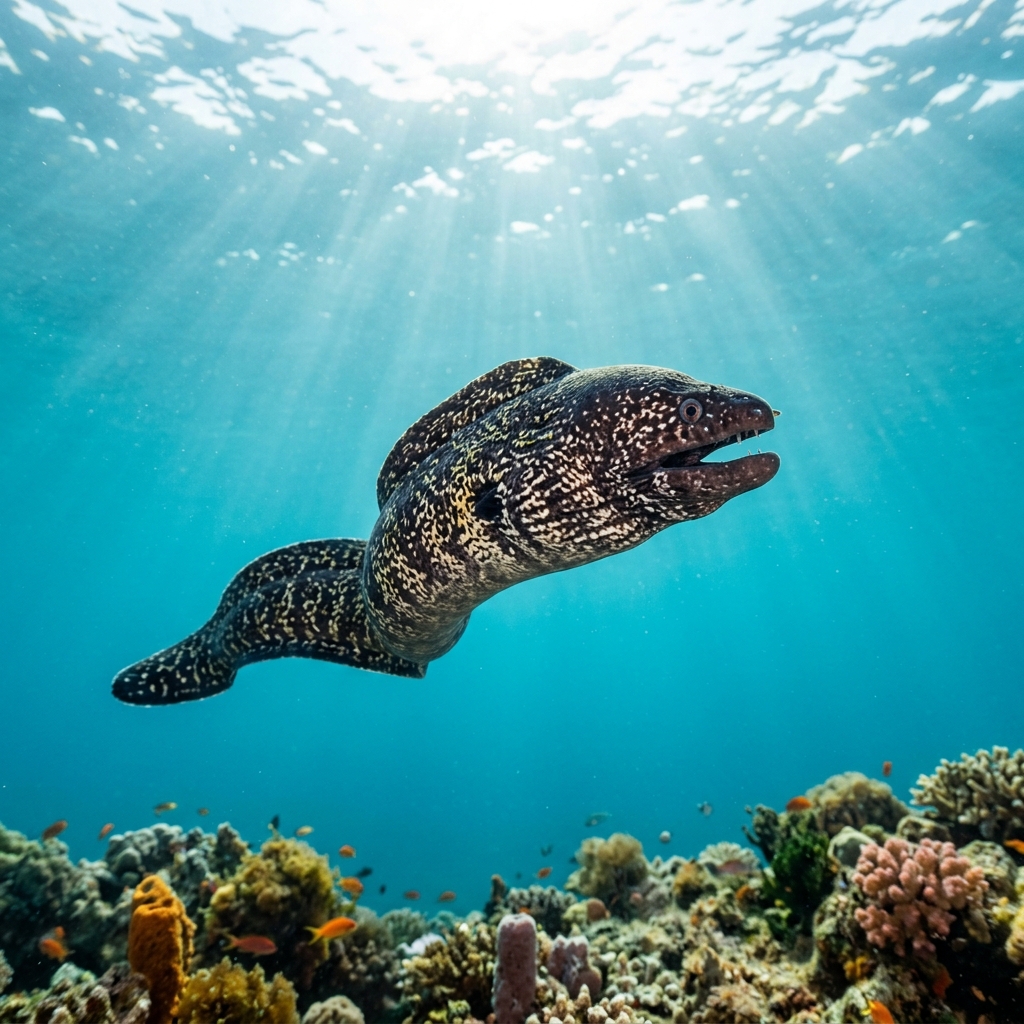
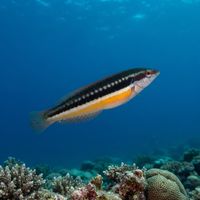
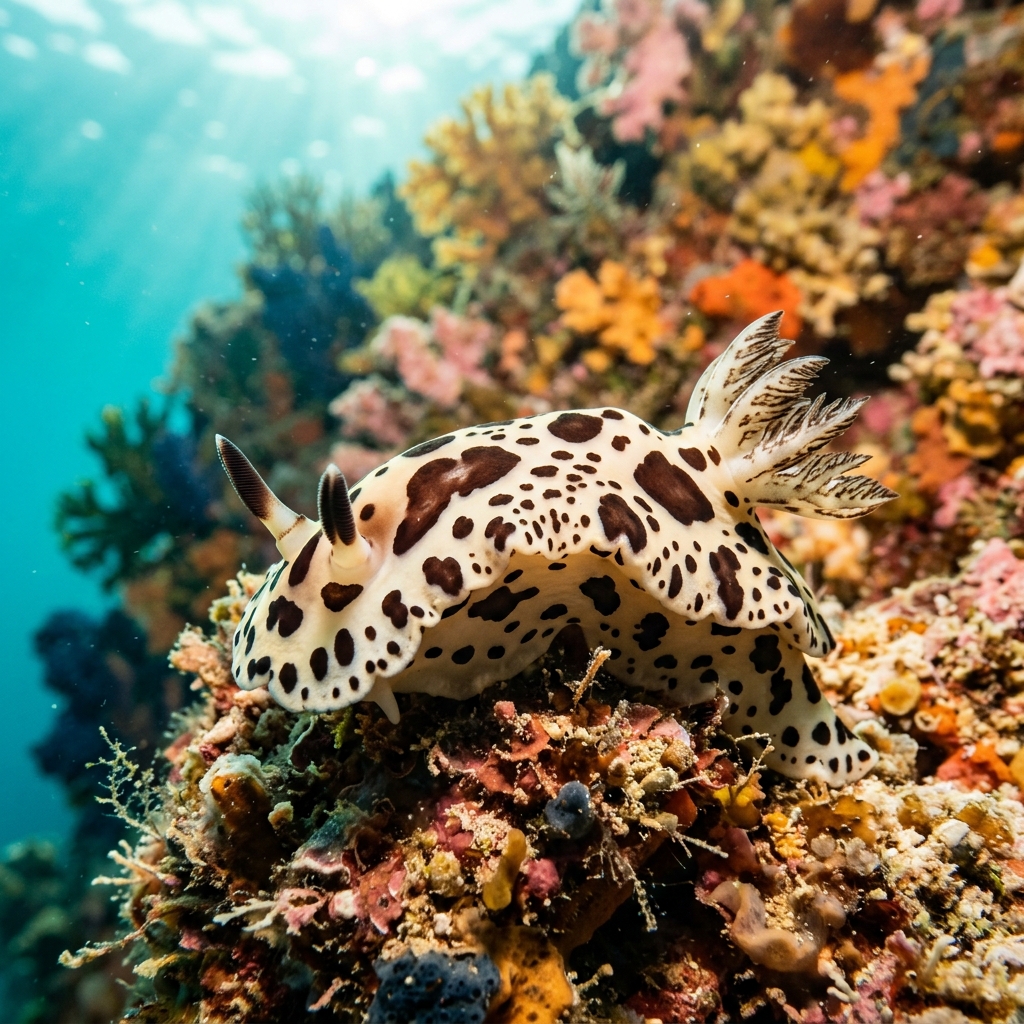
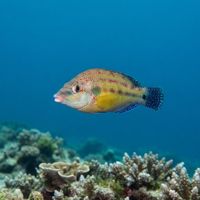
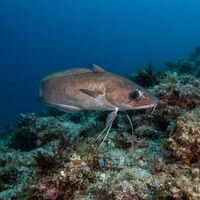
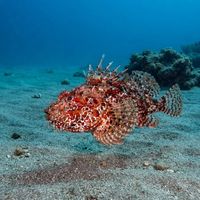
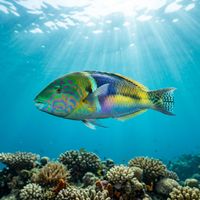
The island's sites are particularly rich in cephalopods and wrasse species. Common Octopus and Mediterranean Moray are observed across the majority of sites, alongside Mediterranean Rainbow Wrasse, Peacock Wrasse, Turkish Wrasse and Five-spotted Wrasse. Red Scorpionfish and European Conger are also frequently encountered, and nudibranchs including the Violet Sea Slug and Cratena Slug reward attentive divers on reef sections.
The island caters to a broad range of skill levels. Shore sites such as Calanque du Four à Chaux are shallow and accessible for beginners, and L Ariane is noted for mild currents. Intermediate divers have reef and drop-off sites to explore, while wrecks like Le Glenn Martin and Le Niedersachsen are strictly for advanced or expert divers with deep diving qualifications.
Most sites require a boat, and there are numerous local operators including Hippocampe, Bubble Diving, Nethuns Diving and Blue Water Diving among others. A handful of sites, including Calanque du Four à Chaux, are accessible directly from shore, making them practical for those without boat access or for a warm-up dive before heading to deeper water.
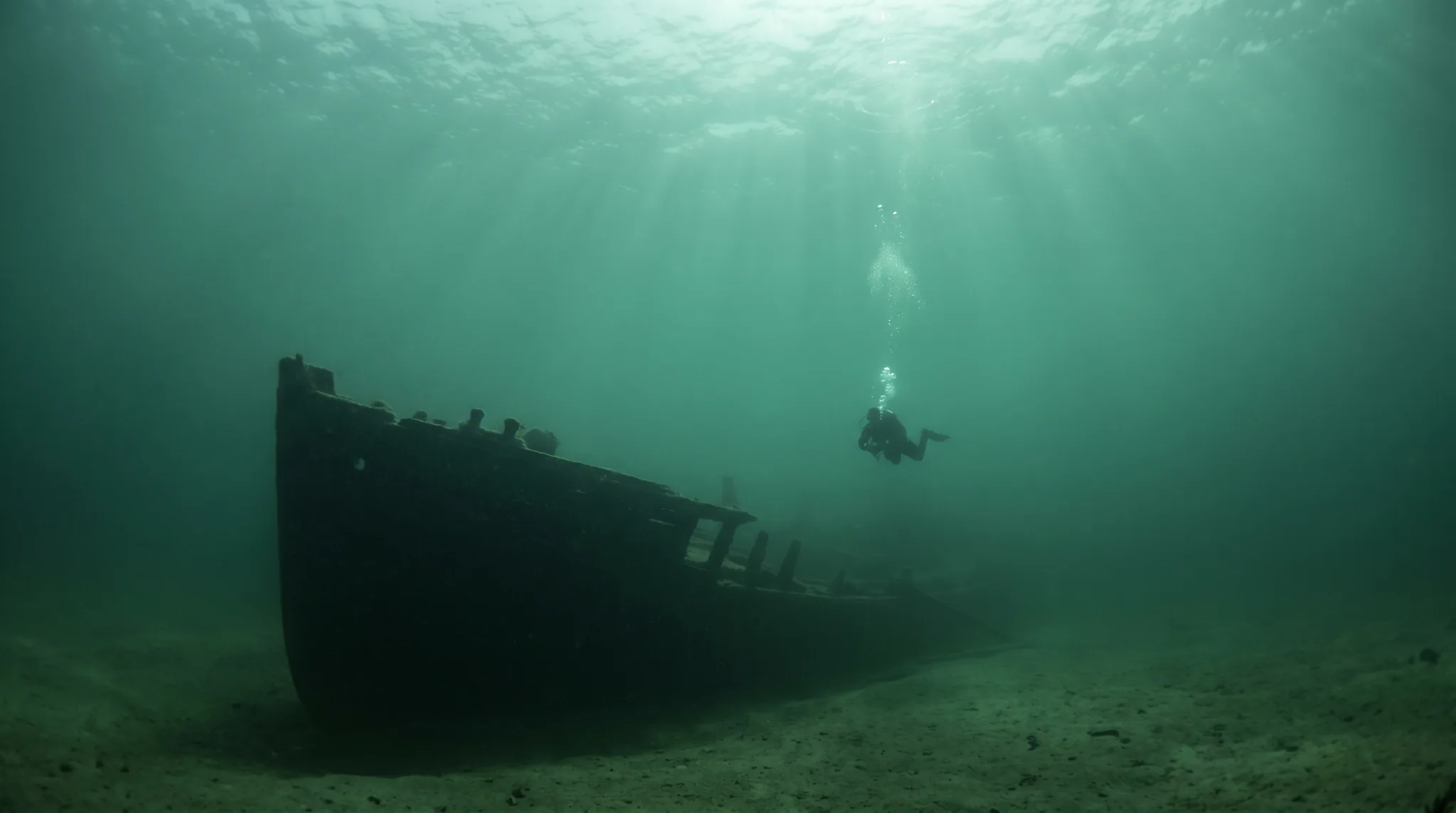
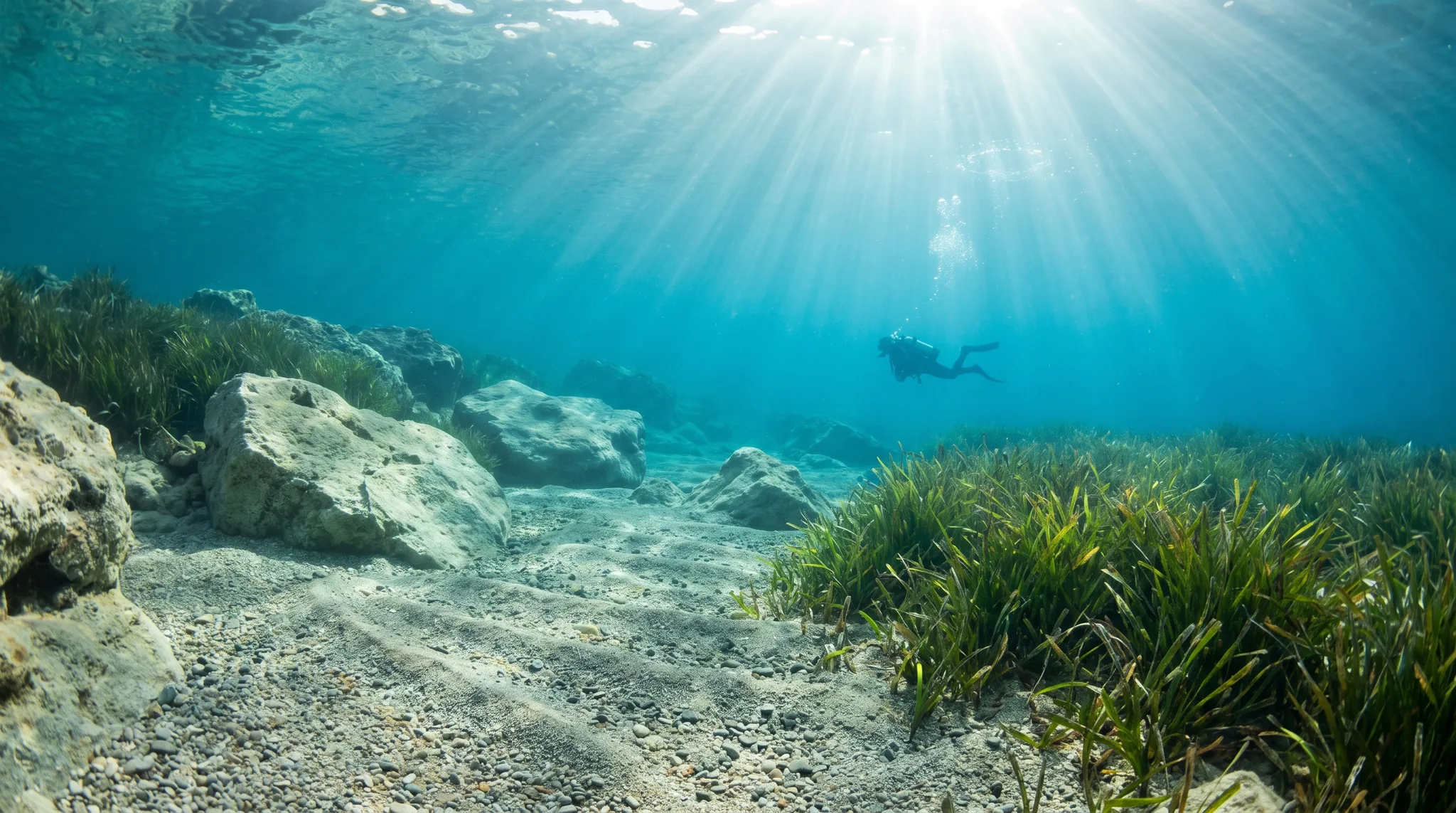
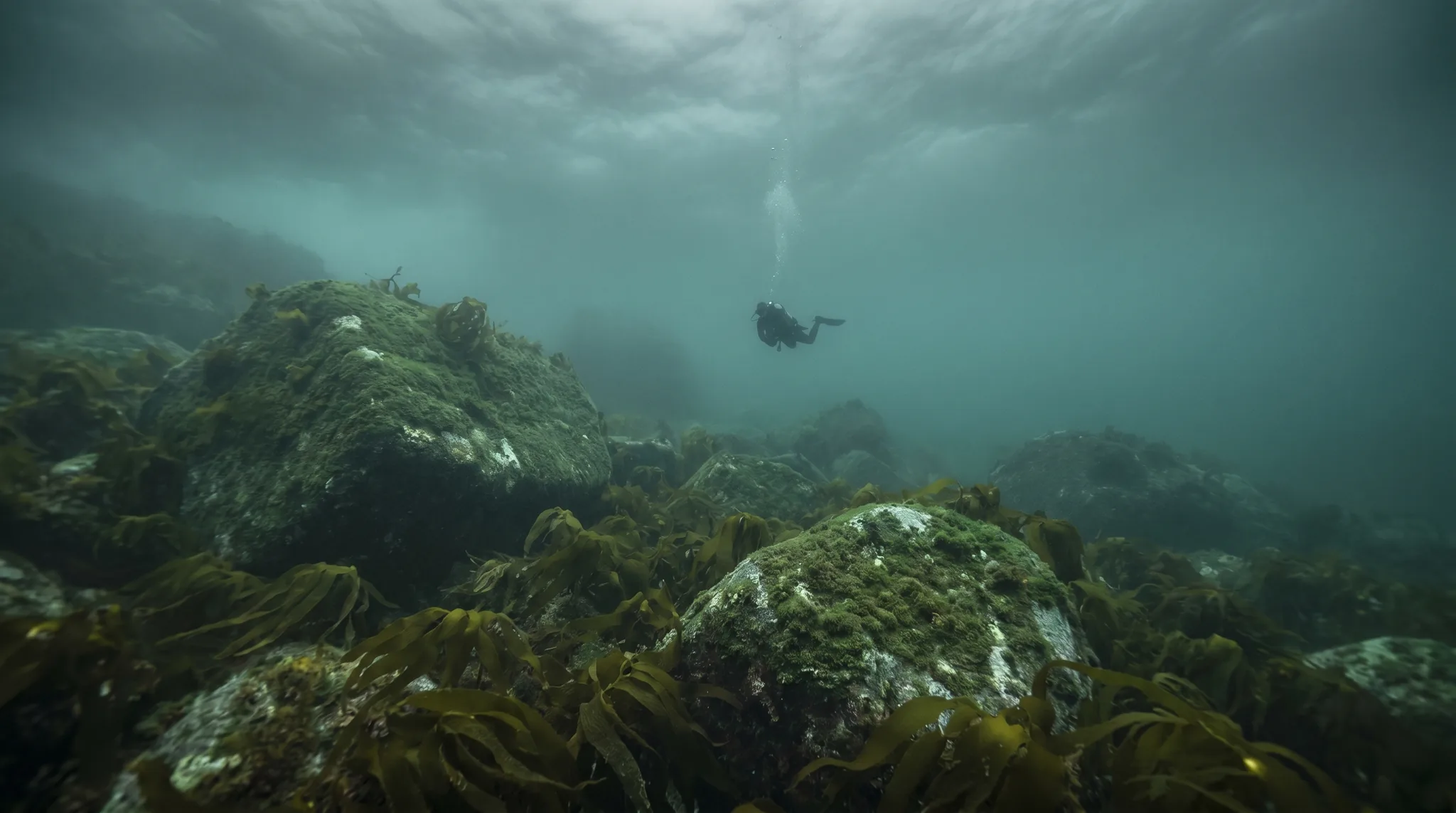
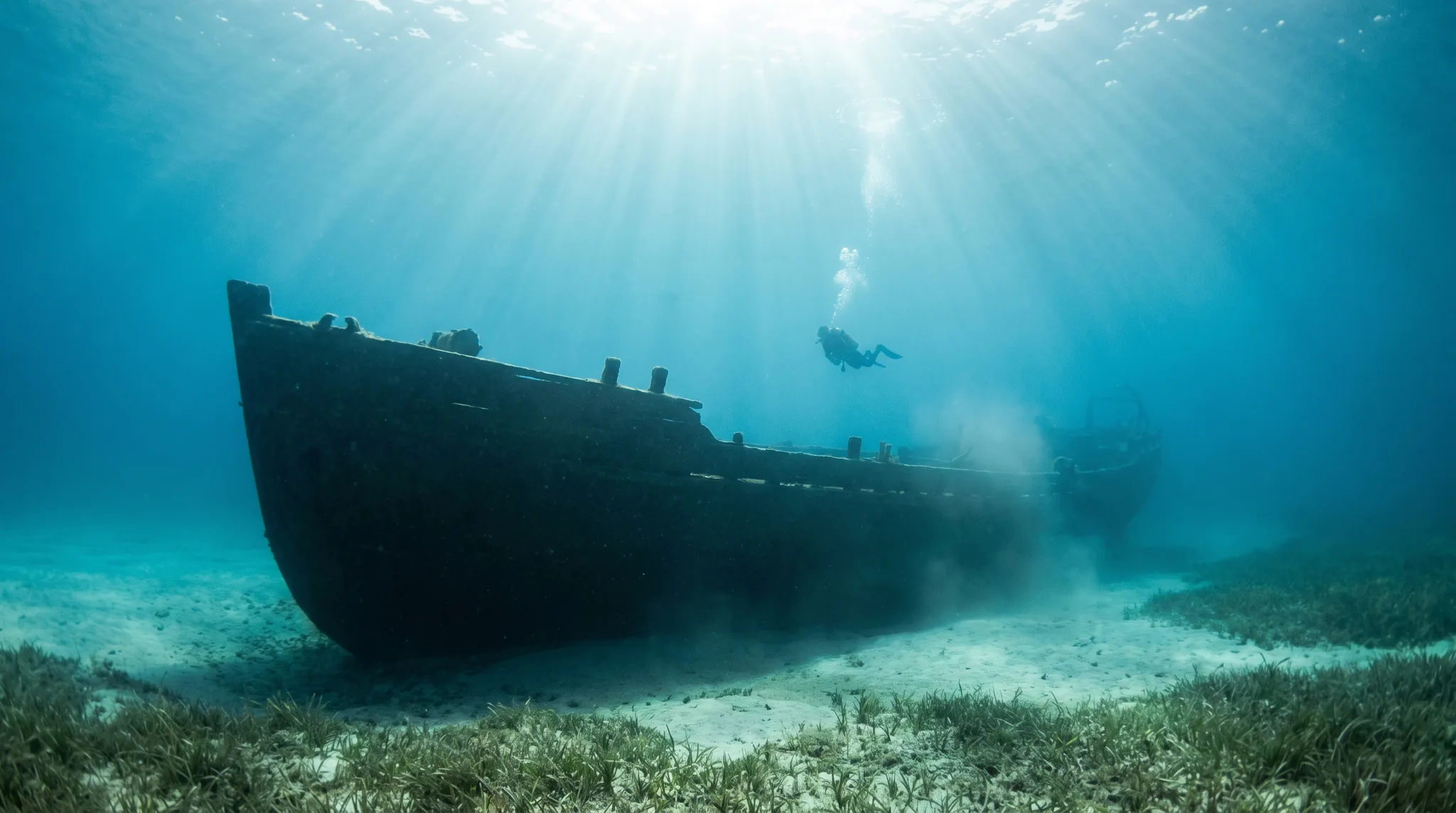
The island's underwater terrain is varied. Shallow seagrass beds and reefs sit alongside more dramatic structures at Escampobariou, where walls, caves and drop-offs appear in the same dive. Wrecks are a defining feature, ranging from the relatively accessible depths of Le Glenn Martin to the extreme depths of Le Niedersachsen, which is exclusively for technical divers.