
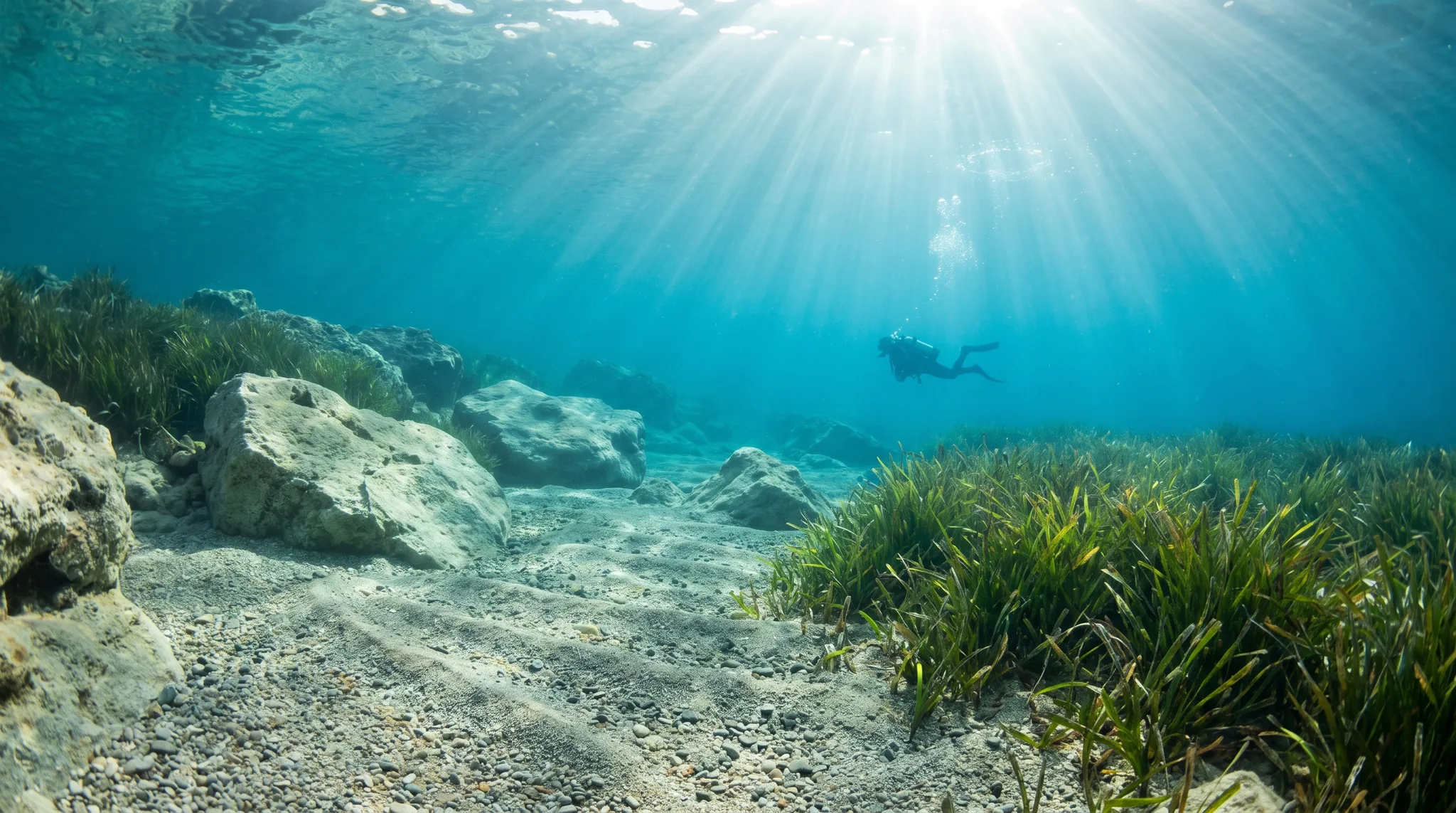
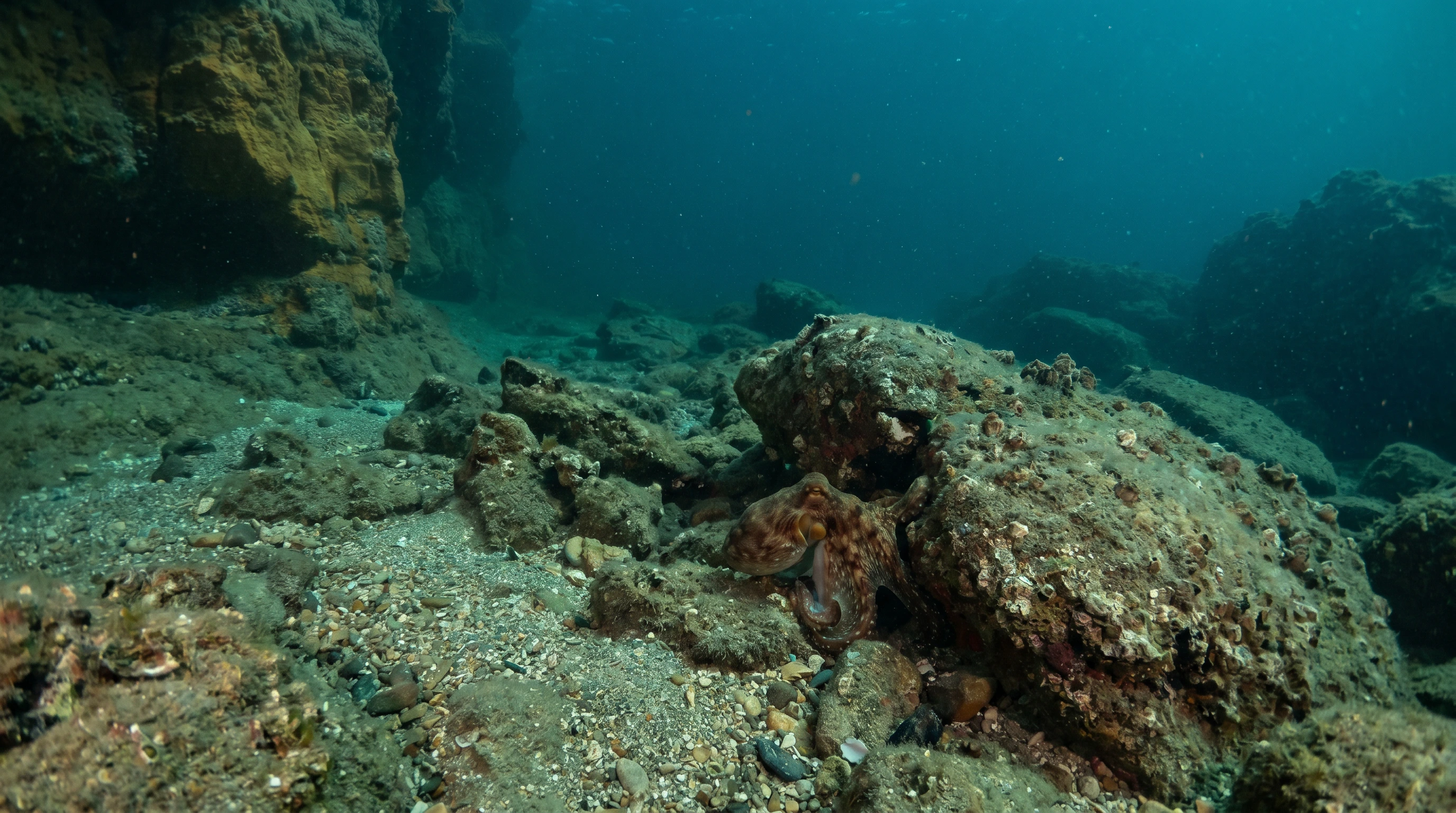
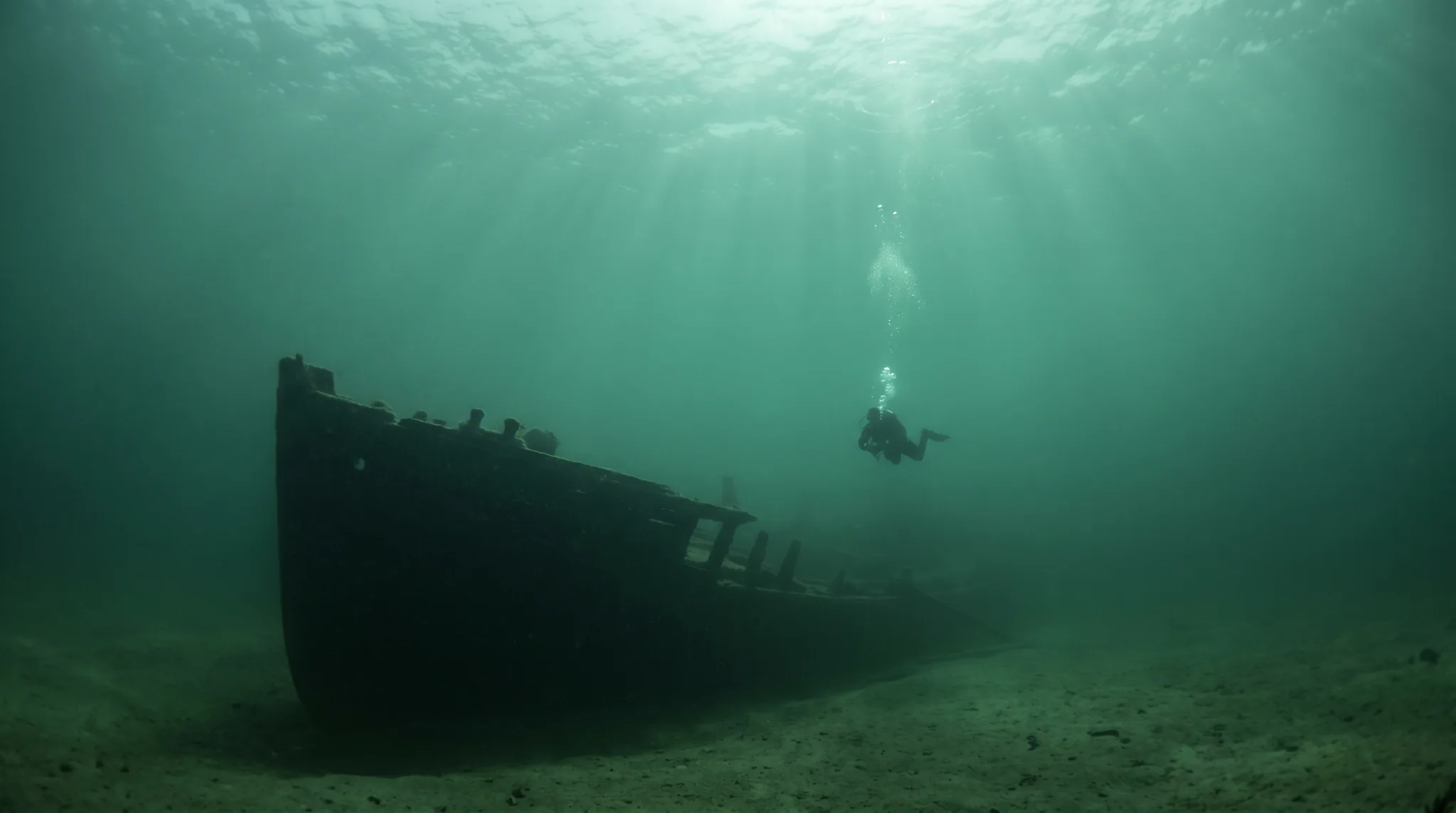
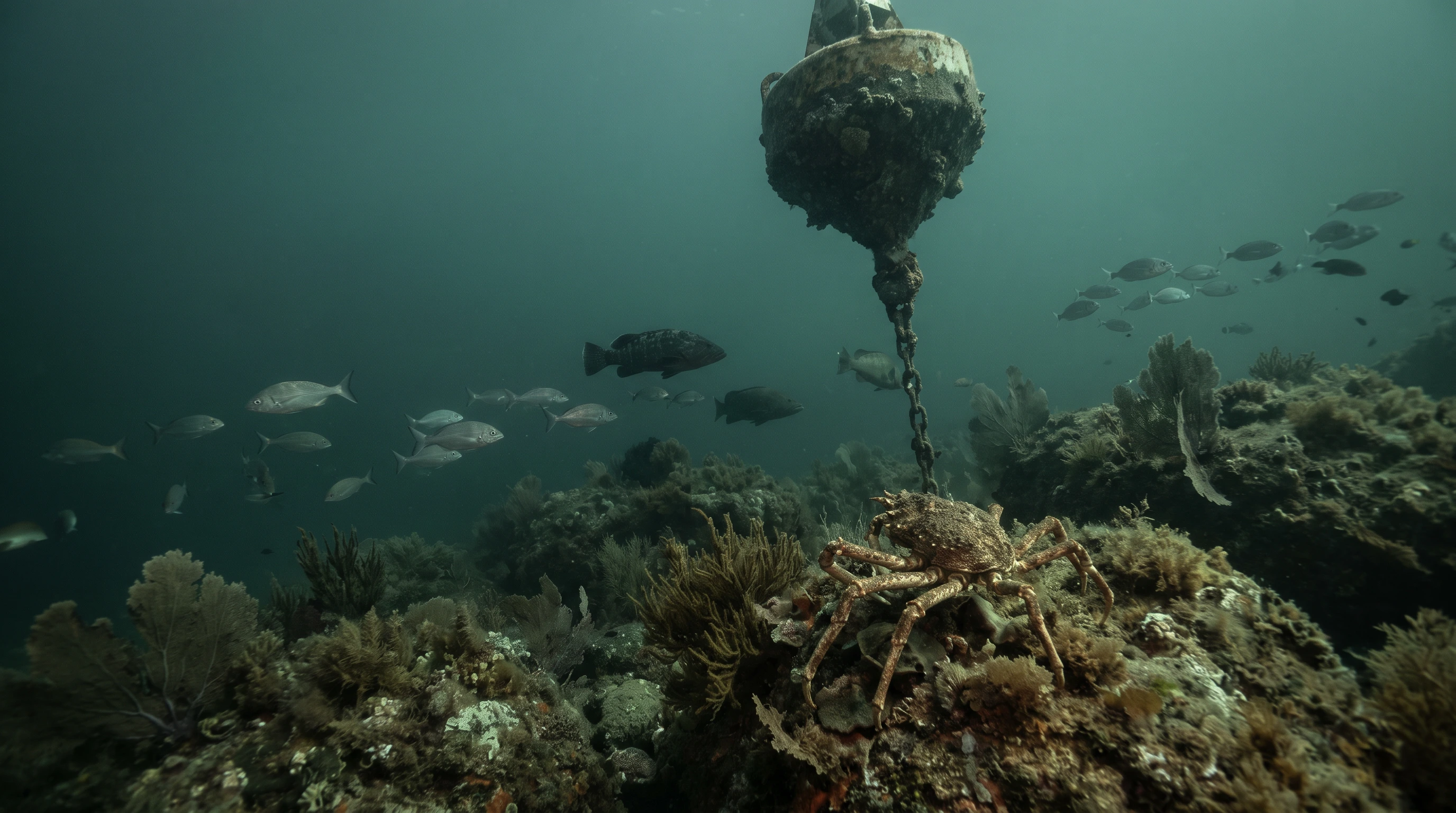
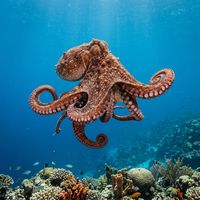
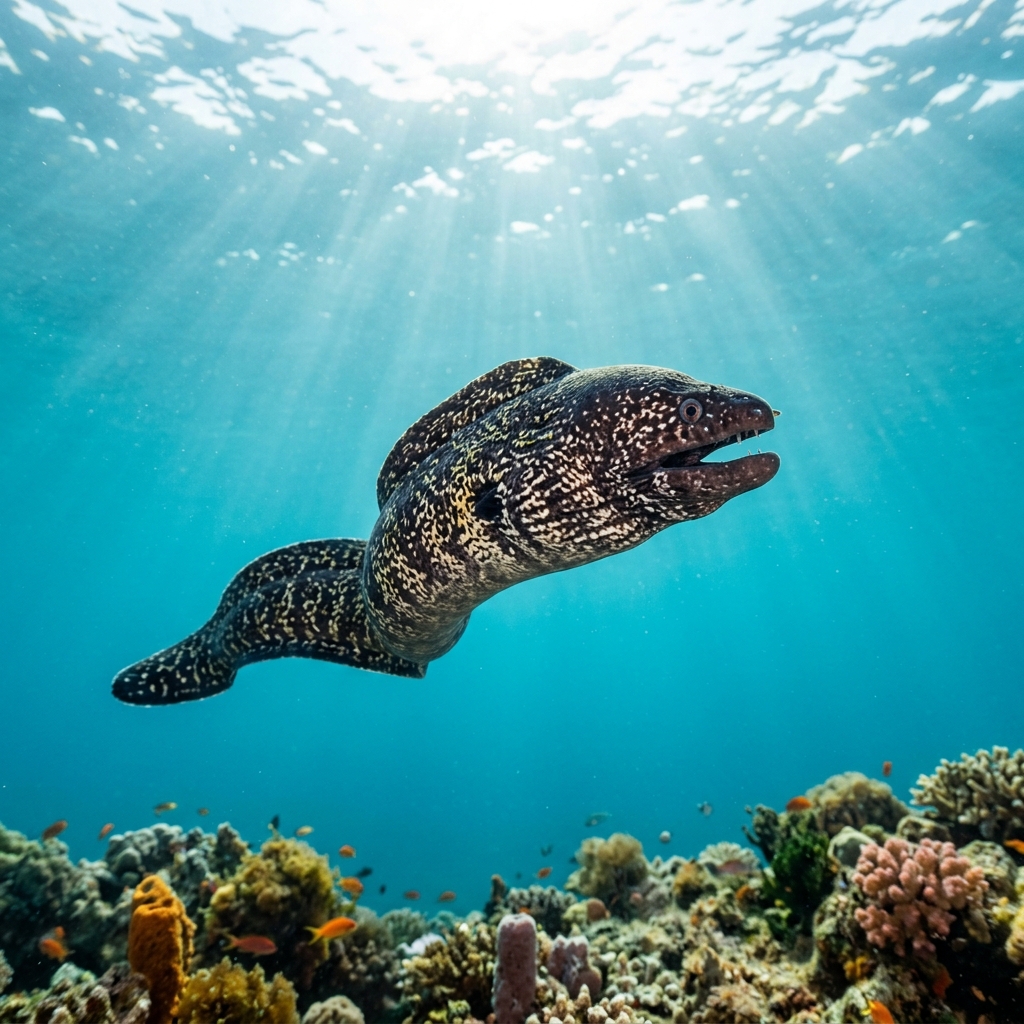
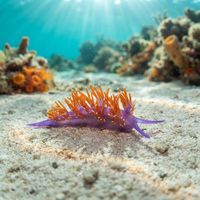
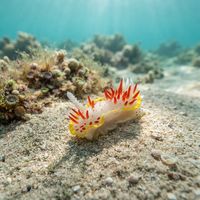
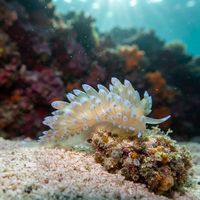
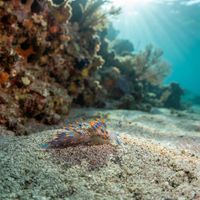
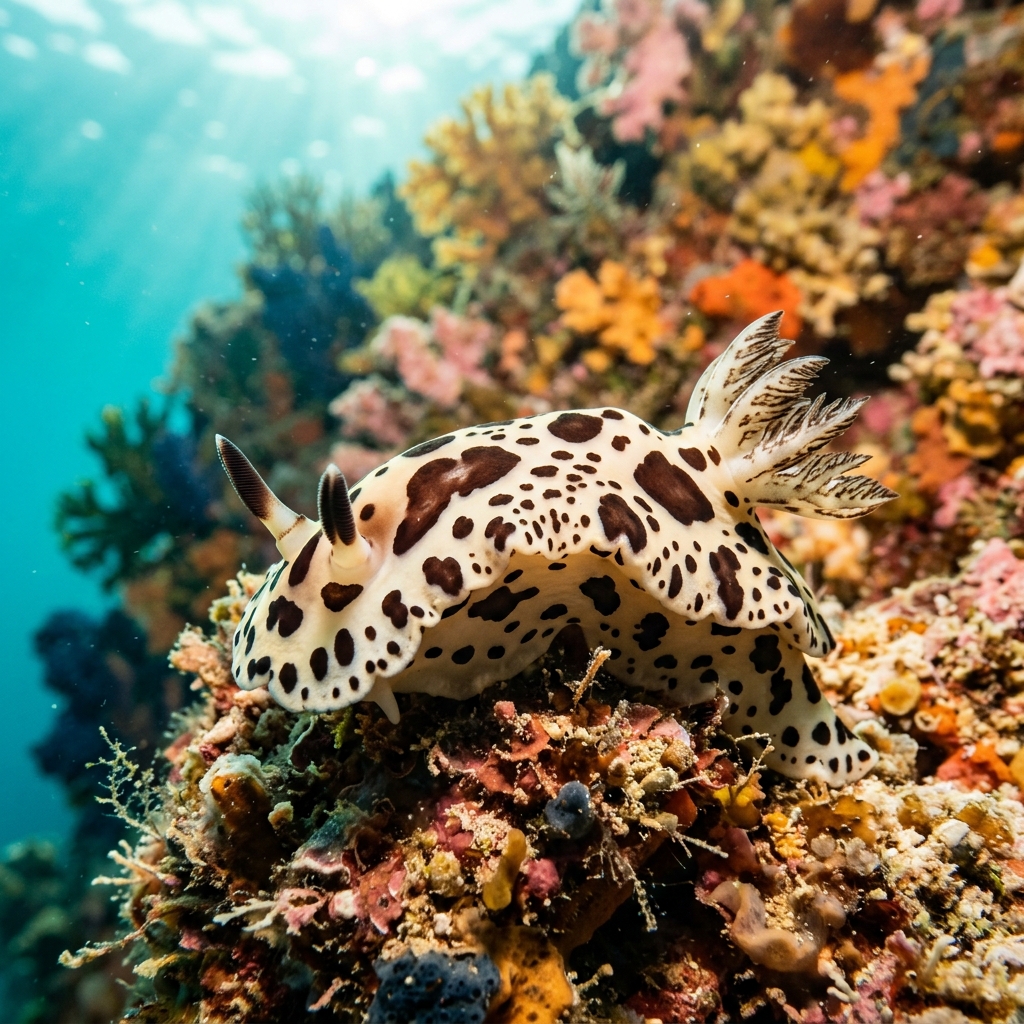
Calanque d'En-Vau packs a wide range of site types into one compact area: shallow seagrass beds and cave tunnels for beginners, deep walls and dramatic drop-offs for advanced divers, and a technical wreck in Le Protee for those with trimix experience. Nudibranch diversity is a defining trait here, with the Violet Sea Slug, Flabellina Ischitana, and Antiopella Cristata all consistently observed alongside Common Octopus and Mediterranean Moray.
Monthly water temperature across Calanque d'En-Vau's sites, from satellite sea-surface data corrected for depth. The band shows the site-to-site spread.
Water stays cool through winter and spring, warming noticeably from June through September when conditions draw the most divers. The peak season runs from late spring through early autumn, when visibility tends to be at its best and the full range of sites is comfortably accessible. Outside these months, diving is still possible but cooler water and variable exposure call for more thermal protection.
16 operators
France
France
43 more sites to explore
Water temperature around Calanque d'En-Vau ranges from about 14°C in January to 21°C in August, based on satellite sea-temperature data for its dive sites.
In the warm season (about 21°C) a 5mm suit is comfortable in Calanque d'En-Vau; in the coldest months (about 14°C) step up to a 7mm or semi-dry suit.
Fin maps 55 sites in Calanque d'En-Vau (52 scuba diving sites and 19 snorkelling spots, with some suited to both).
Across Calanque d'En-Vau's dive sites, May, June, July, August, September and October are most often reported as the best months to visit.
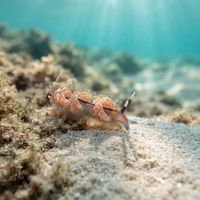
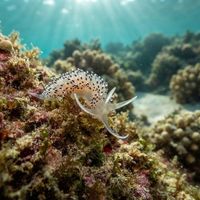
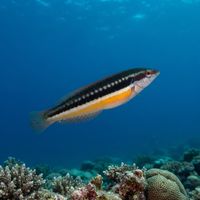
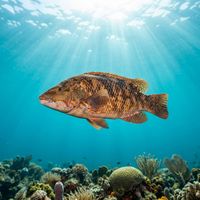
The area is particularly rich in nudibranchs: the Violet Sea Slug, Flabellina Ischitana, Antiopella Cristata, and Diaphorodoris papillata are all very commonly observed. Common Octopus and Mediterranean Moray turn up across a wide range of sites, and Great Barracuda and European Common Cuttlefish are also regularly recorded. Wrasse species, including the Mediterranean Rainbow Wrasse, Peacock Wrasse, and Turkish Wrasse, are present throughout.
Yes, several sites are rated for beginners. Grotte et Tunnels des Lecques offers a shallow, consistent depth with cave and reef features, while Anse du Petit Mugel provides a mix of reef, wall, and seagrass at accessible depths. The Lockheed P38 wreck is also noted as suitable for beginners due to mild currents and shallow depths. More advanced and technical sites exist alongside these for experienced divers.
A number of sites, including Anse du Petit Mugel and Grotte et Tunnels des Lecques, can be reached from shore, which is convenient for independent divers and snorkellers. Many of the deeper and more exposed sites, such as La Pierre du Levant, Le Tombant aux Langoustes, and Le Pain de Sucre, require boat access. Several operators based in the area, including La Calanque, Mio Palmo plongée, and Bandol Plongée, run boat trips to these sites.
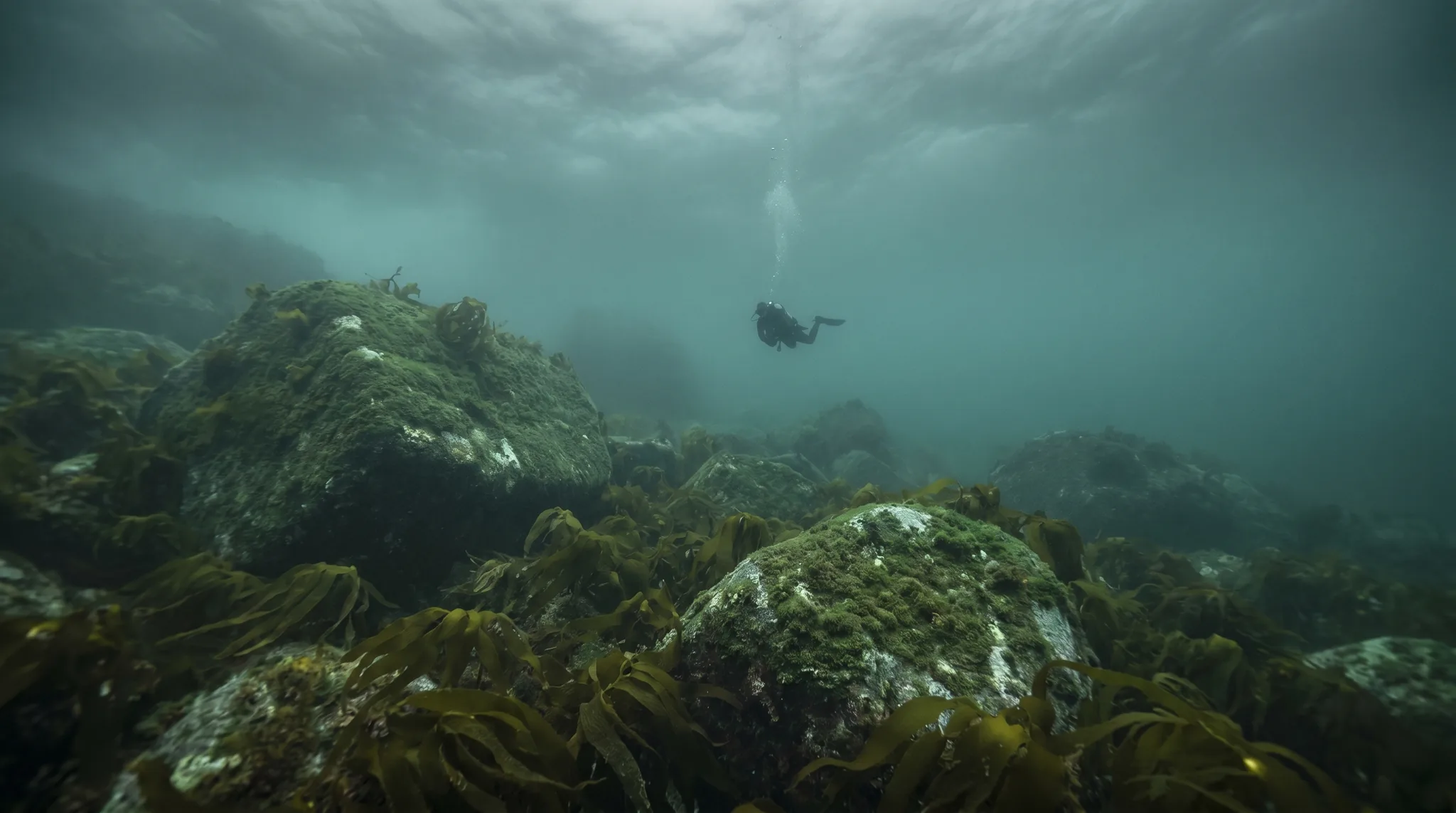
Reefs, walls, and drop-offs make up the bulk of the site mix, ranging from shallow beginner-friendly slopes to deep walls that bottom out well beyond recreational limits. Caves and tunnels feature at a handful of sites, and there are two wrecks: the accessible Lockheed P38 and the deep technical wreck Le Protee. Seagrass beds appear at a smaller number of sites and are best explored by snorkellers or shallow divers.