
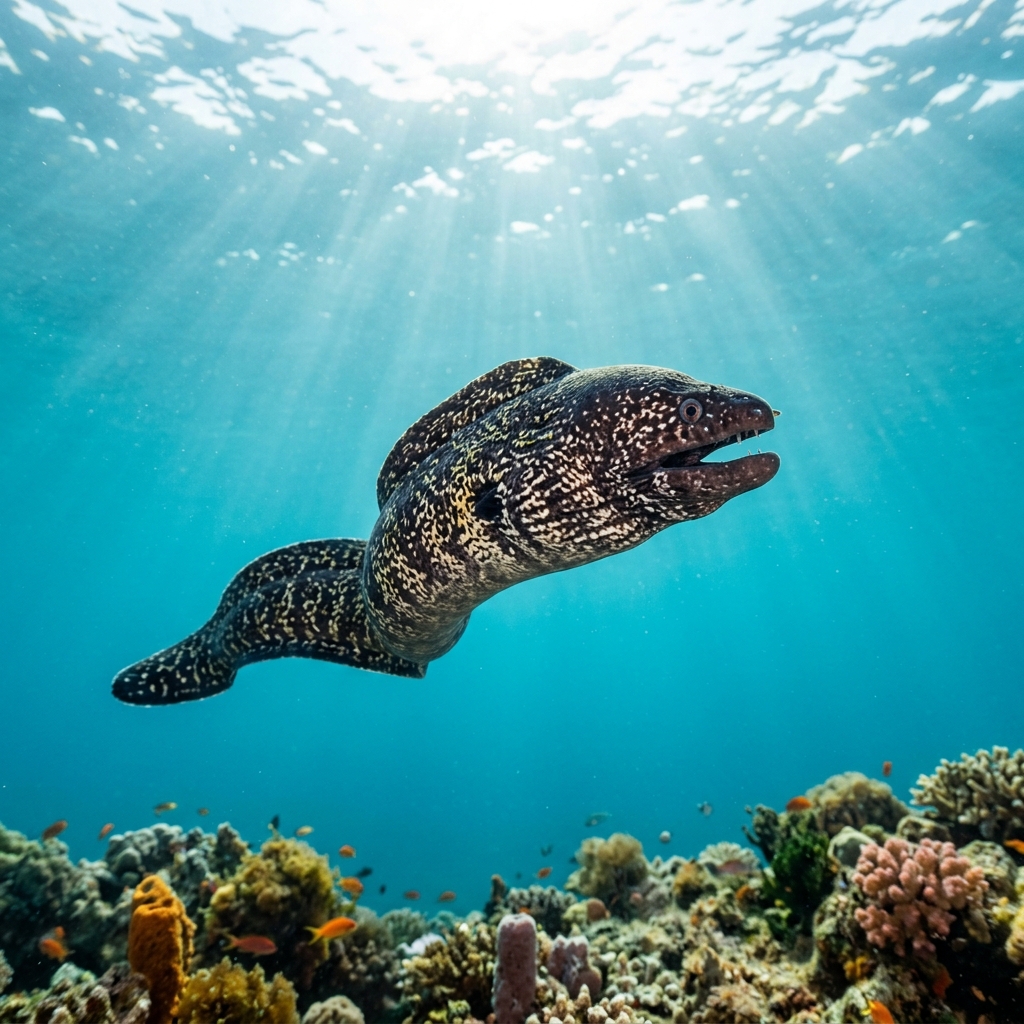
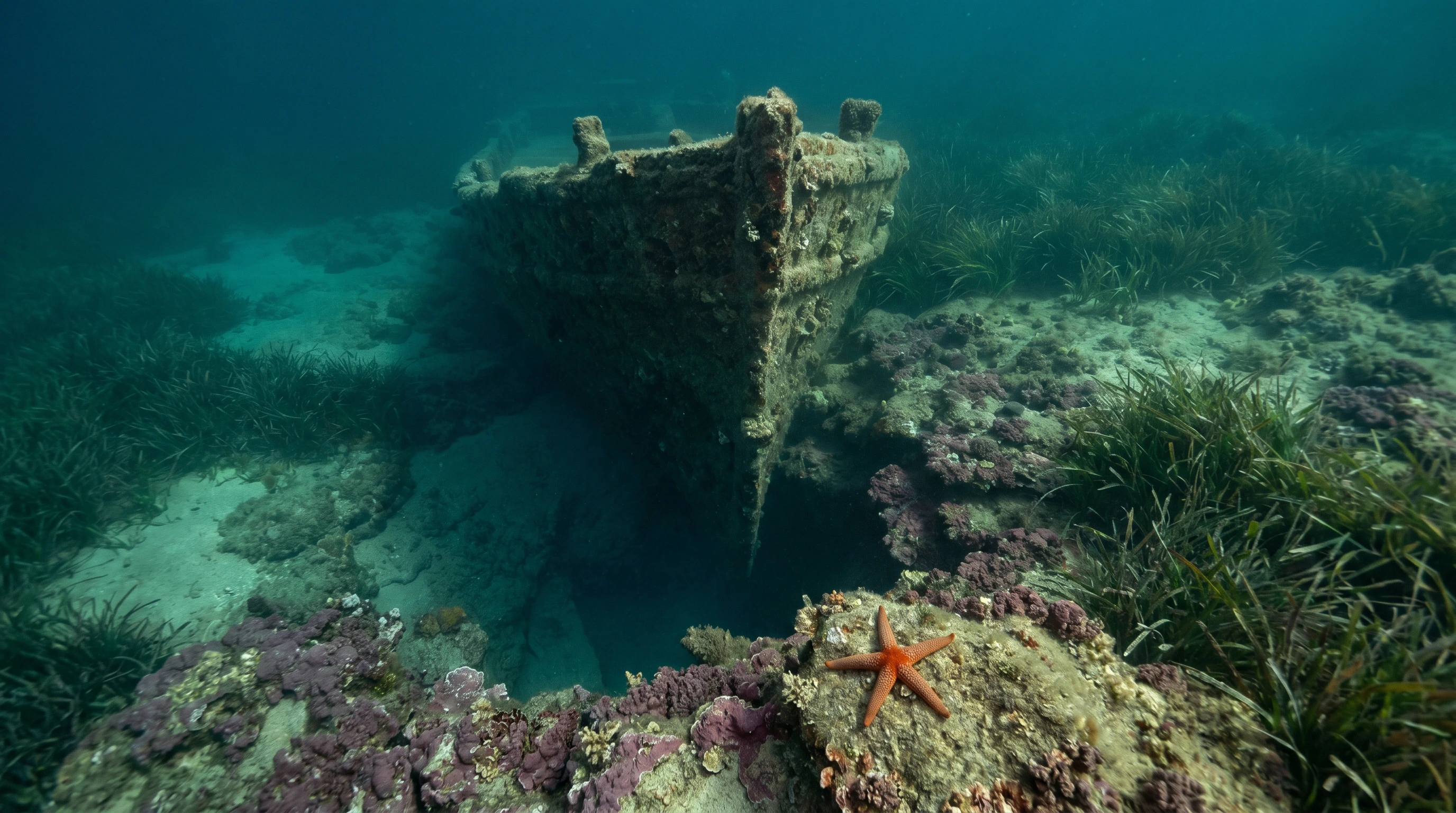
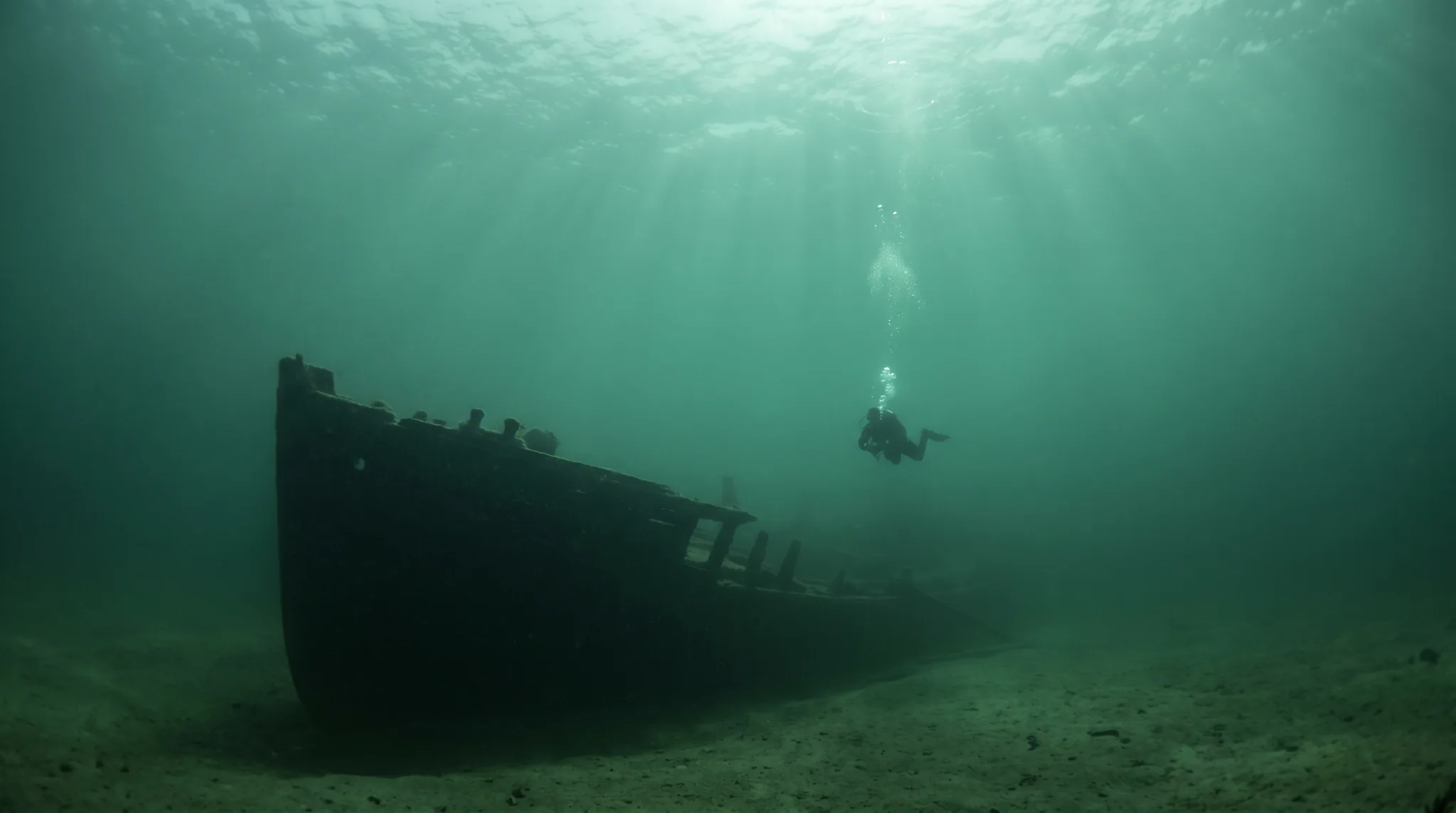
Port-Cros National Park divides between two island groups, Île de Bagaud and Île de Port-Cros, each with a distinct character. Bagaud holds the bulk of the sites, including deep pinnacles, wrecks and ultra-shallow reef. Port-Cros offers walls, drop-offs and seagrass. Across both, wrasse species dominate the reef, Common Octopus and Mediterranean Moray are near-constant companions, and the wreck selection ranges from a submarine to a cargo ship to a sunken aircraft.
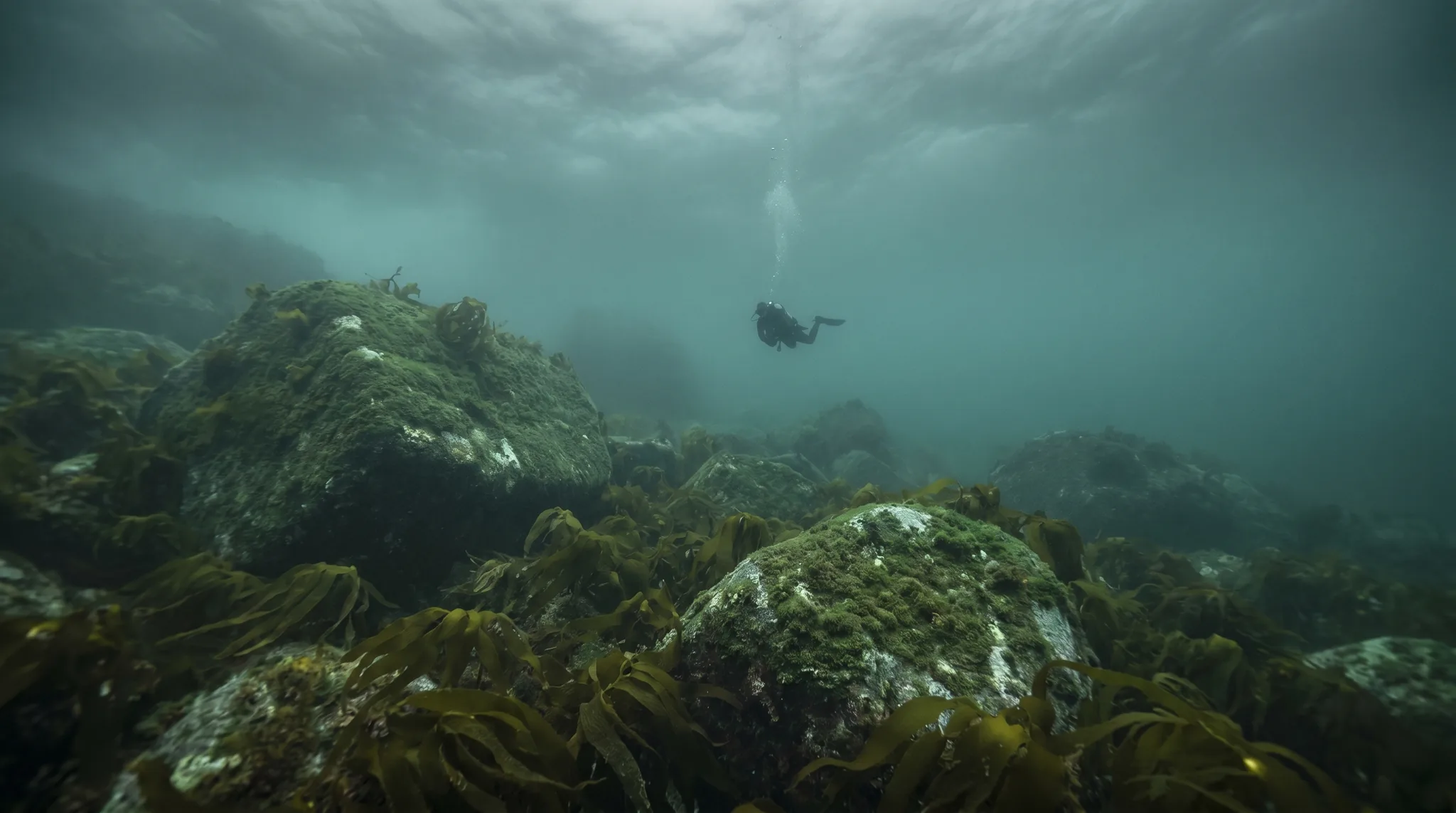
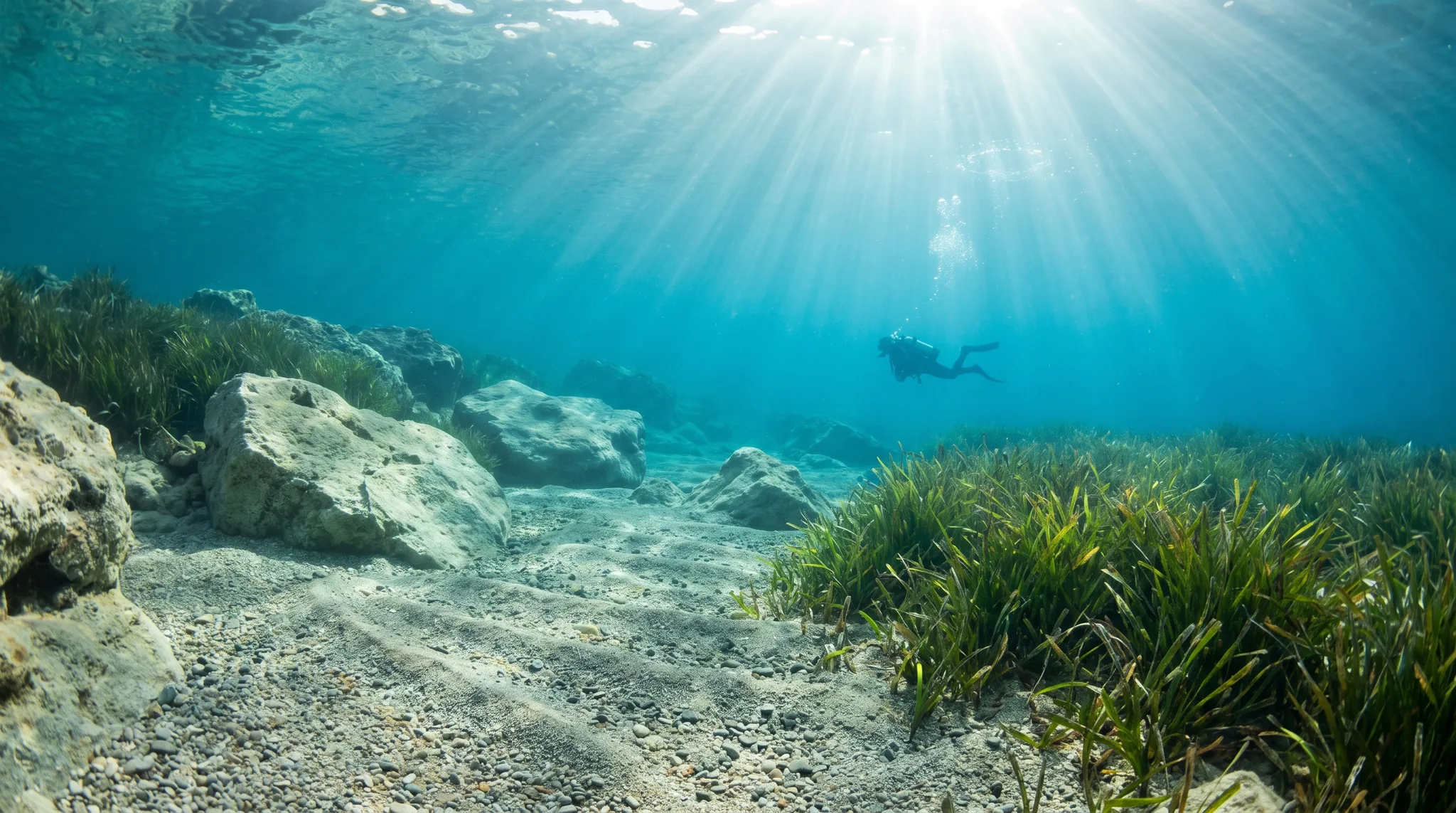
Monthly water temperature across Port-Cros National Park's sites, from satellite sea-surface data corrected for depth. The band shows the site-to-site spread.
Water stays cool through the winter months and into spring, warming gradually from May and peaking in late summer. The warmest, calmest conditions align with peak activity from late spring through September, when visibility tends to be at its best. Exposed sites around both islands can carry current, making conditions more variable outside the settled summer period.
46 operators

69 more sites to explore
2 areas
Water temperature around Port-Cros National Park ranges from about 14°C in January to 21°C in August, based on satellite sea-temperature data for its dive sites.
In the warm season (about 21°C) a 5mm suit is comfortable in Port-Cros National Park; in the coldest months (about 14°C) step up to a 7mm or semi-dry suit.
Fin maps 81 sites in Port-Cros National Park (75 scuba diving sites and 15 snorkelling spots, with some suited to both), organised into 2 areas.
Across Port-Cros National Park's dive sites, May, June, August, September and October are most often reported as the best months to visit.
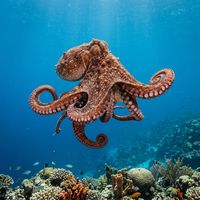
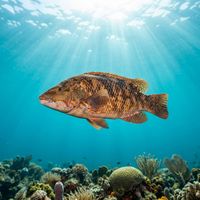
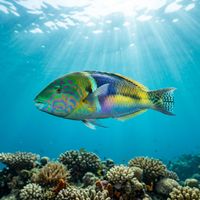
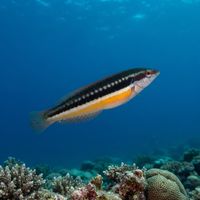
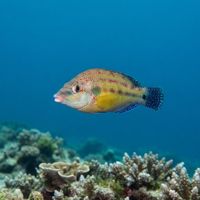
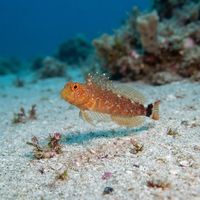
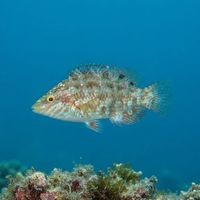
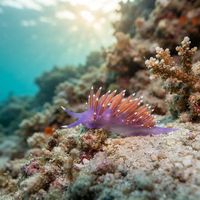
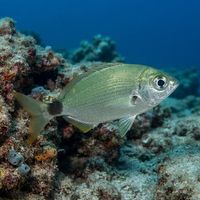
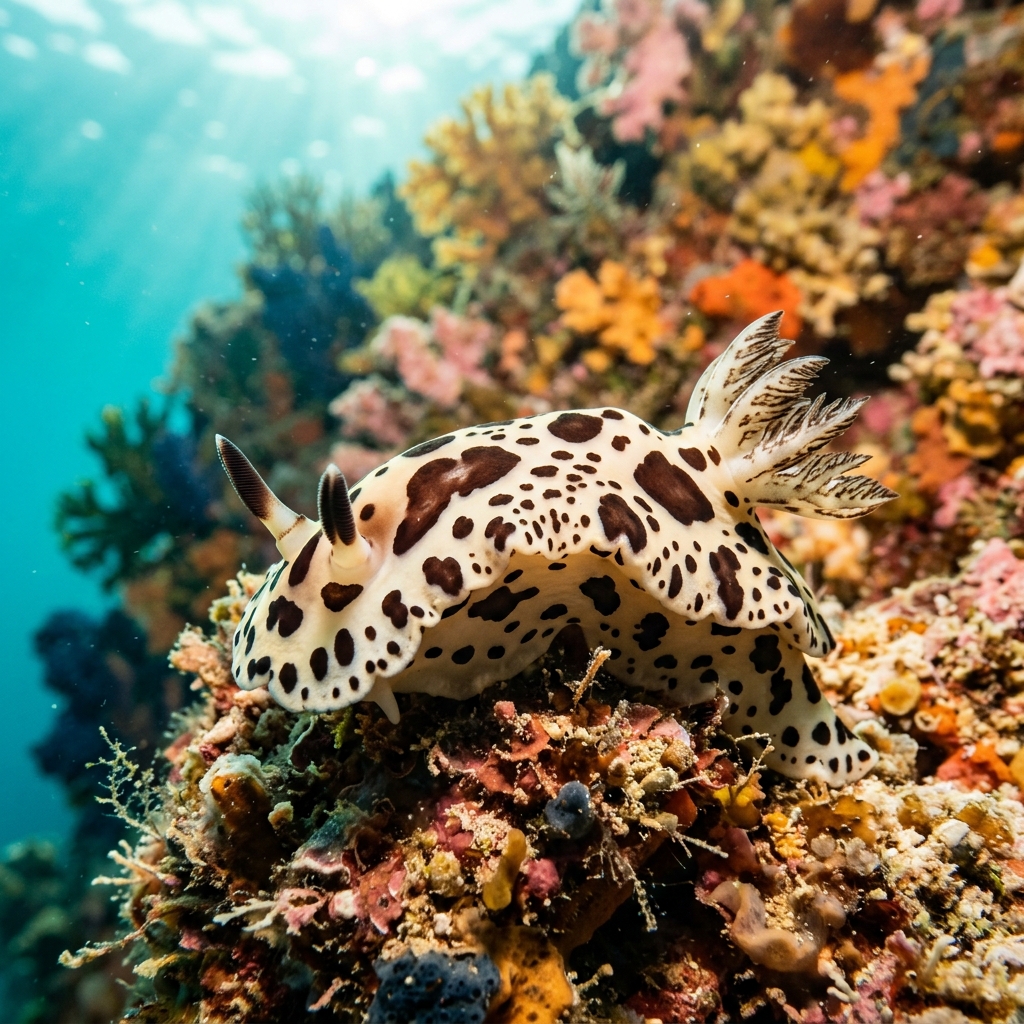
Wrasse are the defining reef fish here, with Turkish Wrasse, Peacock Wrasse, Mediterranean Rainbow Wrasse and Five-spotted Wrasse all very commonly observed. Common Octopus and Mediterranean Moray appear at almost every site. Look more carefully and you will find Small Red Scorpionfish, Violet Sea Slug, Cratena Slug and the occasional Great Barracuda.
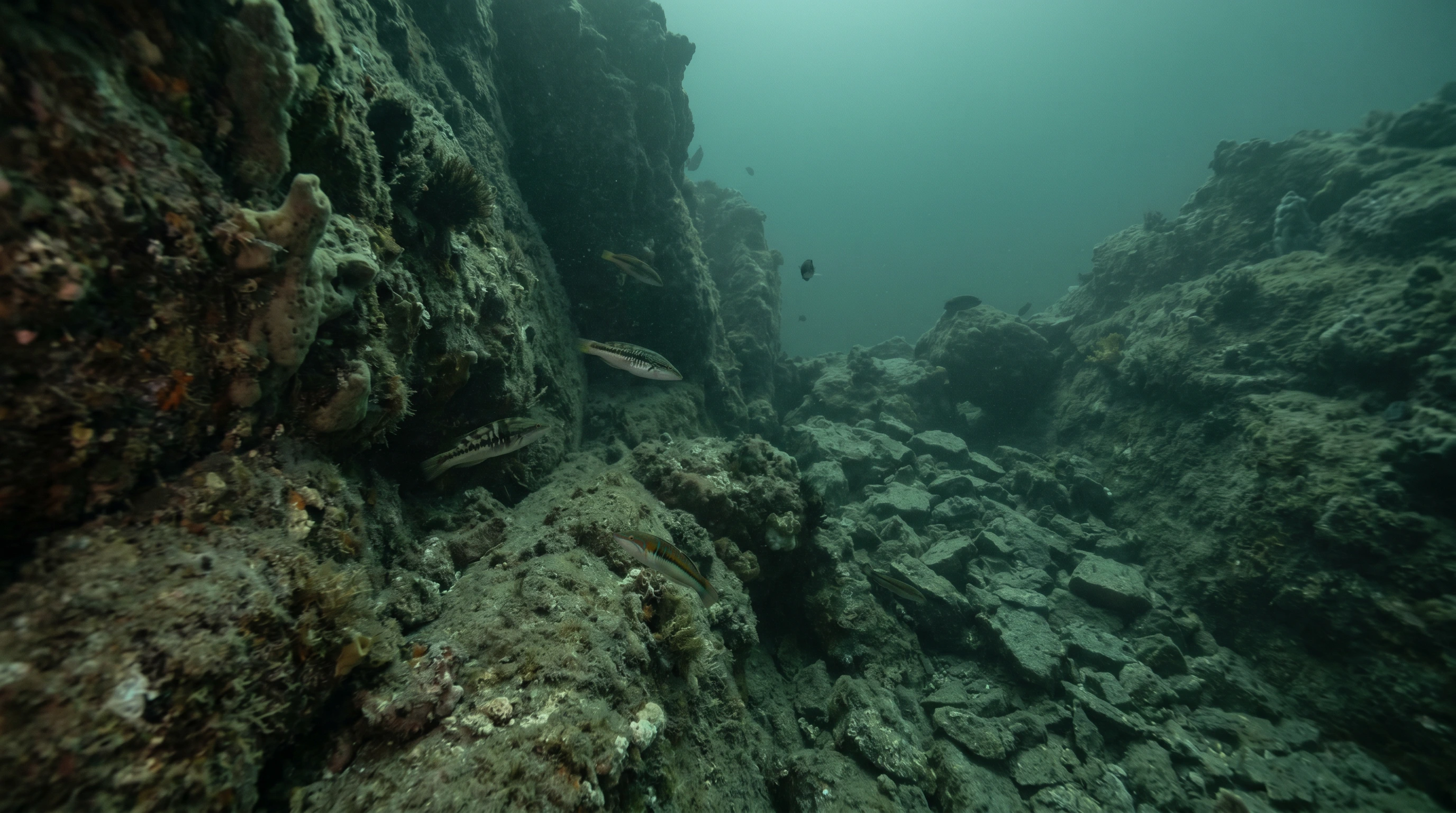
Île de Bagaud holds the widest range, from extremely shallow beginner reef at Mise à l'eau de Maravenne through to advanced pinnacles like Sec du Sarragnier and deep wrecks including the Togo and the Hellcat. Île de Port-Cros leans more towards intermediate and advanced wall and drop-off diving at sites such as La Gabinière and Pointe du Vaisseau, though beginners are also catered for there.
The majority of sites across both island groups require boat access, including all the wrecks and deeper reefs. Shore entry is available at select snorkel sites such as Plage de Brégançon on Île de Bagaud, which offers a sheltered reef and seagrass environment reachable from the beach.