
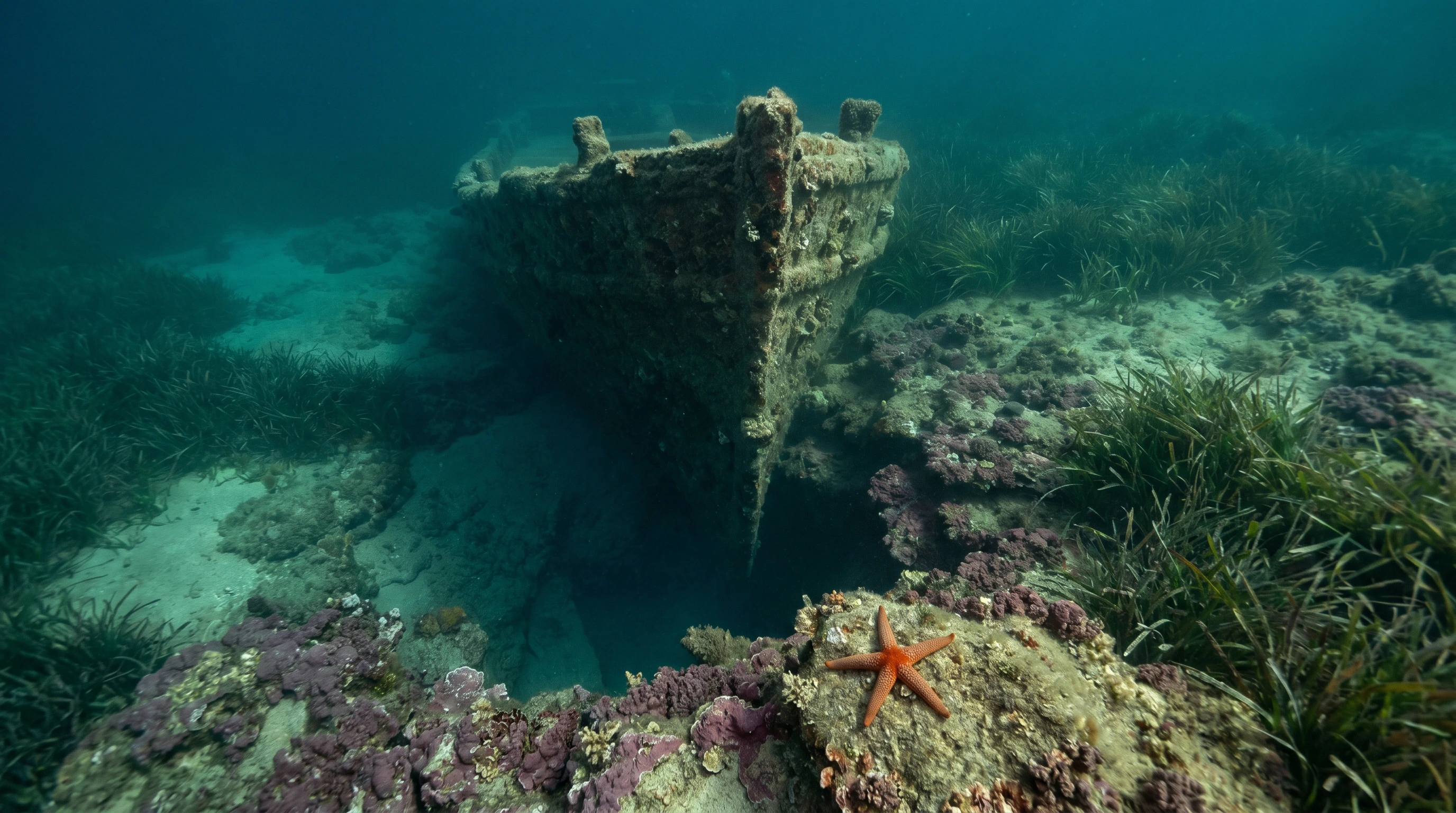
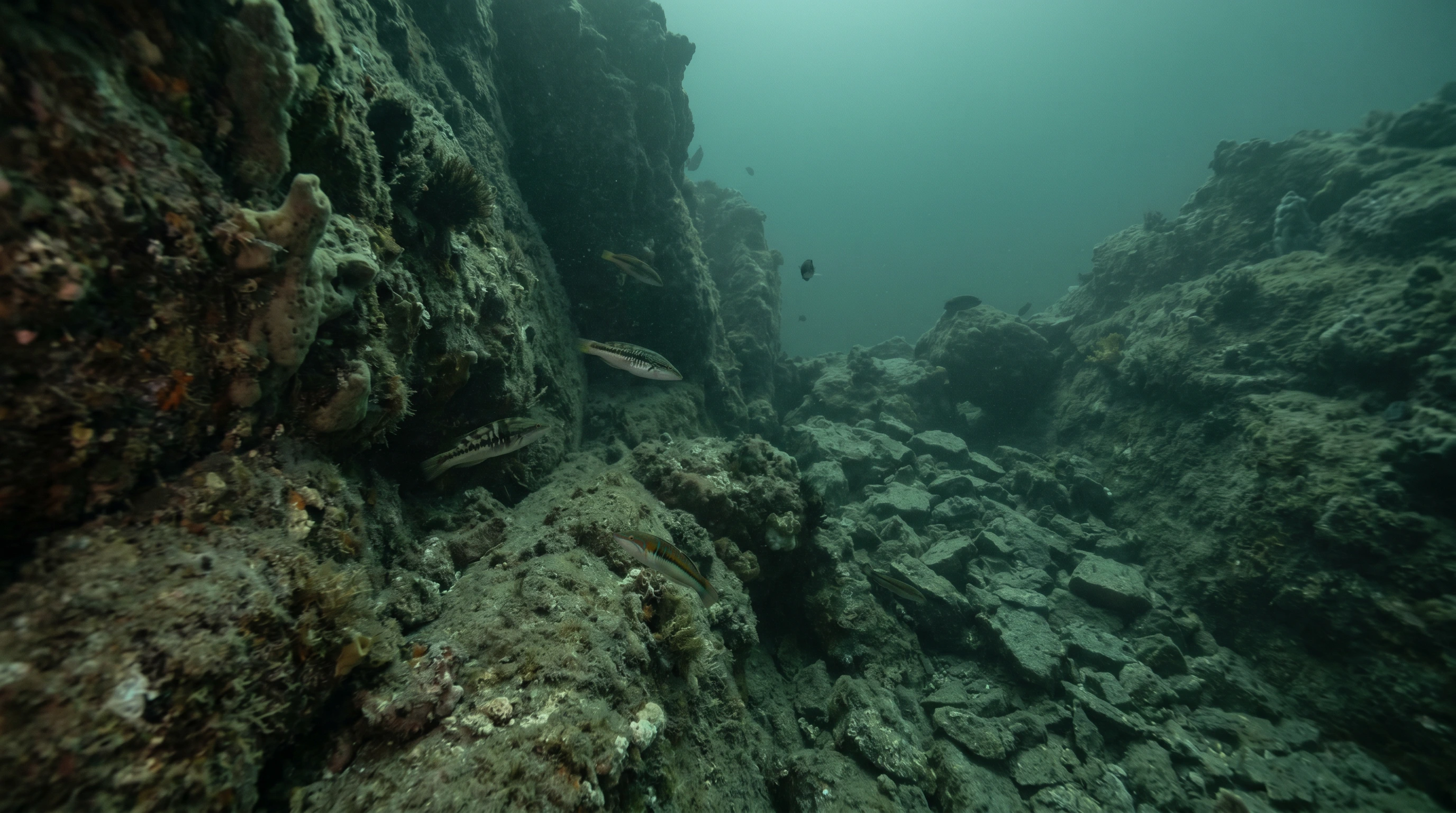
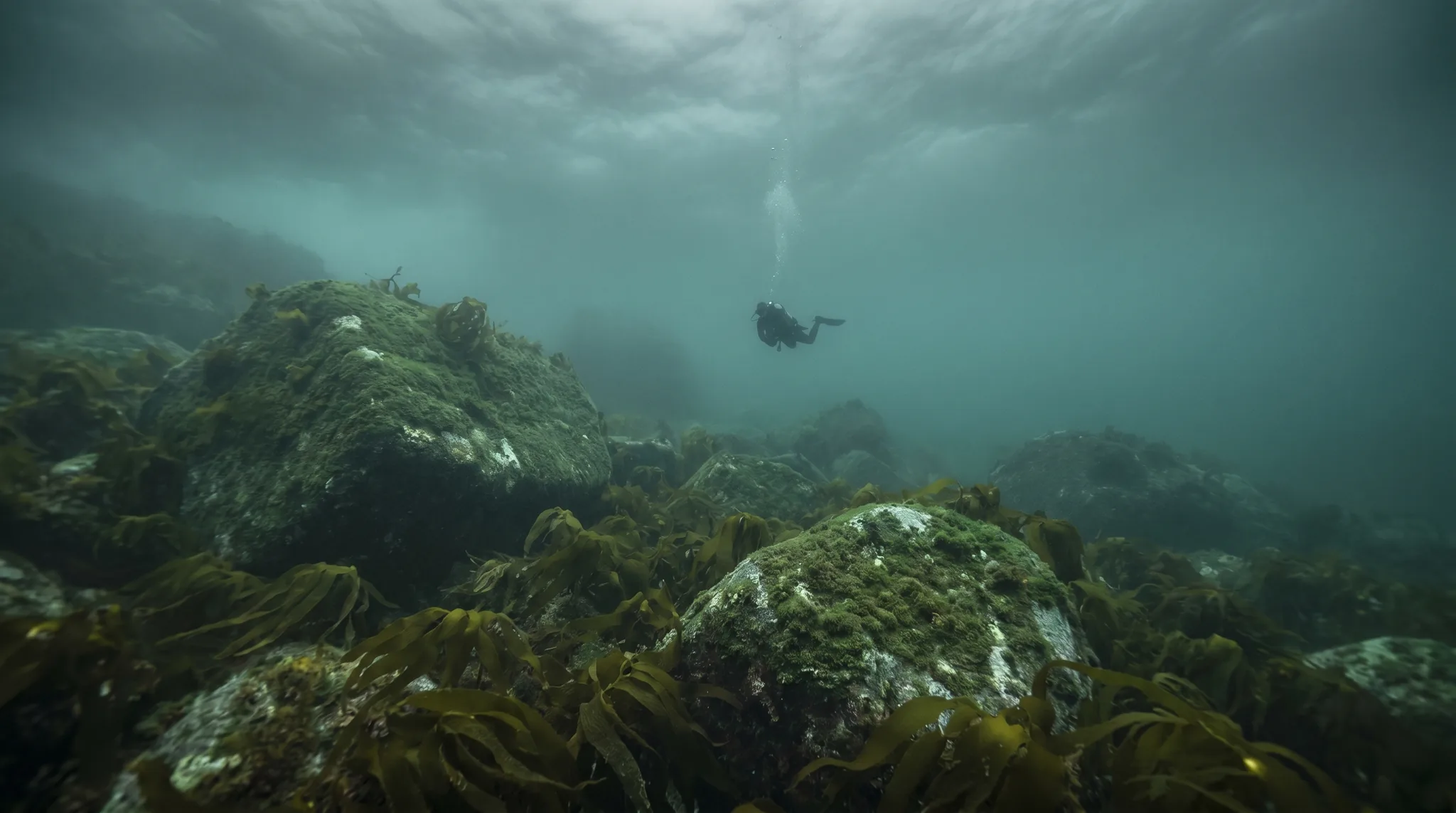
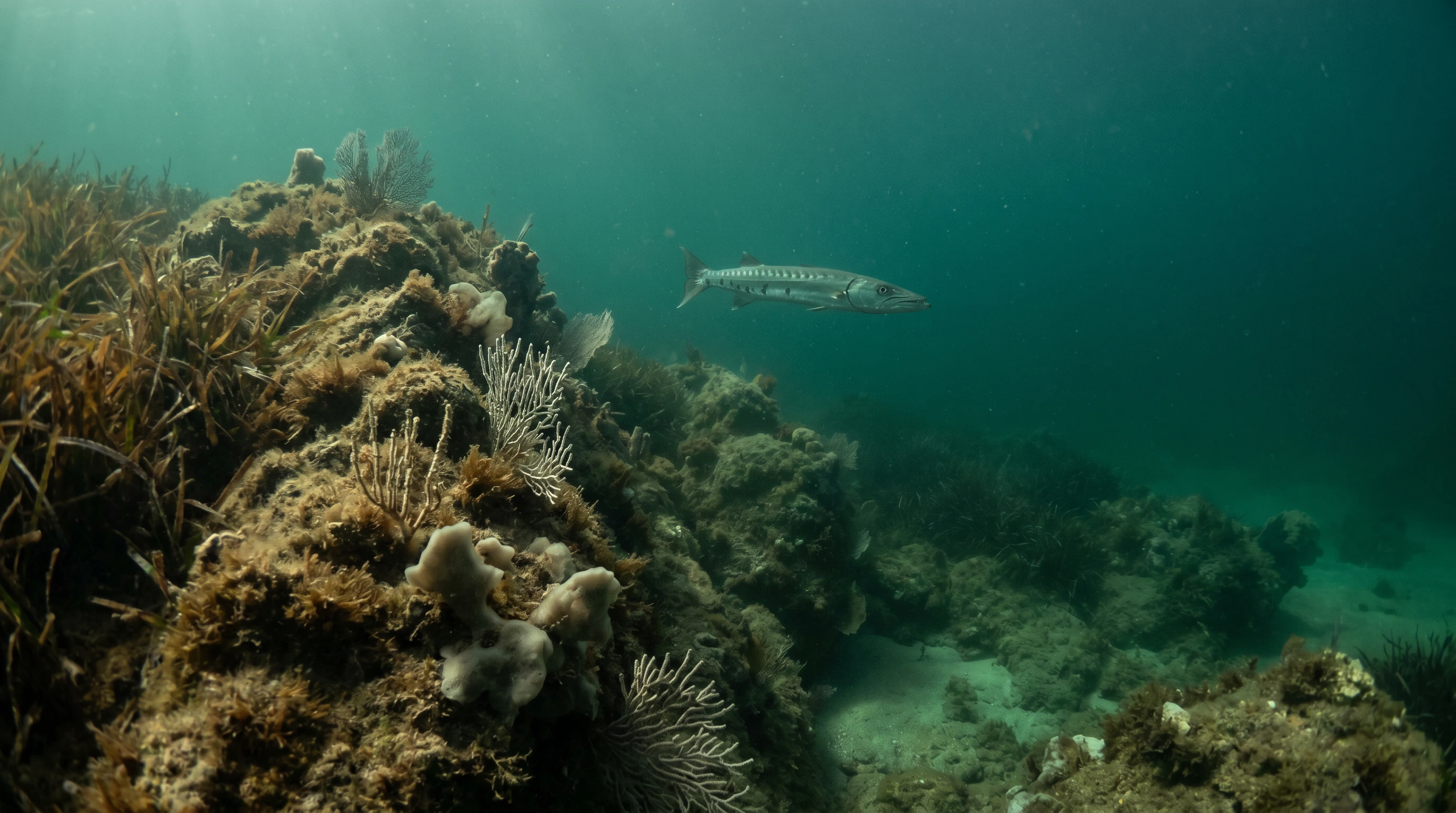
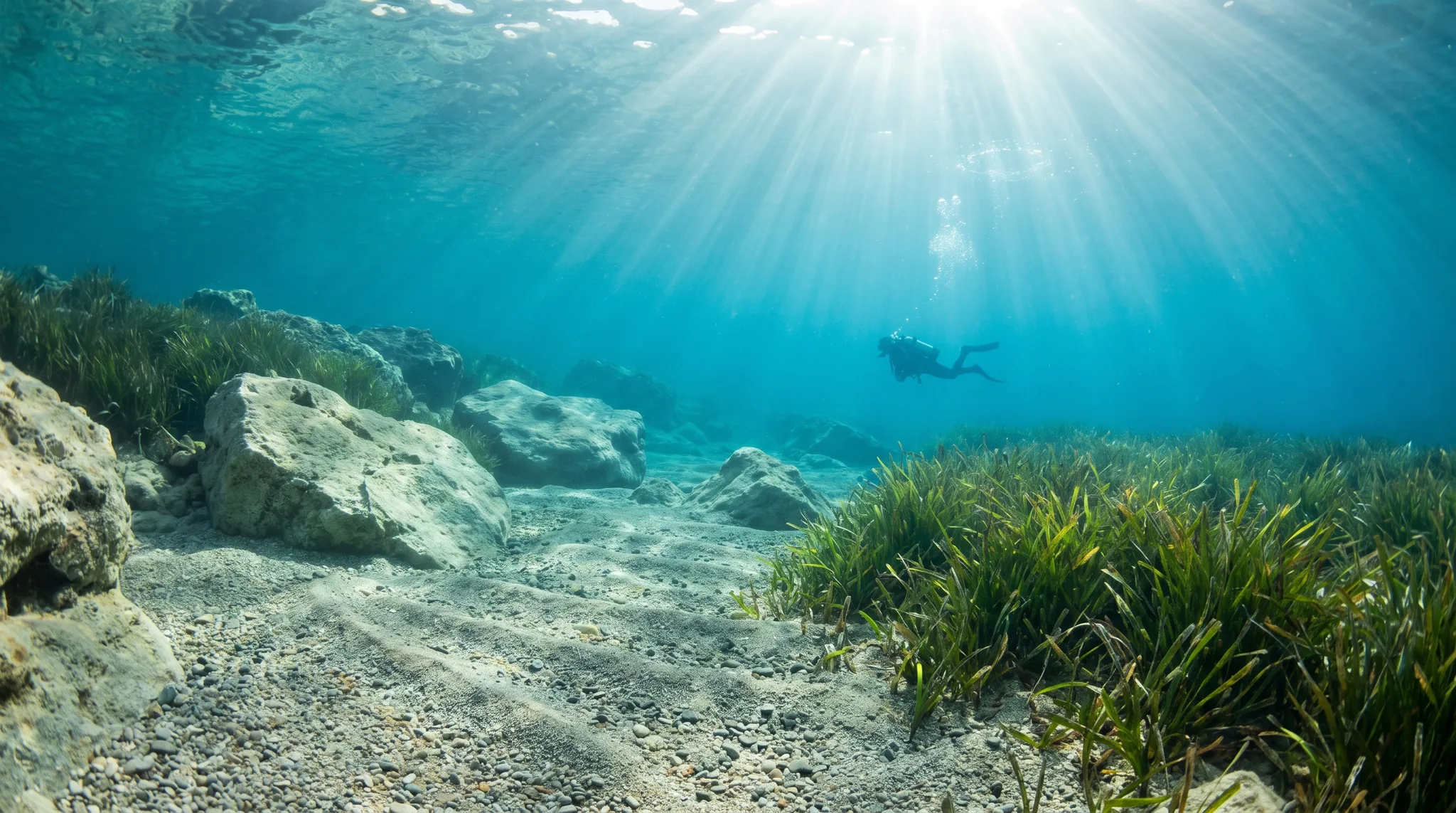
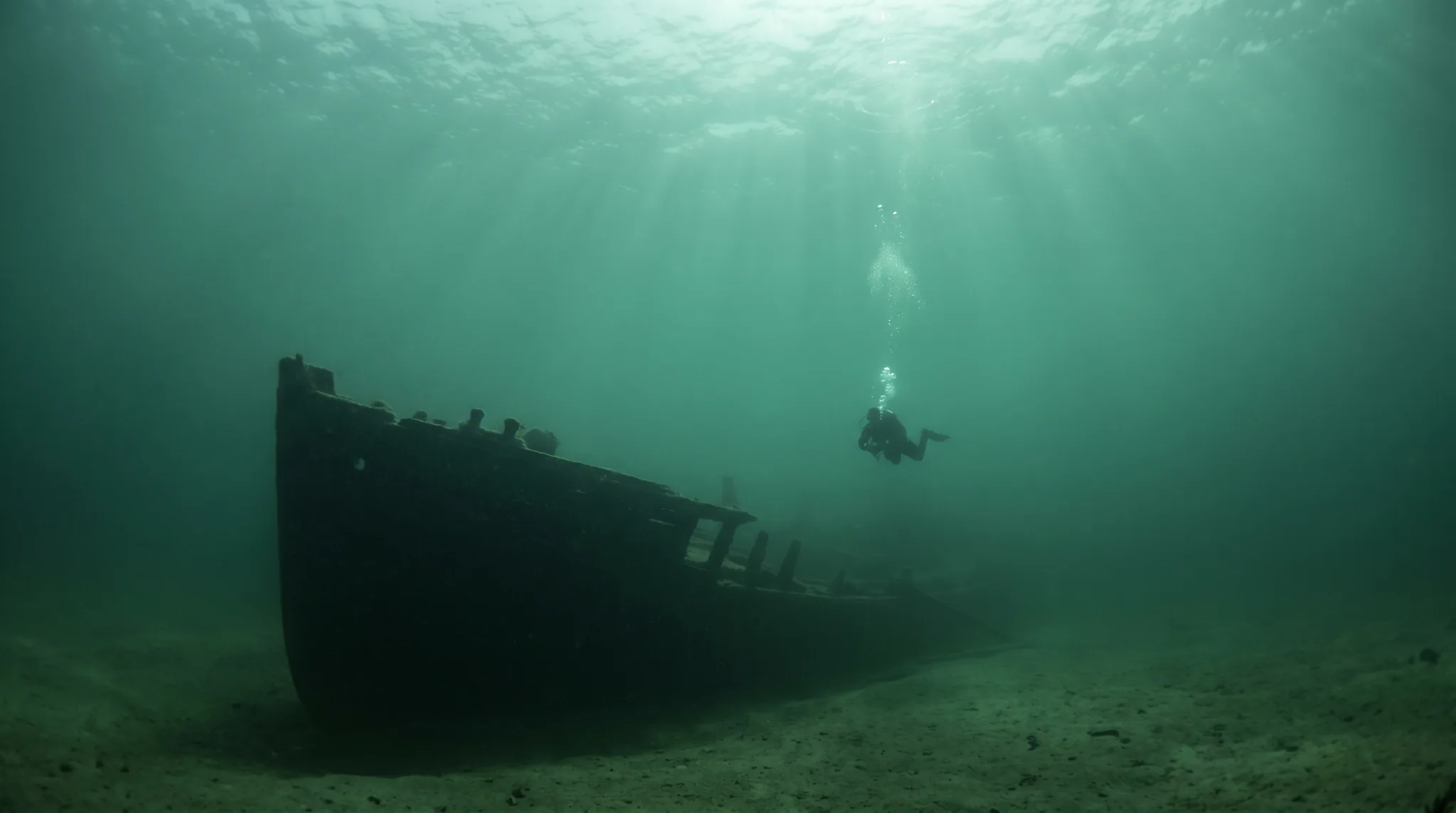
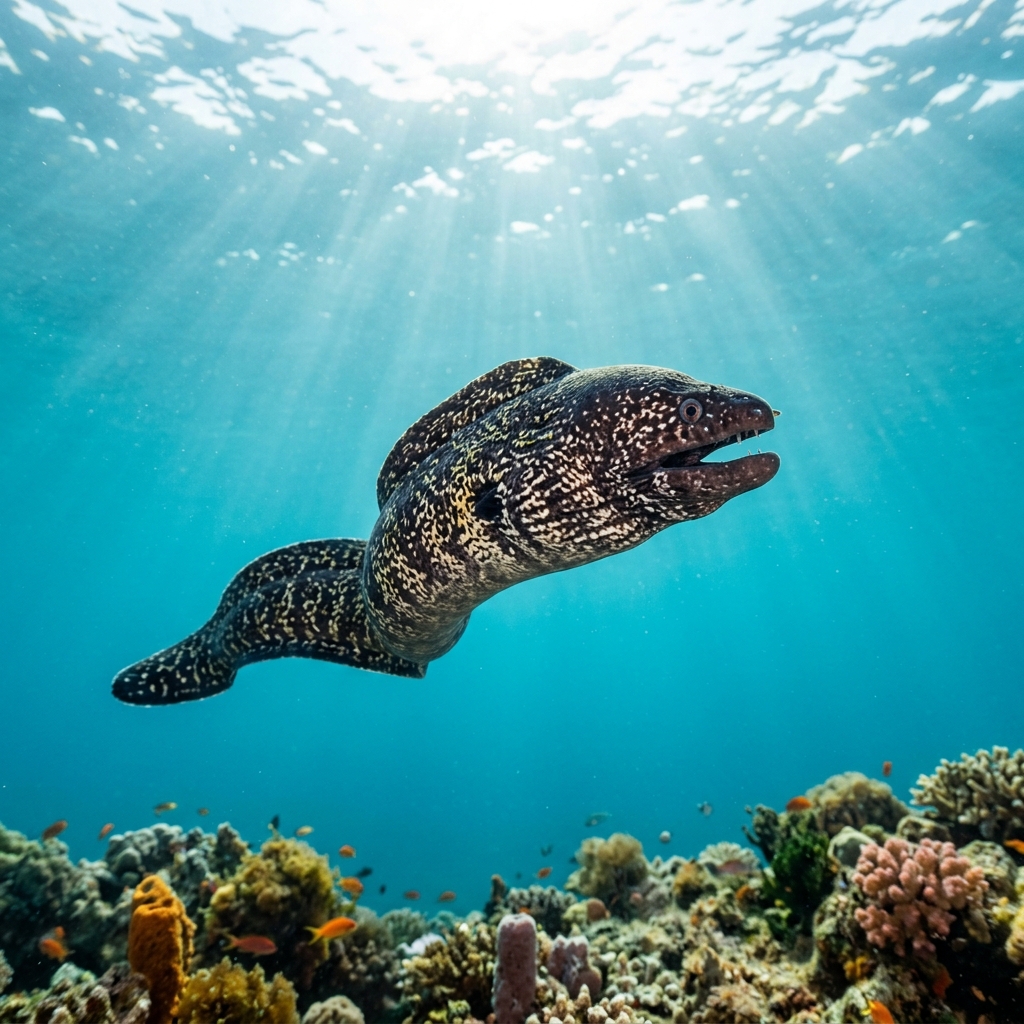
Île de Port-Cros is defined by boat-access wall and reef diving across a wide depth range, from shallow seagrass beds to dramatic drop-offs. Sites suit all levels, from gentle beginner reefs to advanced drift and wall dives like La Gabinière. The marine life is notably rich: Mediterranean Moray, Great Barracuda, Common Octopus, and an exceptional variety of wrasse and nudibranch species are consistently observed across the sites.
Monthly water temperature across Île de Port-Cros's sites, from satellite sea-surface data corrected for depth. The band shows the site-to-site spread.
Water temperatures are coolest from winter through early spring, rising steadily from May onward and peaking in July and August. The histogram favours October and June as the top months, when conditions are settled and summer boat traffic has eased or not yet peaked. A thicker wetsuit is advisable for winter dives, while a thinner suit suffices in the warmer summer months.
13 operators
France
France
France
6 more sites to explore
Water temperature around Île de Port-Cros ranges from about 13°C in January to 20°C in July, based on satellite sea-temperature data for its dive sites.
In the warm season (about 20°C) a 5mm suit is comfortable in Île de Port-Cros; in the coldest months (about 13°C) step up to a 7mm or semi-dry suit.
Fin maps 14 sites in Île de Port-Cros (11 scuba diving sites and 4 snorkelling spots, with some suited to both).
Across Île de Port-Cros's dive sites, May, June, September and October are most often reported as the best months to visit.
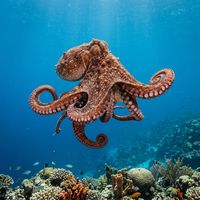
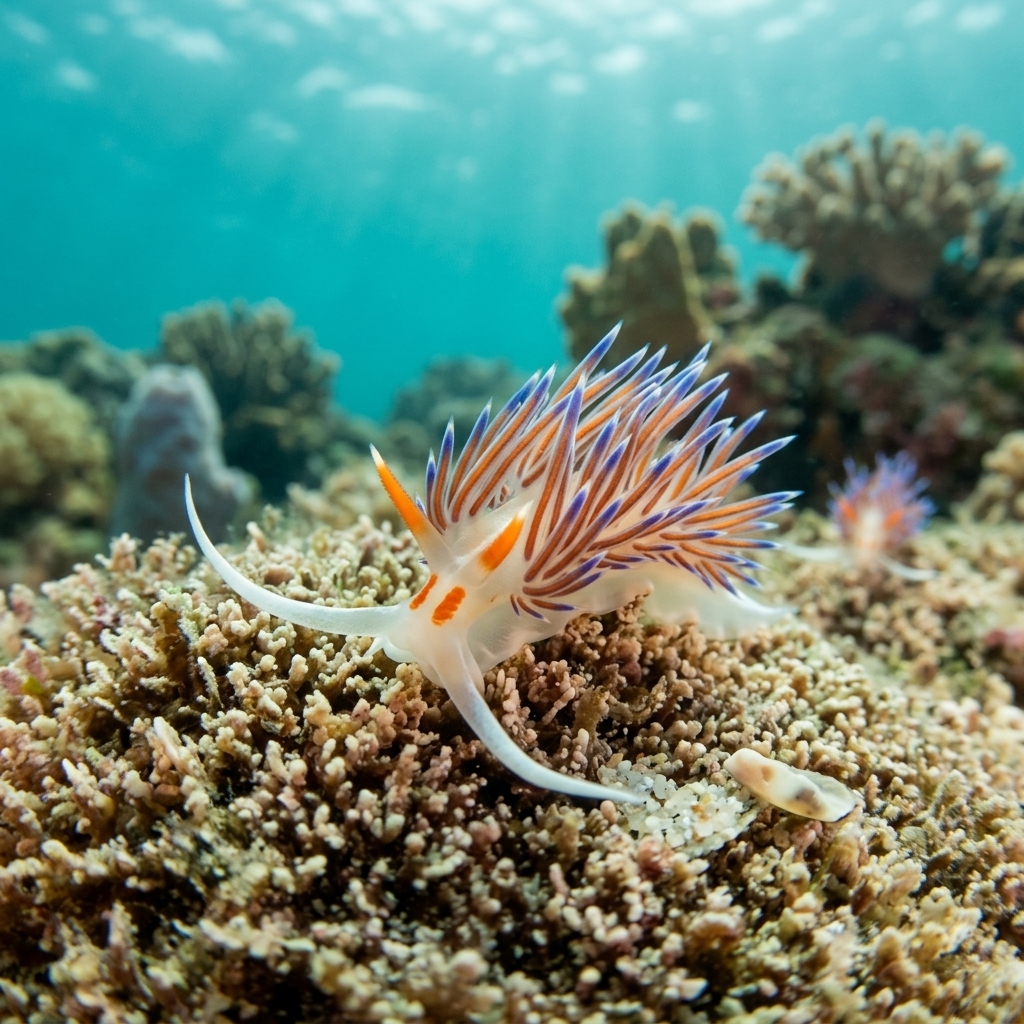
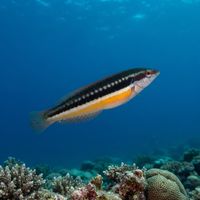
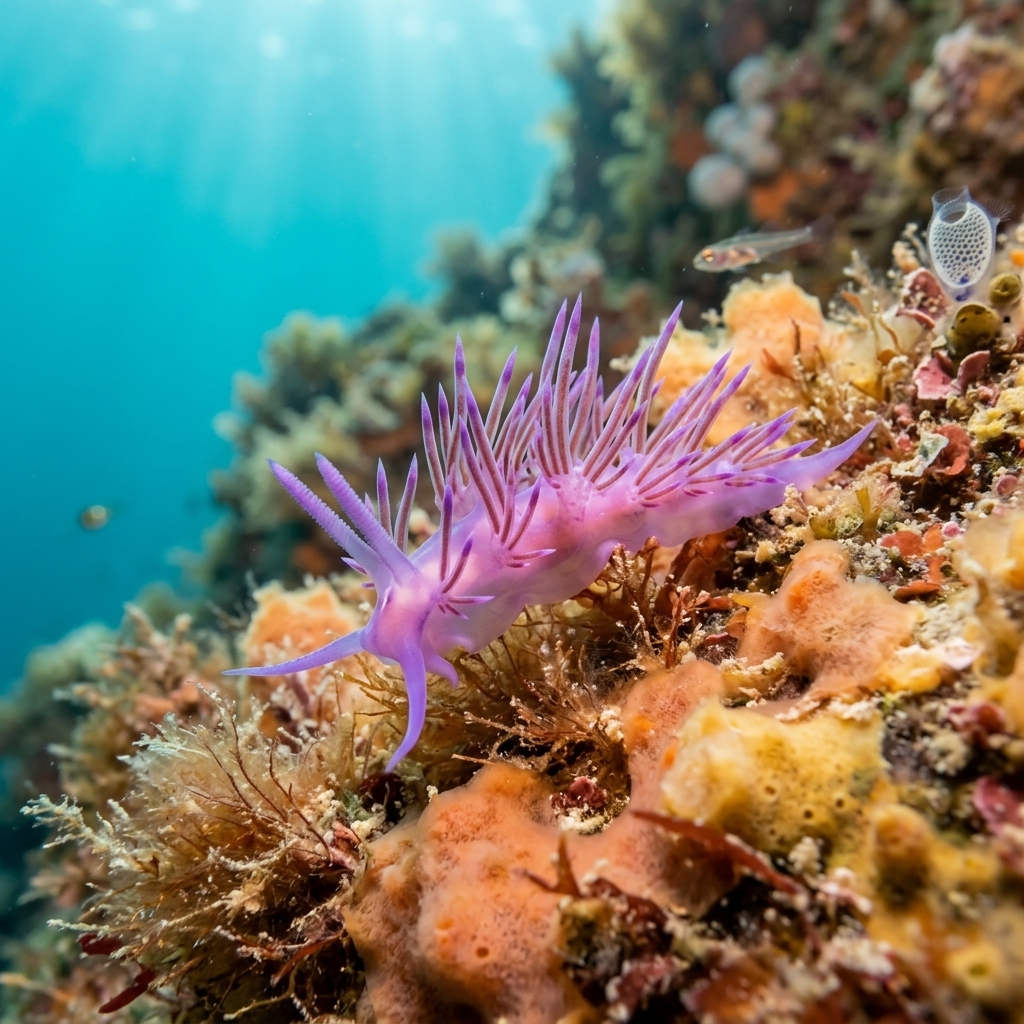
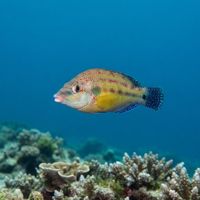
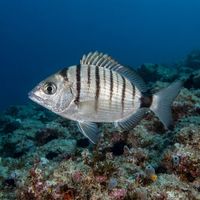
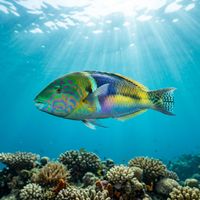
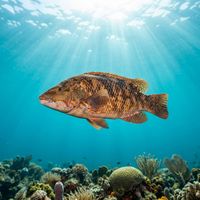
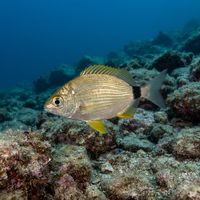
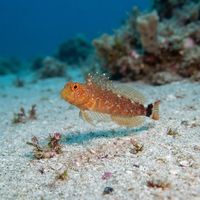
Sightings at Île de Port-Cros are consistently strong across a wide range of species. Mediterranean Moray, Great Barracuda, Common Octopus, and multiple wrasse species including Peacock Wrasse, Turkish Wrasse, and Brown Wrasse are all observation-backed records. Nudibranch enthusiasts will find particular reward, with Violet Sea Slug, Cratena Slug, and Mediterranean Violet Aeolid all very commonly recorded.
The vast majority of dive sites here are boat-access only, which means you will need to go out with one of the local operators. There are numerous operators serving the area, including Lavandou Plongée, Bormes Plongee Dive Centre, and Blue Addiction, among others. Planning around an operator is straightforward given the number available.
Yes, the site mix includes beginner-rated dives such as Pointe du Vaisseau and Pointe de Montrémian, both of which offer reef and wall topography at accessible depths. Intermediate sites like Pointe de la Galère and Pointe du Bau provide a natural step up. Advanced divers can head to La Gabinière for its dramatic drop-off and drift potential.
Wall and reef combinations dominate the site profile, often with drop-offs and seagrass beds in the same dive. Several sites also offer drift diving where currents run, notably La Gabinière and Pointe de Maupertuis. Seagrass habitats appear at multiple sites, providing a contrast to the harder reef and wall sections.