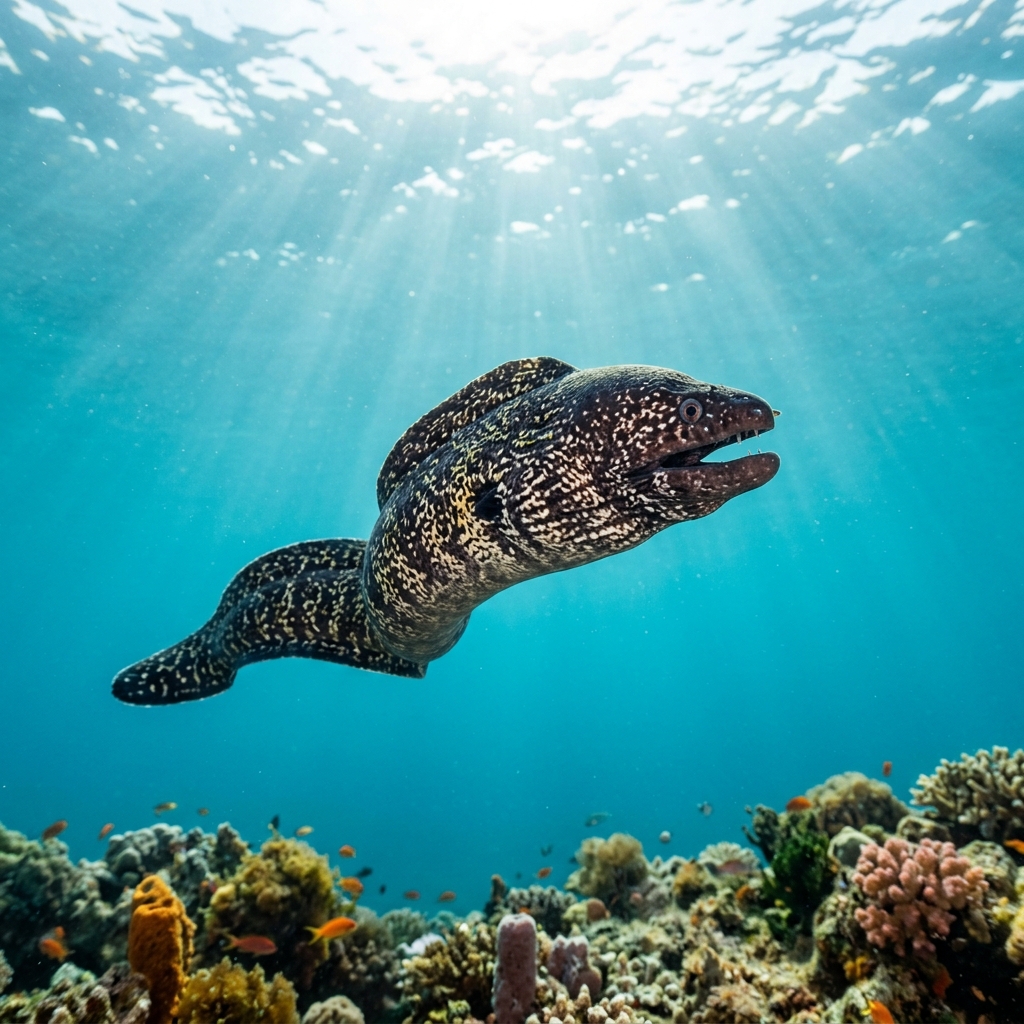
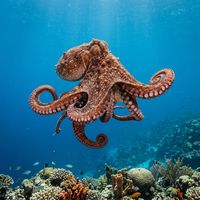
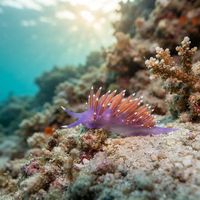
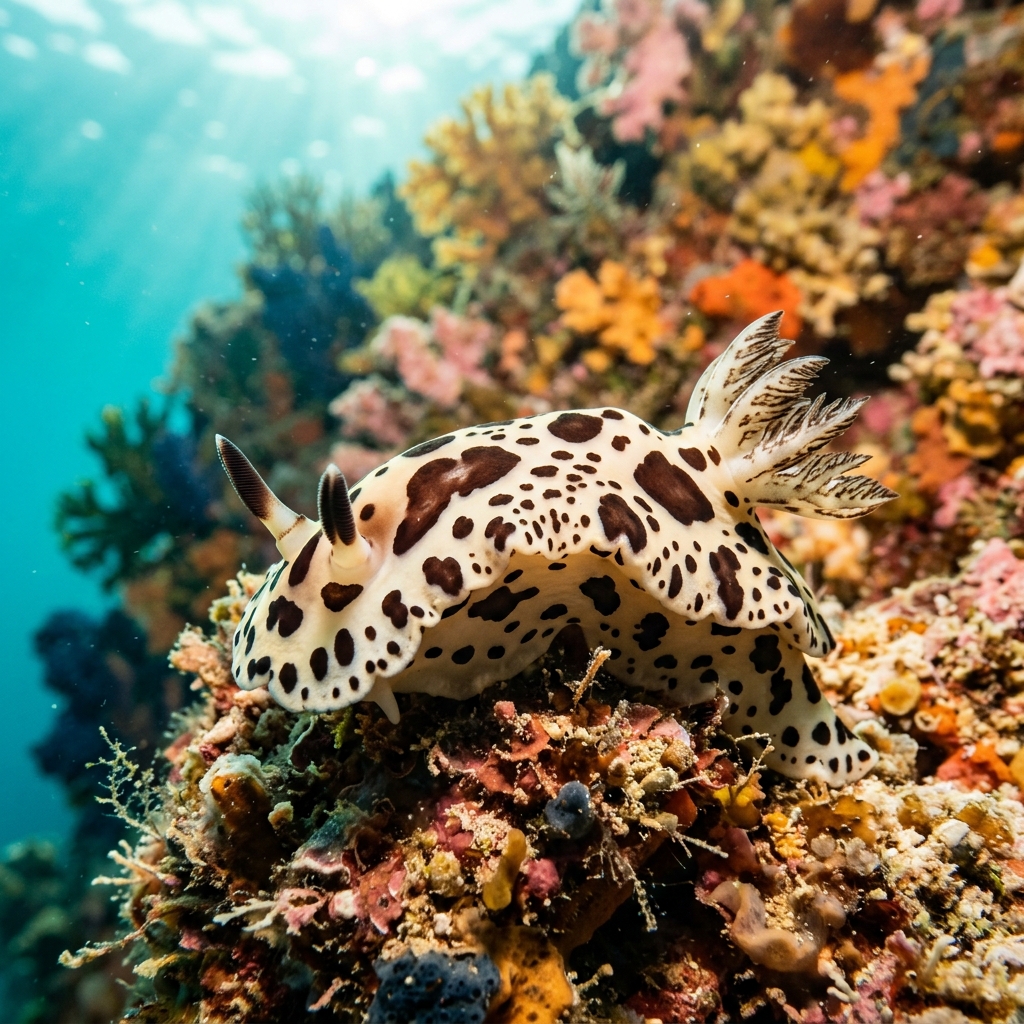
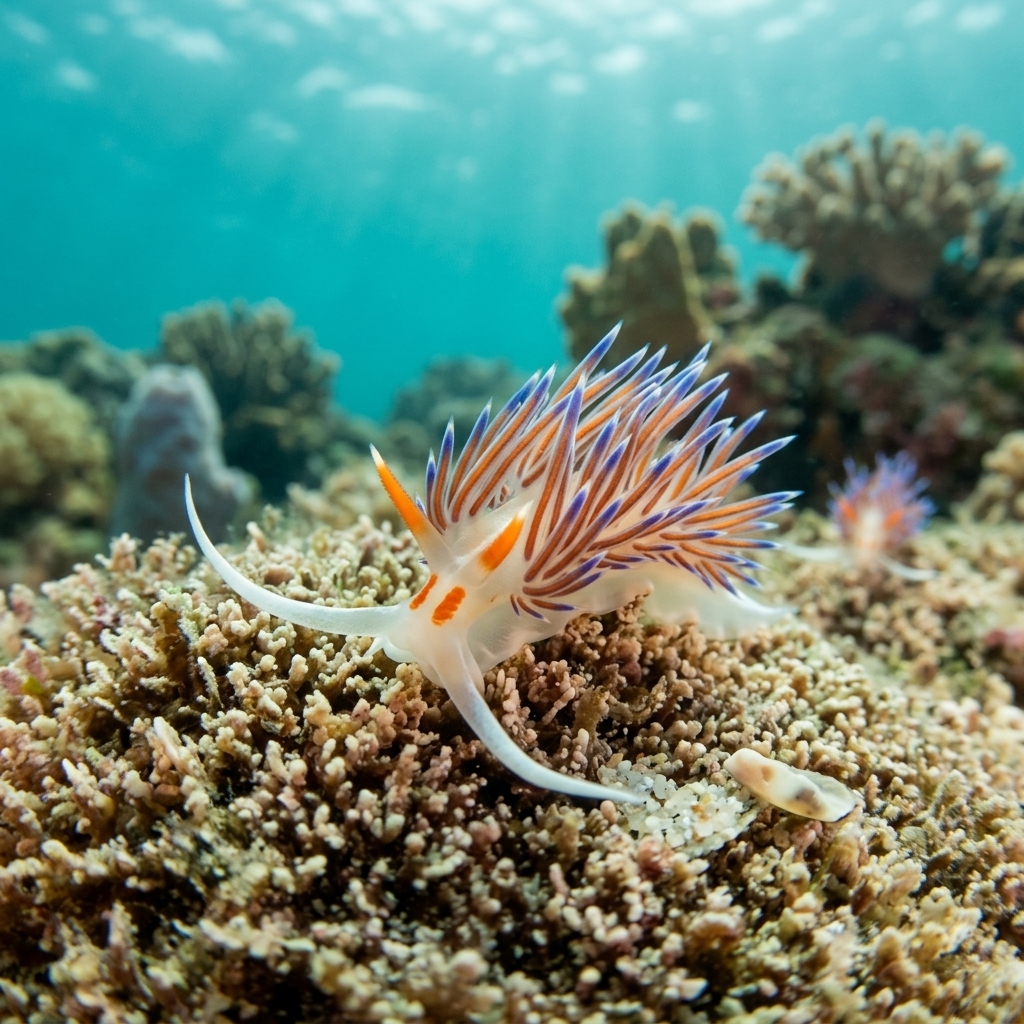
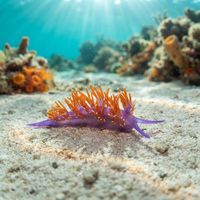
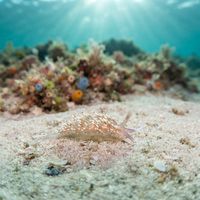
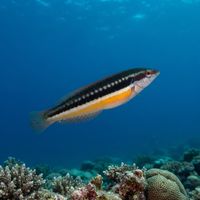
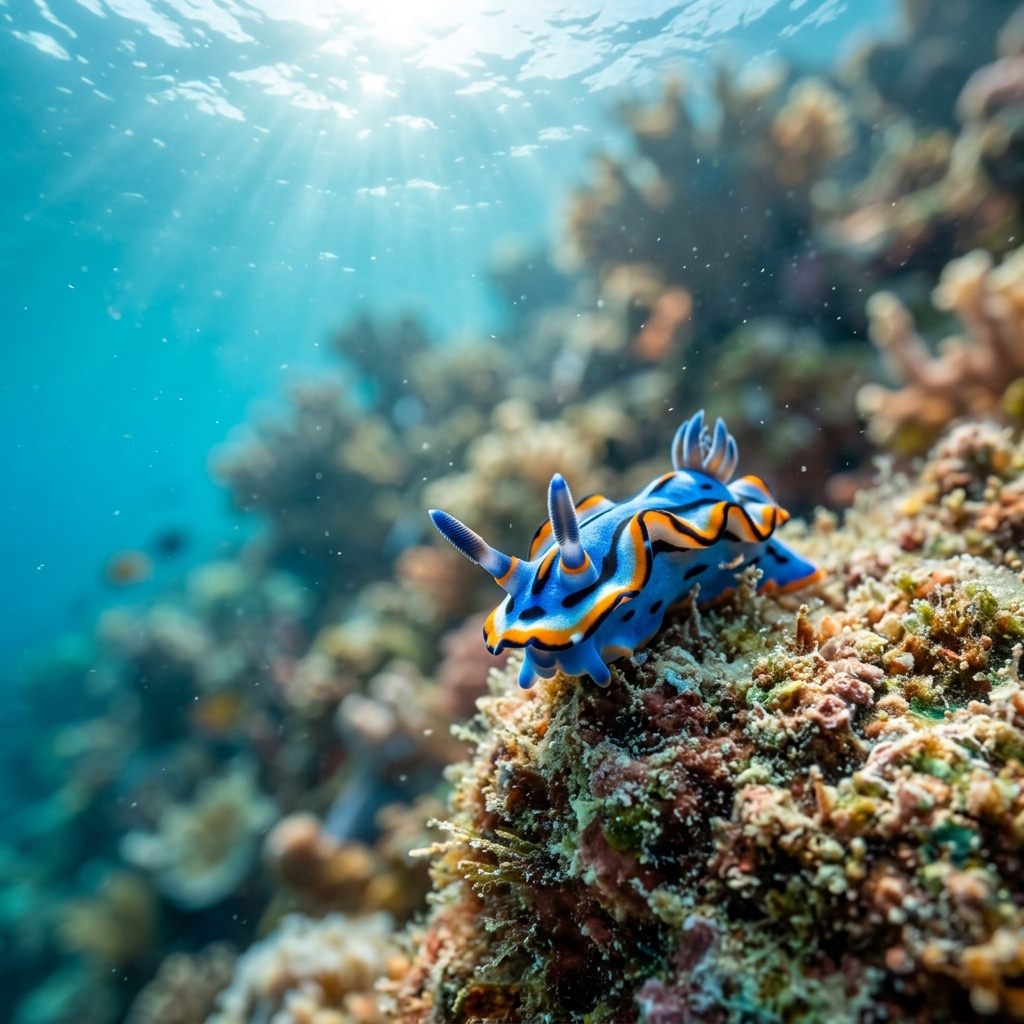
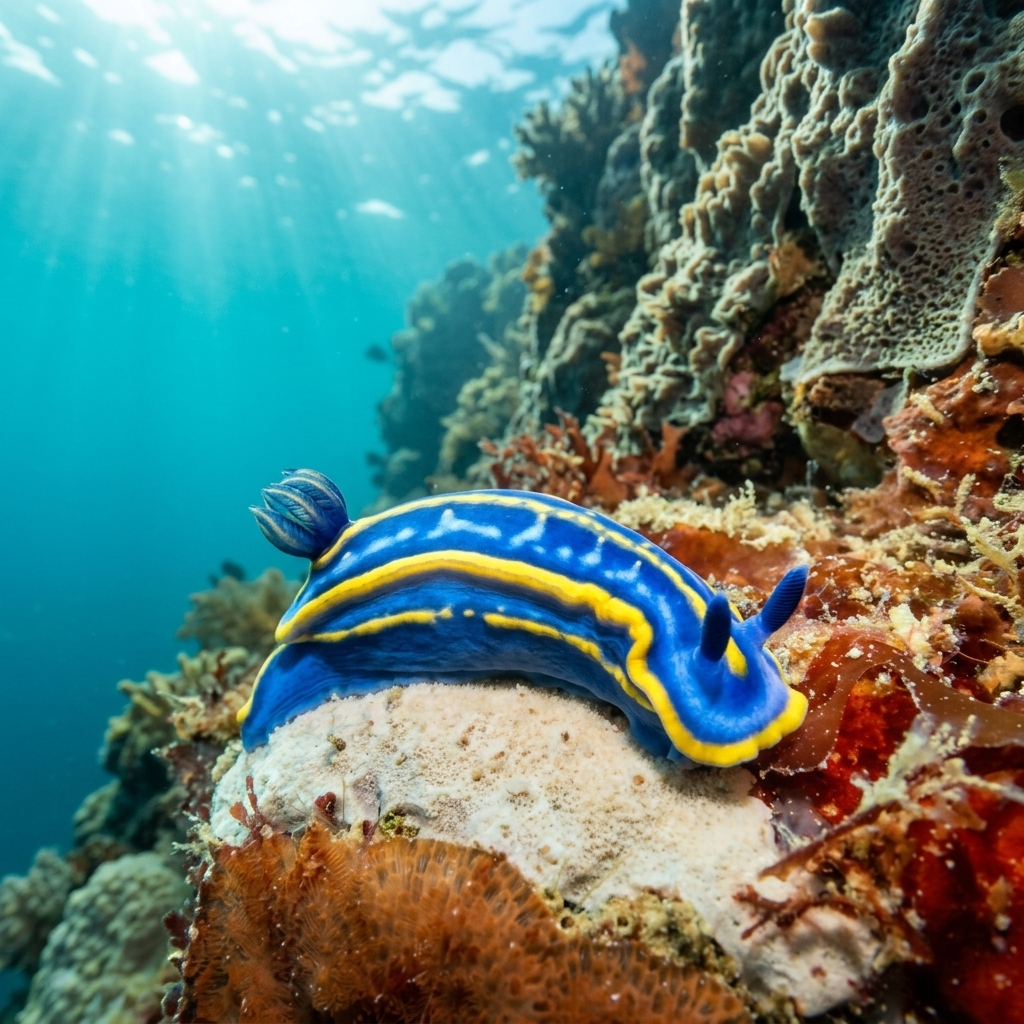
The Lérins Islands split across two islands, Île Saint-Honorat and Île Sainte-Marguerite, each carrying a substantial spread of sites. Reefs, walls, drop-offs and a handful of wrecks cover the full range from shallow beginner entries to serious technical depths. Nudibranchs are a defining feature here, with species such as the Violet Sea Slug, Cratena Slug and Facelinopsis Marioni recorded consistently across sites. The Mediterranean Moray and Common Octopus appear at almost every turn.
2 areas
Monthly water temperature across Lérins Islands's sites, from satellite sea-surface data corrected for depth. The band shows the site-to-site spread.
Water stays cool through winter and early spring, warming through summer to its peak in August before easing back through autumn. The most popular diving window runs from late spring through early autumn, when warmer water and settled conditions suit the widest range of sites. Deeper boat-access walls and drop-offs off both islands can be exposed to current, while sheltered shore entries remain approachable year-round.
38 operators

71 more sites to explore
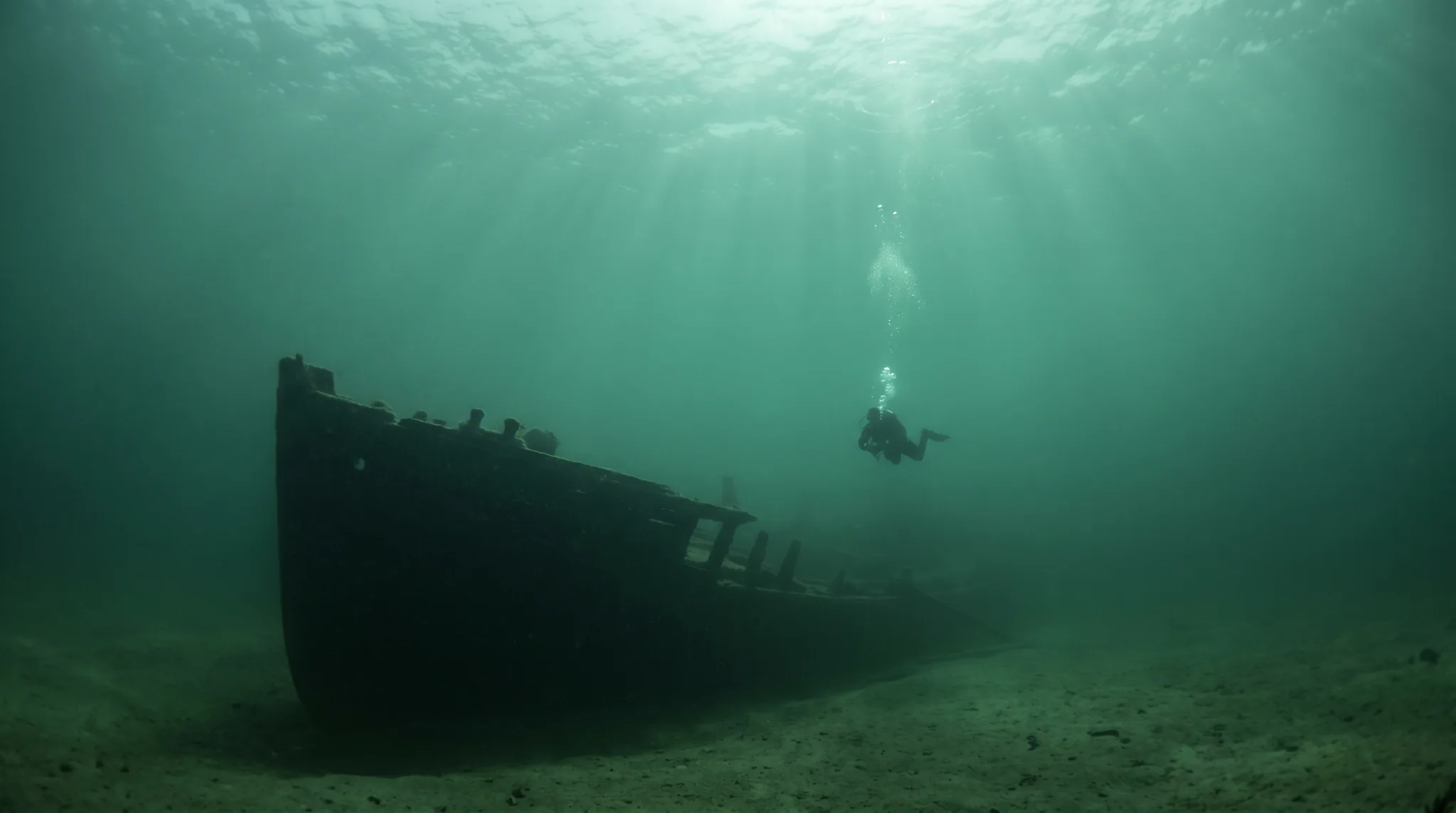
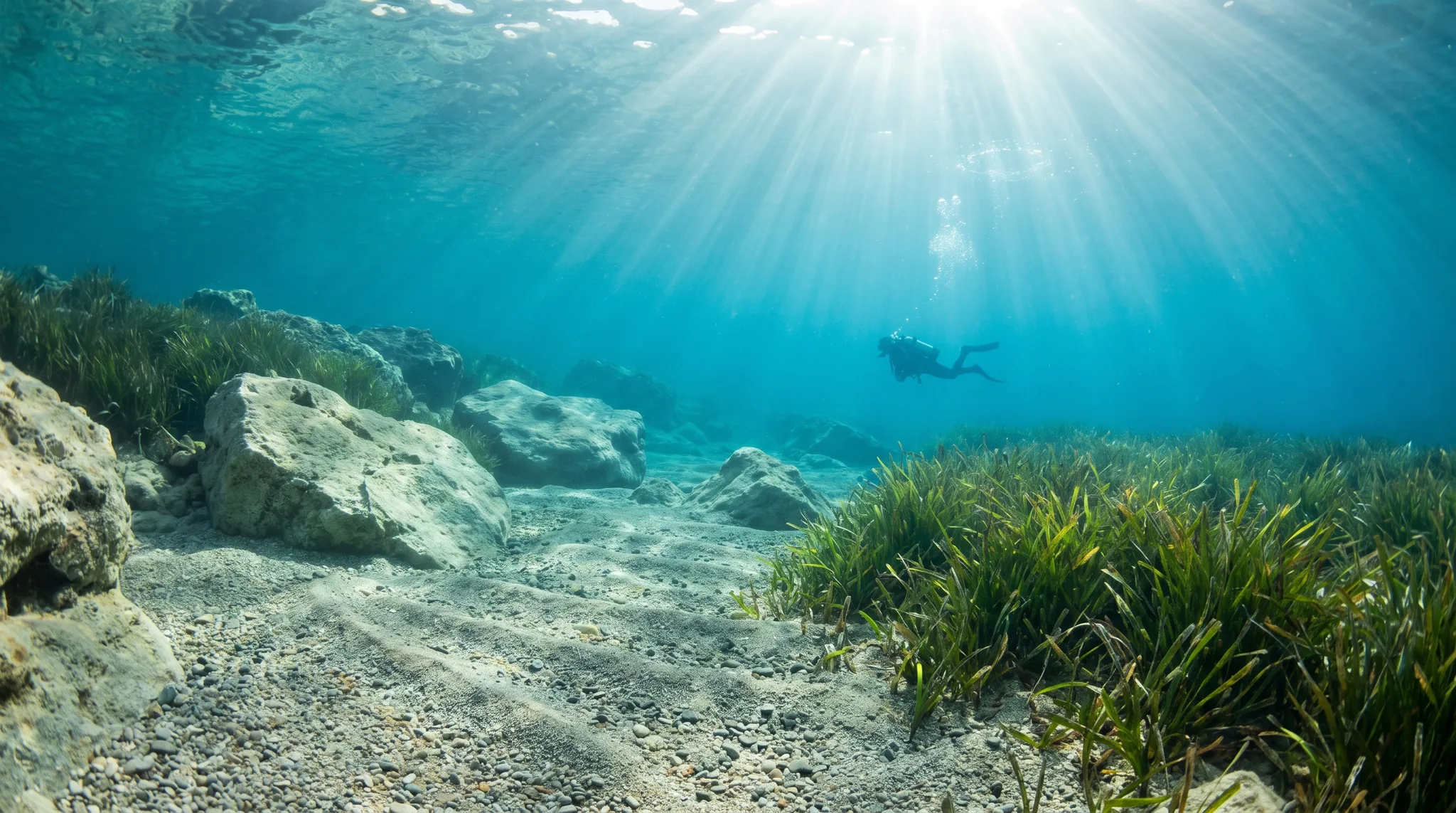
Deep reefs, dramatic walls and an exceptional nudibranch diversity make Île Saint-Honorat a rewarding dive destination in the Lérins Islands.
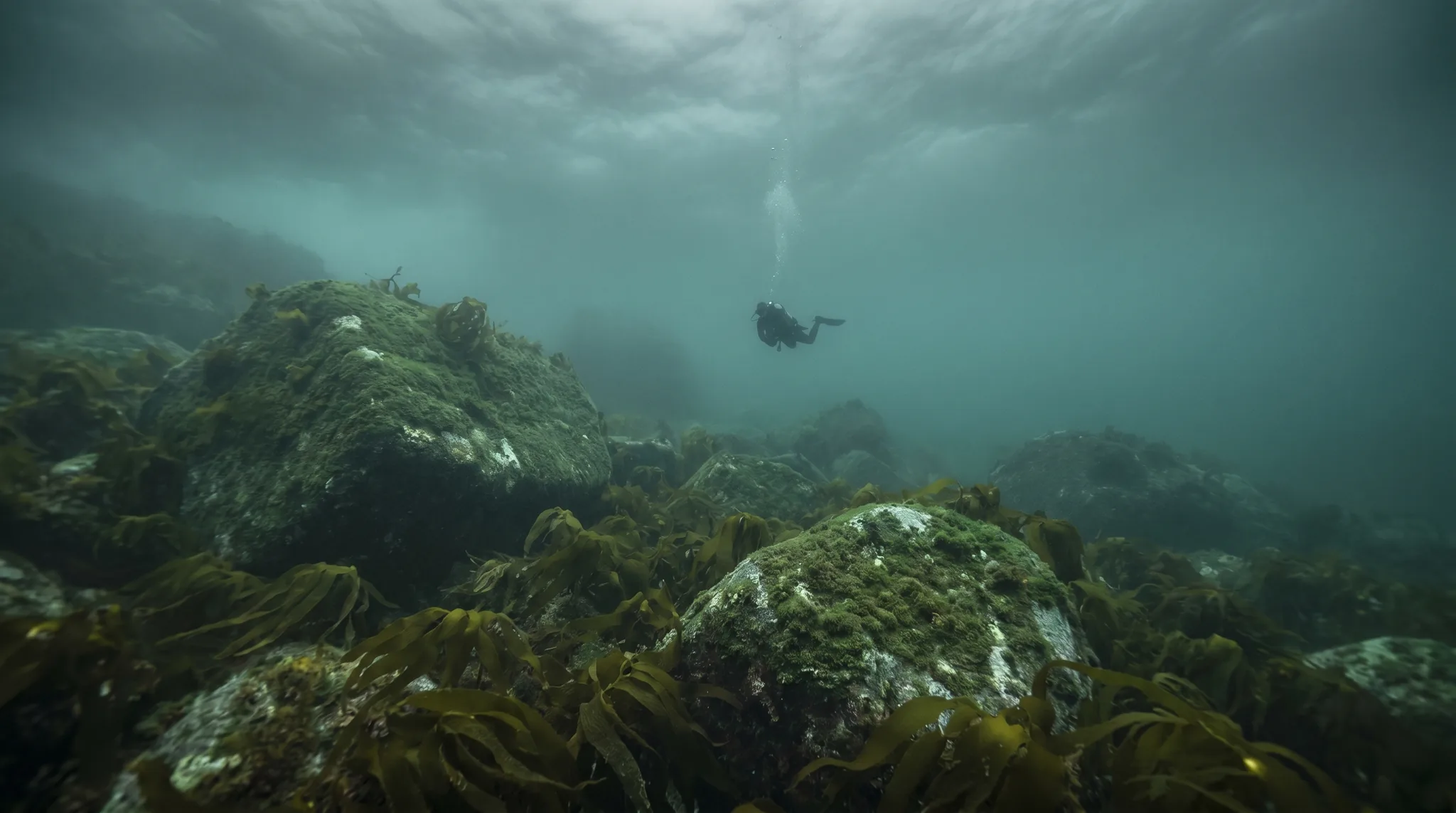
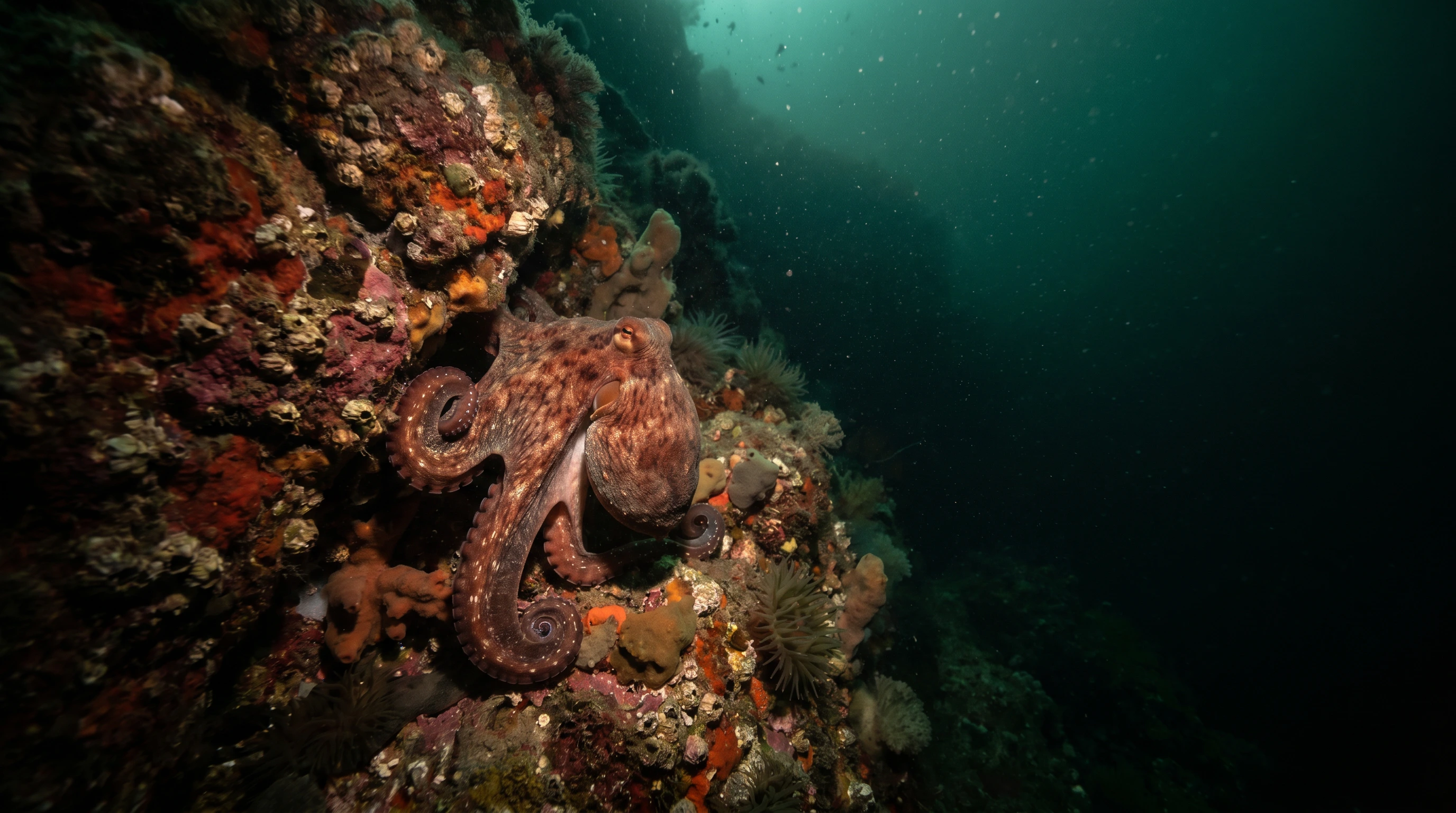
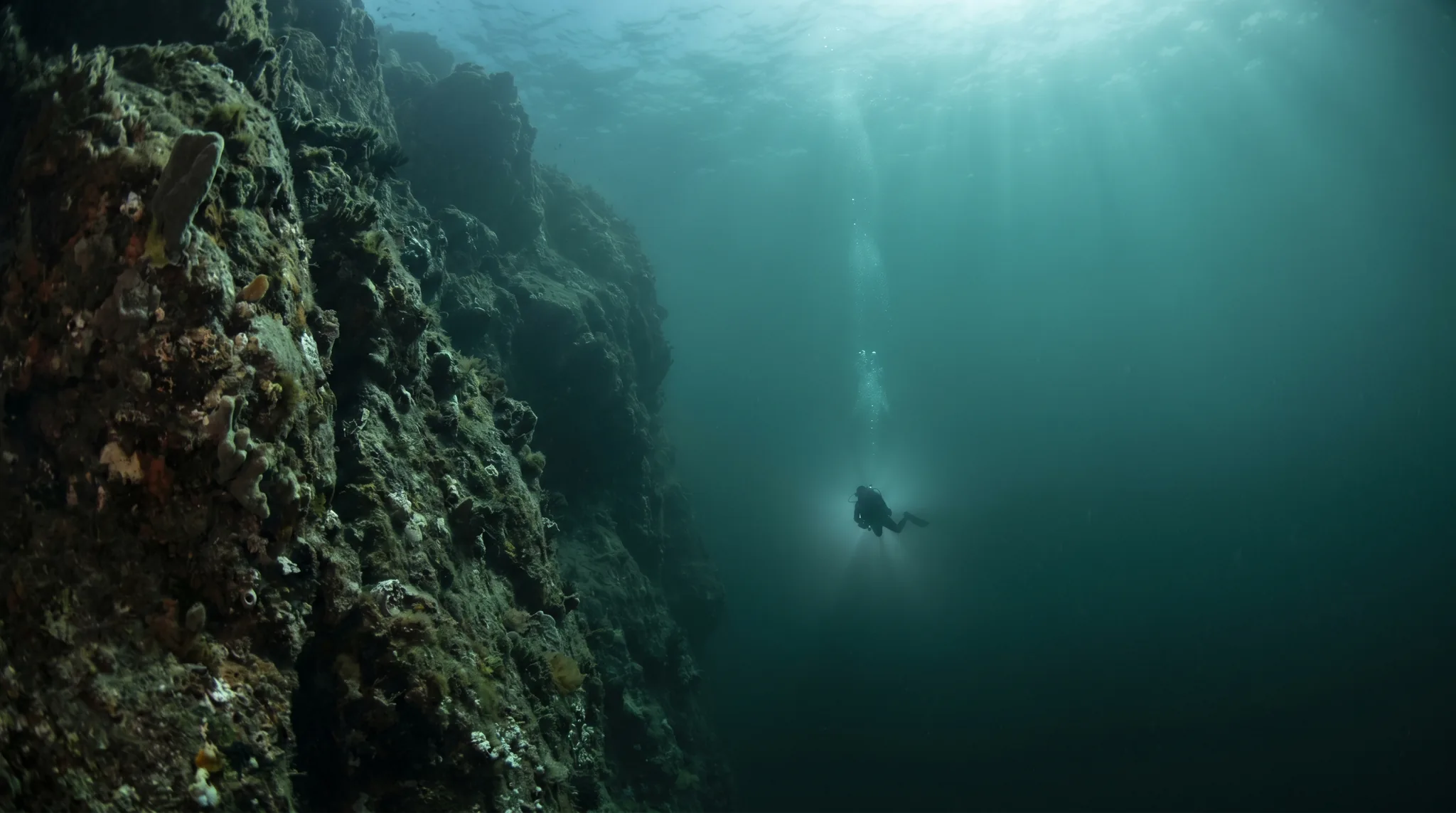
Water temperature around Lérins Islands ranges from about 14°C in January to 21°C in August, based on satellite sea-temperature data for its dive sites.
In the warm season (about 21°C) a 5mm suit is comfortable in Lérins Islands; in the coldest months (about 14°C) step up to a 7mm or semi-dry suit.
Fin maps 83 sites in Lérins Islands (74 scuba diving sites and 18 snorkelling spots, with some suited to both), organised into 2 areas.
Across Lérins Islands's dive sites, May, June, July, August and September are most often reported as the best months to visit.
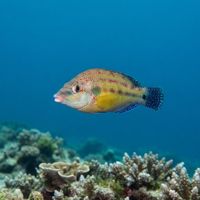
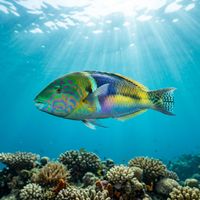
The islands are particularly strong for nudibranchs, with the Violet Sea Slug, Cratena Slug, Tricolor Doris, Mediterranean Violet Aeolid and several facelina species all recorded regularly. The Mediterranean Moray and Common Octopus are among the most consistently observed animals across sites. Peacock Wrasse, Turkish Wrasse and Red Scorpionfish are also very common encounters.
Yes, several sites are rated for beginners. La Rague at Île Sainte-Marguerite is a shallow shore entry, and both Batéguier and La Rourre are beginner-rated boat dives. Le Village, an artificial reef close to Île Saint-Honorat, is another gentle option. More advanced divers are well catered for too, with deep walls and technical sites available off both islands.
Île Saint-Honorat carries the larger share of sites and includes some of the deepest and most technical diving in the area, including Le Jardin and La Theiere. It also has the wreck at Le Village and the drop-off at Lion de Terre. Île Sainte-Marguerite offers a strong wall-diving programme, with sites such as L'Enfer de Dante, Le Masque and L'Arche, alongside the beginner-friendly La Rague.
The majority of sites, particularly the deeper walls, drop-offs and wrecks, are boat-access only. Shore entries do exist, notably La Rague at Île Sainte-Marguerite, and a number of sites including Lion de Terre and Le Village accept both entry types. A good range of operators, including Easy Dive, Diamond Diving, Neptune Plongée and Centre De Plongée De La Rague, serve the islands.