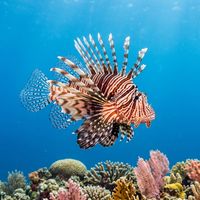
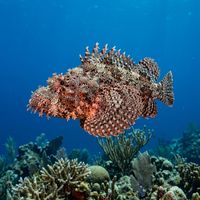
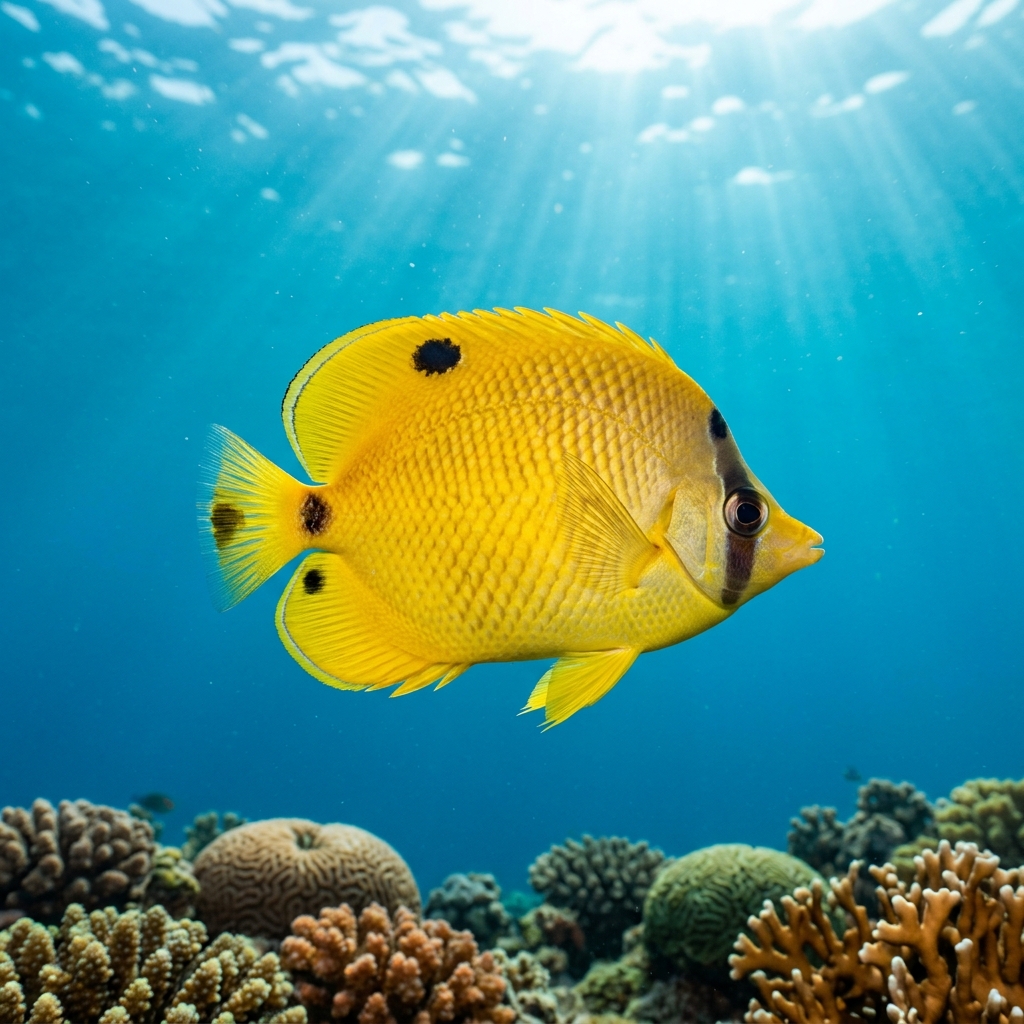
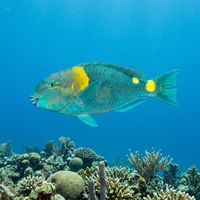
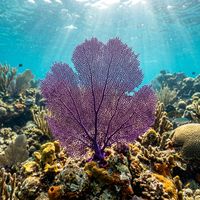
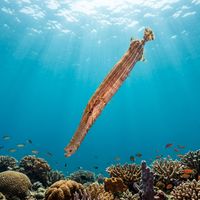
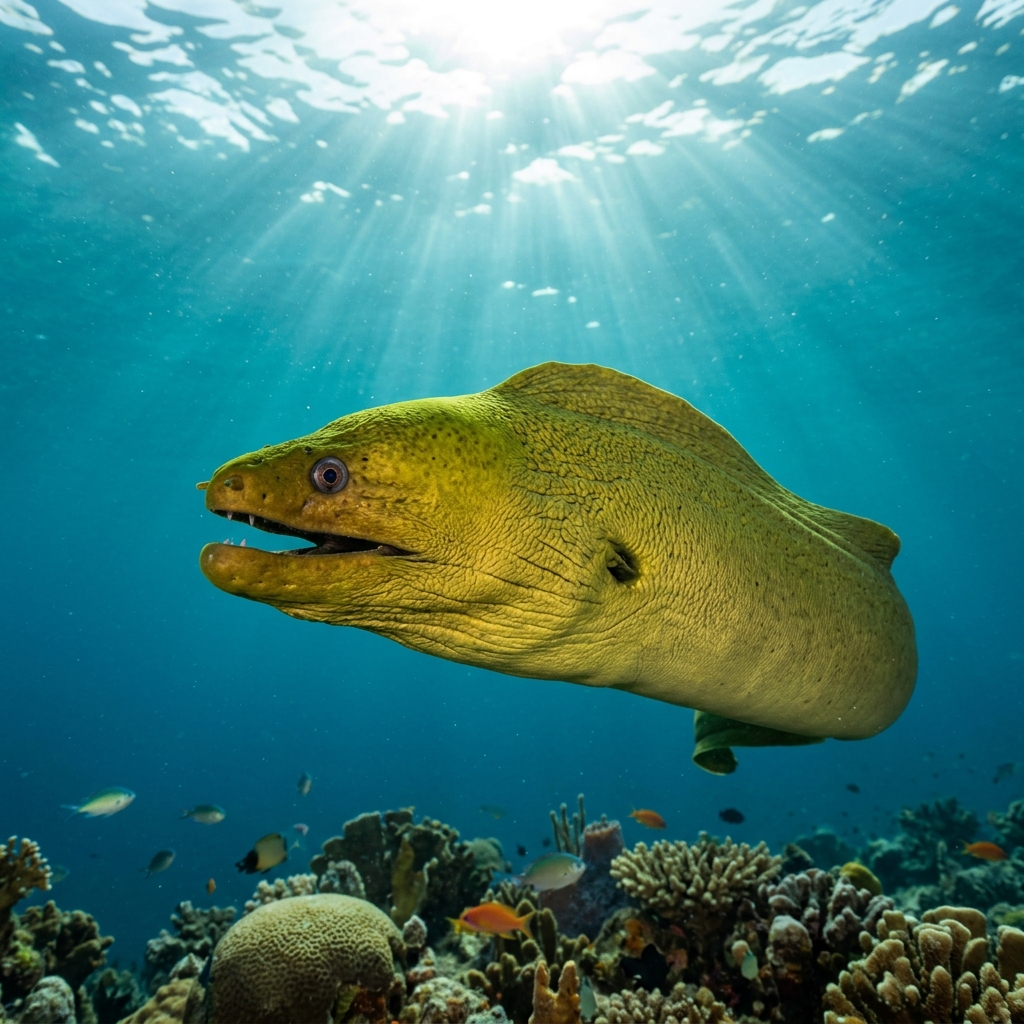
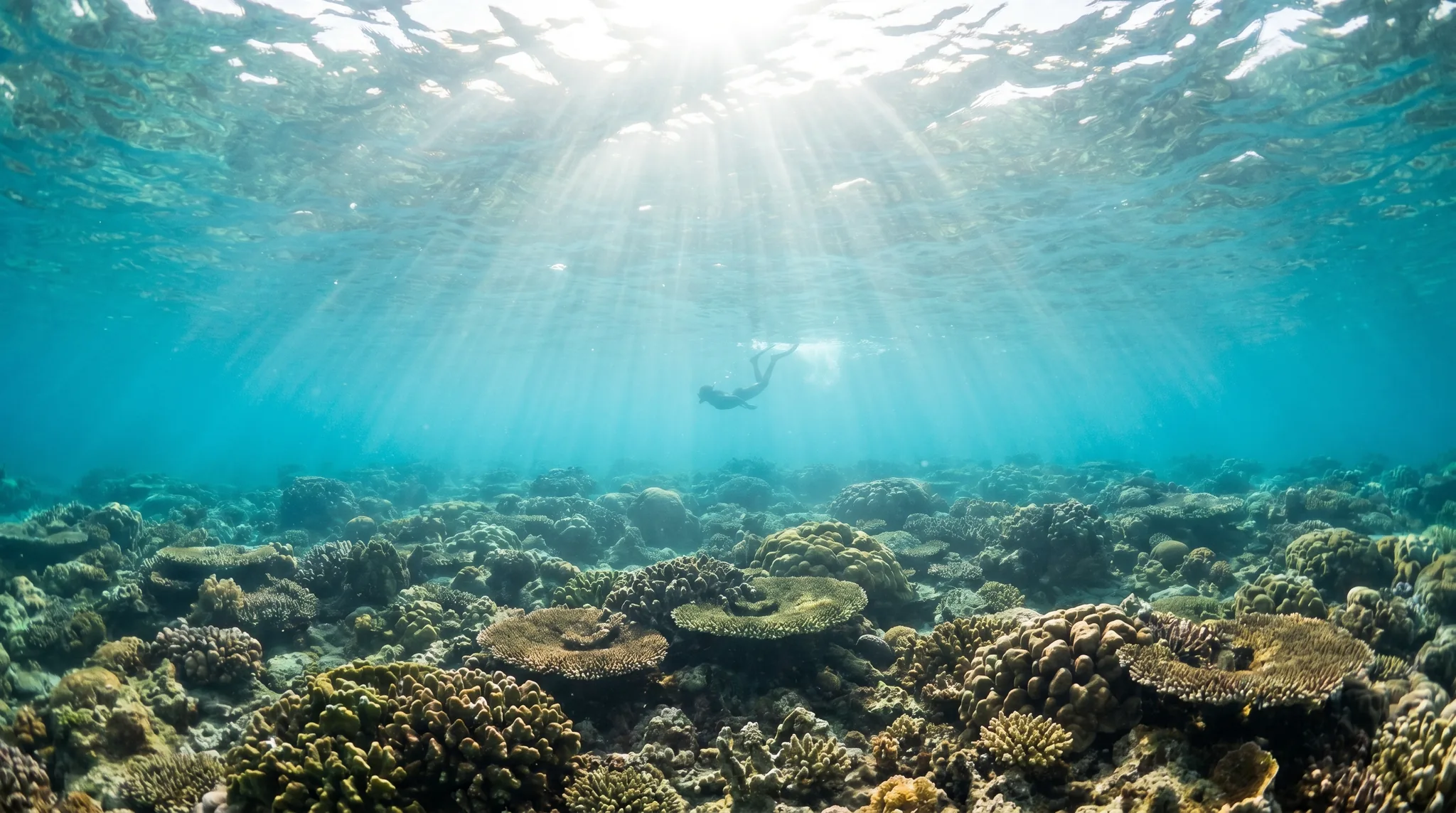
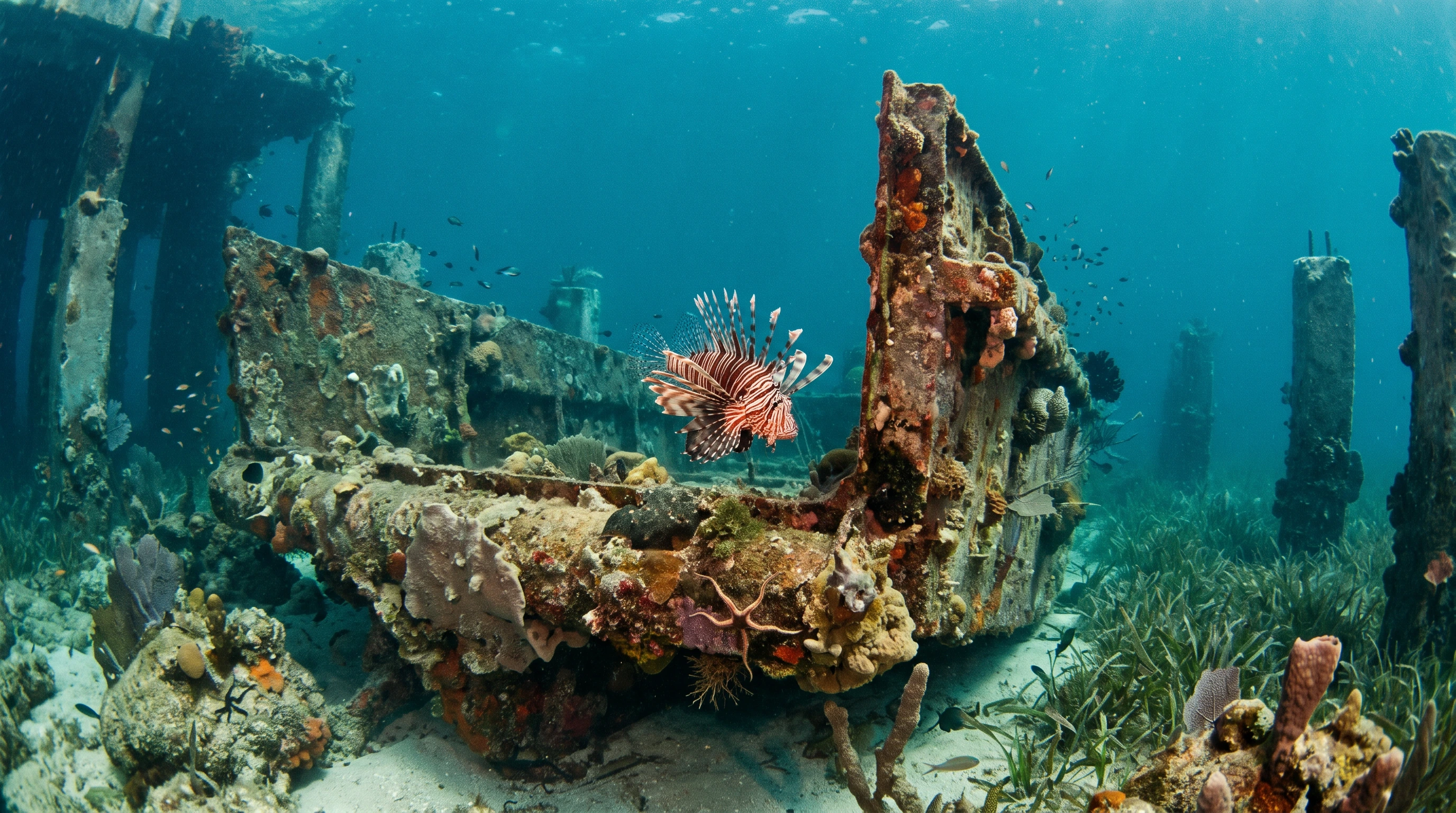
Eastern Cuba draws divers across three distinct sub-areas: Guardalavaca, Santiago de Cuba, and Santa Lucia. The site mix runs from shallow artificial reefs and wrecks suitable for beginners through to deep wall dives that reward intermediate divers. Shore and boat access are both well represented. Reef fish are the backbone of every dive: Stoplight Parrotfish, Blue Tang, Caribbean Ocean Surgeonfish, and Goatfish appear across nearly all sites, while the Spotted Scorpionfish and Indian Lionfish add a cryptic edge. The wall at Bucanero and the wreck environment at Phillips Dive Park illustrate the region's range well.
3 areas
 5
5Atlantic reef diving near Holguín with shallow sites for beginners and deeper walls reachable by boat.
 5
5Caribbean wreck and reef diving in southeastern Cuba, known for historic warships and warm water year-round.
2A well-preserved barrier reef on Cuba's northern Camagüey coast, best known for warm, calm reef diving and seasonal bull shark encounters.
Monthly water temperature across Eastern Cuba's sites, from satellite sea-surface data corrected for depth. The band shows the site-to-site spread.
Water temperature stays warm throughout the year, peaking in late summer and early autumn and dipping only slightly in the cooler months, so conditions are comfortable year-round. The best-months data points to the winter period, from December through April, when calmer, clearer conditions favour visibility on the reef and wall sites. Divers planning wall dives at sites like Bucanero should be aware of the exposure that comes with deeper profiles at that time of year.
6 operators
Banes, Cuba
Camaguey, Cuba
Water temperature around Eastern Cuba ranges from about 26°C in February to 30°C in September, based on satellite sea-temperature data for its dive sites.
In the warm season (about 30°C) a rash guard or 3mm shorty is comfortable in Eastern Cuba; in the coldest months (about 26°C) step up to a 3mm full suit.
Fin maps 12 sites in Eastern Cuba (11 scuba diving sites and 1 snorkelling spots), organised into 3 areas.
Across Eastern Cuba's dive sites, January, February, March, April and December are most often reported as the best months to visit.
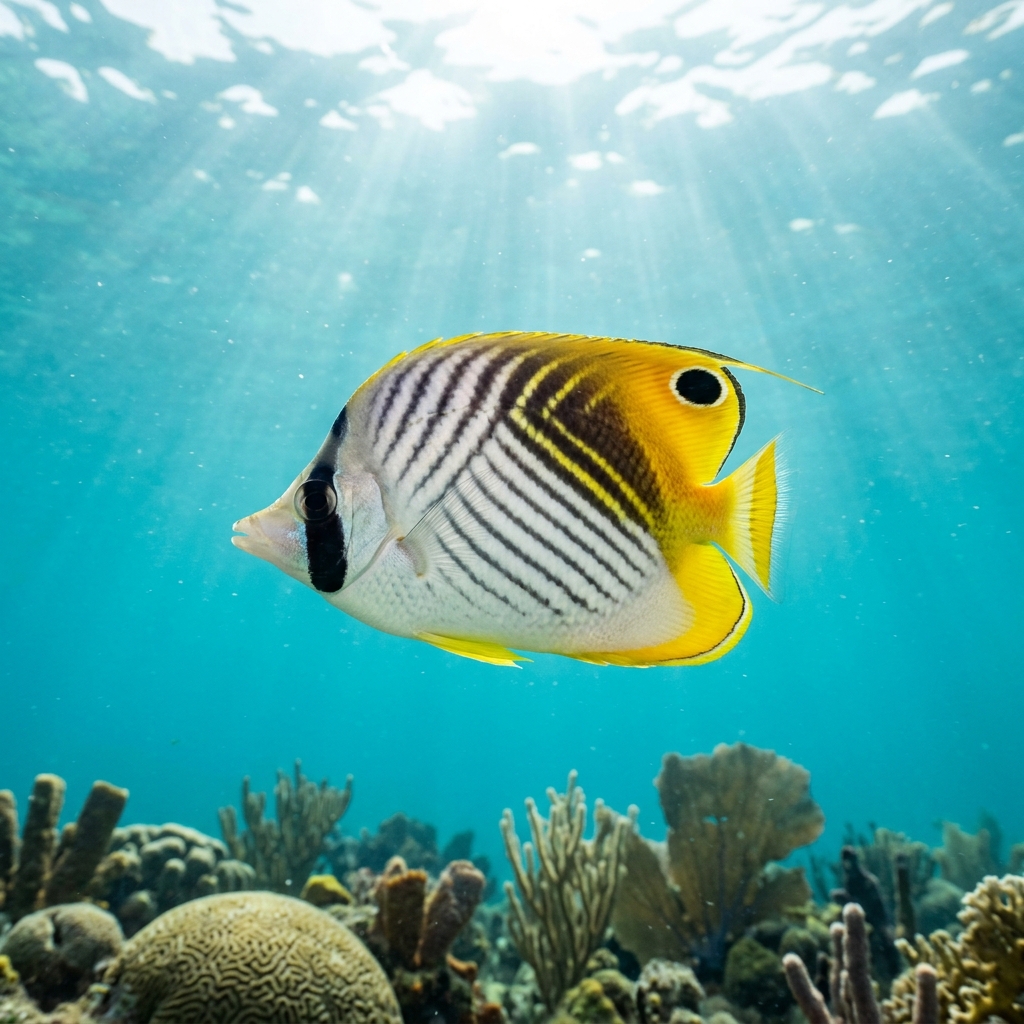
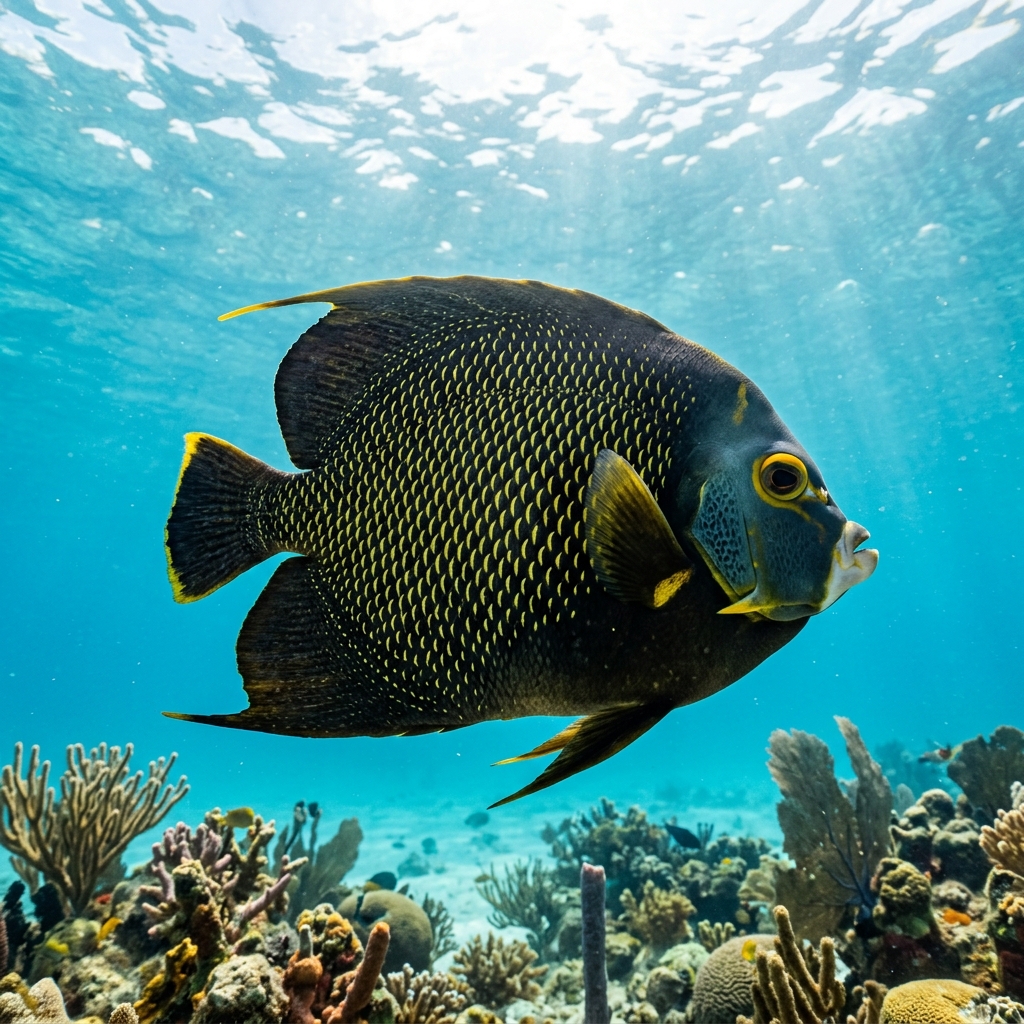
Reef fish dominate: Stoplight Parrotfish, Blue Tang, Caribbean Ocean Surgeonfish, French Grunt, and Goatfish are observed across virtually all sites. Look more carefully on the reef structure for the Spotted Scorpionfish and Indian Lionfish, both signature species for the region. French Angelfish, Rock Beauty, Foureye Butterfly Fish, and Banded Coral Shrimp are also regularly recorded, along with Caribbean Spiny Lobster tucked into crevices.
The majority of sites in Eastern Cuba are rated for beginners, including shore-entry options such as Phillips Dive Park and the very shallow reef at Ta Hanita. Playa Santa Lucia and Guantanamo Bay Reef also offer gentle conditions for those early in their diving experience. Intermediate divers have their own options, particularly the wall at Bucanero and the deeper reef at Taza Azul, both accessed by boat.
Guardalavaca has the greatest number of sites and the widest range of depth and site type, from the very shallow Ta Hanita through to the deeper boat-access reef at Taza Azul. Santiago de Cuba matches it in site count and includes the wall dive at Bucanero alongside shallower options. Santa Lucia contributes fewer sites, centred on the shallow barrier-protected reef at Playa Santa Lucia.
Both shore and boat entries are available across the region. Phillips Dive Park offers shore access, and Guantanamo Bay Reef can be entered from either shore or boat. Boat access is required for sites such as Phare and Taza Azul in Guardalavaca. Operators including Eagle Ray Diving Center, Diving Center Marlin, and Centro Internacional de Buceo Shark's Friends service the region and can advise on logistics for specific sites.