

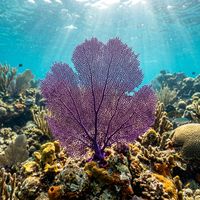
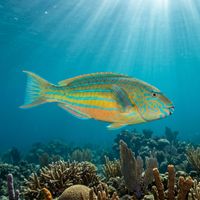
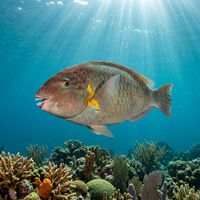
Western Cuba brings together three distinct diving areas, each with its own character. Varadero offers the largest concentration of sites, mixing accessible reef dives with wreck-laden artificial structures at Cayo Piedra Reef. Maria la Gorda is the place for walls and cave systems, where sites like Paraiso Perdido and Gorgonian Garden reward intermediate divers with dramatic drop-offs and gorgonian-covered slopes. The Bay of Pigs adds flooded cenotes and shore-entry cave diving at Cueva de los Peces and Cenote Cuba Checoslovaquia. Across all three areas, Blue Tang, Stoplight Parrotfish, and Purple Sea Fan are reliably present, while Green Sea Turtle and Nurse Shark are regularly observed.
3 areas
 23
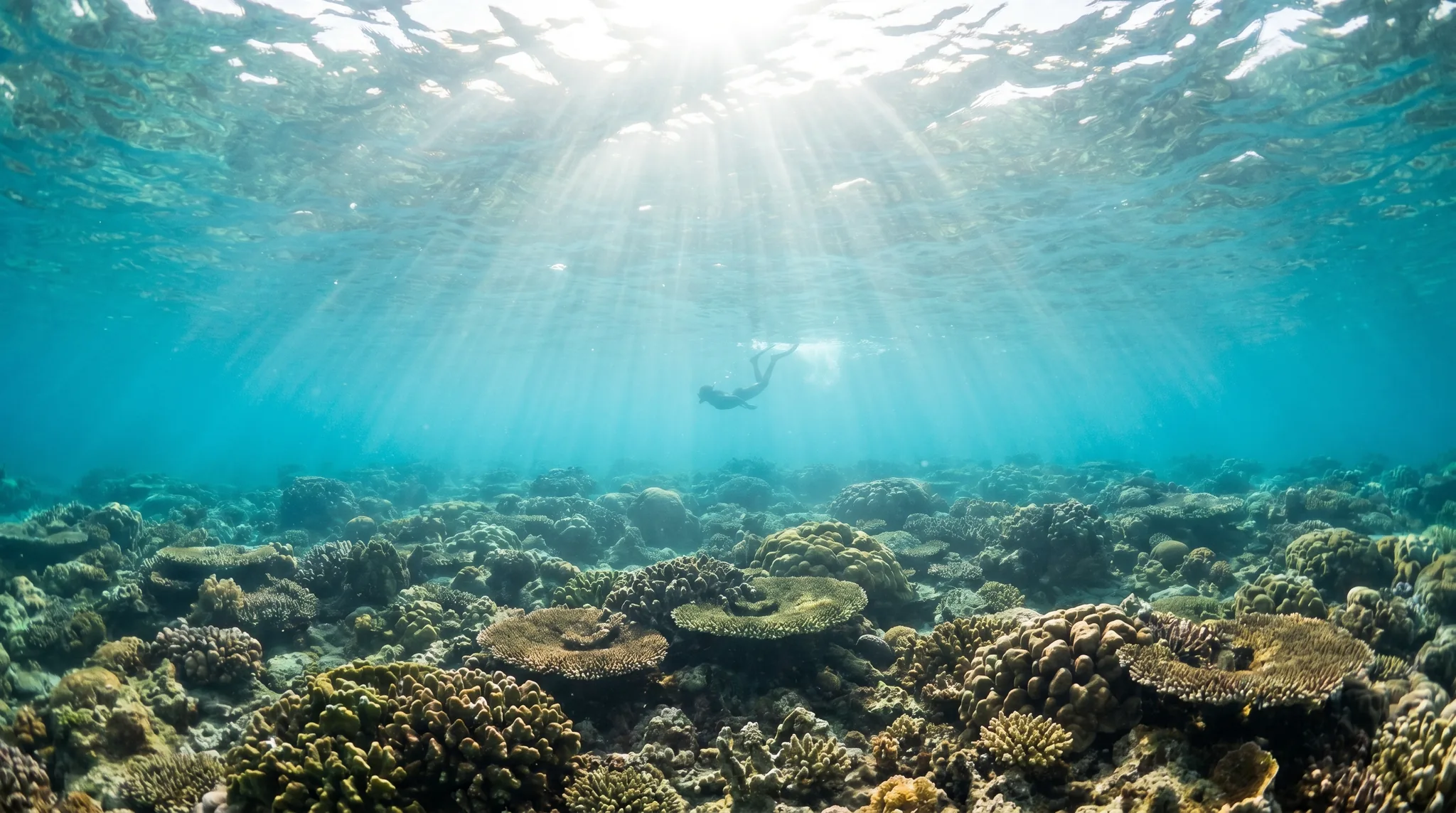
23Warm reef diving with consistent Green Sea Turtle and shark sightings, from easy shore entries to artificial wreck sites.
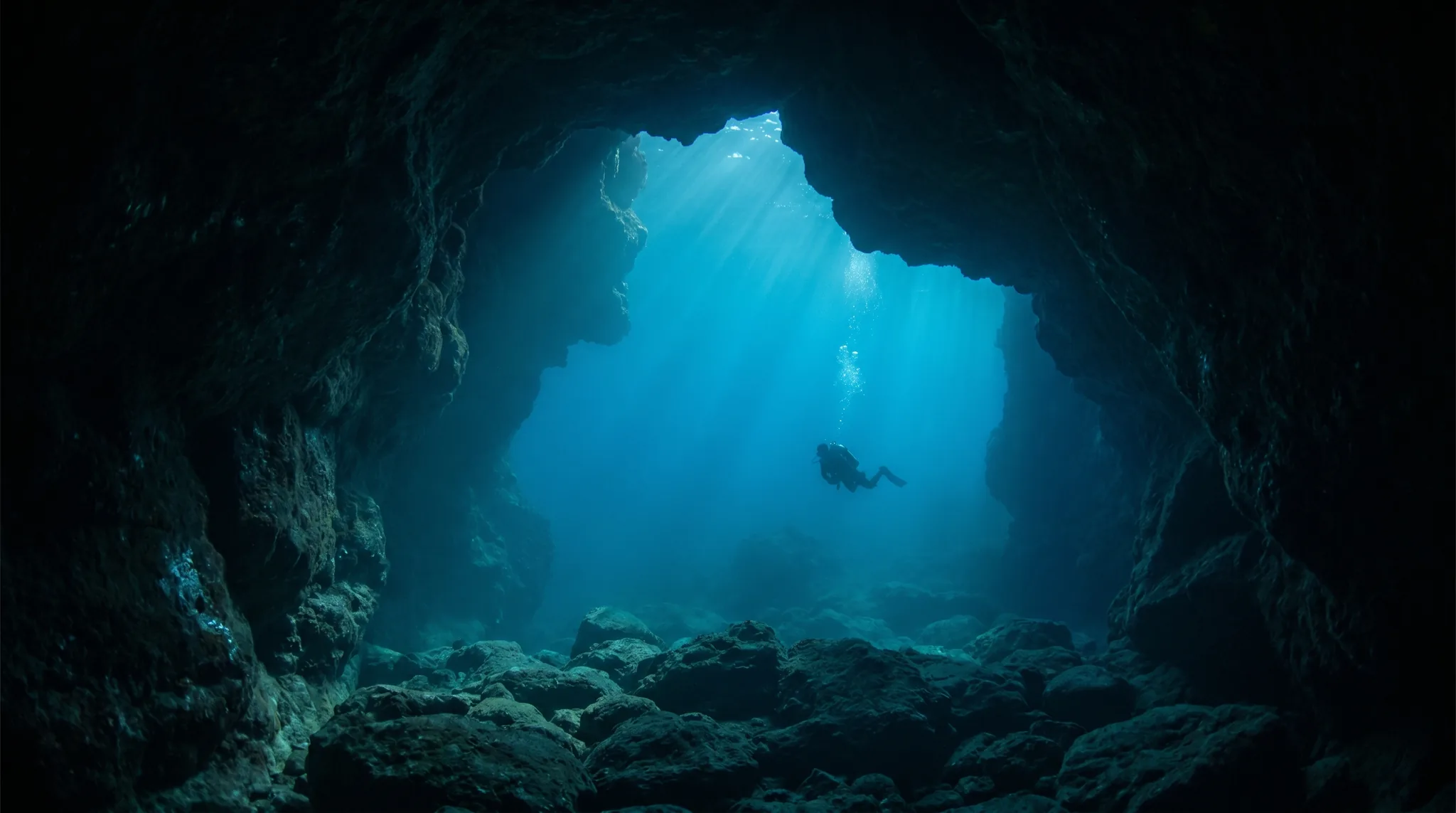
15Wall and reef diving with exceptional visibility, abundant angelfish, moray eels, and barracuda off western Cuba.
 9
9Caribbean shore diving with cenotes, walls, and wrecks all accessible from the beach near Playa Girón.
Monthly water temperature across Western Cuba's sites, from satellite sea-surface data corrected for depth. The band shows the site-to-site spread.
Water stays warm throughout the year, rising to its peak in summer and settling at its coolest, though still comfortable, in the cooler months from January through March. The best-rated months cluster around the drier period from January to April and again in December, when visibility tends to be at its finest. Summer months remain diveable but draw fewer visits, likely reflecting seasonal weather patterns rather than any sharp drop in conditions.
34 operators
Matanzas, Cuba
Varadero, Cuba
Cerro, Cuba
Water temperature around Western Cuba ranges from about 26°C in January to 30°C in July, based on satellite sea-temperature data for its dive sites.
In the warm season (about 30°C) a rash guard or 3mm shorty is comfortable in Western Cuba; in the coldest months (about 26°C) step up to a 3mm full suit.
Fin maps 47 sites in Western Cuba (45 scuba diving sites and 8 snorkelling spots, with some suited to both), organised into 3 areas.
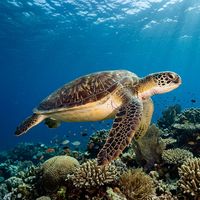
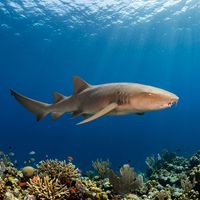
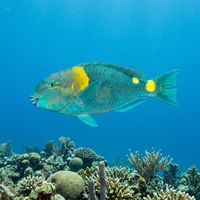
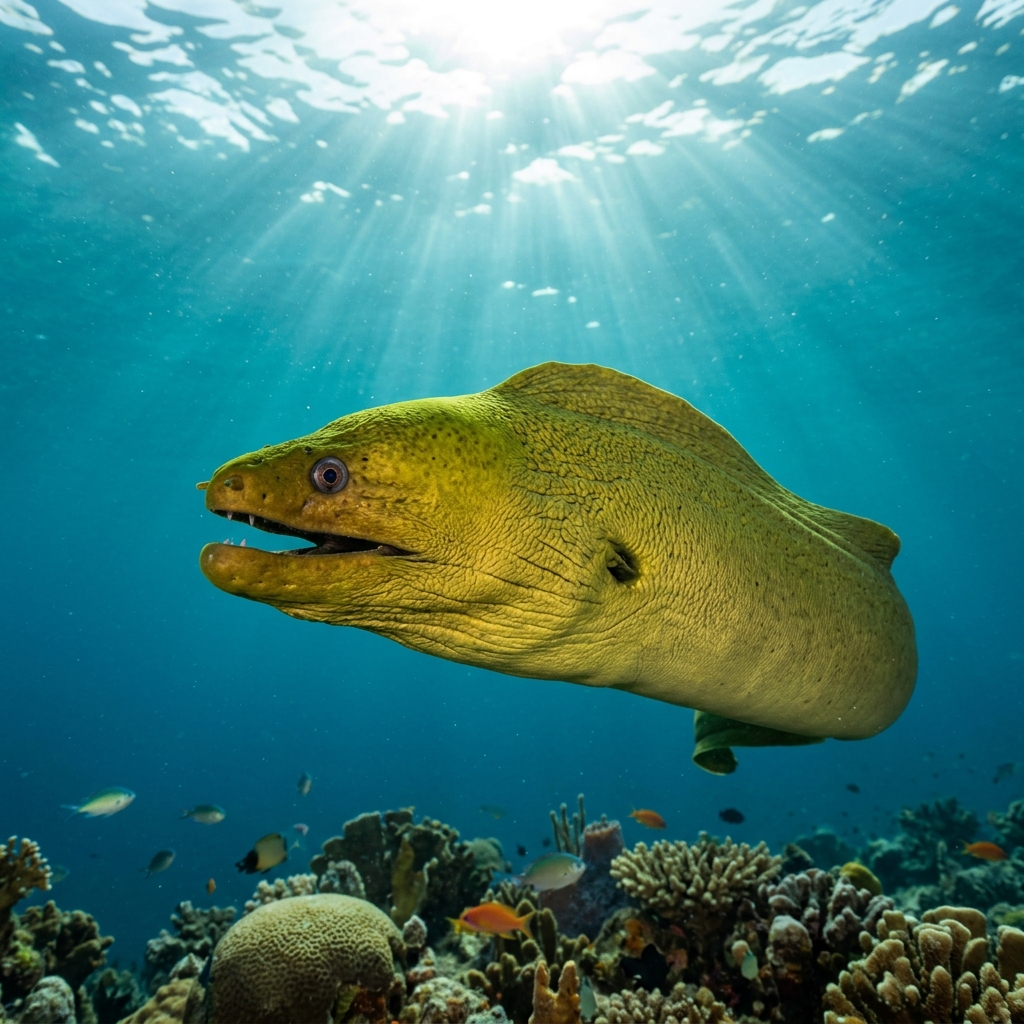
Observation-backed species across Western Cuba include Blue Tang, Stoplight Parrotfish, Caribbean Ocean Surgeonfish, and Purple Sea Fan, which appear at the vast majority of sites. Signature encounters include Green Sea Turtle, Nurse Shark, and Caribbean Reef Shark, all of which have been recorded with notable regularity. The Green Moray and Banded Coral Shrimp are also frequently reported, and the Rock Beauty is among the most commonly seen reef fish throughout the region.
Many sites in Western Cuba are rated for beginners, including popular spots like Coral Beach in Varadero, El Ancla de Francois and Acuario in Maria la Gorda, and the shore-entry sites around the Bay of Pigs. Intermediate-rated sites such as Paraiso Perdido and Gorgonian Garden involve walls dropping to significant depths and are better suited to divers with more logged dives. Overhead environments at Cenote Cuba Checoslovaquia carry their own considerations, but the region as a whole caters to a wide range of experience levels.
Varadero has the most sites and a mix of reef, wreck, and artificial reef diving, with several operators based there including Neptuno Varadero and Atlantis Varadero Scuba Diving Center. Maria la Gorda is characterised by walls, gorgonian reefs, and cave systems, with many sites accessed by boat and conditions that suit both beginners and intermediate divers. The Bay of Pigs stands apart for its cenote and cave diving, offering flooded inland systems like Cueva de los Peces alongside accessible shore-entry reef and wall sites.
Shore diving is well represented across Western Cuba, particularly in the Bay of Pigs, where sites like Punta Perdiz, Cueva de los Peces, Baie des Cochons, and the Bay of Pigs site itself are all entered directly from shore. Jibacoa near Varadero is also a shore-entry option covering reef, wall, and artificial structures. Boat access is required for deeper or offshore sites such as Cayo Piedra Reef, Paraiso Perdido, and El Almirante in Maria la Gorda.


