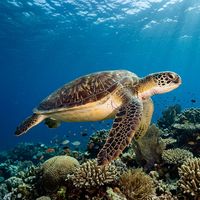
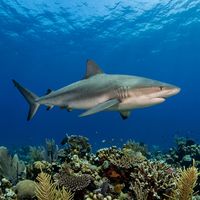
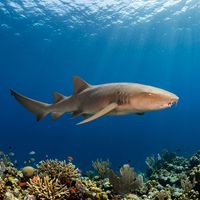
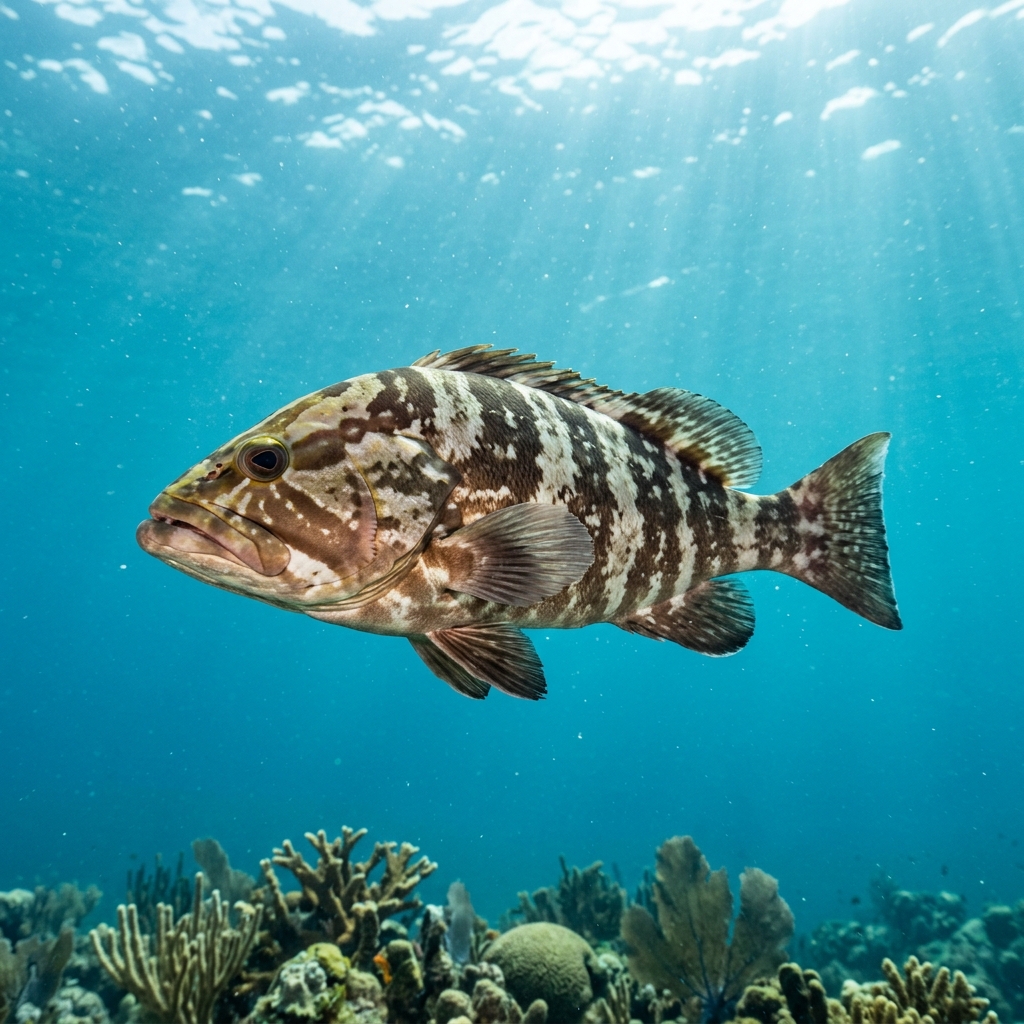
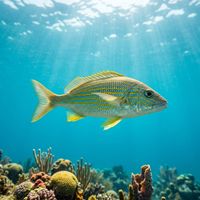
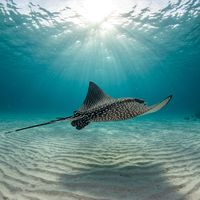
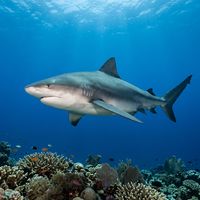
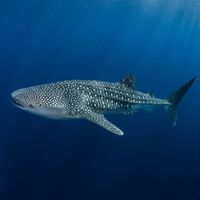
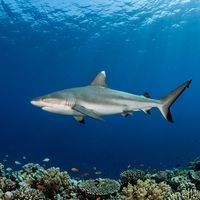
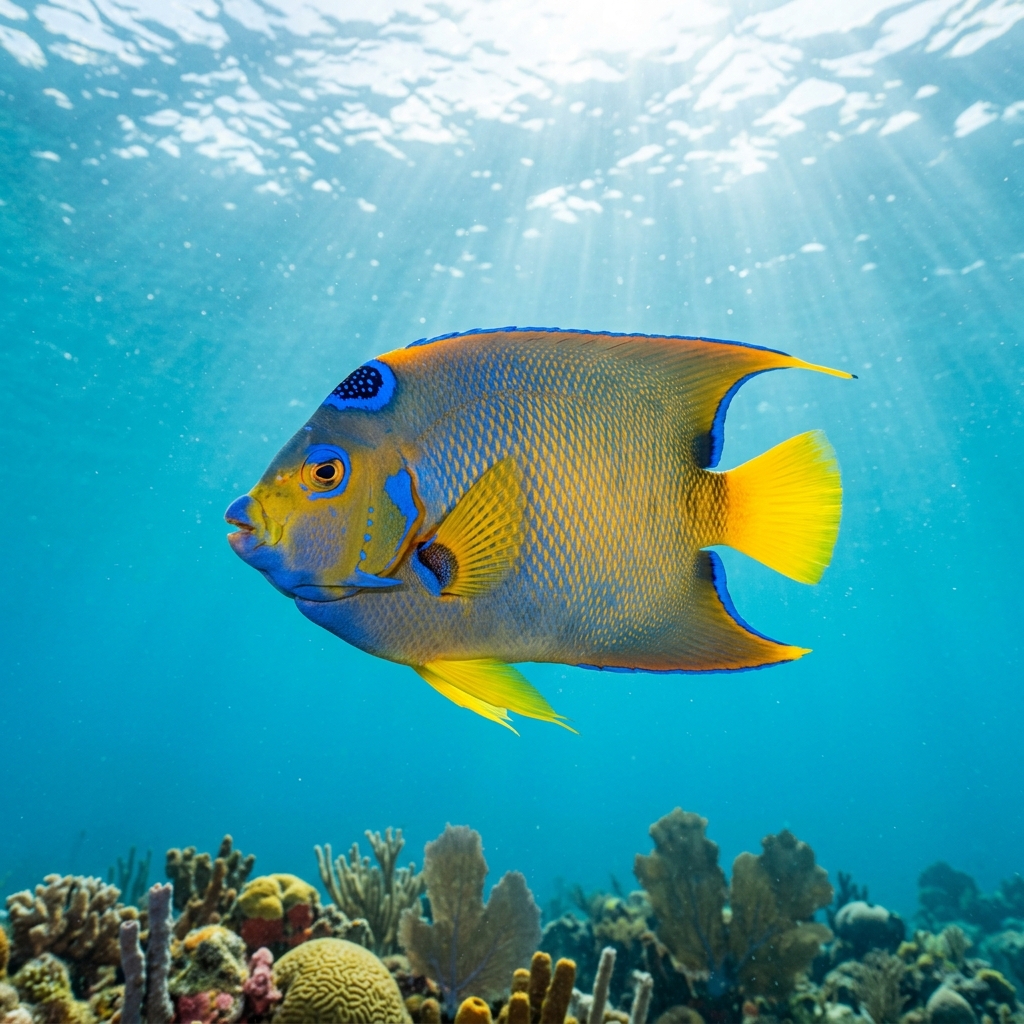
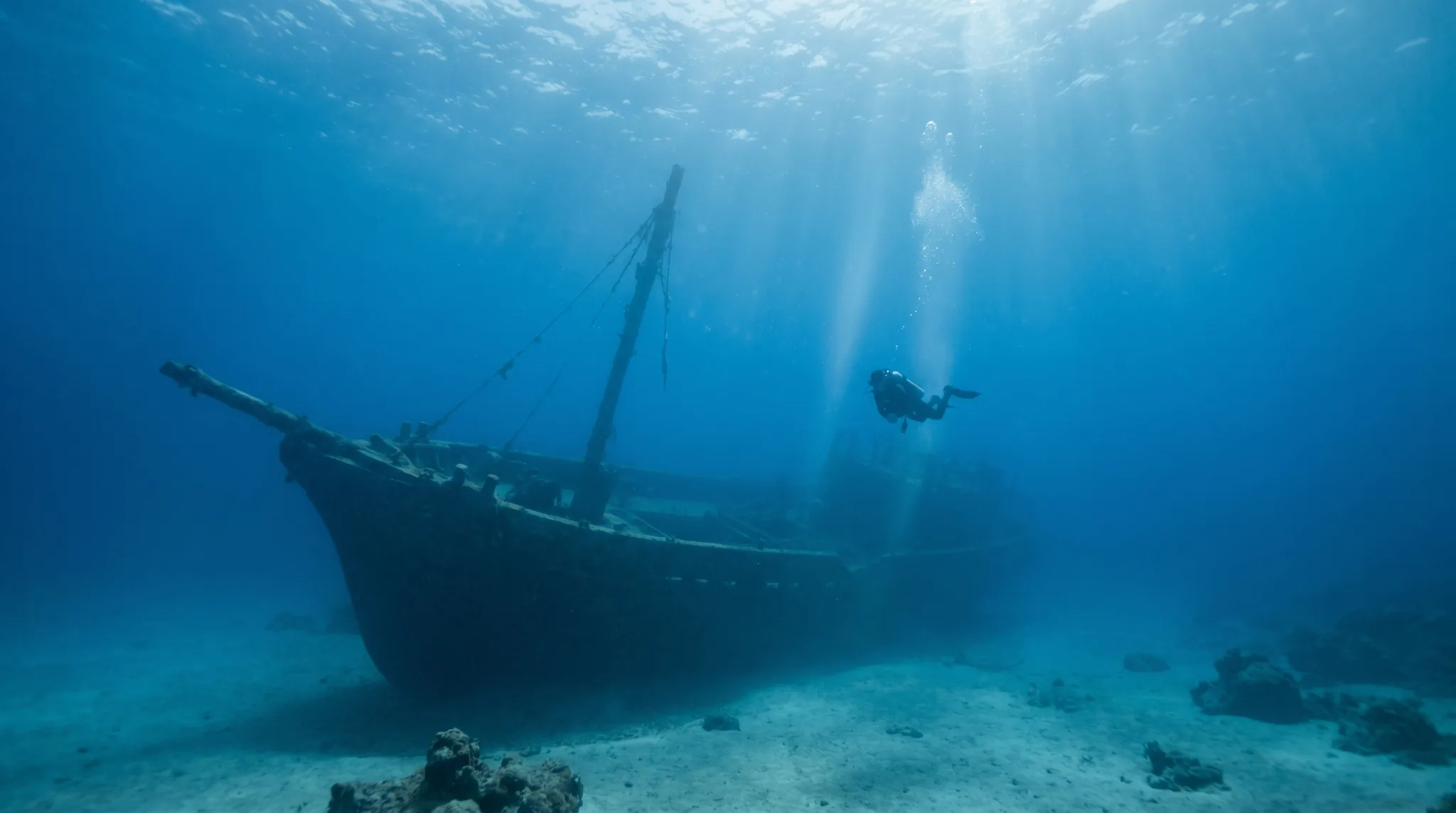
Jardines del Rey spreads across three distinct sub-areas: Cayo Coco, Cayo Guillermo, and Cayo Paredón Grande, each offering its own character. Reef diving dominates, ranging from shallow terraced formations suited to beginners through to deep walls, caves, and canyon systems that demand advanced skills. Two wrecks add structural variety off Cayo Coco. The signature marine life is shark-rich: Caribbean Reef Shark, Nurse Shark, and Grey Reef Shark are all observation-backed, alongside the ever-present Green Sea Turtle and Nassau Grouper. Spotted Eagle Ray and Whale Shark have also been recorded across the sites.
3 areas
 17
17Reef diving with consistent Nassau Grouper, Nurse Shark and the occasional Bull Shark, served by a range of sites from beginner slopes to deep walls and wrecks.
11Compact coral reefs in Jardines del Rey with reliable fish life and occasional Grey Reef Shark sightings, suiting beginners and intermediate divers alike.
 11
11A wreck-centred cay with observed Caribbean Reef Shark, Nurse Shark and Green Sea Turtle across a tight cluster of dive and snorkel sites.
Monthly water temperature across Jardines del Rey's sites, from satellite sea-surface data corrected for depth. The band shows the site-to-site spread.
Water temperatures remain warm throughout the year, rising to their peak through the summer months and easing slightly into a still-comfortable winter. The cooler, calmer months from December through April draw the highest diver ratings, likely reflecting improved conditions and visibility on the exposed reef systems. Currents vary by site, with open-water pinnacles and canyon formations such as Barrera de Felipe demanding greater diver experience than the sheltered shallows.
15 operators
Yaguajay, Cuba
Water temperature around Jardines del Rey ranges from about 26°C in January to 30°C in July, based on satellite sea-temperature data for its dive sites.
In the warm season (about 30°C) a rash guard or 3mm shorty is comfortable in Jardines del Rey; in the coldest months (about 26°C) step up to a 3mm full suit.
Fin maps 39 sites in Jardines del Rey (32 scuba diving sites and 12 snorkelling spots, with some suited to both), organised into 3 areas.
Across Jardines del Rey's dive sites, January, February, March, April and December are most often reported as the best months to visit.
Jardines del Rey has strong observation records for Caribbean Reef Shark, Nurse Shark, Grey Reef Shark, and Green Sea Turtle across the majority of its sites. Nassau Grouper and Grunt are present at virtually every site, while Spotted Eagle Ray, Tarpon, and Yellowtail Snapper appear regularly. Whale Shark has also been recorded, making this one of the more shark-diverse reef systems in Cuba.
A good portion of the sites listed in Jardines del Rey are rated for beginners, including La Morena, La Angelica, El Acuario I, El Acuario II, and La Corona. These sites sit at shallow to moderate depths on open reef terrain. More advanced sites such as Barrera de Felipe and the Servimar wreck involve caves, canyons, and greater depths, so the region caters well to a range of experience levels.
Cayo Coco is the largest sub-area and holds the greatest number of sites, including both wrecks and a mix of beginner to advanced reefs. Cayo Guillermo offers several calm, shallower sites well suited to beginners and snorkellers, including the shore-entry reef at La Puntilla. Cayo Paredón Grande rounds out the archipelago with its own collection of sites, giving the region good geographic spread for multi-day itineraries.
The large majority of sites across Jardines del Rey are boat-access only, so most diving is arranged through one of the local operators such as Cuba Santa Clara Dive Center, Diving Center, or Diving and Nautical Center. The Cayo Coco reef site offers both shore and boat entry, and La Puntilla in Cayo Guillermo can be reached from shore, giving independent divers a limited but useful alternative.