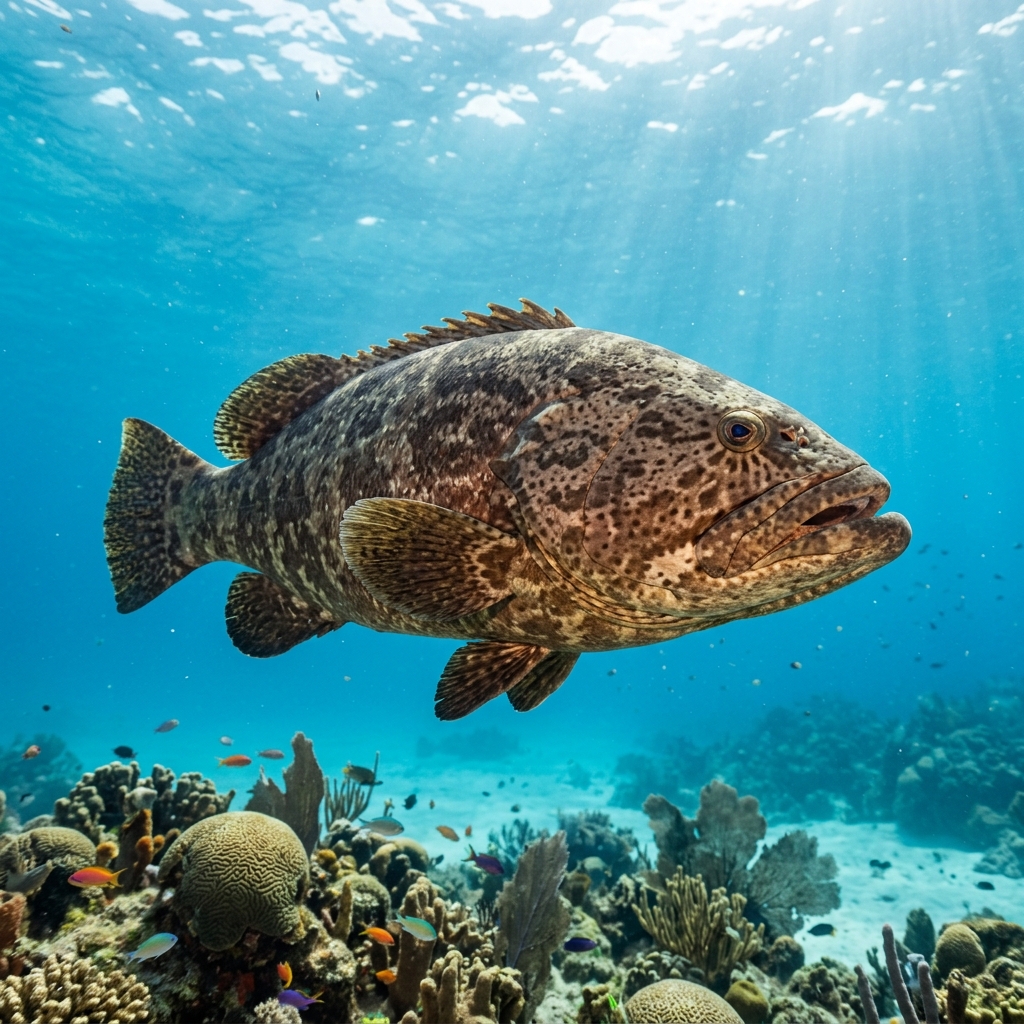
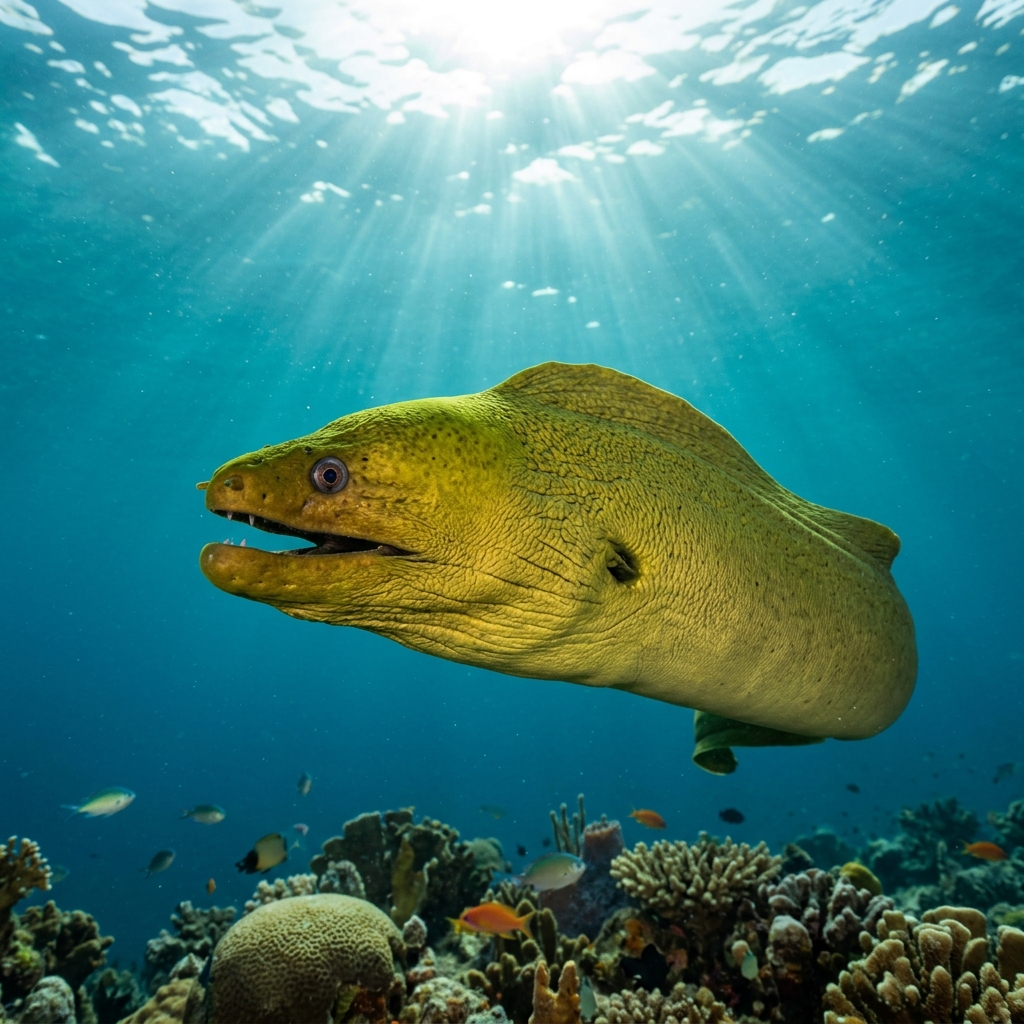
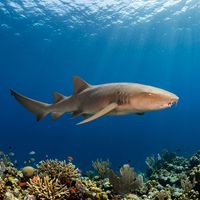
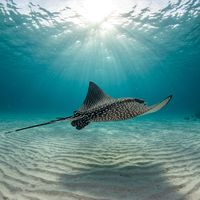
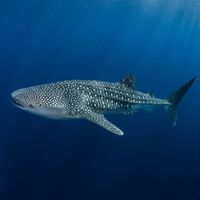
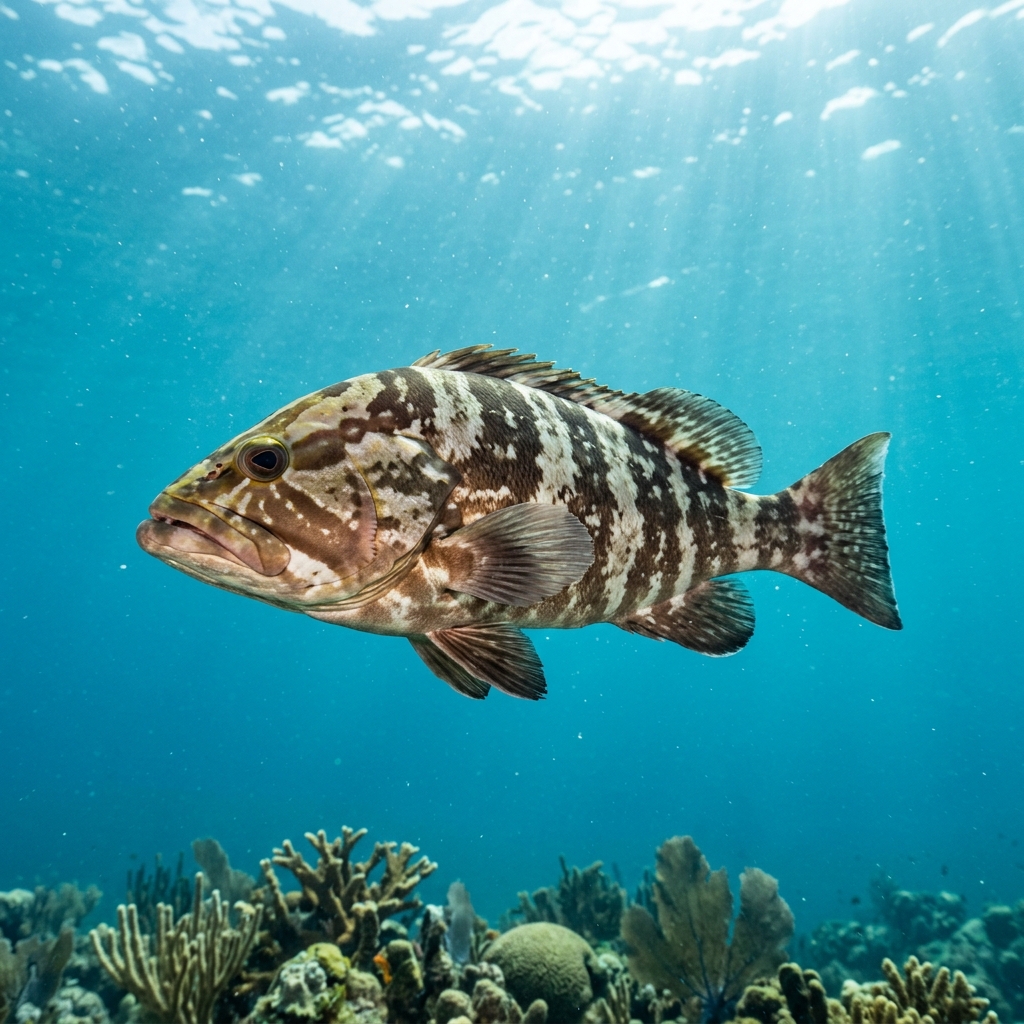
The Canarreos Archipelago divides neatly between two sub-areas: Isla de la Juventud, which holds the majority of sites, and Cayo Largo del Sur, offering a compact but varied complement. Across both, the dominant format is boat-access reef diving, with walls, caves, caverns and drift dives adding considerable variety. Conditions are warm year-round, and the marine life is the archipelago's strongest argument: Atlantic Goliath Grouper, Caribbean Reef Shark, Nurse Shark, Green Sea Turtle and Nassau Grouper are observed consistently across sites, while Whale Shark and Spotted Eagle Ray appear at a good number of them. The site mix spans beginner-friendly shallows through to deep walls that demand intermediate experience.
2 areas

Monthly water temperature across Canarreos Archipelago's sites, from satellite sea-surface data corrected for depth. The band shows the site-to-site spread.
Water stays warm throughout the year, rising to its peak warmth through the summer months and easing slightly over winter, though it remains comfortable in every season. May draws the strongest operator recommendations, making late spring a particularly reliable window. Visibility is consistently high, which makes wall and drift dives especially rewarding whenever conditions allow.
6 operators
Water temperature around Canarreos Archipelago ranges from about 27°C in January to 31°C in August, based on satellite sea-temperature data for its dive sites.
With water around 27–31°C, a rash guard or 3mm shorty works in Canarreos Archipelago year-round.
Fin maps 19 sites in Canarreos Archipelago (19 scuba diving sites and 2 snorkelling spots, with some suited to both), organised into 2 areas.
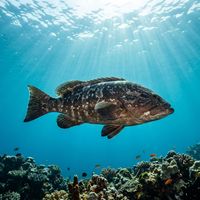
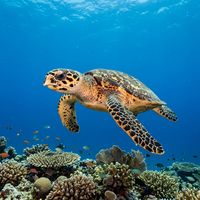
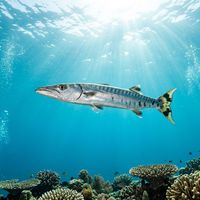
The archipelago has strong, observation-backed records for Atlantic Goliath Grouper, Nassau Grouper, Caribbean Reef Shark, Nurse Shark and Green Sea Turtle across virtually all sites. Whale Shark and Spotted Eagle Ray have been observed at a substantial proportion of sites as well. Hawksbill Sea Turtle, Barracuda, Tarpon and Grey Reef Shark round out the larger species seen here.
Isla de la Juventud holds the larger share of sites and offers the widest variety, including cave and cavern diving at sites such as Cueva Azul, Tunel del Amor and Cueva del Ensueno, as well as deep walls and drift dives. Cayo Largo del Sur has fewer sites but packs in reef, wall, wreck and cave topography, with one site covering a notably wide depth range from very shallow to deep. Both sub-areas are served by boat access.
Reefs form the backbone of the site list, but walls, caves and caverns are common features rather than rarities. Several sites combine multiple environments in a single dive, moving from open reef into wall or cave sections. Drift diving is available at a handful of sites, and there is at least one wreck accessible to beginner-level divers. The two operators in the archipelago, Diving Center and Centro Internacional de Buceo, provide the boat access that all sites require.