

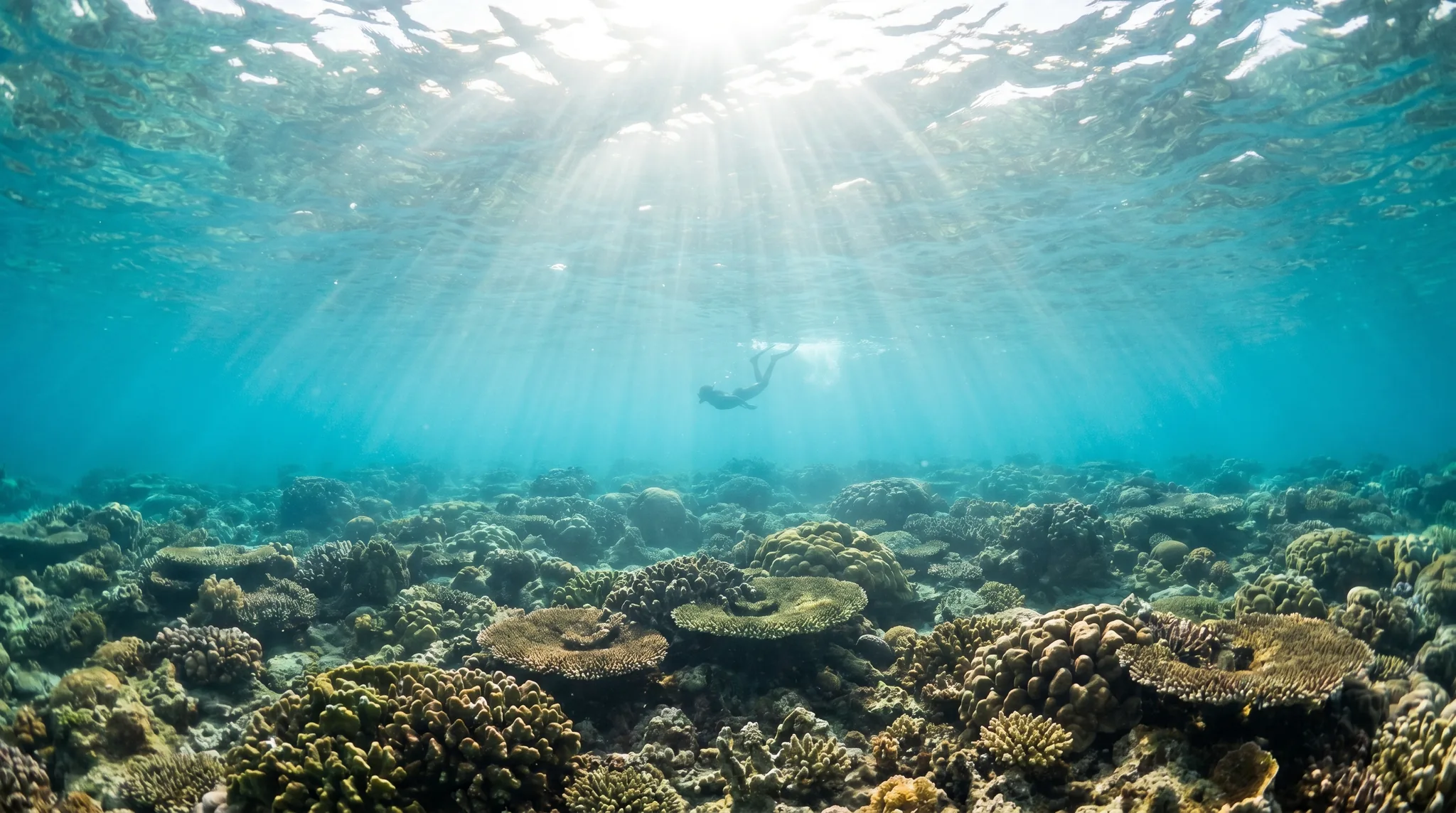
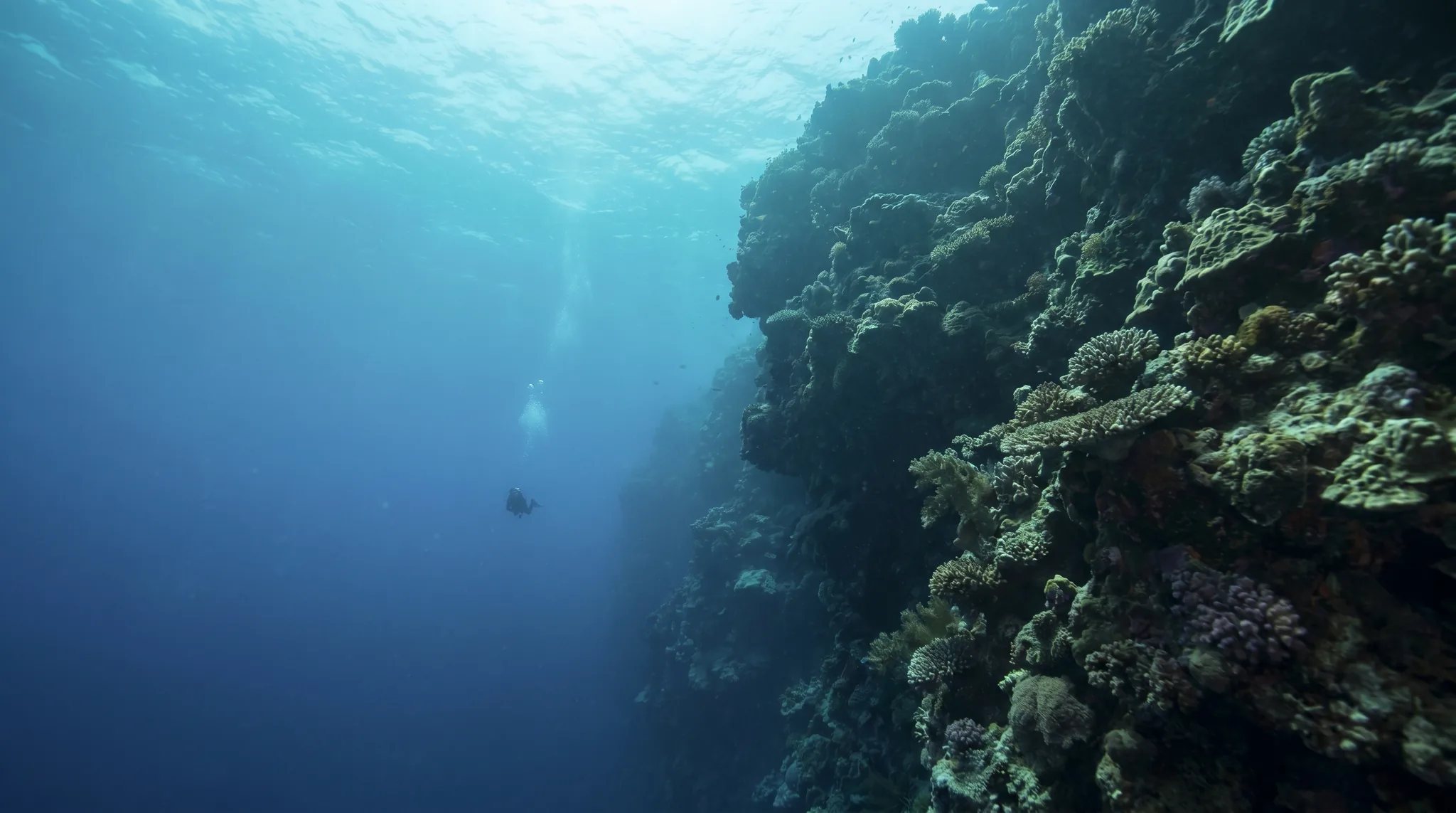
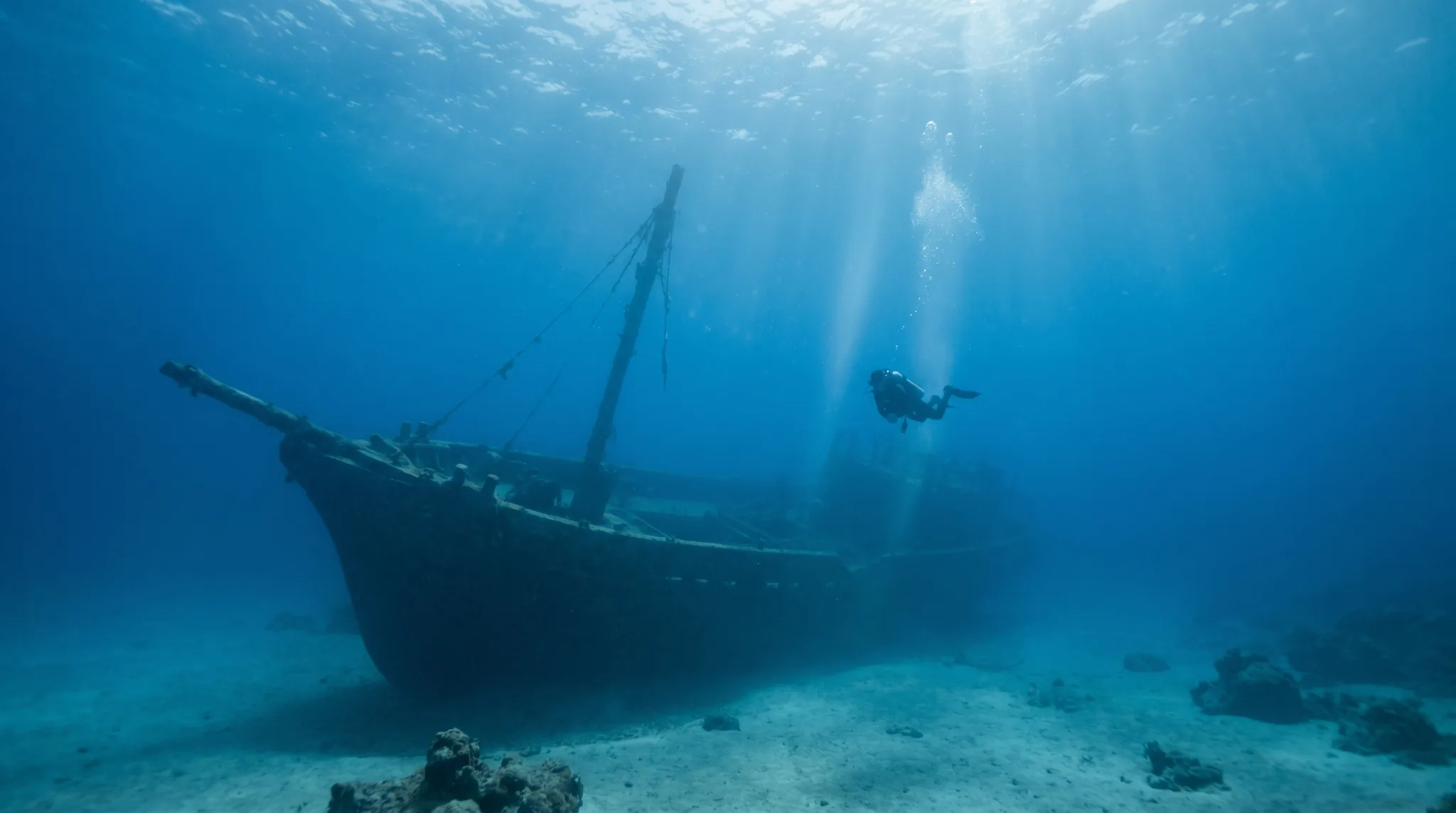
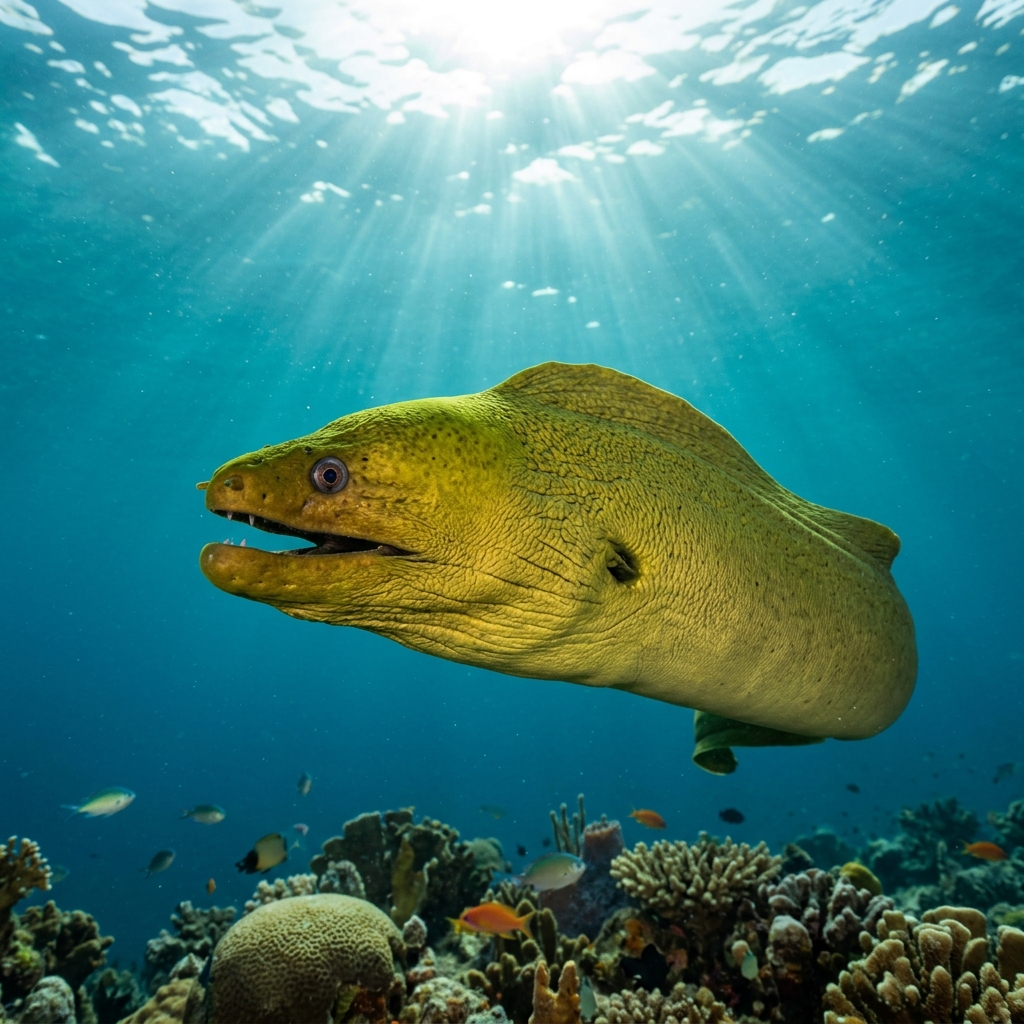
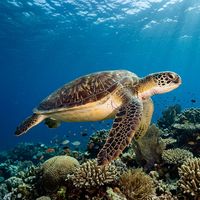
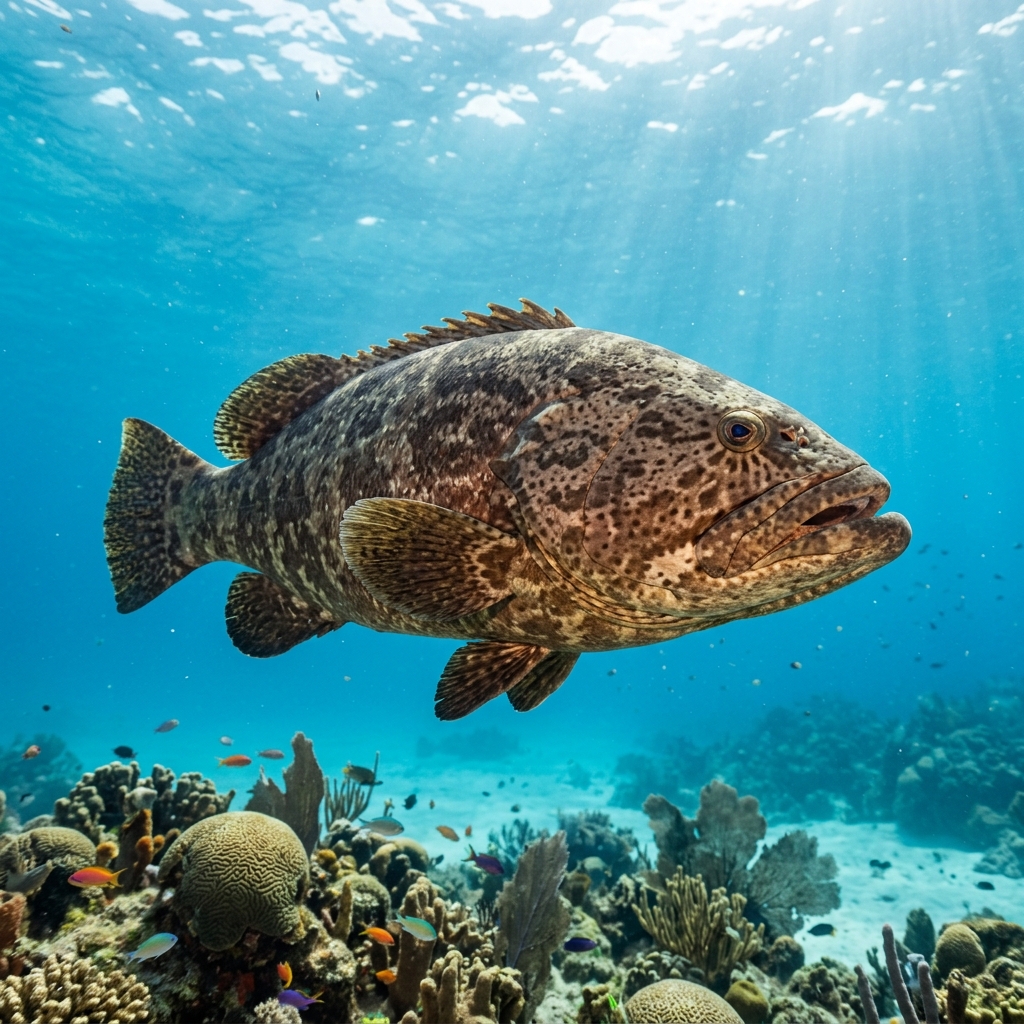
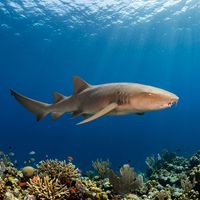
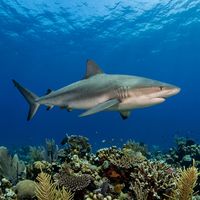
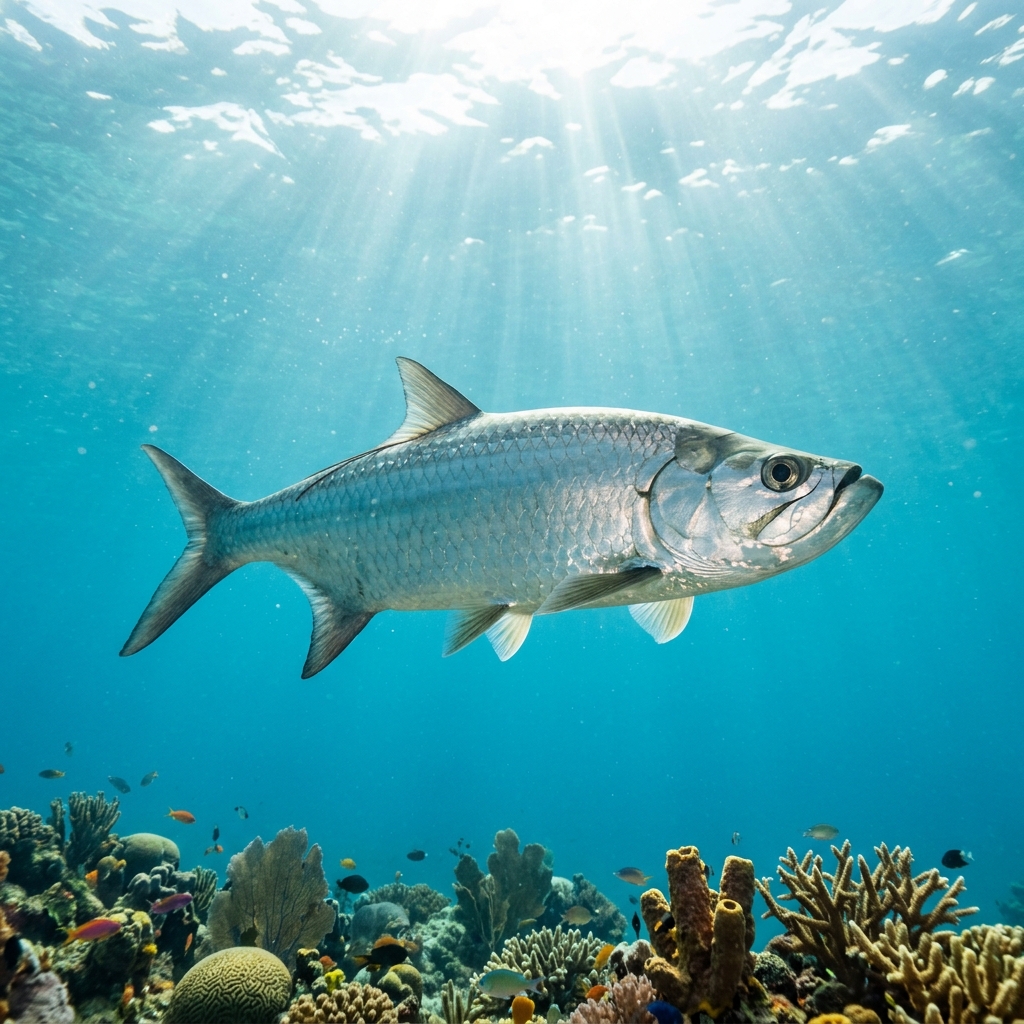
Cuba's Central South Coast divides into two distinct sub-areas: the bay-fringed reefs around Cienfuegos and the remote, boat-access archipelago of Jardines de la Reina. Together they offer reef walls, canyons, pinnacles, wrecks and cave systems across a wide range of depths, suiting beginners through to experienced divers. The signature draw is the sheer density of large animals: Caribbean Reef Shark, Nurse Shark, Atlantic Goliath Grouper, Green Sea Turtle and occasional Whale Shark are all observation-backed. Atlantic Tarpon and multiple parrotfish species are present across virtually every site. Water stays warm year-round, with conditions at their most settled around April.
2 areas
Monthly water temperature across Central South Coast's sites, from satellite sea-surface data corrected for depth. The band shows the site-to-site spread.
Water temperature stays warm throughout the year, rising to its peak across the summer months before easing slightly in winter, meaning a thin wetsuit is comfortable at all times. The histogram of diver-rated best months points to April as a particular sweet spot, with calm conditions and good visibility. Sites around Jardines de la Reina are boat-only and benefit from their remote location, while Cienfuegos sites offer a mix of shore and boat access with varying exposure.
8 operators
Water temperature around Central South Coast ranges from about 26°C in January to 30°C in July, based on satellite sea-temperature data for its dive sites.
In the warm season (about 30°C) a rash guard or 3mm shorty is comfortable in Central South Coast; in the coldest months (about 26°C) step up to a 3mm full suit.
Fin maps 26 sites in Central South Coast (19 scuba diving sites and 9 snorkelling spots, with some suited to both), organised into 2 areas.
Across Central South Coast's dive sites, January, February, March, April, July and December are most often reported as the best months to visit.
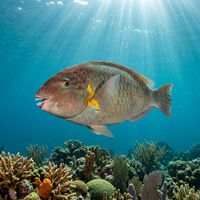
The region has observation-backed records for Caribbean Reef Shark, Nurse Shark, Atlantic Goliath Grouper, Green Sea Turtle and Spotted Eagle Ray across many of its sites. Whale Shark and Bull Shark have also been observed, though less frequently. Atlantic Tarpon and Schoolmaster Snapper are present across virtually every site in the region.
Several sites are rated for beginners, including Cayo Anclitas, Los Mogotes and Playa Rancho Luna, offering shallow reef entries and manageable conditions. Intermediate sites such as Rancho Luna and Tunel azul include walls and caves that suit divers with more experience. The mix means groups of mixed ability can often find suitable sites within the same sub-area.
Cienfuegos offers a mix of shore and boat access, with reef, wall, wreck and cave sites spread across a range of depths, making it practical for day trips. Jardines de la Reina is entirely boat-access and notably more remote, with reefs, artificial reefs, walls, canyons and pinnacles. The remoteness of Jardines de la Reina tends to translate into less diver pressure and the higher likelihood of encountering large pelagic species.
Some sites in the Cienfuegos sub-area, including Playa Rancho Luna and Playa Caribe, are accessible directly from shore, which is convenient for snorkellers and beginner divers. Sites such as Rancho Luna and Playa Ancon offer both shore and boat entry options. Jardines de la Reina sites are all boat-access only, reflecting their offshore location.


