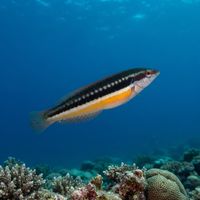
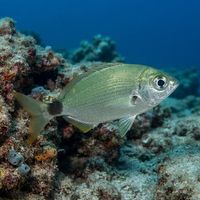
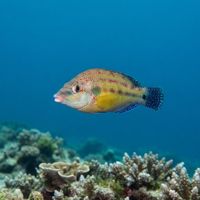
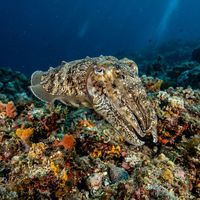
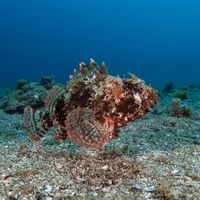
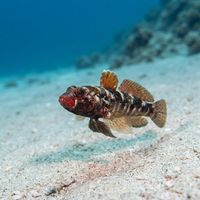
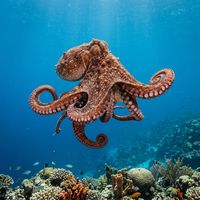
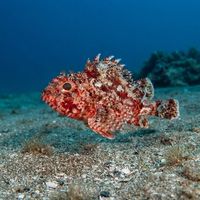
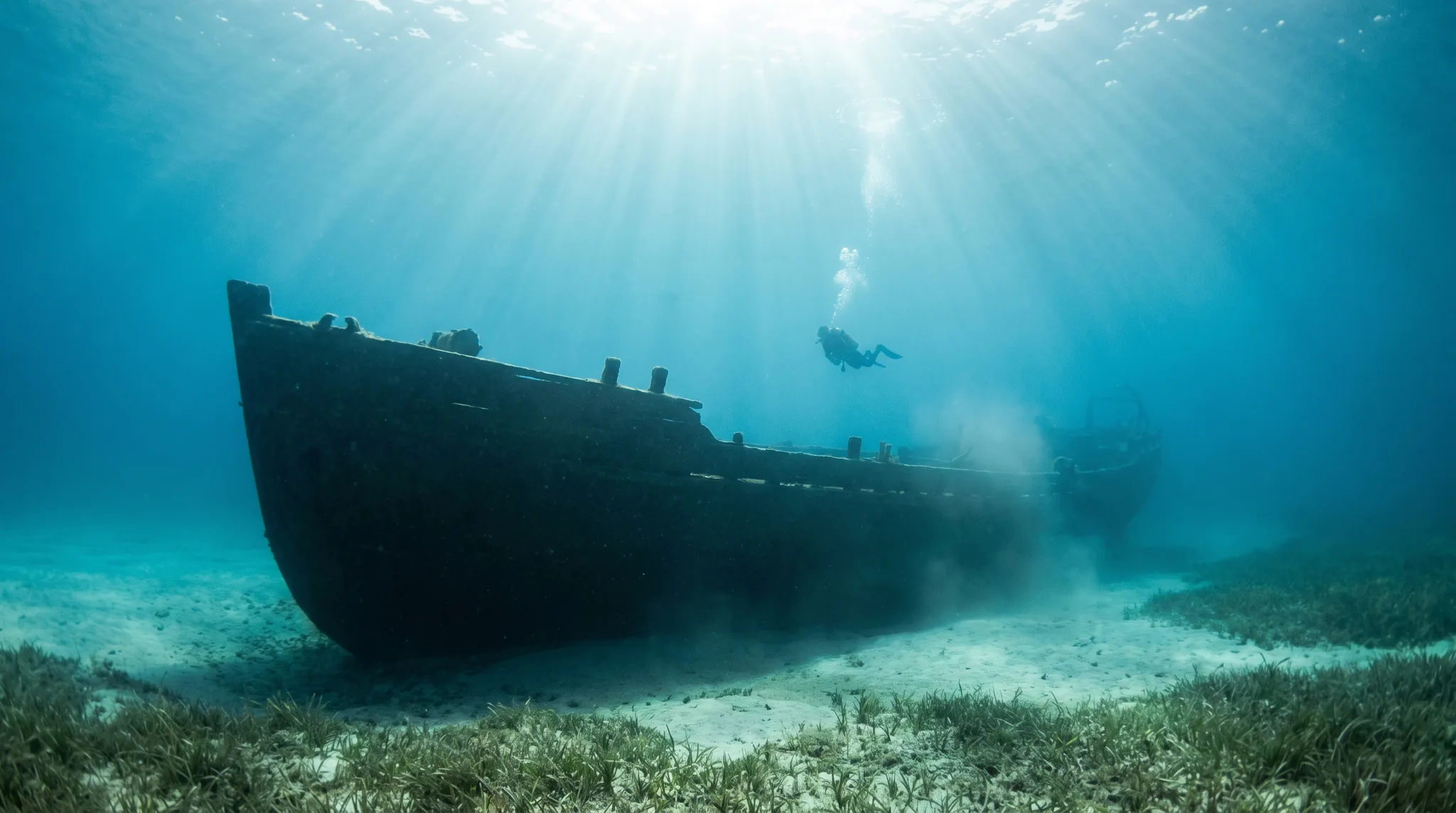
Kvarner is defined by an unusually varied seabed: walls, caves, pinnacles, reef slopes, and wrecks spread across three distinct sub-areas in Krk, Rab, and Cres and Lošinj. Krk holds the greatest number of sites and includes everything from shallow beginner reefs to deep technical wrecks such as the Lina and the Vis. Rab offers a substantial roster of its own, while Cres and Lošinj rounds out the region with further wall and cave diving. Observation-backed species are rich in character, with Wrasse, Scorpionfish, Tompot Blenny, and Castagnole present across nearly all sites, and the European Common Cuttlefish and Common Octopus serving as the region's signature encounters.
3 areas
 95
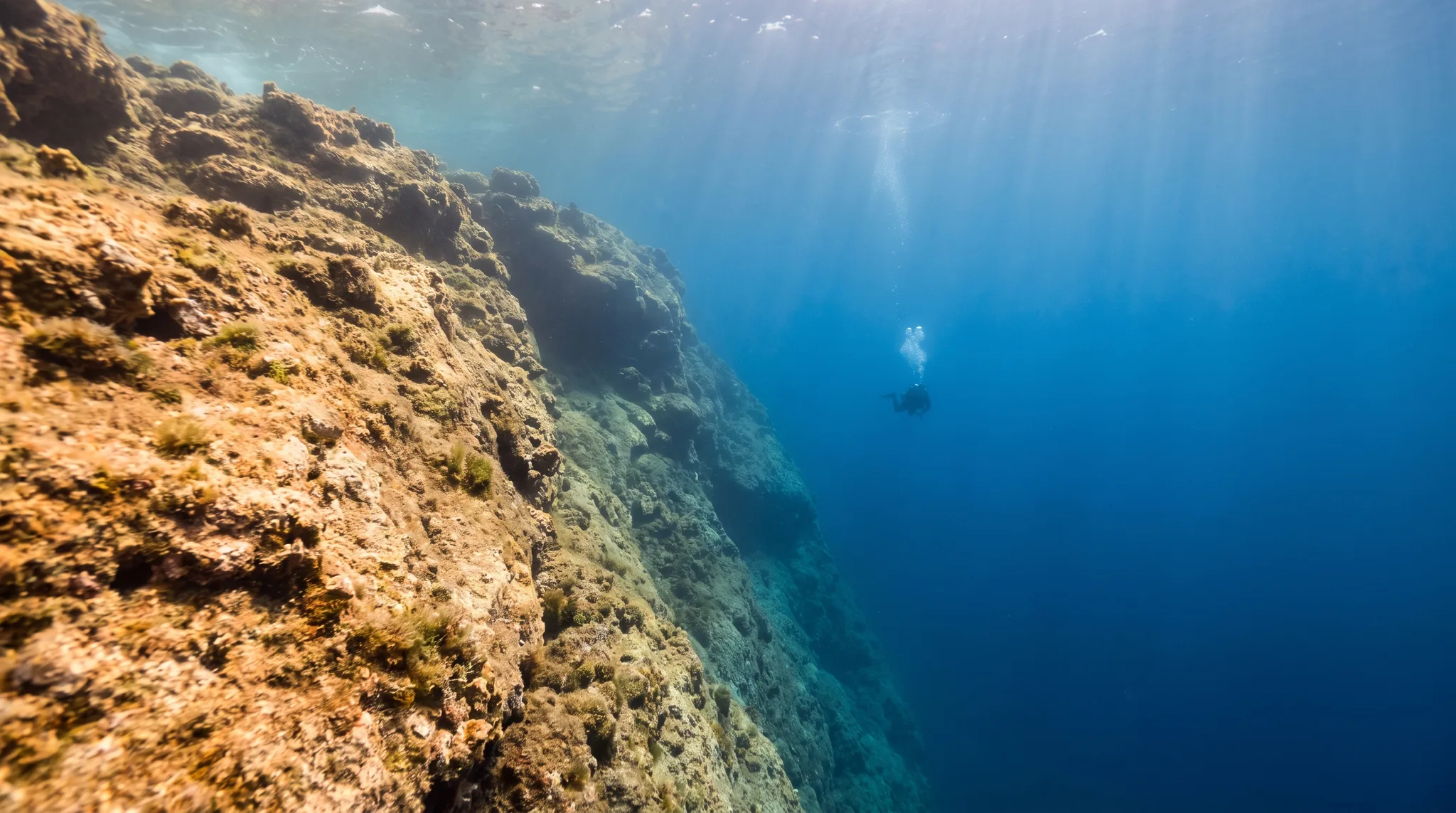
95Walls, caves, wrecks and exceptional nudibranch diversity off the coast of Krk, with sites for every skill level.
 71
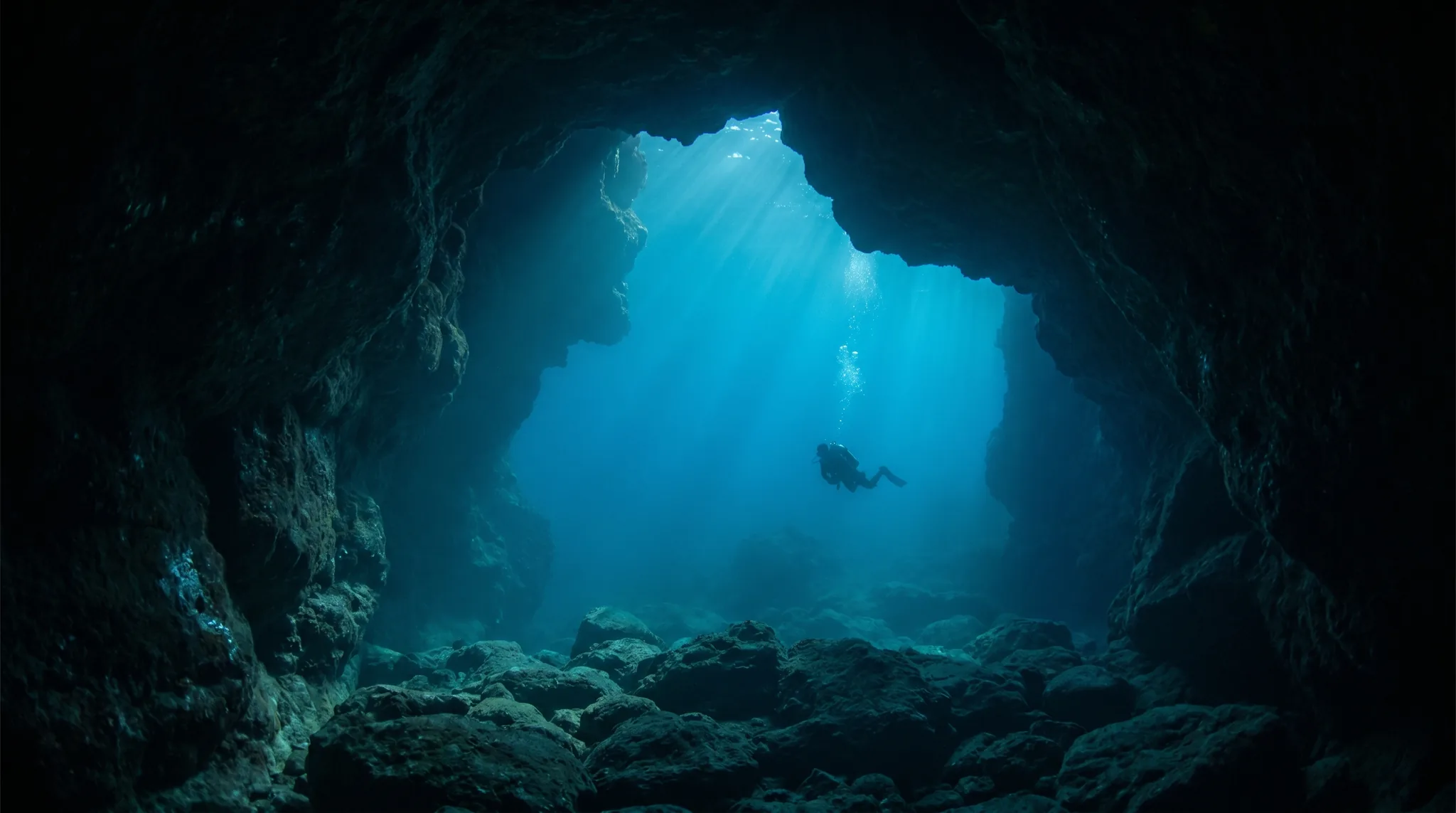
71Walls, caves, and pinnacles across Kvarner, with European Common Cuttlefish as the standout species and sites suited to every skill level.
 37
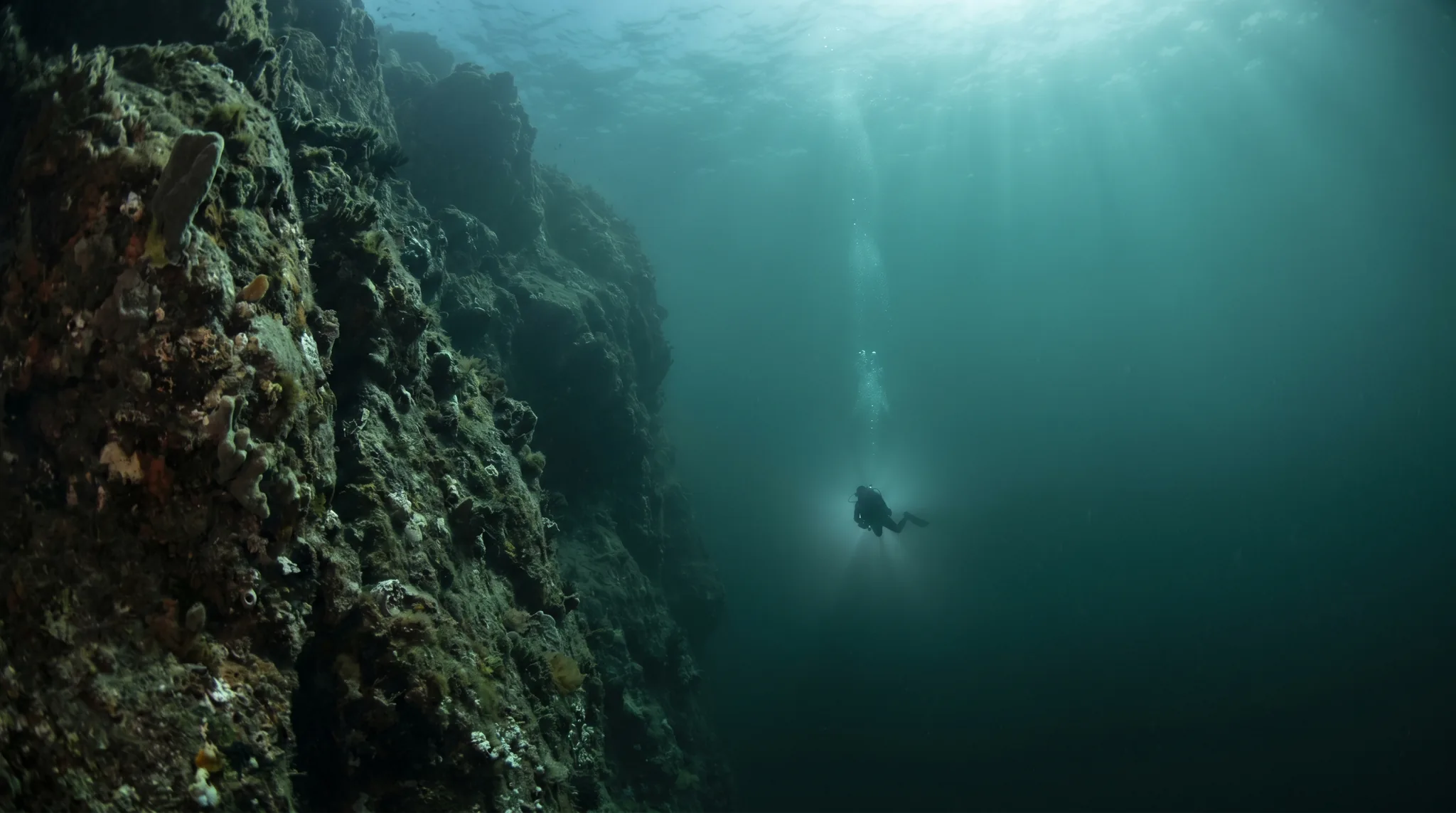
37Wall dives, cave systems and wreck sites across a broad skill range, with the Common Octopus as the standout encounter.
Monthly water temperature across Kvarner's sites, from satellite sea-surface data corrected for depth. The band shows the site-to-site spread.
Water temperatures climb through late spring and peak in July and August, making the summer months the warmest for diving and bringing the widest diver activity. The shoulder months of May, June, September, and October remain popular and offer cooler but very comfortable conditions. Winter temperatures drop considerably, and activity falls sharply, though the region is not entirely inactive year-round.
48 operators
Water temperature around Kvarner ranges from about 12°C in February to 25°C in July, based on satellite sea-temperature data for its dive sites.
In the warm season (about 25°C) a 3mm full suit is comfortable in Kvarner; in the coldest months (about 12°C) step up to a 7mm or semi-dry suit.
Fin maps 203 sites in Kvarner (198 scuba diving sites and 27 snorkelling spots, with some suited to both), organised into 3 areas.
Across Kvarner's dive sites, May, June, July, August and September are most often reported as the best months to visit.
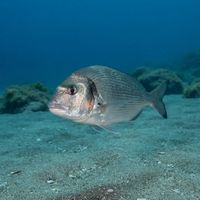
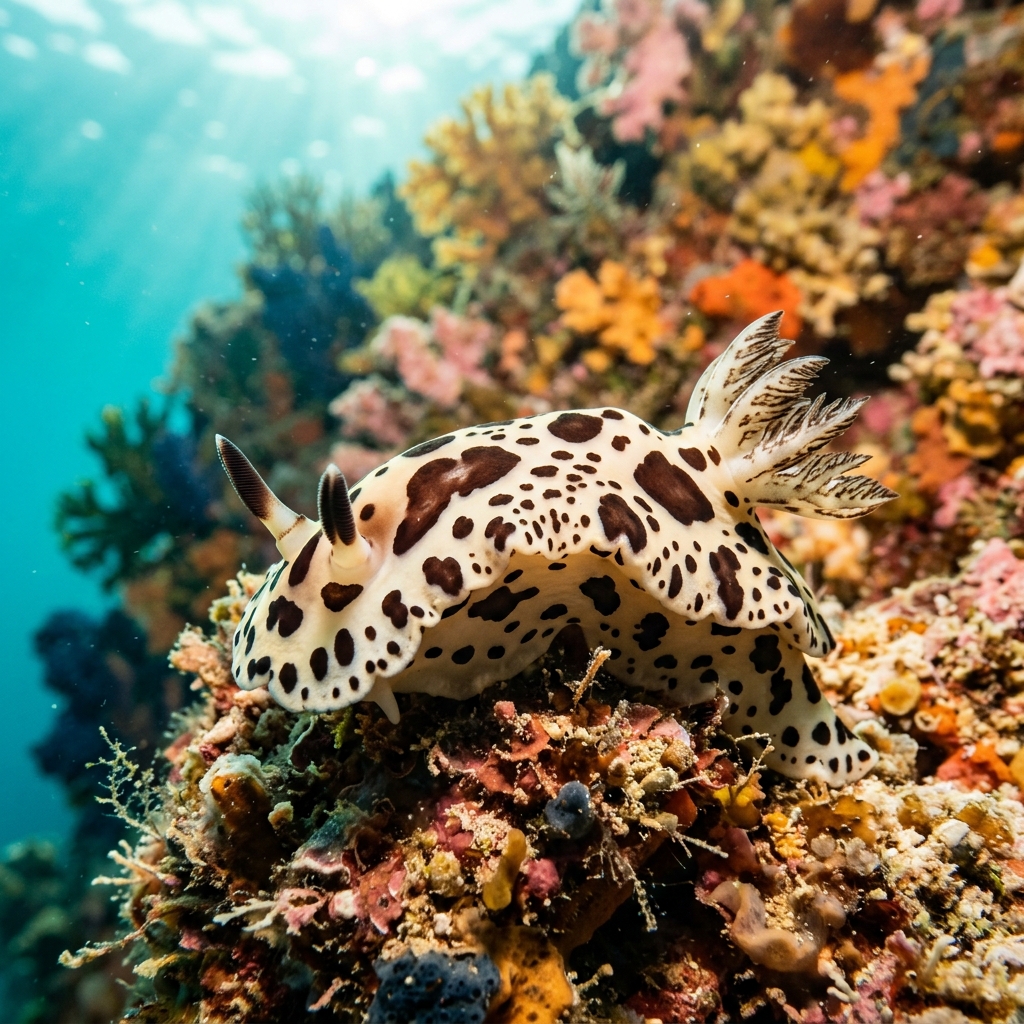
Observation-backed species cover a wide range of character. Wrasse, Scorpionfish, Two-banded Seabream, Castagnole, and Tompot Blenny are recorded across the vast majority of sites. The European Common Cuttlefish and Common Octopus are the region's signature species, while nudibranch hunters will find the Cratena Slug, Splendid Elysia, and Mediterranean Violet Aeolid with some patience. Crab, Squat Lobster, Cleaner Shrimp, and Gurnard also appear regularly.
Yes, several sites are rated for beginners. Babino Wall on Krk starts very shallow and has mild currents, while Vodenjak is a gently sloping reef well suited to those building confidence. The region also has a strong intermediate tier, covering diverse wall and cave sites, so groups of mixed experience can often dive the same area. Advanced and technical divers are equally well served by deep wrecks and complex cave systems.
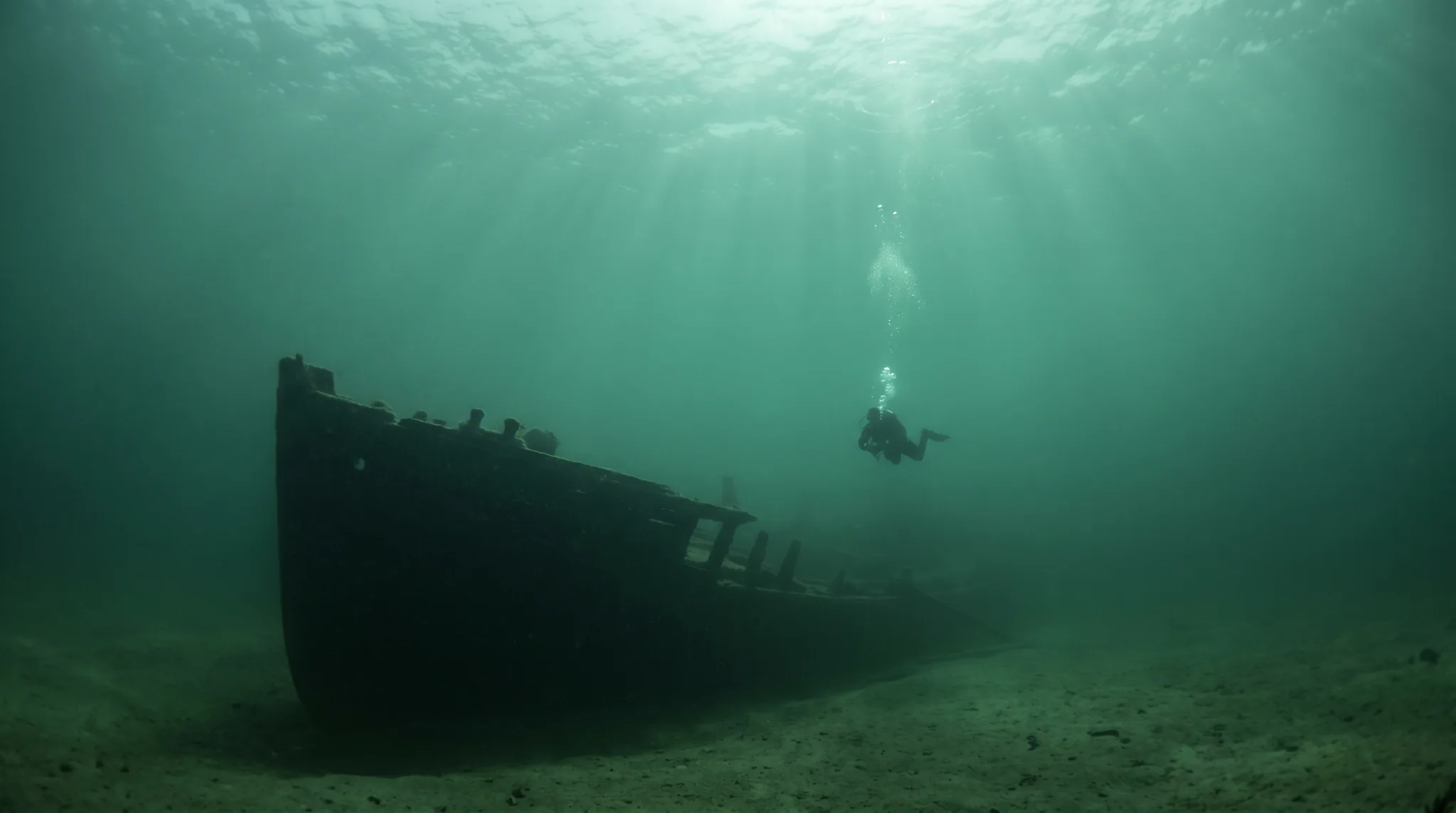
Krk is the largest sub-area by site count and offers the broadest range of site types, from shallow beginner reefs to advanced wrecks including the Lina and the Vis. Rab has a substantial selection of its own and represents a significant portion of the region's total sites. Cres and Lošinj is the smallest of the three but still contributes cave, wall, and reef diving, including sites such as Leuchturm and Mala Dragica.
Boat access is the standard method of reaching sites across Kvarner, with top sites including Babino Wall, Mali Cutin, Lina Wreck, and Shipwreck Peltastis all listed as boat-entry only. Multiple dive operators are active across the region, including Dive Center Krk, Scuba Adriatic Diving Center, Mirko Diving Center, and Galathea Diving Center, making it straightforward to organise guided boat dives. Shore entry is not a prominent feature of the region's site mix.