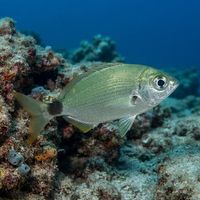
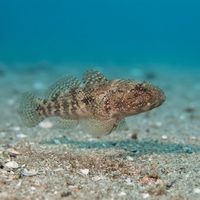
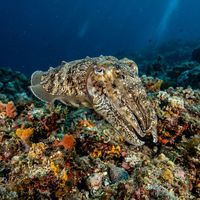
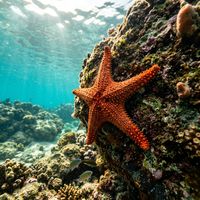
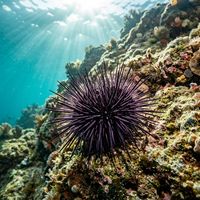
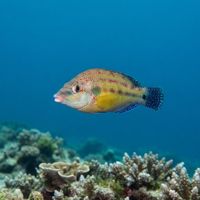
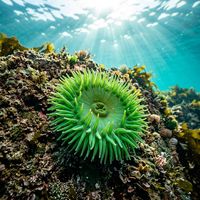
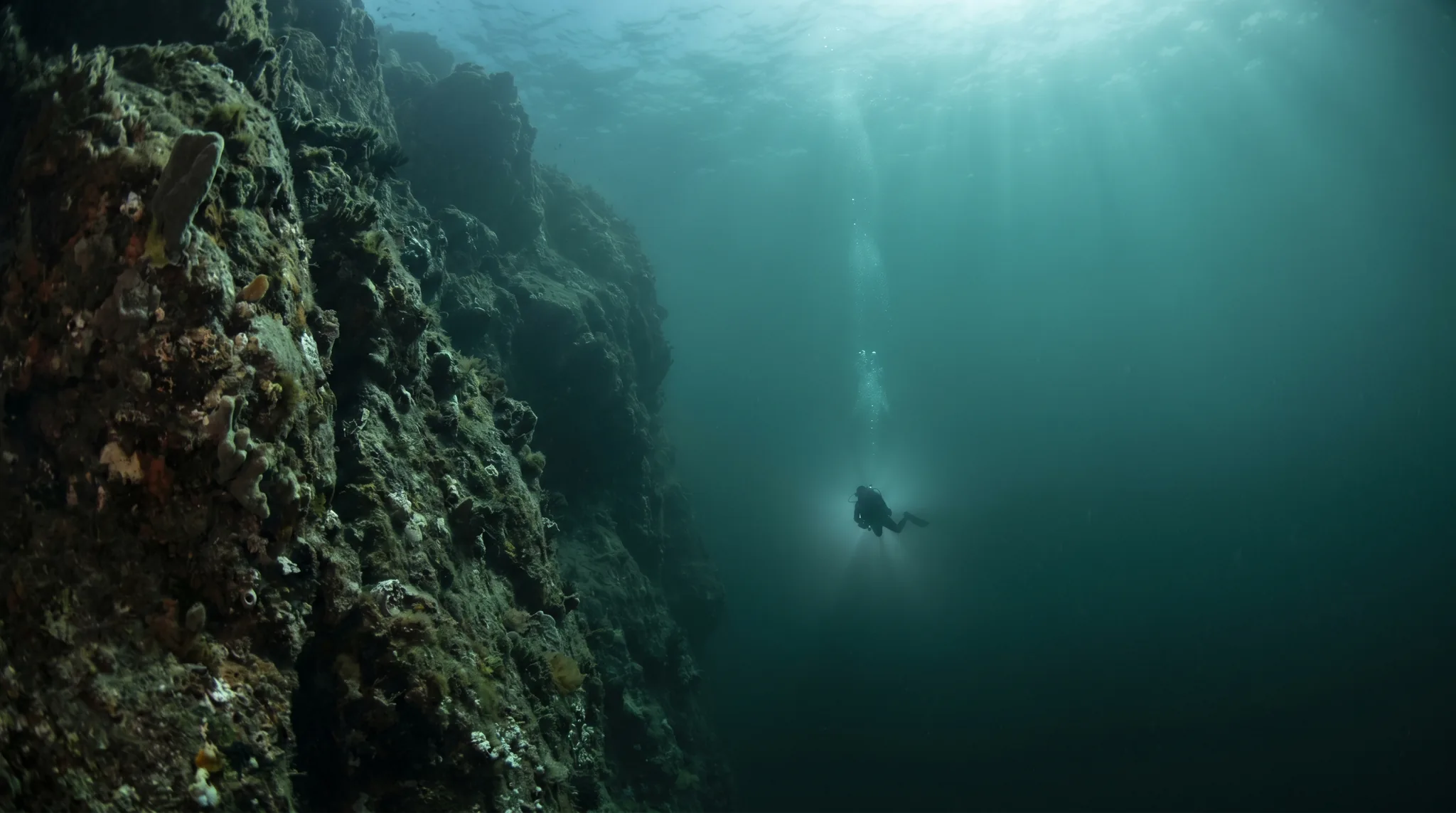
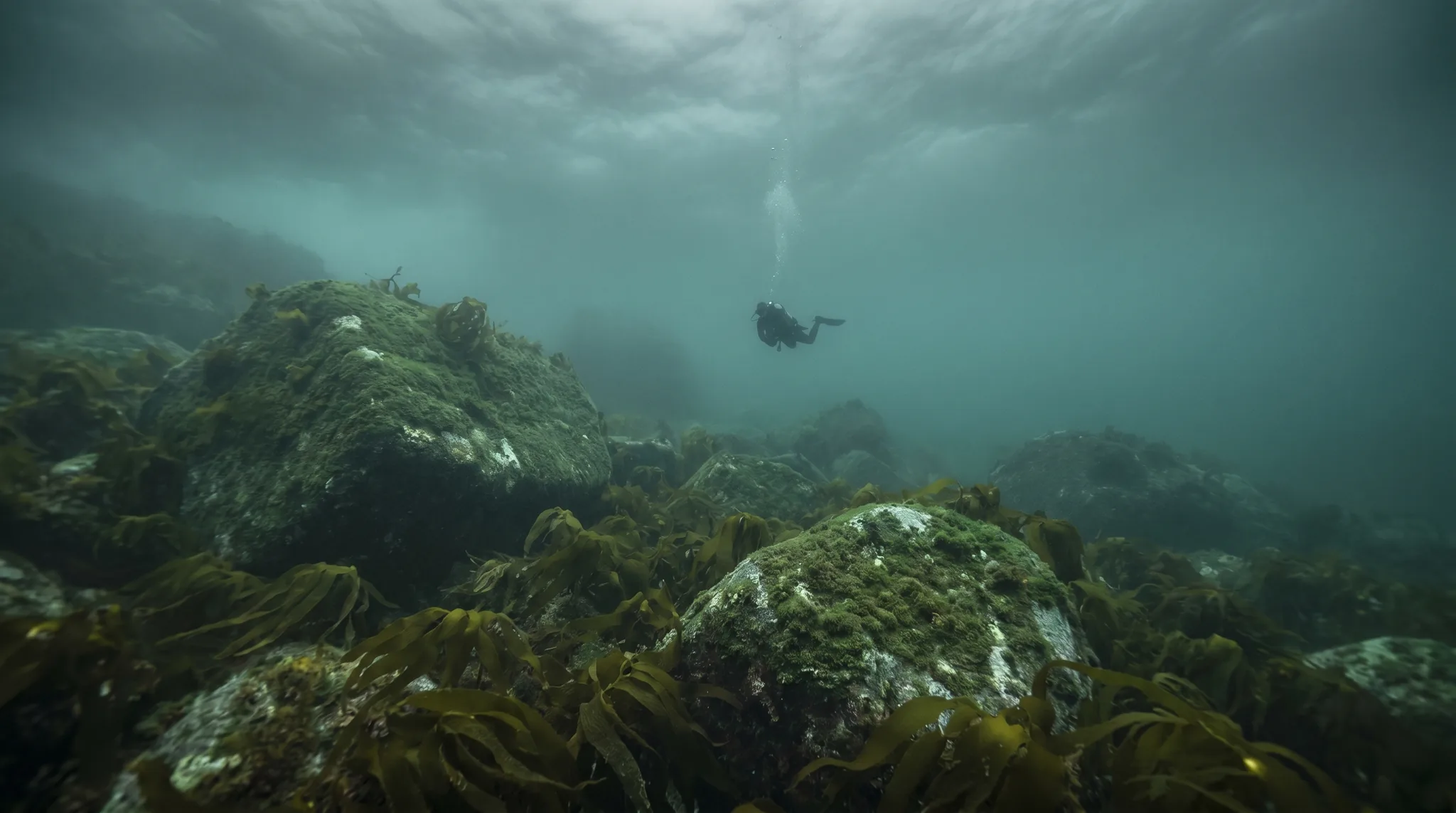
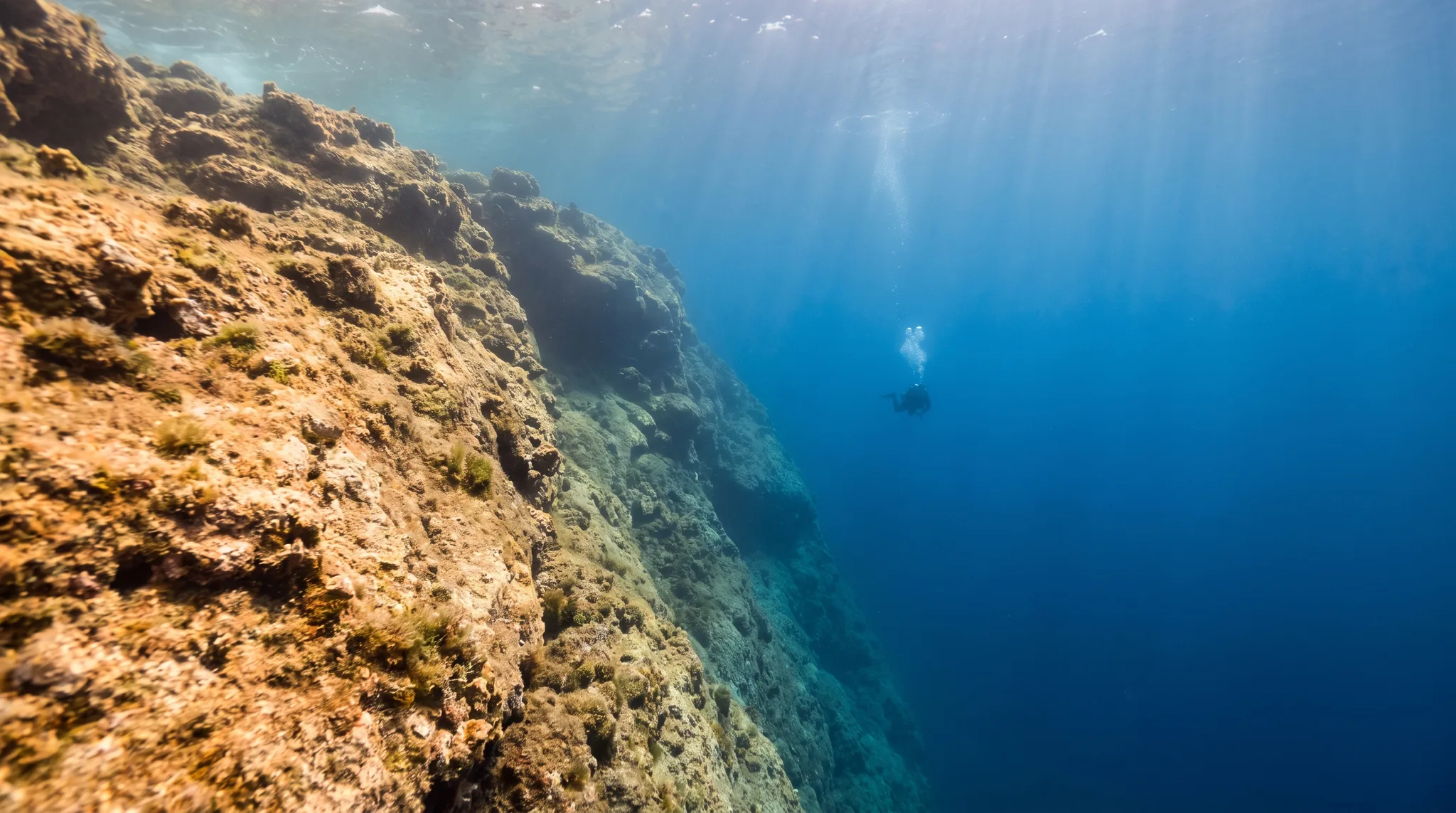
Rab and its surrounding waters, set within the Kvarner region of Croatia, offer a varied underwater landscape dominated by walls, reefs, caves, and pinnacles. Most sites are reached by boat, though a handful of shore entries exist. The area suits all levels, from shallow beginner reefs to deep cave systems for advanced divers. Sea Star, Tompot Blenny, and Bream are seen across almost every site, while European Common Cuttlefish is the signature species to seek out.
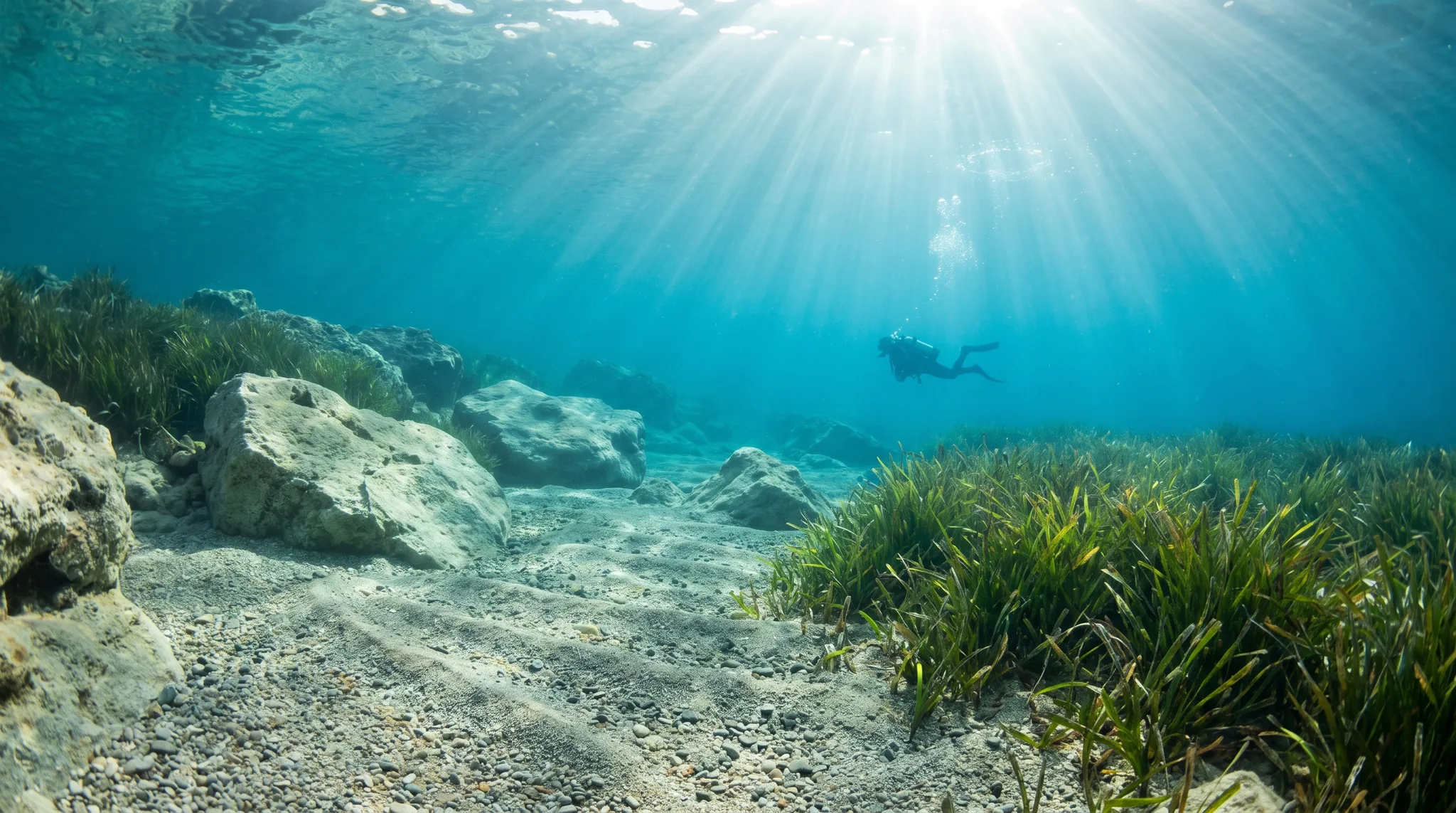
Monthly water temperature across Rab's sites, from satellite sea-surface data corrected for depth. The band shows the site-to-site spread.
Water temperatures drop to their coolest in late winter and rise to their warmest through July and August, creating a wide seasonal range that rewards different exposure configurations. The peak diving window runs from late spring through early autumn, when conditions are warmest and diver activity is highest. October still offers agreeable temperatures for those looking to extend the season.
21 operators
59 more sites to explore
Water temperature around Rab ranges from about 12°C in February to 25°C in July, based on satellite sea-temperature data for its dive sites.
In the warm season (about 25°C) a 3mm full suit is comfortable in Rab; in the coldest months (about 12°C) step up to a 7mm or semi-dry suit.
Fin maps 71 sites in Rab (68 scuba diving sites and 10 snorkelling spots, with some suited to both).
Across Rab's dive sites, May, June, July, August and September are most often reported as the best months to visit.
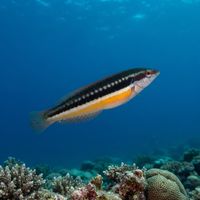
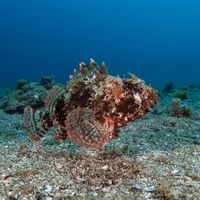
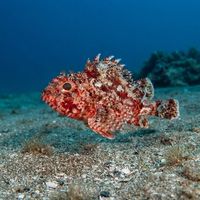
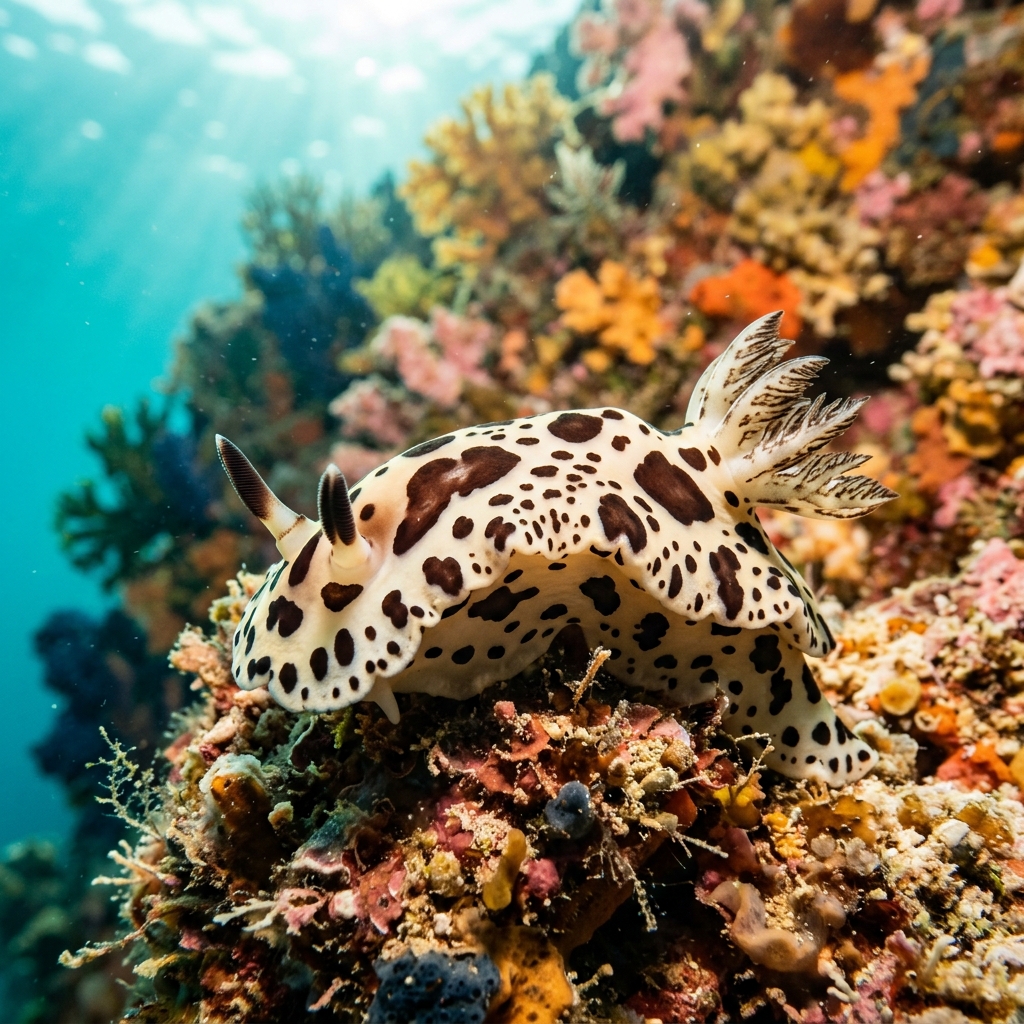
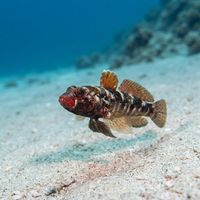
Observed species across Rab's sites include Wrasse, Scorpionfish, Bream, Tompot Blenny, and Sea Star, all of which appear very frequently. European Common Cuttlefish is the signature species and is reported at a good proportion of sites. You may also encounter Yellow Gorgonian, Brittle Star, Squat Lobster, and the occasional Gurnard depending on depth and site.
Yes, a solid number of sites in Rab are rated for beginners, including Punta Sokol, Big Rock, Maman, and Prst. These sites offer shallow starting depths and varied topography such as reefs and walls without committing to great depth. Intermediate and advanced sites are also available for those wanting more challenging profiles, including deep walls and overhead cave systems.
The majority of dive sites in Rab require boat access, which is the norm across the area. A smaller number of sites, including Kamp Krk and 100 Steps Vrbnik on Krk Island, can be reached from shore. Snorkellers also benefit from these shore-accessible spots, which tend to offer gentler entries and shallower reef areas.
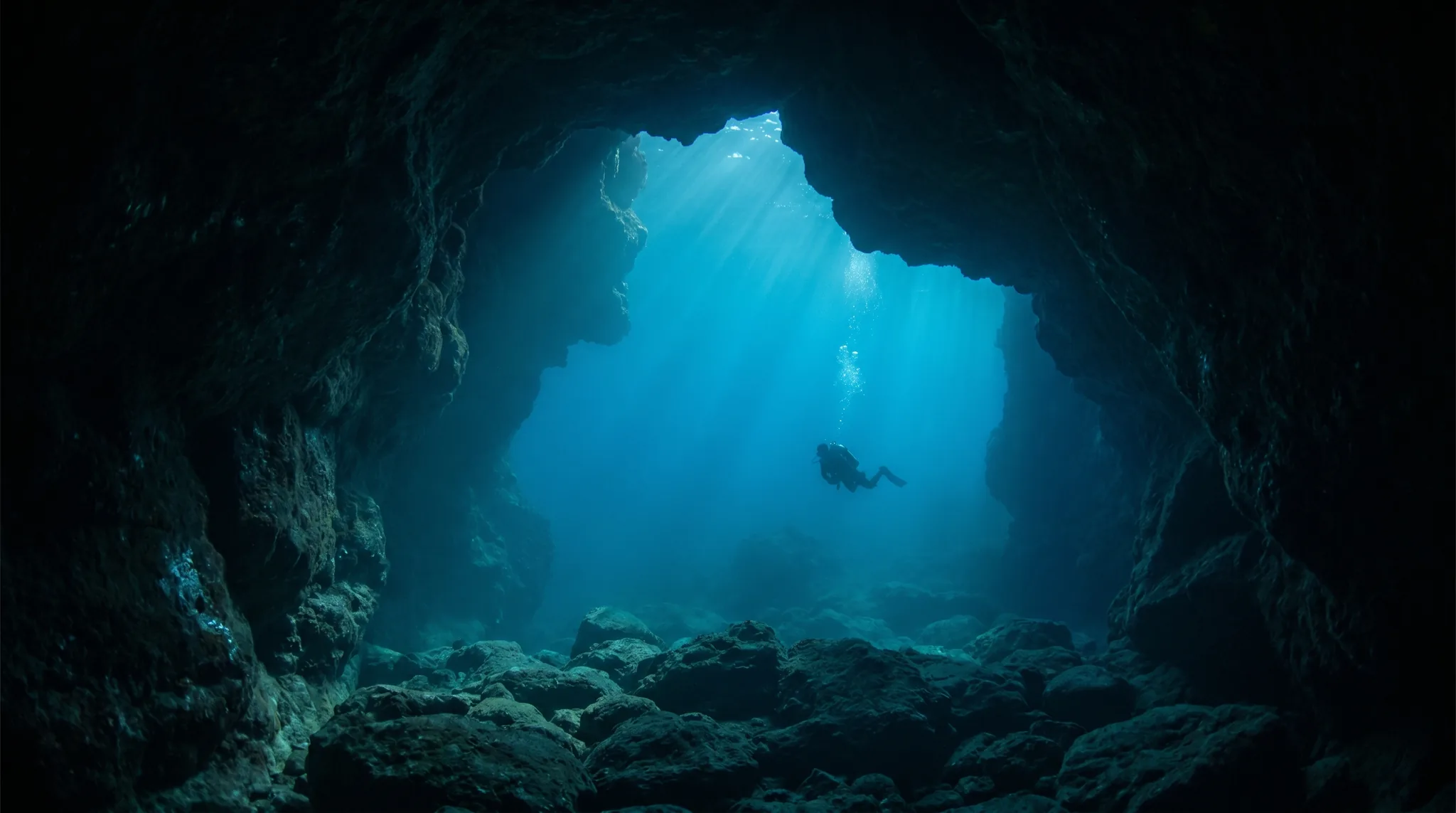
Walls are the most recurring feature across Rab's dive sites, often combined with reefs, caves, and pinnacles at the same location. Sites such as Mala Dragica and Leuchturm combine all three structure types, while Samonjin and Canyon add significant depth and overhead environments. This variety means that a week of diving rarely repeats the same experience.