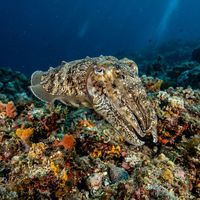
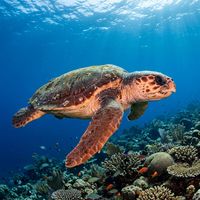
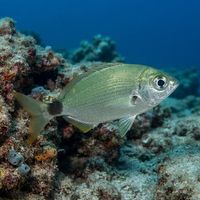
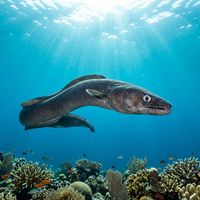
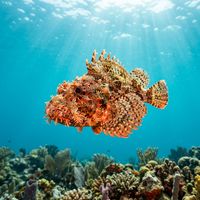
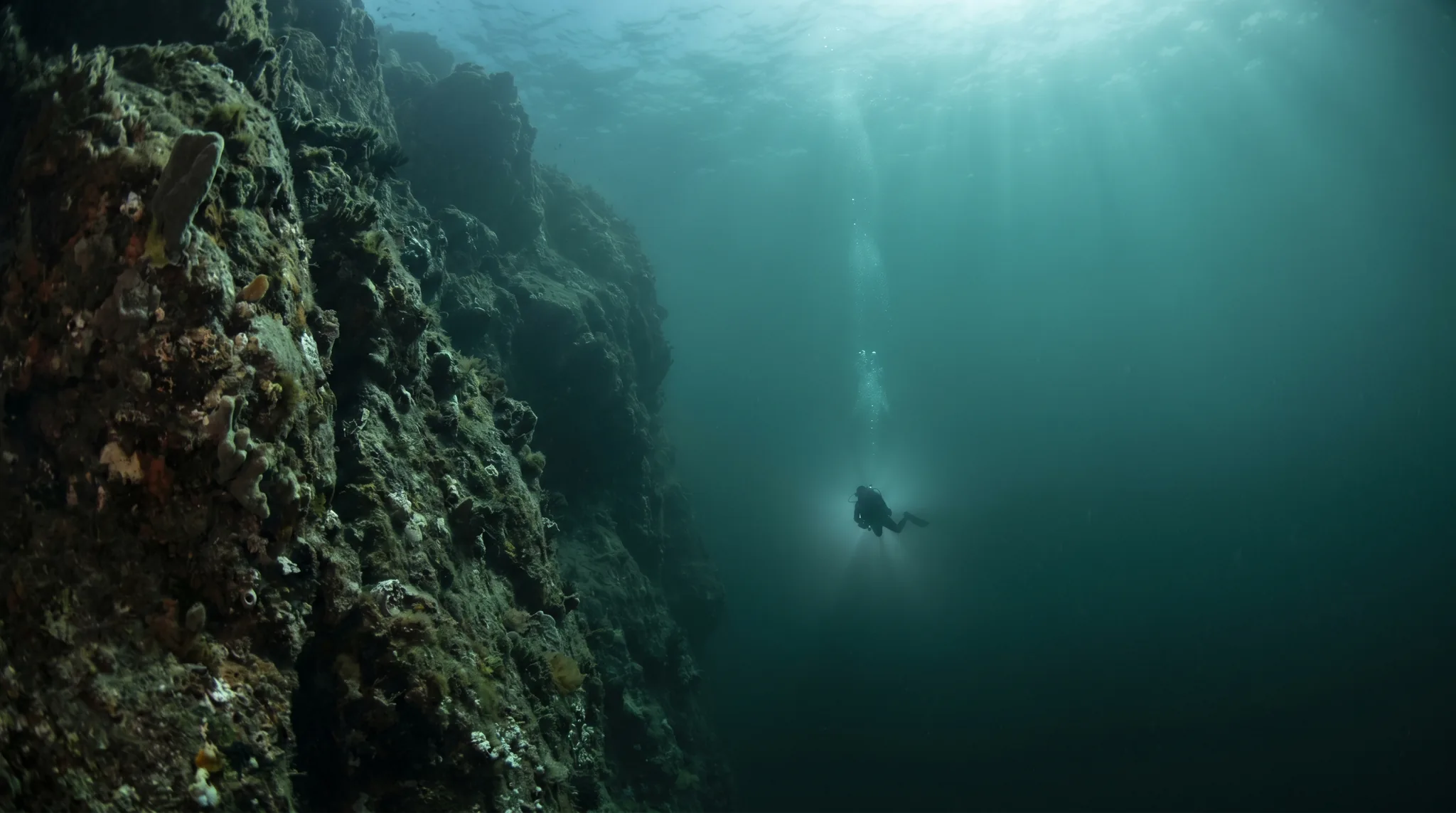
Northern Dalmatia is a wall and reef destination, with sites spread across four distinct sub-areas: Šibenik, Kornati, Zadar, and Pag. Kornati in particular delivers the region's most dramatic underwater topography, with sheer walls descending to serious depths alongside cave systems and pinnacles. Wrecks add variety across the region, accessible to divers from beginner level upward. The signature species here are the Loggerhead Sea Turtle, European Common Cuttlefish, and Common Octopus, all observation-backed and widely encountered. Gorgonian, Monkfish, and Conger Eel reward those exploring deeper structure. Almost all sites require boat access.
4 areas
 19
19Boat-access walls, wrecks and caves with frequent Loggerhead Sea Turtle and European Common Cuttlefish encounters.
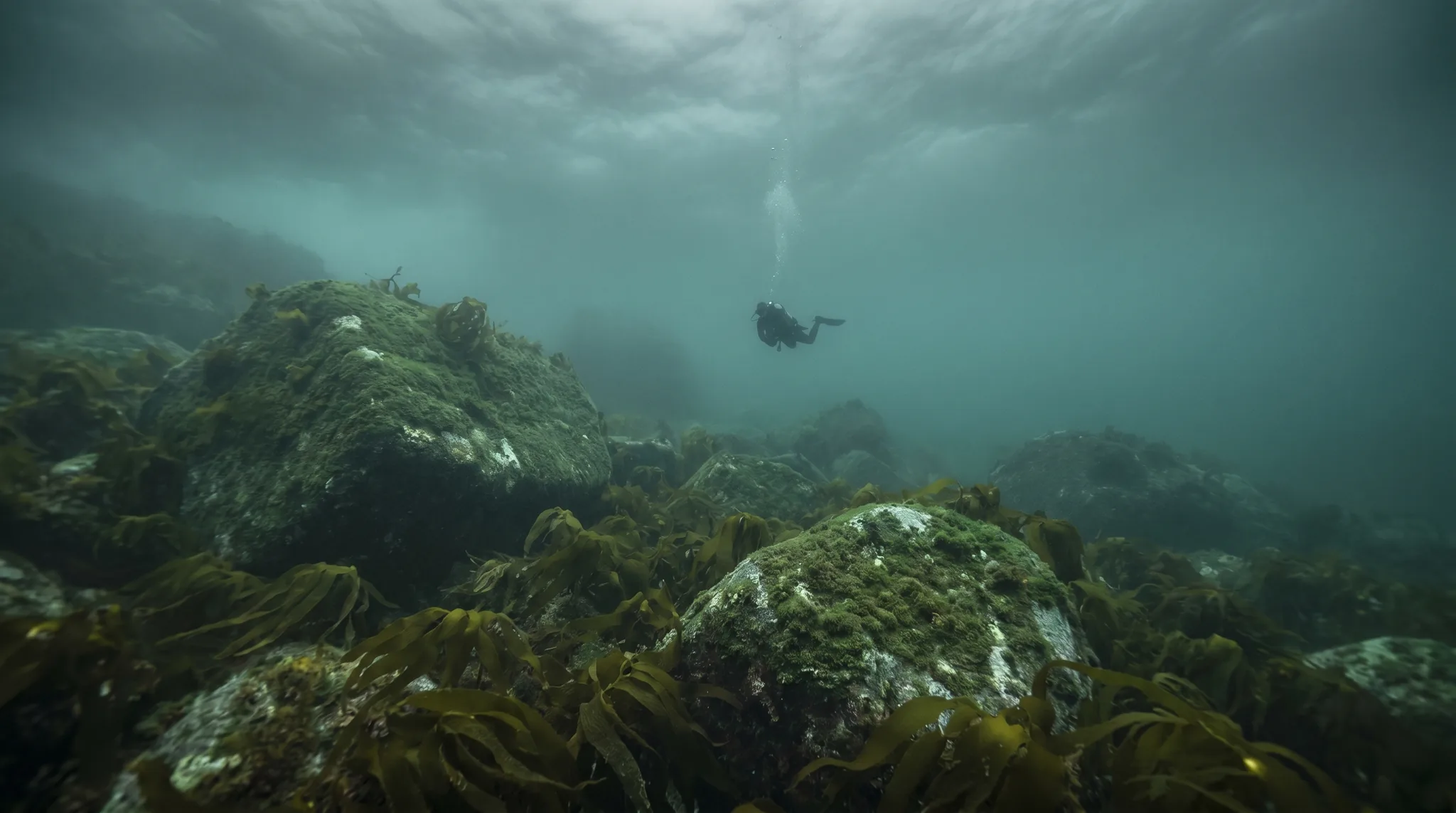 17
17Walls, caves and pinnacles with European Common Cuttlefish and Gorgonian recorded at almost every boat-access site.
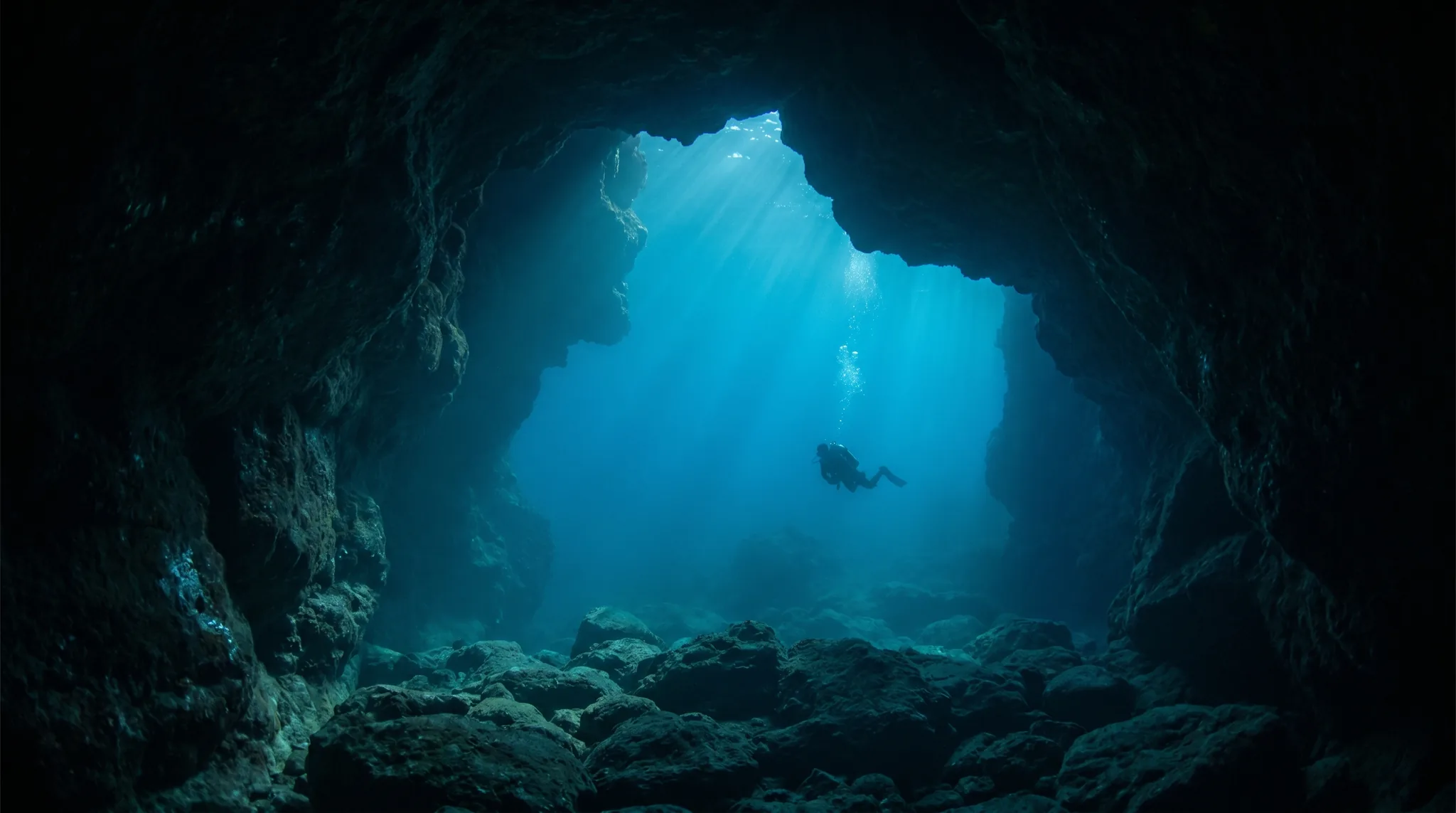 11
11Rocky reefs, walls, and marine caves with reliable sightings of Common Octopus and European Common Cuttlefish across all sites.
4Monthly water temperature across Northern Dalmatia's sites, from satellite sea-surface data corrected for depth. The band shows the site-to-site spread.
Water temperatures sit at their coolest in spring, rising steadily through summer and peaking in autumn, making a thicker wetsuit worthwhile from late autumn through to early spring. The warmest and most popular period runs from late spring through to October, when conditions are most settled and visibility tends to be at its best. Sites such as Rivanjski kanal carry strong currents and demand careful timing regardless of season.
28 operators
Croatia
Boat-only reef diving in the northern Adriatic near Pag, with sites ranging from manageable mid-depth reefs to a strong-current channel dive.
Water temperature around Northern Dalmatia ranges from about 13°C in March to 18°C in October, based on satellite sea-temperature data for its dive sites.
In the warm season (about 18°C) a 5mm suit is comfortable in Northern Dalmatia; in the coldest months (about 13°C) step up to a 7mm or semi-dry suit.
Fin maps 51 sites in Northern Dalmatia (51 scuba diving sites and 4 snorkelling spots, with some suited to both), organised into 4 areas.
Across Northern Dalmatia's dive sites, May, June, July, August and September are most often reported as the best months to visit.
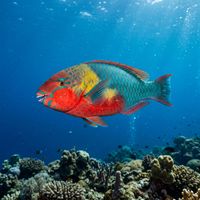
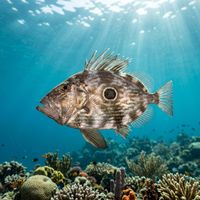
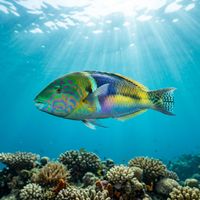
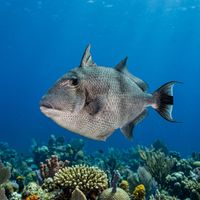
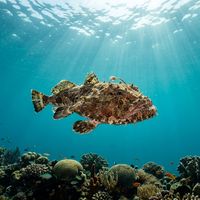
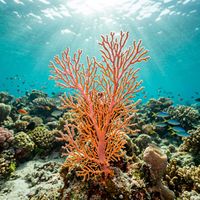
The Loggerhead Sea Turtle, European Common Cuttlefish, and Common Octopus are the region's signature species and are widely observed across sites. Fish life includes European Parrotfish, John Dory, Turkish Wrasse, Grey Triggerfish, and Two-banded Seabream. On the structure itself, Gorgonian fans are common at depth, while Tompot Blenny and Peacock Blenny occupy shallower rock and cave entrances.
Yes, several sites are rated for beginners, including Magna, Piskera, and Hrid Bacvica, all of which are boat-access reef or wall dives with broad depth ranges that allow newer divers to stay shallow. Cave sites such as Brbiscica Cave carry an overhead environment and require appropriate certification even at a shallow depth. Advanced divers have their own dedicated sites, including Mrtovac, which descends to a very considerable depth, and Rivanjski kanal, where strong currents are a defining feature.
Kornati has the largest concentration of dramatic wall and cave sites, including Samograd and Kaprije, making it the most varied sub-area for structure diving. Šibenik offers the widest range of sites overall, while Zadar contributes reef and channel dives, including the current-prone Rivanjski kanal. Pag has fewer sites but extends the region northward with its own reef diving.
The vast majority of sites in Northern Dalmatia require boat access, which is typical for an island and offshore reef environment. Brbiscica Cave is one of the few sites listed with both shore and boat entry options. Divers should plan to join a local dive operator or arrange a boat, as self-guided shore diving is limited across the region.