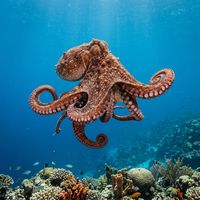
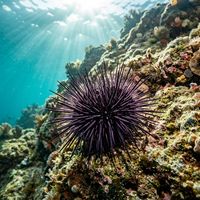
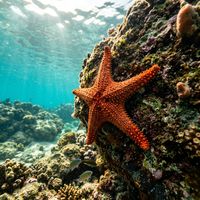
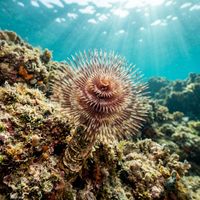
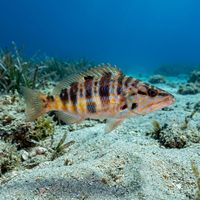
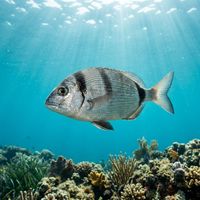
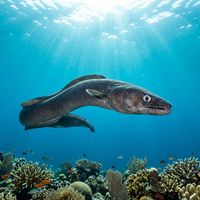
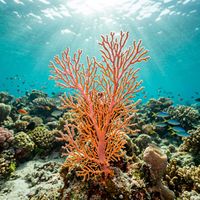
Cres and Lošinj offers a dive landscape shaped by vertical walls, cave systems and reef slopes that suit a wide range of experience levels. Beginner-friendly sites like Vodenjak and Čikat Bay sit alongside demanding wrecks such as the Tihany and the deep SS Albanien. The Common Octopus is the signature encounter, backed by widespread sightings of Spirograph, Sea Star, Castagnole and Painted Comber. Gorgonian and Red Coral colonise the deeper walls, while Catshark and Conger Eel reward patient explorers.
Monthly water temperature across Cres & Lošinj's sites, from satellite sea-surface data corrected for depth. The band shows the site-to-site spread.
Water temperatures rise steadily from spring into the warm summer months, peaking in August and remaining comfortable through October, making late spring to early autumn the most productive window. The best-months data clusters strongly from May through October, with June and September drawing the most interest. Exposed boat-access sites can carry current, so conditions vary noticeably between sheltered bays and open reef walls.
6 operators
25 more sites to explore
Water temperature around Cres & Lošinj ranges from about 12°C in March to 24°C in August, based on satellite sea-temperature data for its dive sites.
In the warm season (about 24°C) a 3mm full suit is comfortable in Cres & Lošinj; in the coldest months (about 12°C) step up to a 7mm or semi-dry suit.
Fin maps 37 sites in Cres & Lošinj (37 scuba diving sites and 3 snorkelling spots, with some suited to both).
Across Cres & Lošinj's dive sites, May, June, July, August, September and October are most often reported as the best months to visit.
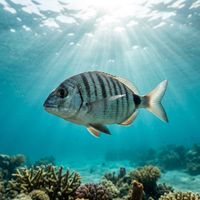
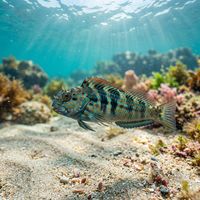
The Common Octopus is the signature species and is observed across nearly all sites. Sea Star, Spirograph, Painted Comber, Tompot Blenny and Castagnole are all very commonly encountered. On the deeper walls, Red Coral, Red Gorgonian and Gorgonian appear regularly, and patient divers may also spot Catshark, Conger Eel and the small nudibranch Splendid Elysia.
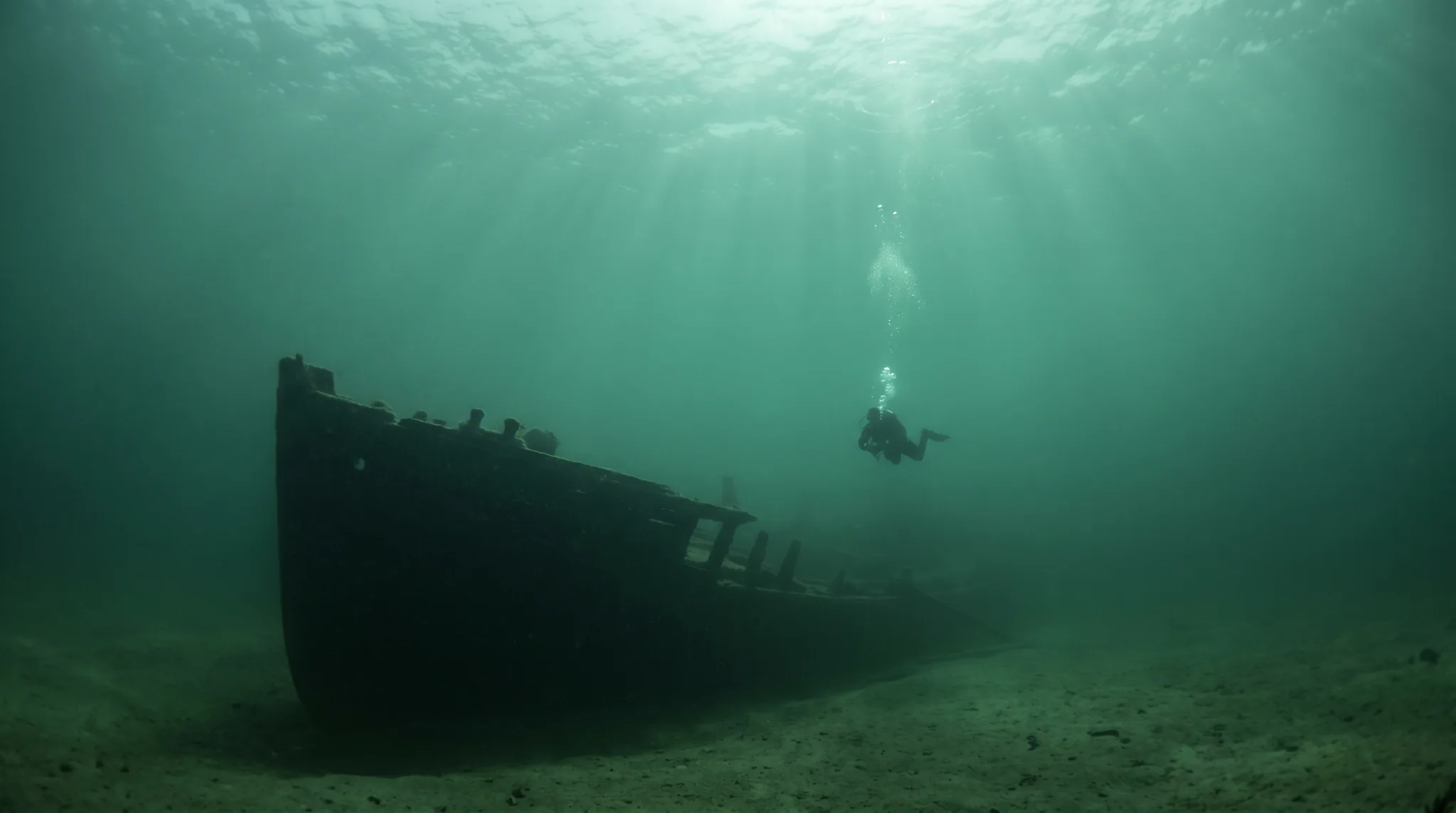
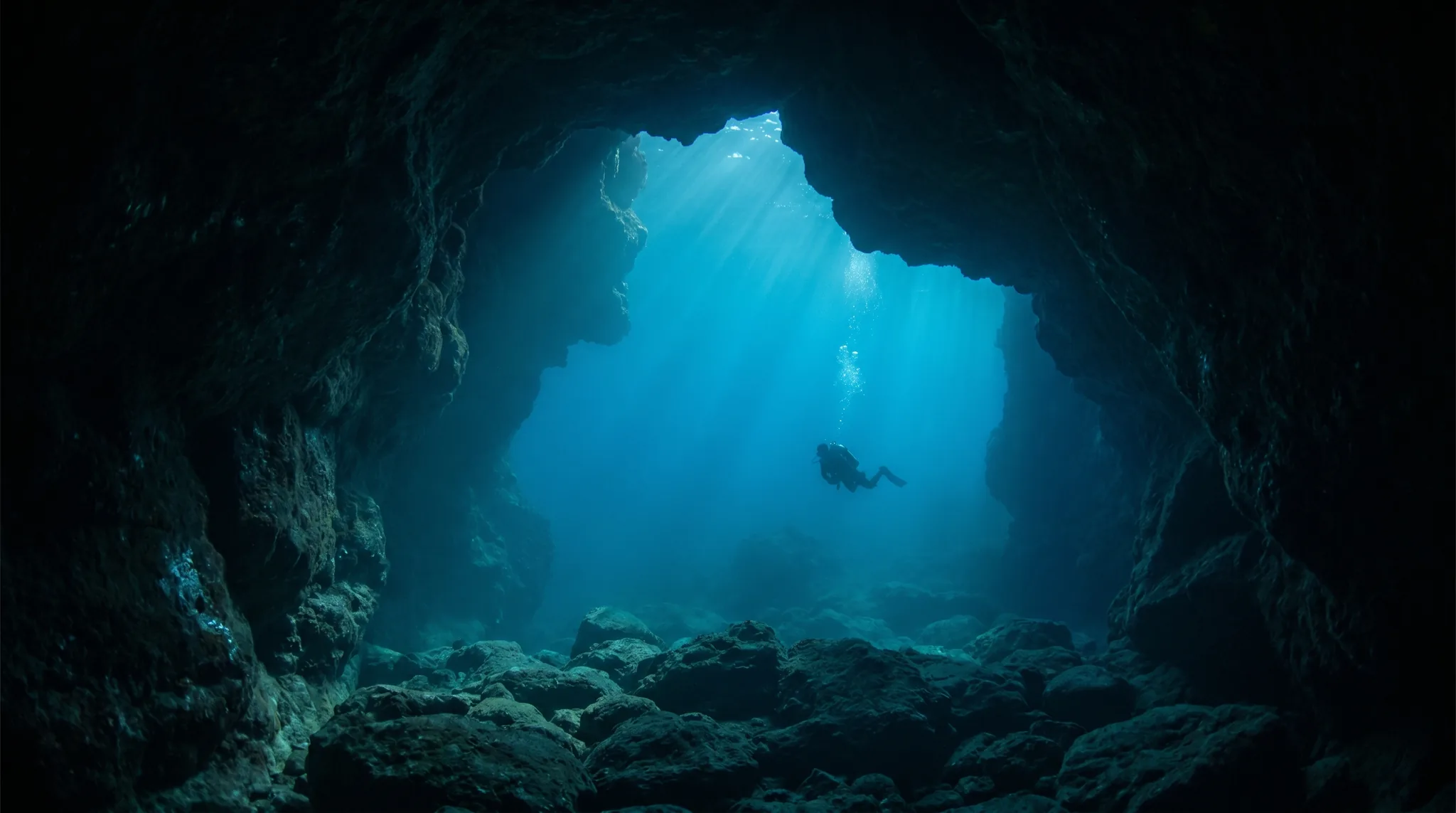
Several sites are rated beginner level, including Vodenjak, Čikat Bay, Artatore and Zabodaski South, which offer shallow reef slopes and gentle topography. Intermediate sites such as Mali Cutin and Crljena Greda step up the challenge with deeper walls and potential current. Advanced divers have dedicated destinations in the cave system at Katedrala and the wrecks of the Tihany and SS Albanien.
The vast majority of sites require boat access, so most diving is organised through a local operator such as Mirko Diving Center. Čikat Bay is the notable exception, offering a shore entry that makes it particularly convenient for beginners or for a first dive of the trip. Boat-only sites are often located off smaller islands and peninsulas spread across the archipelago.
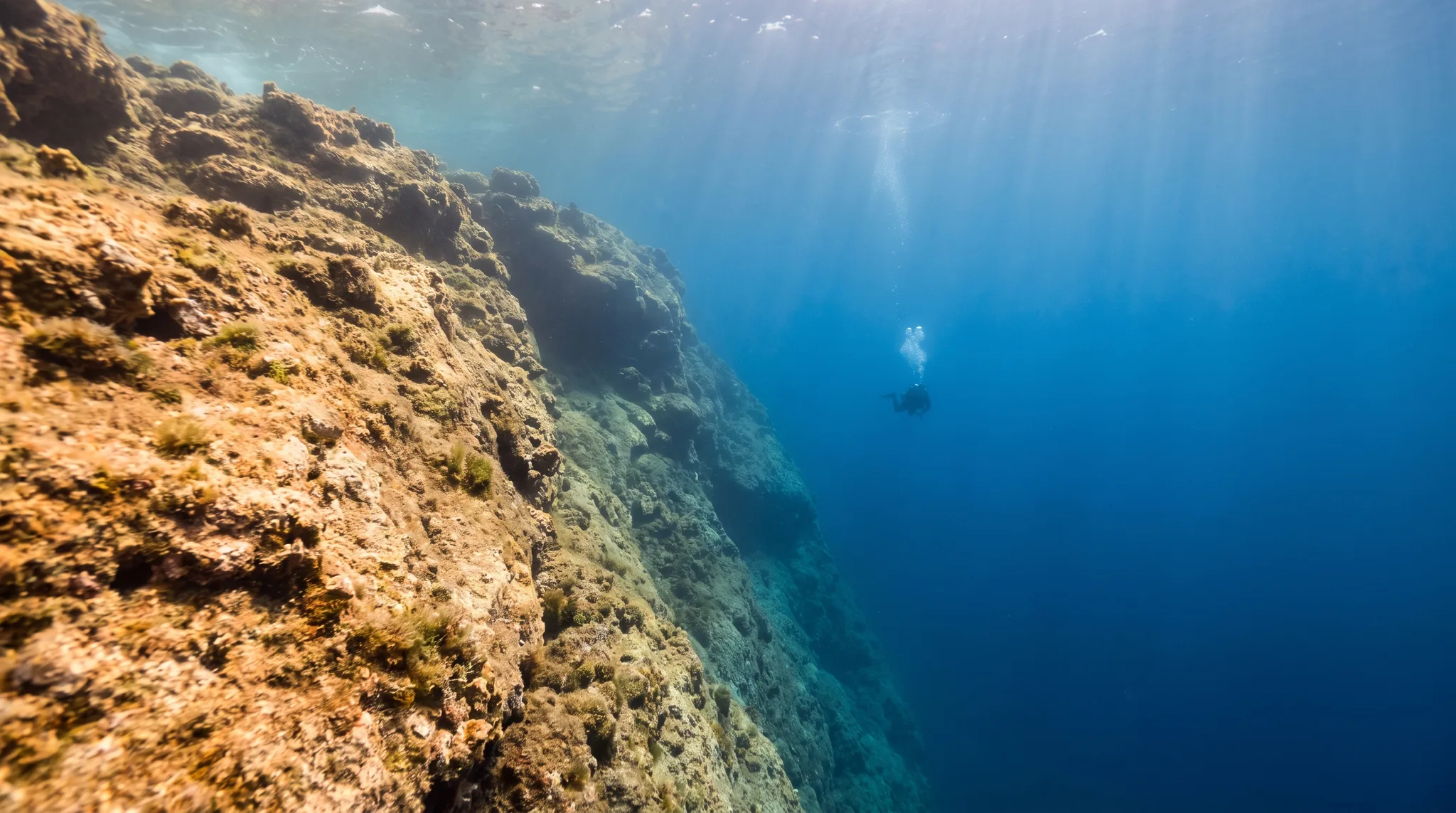
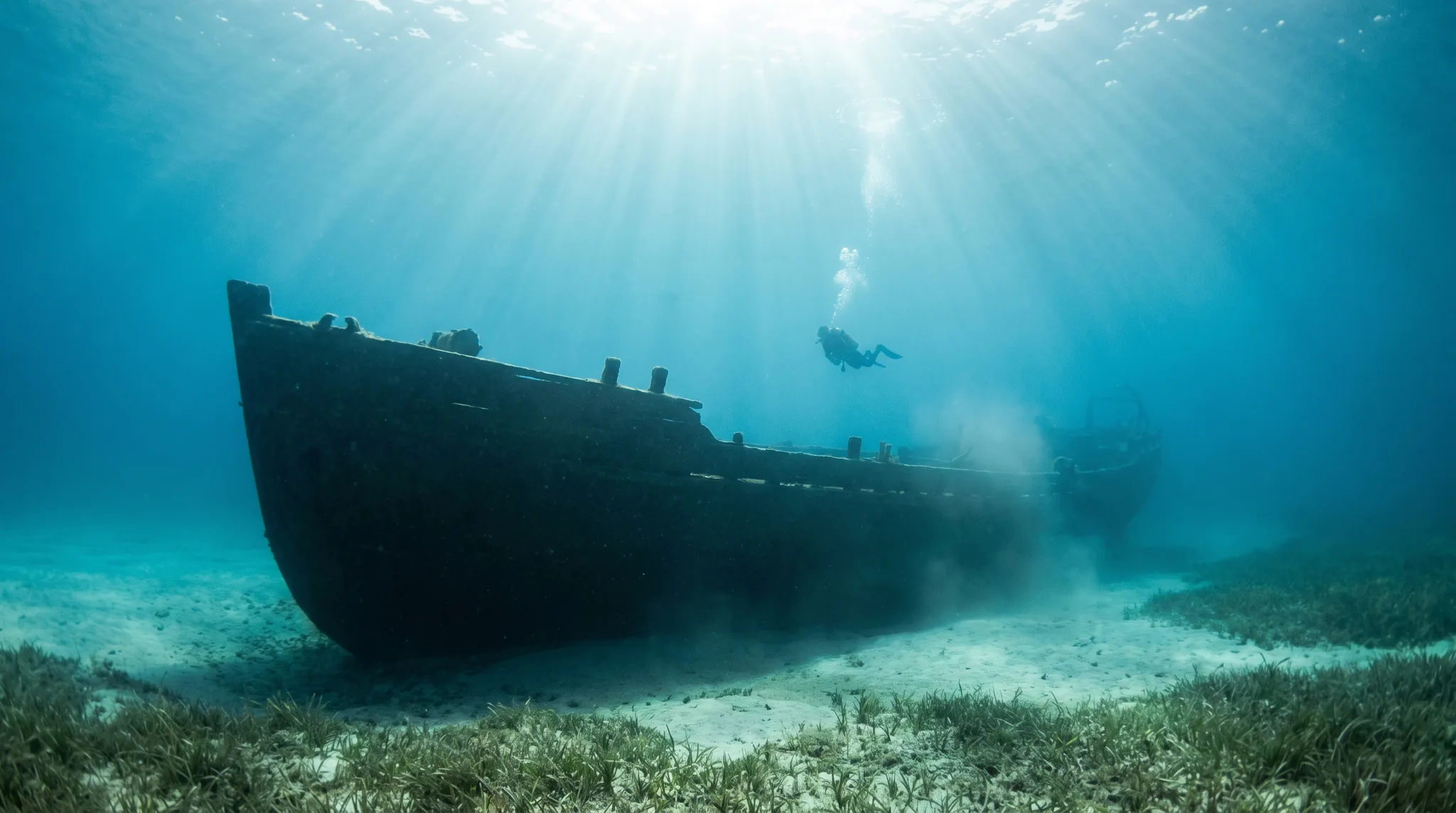
The region is dominated by vertical walls and reef slopes, frequently combined with cave systems, making for complex and varied dives. Wreck diving is also well represented, ranging from the relatively shallow Wreck Etnea off Unije to the deep technical target of the SS Albanien. Sites such as Katedrala and Srakane Cave add an overhead-environment dimension that draws more experienced divers back repeatedly.