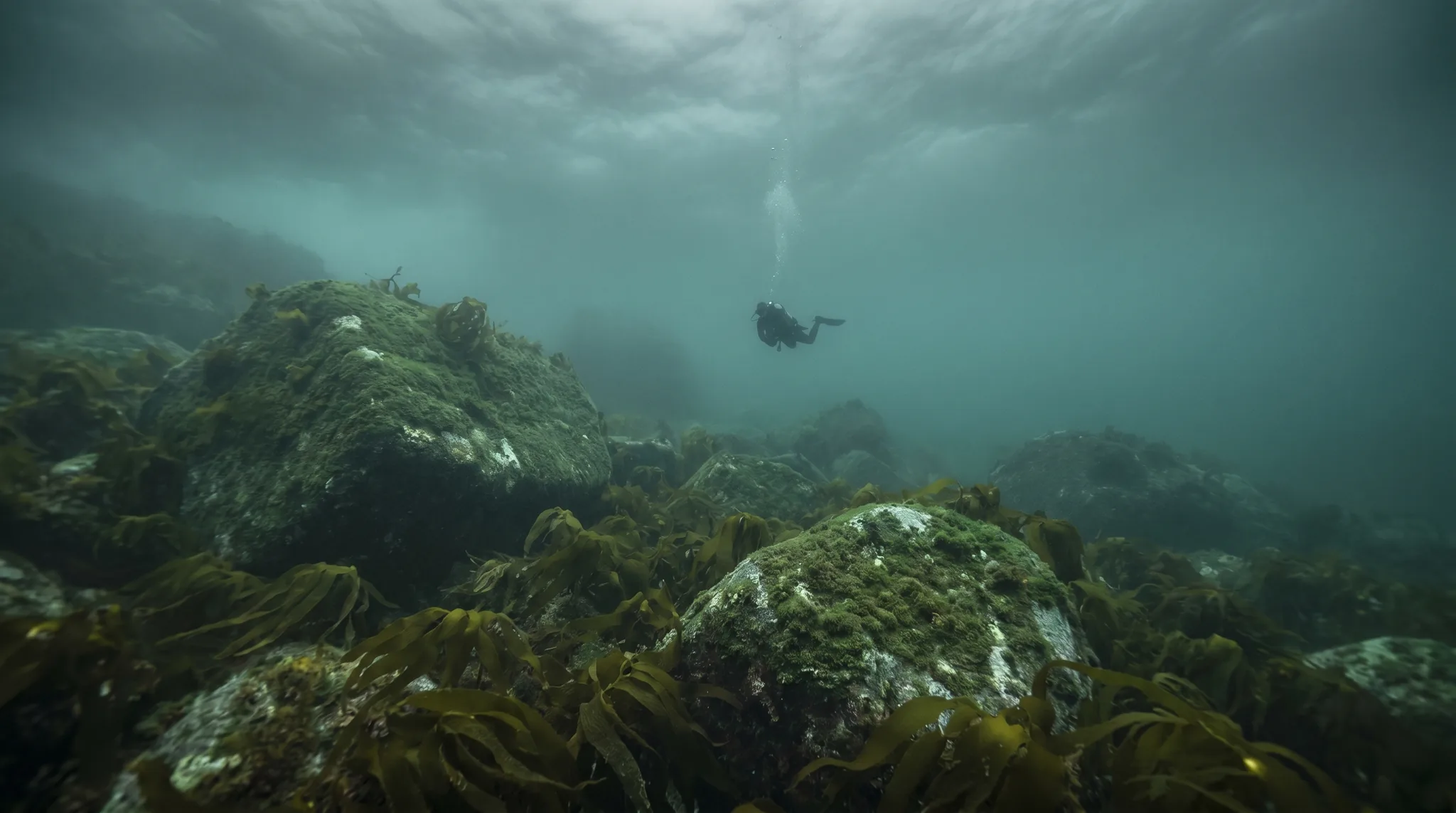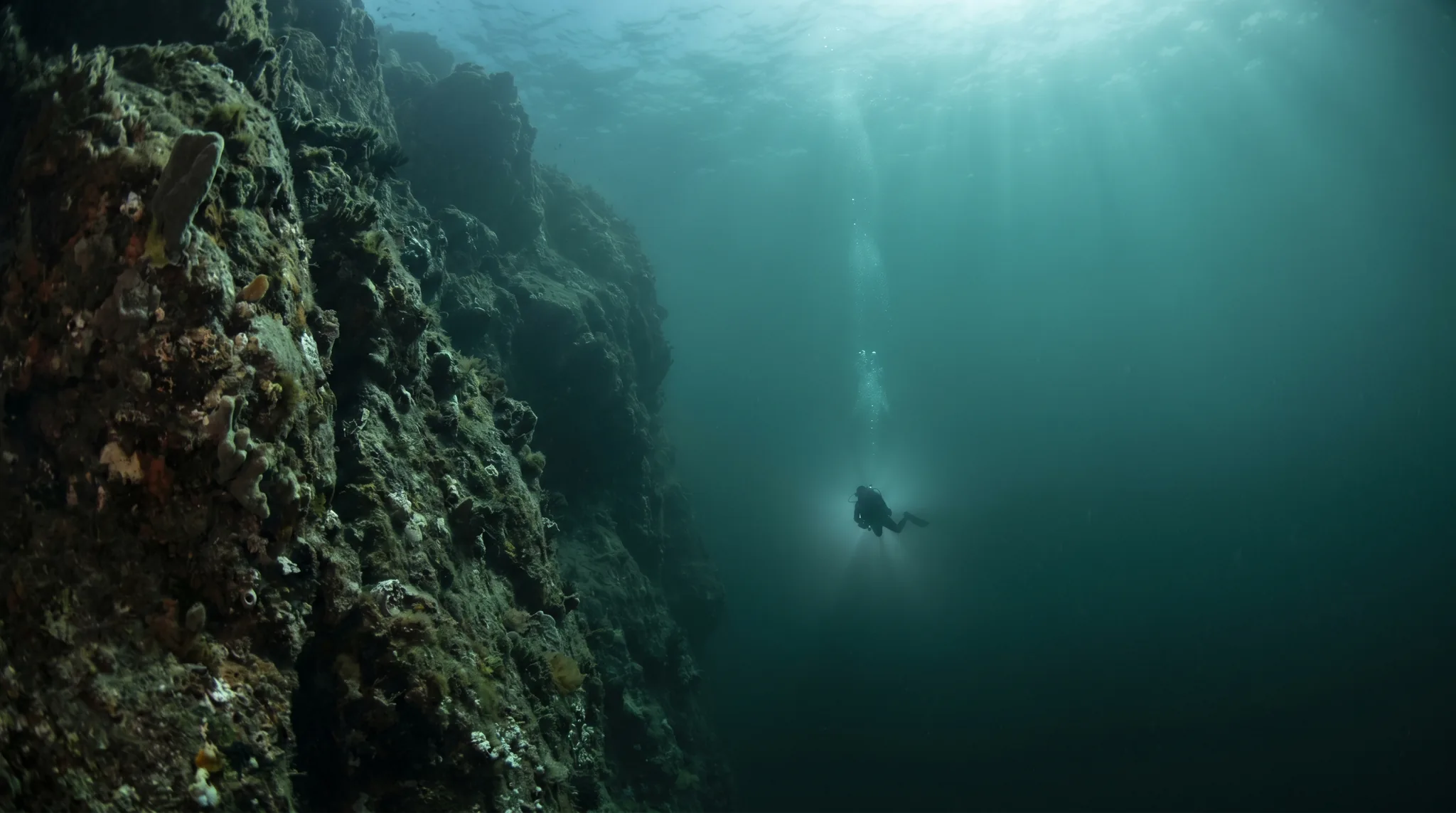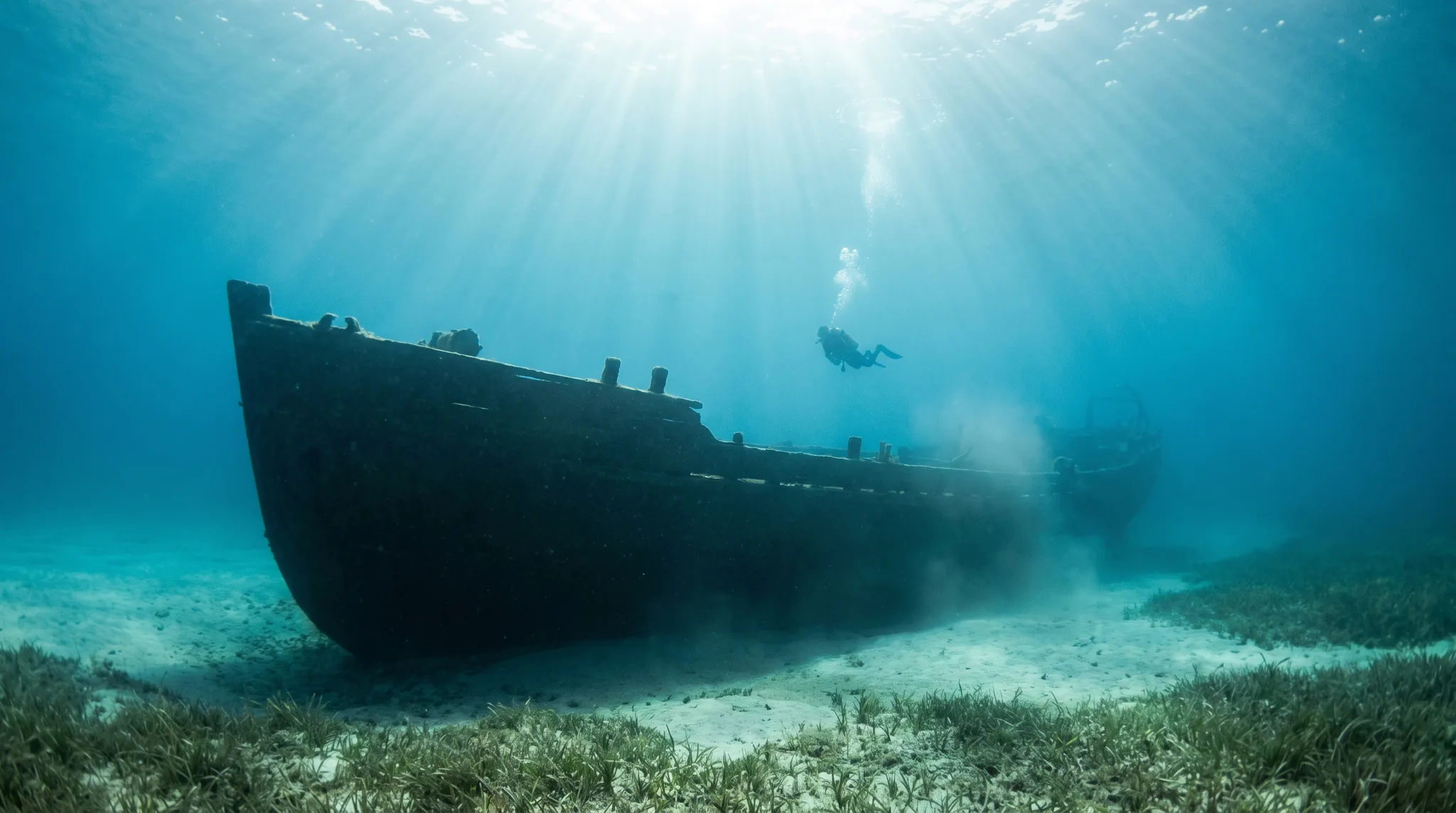
Best for advanced divers, 45-65m, boat entry, moderate current.
The TA 36 wreck is a deep-water site located off Krk Island, Croatia, resting at depths between 45 and 65 metres. This artificial reef requires boat access and is strictly for advanced divers with deep diving qualifications. Divers encounter moderate currents and visibility ranging from 5 to 10 metres. The structure presents hazards including sharp metalwork, entanglement risks, and the physiological demands of significant depth. Due to the depth, bottom time is limited by decompression requirements, necessitating conservative gas planning. Divers should avoid contact with the wreck to prevent injury from sharp surfaces and maintain strict buoyancy control throughout the dive.
45.13347, 14.22515
Bottom time at this depth is tightly limited by decompression margins, so plan your gas and deco stops conservatively before you leave the surface. Confirm up-to-date conditions and boat charter availability with local operators, as facilities are not fixed at this site.
Access info coming soon
Recorded nearby, within 20km
Depth
45-65m
Visibility
5-10m
Skill Level
Advanced
Entry
Boat
Boat required
Water Temp
11-25°C
Current
Moderate
No, this site is for advanced divers only due to the significant depth of 45 to 65 metres and the technical nature of the dive.
The wreck lies at a depth of 45 to 65 metres, with an average depth of 55 metres.
The TA 36 wreck requires boat access.
Hazards include the significant depth, moderate currents, entanglement risks within the structure, and sharp metalwork and coral.
Diving at TA 36 wreck in Kvarner requires the following certifications: Advanced, Deep. Always dive within your training limits.
A 7mm wetsuit or semi-dry is recommended for diving at TA 36 wreck in Kvarner. Water temperatures range from 11°C to 25°C.
Expect moderate currents at TA 36 wreck in Kvarner. Good buoyancy control and some drift diving experience is helpful.
Visibility at TA 36 wreck in Kvarner typically ranges from 5 metres to 10 metres. Conditions vary with weather, tides, and seasons.