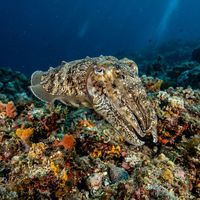
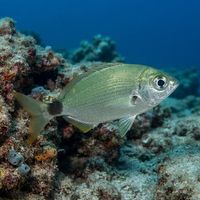
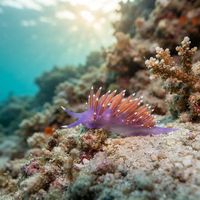
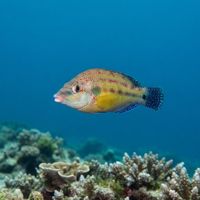
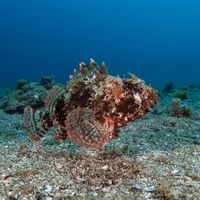
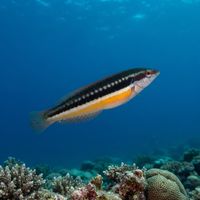
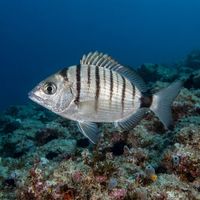
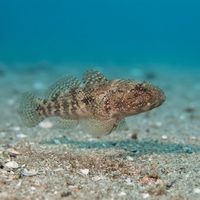
Istria offers one of the most varied dive rosters in Croatia, with wrecks, walls, caves, reefs and drift sites spread across three distinct sub-areas: Rovinj, Pula and Umag. Pula concentrates the deepest wreck diving, including the Luana, Cesare Rosarol and Wreck Romagna, while Rovinj balances advanced wrecks with accessible reef sites and shore entries. Caves and walls appear throughout the peninsula, suiting intermediate and advanced divers alike. Shallower spots such as Stella Maris and Sveti Ivan welcome beginners. The Tompot Blenny, Castagnole, Scorpionfish and European Common Cuttlefish are recorded consistently across sites, with Seahorse appearing occasionally.
3 areas
 49
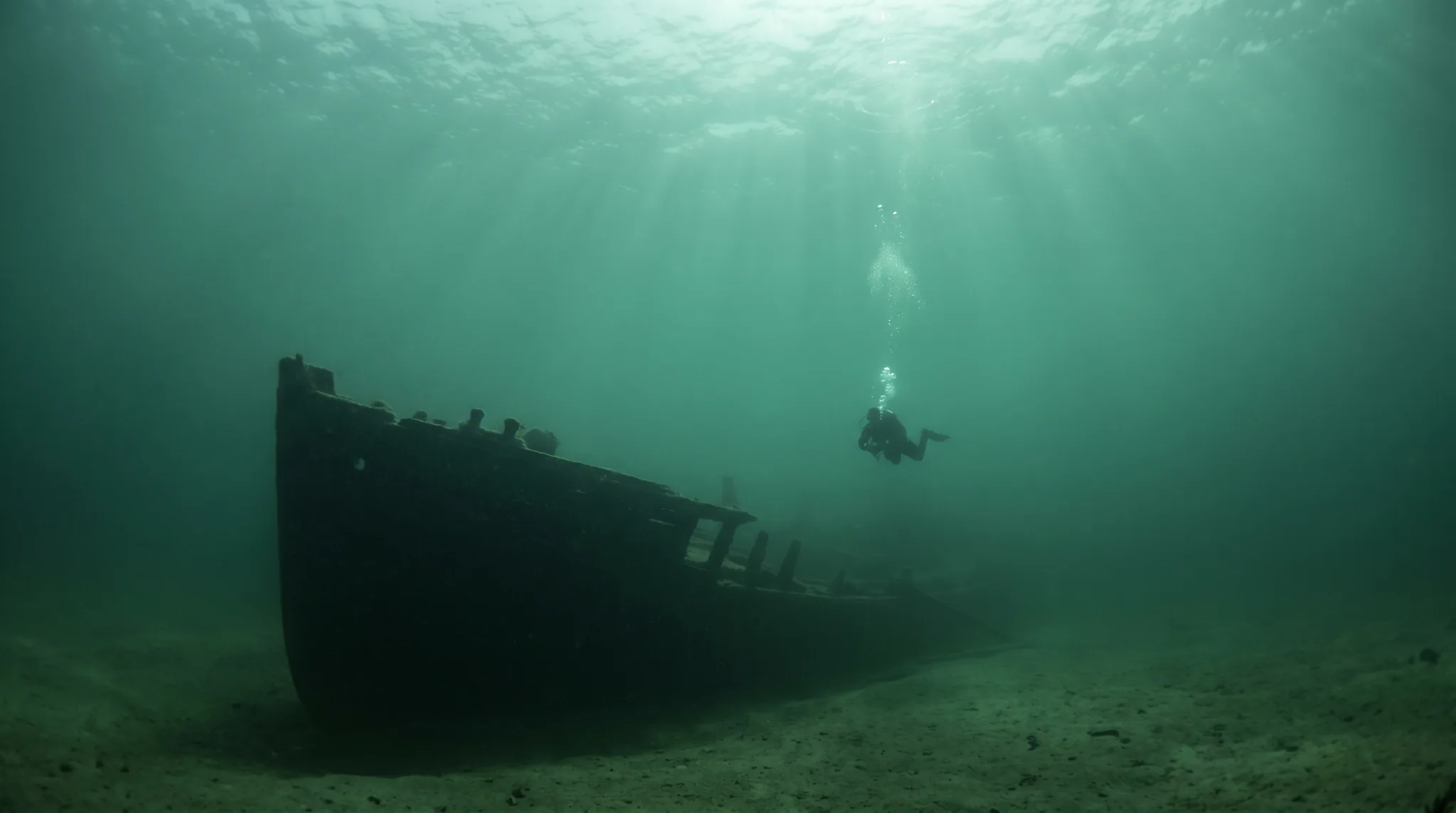
49Boat-access reef, wall and wreck diving with Seahorse and European Common Cuttlefish as signature finds.
 49
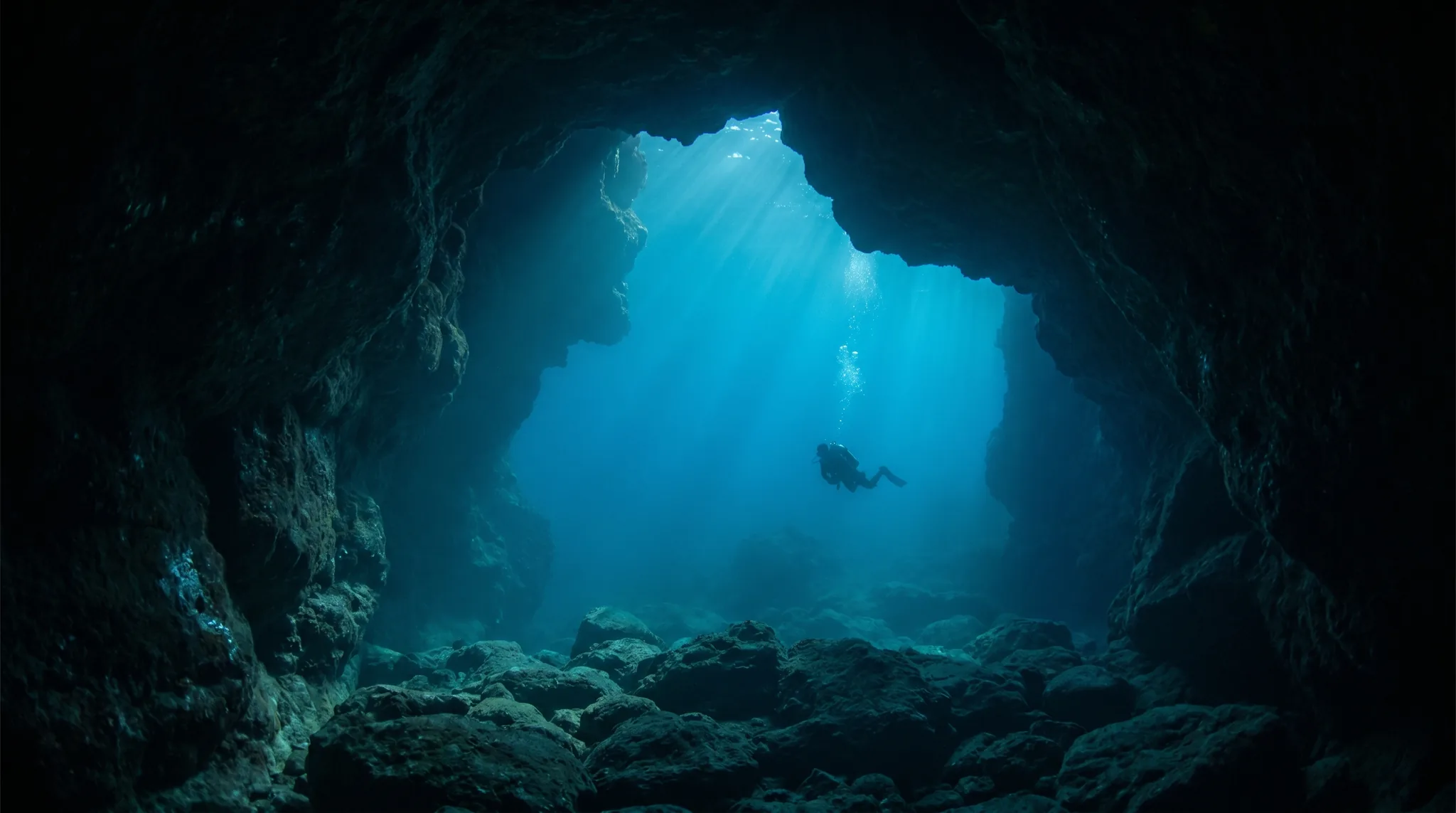
49A wreck-rich destination off Istria with strong cephalopod sightings and sites spanning beginner reefs to deep advanced shipwrecks.
10A varied dive region in Istria with beginner reefs, multi-level wrecks, and the European Common Cuttlefish as a signature encounter.
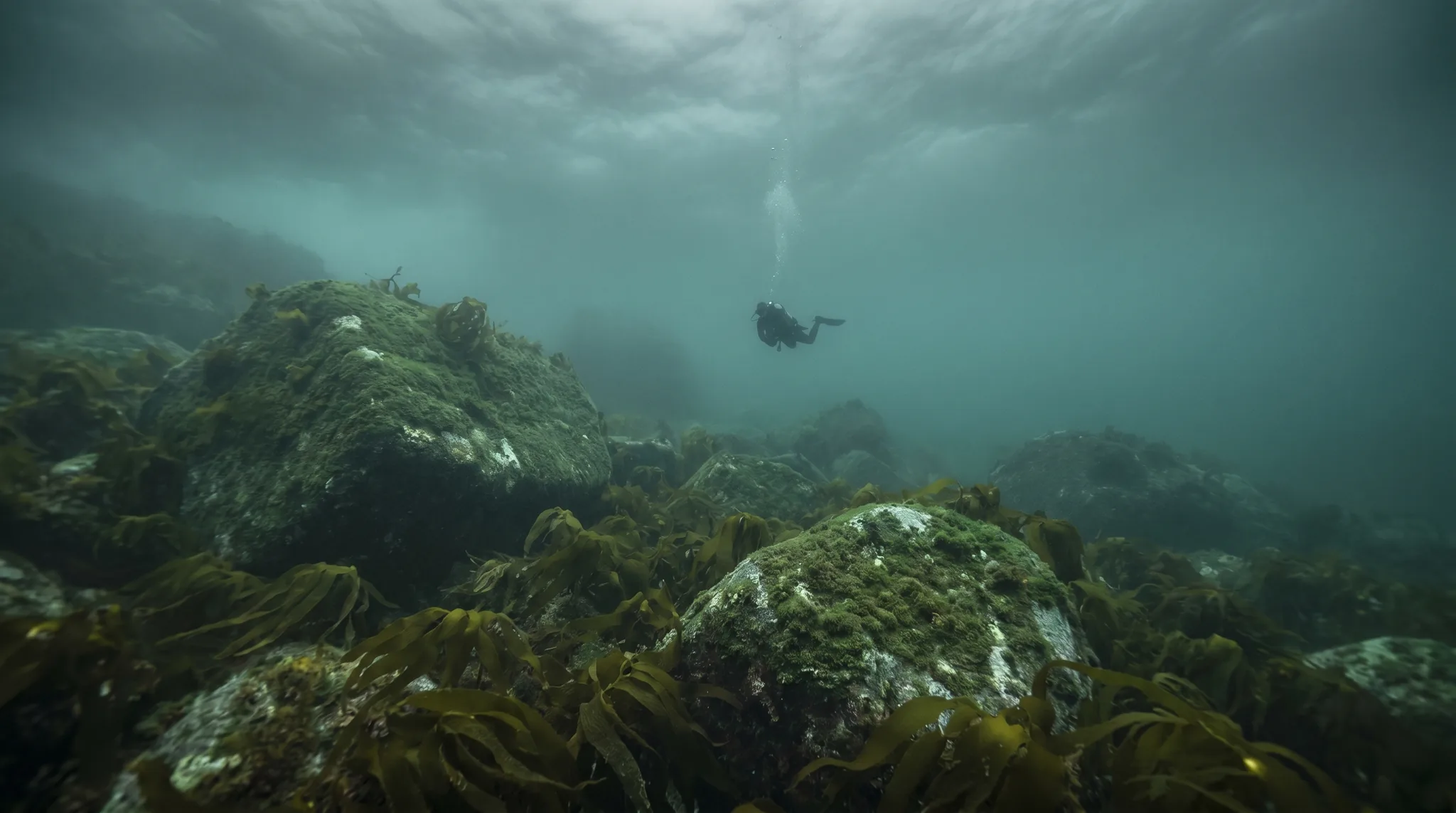
Monthly water temperature across Istria's sites, from satellite sea-surface data corrected for depth. The band shows the site-to-site spread.
Water temperature climbs from its coolest in late winter and early spring through to its warmest in autumn, making late summer and autumn the most comfortable period for longer dives. The best-months data shows a clear peak from late spring through September, with September particularly popular. Exposed sites with drift or wall profiles can carry current, so conditions reward checking local advice before committing to open-water passages.
24 operators
Water temperature around Istria ranges from about 11°C in March to 20°C in October, based on satellite sea-temperature data for its dive sites.
In the warm season (about 20°C) a 5mm suit is comfortable in Istria; in the coldest months (about 11°C) step up to a drysuit.
Fin maps 108 sites in Istria (105 scuba diving sites and 16 snorkelling spots, with some suited to both), organised into 3 areas.
Across Istria's dive sites, June and September are most often reported as the best months to visit.
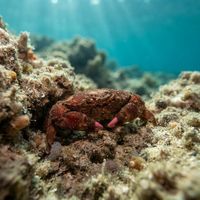
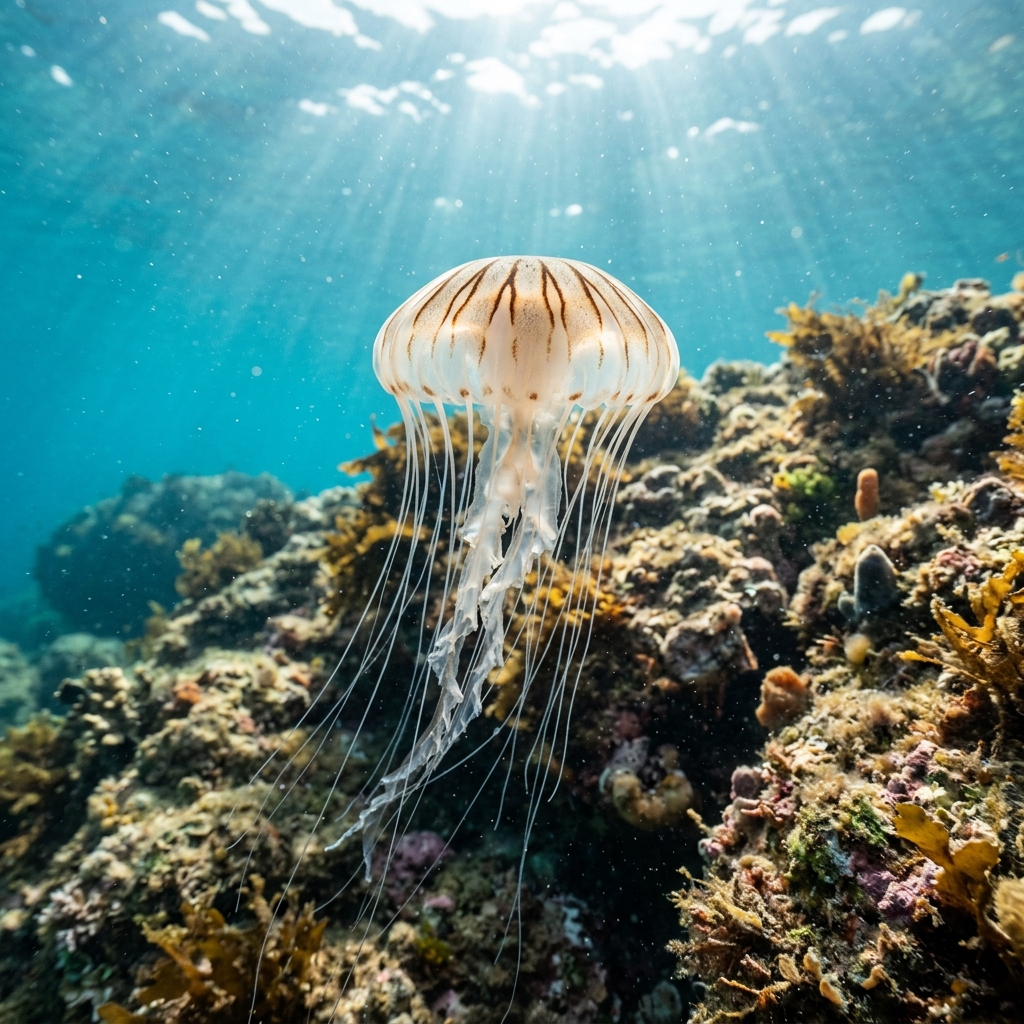
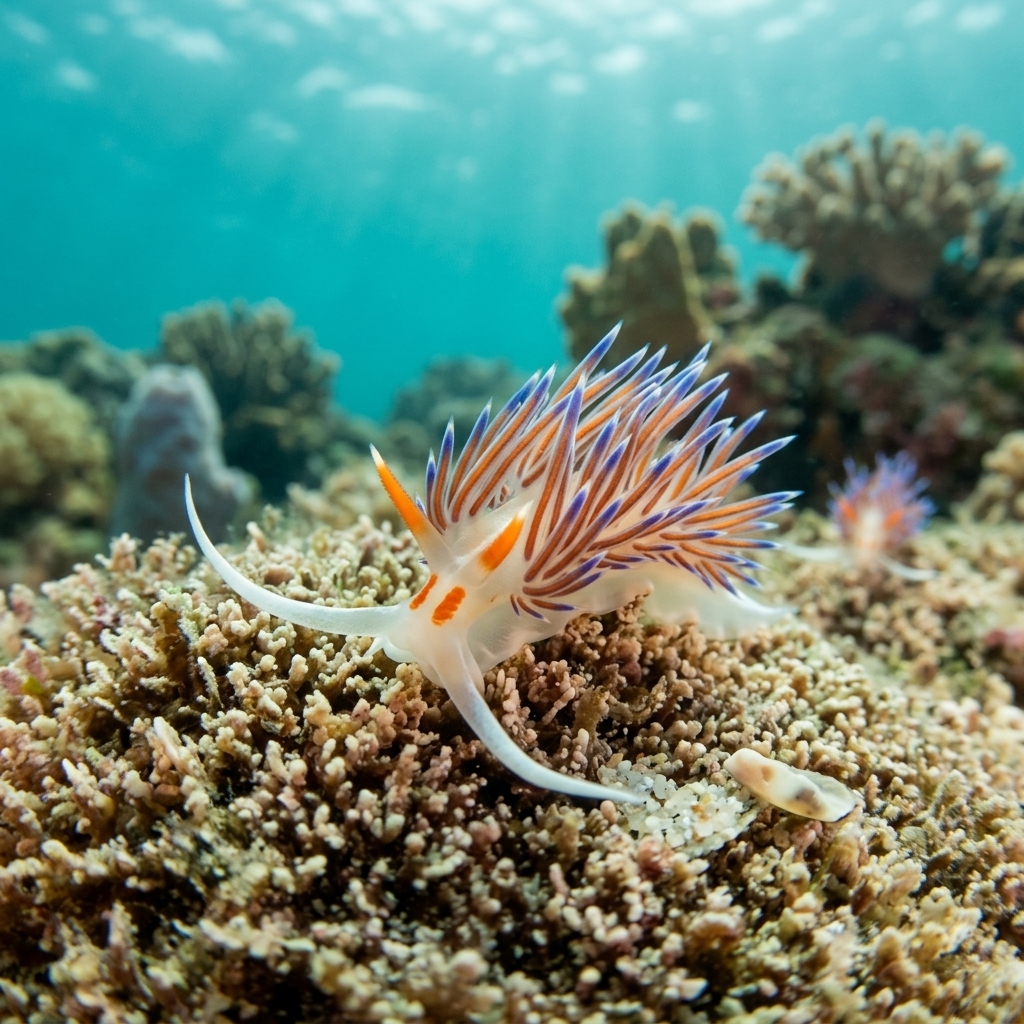
Istria's signature species are the Seahorse, European Common Cuttlefish and Common Octopus, all observation-backed across the region's sites. Divers and snorkellers also encounter the Tompot Blenny, Scorpionfish, Painted Comber and Castagnole with great regularity. Invertebrate life is rich too, with Squat Lobster, Brittle Star, Sea Star and Hermit Crab recorded widely. The Conger Eel is a common find in cave and wreck recesses.
Yes, though the mix leans towards intermediate and advanced sites overall. Dedicated beginner sites include Stella Maris, a shallow shore-entry reef, and Sveti Ivan, a reef and artificial reef reachable by boat. Pal Sv Nikola and Sveti Nikola also carry beginner ratings and offer varied topography at modest depths. Operators such as Rovinj-sub Diving Center and Hippocampus Diving Center are based in the area and can guide newer divers to appropriate sites.
Pula concentrates the deepest and most technically demanding wreck diving, with the Luana, Cesare Rosarol and Wreck Romagna all requiring advanced certification and careful gas planning. Rovinj offers a broader range of site types, from accessible beginner reefs and shore entries to advanced wrecks like the Hans Schmidt and the Gilda. Both sub-areas have substantial operator coverage and boat-access infrastructure. Umag, the third sub-area, has a smaller site count and suits divers looking for a quieter base.
The majority of sites across Istria are reached by boat, reflecting the spread of offshore reefs, walls and wrecks around the peninsula. A handful of sites, including Stella Maris and Fraskeric, offer shore entry or a combination of shore and boat access, which is useful for snorkellers and independent divers. Operators such as Scuba Libre, Diving Center Indie and Krnicadive run regular boat trips, making guided access straightforward from the main towns.