

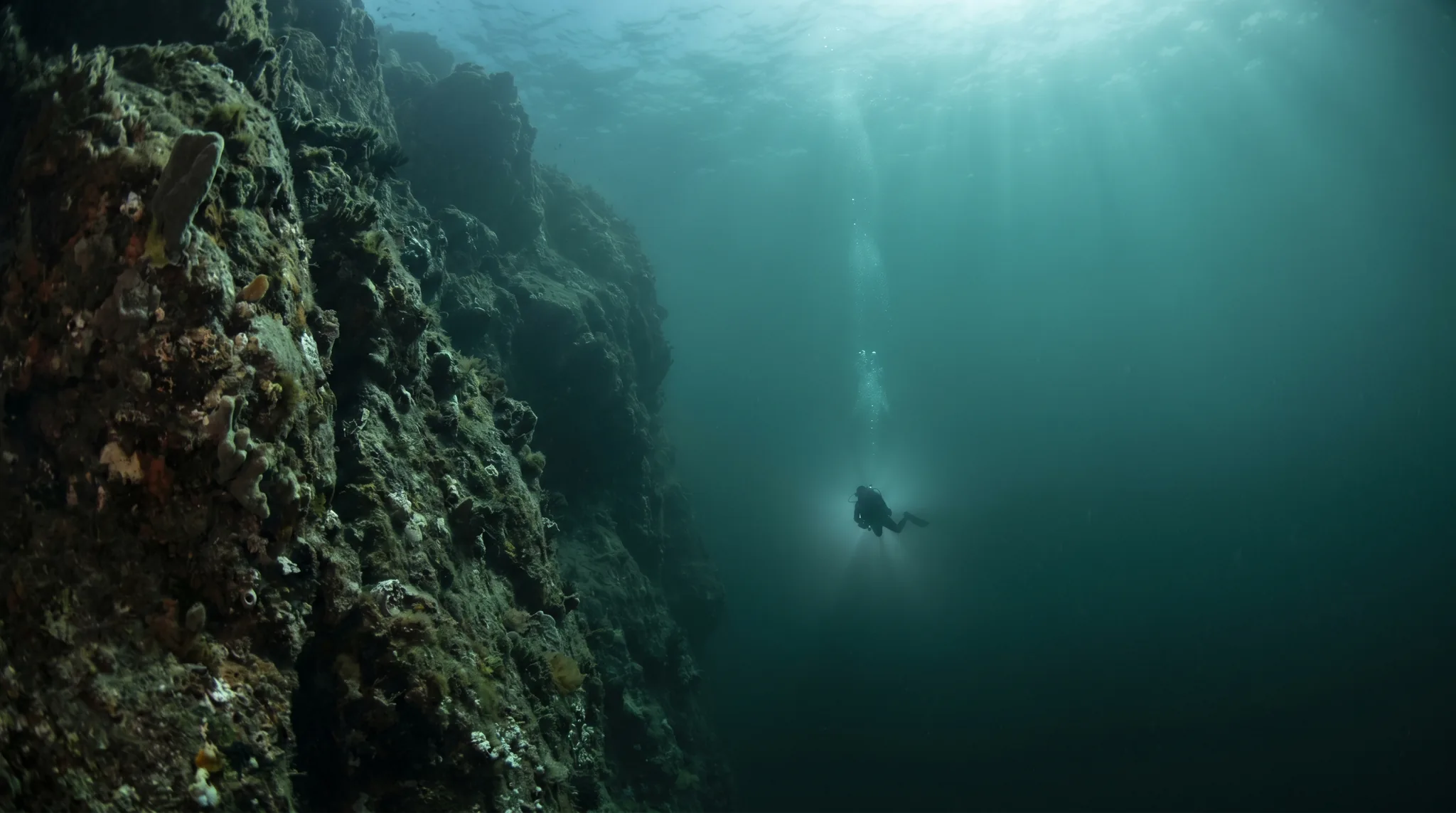
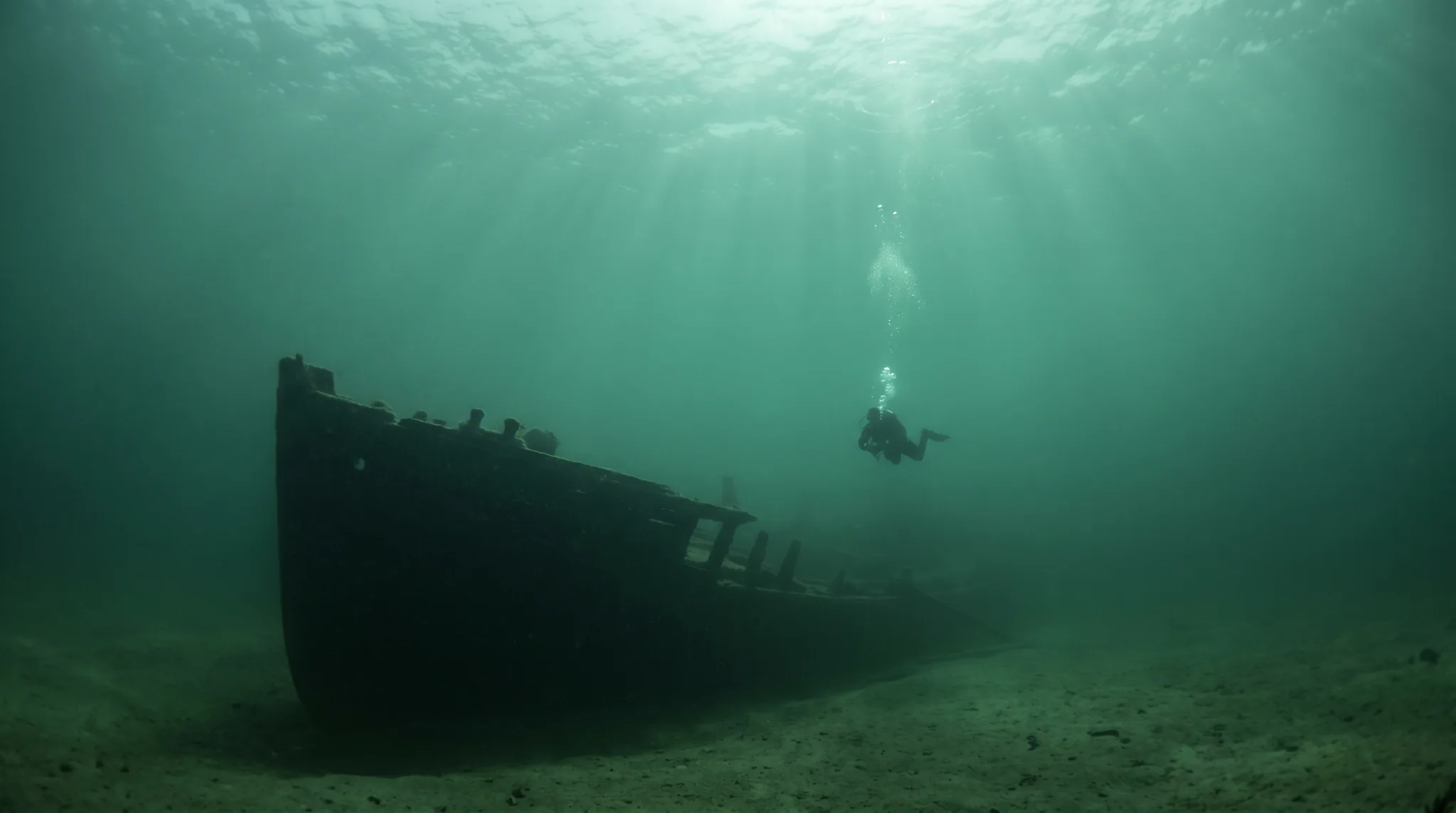
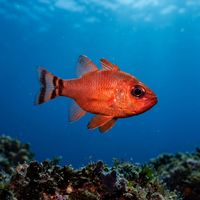
Southern Dalmatia offers a varied underwater landscape shaped by four distinct sub-areas: Lastovo, Korčula, Dubrovnik, and Mljet. Lastovo dominates in site count and character, with deep walls, cave systems, drift sections, and the occasional wreck drawing intermediate divers to remote offshore locations. Korčula adds further reef and wall diving, while Dubrovnik provides accessible shore entries suited to beginners. The Mediterranean Cardinalfish is encountered across almost every site, and the Common Octopus, Blue Shark, and Indian Lionfish give the region real signature appeal. Water temperatures peak in autumn, with the most active diving season running from late spring through October.
4 areas
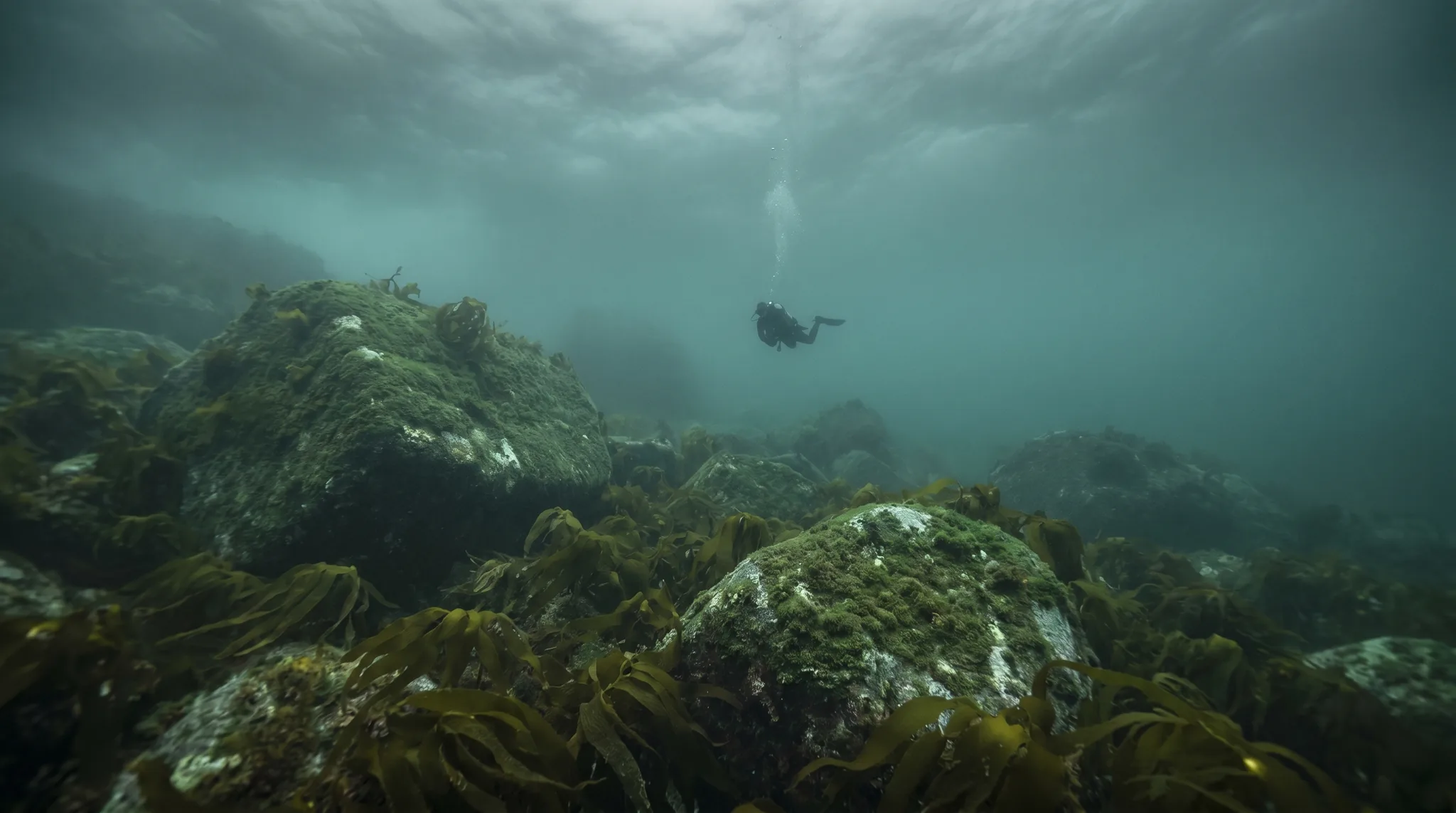 44
44Walls, caves, wrecks and open-water wildlife in one of Southern Dalmatia's most rewarding island diving destinations.
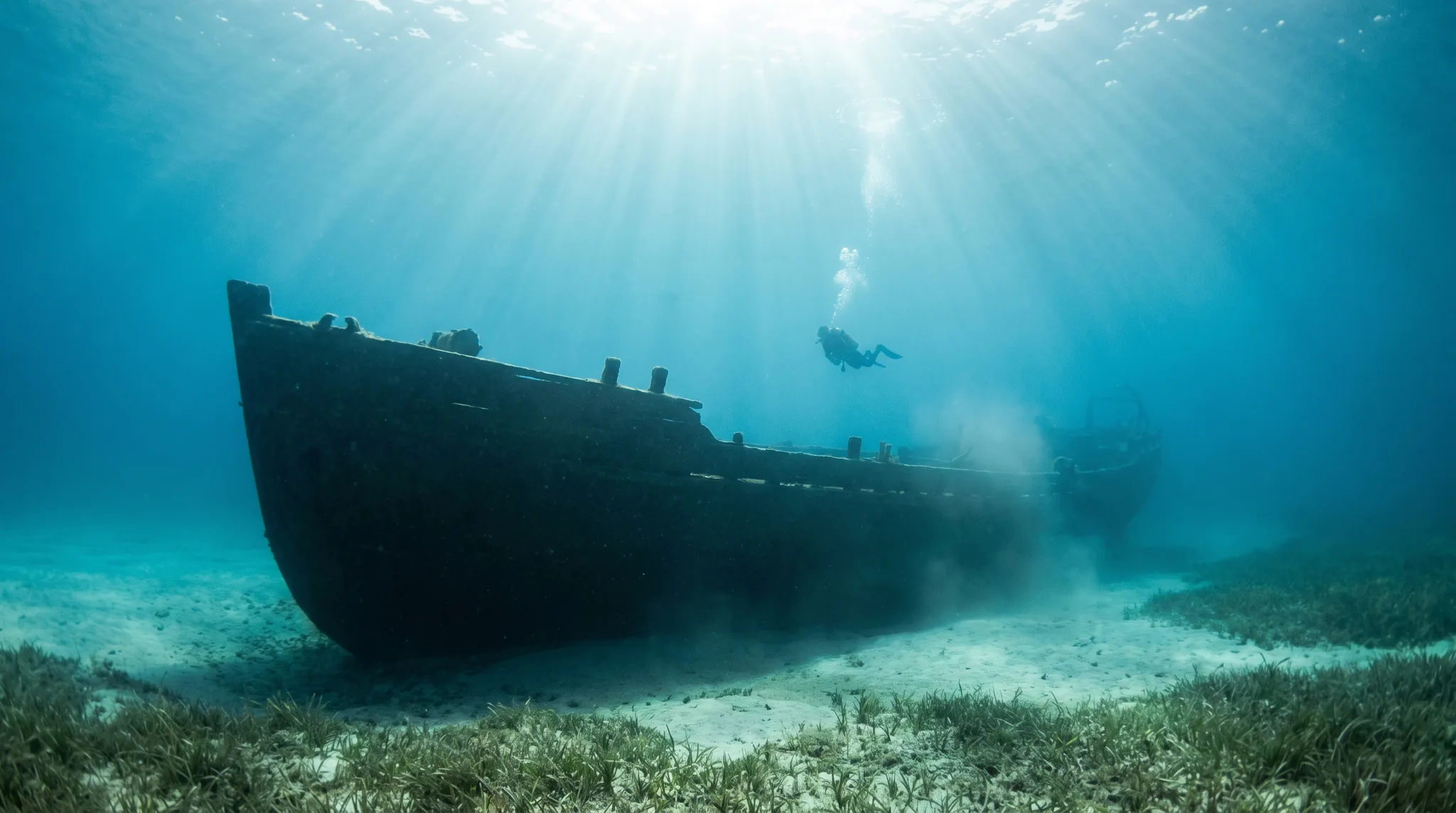 21
21Reef walls, wrecks and caves with reliable octopus and moray sightings across a full range of diver skill levels.
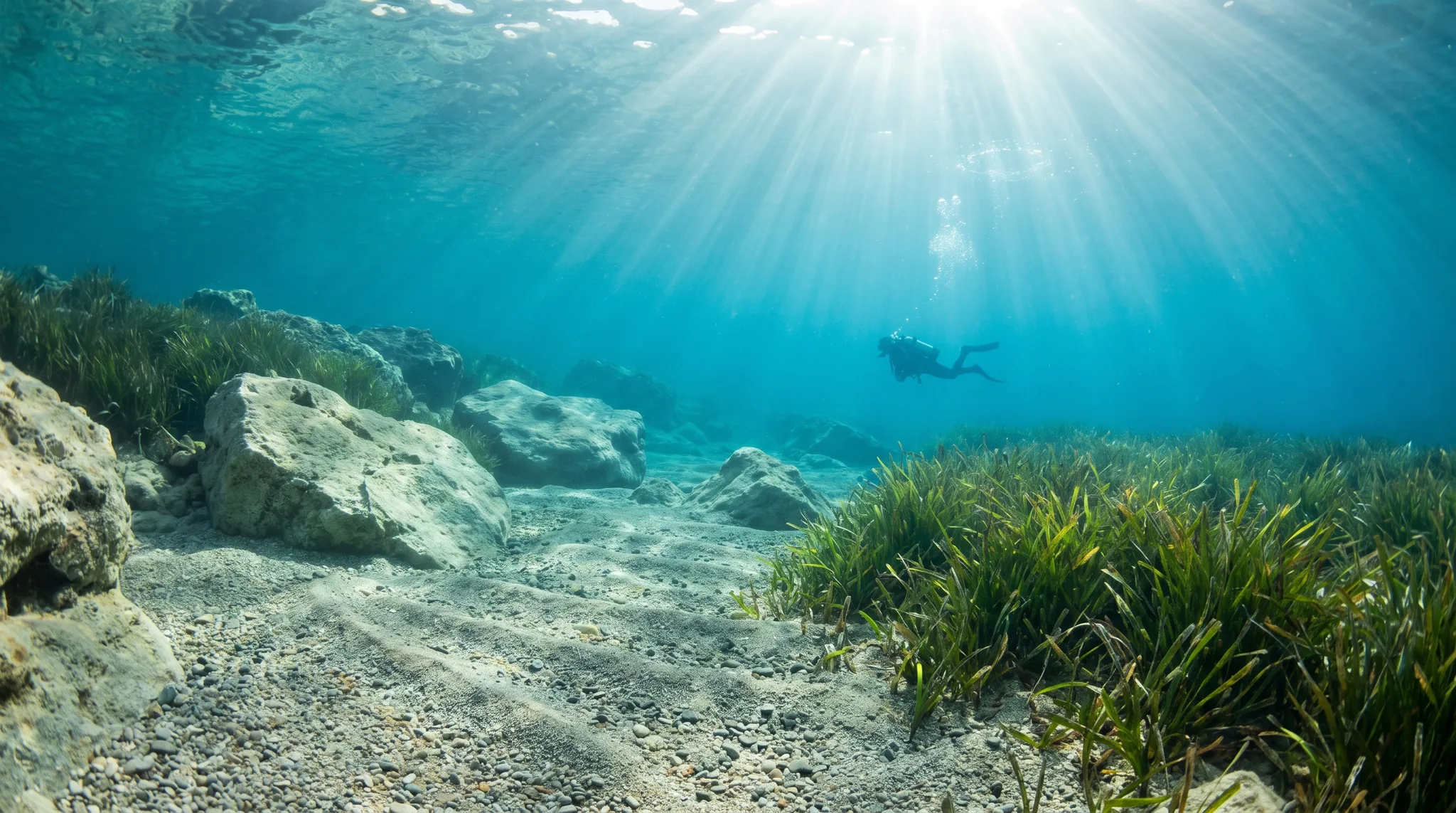 7
7Southern Adriatic diving centred on two historic wrecks, sea caves, and walls within boat range of Dubrovnik's Old Town.
4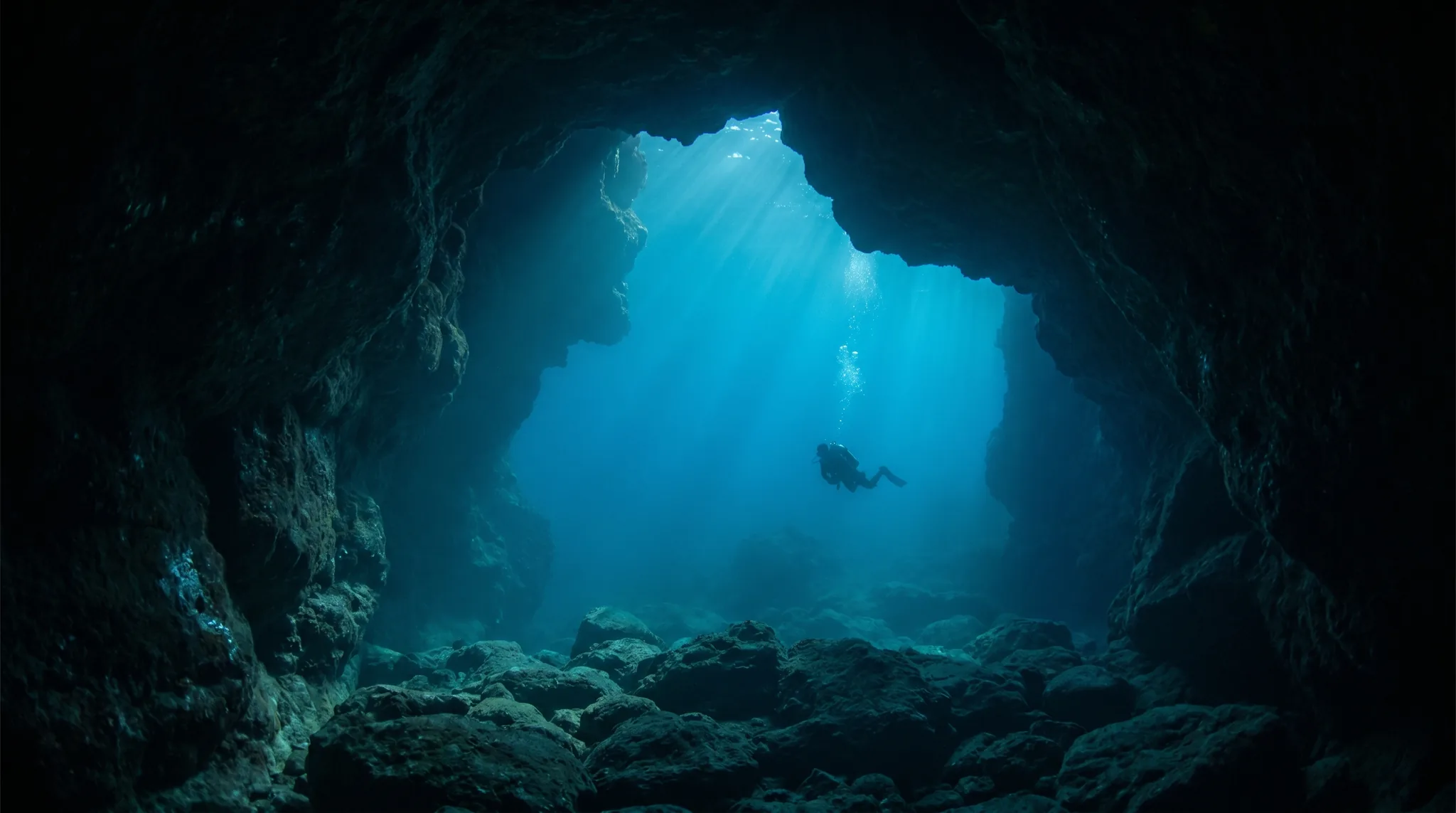
Monthly water temperature across Southern Dalmatia's sites, from satellite sea-surface data corrected for depth. The band shows the site-to-site spread.
Water temperatures climb steadily from spring into summer and reach their warmest in October and November, making autumn an excellent time to dive. The busiest season runs from May through September, when visibility is at its best and most operators are active. Exposed offshore sites such as Palagruza and Susac can carry currents, so conditions vary considerably between sheltered inshore reefs and open-water locations.
15 operators
Croatia
Mokosica, Croatia
Croatia
Croatia
Mljet combines Adriatic wrecks and walls with a rare freshwater cave dive, all within a small island setting in southern Croatia.
Water temperature around Southern Dalmatia ranges from about 14°C in February to 20°C in October, based on satellite sea-temperature data for its dive sites.
In the warm season (about 20°C) a 5mm suit is comfortable in Southern Dalmatia; in the coldest months (about 14°C) step up to a 7mm or semi-dry suit.
Fin maps 76 sites in Southern Dalmatia (68 scuba diving sites and 16 snorkelling spots, with some suited to both), organised into 4 areas.
Across Southern Dalmatia's dive sites, May, June, July, August, September and October are most often reported as the best months to visit.
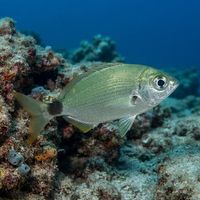
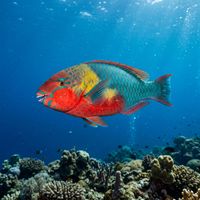
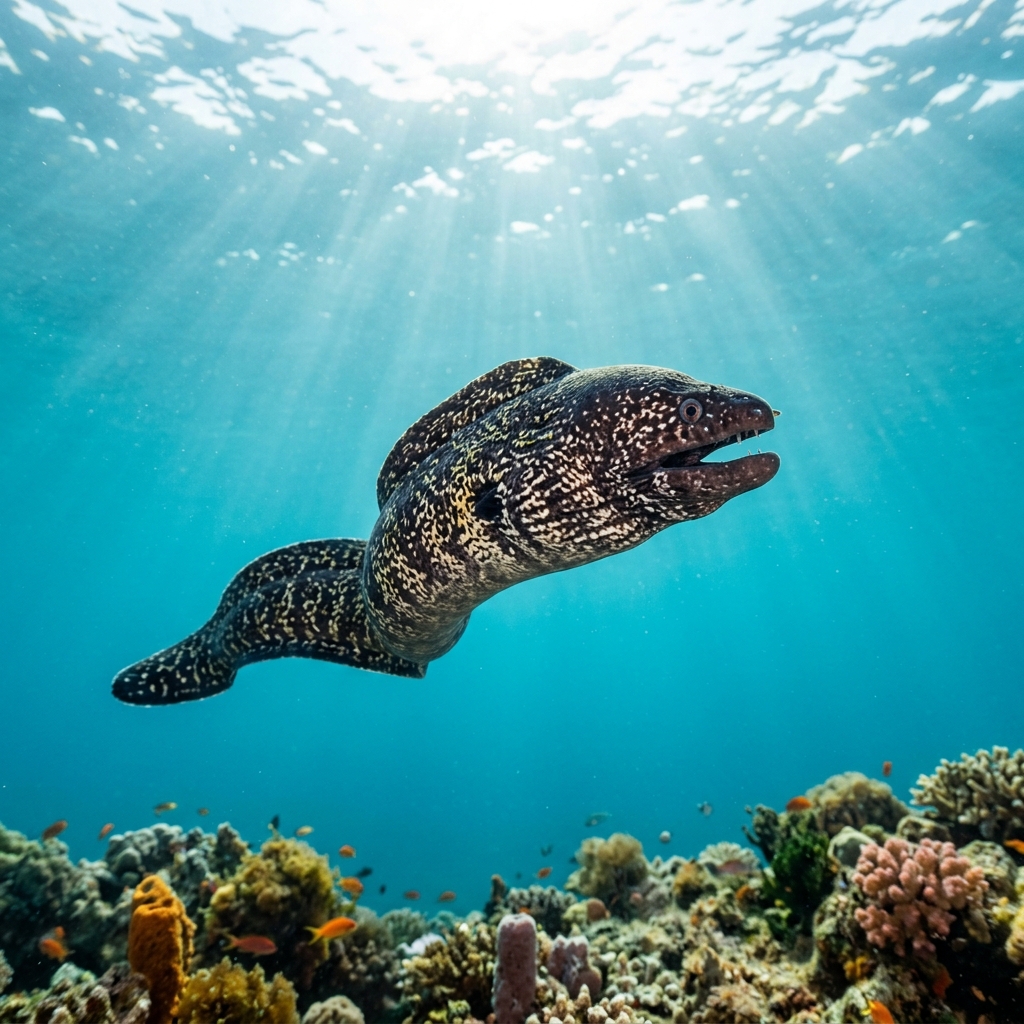
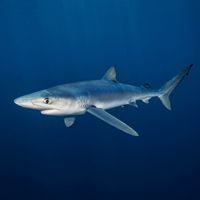
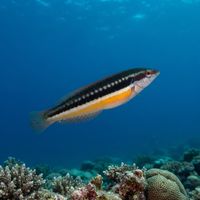
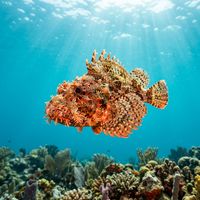
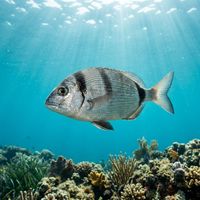
The Mediterranean Cardinalfish is present across almost every site in the region. Common sightings also include the Common Octopus, Painted Comber, Turkish Wrasse, and Scorpionfish. More memorable encounters include the Blue Shark, Indian Lionfish, Mediterranean Moray, and Conger Eel, while Gorgonian and Cleaner Shrimp reward patient observers on the deeper walls.
Yes, there are sites suited to newer divers alongside more challenging intermediate options. Sea Star in Dubrovnik is a shore-entry reef at shallow depths, and Drasan plic and Ankovica are also rated beginner-friendly despite being boat access. The majority of sites across Lastovo and Korčula are rated intermediate, reflecting deeper walls, caves, and occasional drift conditions.
Lastovo holds the largest concentration of sites and specialises in deep walls, cave systems, drift dives, and wrecks, mostly reached by boat. Korčula offers a solid mix of reef and wall diving with a good spread of conditions. Dubrovnik has fewer sites but includes accessible shore entries that work well for beginners. Mljet has the fewest sites in the region and suits those looking for a quieter, less-frequented experience.
The majority of sites across Southern Dalmatia require boat access, particularly around Lastovo, Korčula, and at remote offshore locations such as Palagruza and Susac. Shore entries do exist, notably Sea Star in Dubrovnik and Za Planiku off Lastovo. Several dive operators are based in the region, including Abyss Dubrovnik, Croatia Divers, and Ancora, providing boat charters to the full range of sites.


