

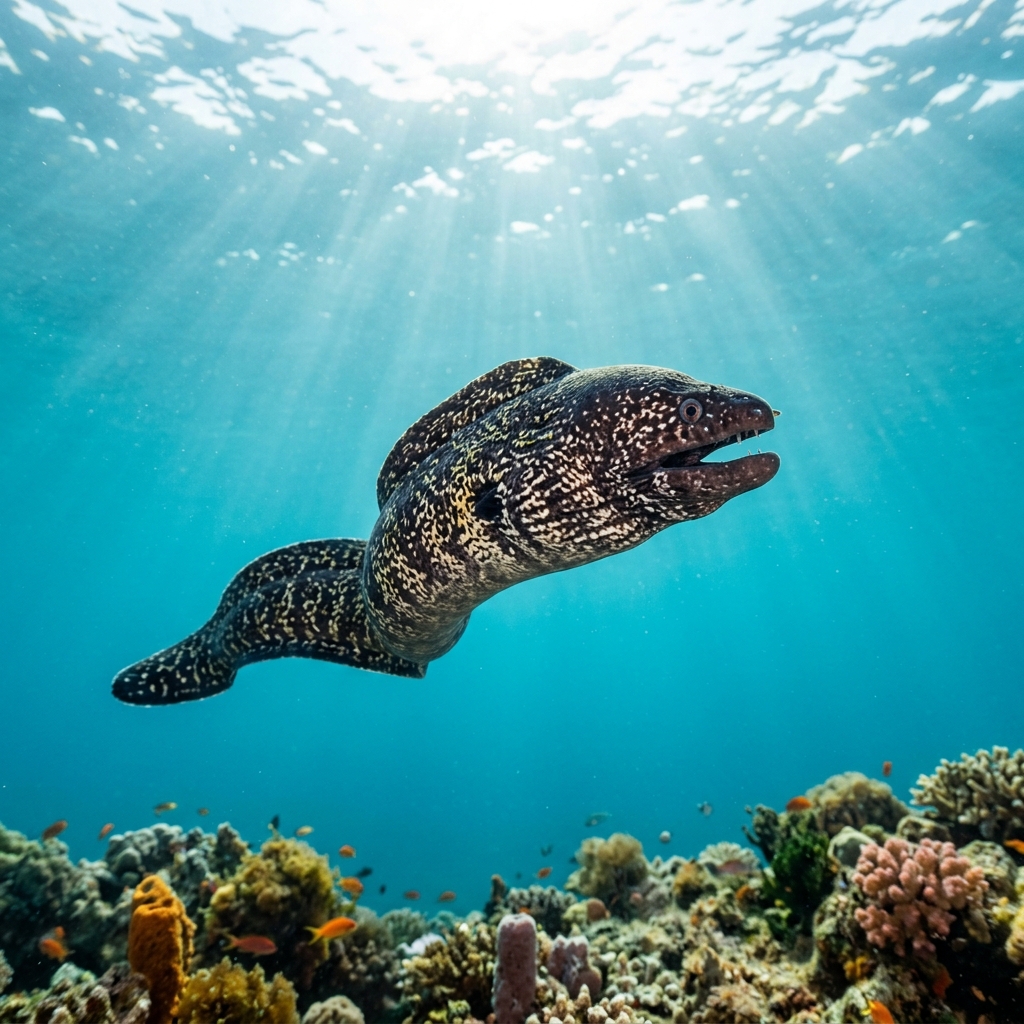
Central Dalmatia offers one of the most varied dive landscapes in Croatia, spanning four distinct sub-areas: Vis, Split & Brač, Hvar, and the Makarska Riviera. Vis alone accounts for a large share of sites and delivers the region's most dramatic profiles, from deep wrecks and technical pinnacles to cave systems and walls. Split & Brač adds challenging wall dives, while Hvar and the Makarska Riviera round out the offer with accessible reef diving. The Painted Comber and Castagnole are ever-present, while signature encounters include the Mediterranean Moray, Common Octopus, Dusky Grouper, and occasional Marbled Electric Ray.
4 areas
 56
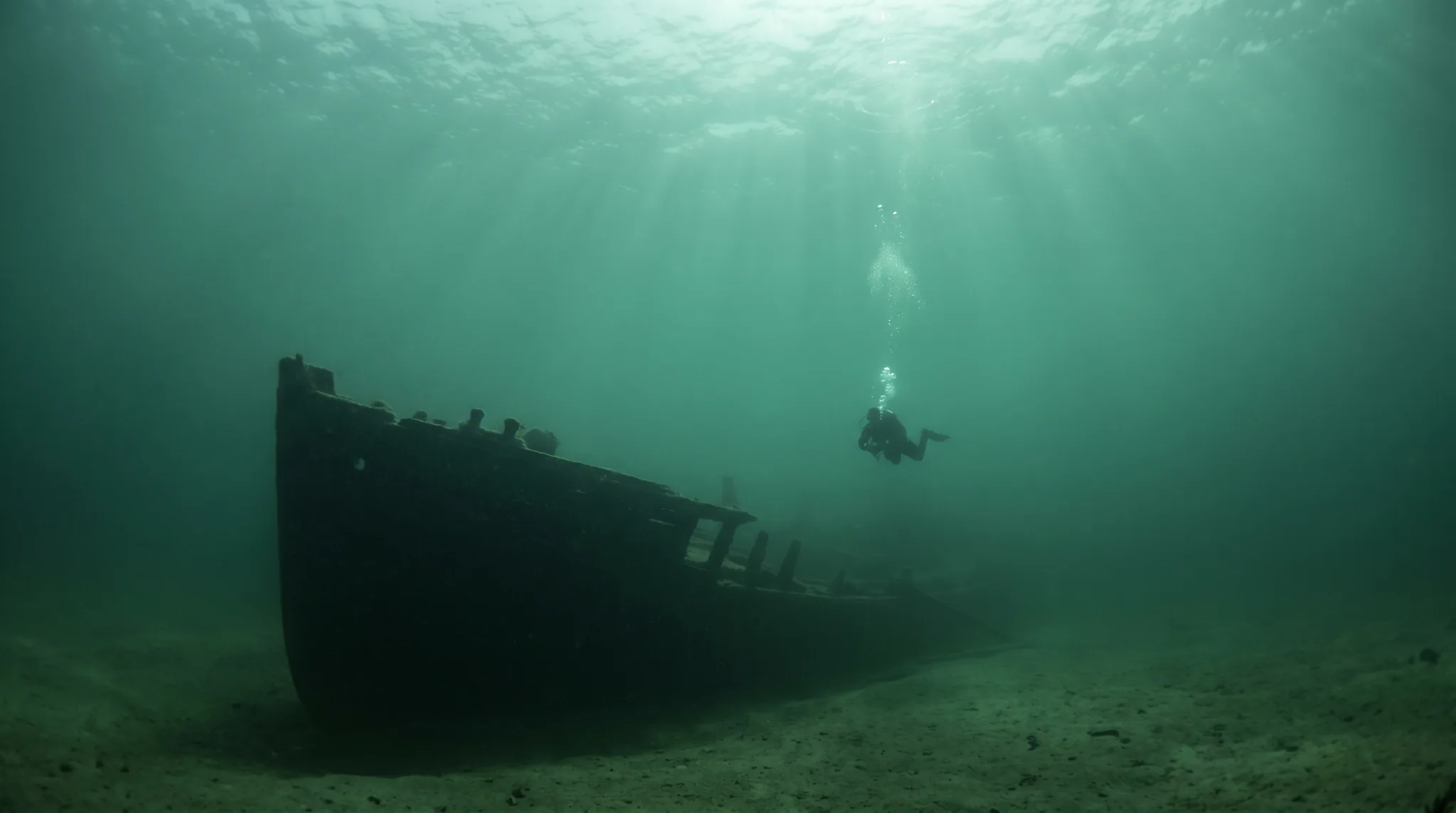
56A wreck-rich island with caves, walls and the Mediterranean Moray at every turn, split between two contrasting dive centres.
 49
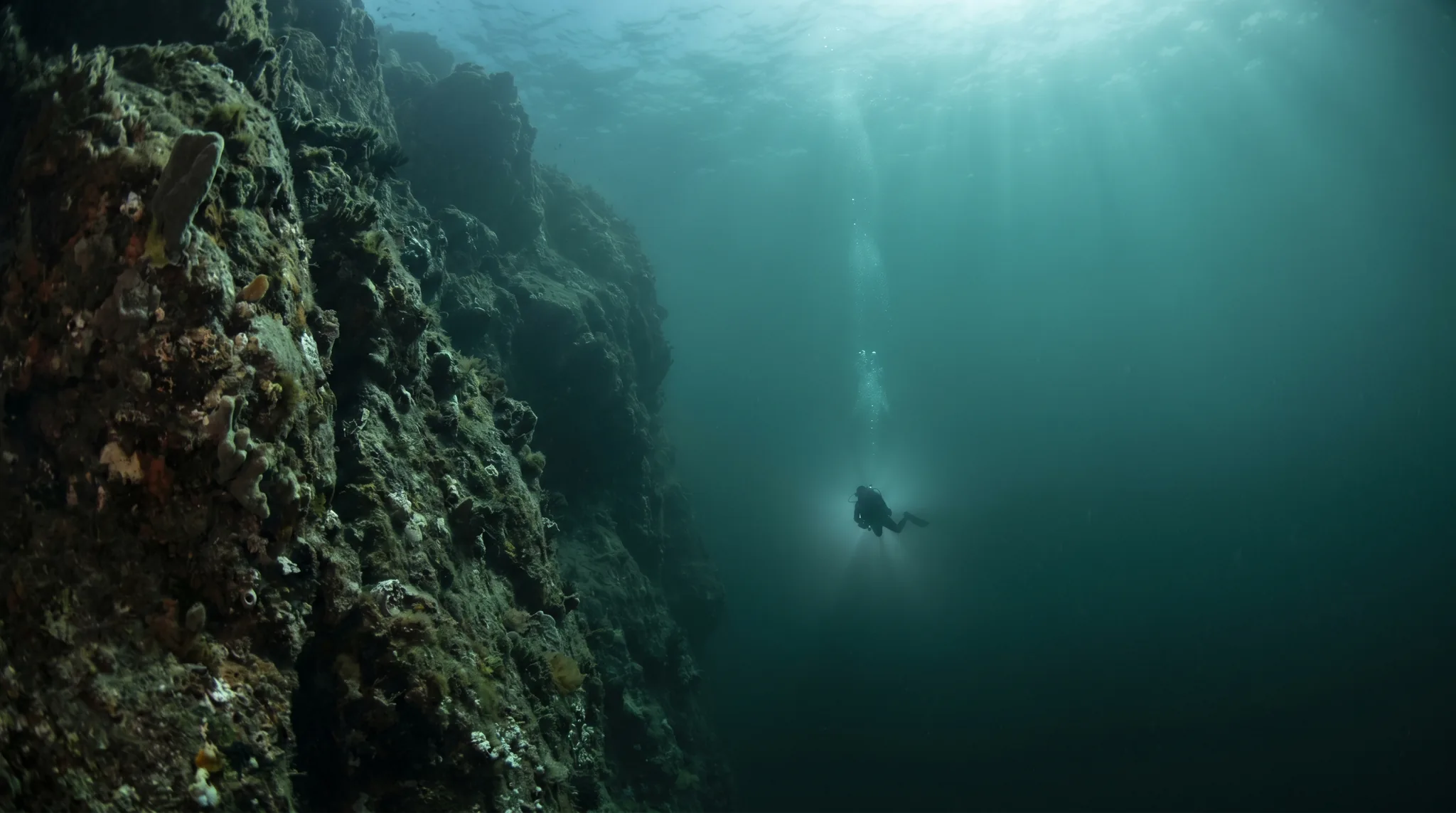
49Walls, wrecks, and caves between Split and Brač, with moray, octopus, and occasional Bluntnose Sixgill Shark sightings.
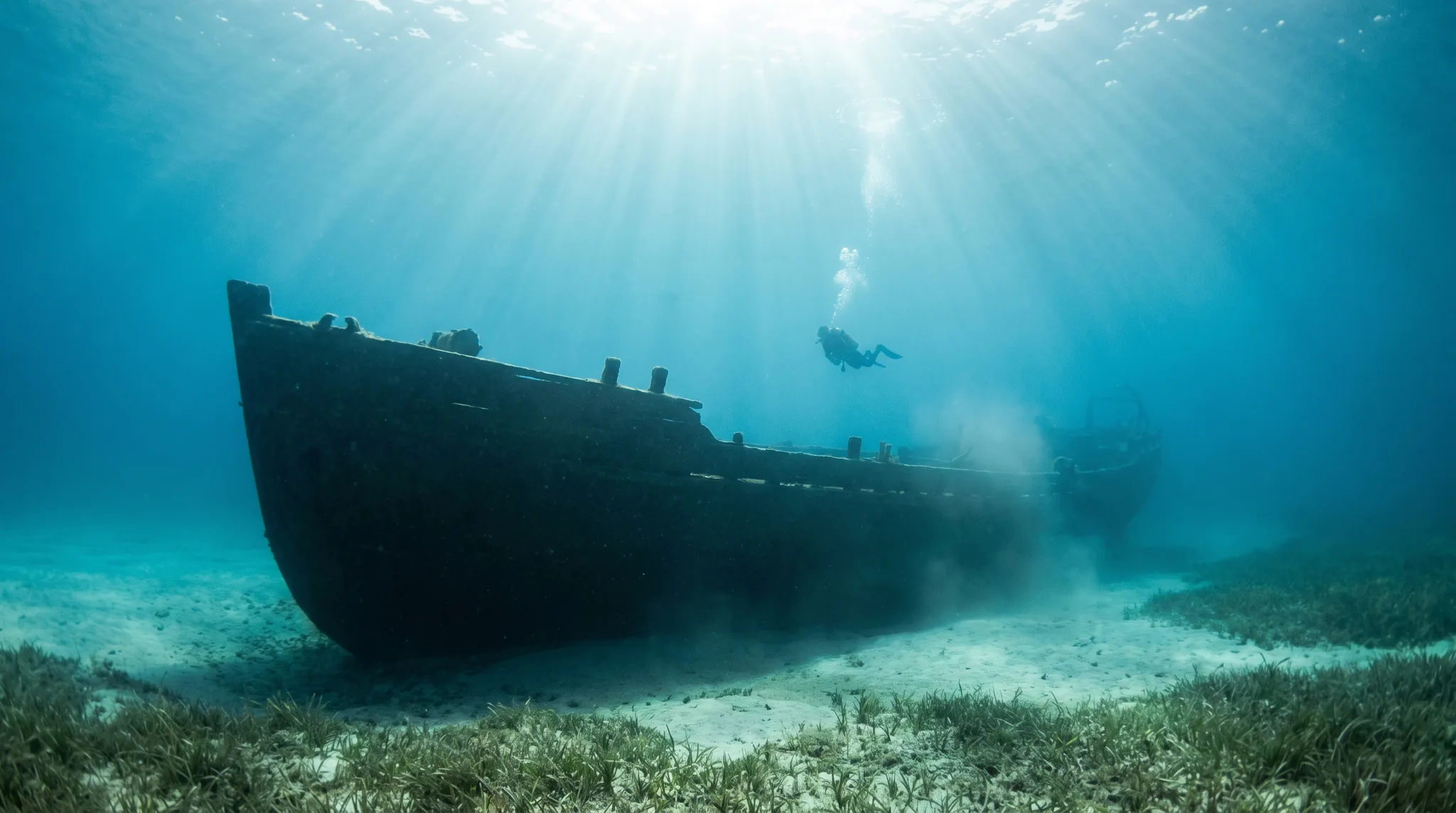
31Wall, reef and cave diving with prolific cephalopods and a wide depth range for all levels.
 12
12
Monthly water temperature across Central Dalmatia's sites, from satellite sea-surface data corrected for depth. The band shows the site-to-site spread.
Water temperatures follow a clear seasonal arc, rising from their coolest in late winter through spring, peaking in autumn, and dropping again through December. The warmest and most popular months run from late spring through October, when conditions suit the widest range of divers. Outside this window the water cools noticeably, rewarding those willing to dive with thicker exposure protection and often quieter sites.
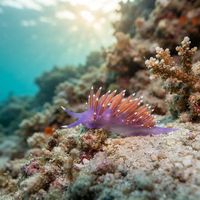

60 operators
Komiza, Croatia
Reefs, caves and wrecks including an ancient amphora site, with rich fish life across beginner to technical dives.
Water temperature around Central Dalmatia ranges from about 14°C in February to 20°C in October, based on satellite sea-temperature data for its dive sites.
In the warm season (about 20°C) a 5mm suit is comfortable in Central Dalmatia; in the coldest months (about 14°C) step up to a 7mm or semi-dry suit.
Fin maps 148 sites in Central Dalmatia (140 scuba diving sites and 15 snorkelling spots, with some suited to both), organised into 4 areas.
Across Central Dalmatia's dive sites, May, June, July, August, September and October are most often reported as the best months to visit.
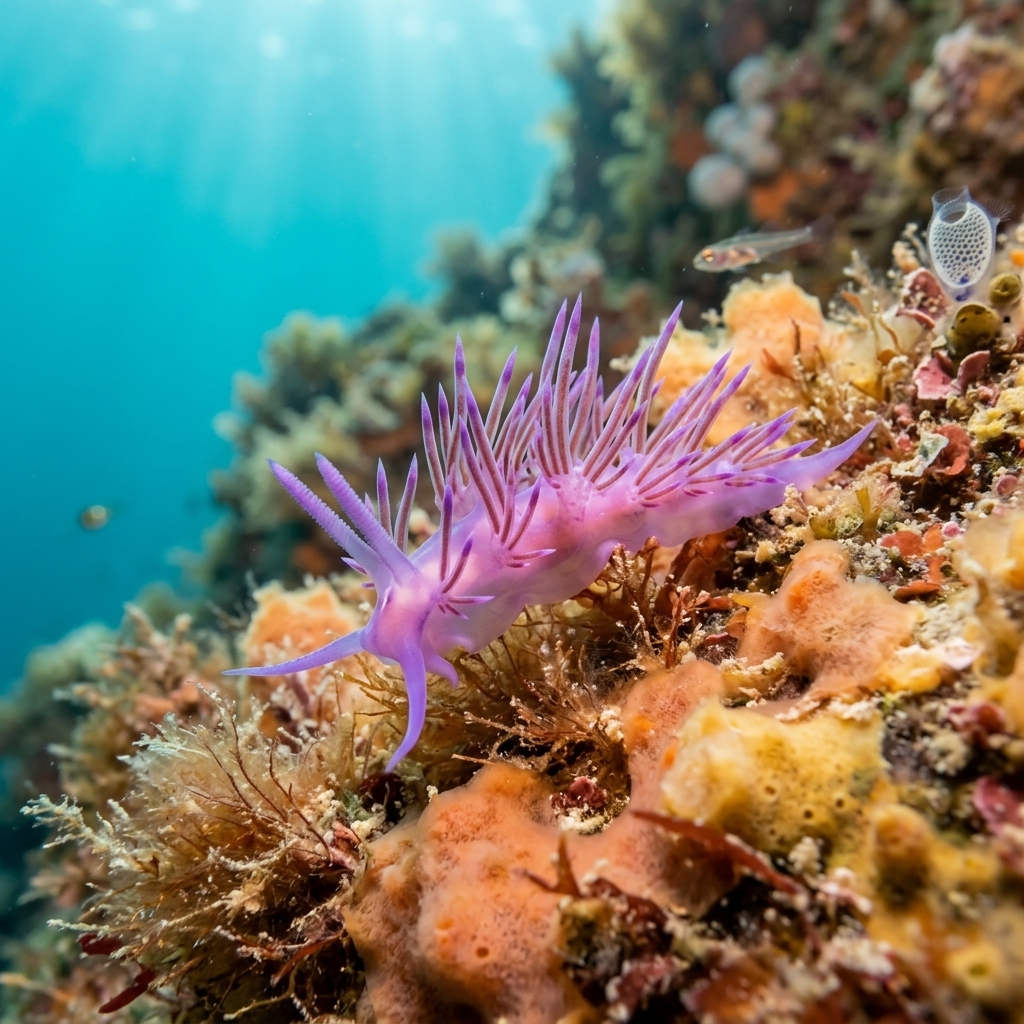
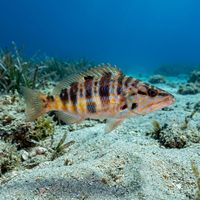
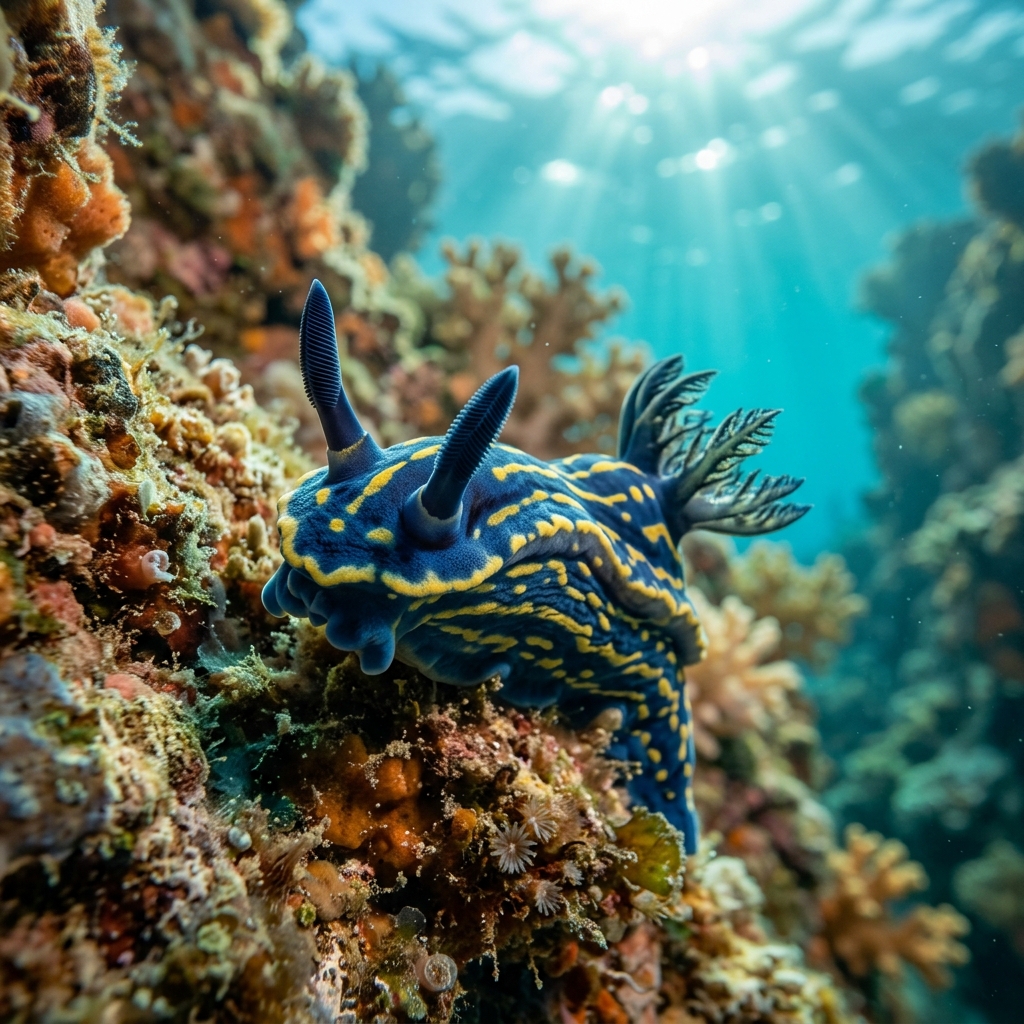
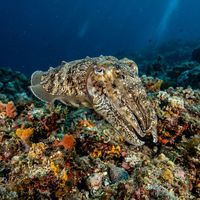
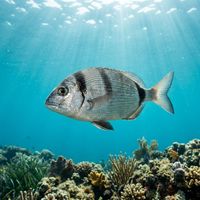
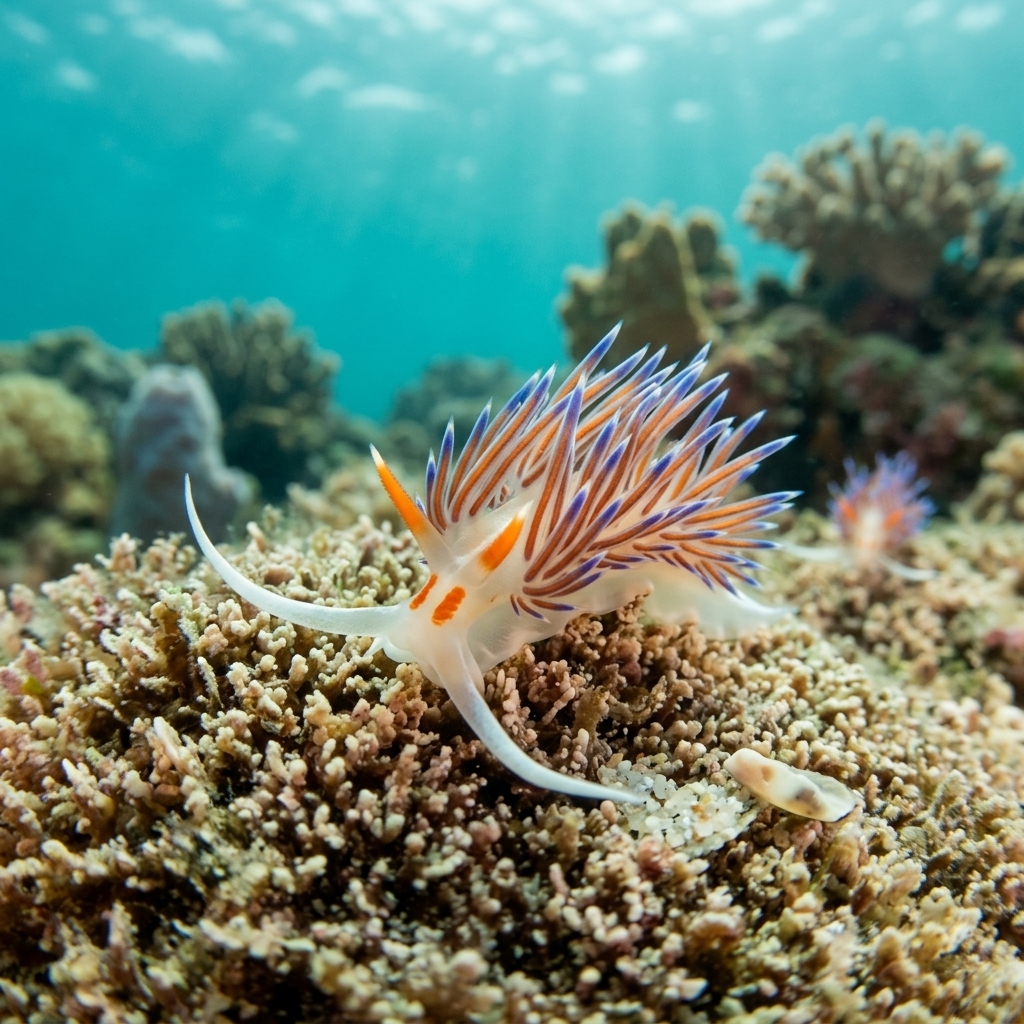
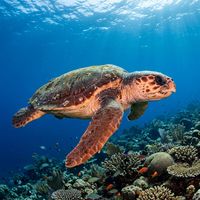
The Painted Comber and Castagnole are observed across the vast majority of sites, making them reliable companions on almost any dive. Signature species include the Mediterranean Moray, Common Octopus, European Common Cuttlefish, and Dusky Grouper. Less frequent but recorded encounters include the Marbled Electric Ray and Loggerhead Sea Turtle. Nudibranch lovers will find the Mediterranean Violet Aeolid, Giant Doris, and Cratena Slug well represented.
Yes, a solid portion of the region's sites are rated for beginners. Shore-entry options such as Lucica Beach offer shallow, relaxed conditions ideal for new divers, while beginner-friendly boat sites like Wreck Stomarica and Stiniva Bay provide variety without demanding deep profiles. Intermediate and advanced sites are also plentiful for those looking to progress, particularly around Vis.
Vis is the most site-dense sub-area and hosts the region's most demanding dives, including deep wrecks such as the Brioni Wreck and technical pinnacles like Kampanel. Split & Brač offers wall dives with significant depth, including advanced sites like Sarac and Bunker. Hvar provides a mid-range selection of reef and wall dives, while the Makarska Riviera has a smaller, more focused set of sites suited to those based along that stretch of coast.
The majority of sites require boat access, reflecting the island and offshore nature of the region's best diving. A smaller number of sites offer shore entry or a combined shore and boat option, useful for independent divers. Operators active in the region include Najada Diving, Aquanaut Diving Centar, Tramonto, Fundiving, Diving centar Pongo, B-24 Diving Center, and Manta, among others, spread across the sub-areas.


