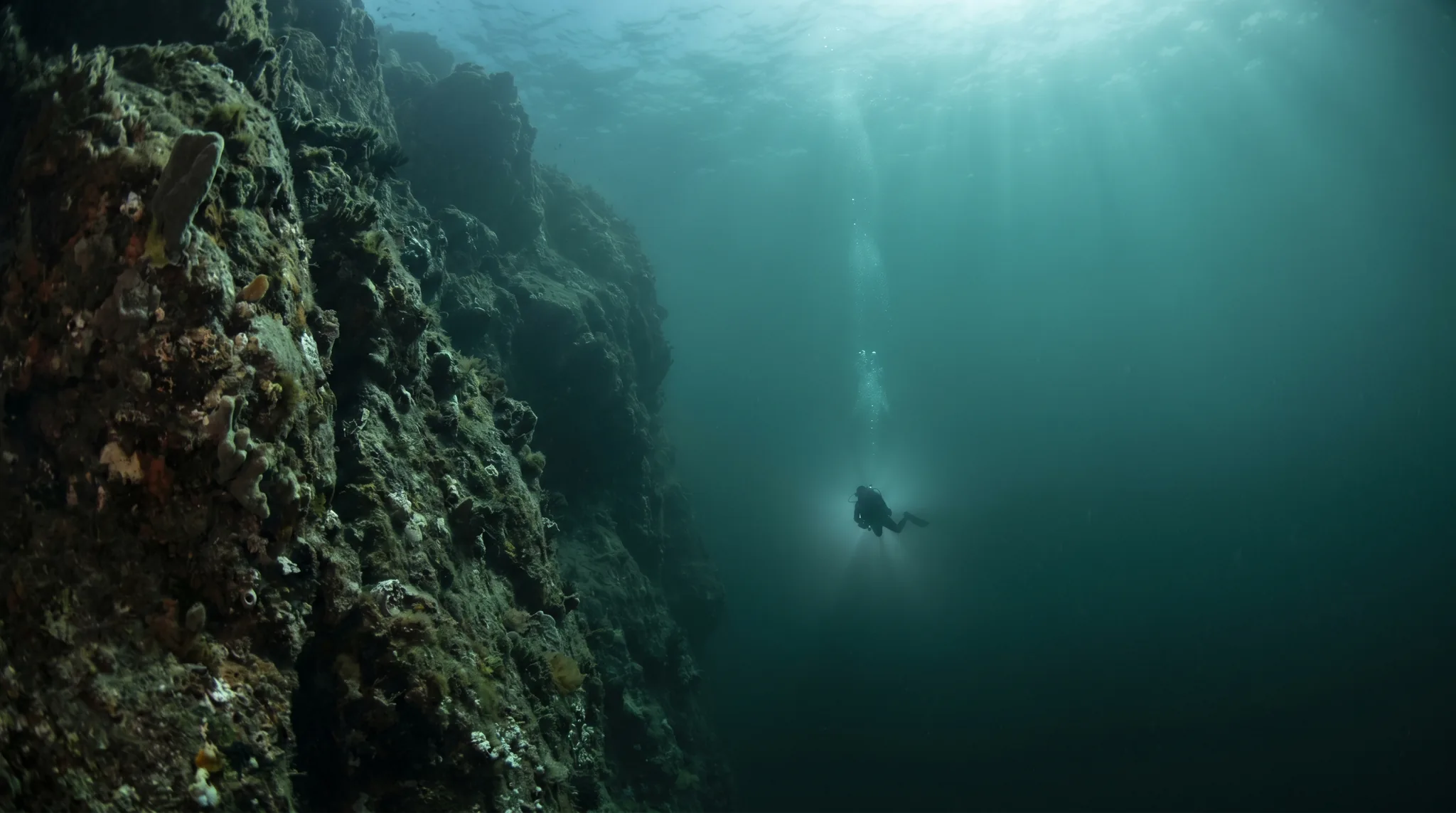
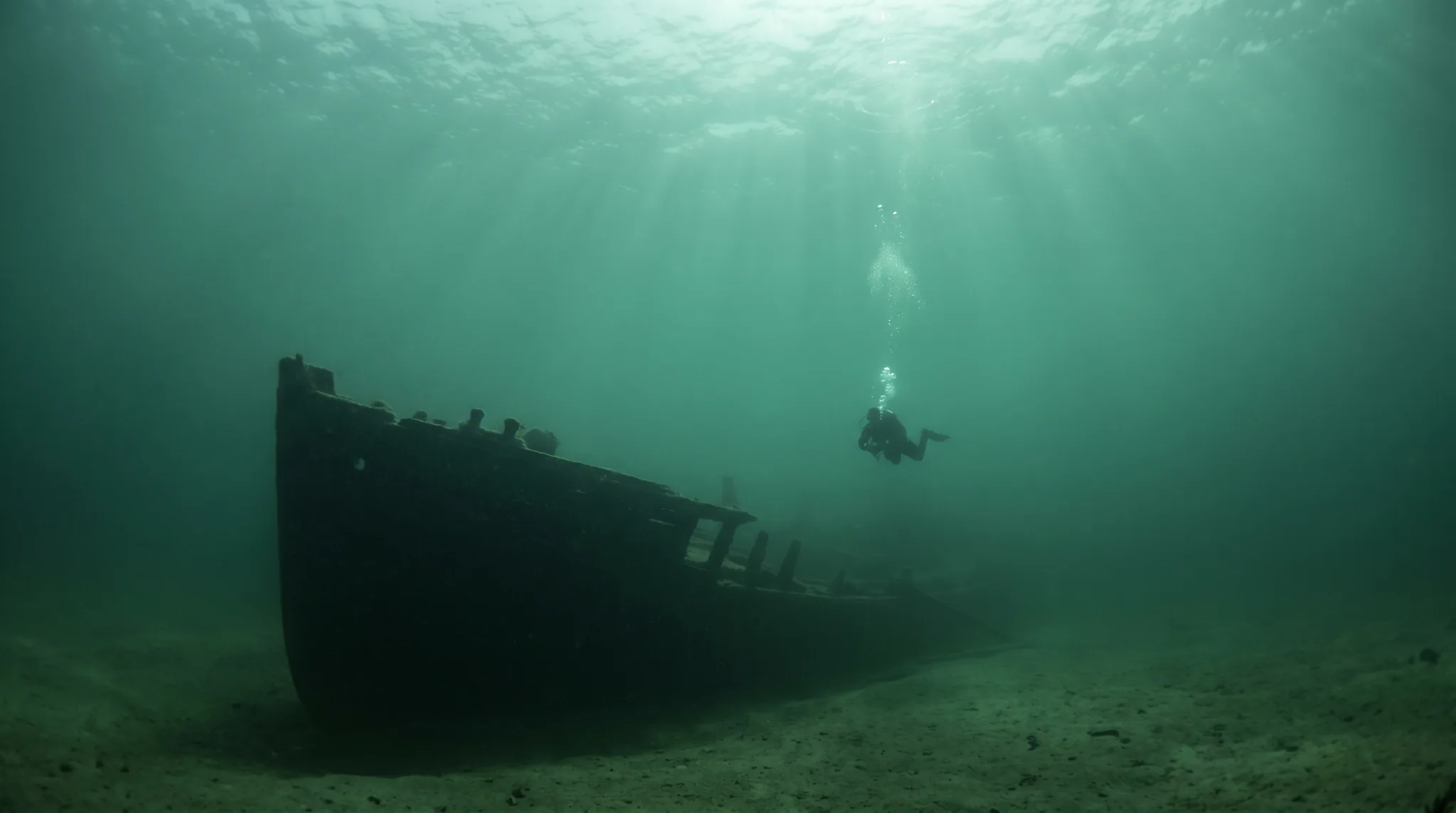
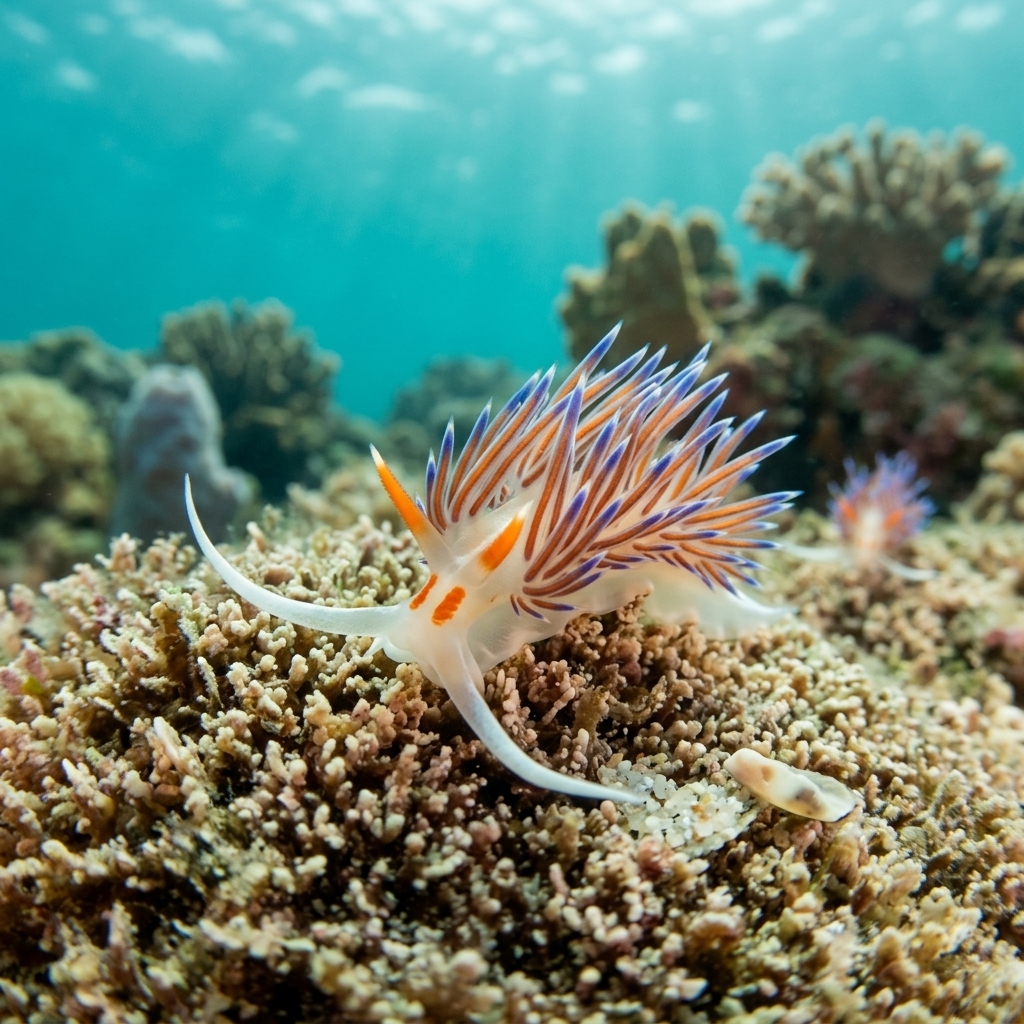
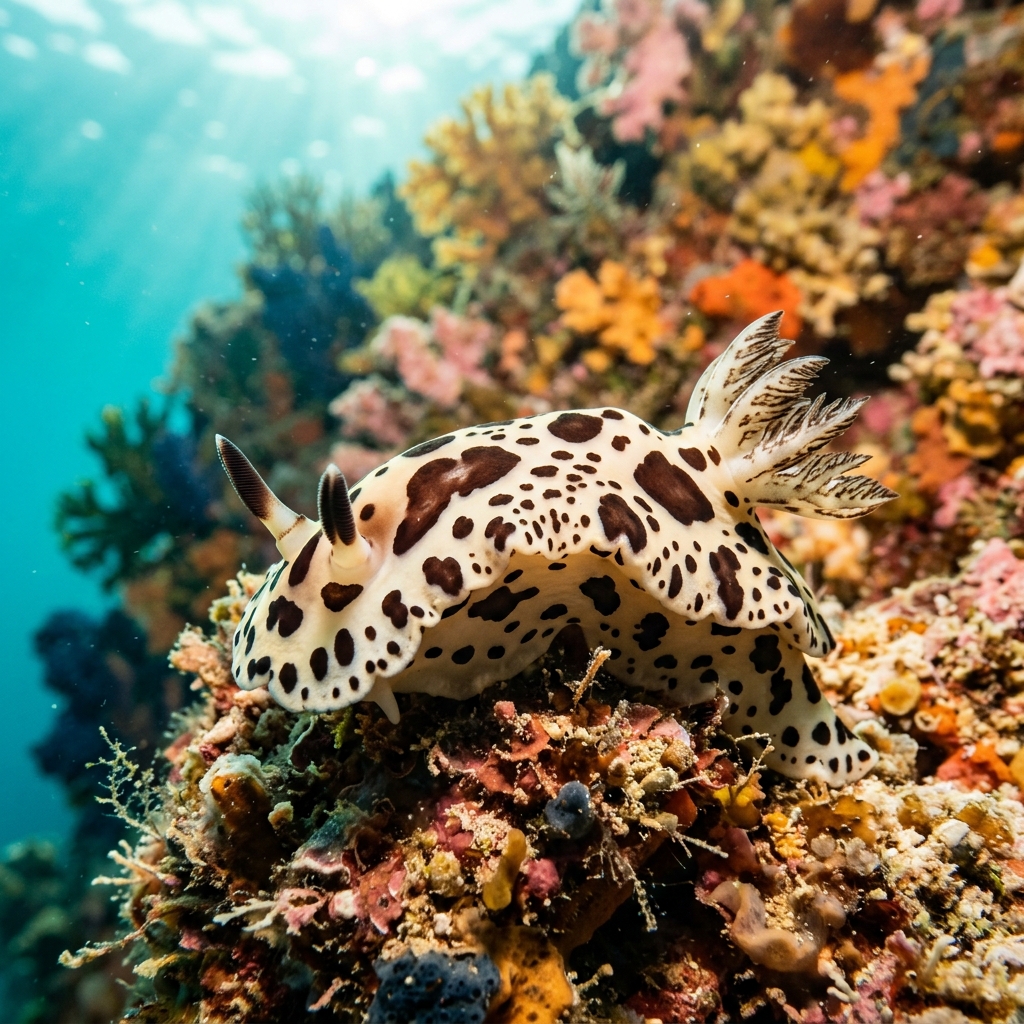
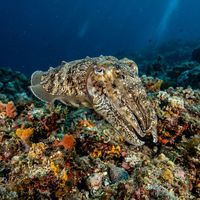
Krk delivers a varied underwater landscape dominated by walls, caves, reefs, and wrecks, with sites spanning from shallow beginner-friendly dives to deep technical adventures. Nudibranch diversity is a standout feature: the Cratena Slug, Splendid Elysia, White-spotted Yellow Nudibranch, and Mediterranean Violet Aeolid are all regularly sighted. Cephalopods, particularly the European Common Cuttlefish and Common Octopus, are signature encounters. Most sites require boat access, and conditions are at their best from late spring through early autumn.
Monthly water temperature across Krk's sites, from satellite sea-surface data corrected for depth. The band shows the site-to-site spread.
Water temperature rises steadily from cool spring conditions into warm summer peaks in July and August, making the warmer months the most comfortable for longer dives. Autumn sees a gradual cooling that still supports good diving well into October. The best-months data places the peak season firmly between late spring and early autumn, with summer bringing the highest diver activity.
21 operators
Njivice, Croatia
Croatia
Croatia
Water temperature around Krk ranges from about 11°C in February to 25°C in July, based on satellite sea-temperature data for its dive sites.
83 more sites to explore
In the warm season (about 25°C) a 3mm full suit is comfortable in Krk; in the coldest months (about 11°C) step up to a drysuit.
Fin maps 95 sites in Krk (93 scuba diving sites and 14 snorkelling spots, with some suited to both).
Across Krk's dive sites, June, July, August and September are most often reported as the best months to visit.
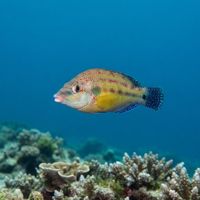
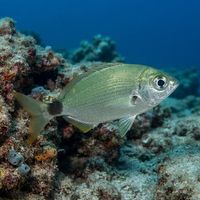
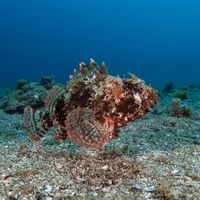
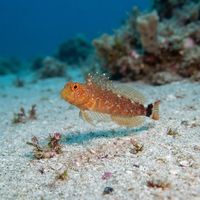
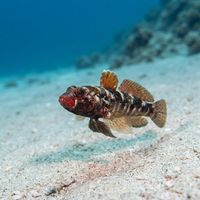
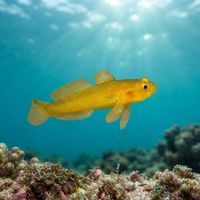
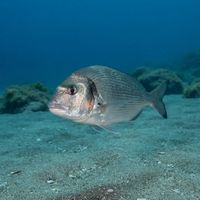
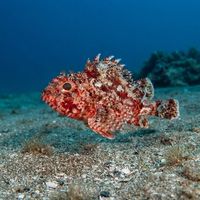
Krk's reefs and walls host a rich variety of species that are regularly observed. Painted Comber, Two-banded Seabream, Scorpionfish, Bream, and Tompot Blenny are very common across sites. Nudibranch encounters are a particular highlight, with the Cratena Slug, Splendid Elysia, and Mediterranean Violet Aeolid all frequently spotted. The European Common Cuttlefish and Common Octopus are considered signature species of the area.
The majority of dive sites in Krk are boat-access only, so working with one of the local dive operators is the most practical approach. A number of operators are available, including Dive Center Krk, Galathea Diving Center, and Pelagos Diving Center, among others. A handful of sites such as Kap Selzine, Ravni, and Stupova offer both shore and boat entry options for greater flexibility.
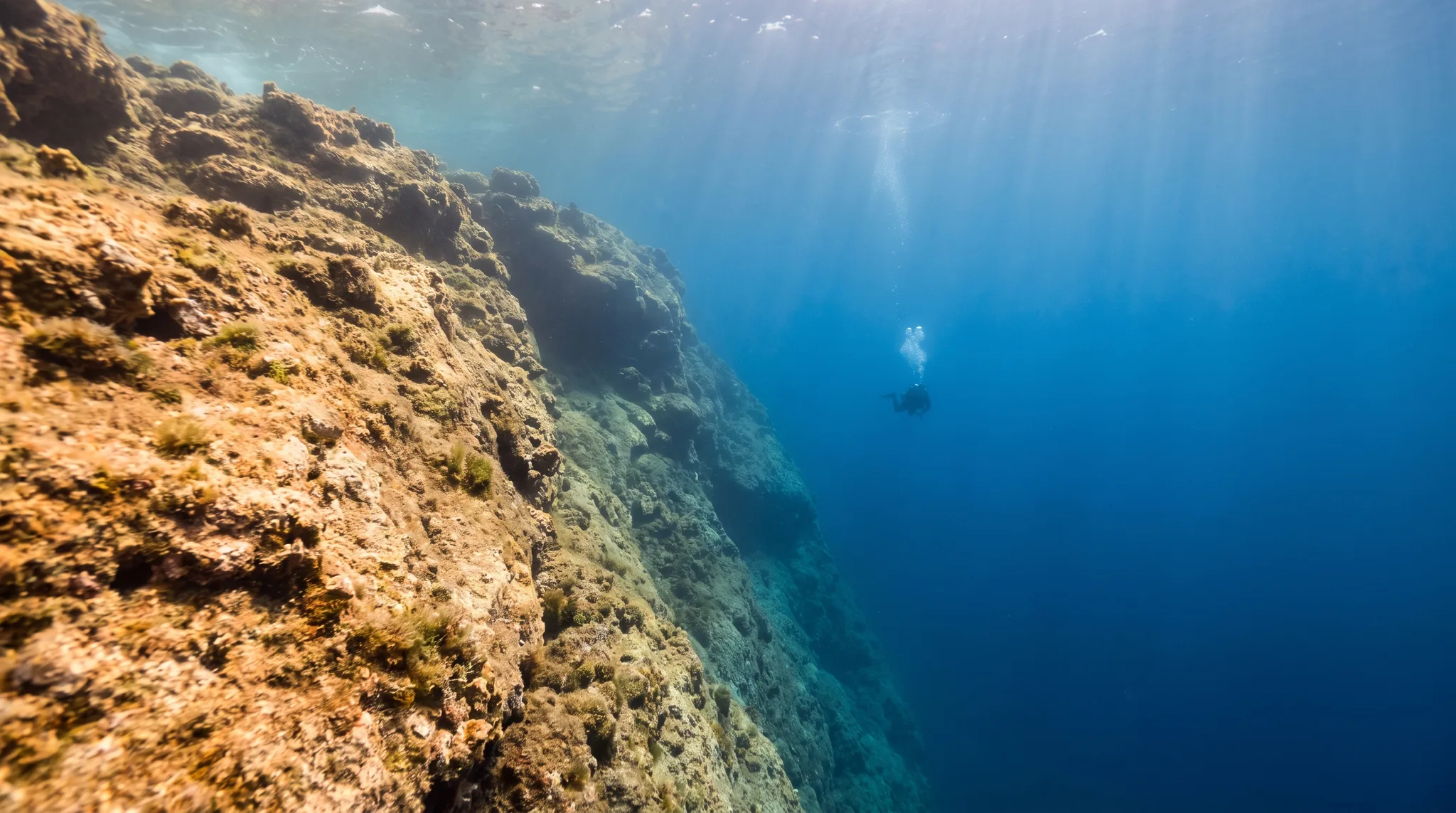
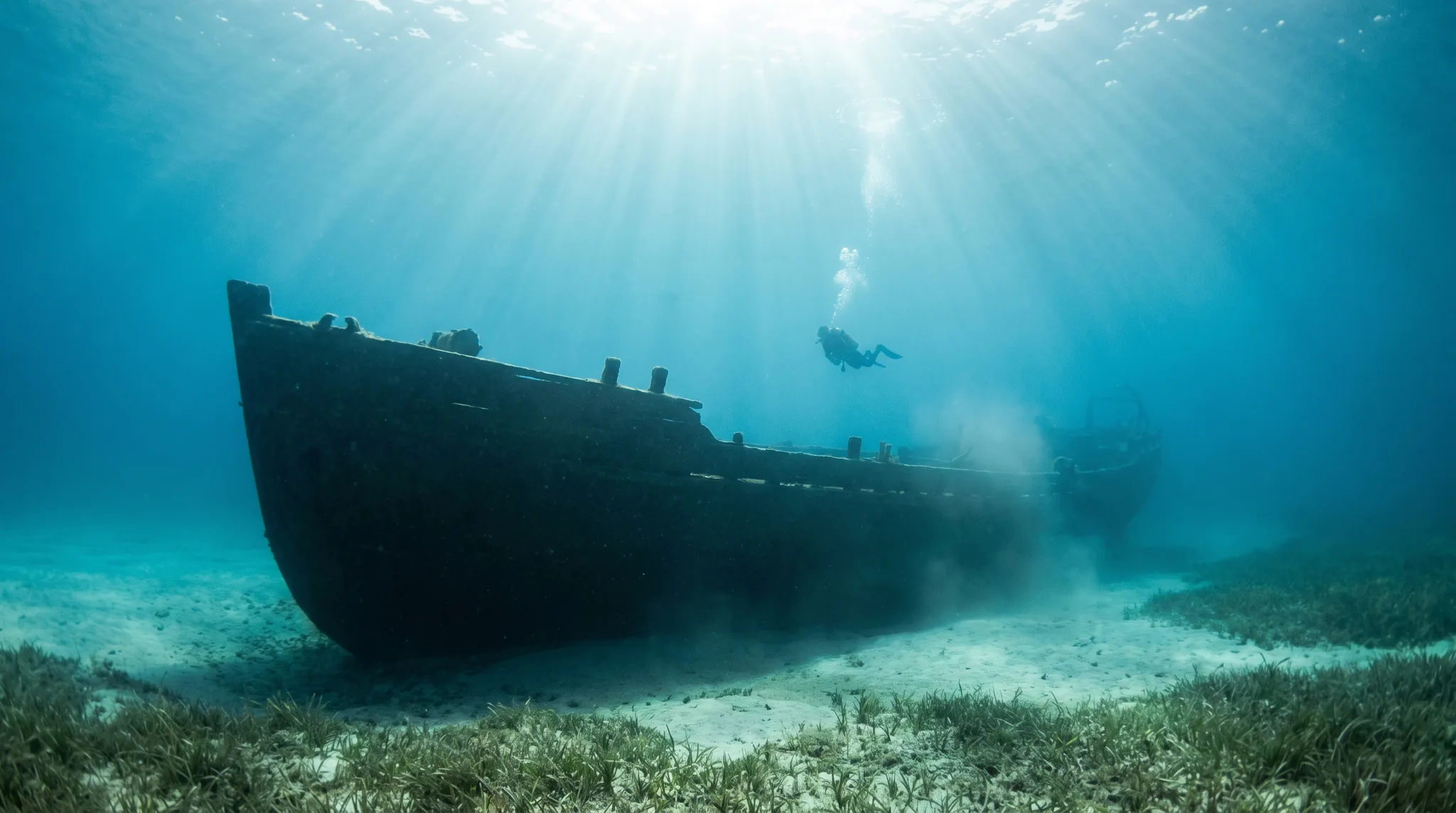
Krk has a broad mix of site types, which is one of its strongest appeals. Walls and reefs form the backbone of the offering, often combined with cave systems and drop-offs at sites like Mali Plavnik and Cres Mezulin. Wreck divers are also well served, with several wrecks at varying depths including the Shipwreck Peltastis, the Mafia Wreck, the Lina Wreck, and the deep technical Vis Wreck.