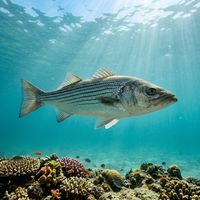
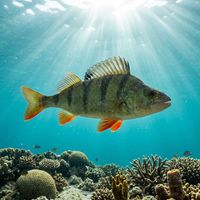
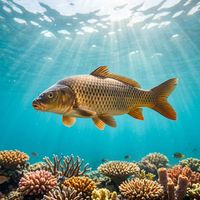
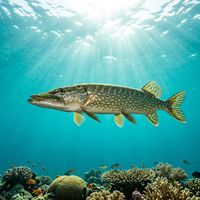
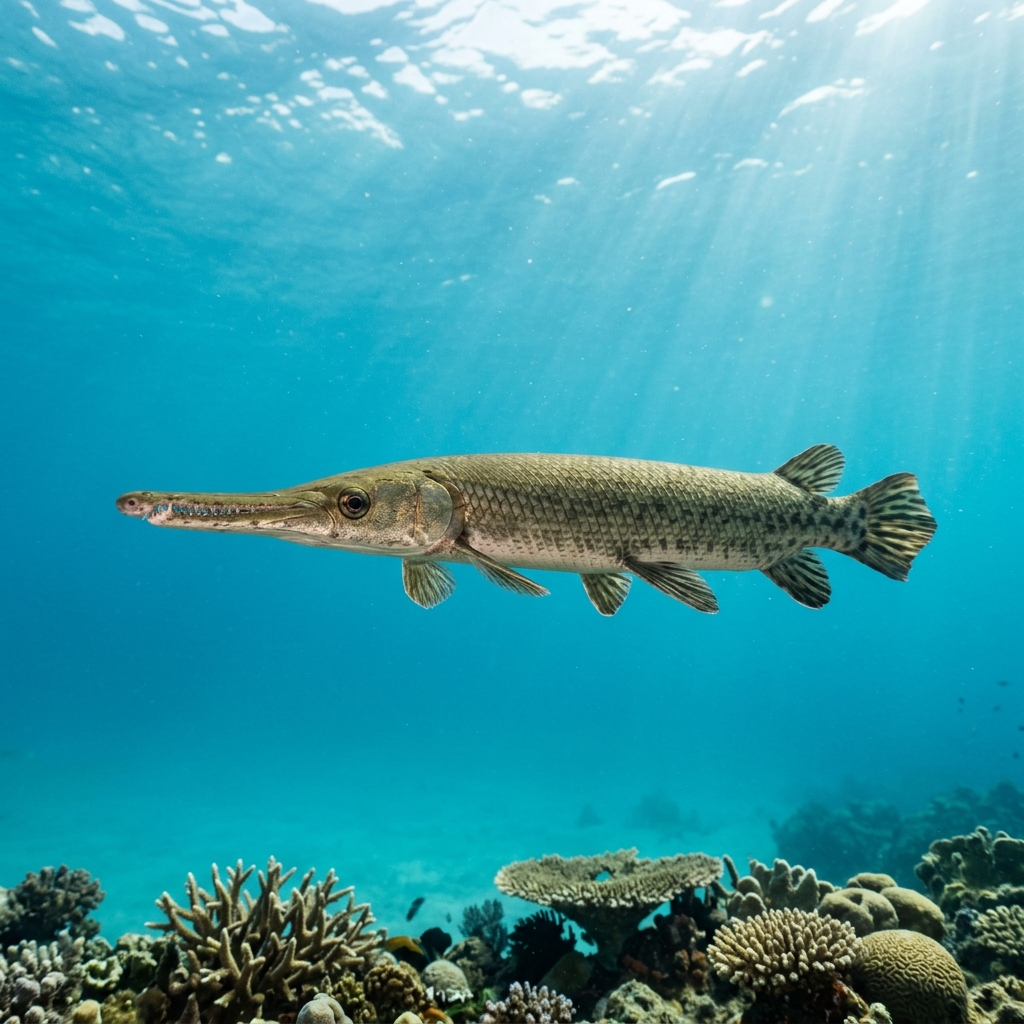
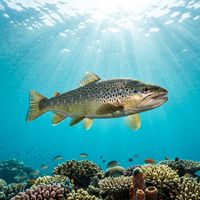
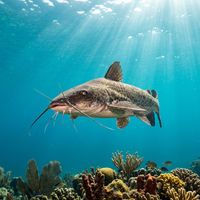
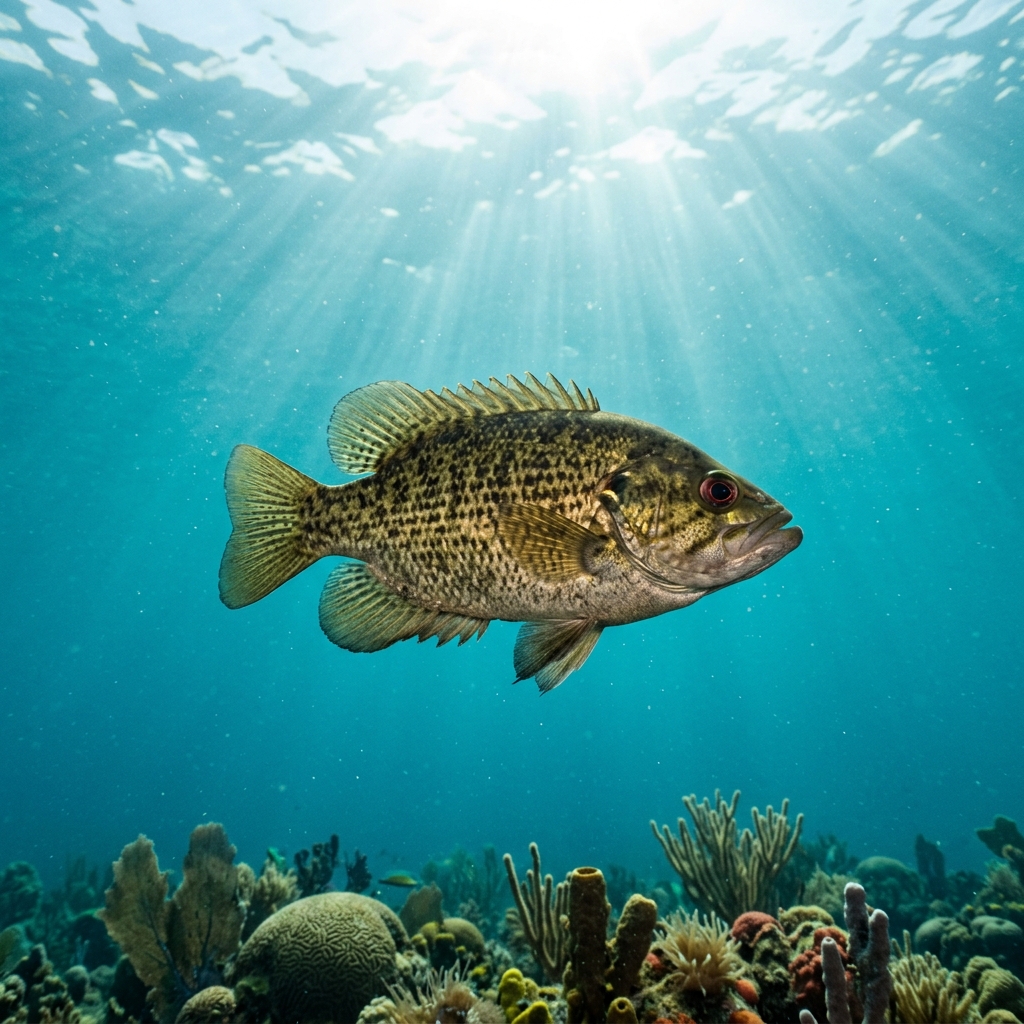
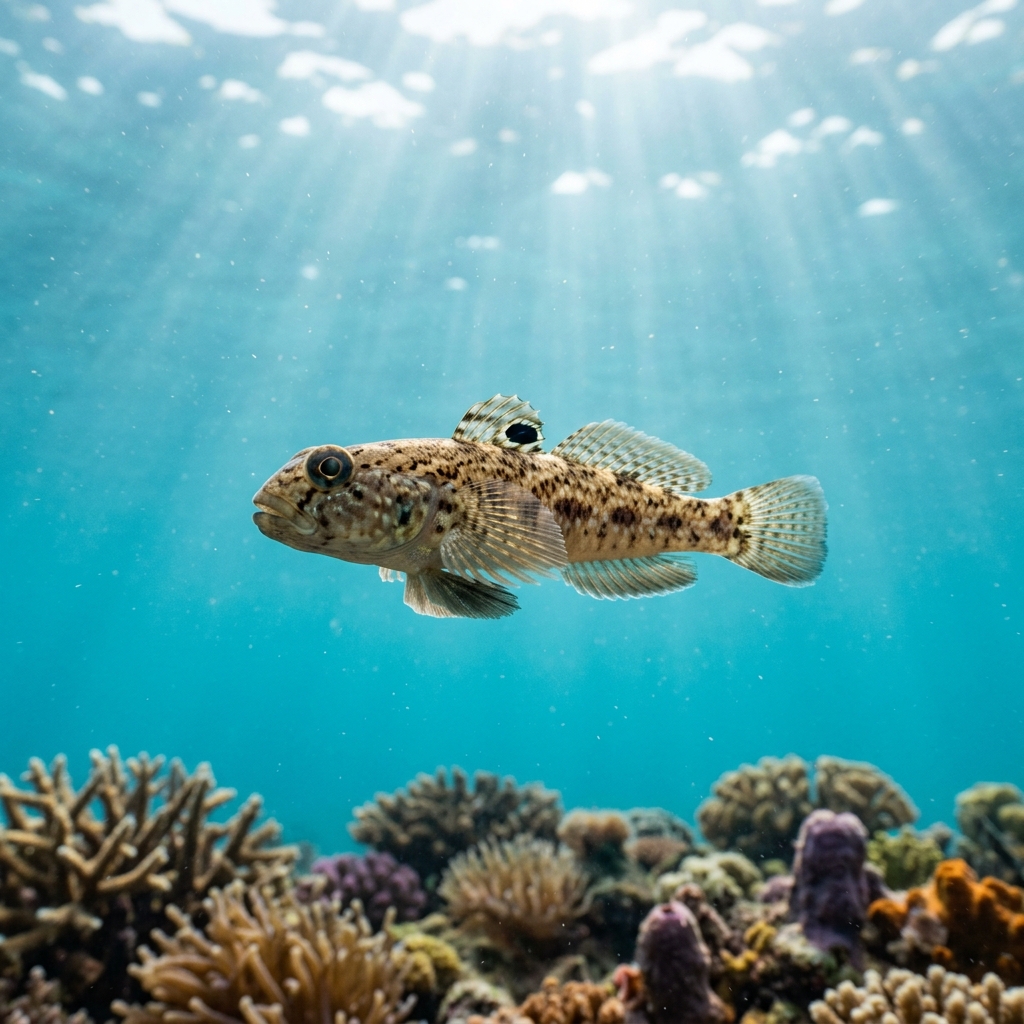
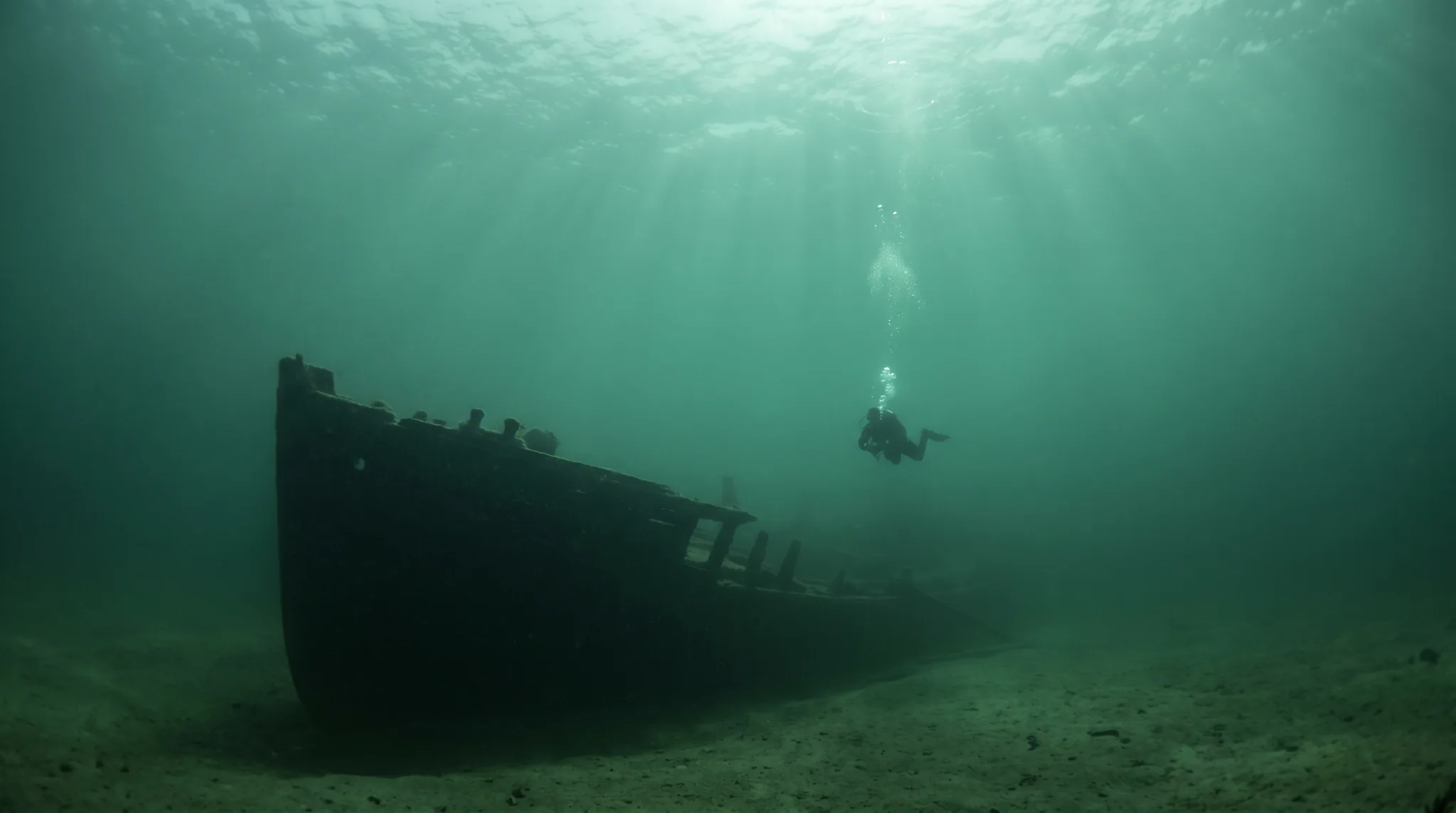
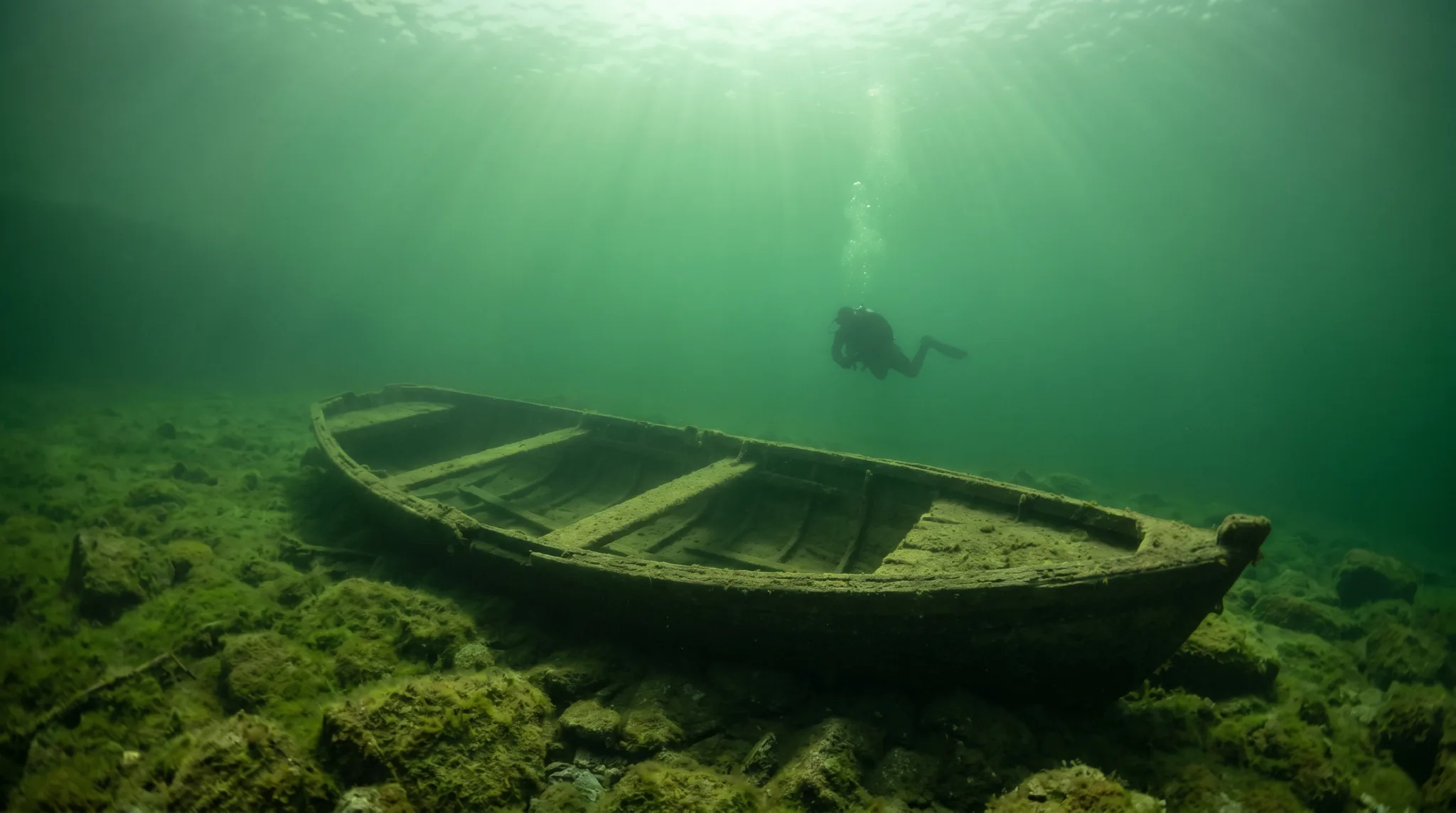
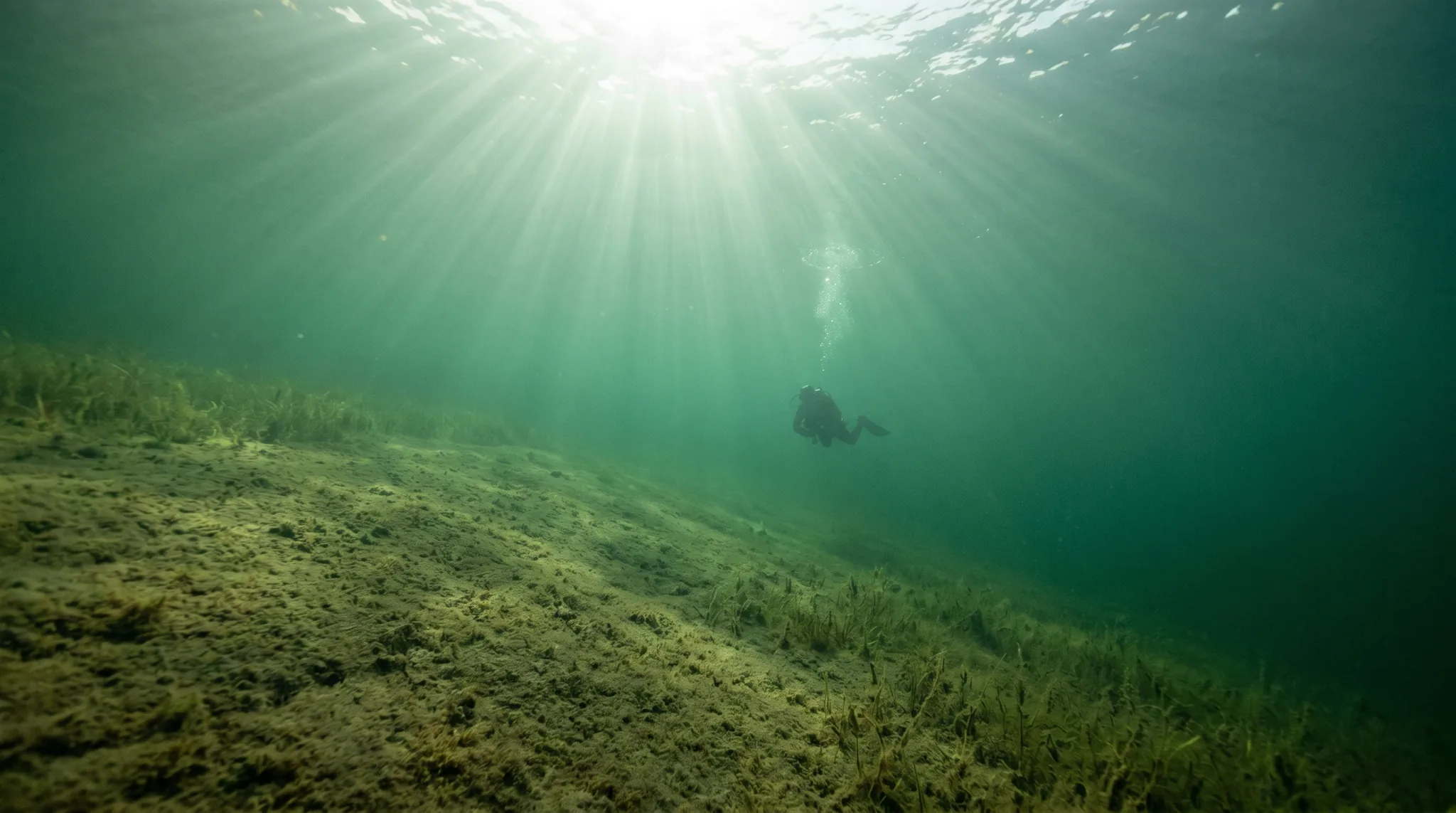
Brockville and Thousand Islands is defined by freshwater wreck diving. The majority of sites lie along the Brockville Waterfront, with a smaller cluster spread across the Thousand Islands. Wrecks of wood, steel and purpose-sunk artificial reefs dominate the site mix, ranging from shallow shore entries suited to beginners through to deep boat dives for advanced divers. Temperate Bass, Pike, Perch and Carp are commonly observed, and the Longnose Gar makes an occasional appearance.
2 areas
13 operators

Bells Corners, Canada
Fin maps 28 sites in Brockville and Thousand Islands (25 scuba diving sites and 6 snorkelling spots, with some suited to both), organised into 2 areas.
16 more sites to explore
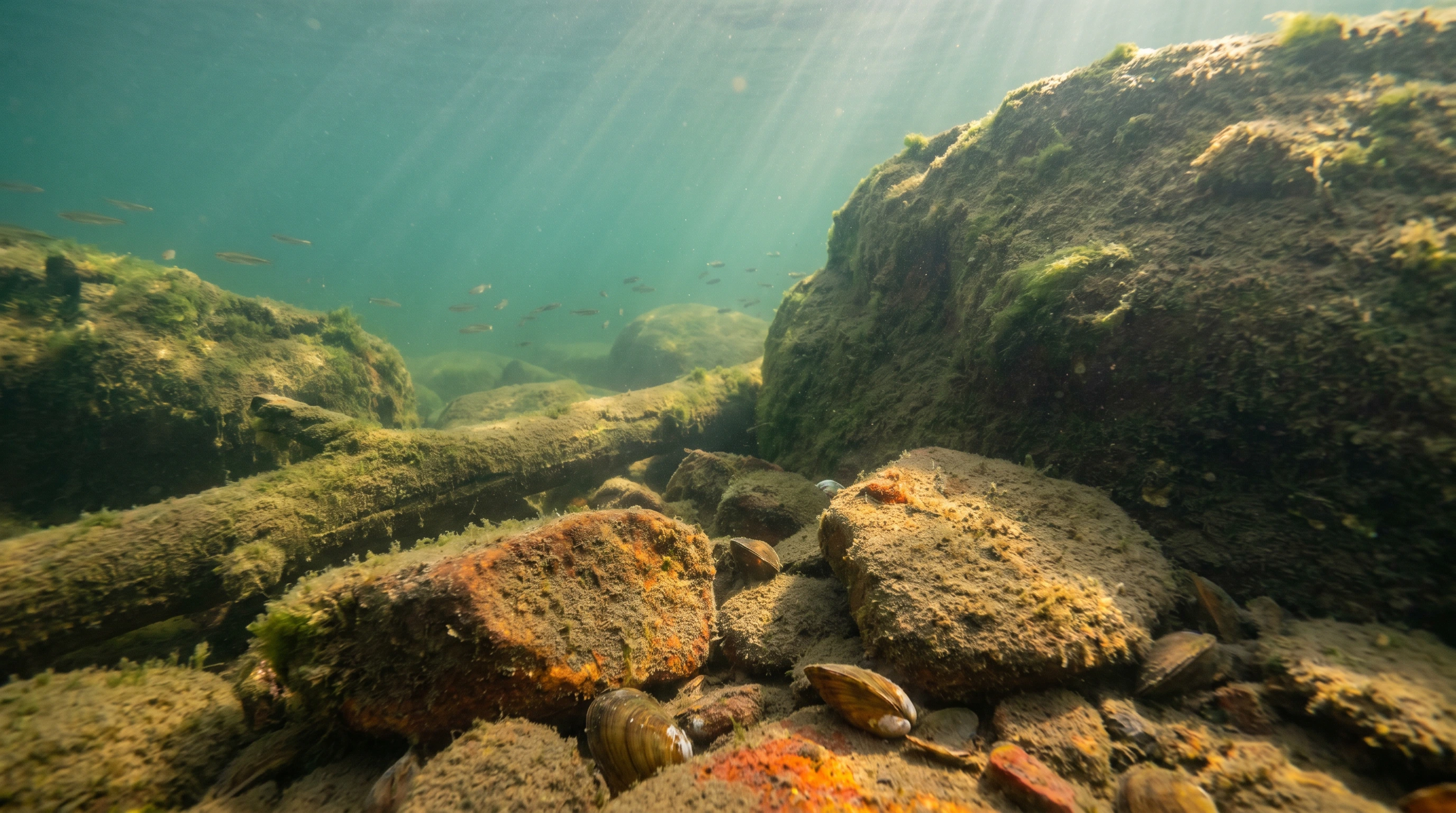
This is a freshwater environment, so the wildlife differs from coastal diving. Temperate Bass, Perch, Pike and Carp are commonly observed across many sites. Trout and Catfish appear occasionally, and the prehistoric-looking Longnose Gar has also been recorded by divers in the region.
It depends on the site. Several wrecks, including the Henry C. Daryaw and Kinghorn, sit at depths that require advanced certification and wreck diving experience. However, sites like the Conestoga Wreck and Lock 28 are rated beginner-friendly and accessible from shore. Intermediate divers have a wide choice of boat-access wrecks in between.
Both options exist. Shore-entry sites such as the Conestoga Wreck, Morrison Quarry and Lock 28 are accessible without a boat, making them convenient for independent divers. The deeper and more remote wrecks, including the Ash Island Barge and Muscallonge, require boat access. Several local operators including Dive Brockville Adventure Centre and Thousand Island Pleasure Diving can arrange boat charters.
The Brockville Waterfront holds the majority of sites and offers the greatest variety, from beginner shore dives to deep advanced wrecks. The Thousand Islands sub-area has fewer sites but includes notable dives such as Kinghorn and the Ash Island Barge. Divers based in Brockville can explore both areas, though the Thousand Islands sites typically require boat travel.