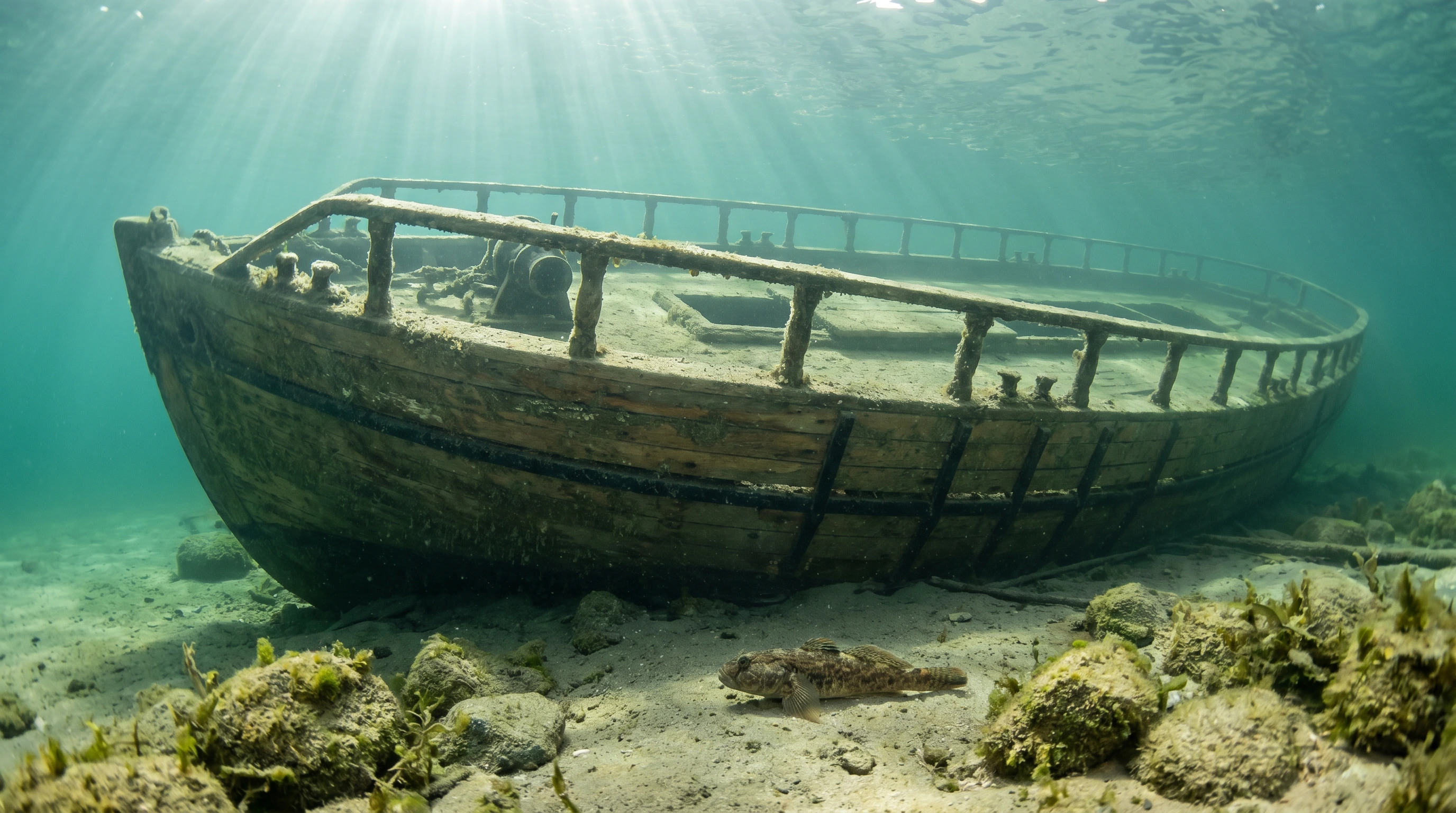
Lake Ontario is defined by its freshwater wreck diving and a surprisingly varied fish community. Submerged wooden schooners and steel vessels draw divers across sub-areas from Whitby and Pickering to Niagara-on-the-Lake, while shallower sites suit snorkellers and beginners. Common Carp, Round Goby, Trout, and the occasional Sturgeon are all observation-backed highlights. Water warms meaningfully through summer, making the warmer months the productive window for both activities.
5 areas
Monthly water temperature across Lake Ontario's sites, from satellite sea-surface data corrected for depth. The band shows the site-to-site spread.
Water temperatures remain cold through winter and early spring, rising through late spring and peaking in midsummer before cooling again by autumn. The warmest months bring the most comfortable diving conditions, though a drysuit or thick wetsuit is advisable outside the peak summer window. Currents can be notable at drift sites such as Navy Hall, where the Niagara River meets the lake.
33 operators

Etobicoke, Canada
Etobicoke, Canada
Etobicoke, Canada

71 more sites to explore
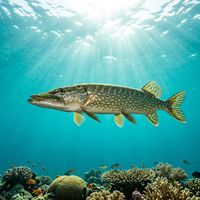
Freshwater snorkelling on Lake Ontario with reliably sighted Pike, trout, and carp in calm, accessible shallows.
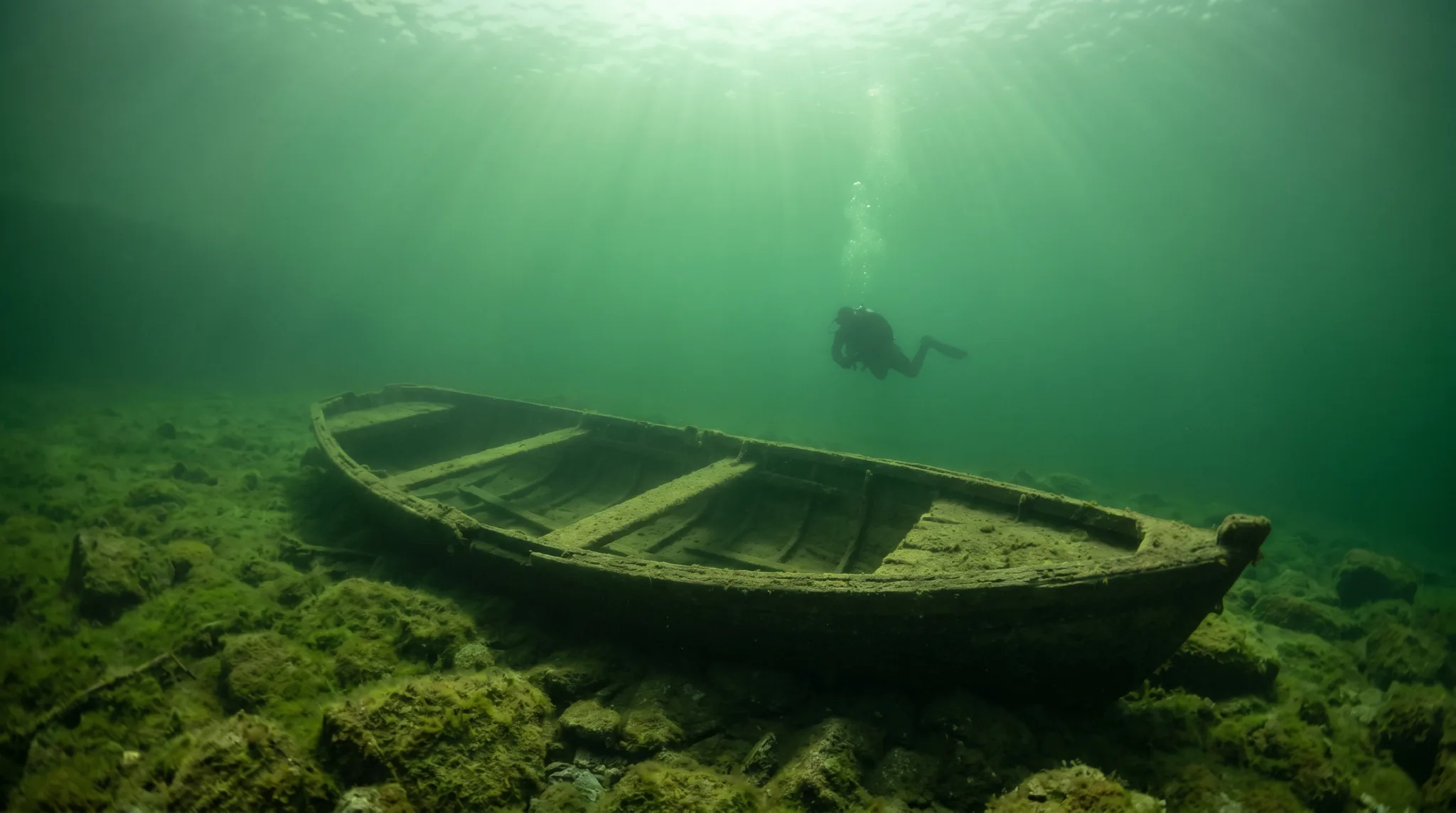
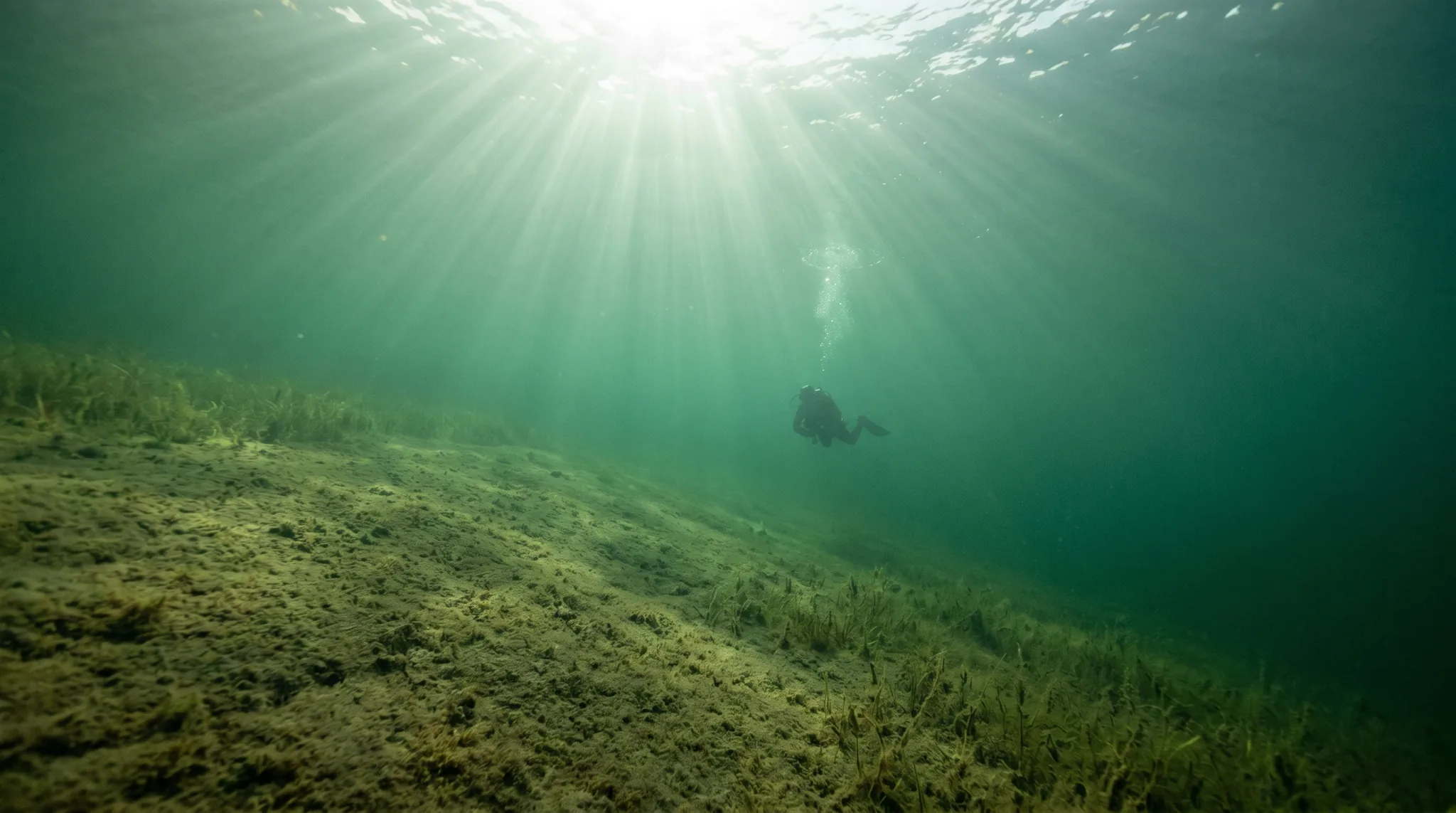
Water temperature around Lake Ontario ranges from about 3°C in February to 21°C in July, based on satellite sea-temperature data for its dive sites.
In the warm season (about 21°C) a 5mm suit is comfortable in Lake Ontario; in the coldest months (about 3°C) step up to a drysuit.
Fin maps 78 sites in Lake Ontario (34 scuba diving sites and 52 snorkelling spots, with some suited to both), organised into 5 areas.
Across Lake Ontario's dive sites, June, July, August and September are most often reported as the best months to visit.
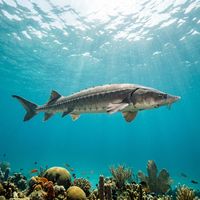
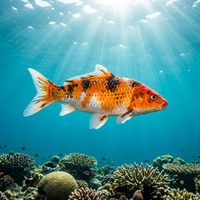
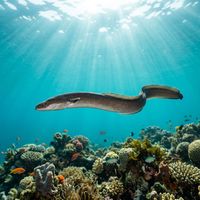
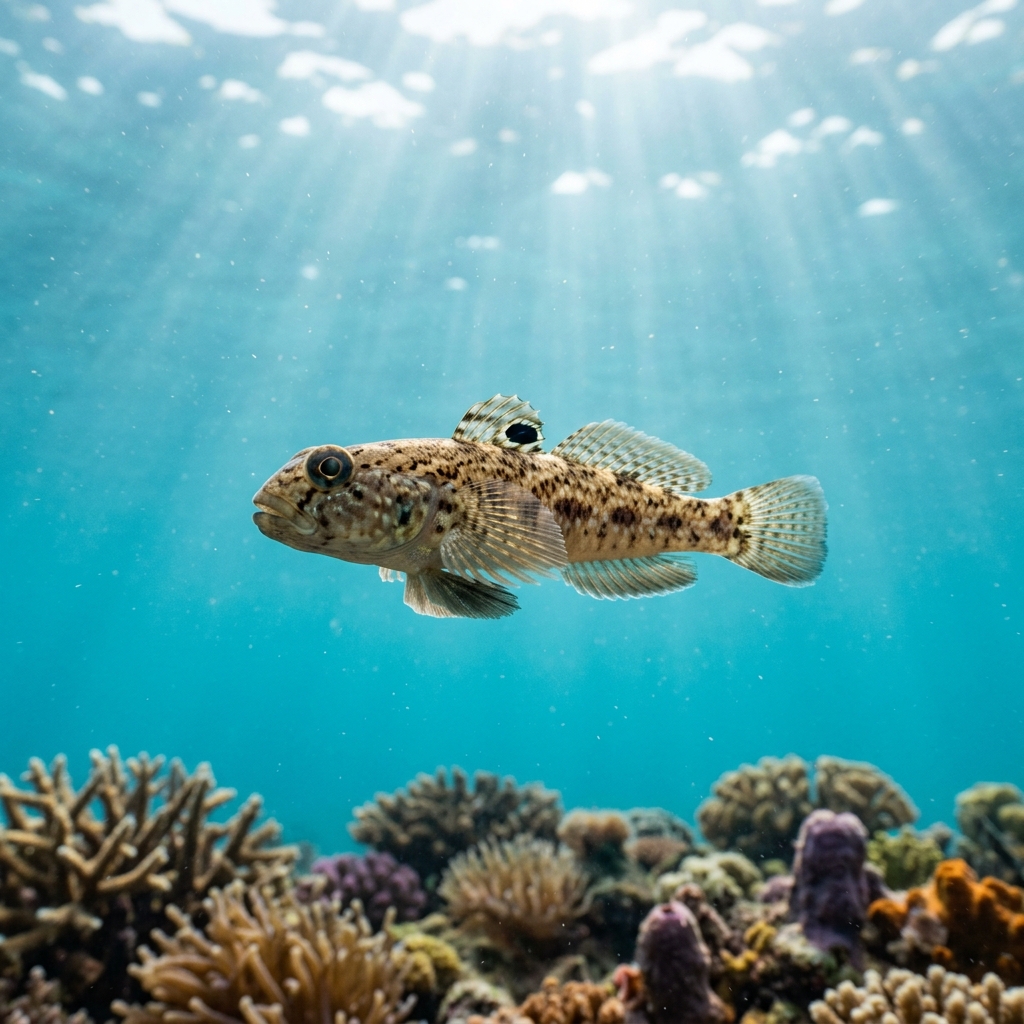
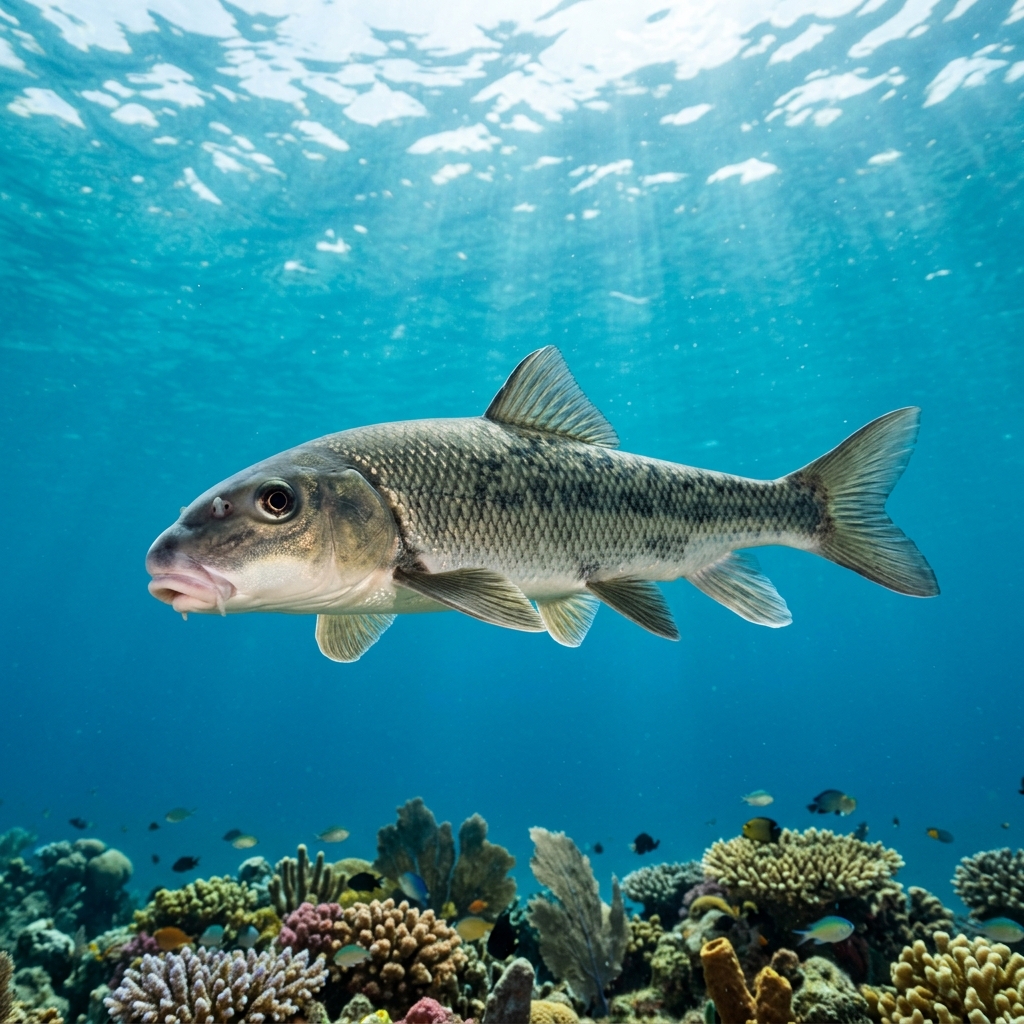
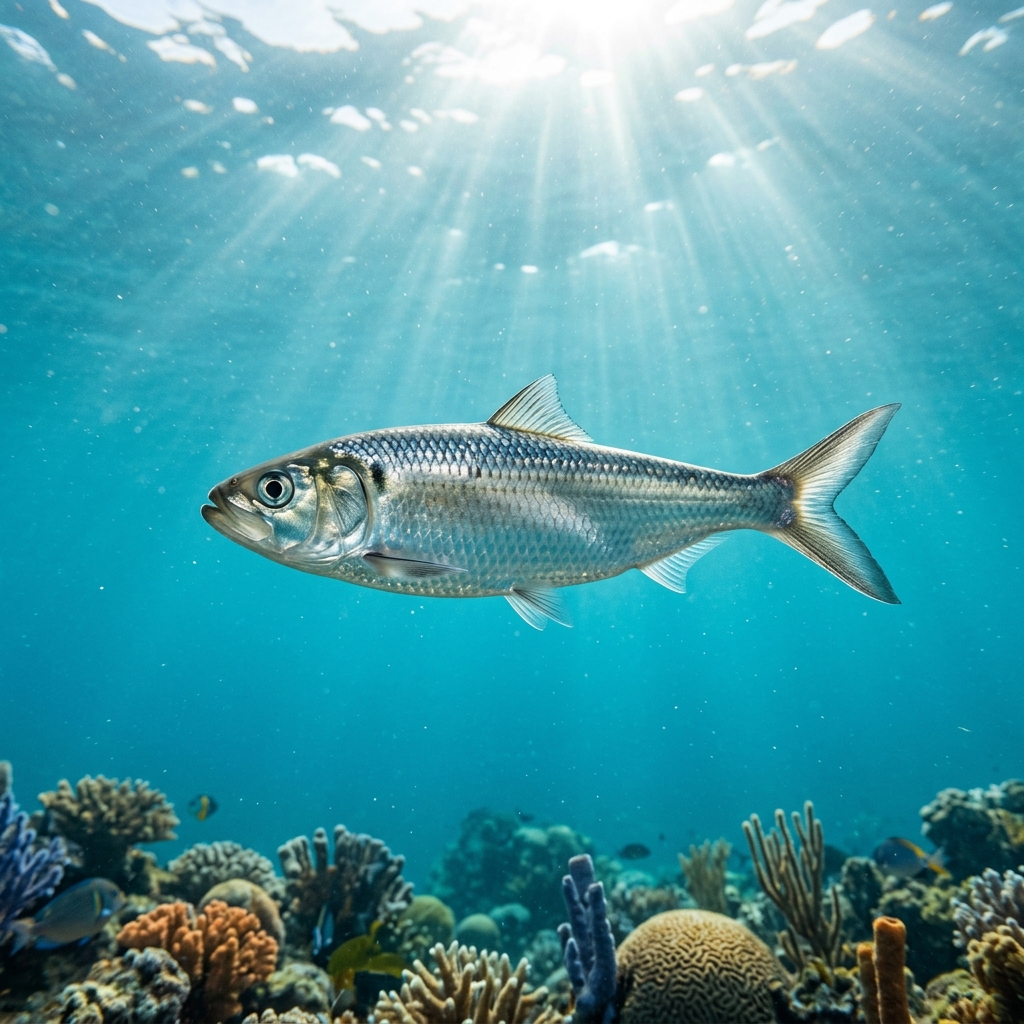
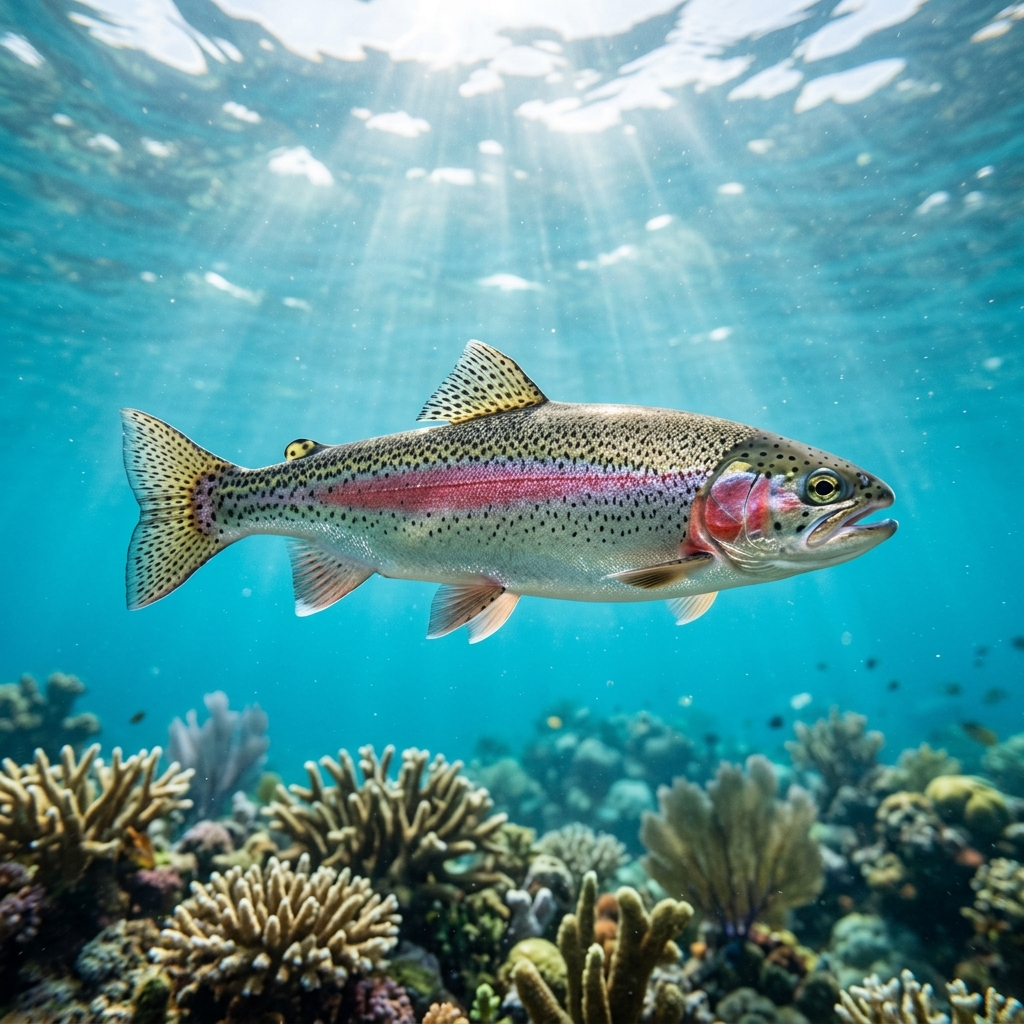
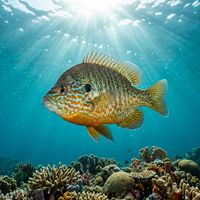
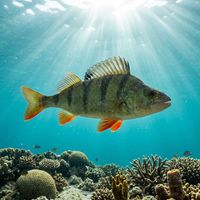
Lake Ontario hosts an observation-backed range of freshwater species. Common sightings include Common Carp, Round Goby, Alewife, Sun Perch, White Sucker, and Pike. Trout and Rainbow Trout are encountered occasionally, and Sturgeon and European Eel have also been recorded by divers.
There are sites suited to all levels across the region. Humber Bay and Innerkip are beginner-friendly shore dives with shallow depths, while intermediate sites such as the Jesse Anne and P.B. Locke Shipwreck suit divers with more experience. Advanced divers can explore the deeper Tiller Wreck, a pre-mid-nineteenth-century wooden schooner.
Whitby and Pickering hold the largest concentration of sites in the region, while Niagara-on-the-Lake offers notable wreck and drift diving where the Niagara River meets the lake. Hamilton and Burlington and Oakville and Mississauga provide additional variety, and Toronto has a smaller but accessible cluster of sites within easy reach of the city.
Both entry types are available across Lake Ontario. Shore diving is possible at sites including Navy Hall, Humber Bay, and Innerkip, making independent access straightforward. The major wreck sites such as Jesse Anne and the P.B. Locke require boat access, and several operators across the region run charter trips to these offshore wrecks.