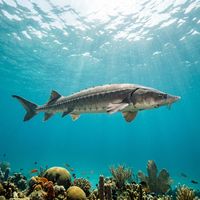
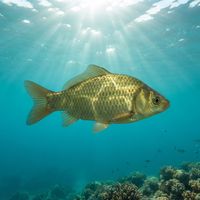
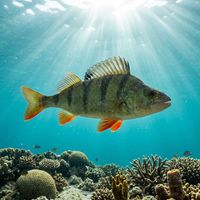
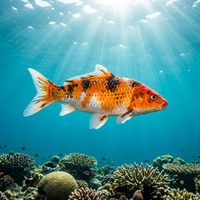
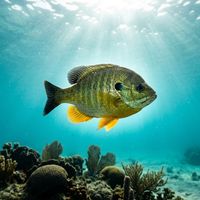
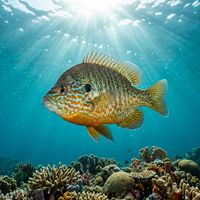
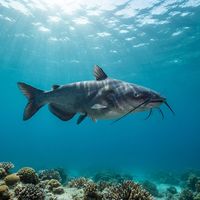
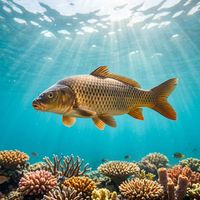
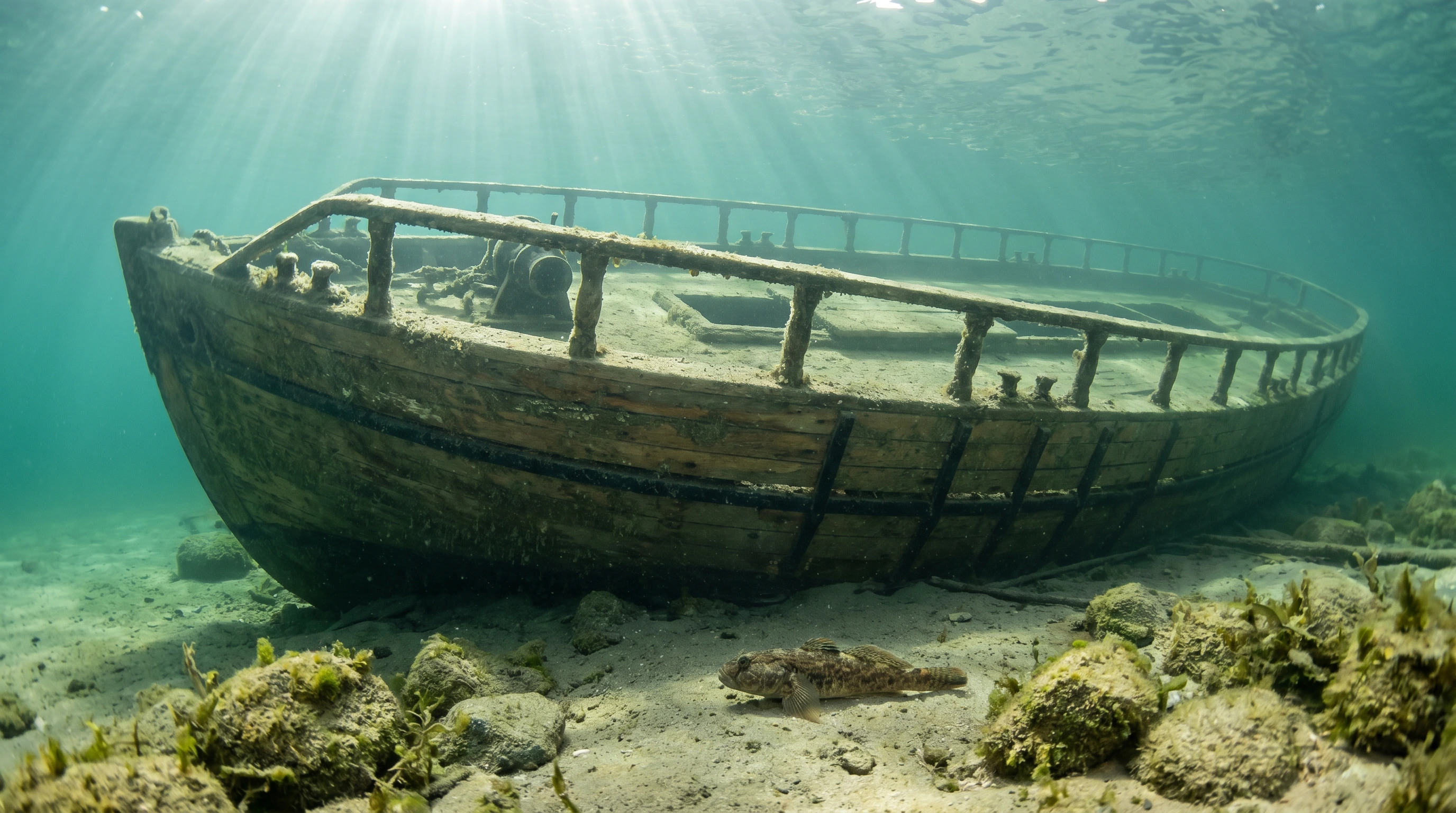
Lake Erie's underwater character is defined by freshwater wreck diving, artificial reefs, and a rich mix of native fish. Three distinct sub-areas shape the experience: Rondeau and Erieau offers drift dives and shallow wrecks; Long Point and Port Dover adds further wreck sites; and the Niagara River and Fort Erie cluster delivers a run of shore-accessible artificial reefs with strong currents. Common Carp, Pike, Sturgeon, and Perch are observed regularly across the region.
3 areas
Monthly water temperature across Lake Erie's sites, from satellite sea-surface data corrected for depth. The band shows the site-to-site spread.
Water temperatures are near freezing through winter and early spring, then climb steadily from May onwards, peaking in July and August before cooling through autumn. The warmest and most comfortable diving window runs from June through September. Currents can be significant, particularly at drift sites like St Clair River and the International Train Bridge, so conditions vary considerably between sub-areas.
24 operators

Canada
53 more sites to explore
Freshwater wrecks, drift diving, and a rich mix of native fish species across beginner and intermediate sites near Rondeau and Erieau.
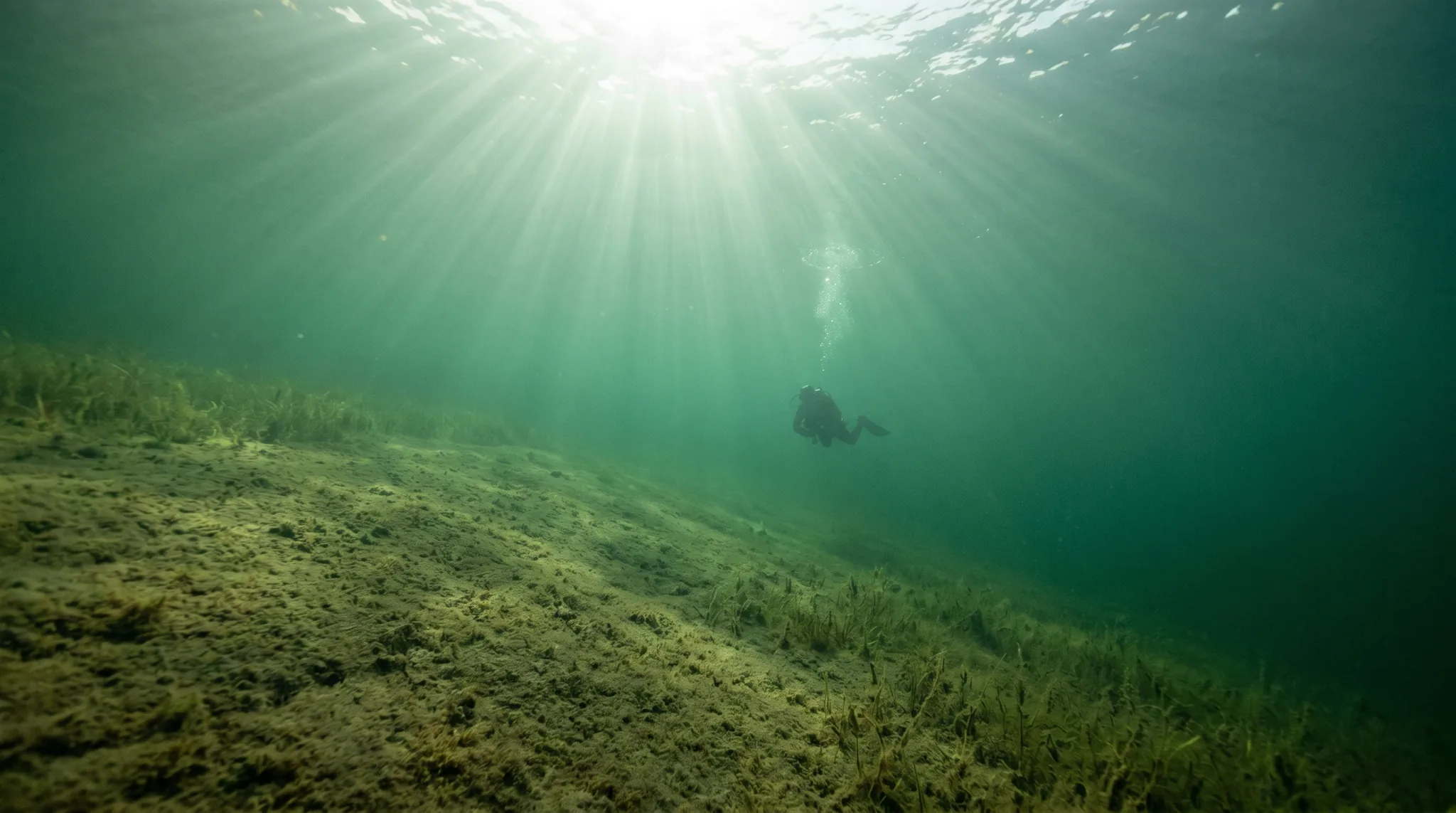
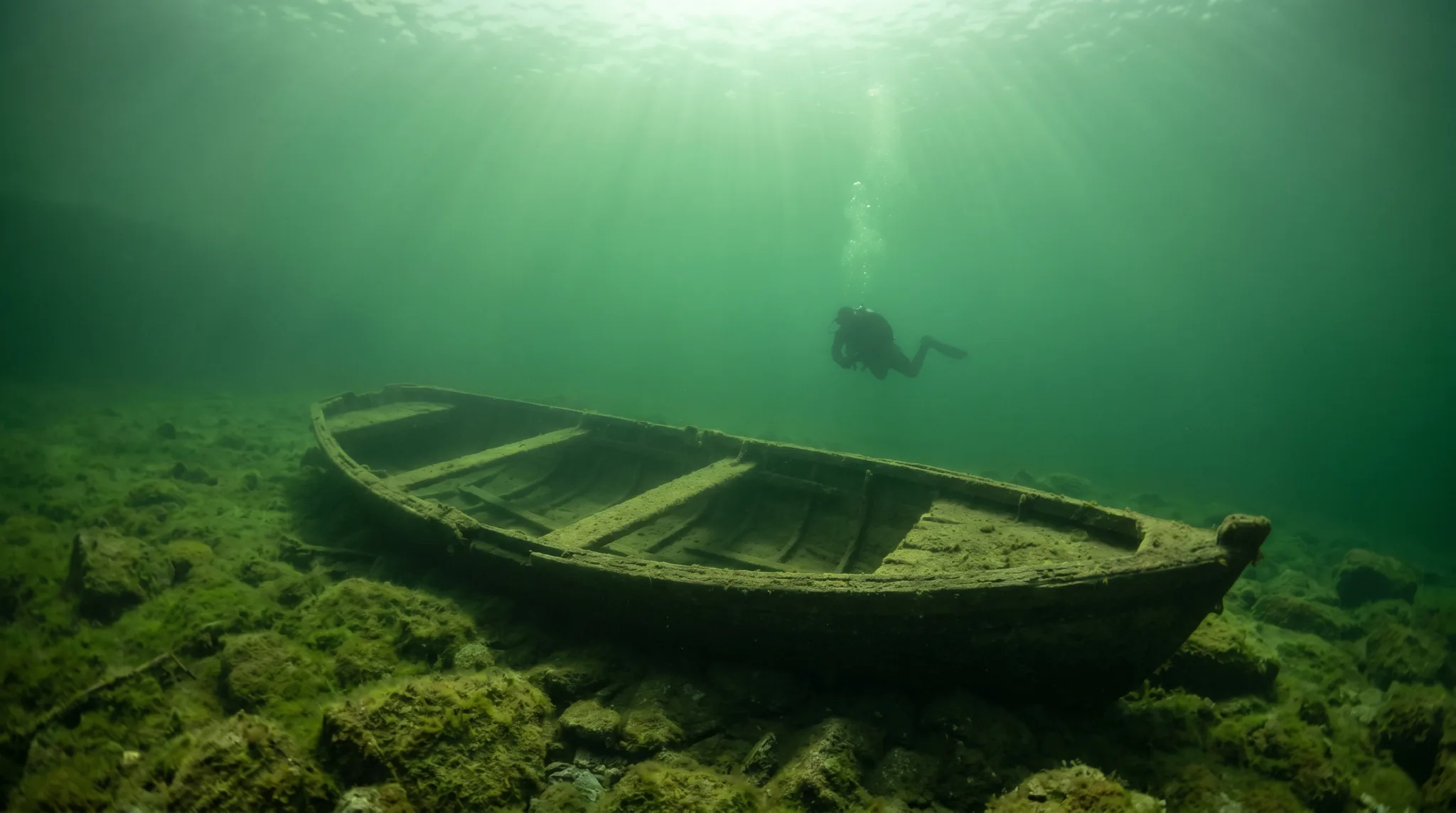
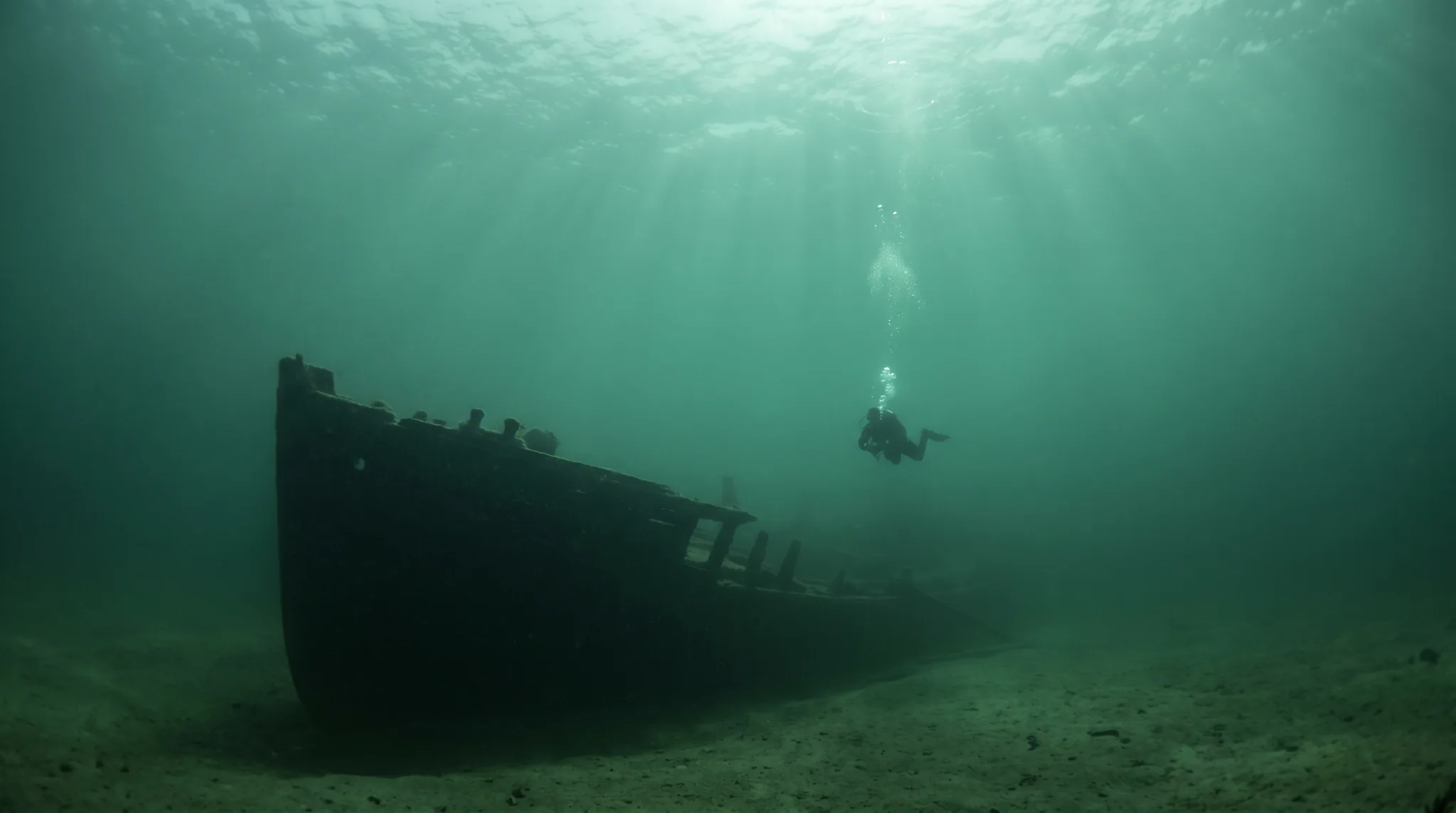
Water temperature around Lake Erie ranges from about 1°C in February to 23°C in August, based on satellite sea-temperature data for its dive sites.
In the warm season (about 23°C) a 3mm full suit is comfortable in Lake Erie; in the coldest months (about 1°C) step up to a drysuit.
Fin maps 61 sites in Lake Erie (40 scuba diving sites and 24 snorkelling spots, with some suited to both), organised into 3 areas.
Across Lake Erie's dive sites, June, July, August and September are most often reported as the best months to visit.
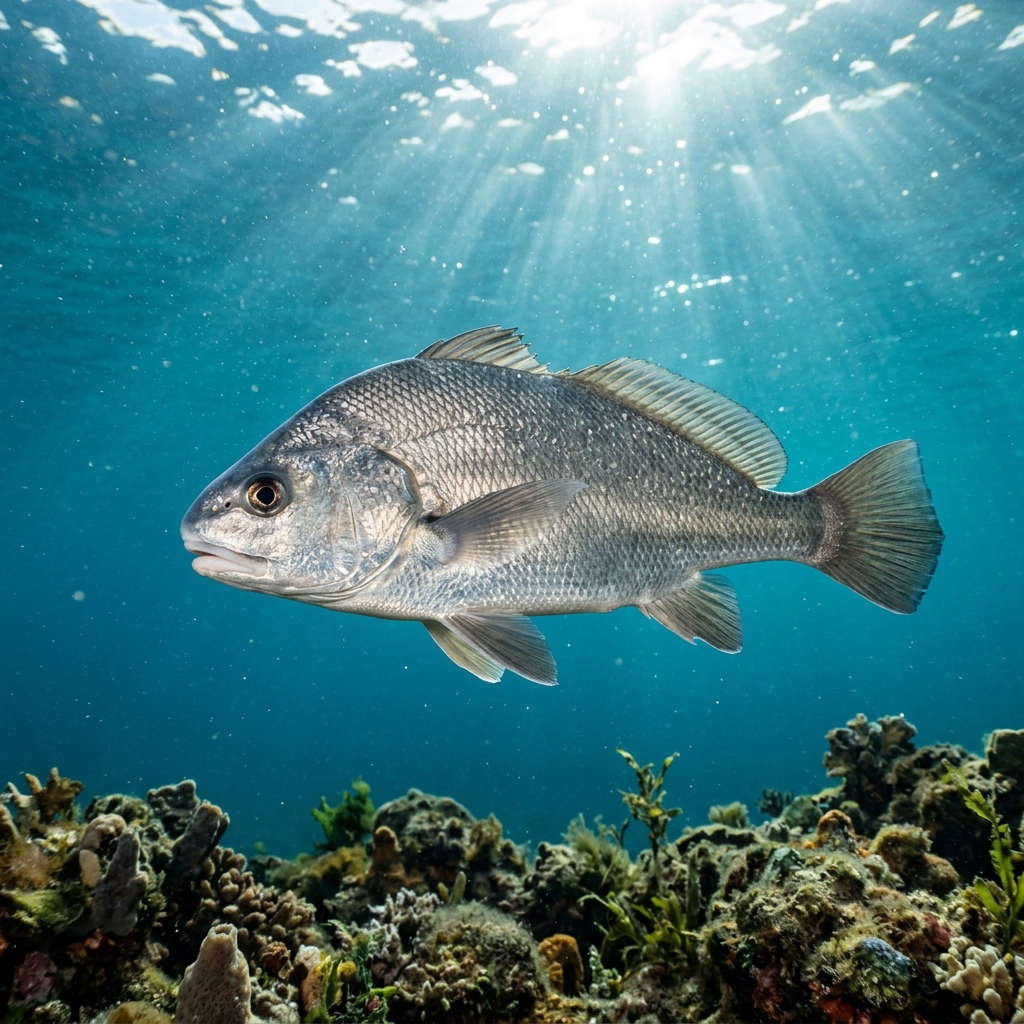
Lake Erie has a diverse freshwater fish community with strong observation records. Carp, Blue Gill, Pike, Sun Perch, Perch, Sturgeon, Burbot, and Freshwater Drum are all commonly sighted. Less frequent encounters include Longnose Gar, Trout, and Gizzard Shad.
Many sites in Lake Erie are rated for beginners, including Gladstone, Lincoln St Bridge, Swing Bridge, Windmill Point Park, and Ontario St Bridge. These are mostly shallow, shore-entry artificial reef and wreck sites. Intermediate-rated sites such as St Clair River and the International Train Bridge involve stronger currents and greater depth ranges.
Rondeau and Erieau is the largest sub-area and includes drift and wreck diving at St Clair River alongside the shallow beginner-friendly Gladstone site. Long Point and Port Dover adds more wreck diving opportunities. The Niagara River and Fort Erie cluster is notable for its concentration of shore-accessible artificial reefs, several of which suit beginners.
Shore entry is available at a good number of Lake Erie sites, particularly in the Niagara River and Fort Erie sub-area, where Lincoln St Bridge, Swing Bridge, International Train Bridge, Windmill Point Park, and Ontario St Bridge are all shore-accessible. Some sites, including St Clair River and the Wilma Wreck, require boat access.