Tobermory is a freshwater dive destination built around shipwrecks. The majority of sites sit within Fathom Five National Marine Park, while Georgian Bay Outer Sites adds wall and artificial reef diving to the mix. Wrecks range from shallow, beginner-friendly schooners to deep vessels suited only to advanced divers. The cold, clear water rewards patience with Lake Trout, Pike, and the ever-present Round Goby. Summer brings the warmest conditions and the longest diving season.
2 areas
Monthly water temperature across Tobermory's sites, from satellite sea-surface data corrected for depth. The band shows the site-to-site spread.
Water temperatures climb from cold spring conditions to their warmest peak in late summer, making July and August the most comfortable months for diving without heavy exposure protection. Spring and autumn remain popular for visibility, which can be excellent as recreational boat traffic subsides. Winter diving is possible but demands appropriate cold-water exposure suits and experience.
7 operators

31 more sites to explore
A freshwater wreck-diving destination in Ontario, with historic schooners at every skill level and resident Pike and Lake Trout.
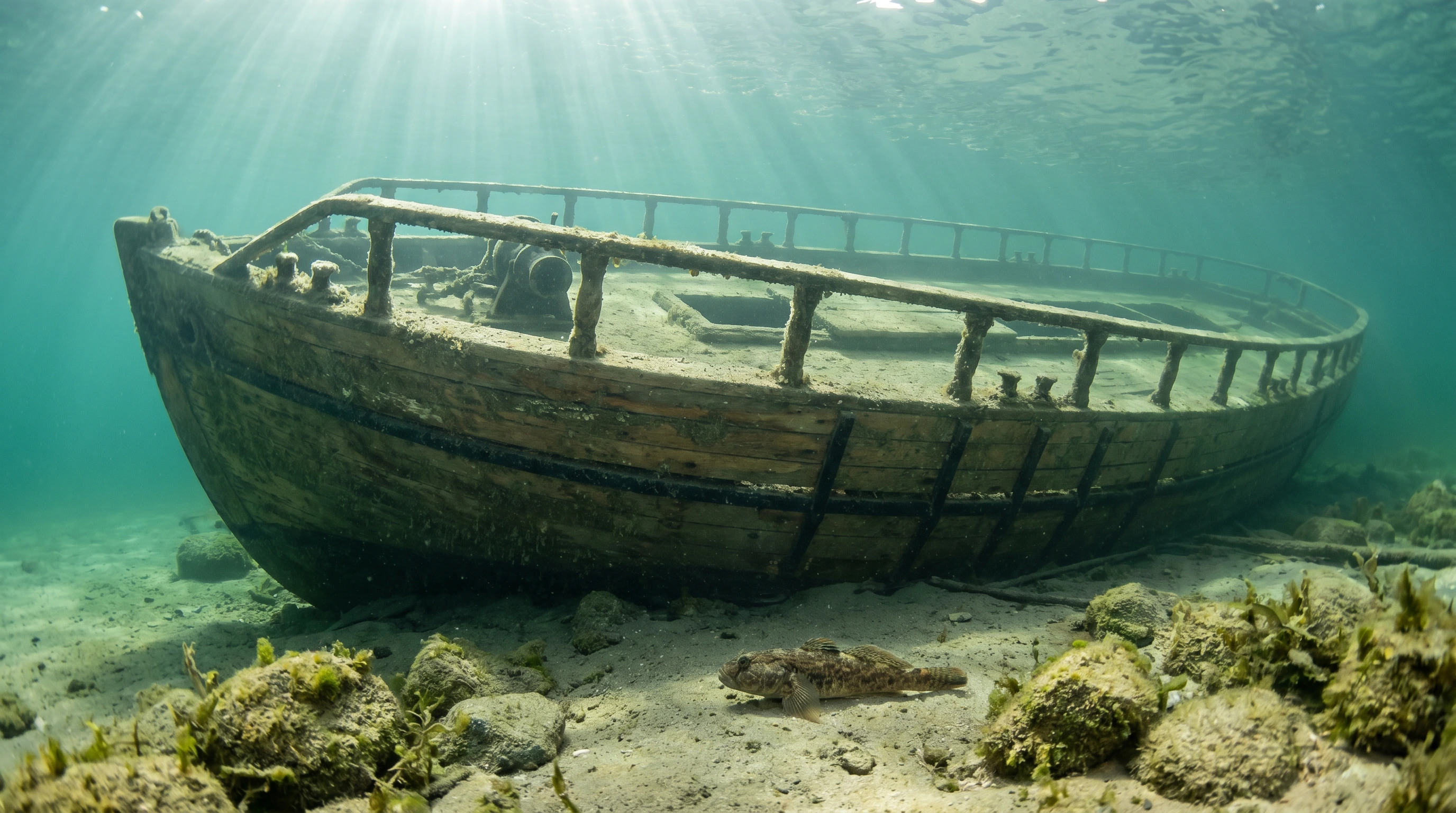
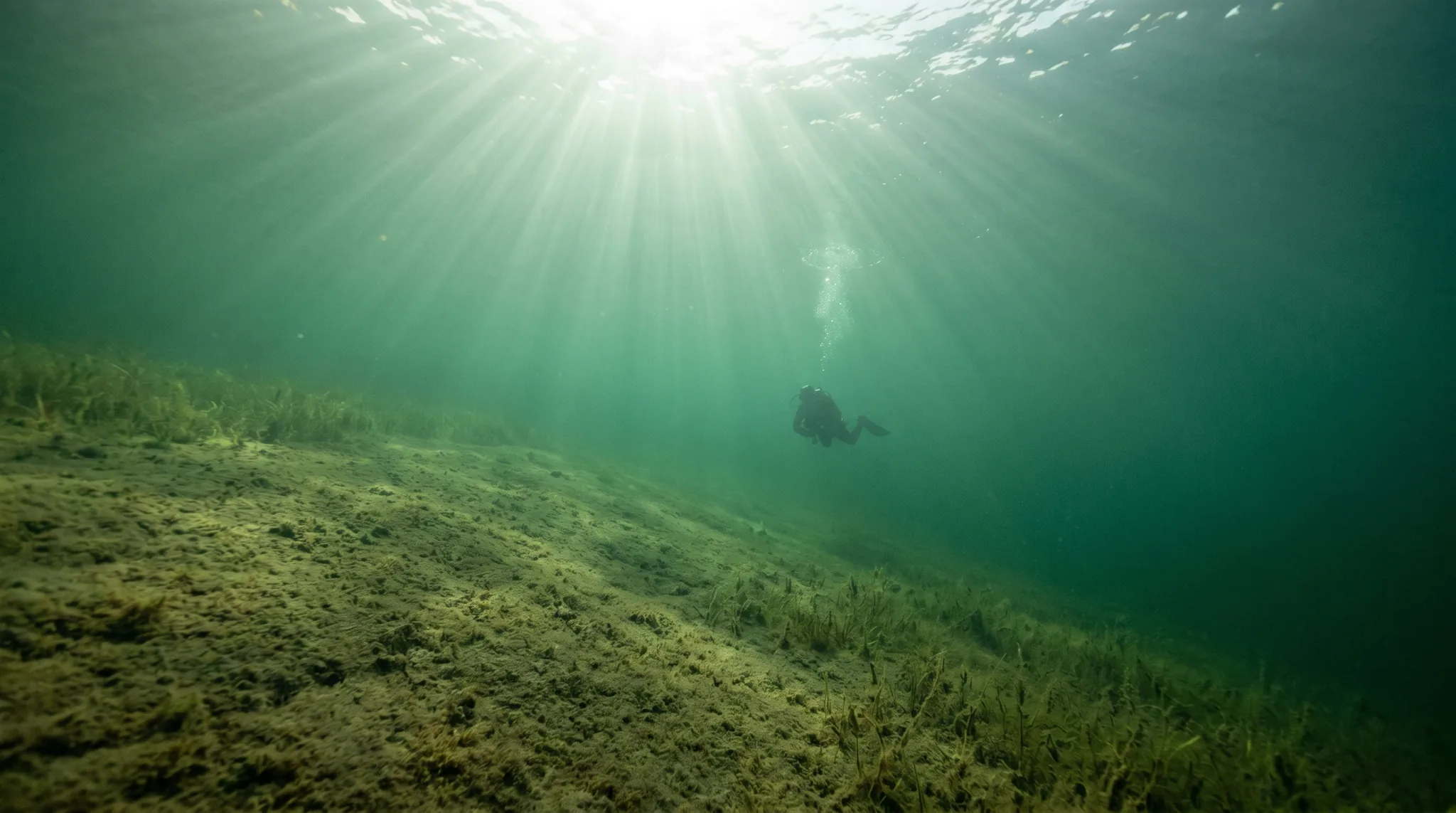
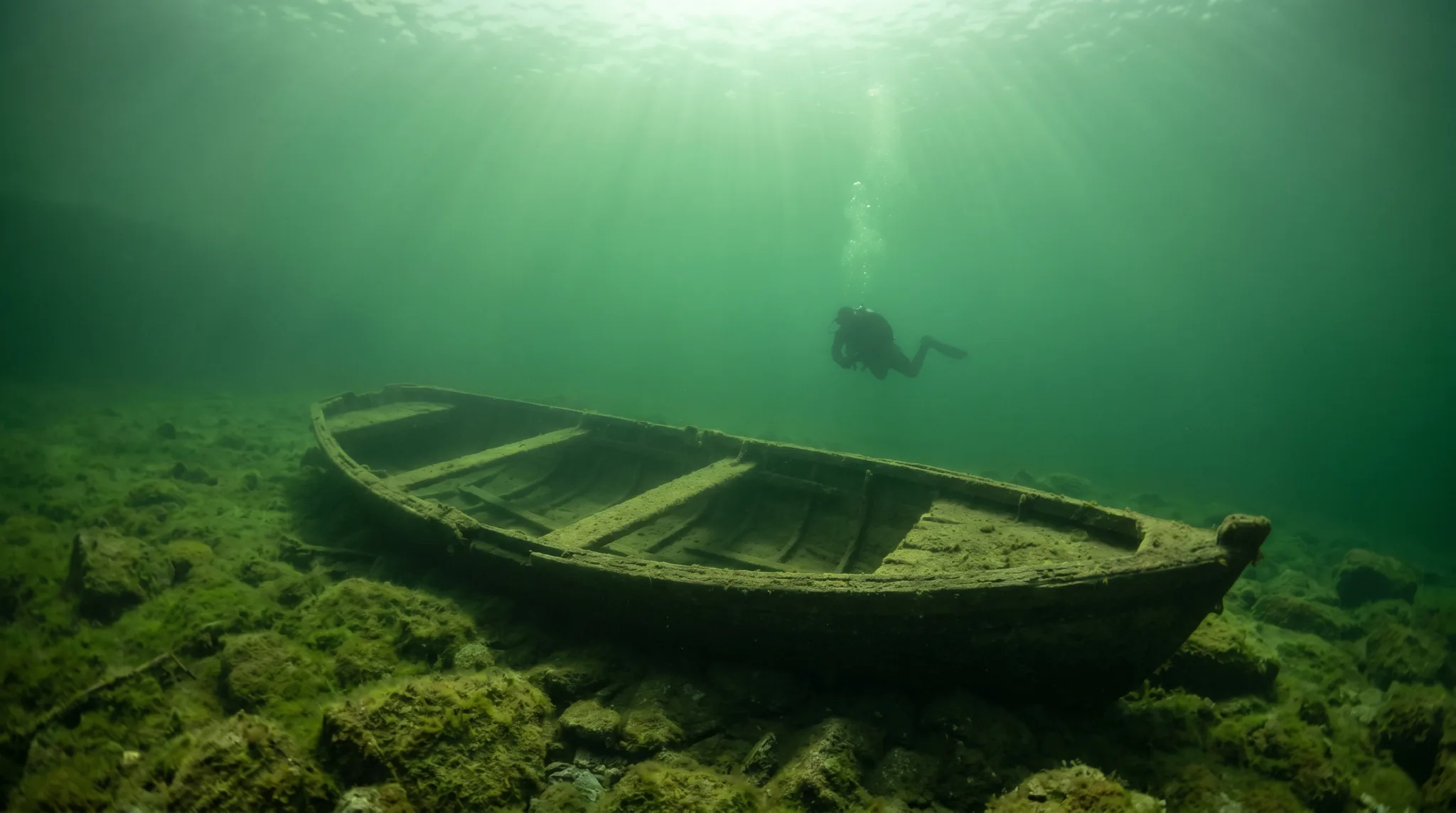
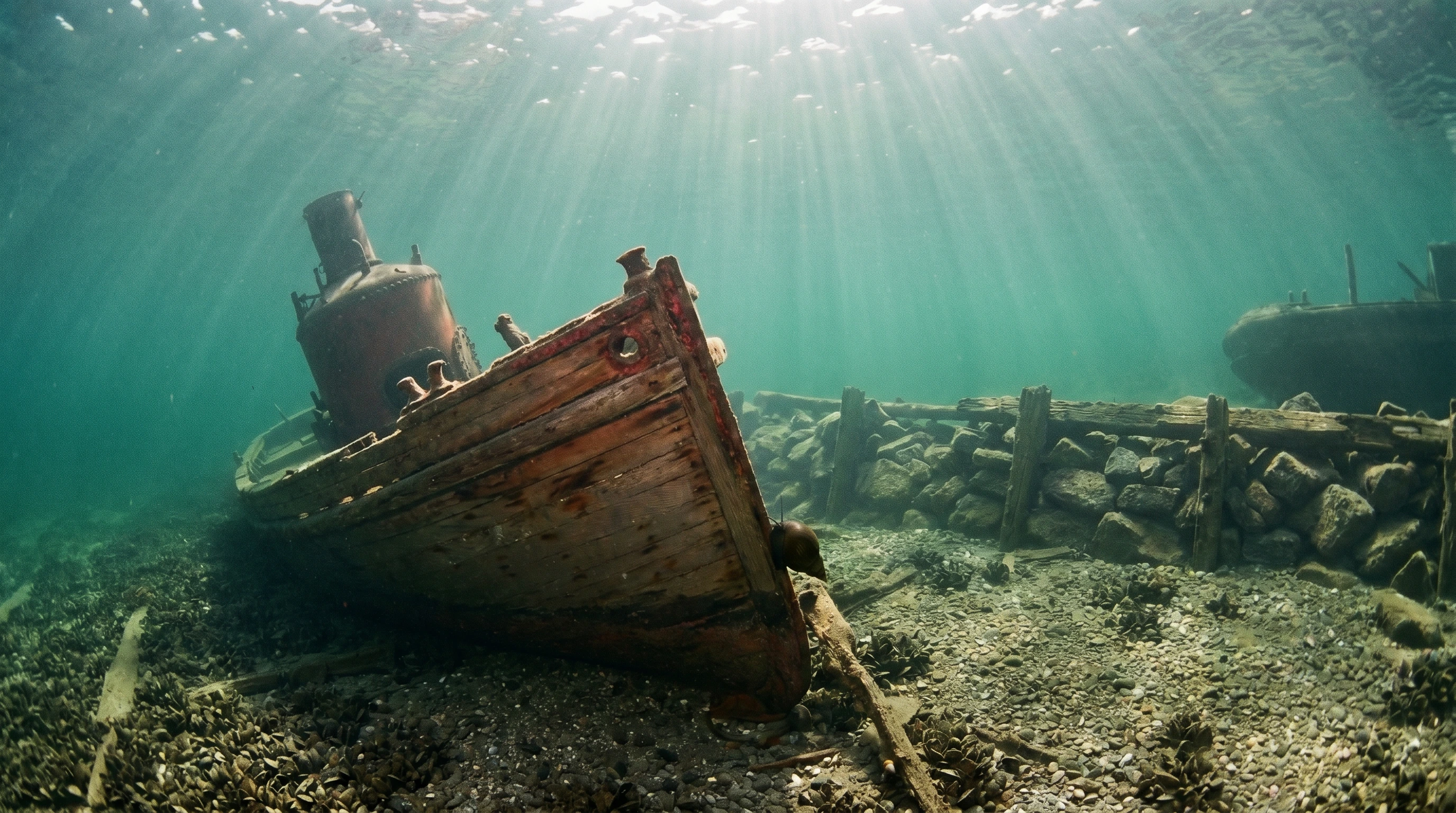
Water temperature around Tobermory ranges from about 2°C in February to 20°C in August, based on satellite sea-temperature data for its dive sites.
In the warm season (about 20°C) a 5mm suit is comfortable in Tobermory; in the coldest months (about 2°C) step up to a drysuit.
Fin maps 43 sites in Tobermory (34 scuba diving sites and 18 snorkelling spots, with some suited to both), organised into 2 areas.
Across Tobermory's dive sites, June, July, August and September are most often reported as the best months to visit.
Tobermory has a wide range of historic shipwrecks, from shallow wooden schooners like the Sweepstakes to deeper vessels such as The Arabia and The Forest City that are reserved for advanced divers. Several wrecks rest in very shallow water, making them accessible from shore or by short boat ride. The Niagara II doubles as an artificial reef, adding structure that attracts freshwater fish.
A good number of Tobermory's sites are rated for beginners, including shore-entry wrecks in Big Tub Harbour and shallow artificial reefs. Sites like Cedar Hills, the Sweepstakes, and The Tugs all offer gentle conditions at manageable depths. Intermediate and advanced sites are also well represented, so divers can progress through the region as their skills develop.
Fathom Five National Marine Park holds the larger share of Tobermory's sites and is the heart of wreck diving in the area, with iconic vessels and limestone cave formations. Georgian Bay Outer Sites offers a different character, including wall and artificial reef topography at Cedar Hills, giving divers more varied underwater terrain beyond the harbour wrecks.
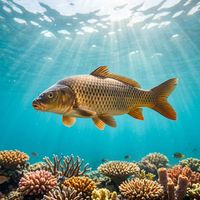
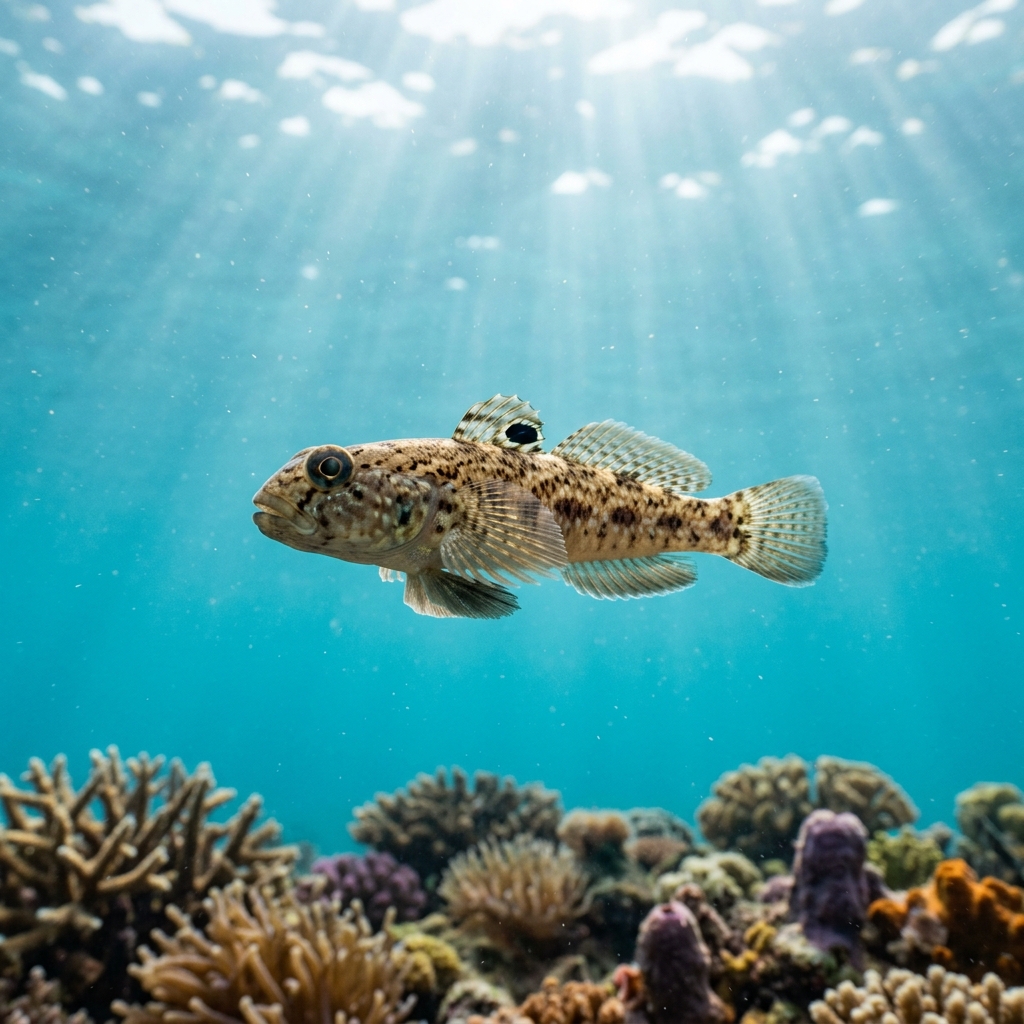
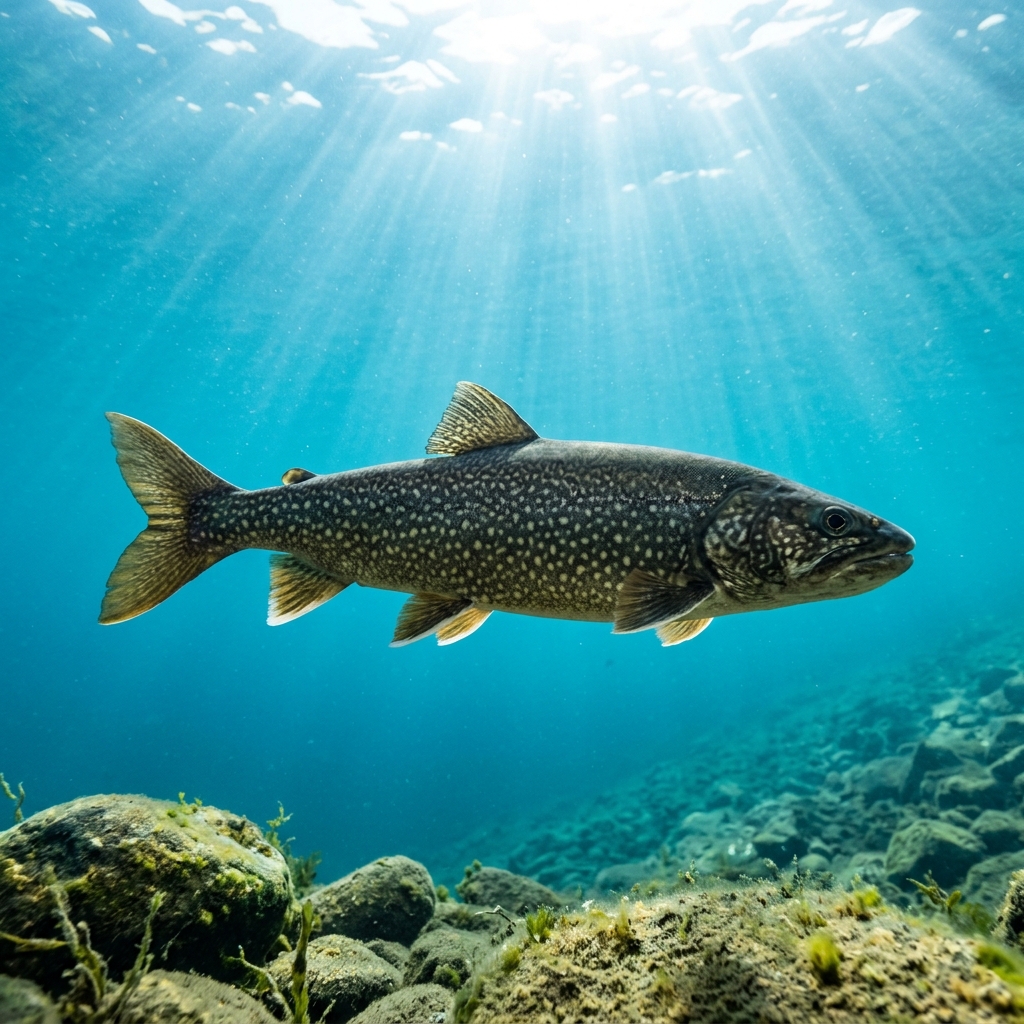
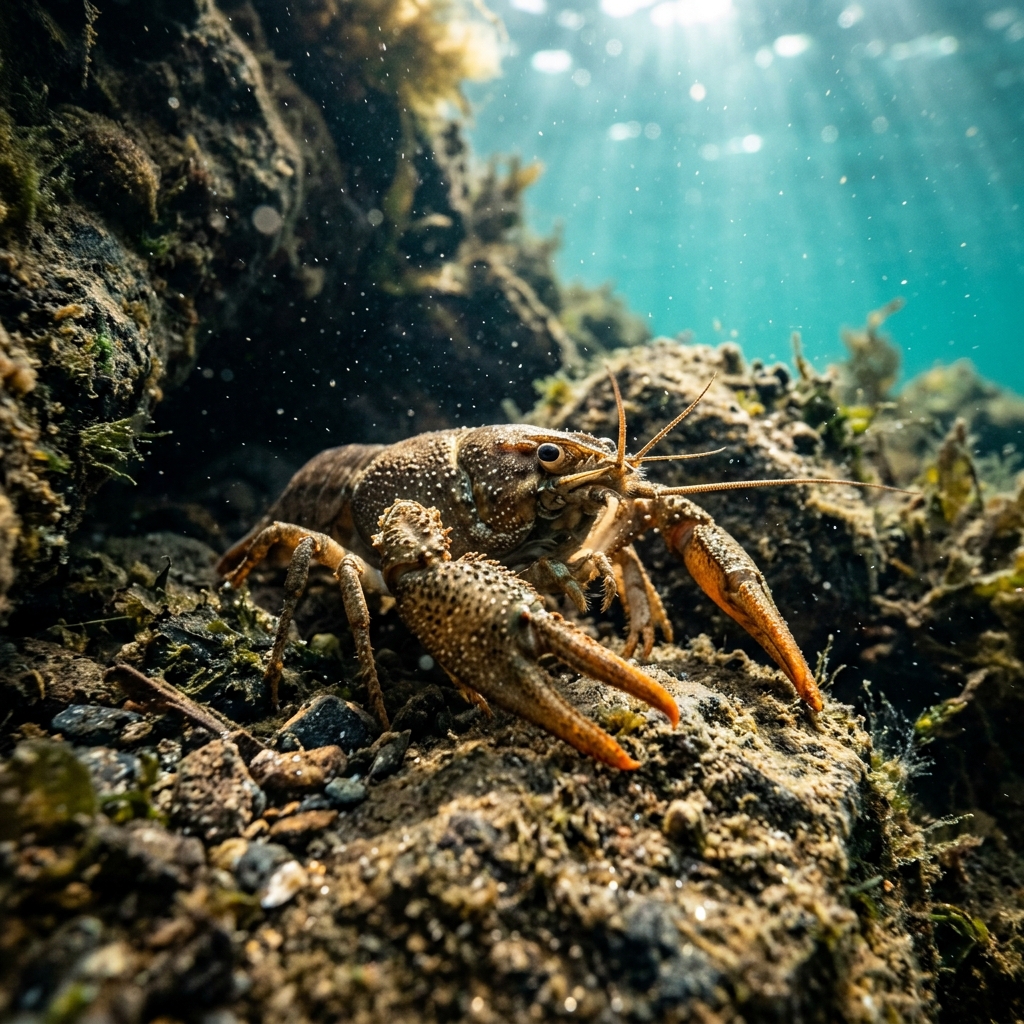
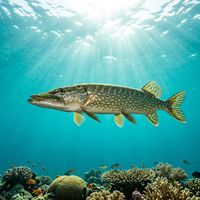
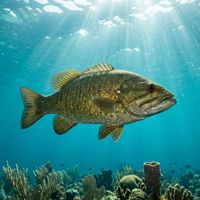
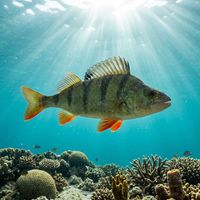
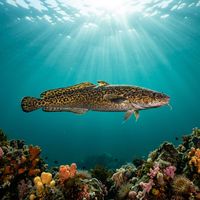
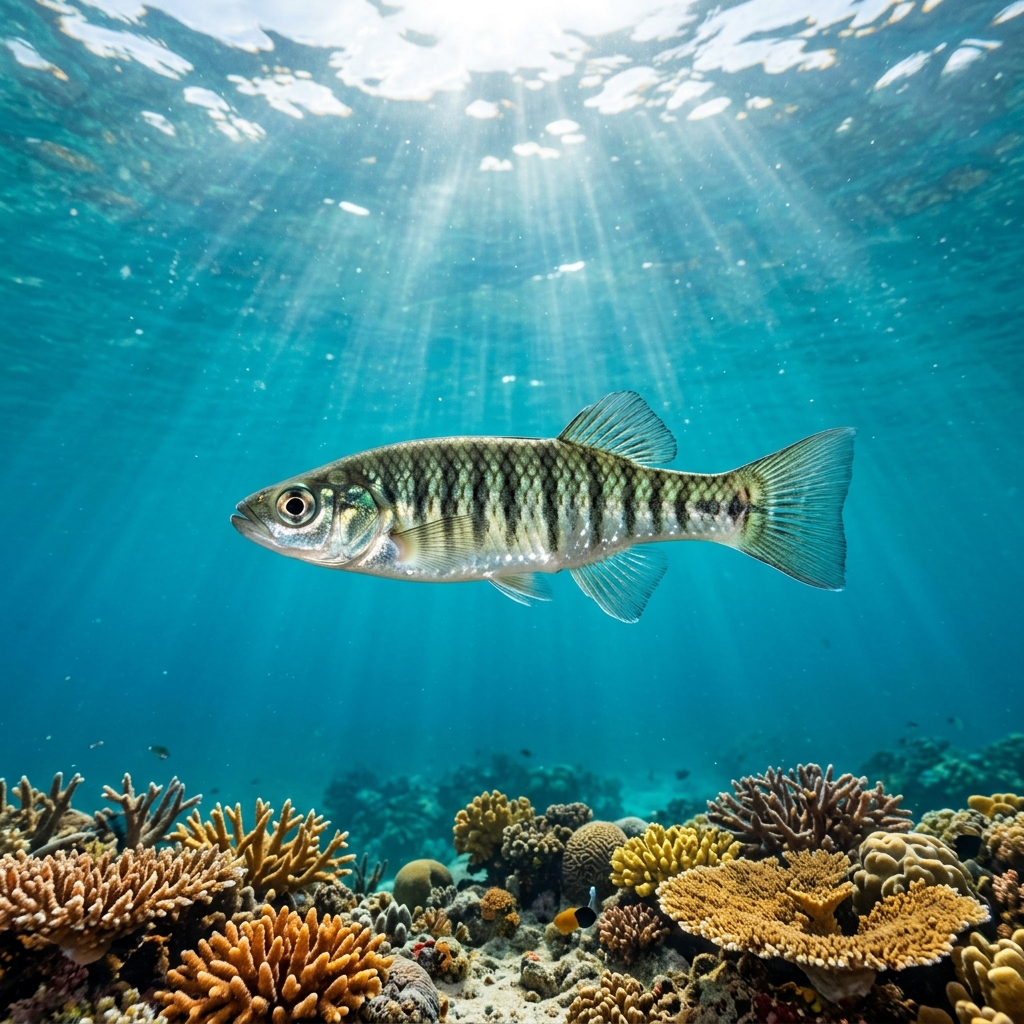
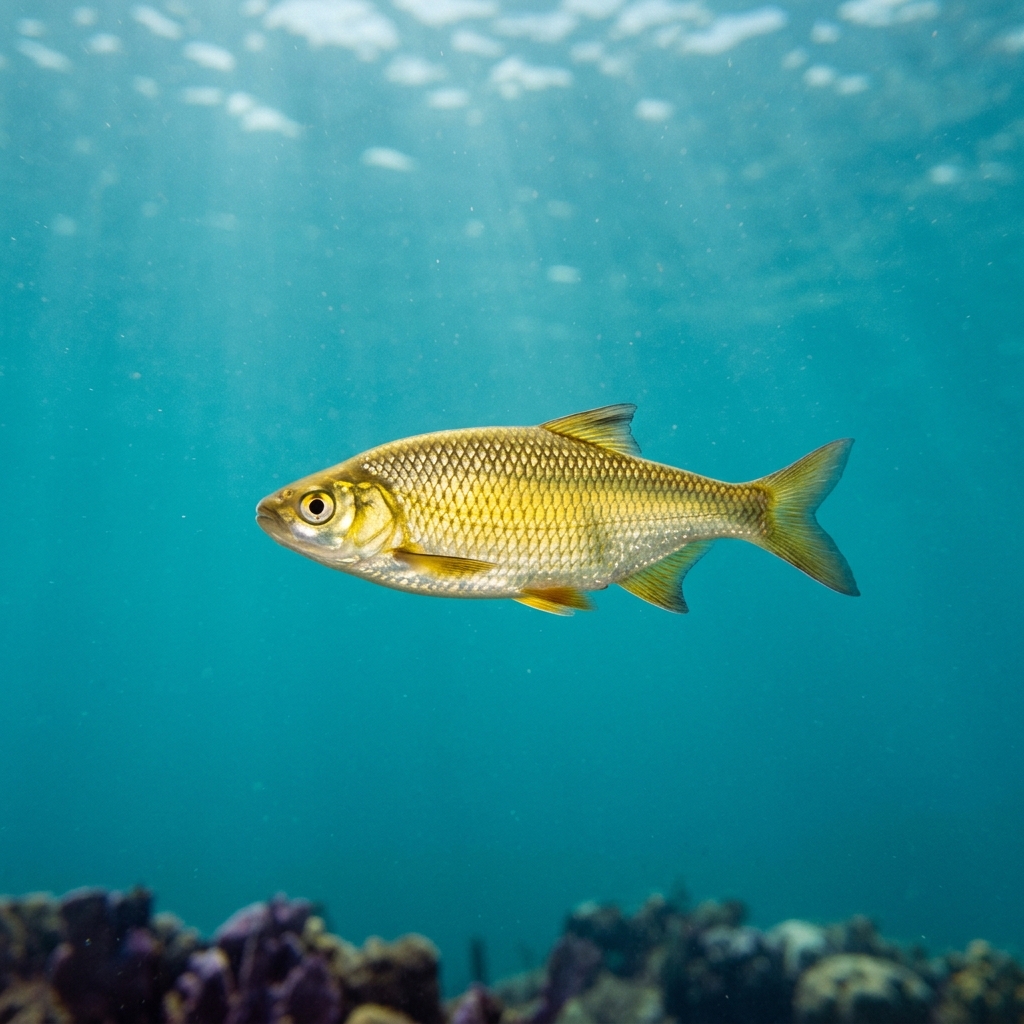
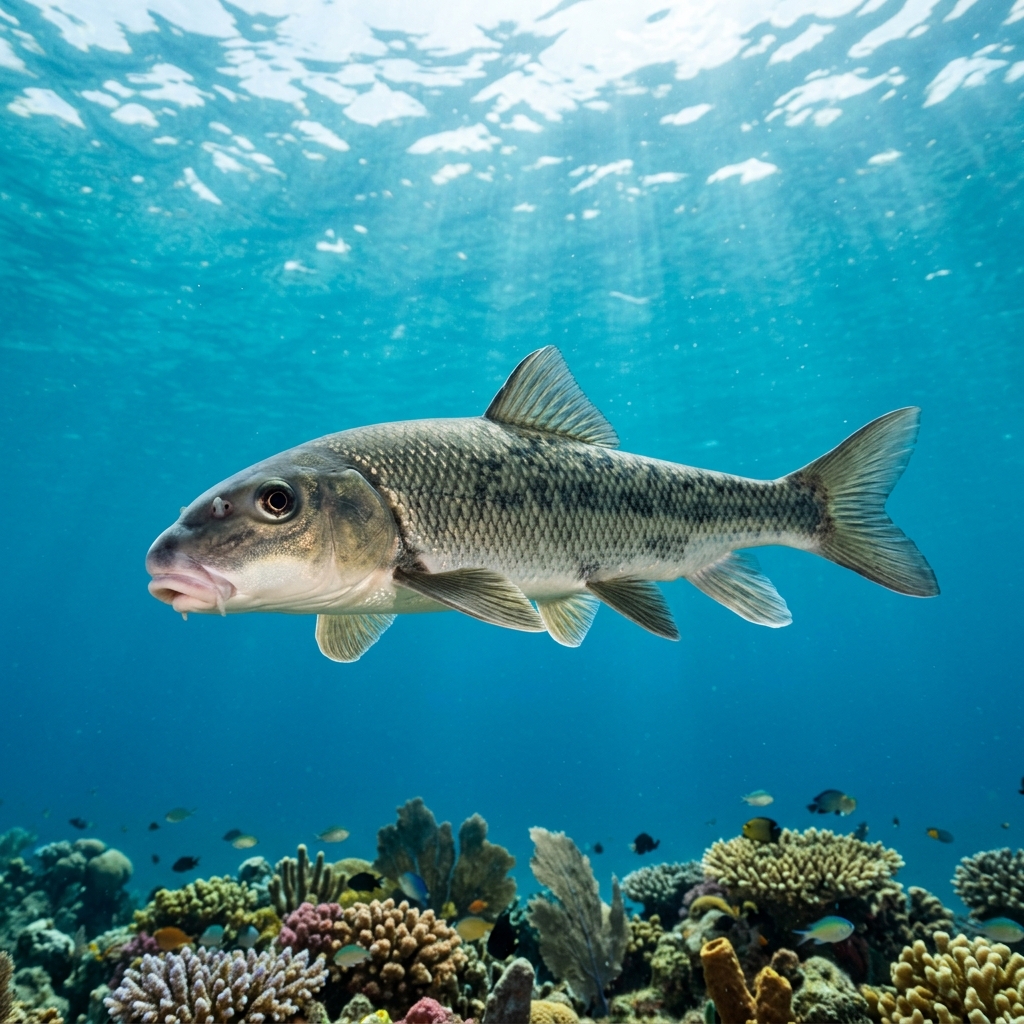
Round Goby is the most frequently observed species across Tobermory's sites. Lake Trout and Pike are commonly spotted, along with American Crayfish picking around the wreck structures. Perch, Walleye, Small Mouth Bass, and Burbot also appear regularly, and Freshwater Sponge has been recorded on some sites, adding an unusual invertebrate element to the freshwater environment.