Best for beginner divers, 4-8m, boat entry, mild current.
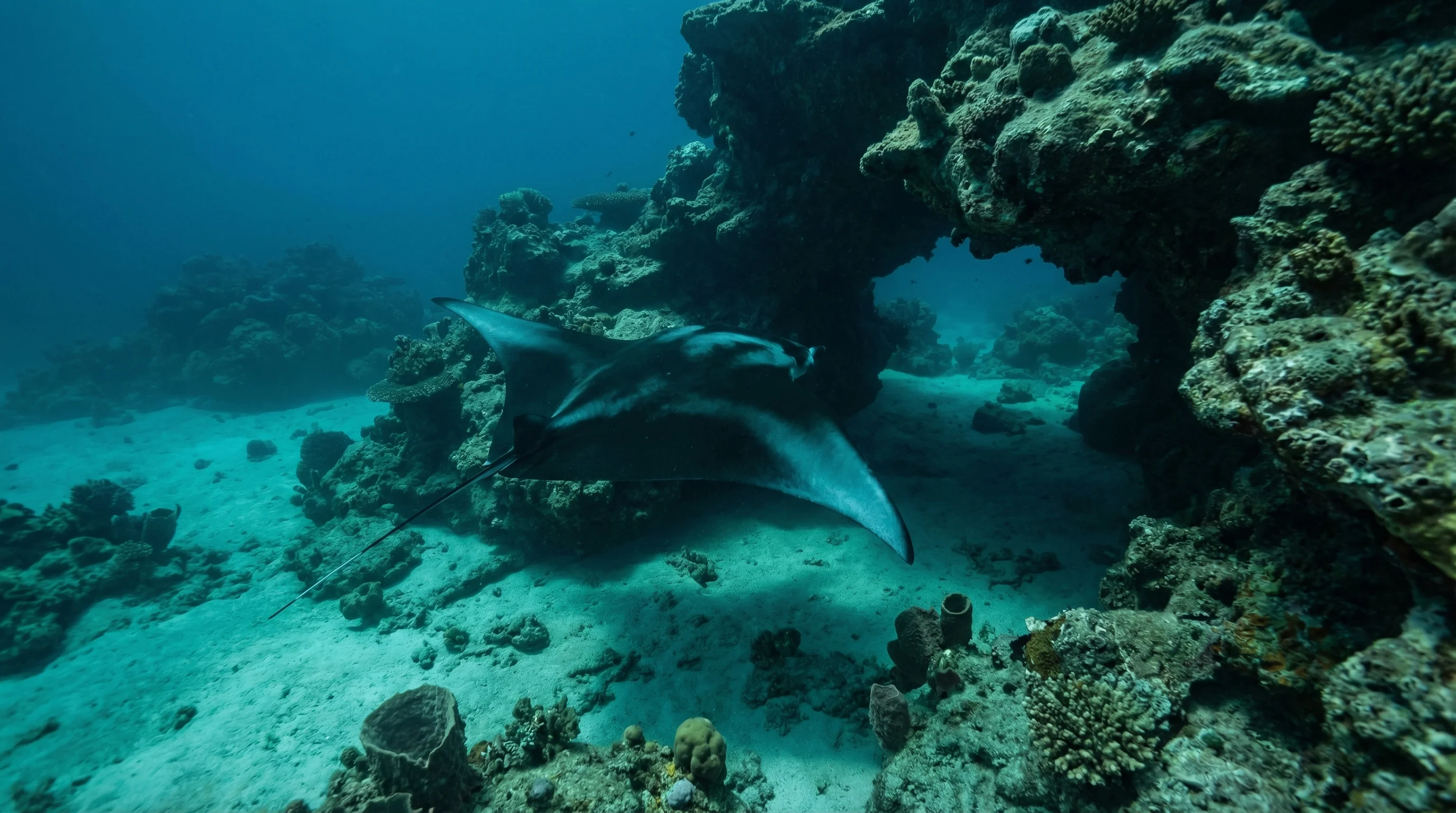
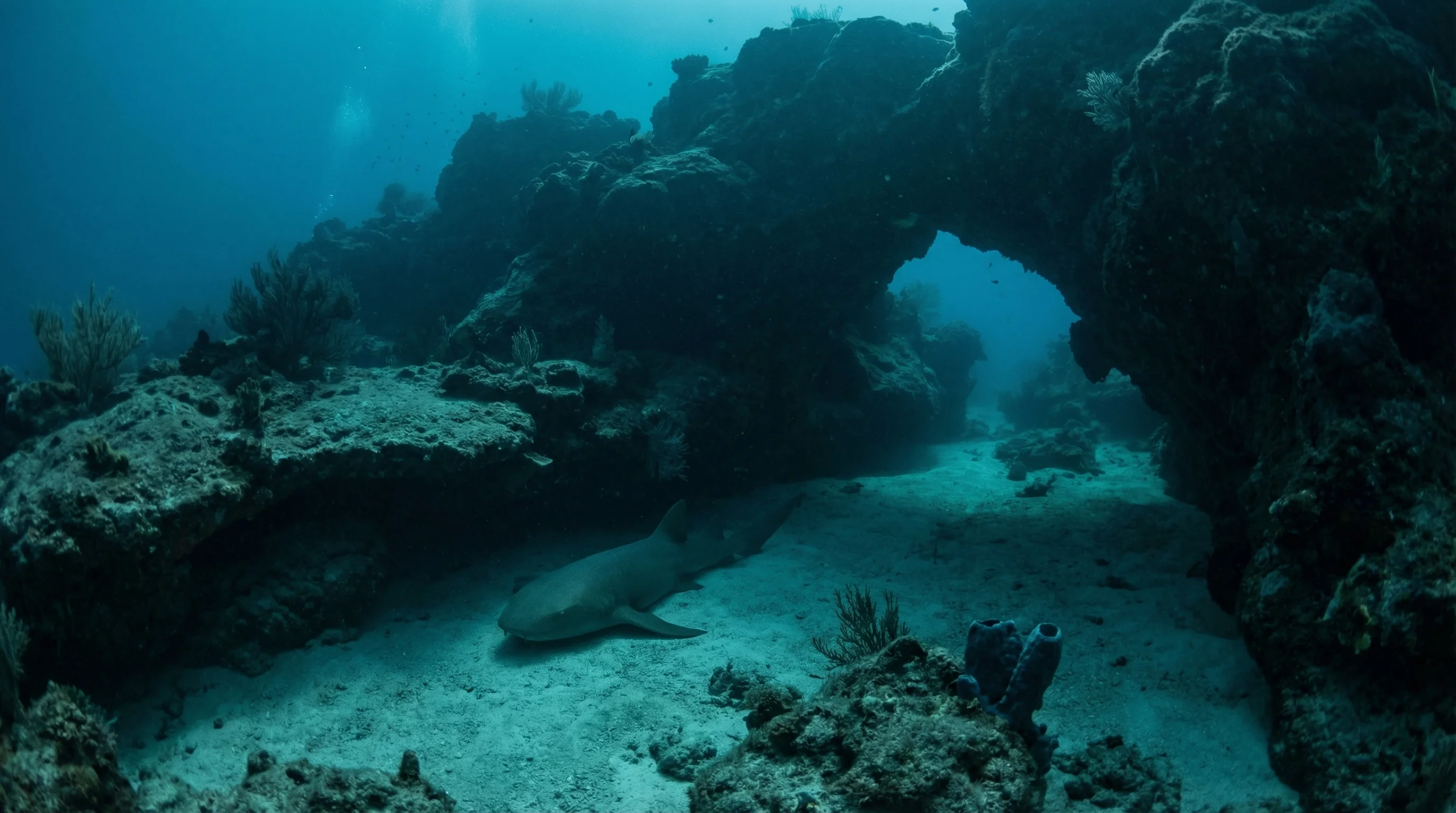
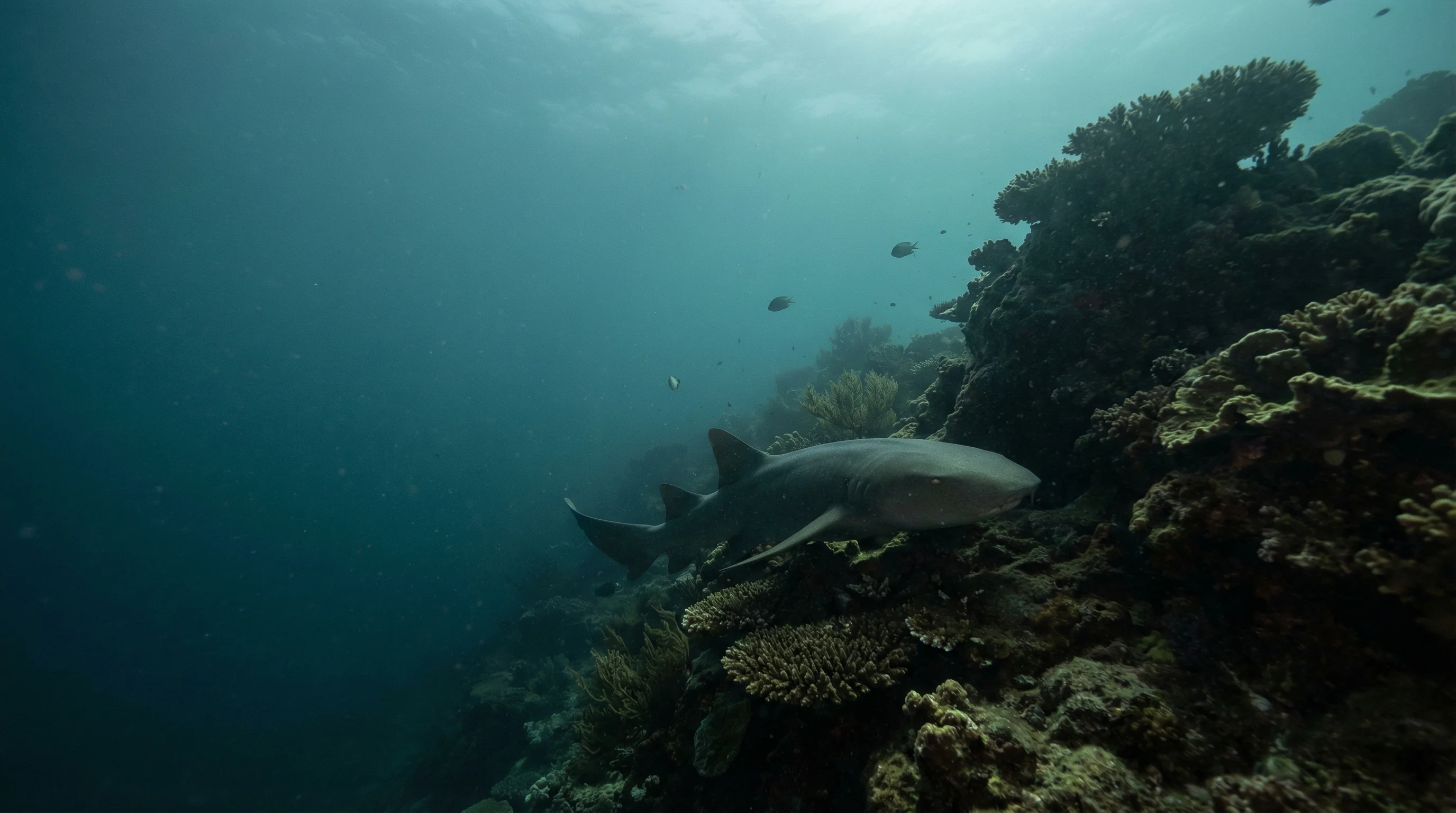
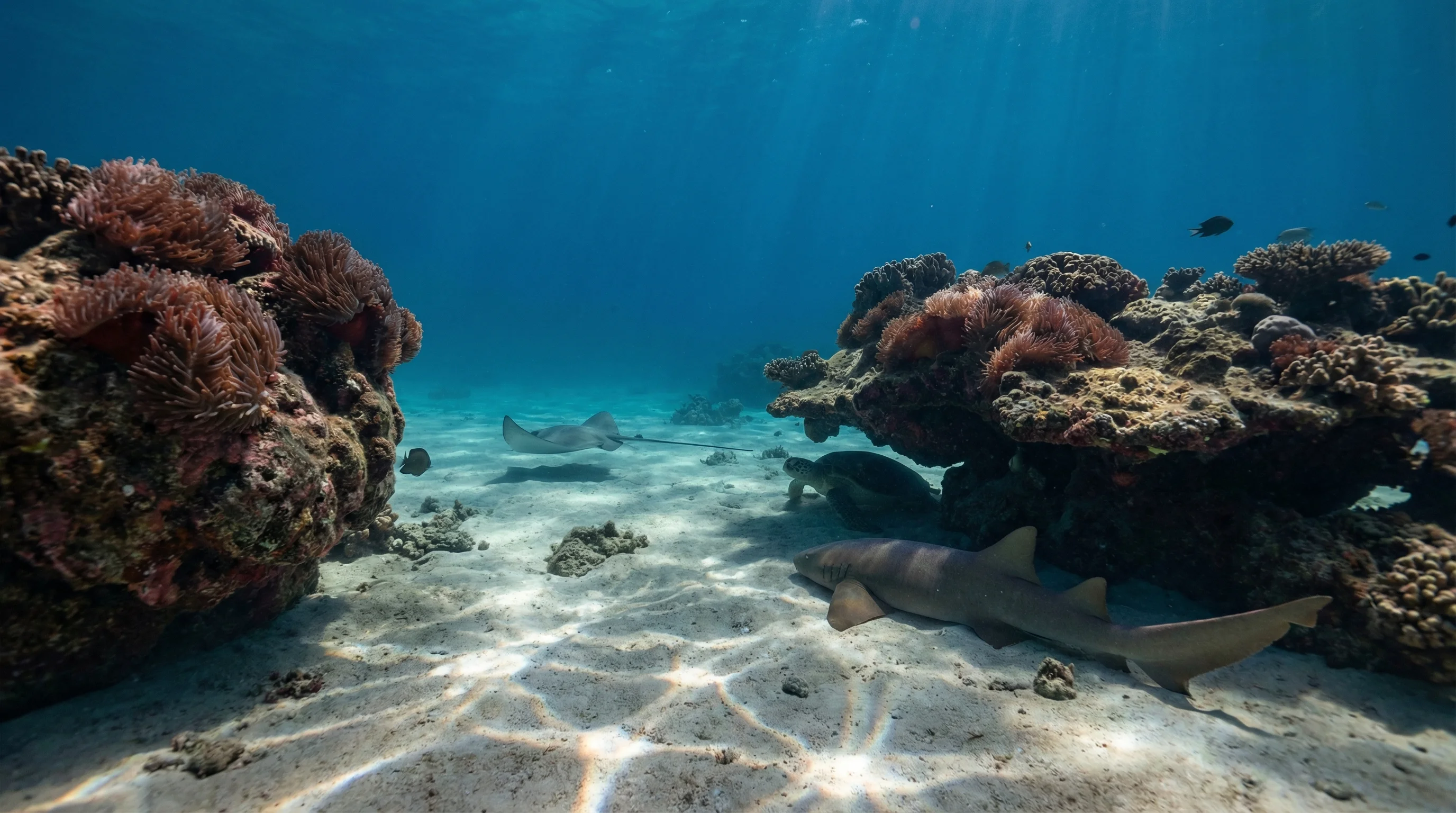
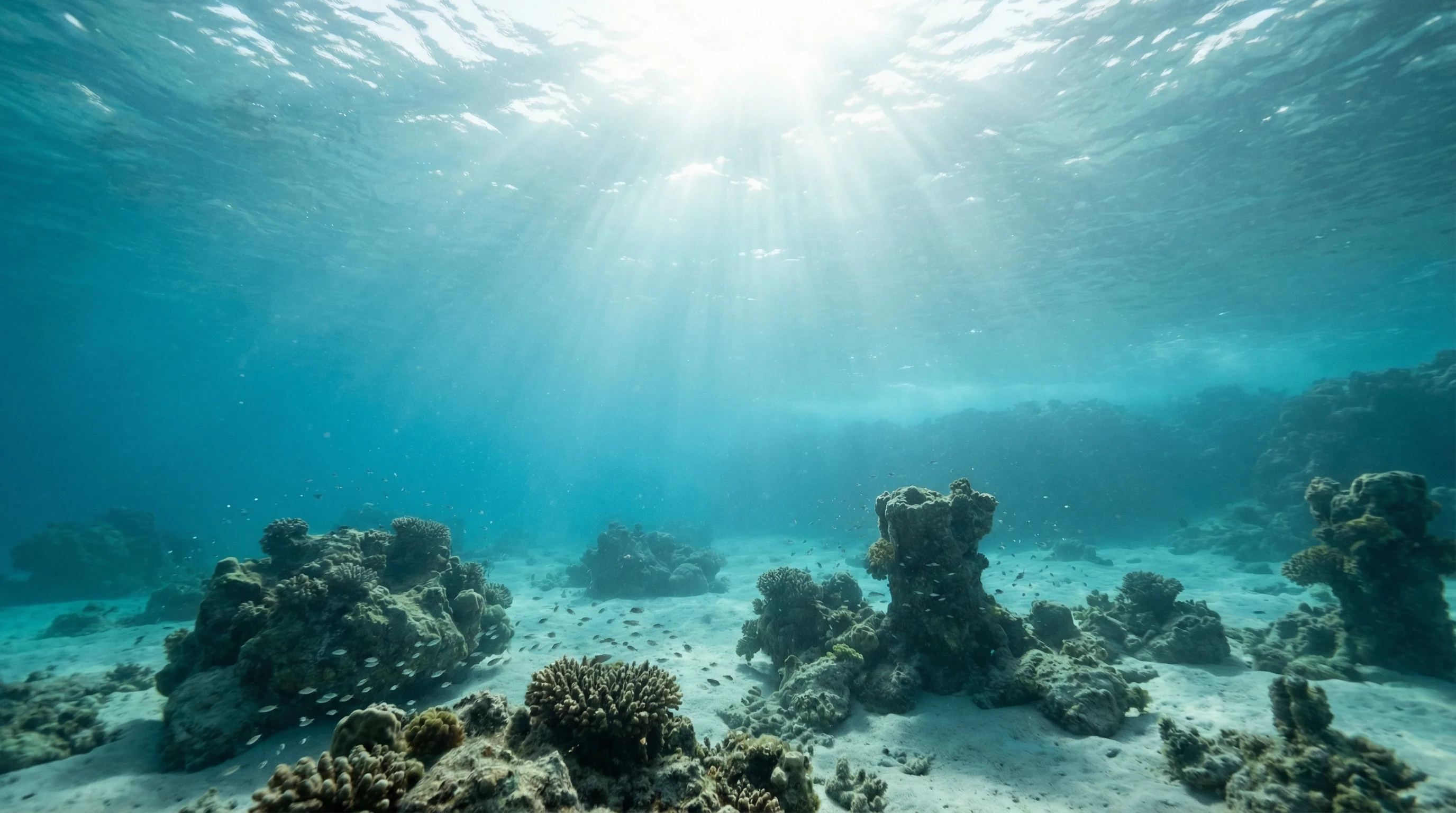
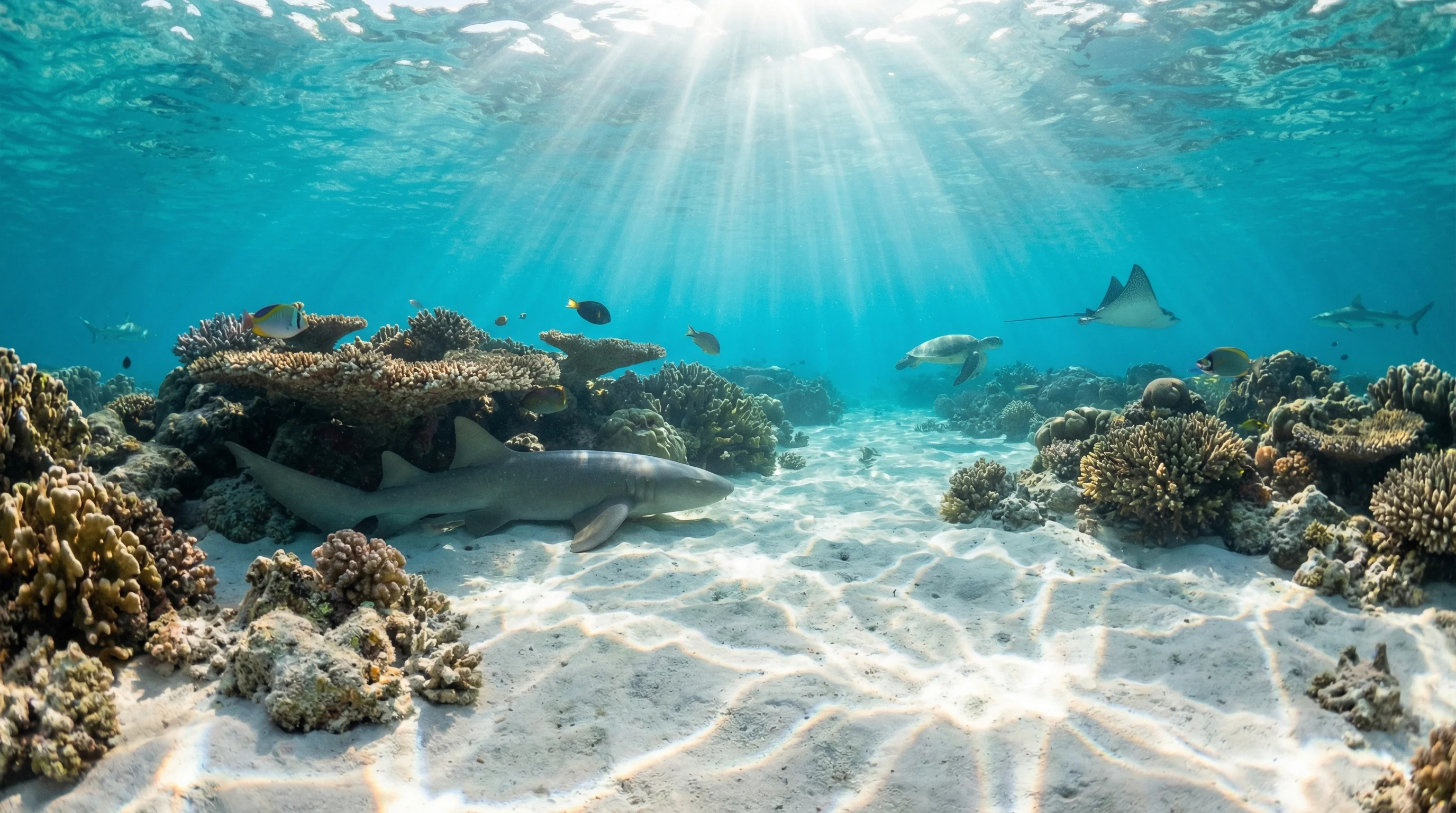
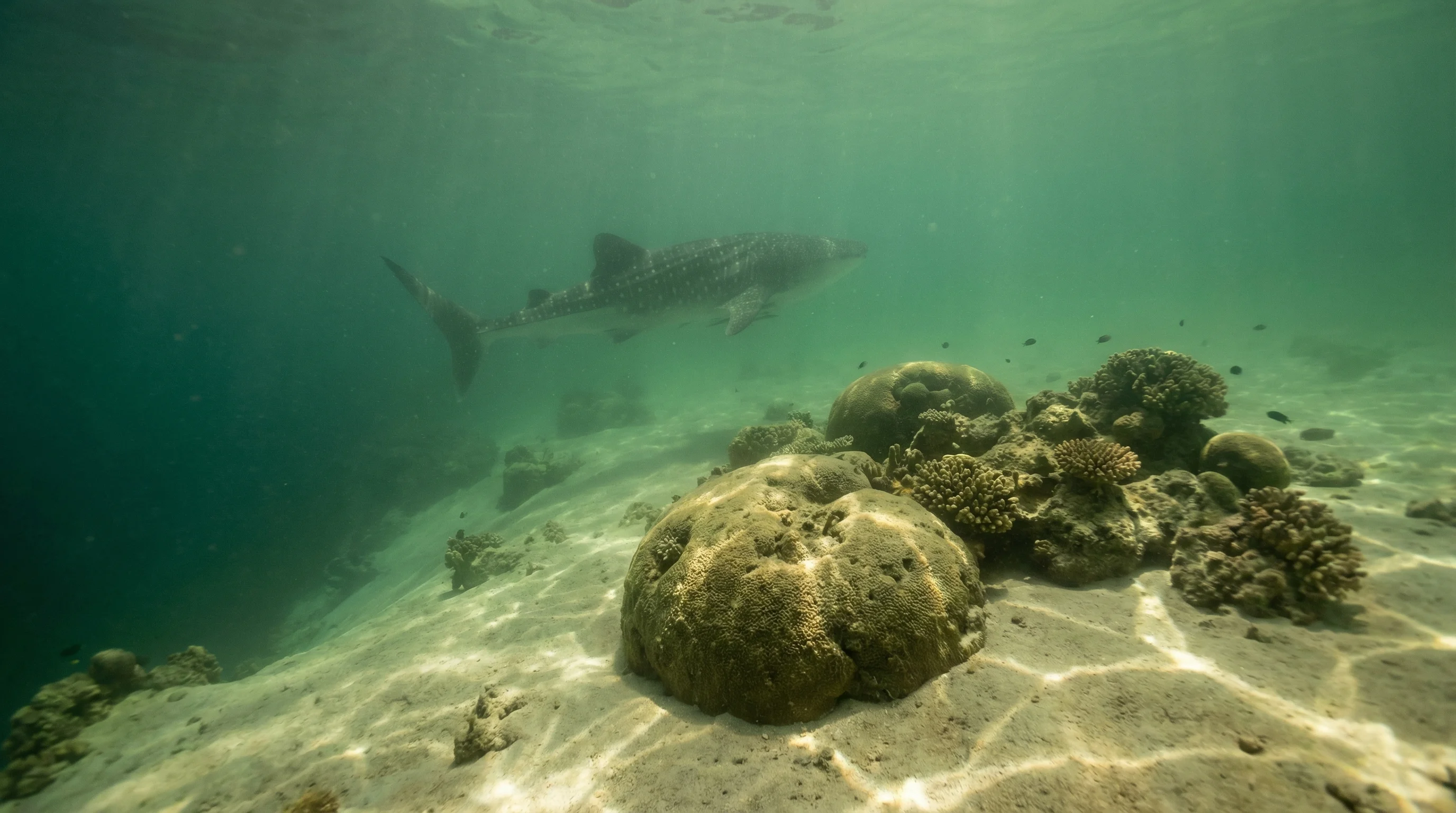
Ranger Bommies is a shallow reef site in Lighthouse Bay, Australia, featuring coral outcrops between 4 and 8 metres deep. This site is suitable for beginners due to the manageable depths and mild currents. Access is by boat only, as the site is located 1500 metres from the shore. Divers and snorkellers should remain aware of boat traffic when entering and exiting the water, and keep dive flags visible at all times. Visibility typically ranges from 3 to 10 metres, with water temperatures between 23 and 28C. A typical dive duration is approximately 45 minutes.
-21.93223, 113.94528
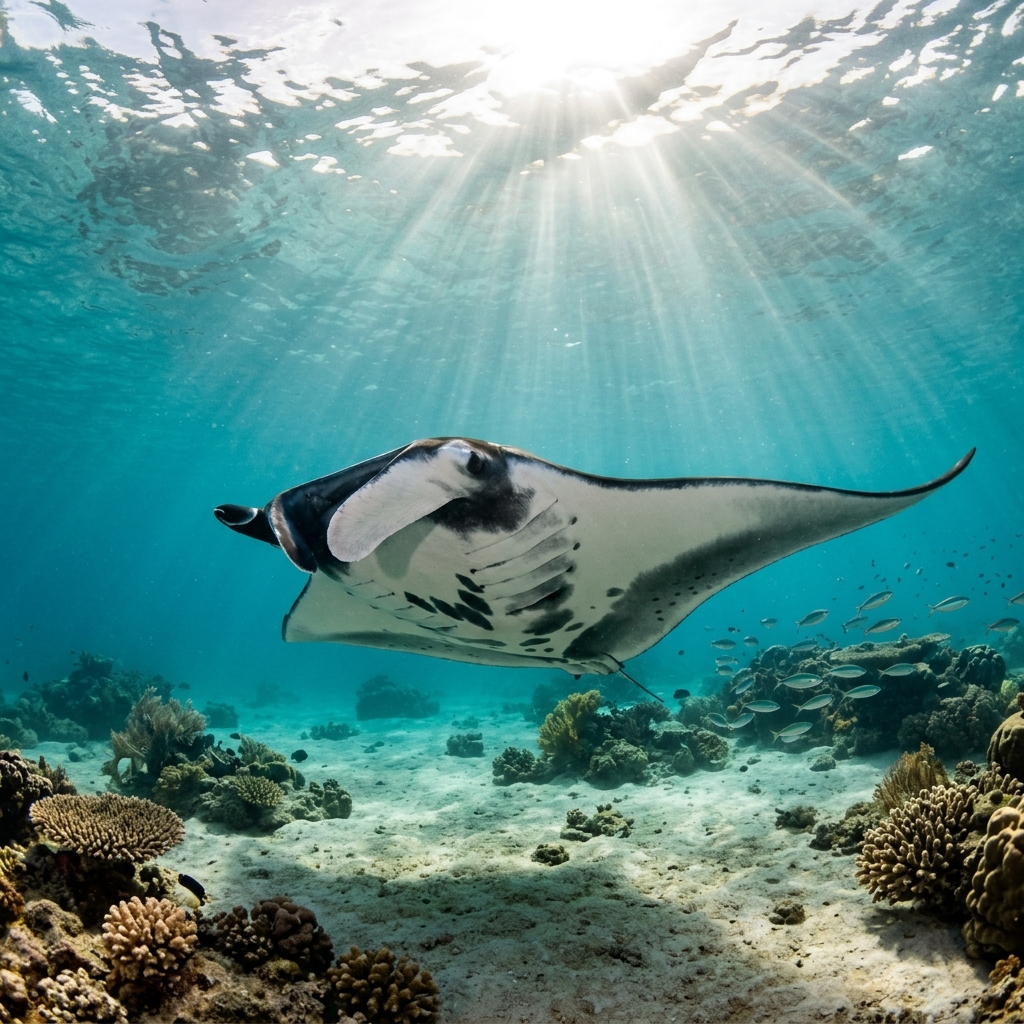
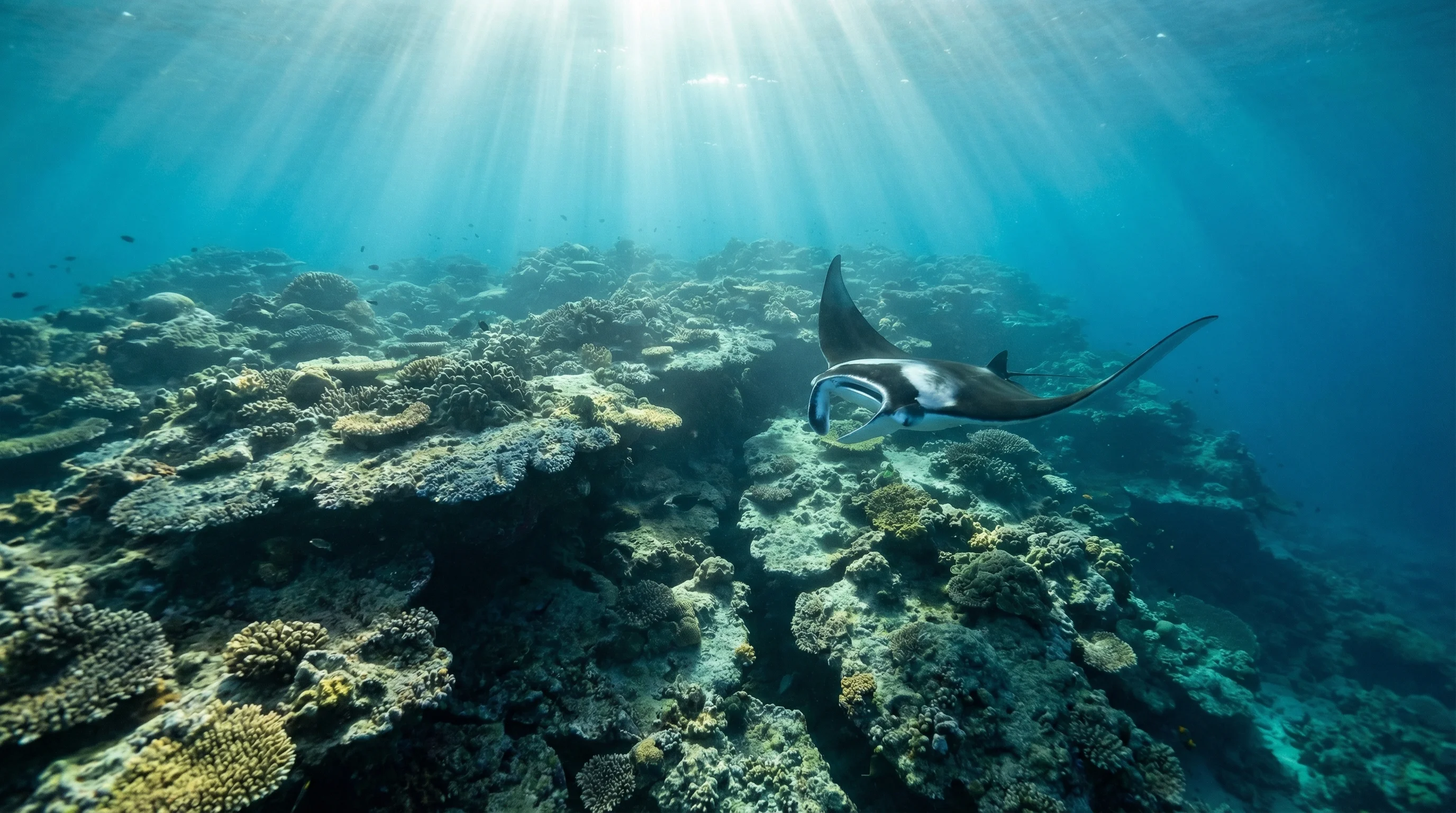
March and November offer the best conditions at this site, with calmer seas and a higher chance of spotting larger pelagic visitors like reef manta rays. Always keep an eye on the surface when ascending, as boat traffic is the main hazard here.
Access is by boat only, as the site is located 1500 metres from the shore.
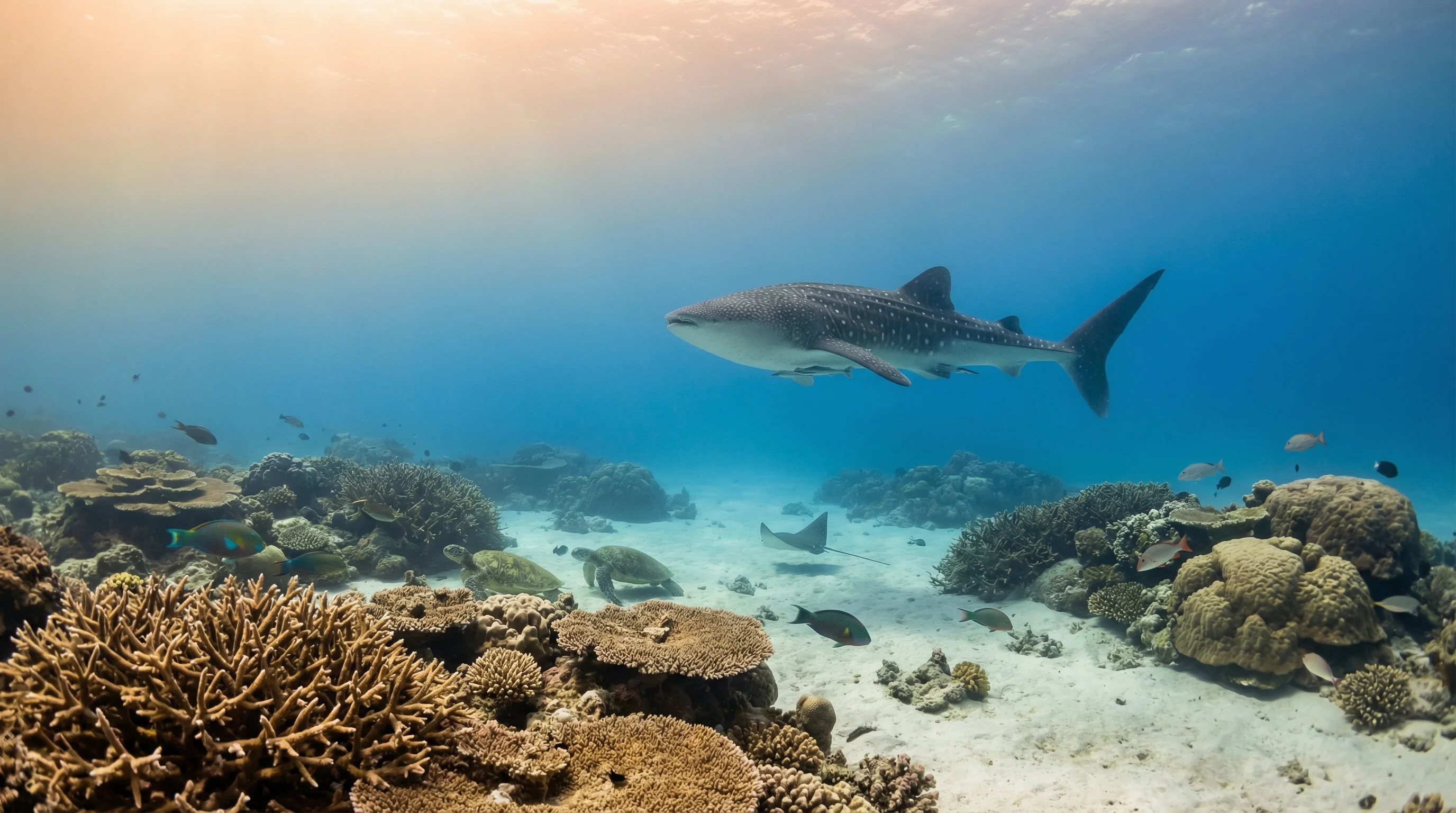
Recorded at this site
Depth
4-8m
Visibility
3-10m
Skill Level
Beginner
Entry
Boat
Boat required
Water Temp
23-28°C
Current
Mild
Typical Dive
45 min
Best Time
Mar, Nov
Yes, the site is suitable for beginners due to its shallow depth range of 4 to 8 metres and mild currents.
The depth at Ranger Bommies ranges from 4 to 8 metres, with an average depth of 6 metres.
Yes, Ranger Bommies is suitable for both diving and snorkelling.
Access to Ranger Bommies is by boat only, as it is located 1500 metres from the shore.
The primary hazard is boat traffic. Divers and snorkellers should keep their dive flag visible and stay close to their boat.
A 3mm wetsuit is recommended for diving at Ranger Bommies in Exmouth. Water temperatures range from 23°C to 28°C.
The best months to visit Ranger Bommies in Exmouth are March and November. Conditions outside these months can still be good but are less predictable.
Ranger Bommies in Exmouth typically has mild currents that most divers can handle comfortably.
Visibility at Ranger Bommies in Exmouth typically ranges from 3 metres to 10 metres. Conditions vary with weather, tides, and seasons.