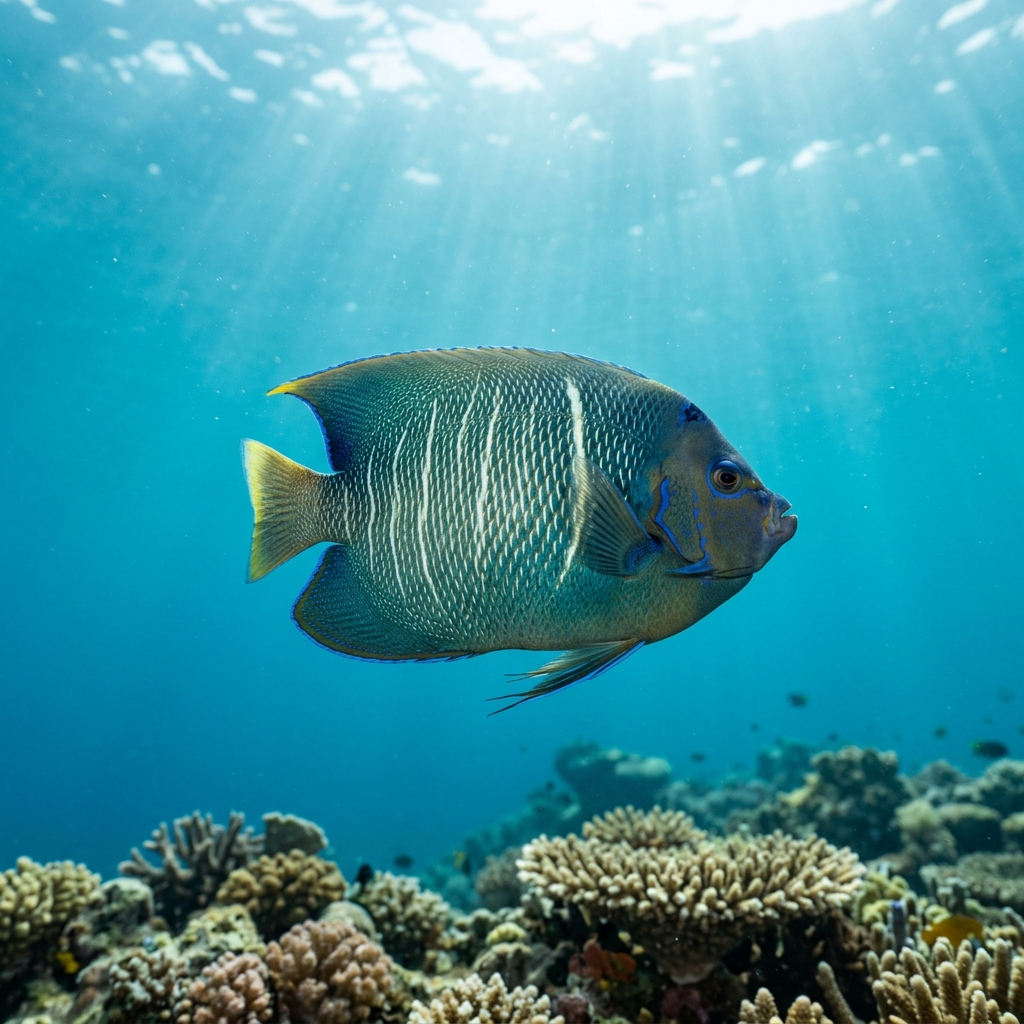
Pomacanthus semicirculatus
Spot the semicircle angelfish in Okinawa, Bali, or the Seychelles. Recognised by its bold semicircular markings, it favours warm reefs of 23-29 °C.
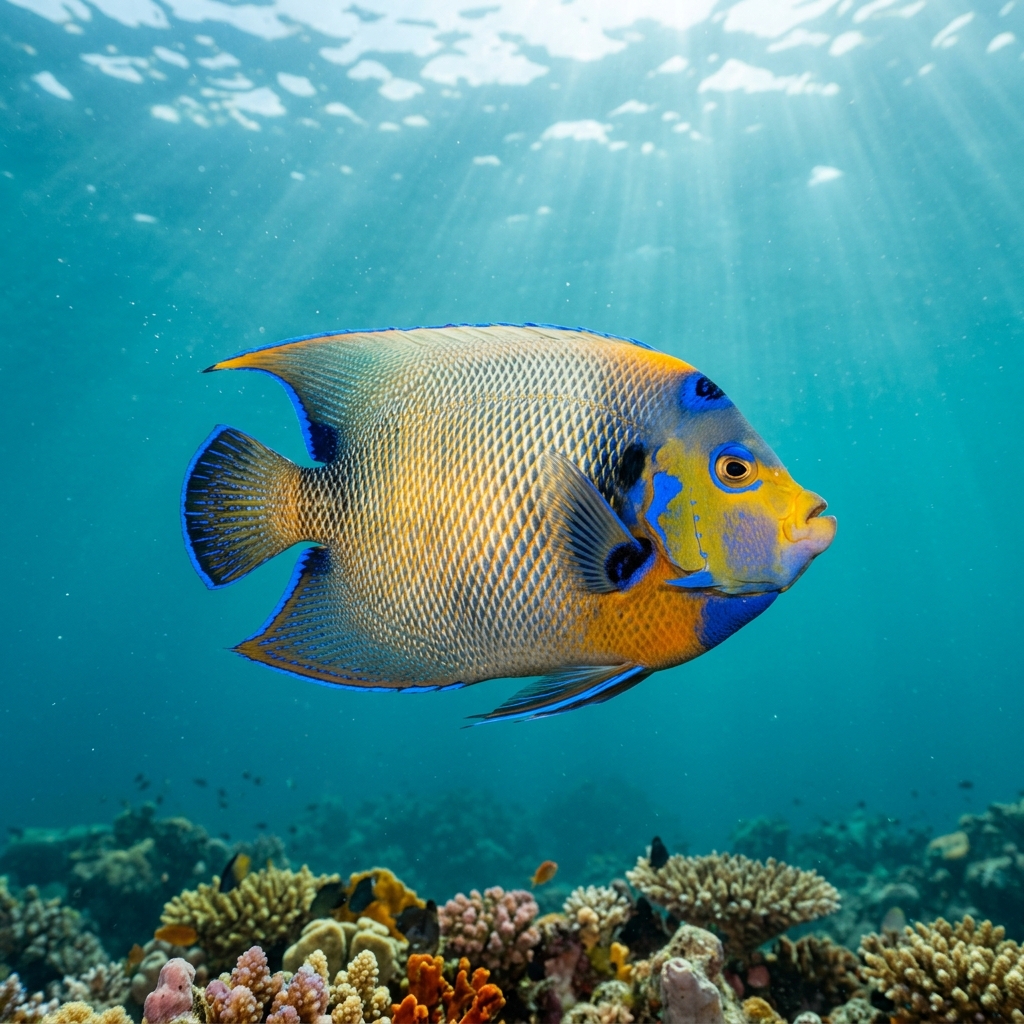
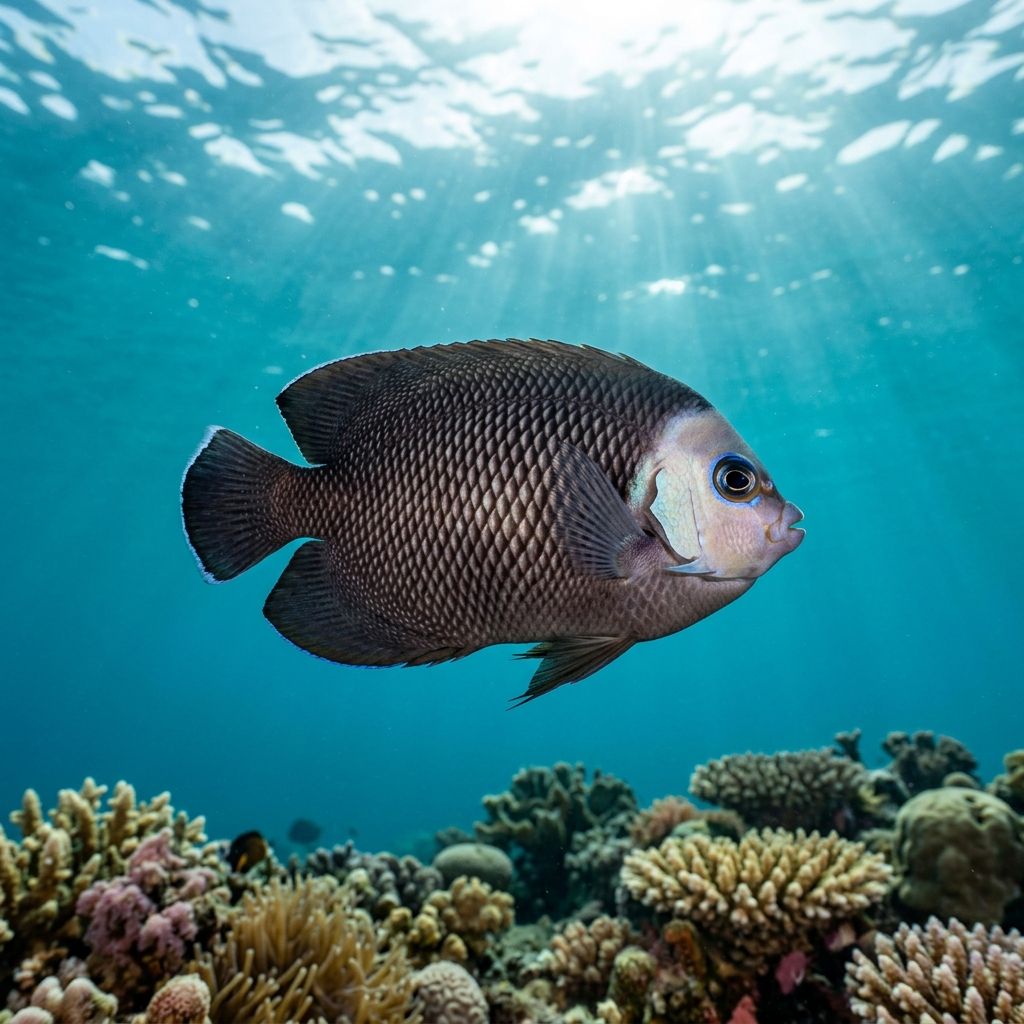
Adults are dark blue-grey to olive, covered in a mosaic of pale blue-edged scales arranged in concentric semicircular arcs across the flanks, the pattern that gives the species its name. The face is yellowish to pale blue with a dark band through the eye, and the rear edges of the dorsal and anal fins are trimmed in bright blue. On the reef these fish read as mid-sized, broad-bodied angels, typically encountered alone or in pairs. Juveniles look completely different: jet black with bold white and electric-blue concentric rings, making them easy to mistake for a different genus entirely.
Semicircle angelfish are typically seen moving deliberately along coral-rich slopes and reef walls, grazing on sponges and soft-bodied invertebrates. They tend to be shy around divers, often retreating into coral structure when approached too closely, so slow and steady movements give you the best chance of a sustained sighting. Most encounters are with solitary individuals or loose pairs, rarely in groups.
Like many angelfishes, semicircle angelfish are protogynous hermaphrodites: dominant females can transition into males when a dominant male is absent from a territory. This means the large individual you see patrolling a reef may well have started its adult life as a female.
In the Southern Hemisphere, Australia, Indonesia, South Africa, and the Seychelles, sightings are spread throughout the year, reflecting the species' tolerance for warm tropical reef temperatures between 23 and 29 °C. In Northern Hemisphere locations such as Japan and Taiwan, sightings concentrate in March through September, so plan accordingly if those destinations are on your itinerary.
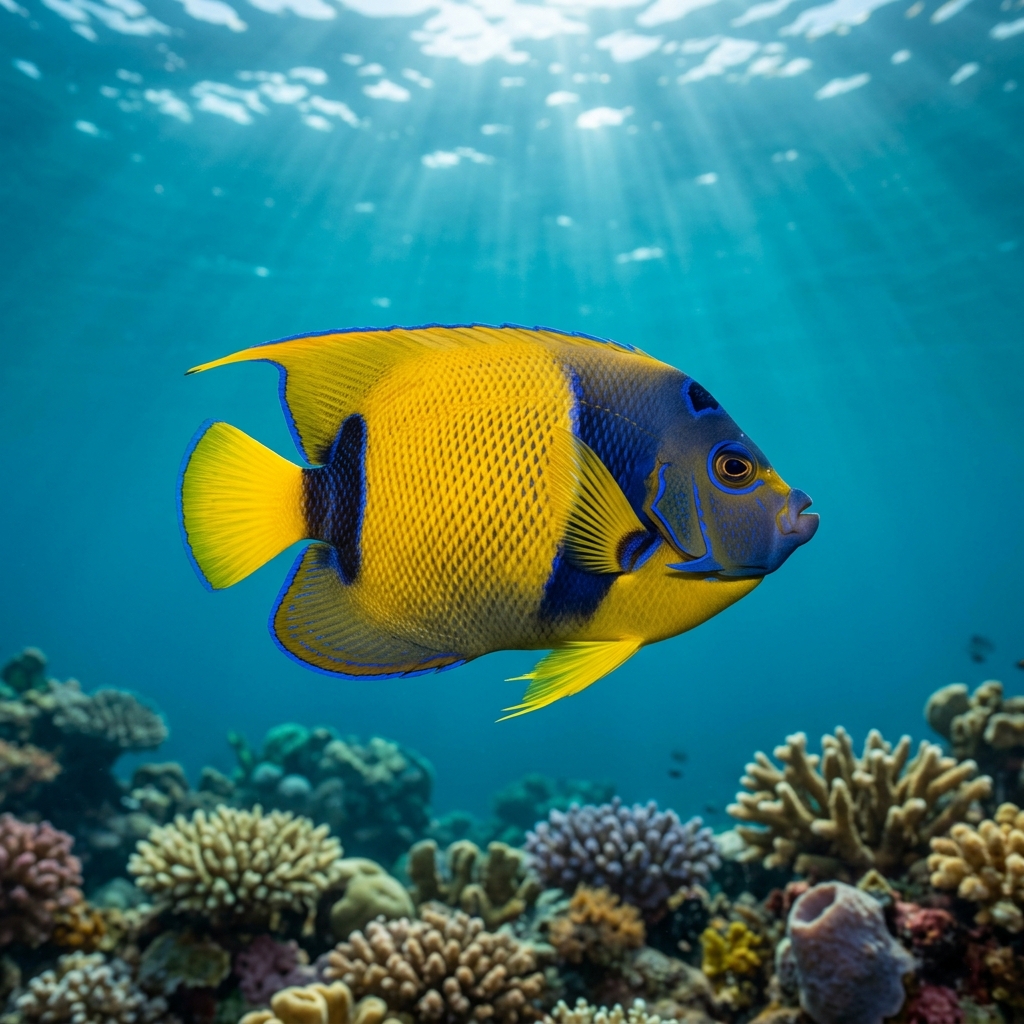
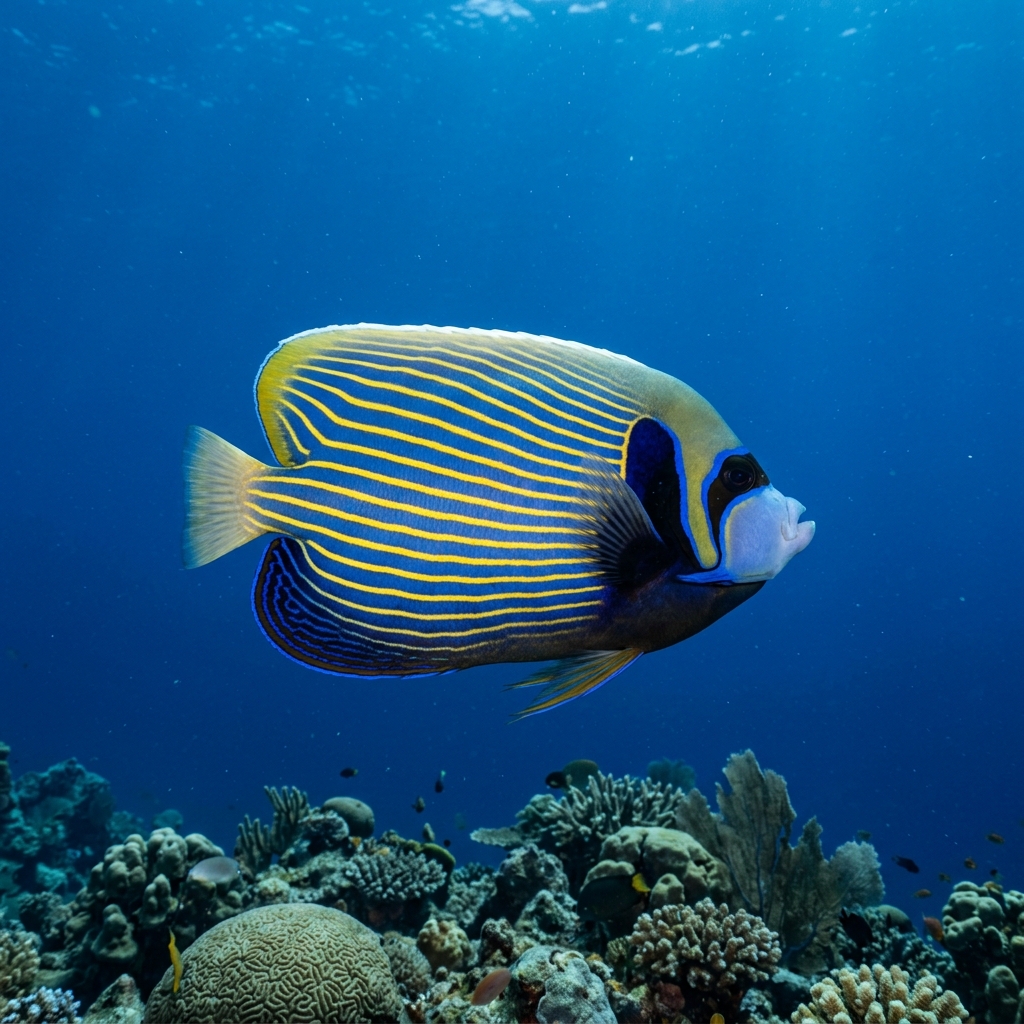
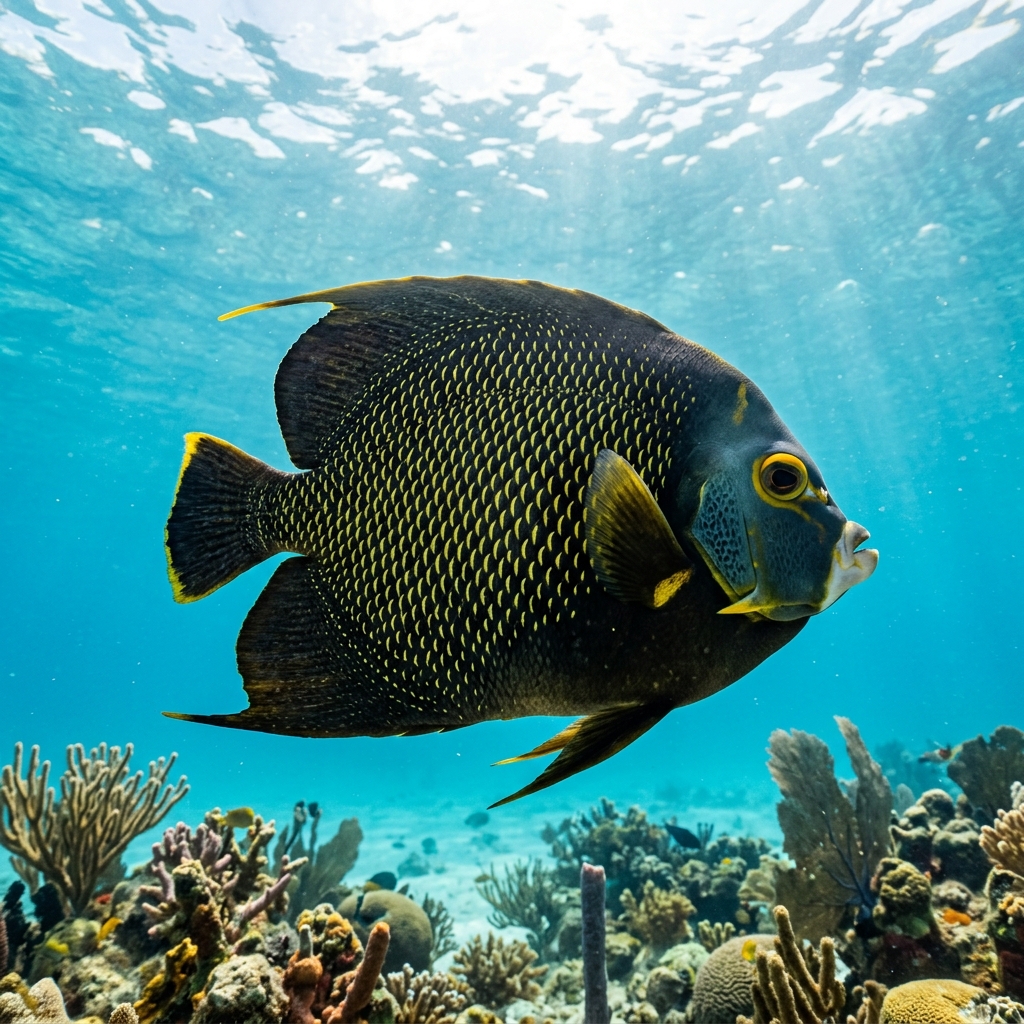
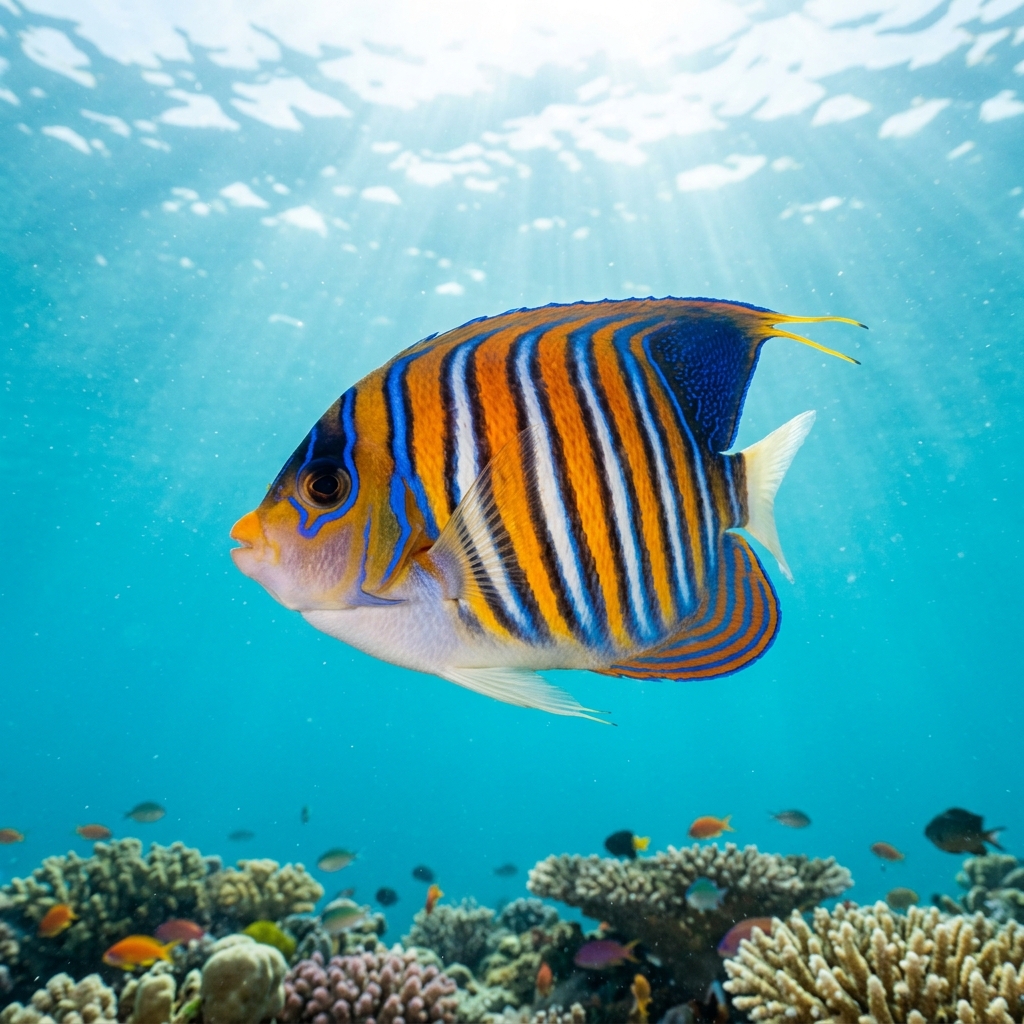
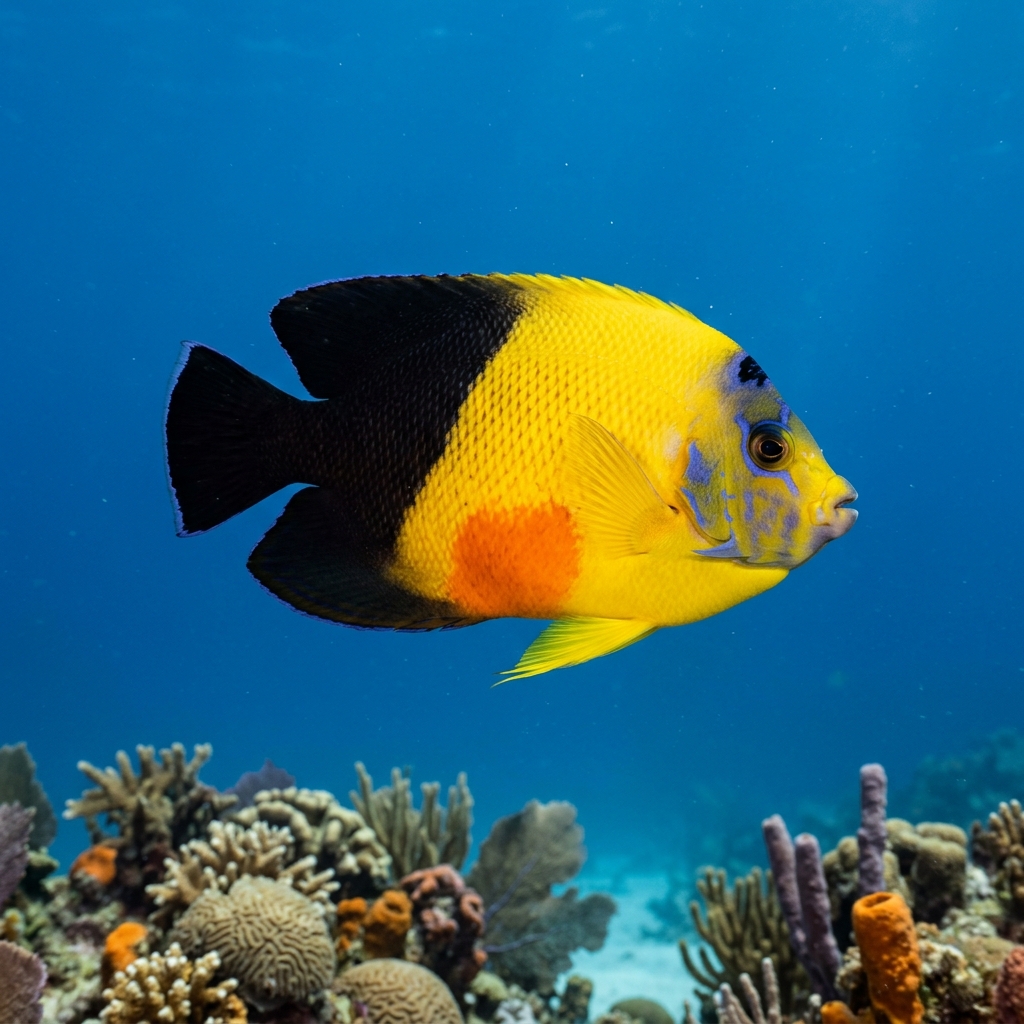
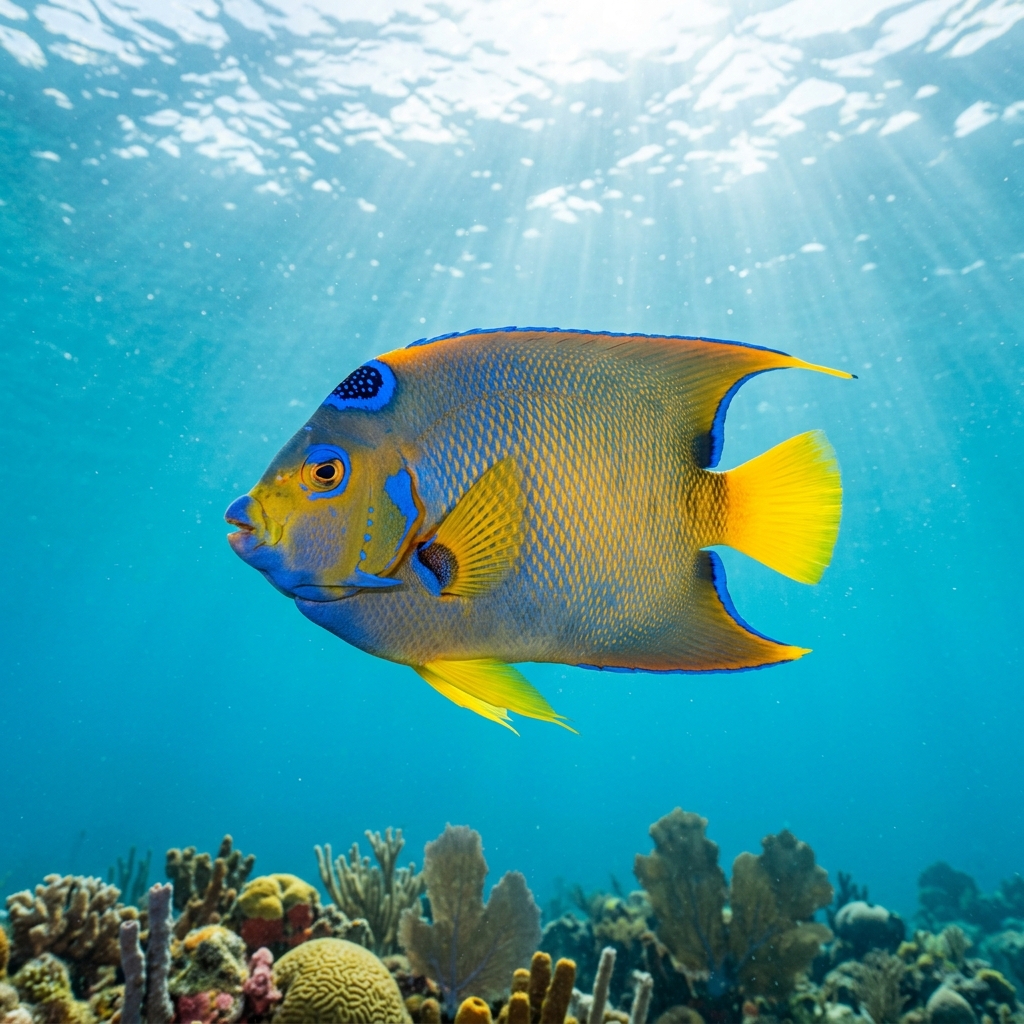
Reef neighbours a diver could mistake it for. Use the identification notes above to tell them apart.
Most reliably logged across Australia (especially Queensland and Western Australia), Indonesia (particularly Bali and Lombok), the Seychelles (Praslin and La Digue lead the region), and Japan's Okinawa Islands. Strong populations are also recorded in Taiwan, South Africa's Durban and North Coast, Sri Lanka, and the Philippines' Visayas region.
Mapping where Semicircle Angelfish is logged…
They are most commonly logged in Australia, Indonesia, the Seychelles, and Japan, with strong showings also in Taiwan, South Africa, Sri Lanka, and the Philippines. Top regional spots include Okinawa, Bali and Lombok, Queensland's reefs, and Praslin and La Digue in the Seychelles.
In southern destinations like Australia, Indonesia, and the Seychelles, they are present year-round. In northern sites such as Okinawa and Taiwan, your best window runs from March through September when water temperatures climb into the species' preferred 23-29 °C range.
Look for a dark, broad-bodied angel covered in pale blue-edged scale arcs that sweep in semicircles across the body, with yellow-blue colouring on the face and bright blue trim on the trailing fins. Juveniles are black with vivid concentric blue-and-white rings and look completely unlike the adult.
At most sites where divers log them they are classed as uncommon, and at a large number of sites they are rated rare. Common sightings are reported at relatively few locations. Slow, patient diving along coral walls gives you the best odds of a sighting.
Site and sighting data is aggregated from diver logs, iNaturalist and GBIF. For taxonomy and conservation status:
Rock Beauty
1,573 sites