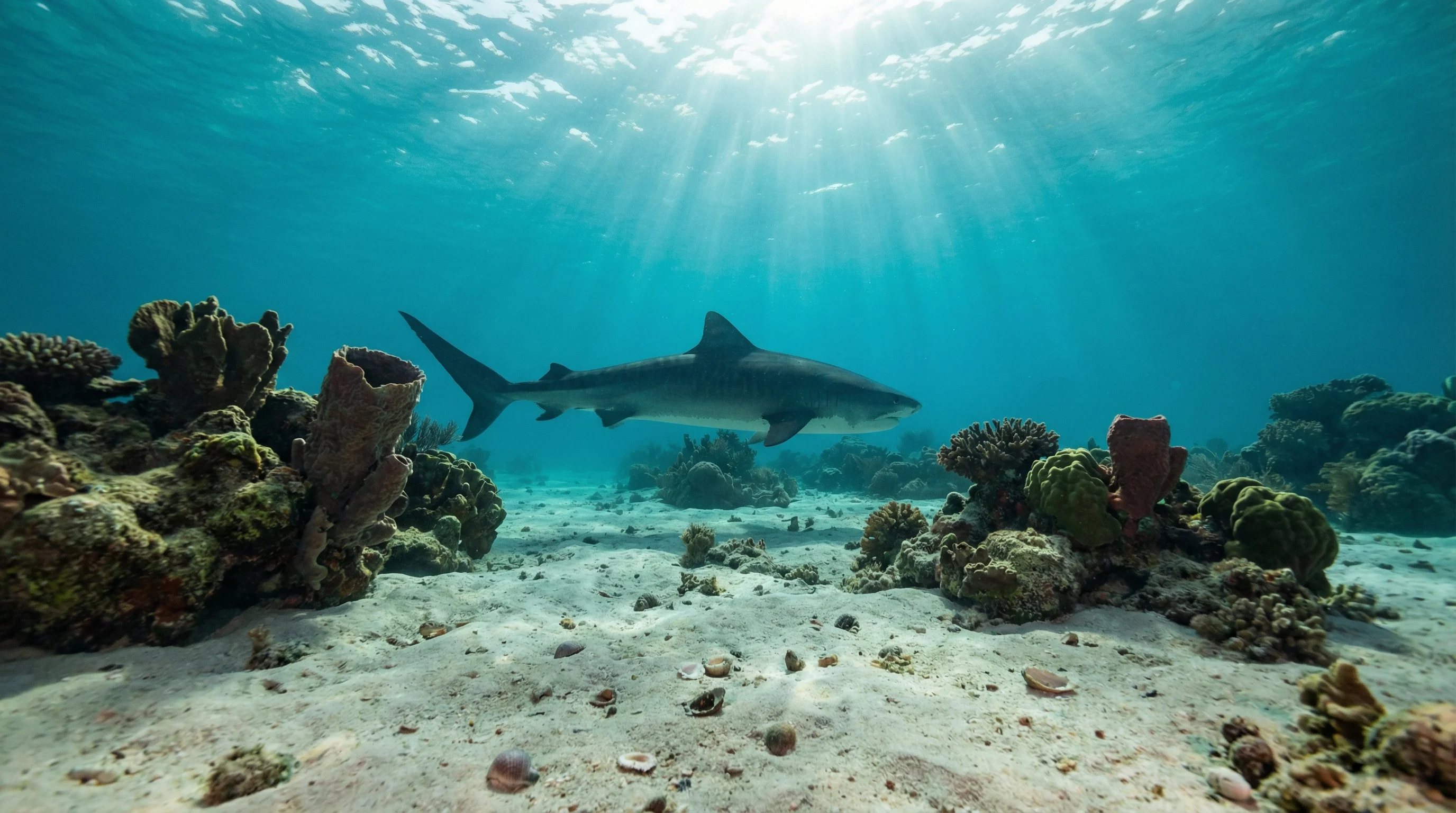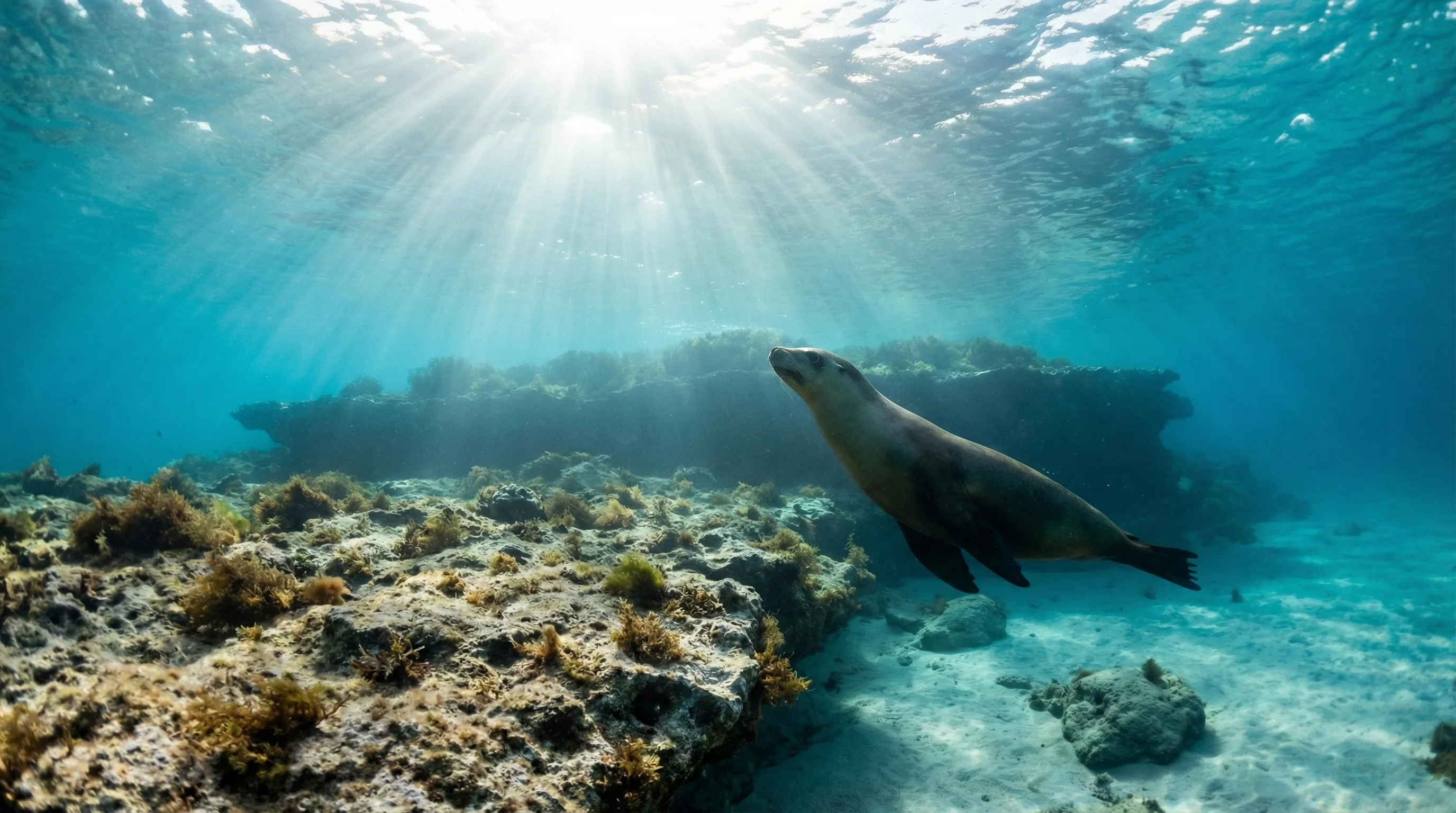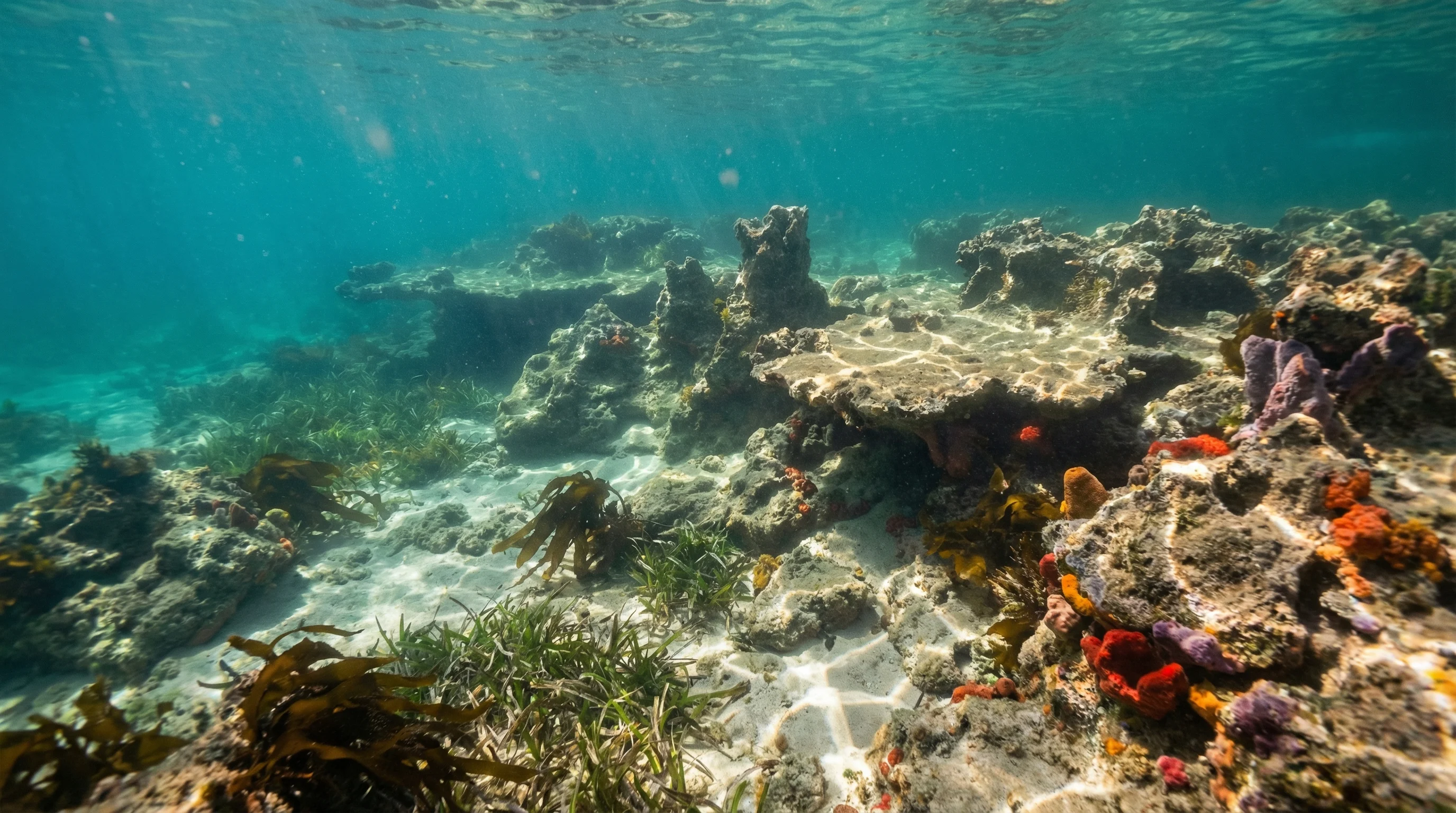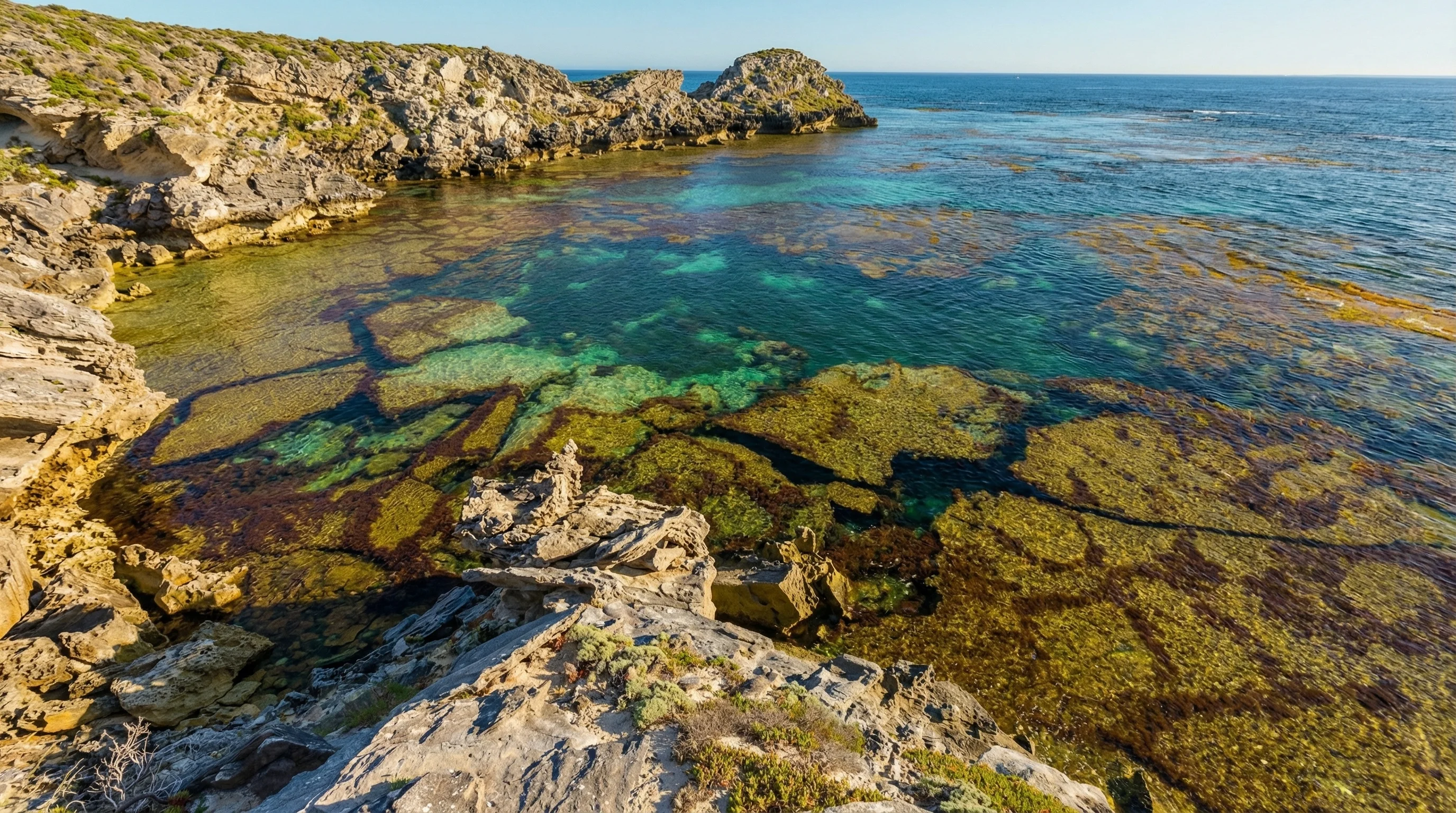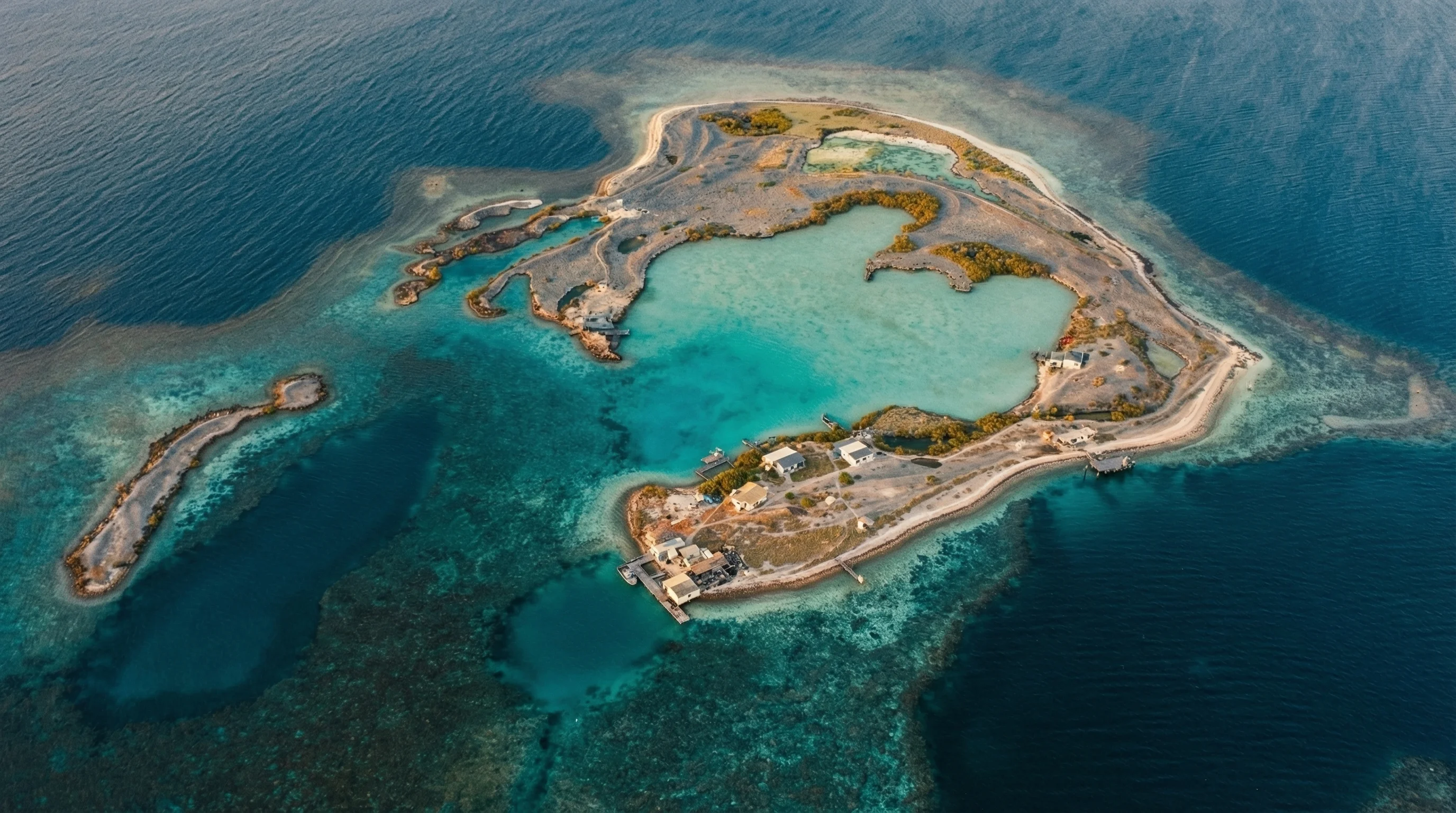
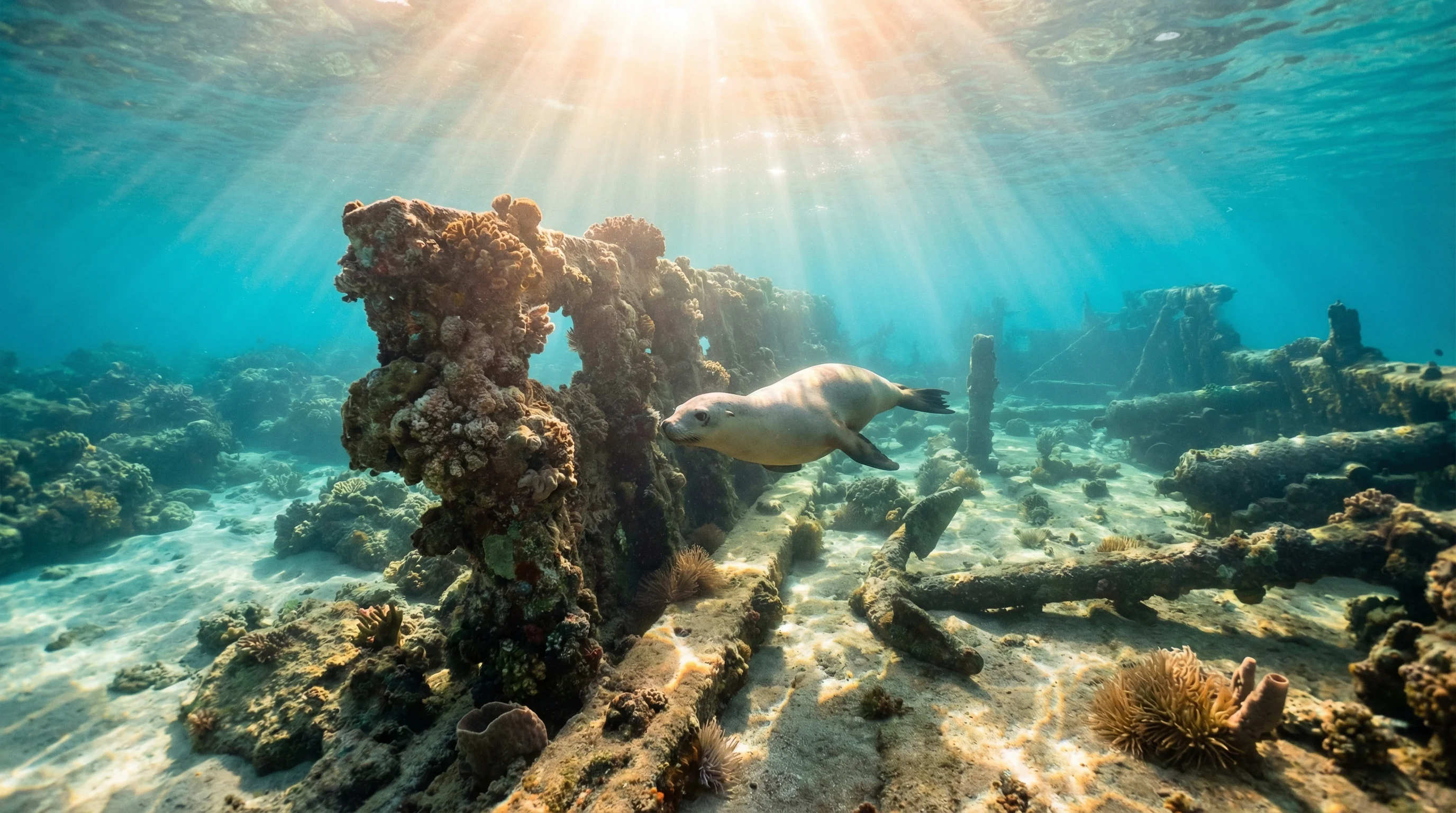
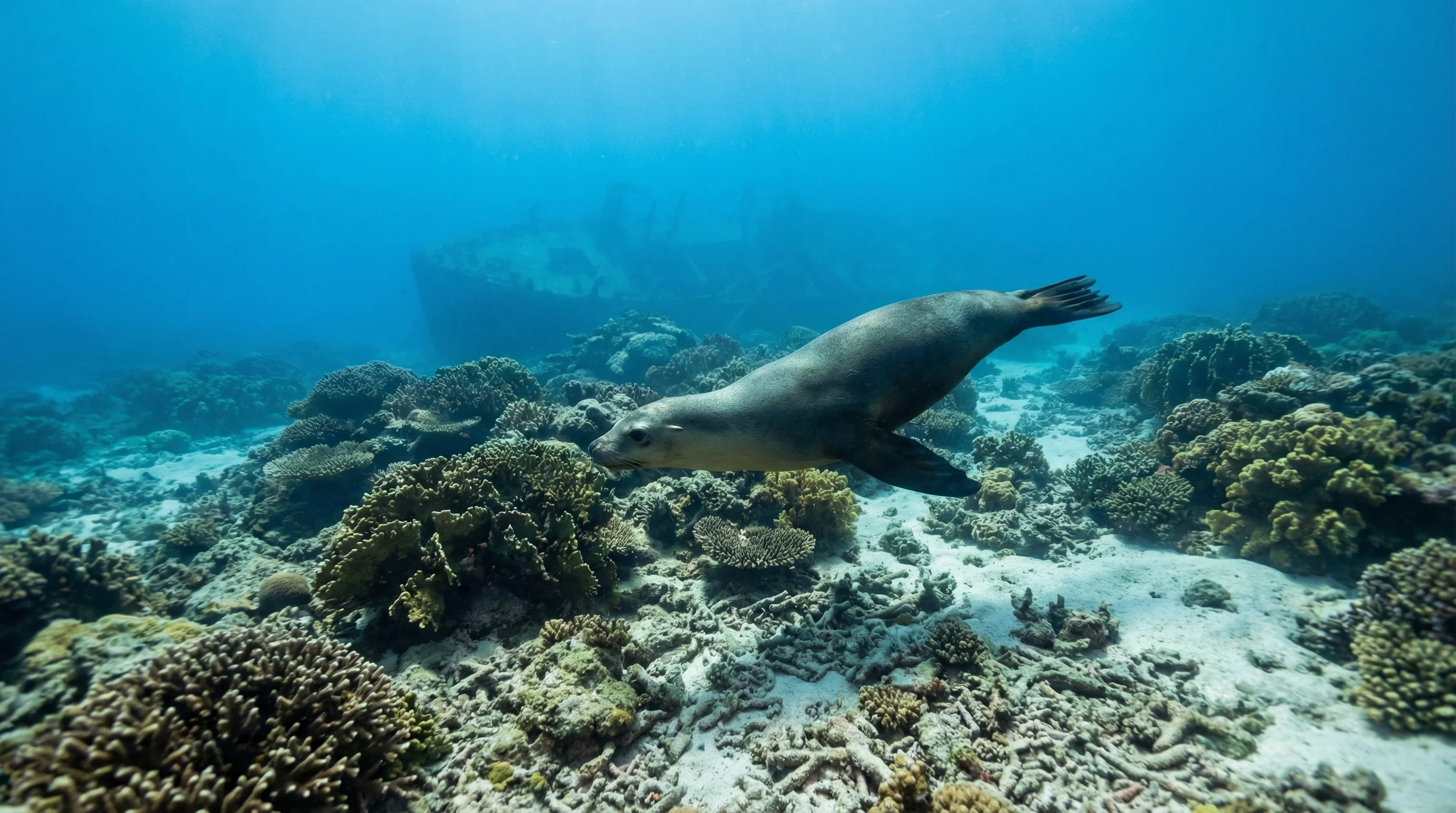
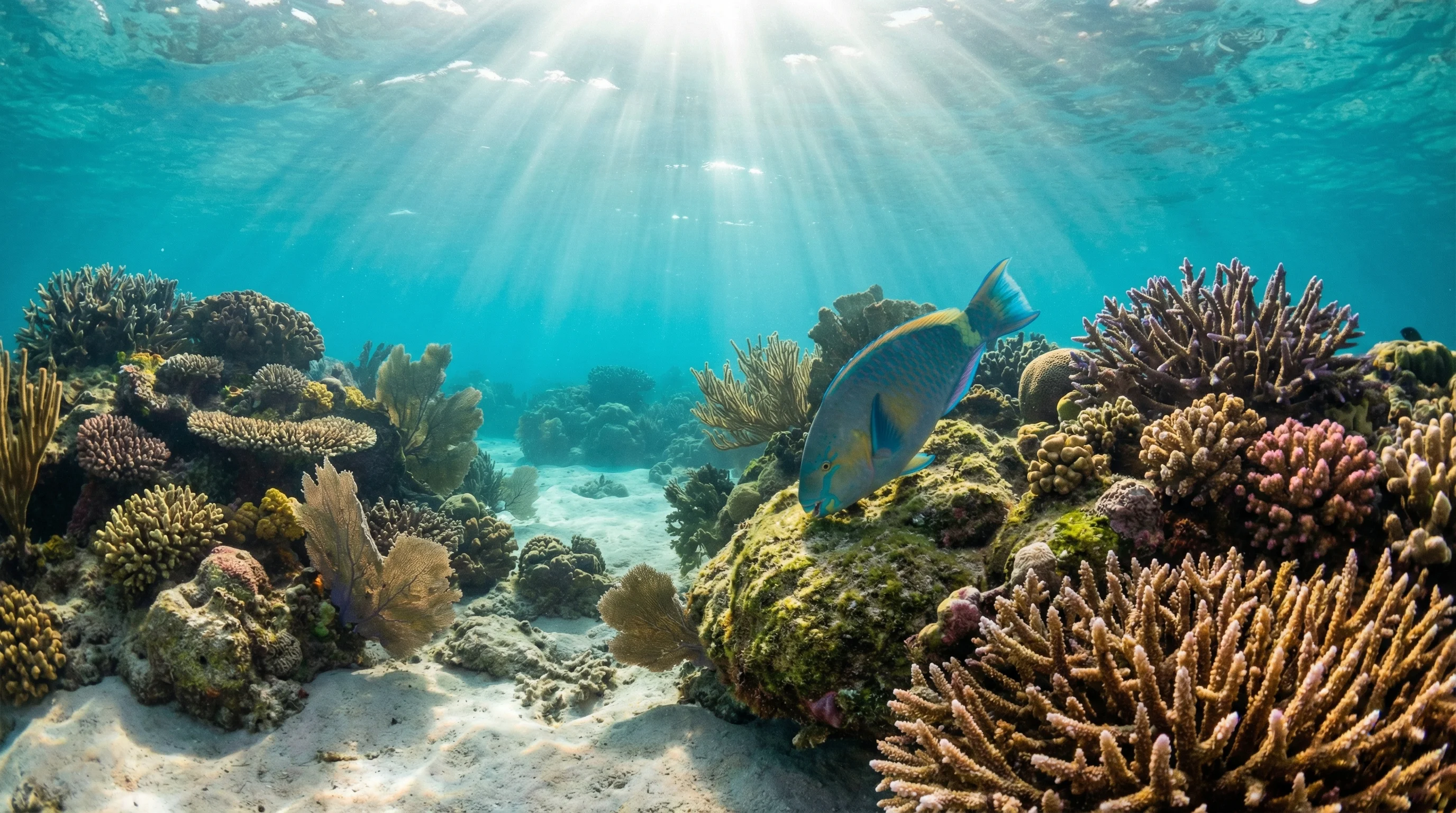
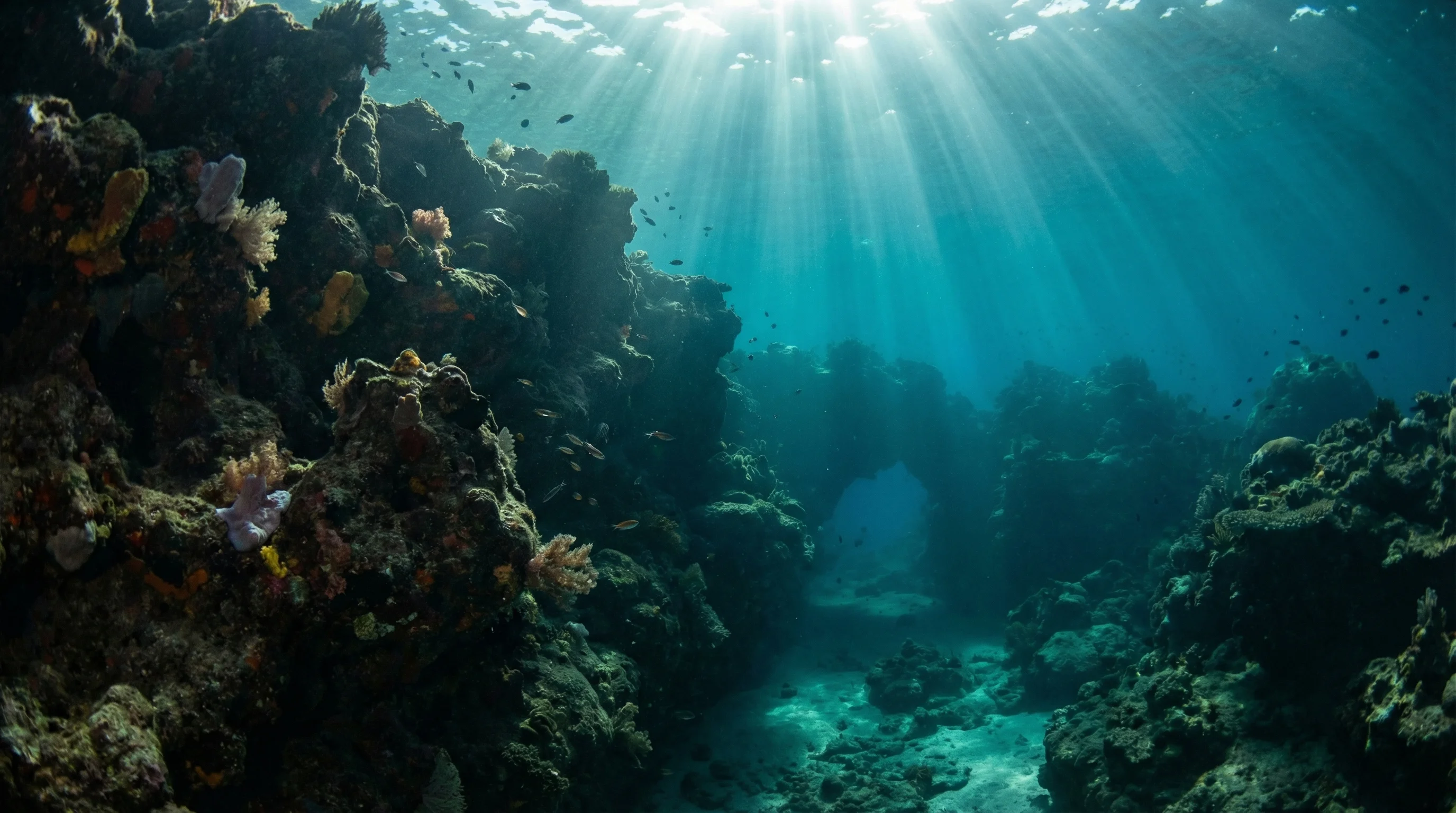
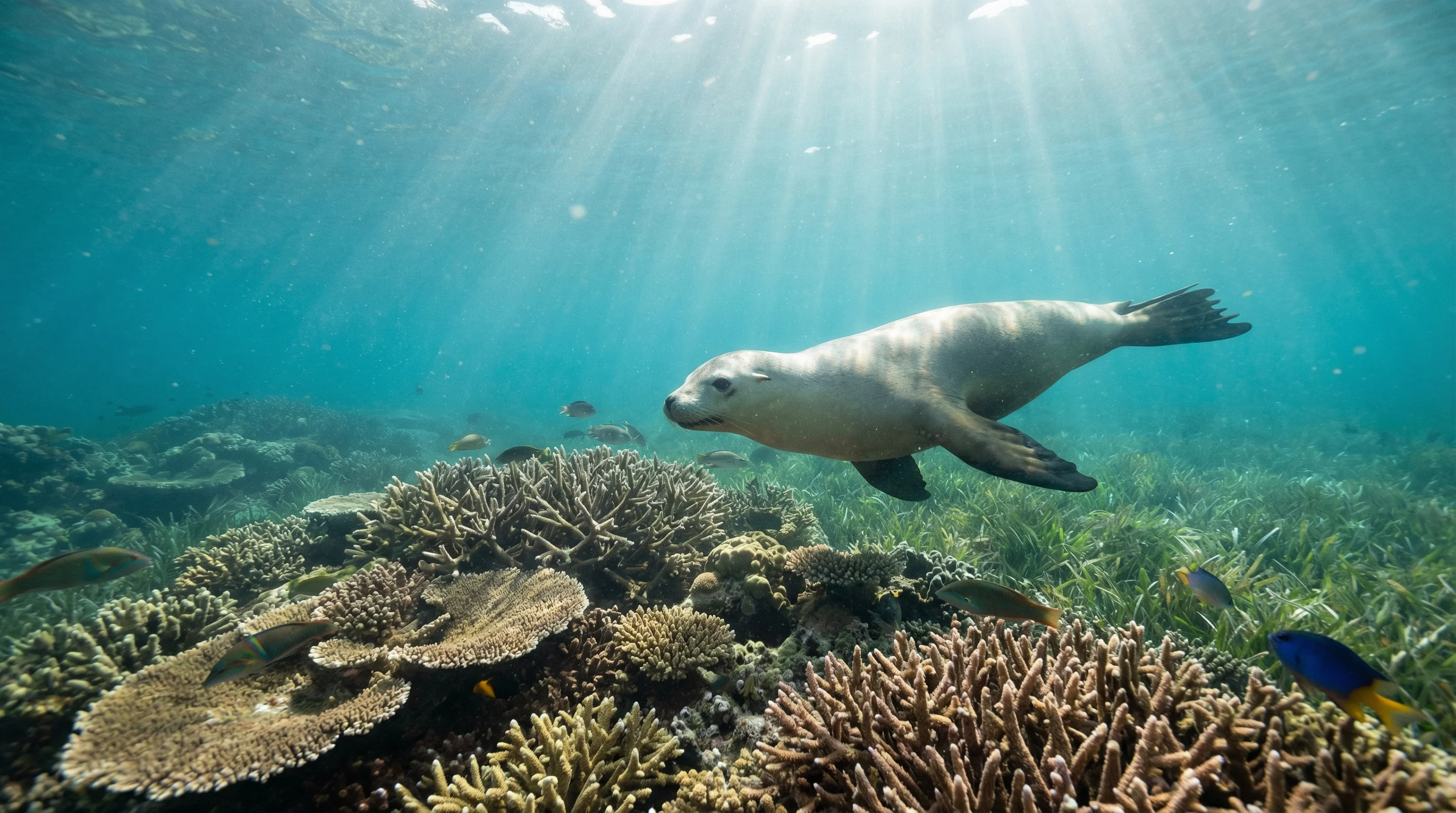
The Abrolhos Islands offer a compact but varied underwater landscape built around coral reef, wall, drift and wreck diving. Two sub-areas, the Wallabi Group and the Easter Group, share the sites between them, each with its own character. The warm Leeuwin Current keeps water temperatures comfortable year-round, supporting a rich fish community dominated by Baldchin Groper and Western King Wrasse alongside Grey Nurse Shark and Long-nosed Fur Seal. Historic shipwrecks add a compelling dimension to the reef diving.
2 areas
Monthly water temperature across Abrolhos Islands's sites, from satellite sea-surface data corrected for depth. The band shows the site-to-site spread.
Water temperature stays warm through the warmer months and dips only slightly through winter, making the islands diveable year-round. Visibility can be excellent, particularly at sites like Morning Reef where the reef structure is visible from the surface. Some sites, including the Batavia Shipwreck, are exposed to open ocean swell, so conditions can shift and boat access is the norm across the region.
2 operators
Australia
Australia
6 more sites to explore
Water temperature around Abrolhos Islands ranges from about 20°C in September to 24°C in February, based on satellite sea-temperature data for its dive sites.
In the warm season (about 24°C) a 3mm full suit is comfortable in Abrolhos Islands; in the coldest months (about 20°C) step up to a 5mm suit.
Fin maps 11 sites in Abrolhos Islands (9 scuba diving sites and 5 snorkelling spots, with some suited to both), organised into 2 areas.
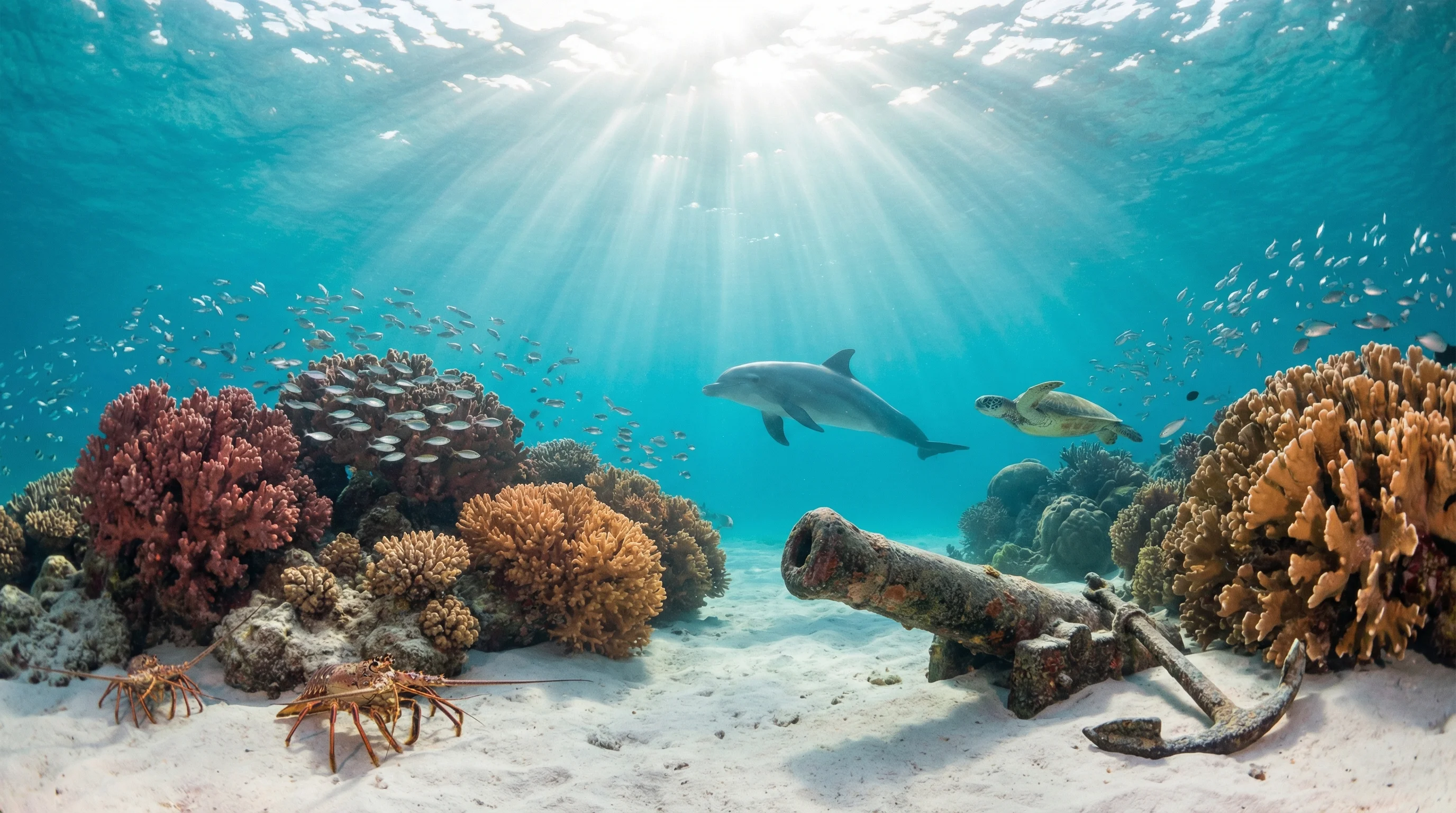
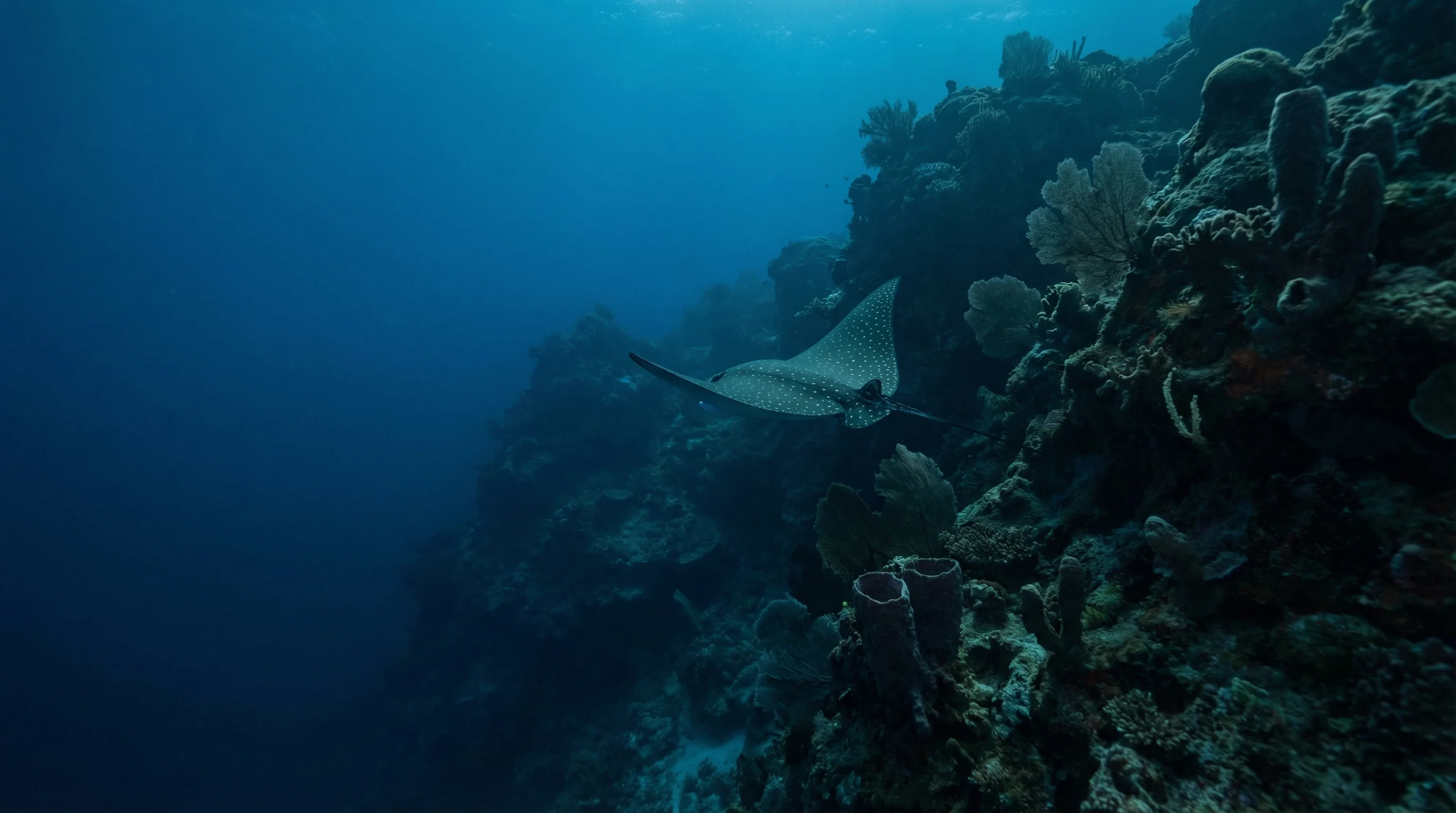
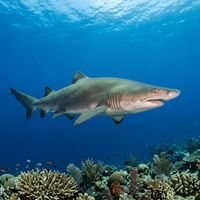
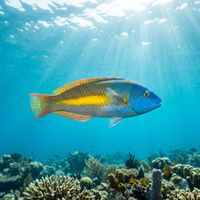
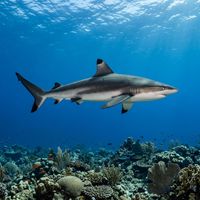
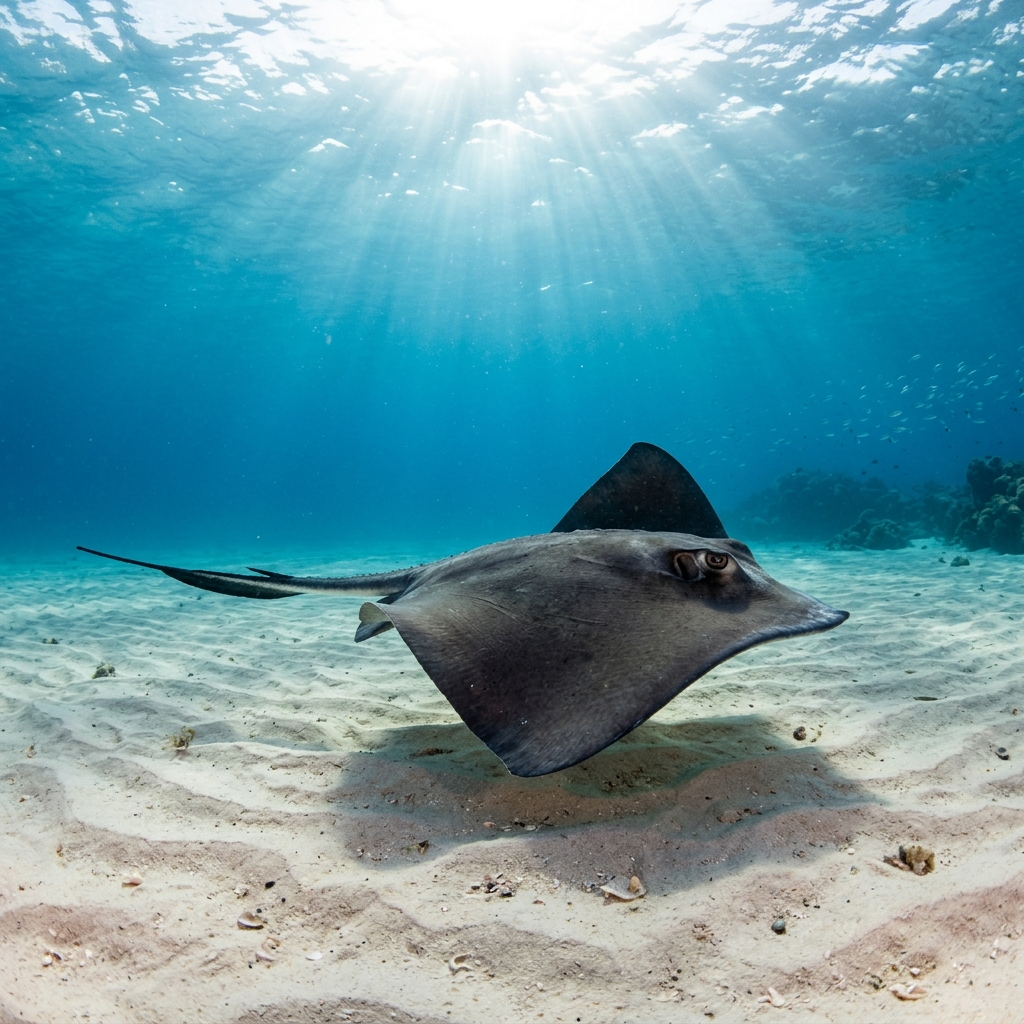
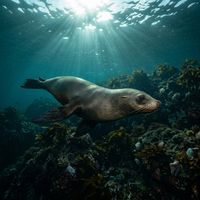
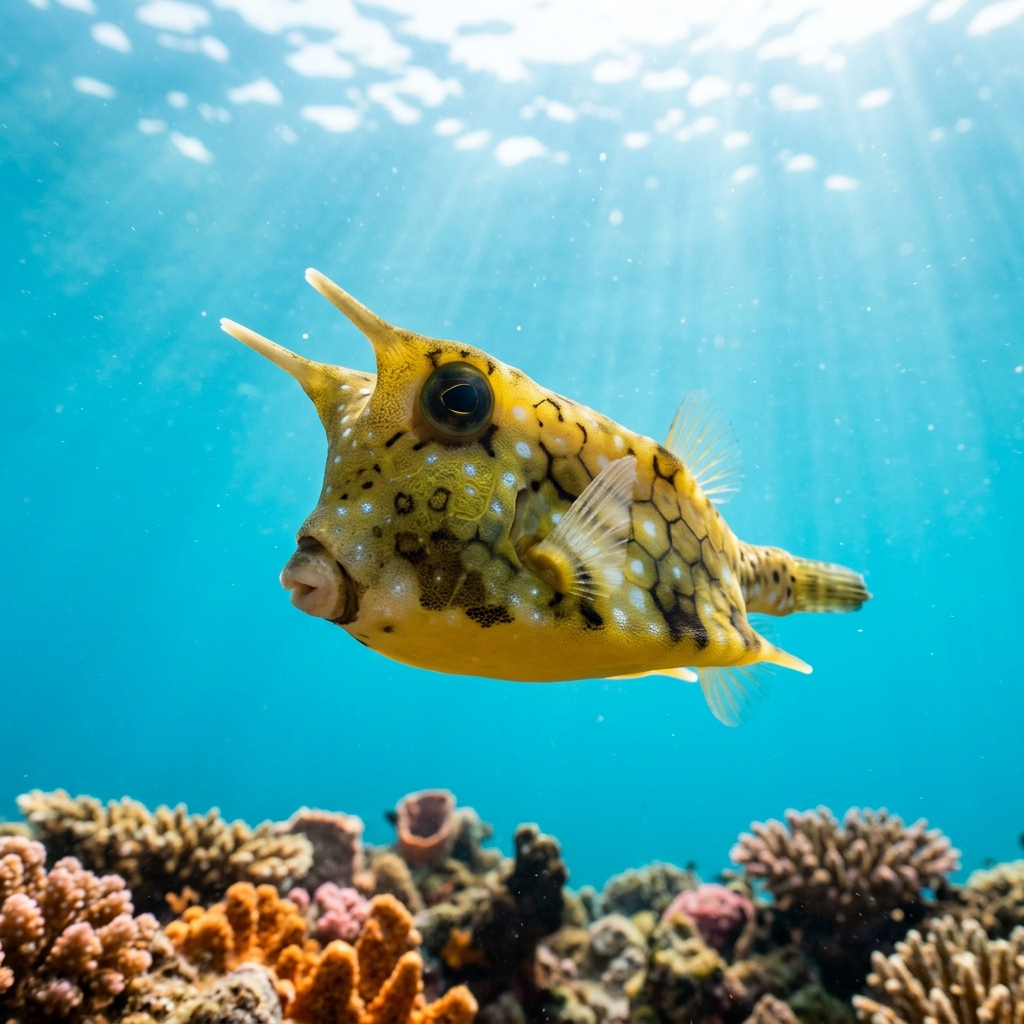
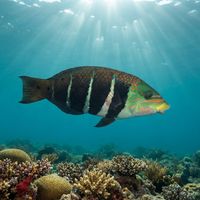
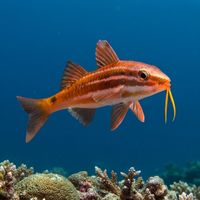
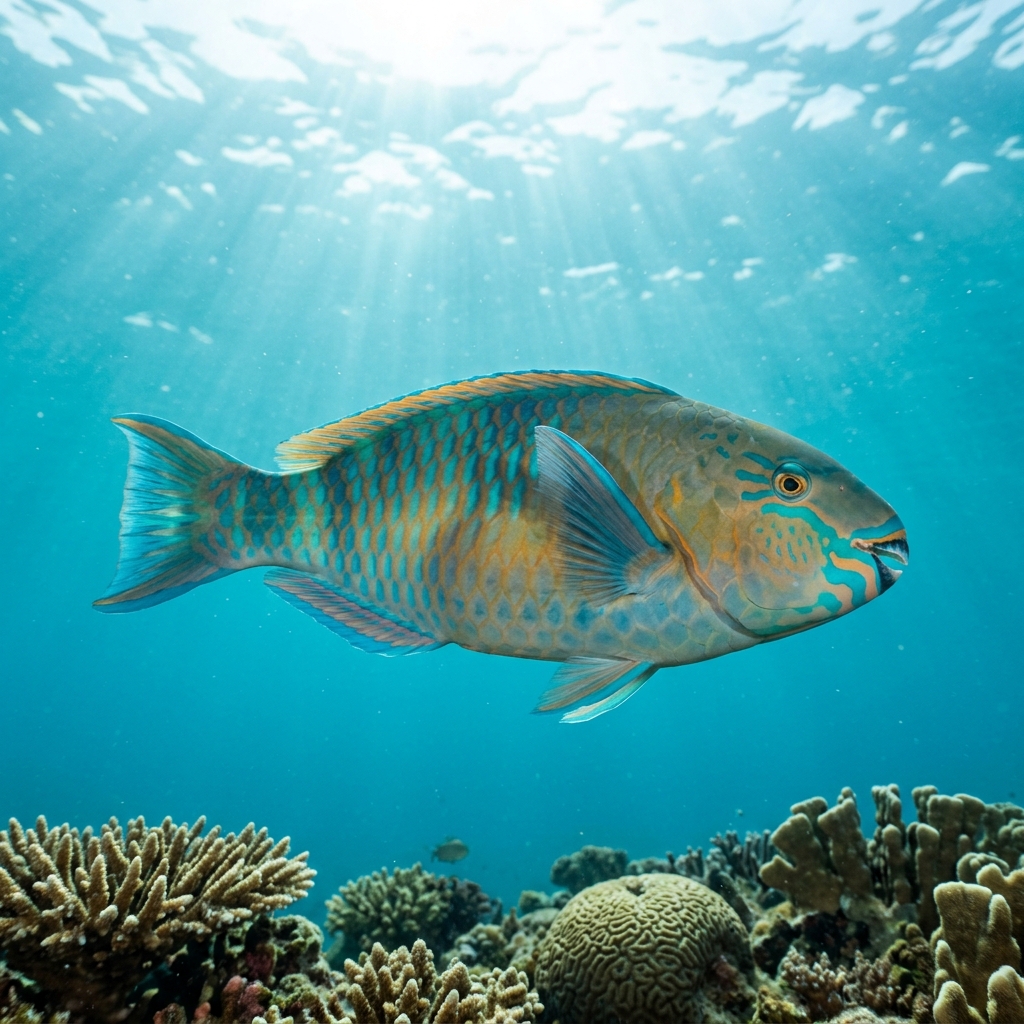
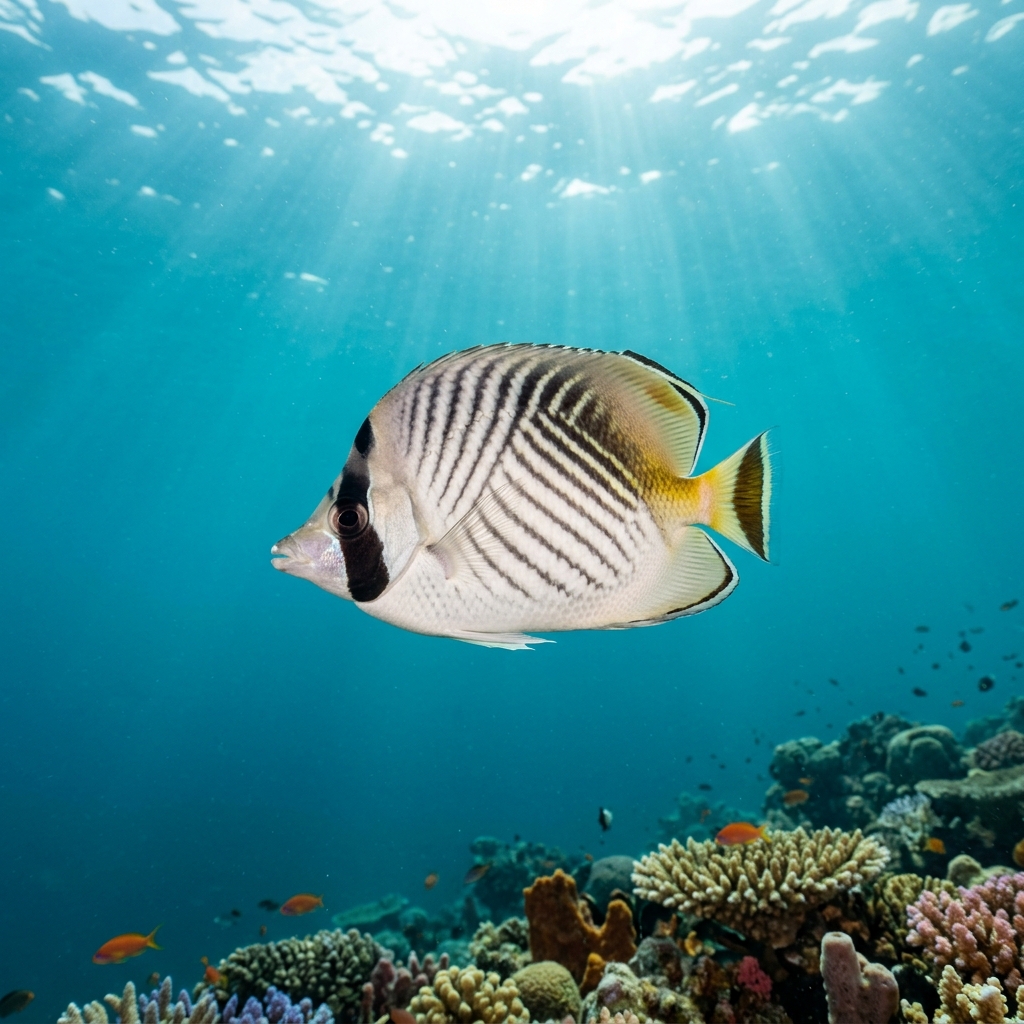
The islands have a well-documented fish community with Baldchin Groper and Western King Wrasse present across virtually every site. Grey Nurse Shark and Common Blacktip Shark are regularly observed, as are Common Stingray and Long-nosed Fur Seal. Reef fish such as Longhorn Cowfish, Hawaiian Convict Surgeonfish and Weeping Toadfish add variety, and the occasional Green Sea Turtle has also been recorded.
Some sites are well suited to beginners, including Morning Reef and North Island, both of which are shallow and rated at beginner skill level. However, advanced-rated sites like the Batavia Shipwreck and Zeewijk Shipwreck involve open ocean swell exposure and are better left to more experienced divers. The mix means the islands can accommodate a range of skill levels within the same trip.
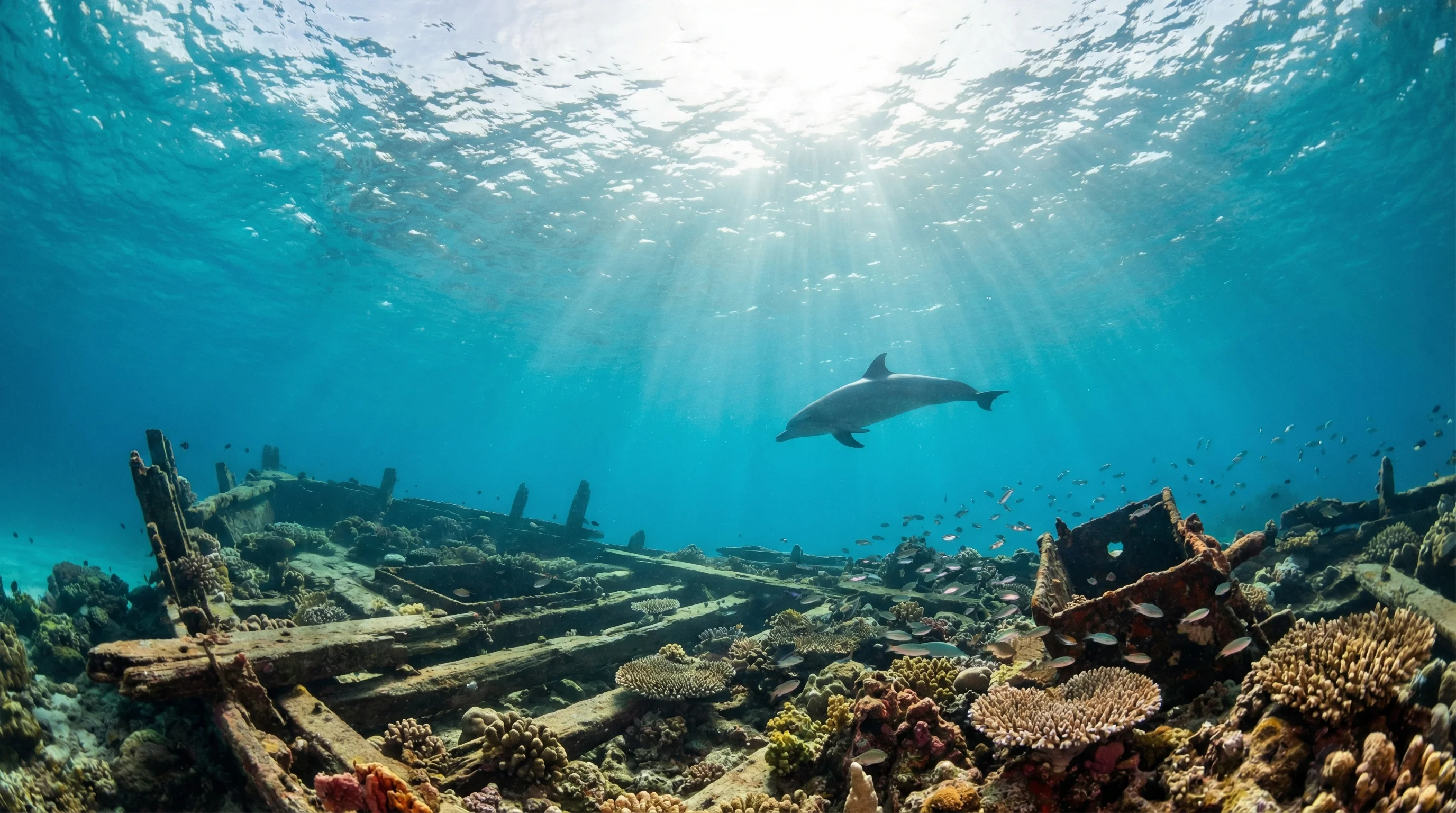
The Wallabi Group holds the greater share of sites and offers the widest variety of terrain, including reefs, walls, drift dives and the Batavia Shipwreck on Morning Reef. The Easter Group is home to the Zeewijk Shipwreck, a Dutch East India Company vessel whose coral-encrusted remains are spread across a shallow reef. Both groups are accessed by boat.
All sites in the Abrolhos Islands are accessed by boat, and there are no shore entries listed across the region. Operators including Eco Abrolhos and Shine Aviation serve the area. Because sites are spread across the Wallabi Group and Easter Group, a liveaboard or day-boat arrangement is the practical way to cover multiple sites.