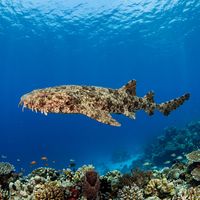
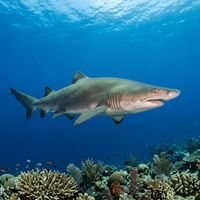
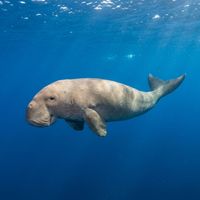
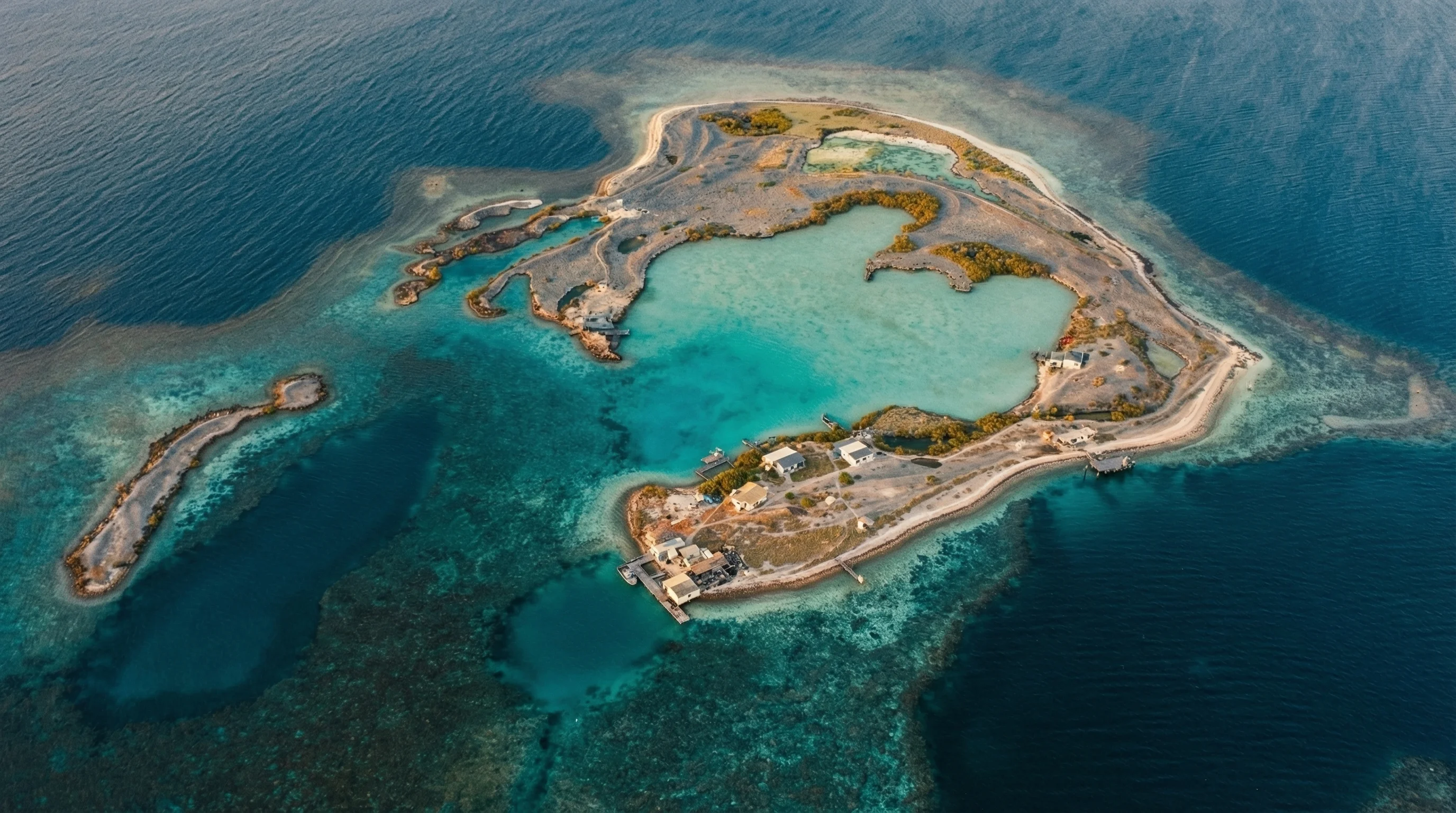
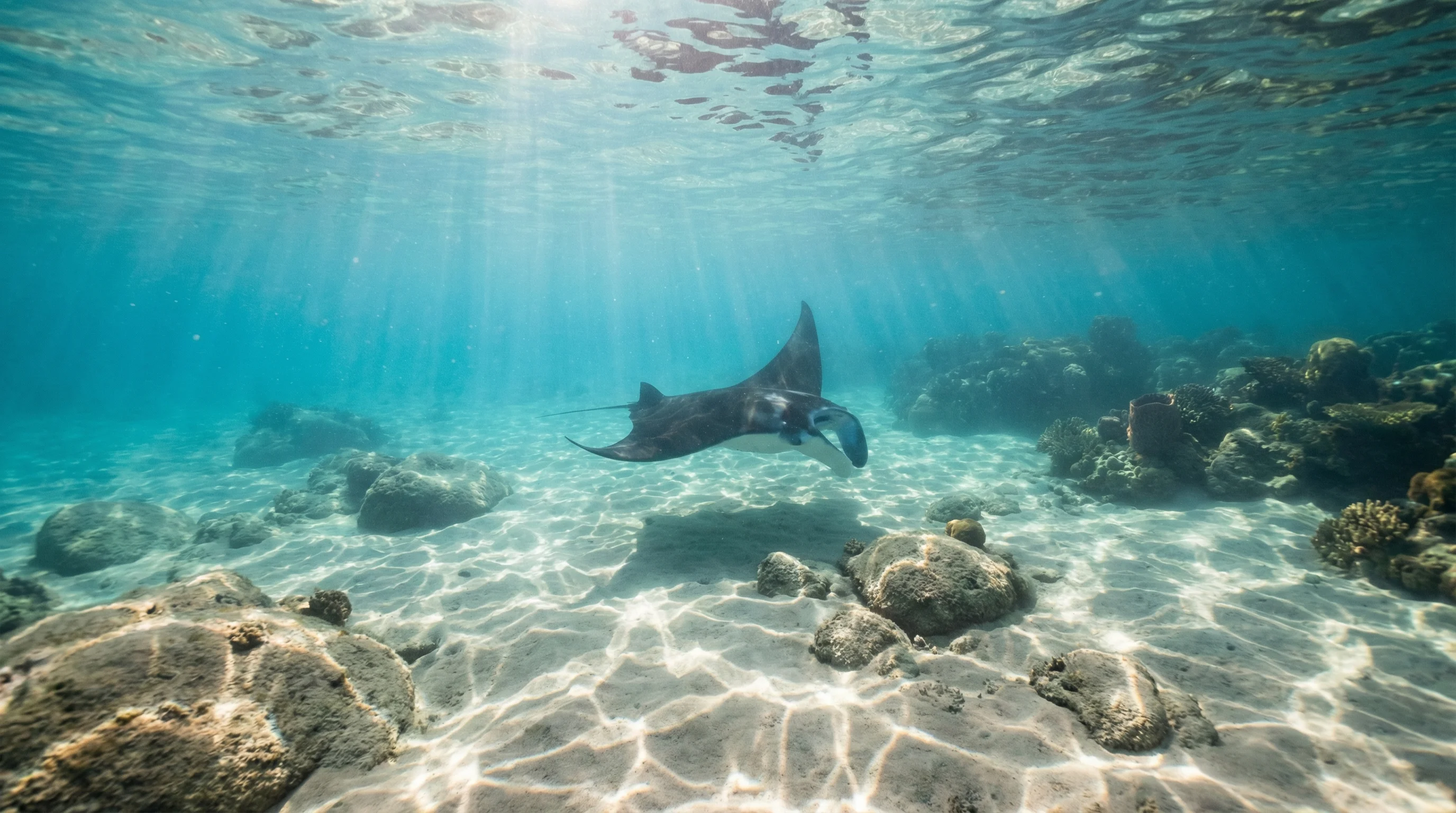
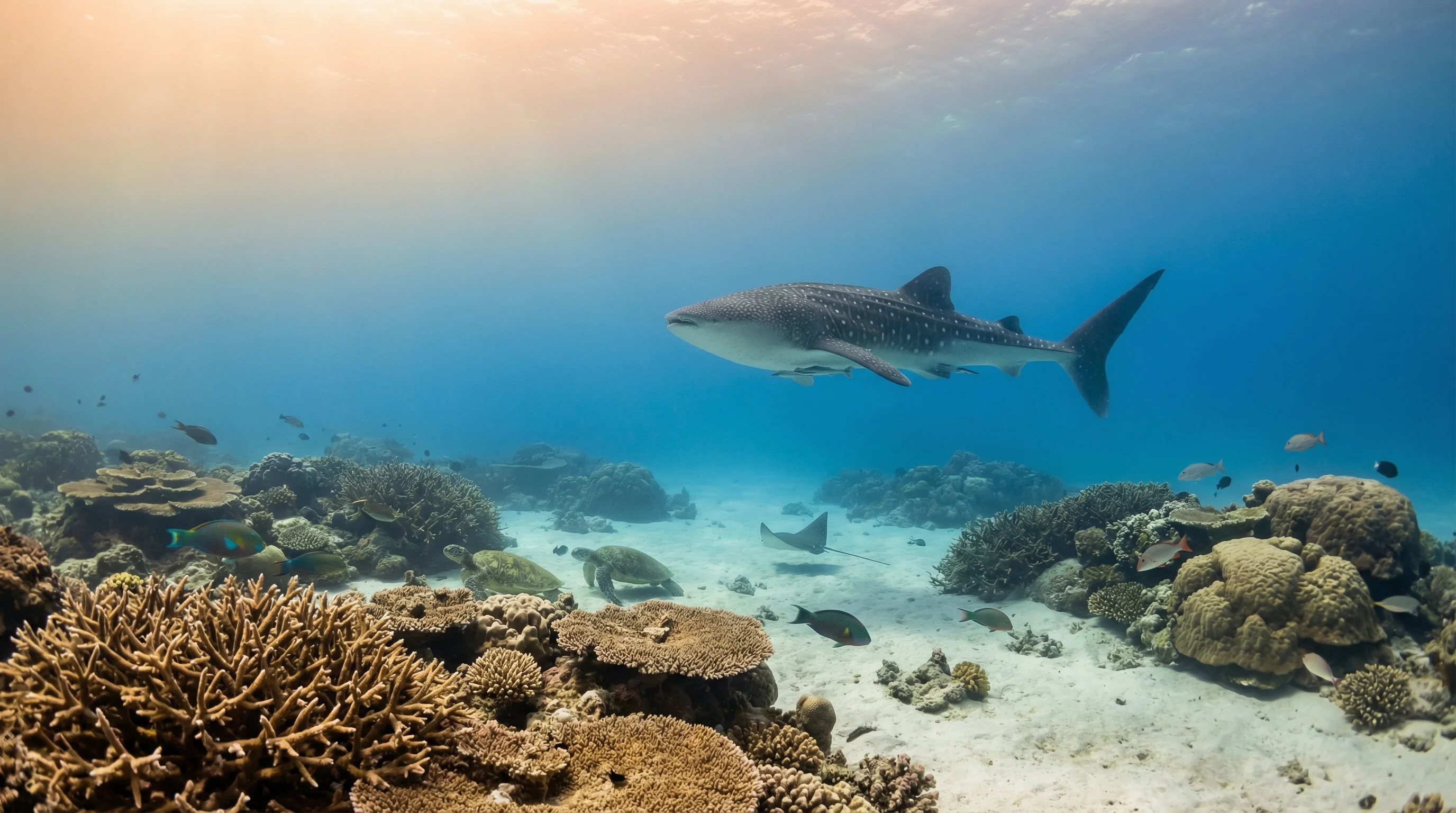
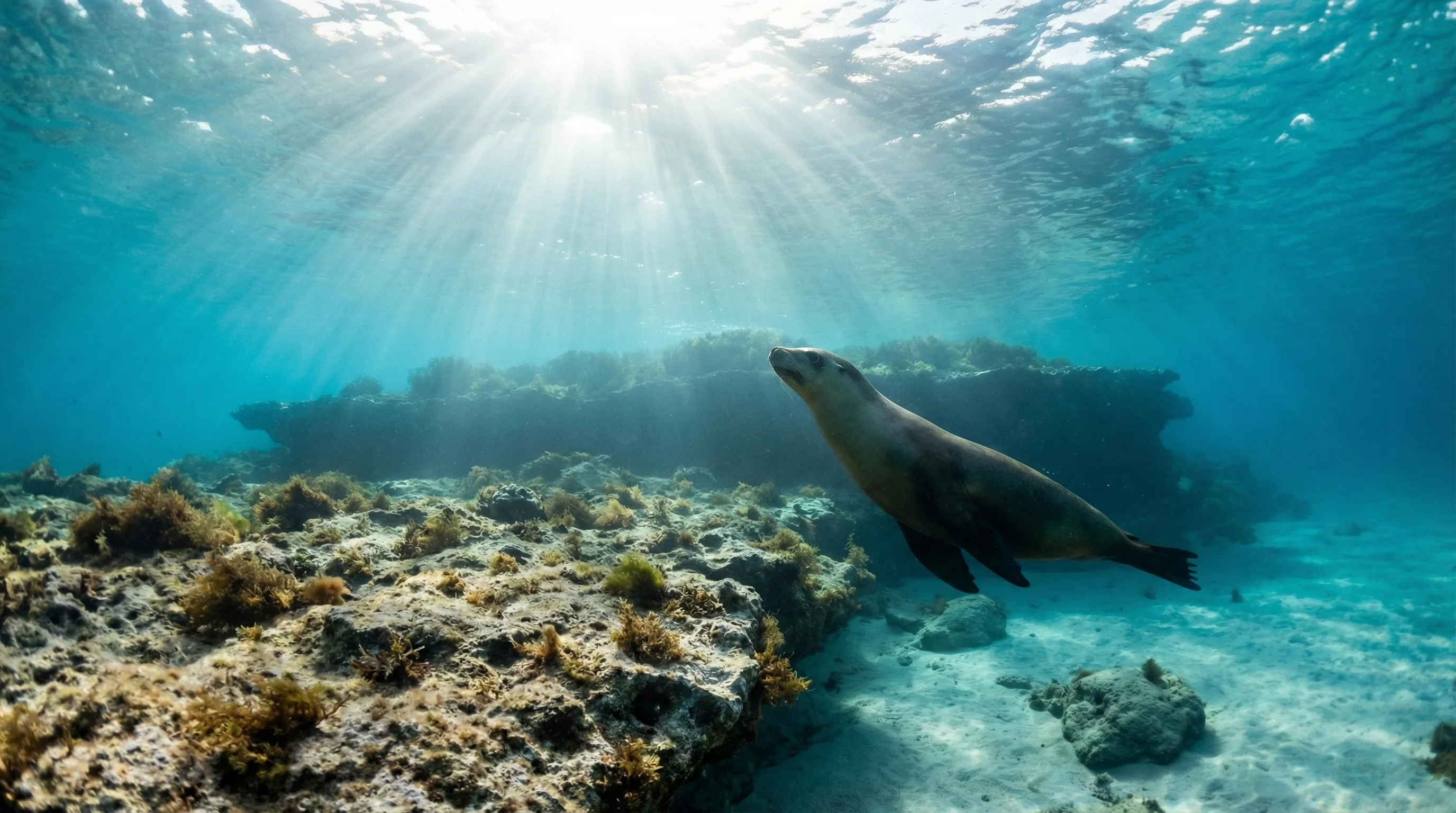
Shark Bay offers a broad spread of reef diving and snorkelling across sheltered bays, exposed walls, drift passages and seagrass flats. The signature draw is the marine life: Spotted Wobbegong and Grey Nurse Shark are recorded across virtually every site, while Dugong graze the seagrass beds regularly. Most sites suit beginners, with shore entries at sheltered spots like Bottle Bay and Monkey Mia Jetty, but Steep Point and Surf Point demand experience given their exposure and currents. Conditions peak in autumn and again in spring.
Monthly water temperature across Shark Bay's sites, from satellite sea-surface data corrected for depth. The band shows the site-to-site spread.
Water temperatures are warmest through late summer into early autumn, then cool steadily through winter before climbing again in spring. The histogram shows two distinct peaks, one in autumn and one in spring, making those the most popular diving windows. Exposed sites such as Steep Point and Surf Point are more manageable during settled conditions, while sheltered shore dives remain accessible year-round.
6 more sites to explore
Water temperature around Shark Bay ranges from about 20°C in July to 26°C in March, based on satellite sea-temperature data for its dive sites.
In the warm season (about 26°C) a 3mm full suit is comfortable in Shark Bay; in the coldest months (about 20°C) step up to a 5mm suit.
Fin maps 18 sites in Shark Bay (16 scuba diving sites and 7 snorkelling spots, with some suited to both).
Across Shark Bay's dive sites, April and October are most often reported as the best months to visit.
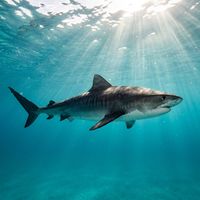
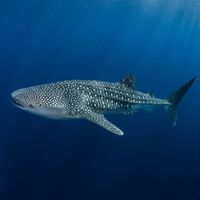
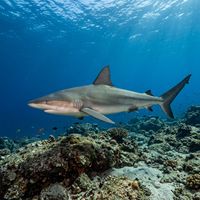
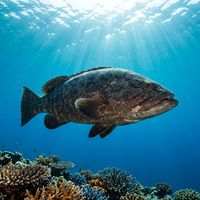
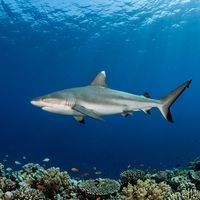
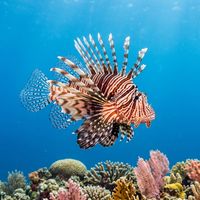
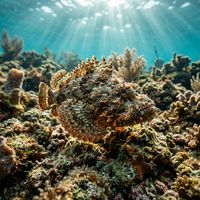
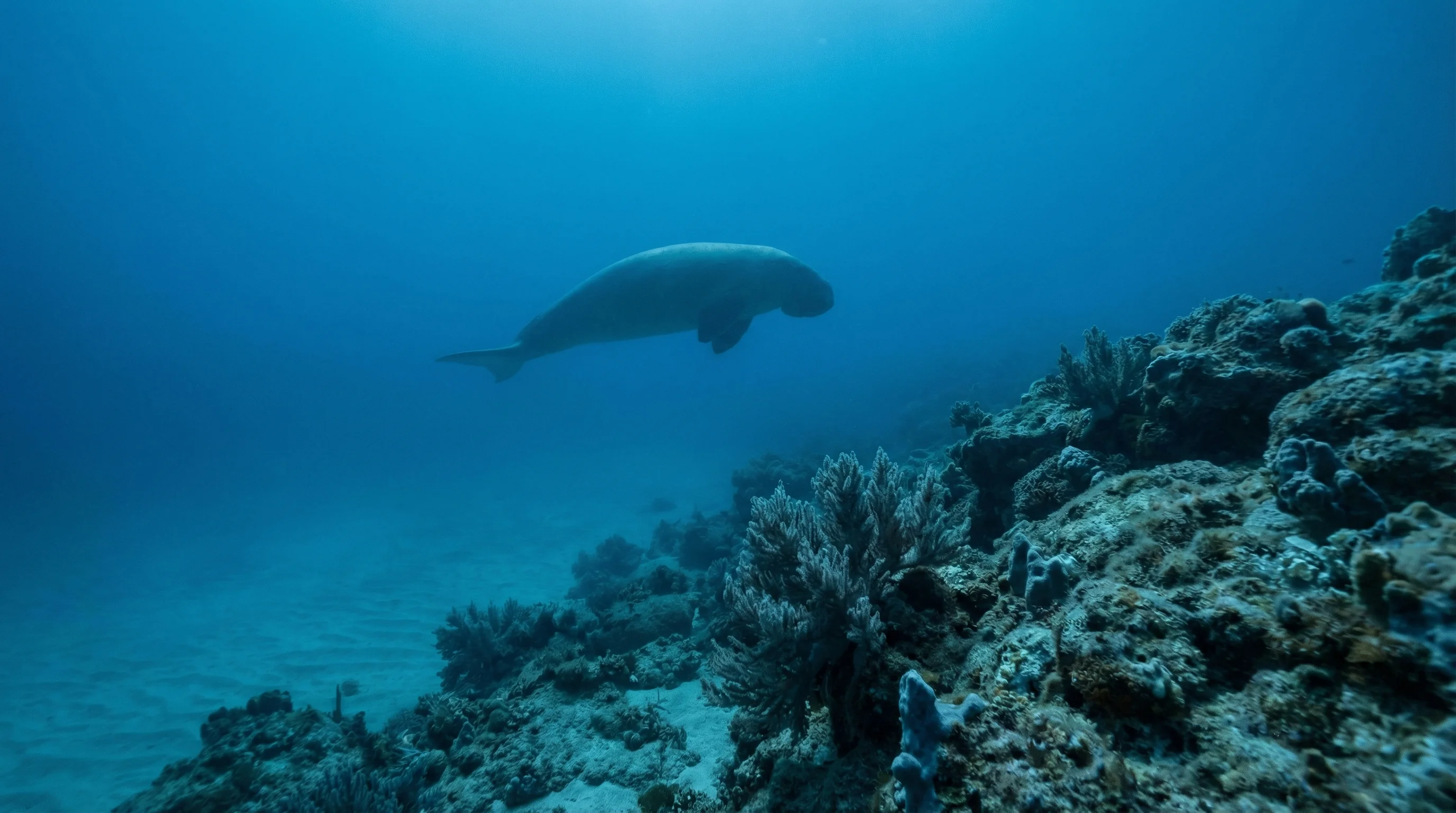
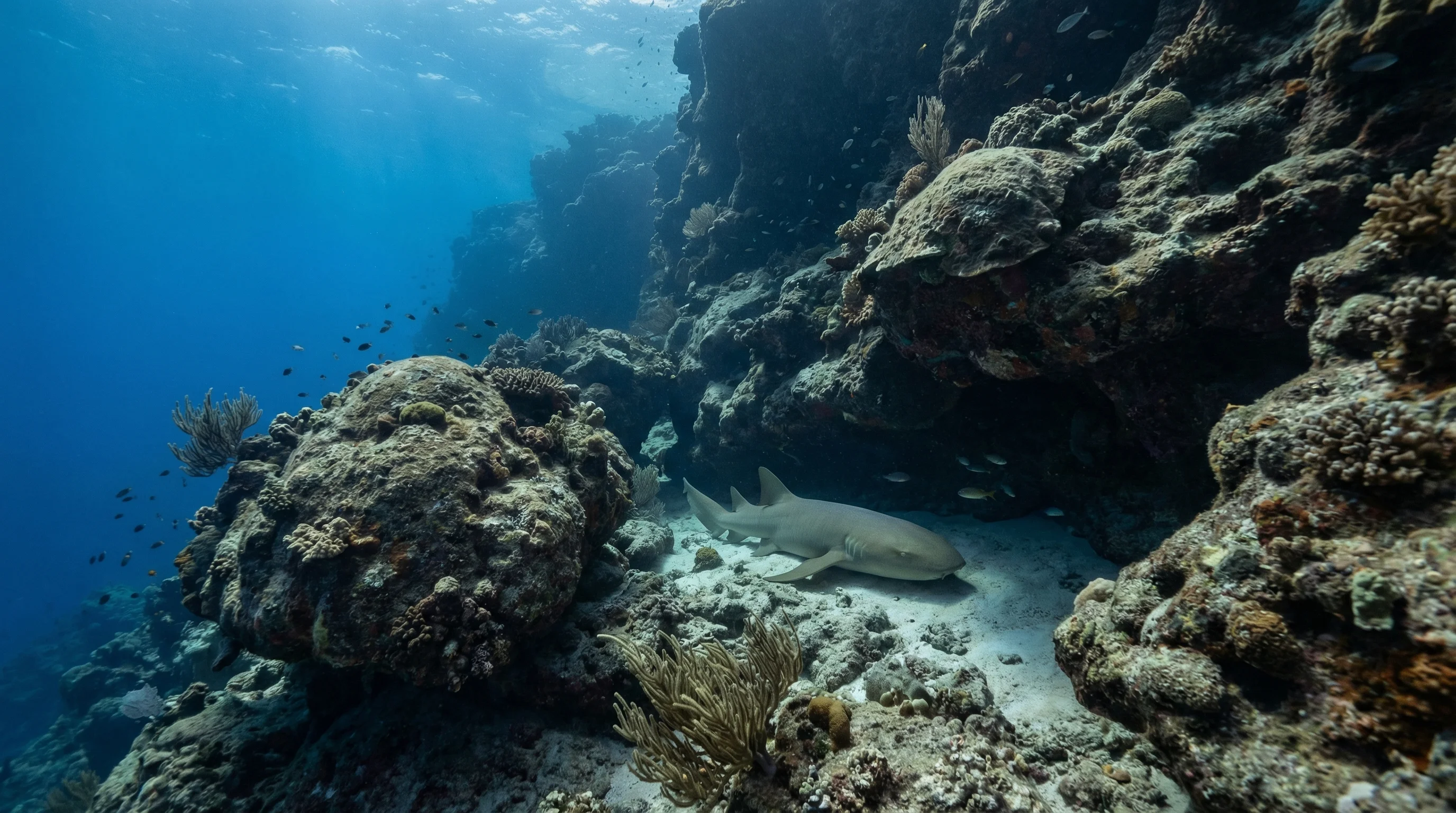
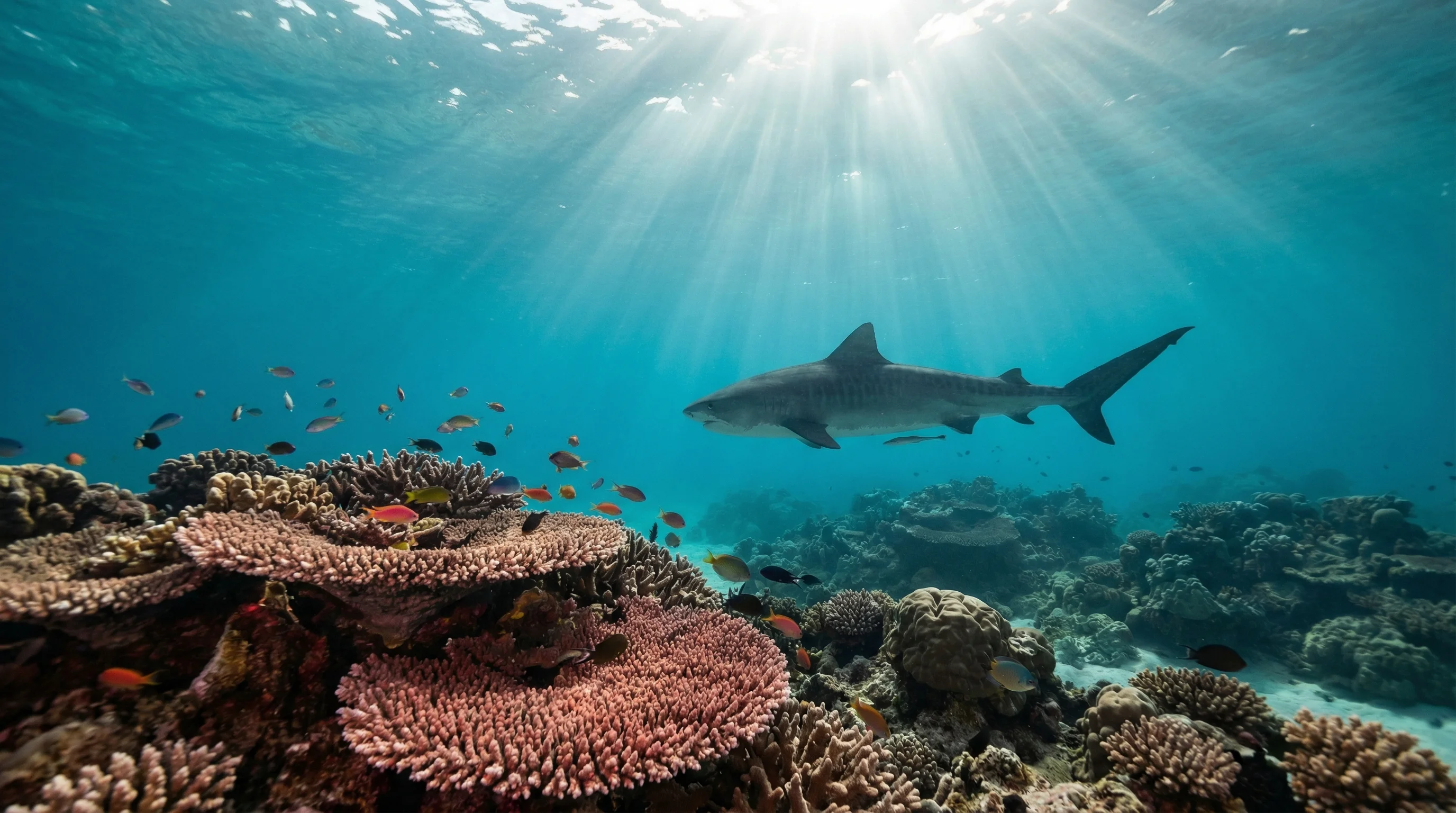
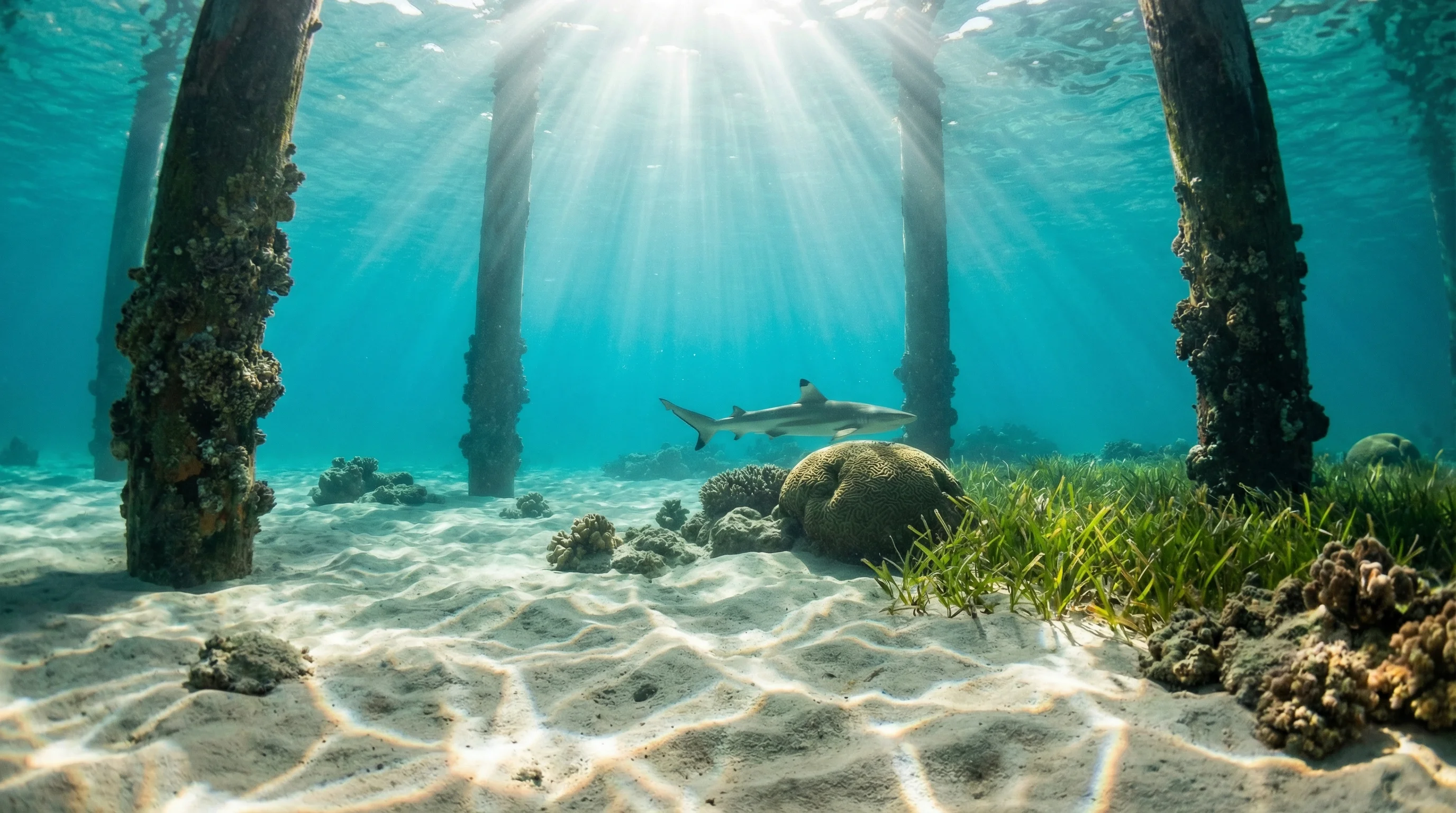
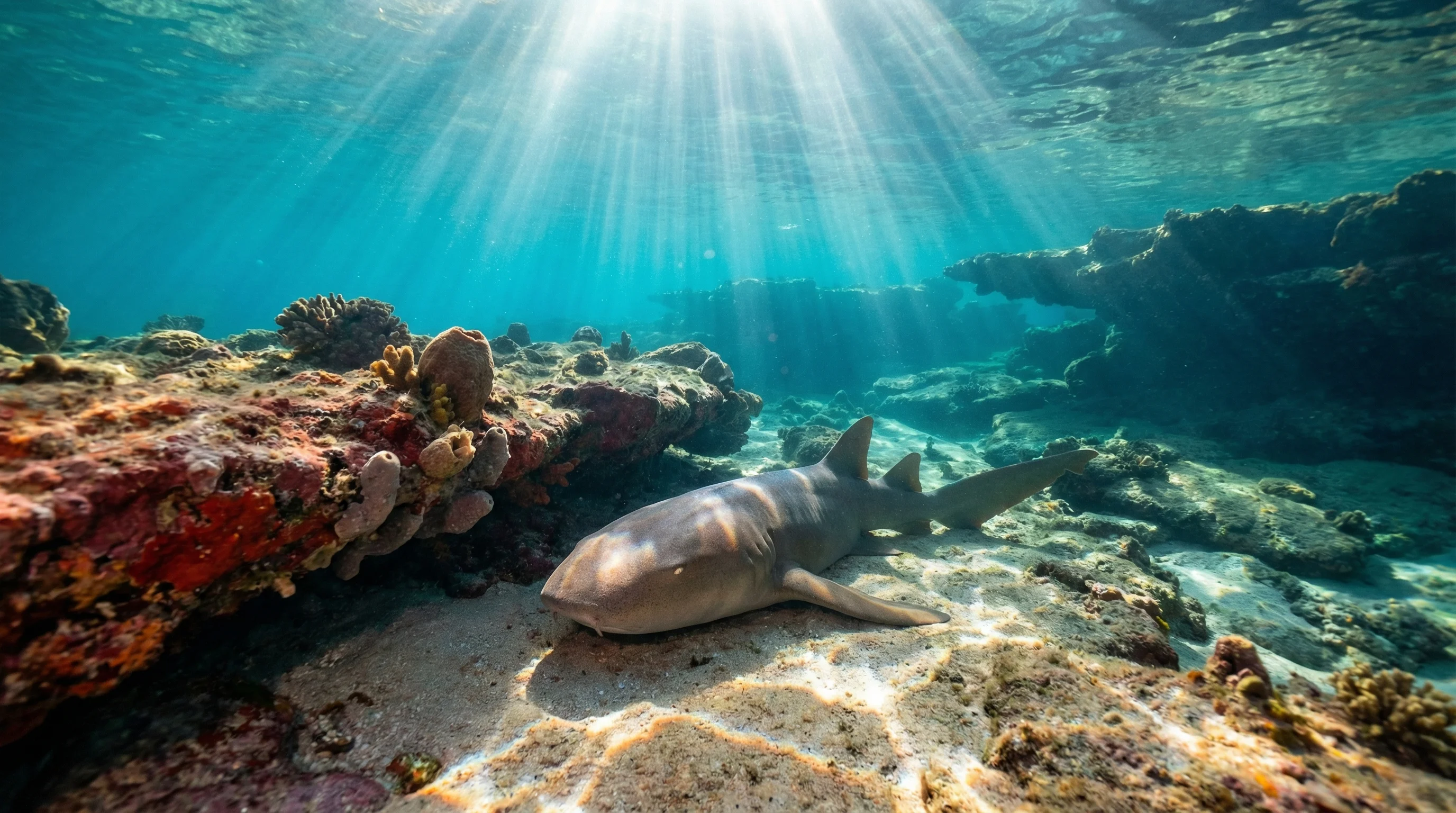
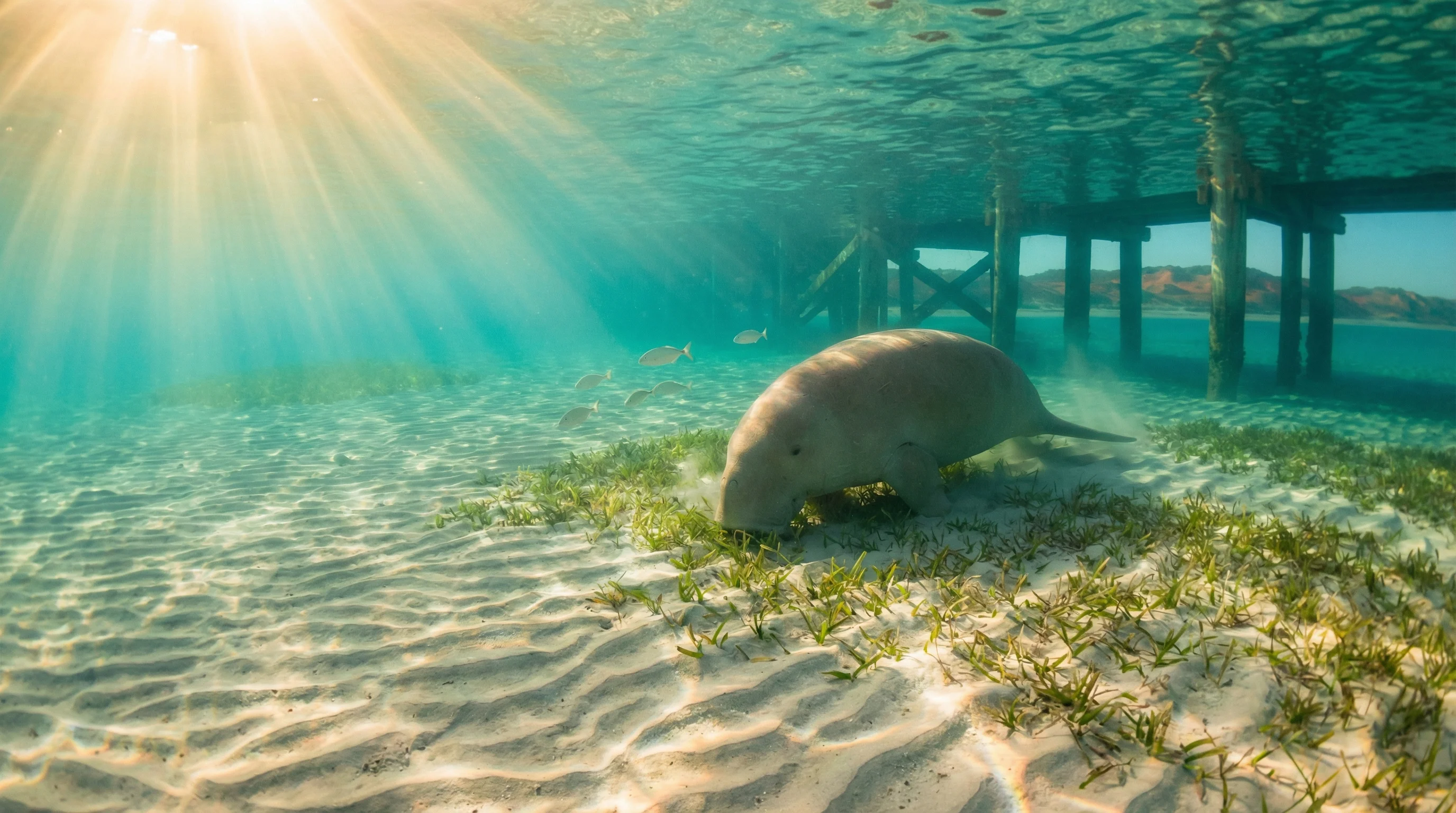
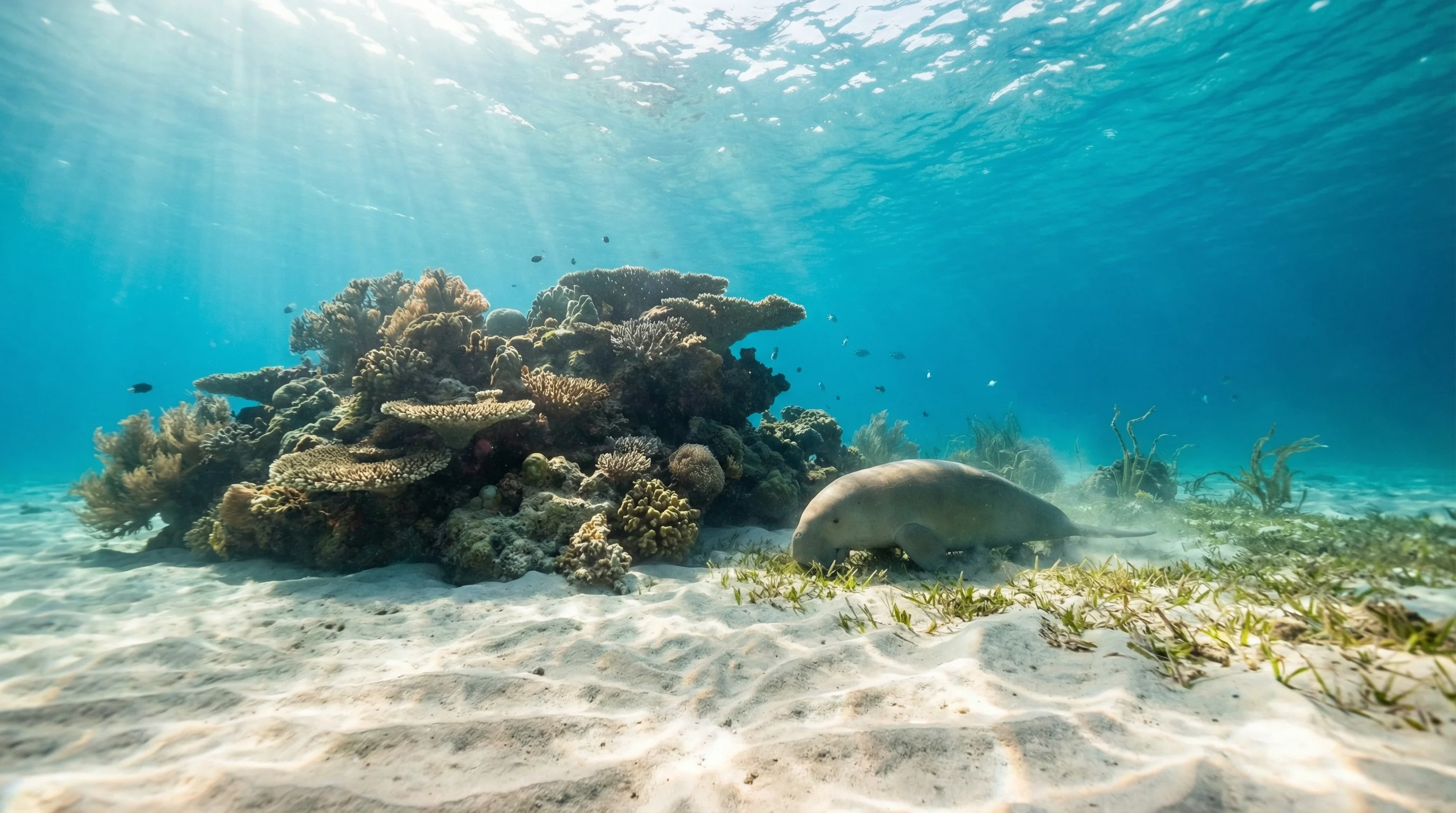
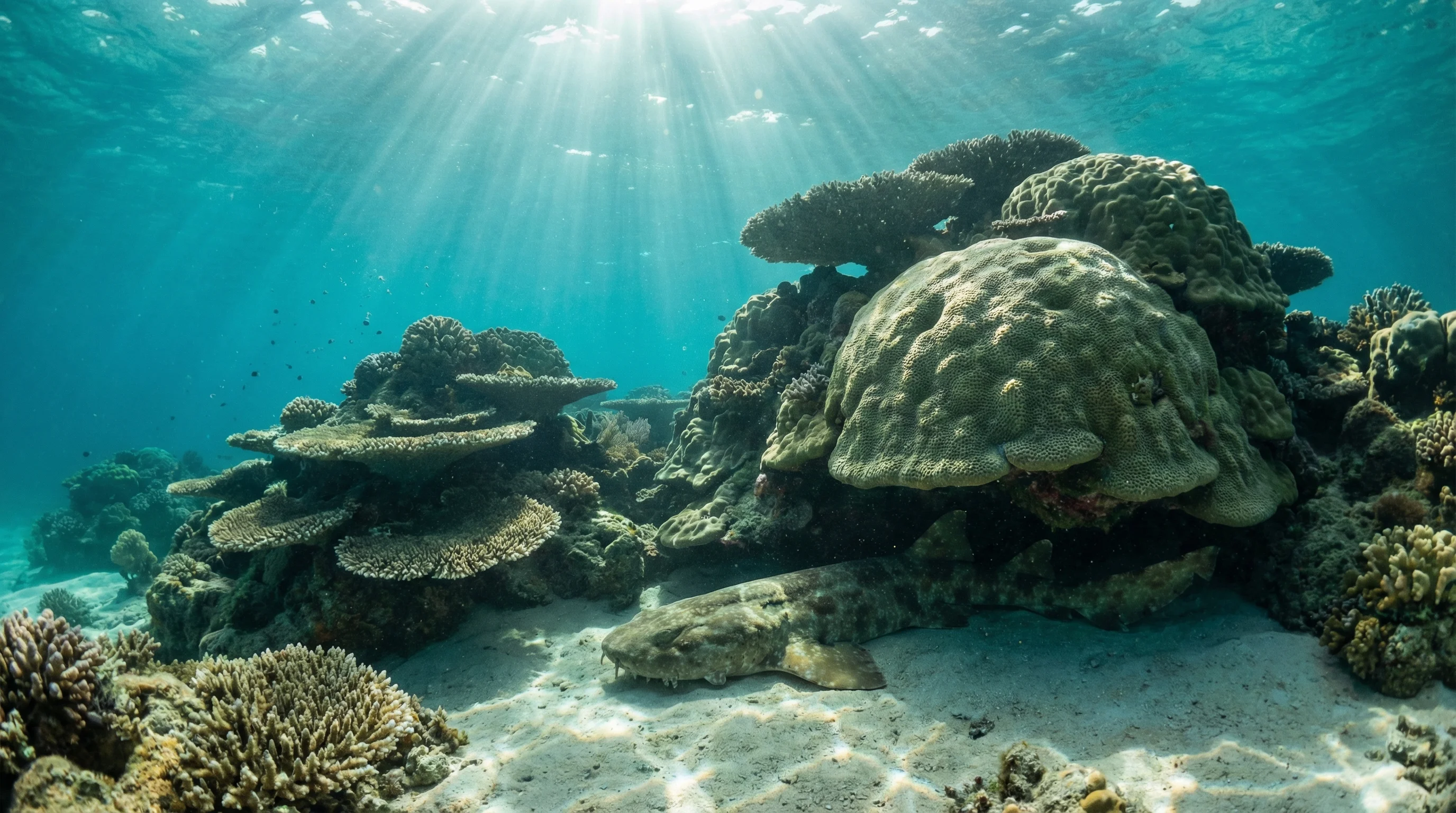
Spotted Wobbegong and Grey Nurse Shark are the most consistently recorded species, appearing across nearly every site in Shark Bay. Dugong are commonly sighted in seagrass habitats around sites such as Denham Jetty, Eagle Bluff and Monkey Mia Jetty. Divers have also observed Tiger Shark, Whale Shark, Grey Reef Shark and Sandbar Shark, along with Queensland Grouper, Lionfish and Pufferfish.
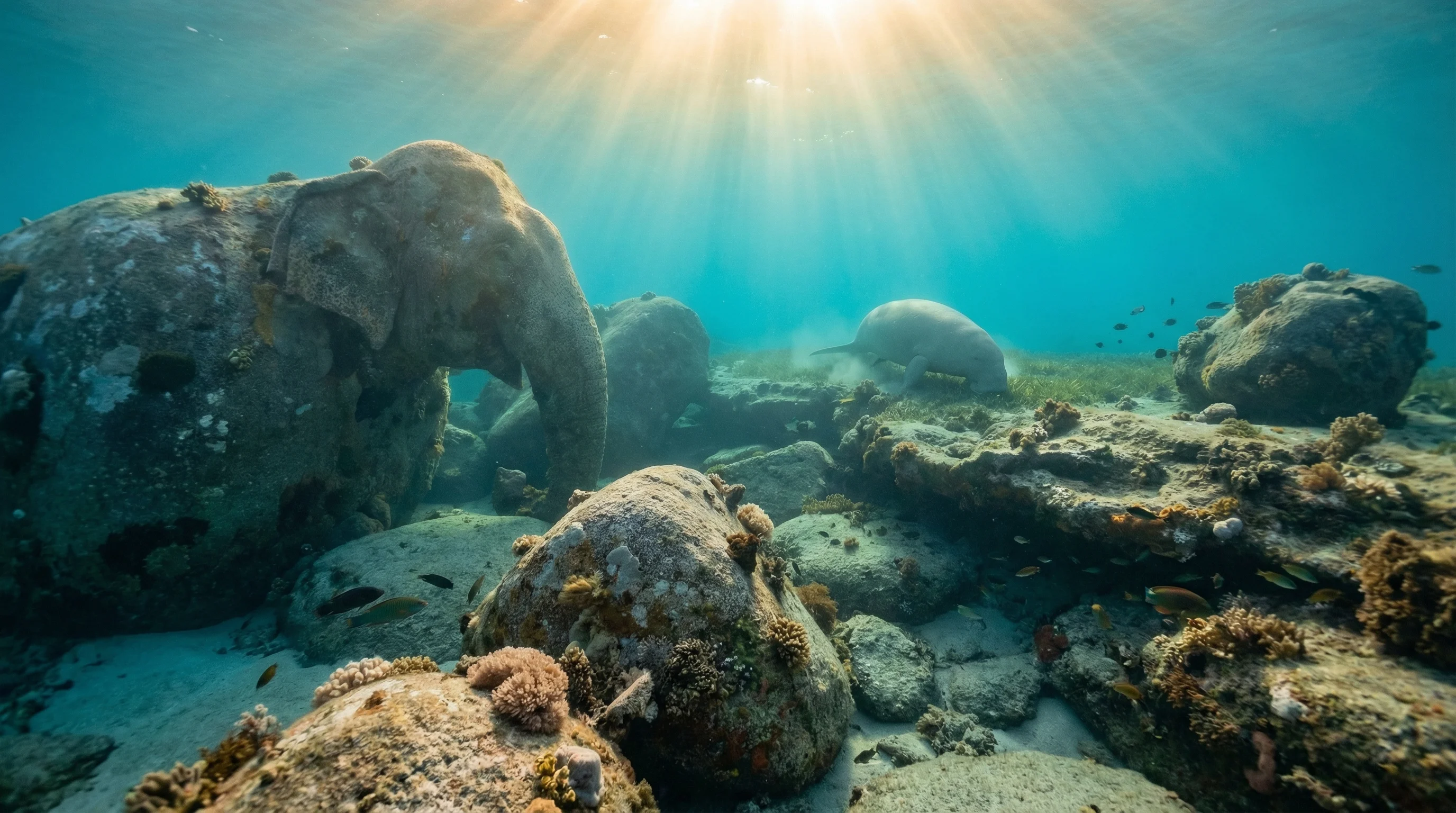
The majority of sites in Shark Bay are rated beginner level, including shore entries like Sandy Point, Denham Jetty, Elephant Rock and Little Lagoon. These sites are shallow and accessible without specialist skills. More advanced divers can extend their experience at Steep Point, which involves exposed conditions, walls, caves and stronger currents, or at Surf Point, a dedicated drift dive requiring boat access.
Both options exist in Shark Bay. Shore entries include Sandy Point, Denham Jetty, Elephant Rock, Little Lagoon, Bottle Bay and Monkey Mia Jetty, all of which are accessible without a vessel. Several sites, including Monkey Rock, Bar Flats, Broadhurst Corals and Surf Point, require boat access. Operators such as Shark Bay Dive and Marine Safaris and Shark Bay Eco Tours can arrange boat-based trips.
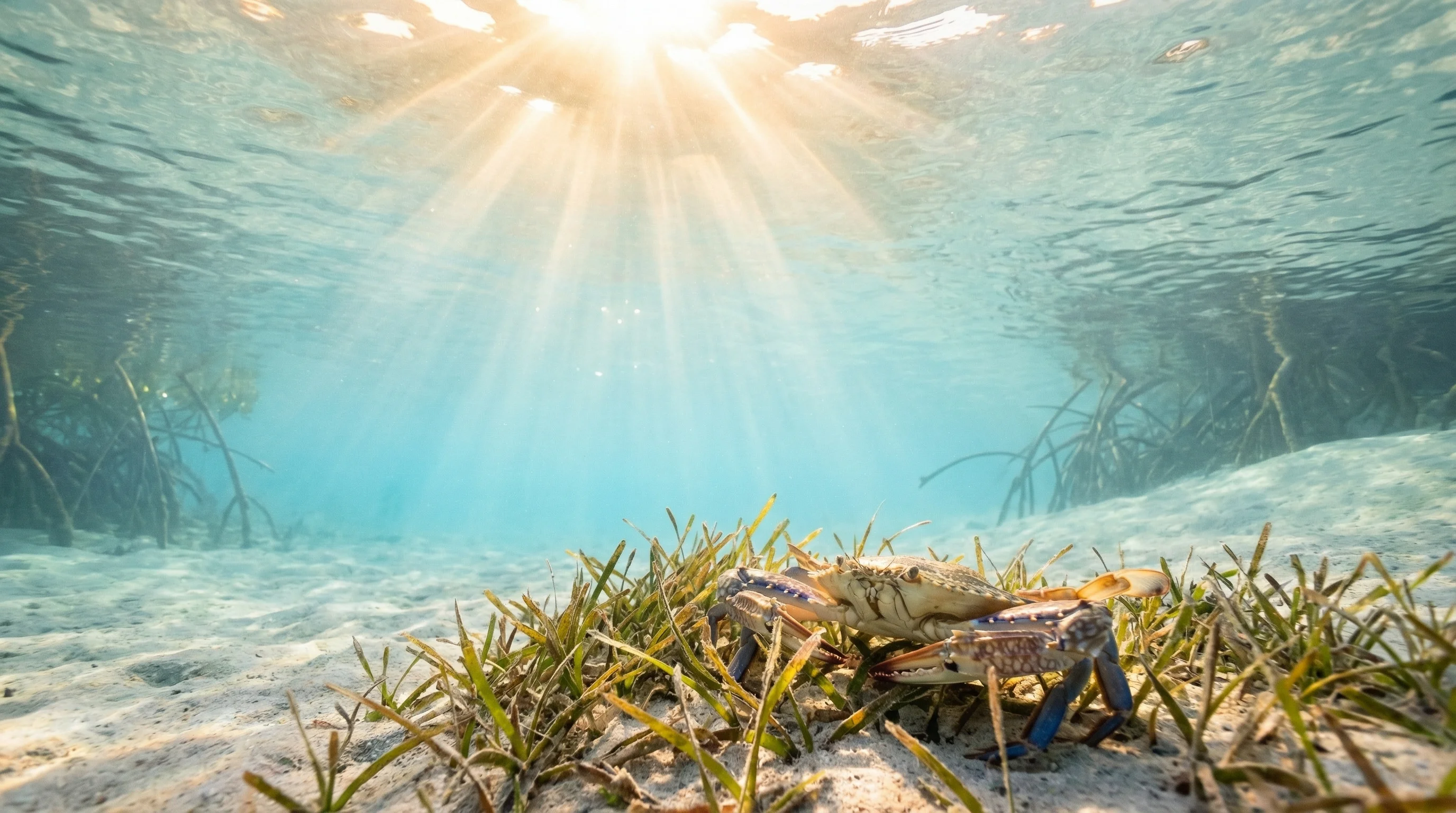
Shark Bay has a notably varied mix of site types. Seagrass and muck habitats at Denham Jetty and Little Lagoon attract Dugong and offer macro-focused diving, while reef sites range from the very shallow to moderate depth. Steep Point stands apart with wall, cave and drift diving in an exposed, remote setting. The plate coral formations at Broadhurst Corals give intermediate divers a distinct structural experience.