Glaucosoma hebraicum
Dhufish are a Western Australian reef fish found in waters from 15 to 27°C. Here's how to spot one and where divers log them most.
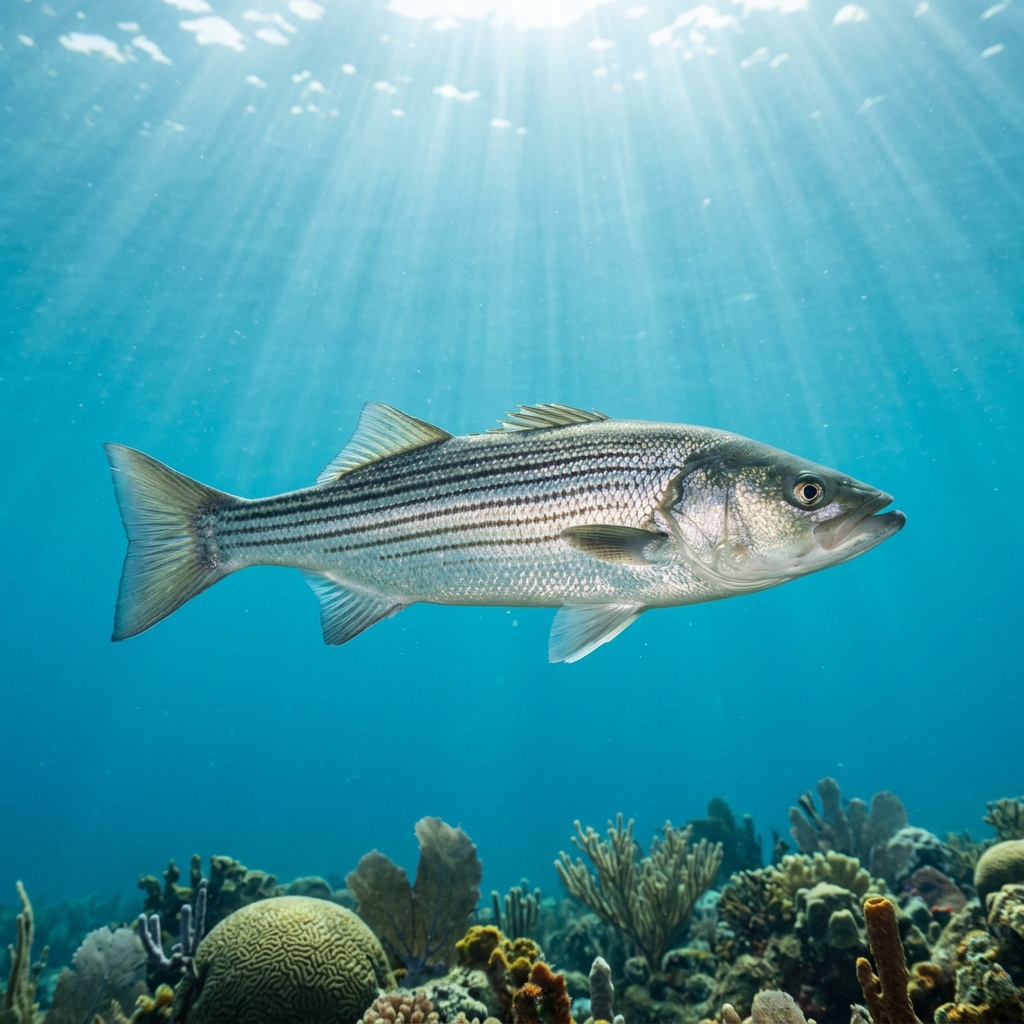
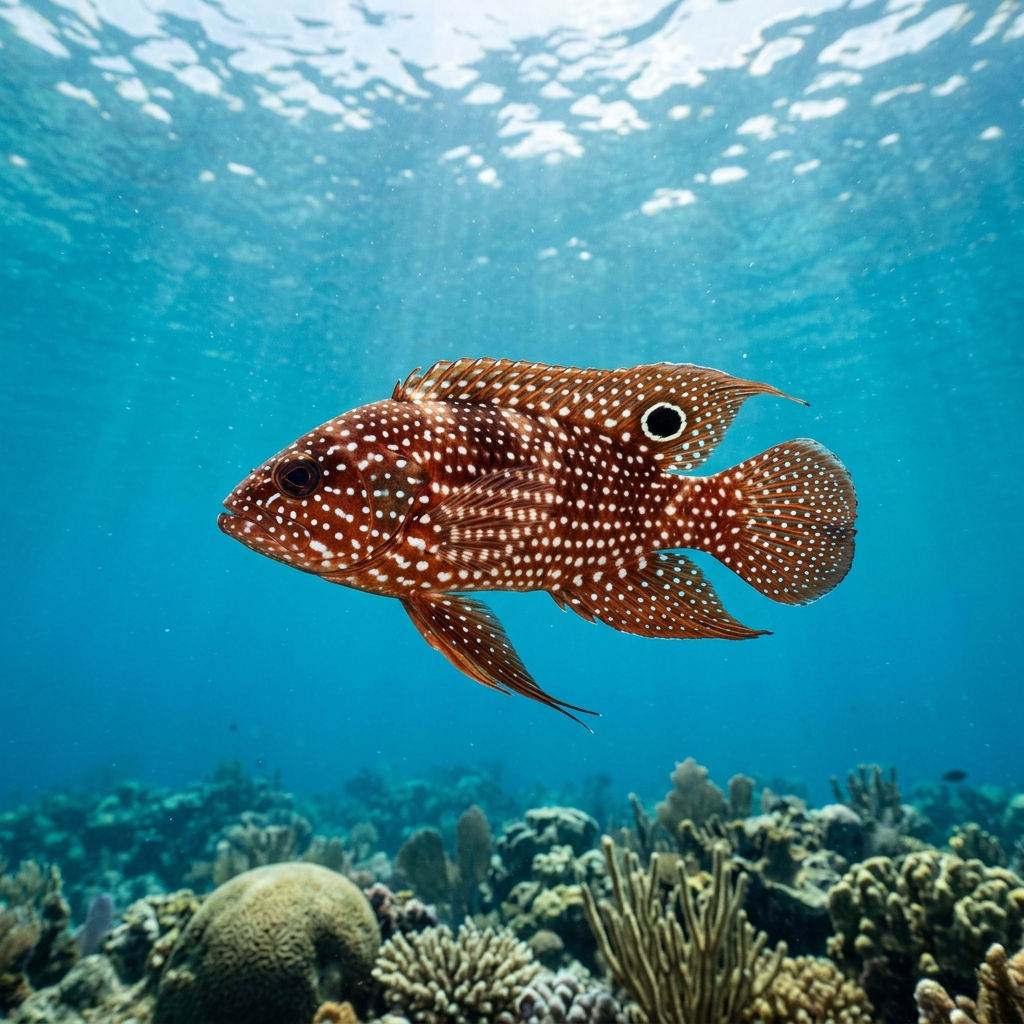
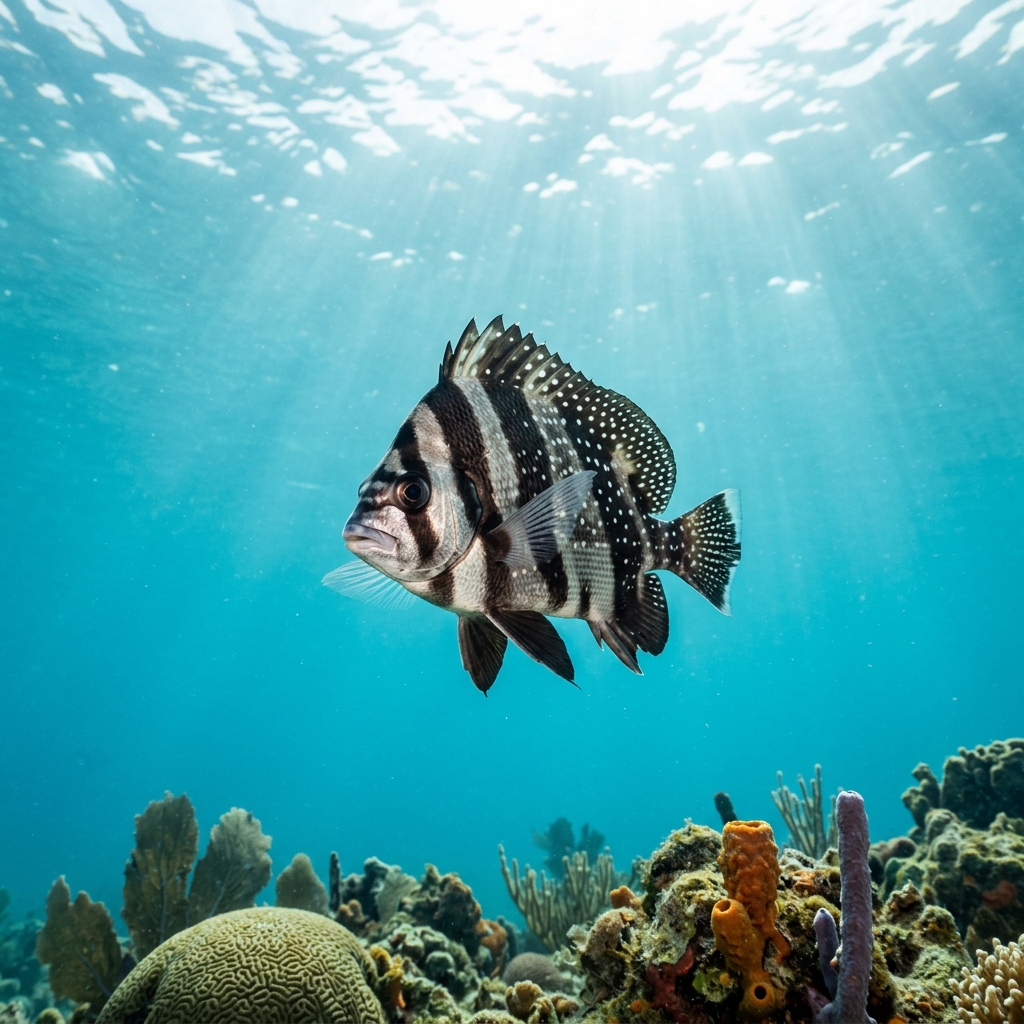
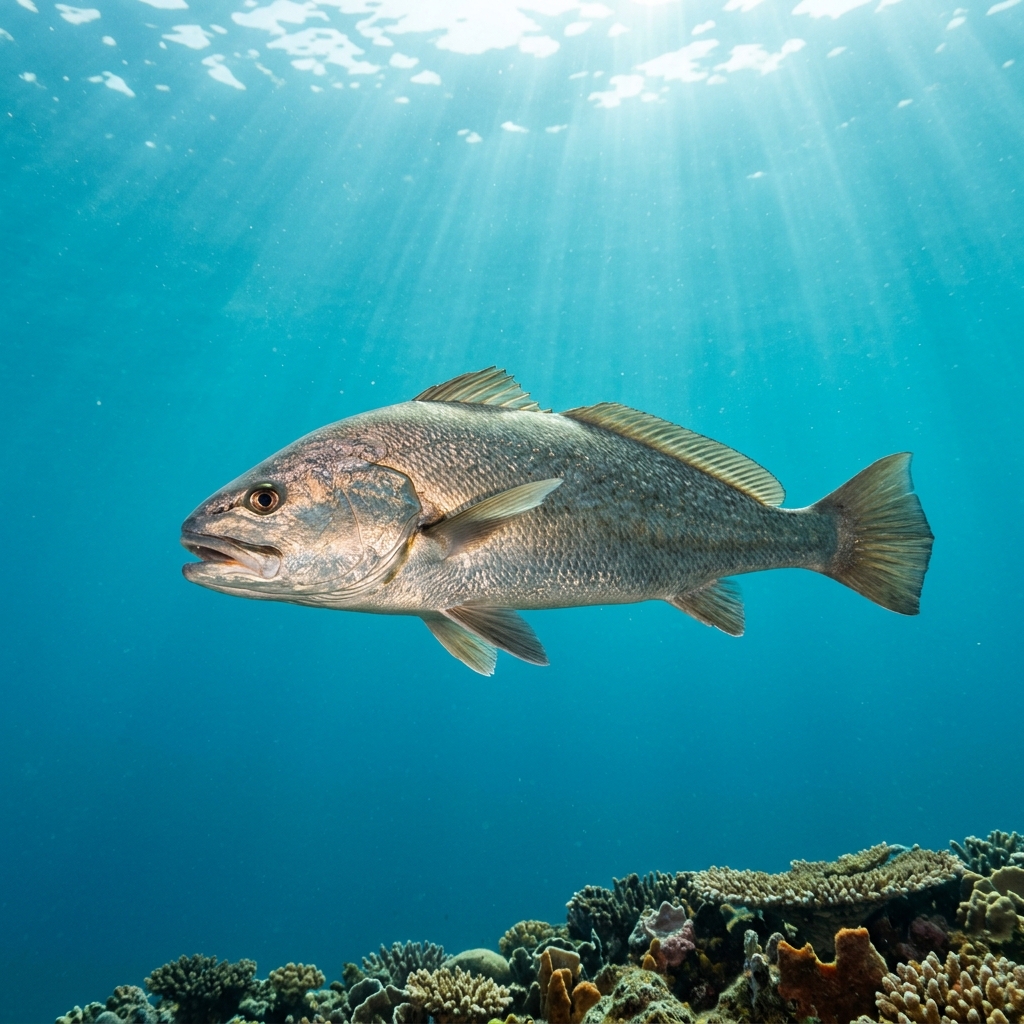
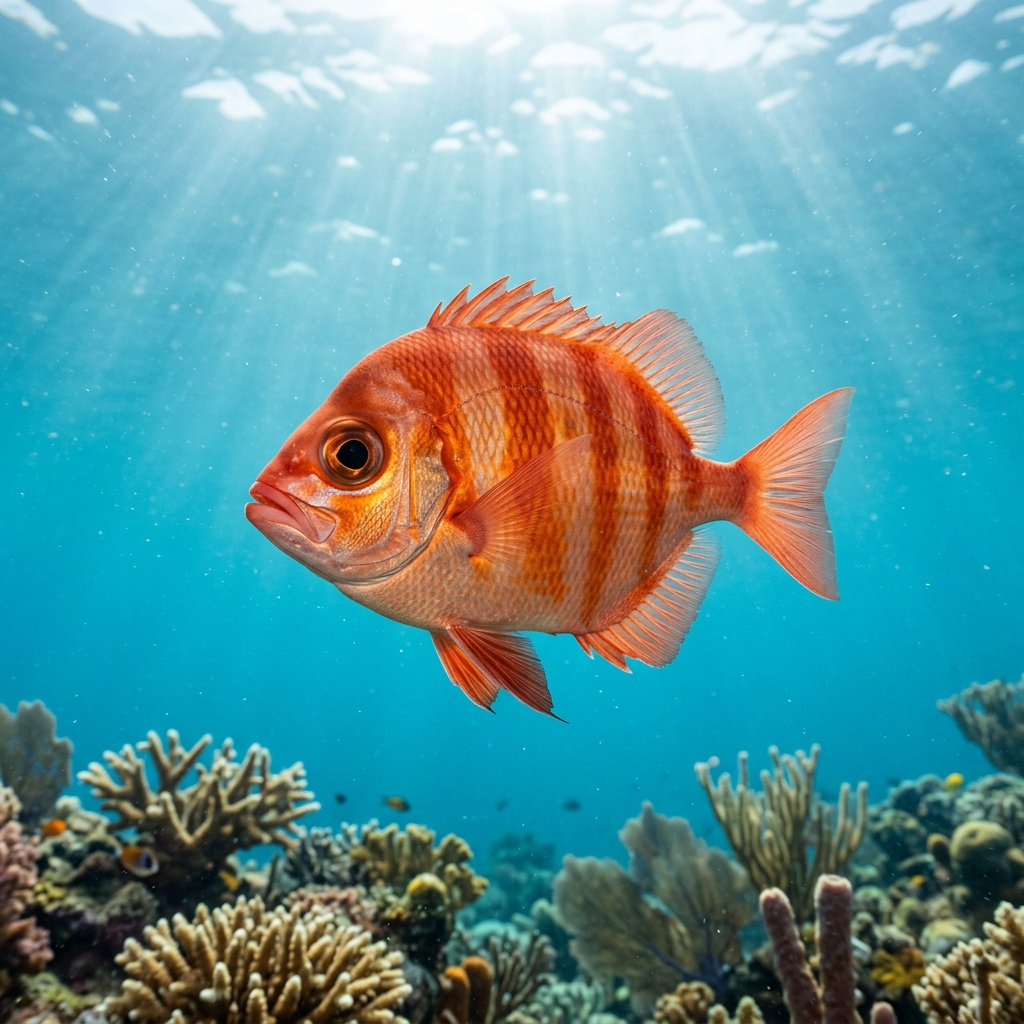
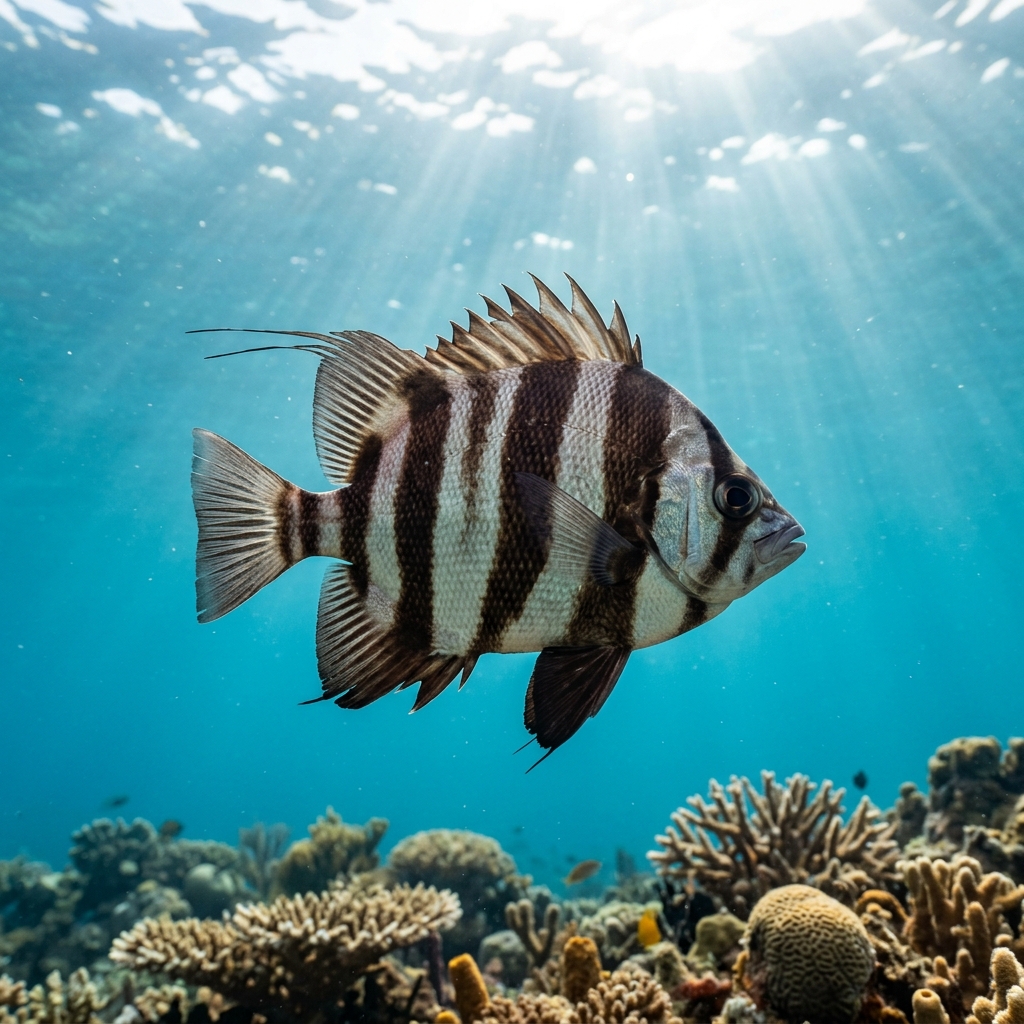
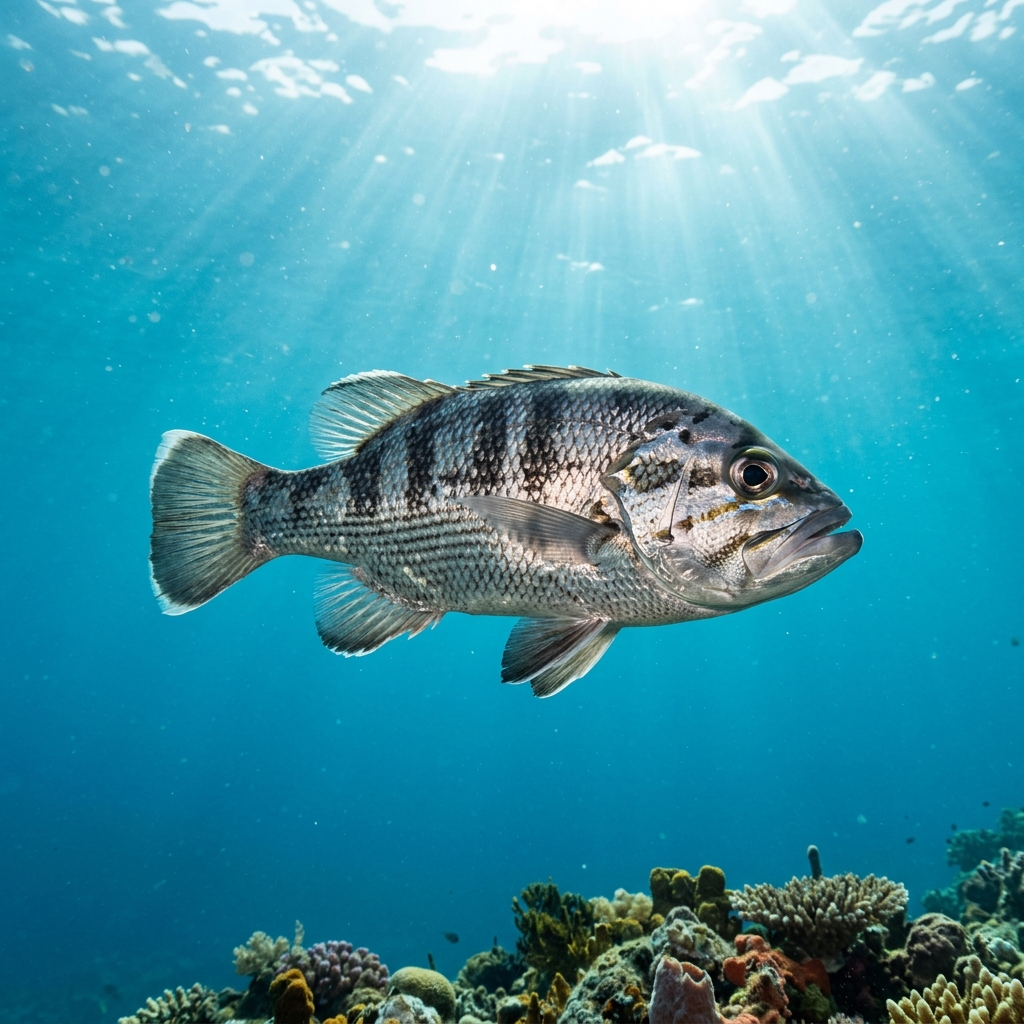
A deep-bodied, silvery-white fish that can reach 85 cm, giving it a noticeably large, almost hump-backed profile on the reef. Look for a large eye relative to the head, a slightly protruding lower jaw, and faint dusky barring or blotching along the flanks that can intensify depending on mood or surroundings. Its thick lips and chunky, rounded body separate it quickly from most other temperate reef species in its range.
Dhufish are typically encountered close to reef structure, often hovering at mid-water or sitting tight to rocky ledges and overhangs. They tend to be wary of divers, requiring a slow approach, and will move off into deeper water if pressed. Sightings are most often of solitary individuals rather than groups.
Dhufish are endemic to Australia, meaning they exist nowhere else on Earth, and they are most closely associated with the reefs of south-western Australia, making any sighting a regional encounter.
There is not enough monthly sighting data to point to a particular season, so treat it as potentially year-round. It tolerates a wide temperature band, roughly 16 to 27°C, which spans both the cooler southern Australian winters and the warmer months.
Almost all records come from Australia, with the strongest concentration in Western Australia, where this species is considered an icon of the temperate reef. A smaller spread of sites sits across South Australia, with a handful of records reaching Queensland. If you're after a realistic shot at seeing one, the reefs of Western Australia are your best starting point.
Mapping where Dhufish is logged…
Dhufish are found almost exclusively in Australian waters. Western Australia holds the bulk of dive sites where they have been recorded, with South Australia a secondary option. Queensland records exist but are far less common. Your best realistic chance is on temperate reefs along the south-west Australian coast.
There is no clear peak season based on current sighting data, so diving year-round is a reasonable approach. The species tolerates water temperatures from around 16°C up to 27°C, meaning it is present across both the cooler and warmer months in its range.
Look for a large, deep-bodied, silvery-white fish with a noticeably big eye, thick lips, and a slightly hump-backed profile. Faint dusky barring on the flanks and its chunky build help distinguish it from other reef fish in south-west Australian waters. It can reach 85 cm, so size alone makes it stand out.
They typically reach around 85 cm in length, making them one of the larger fish a diver is likely to encounter on temperate Australian reefs. Their deep body adds to their apparent bulk in the water.
Based on diver sighting data, Dhufish are logged as rare at the majority of sites where they appear. Even in Western Australia, where they are most at home, a sighting is not guaranteed and counts as a noteworthy encounter. Slow, calm dives close to reef structure give you the best chance.
Site and sighting data is aggregated from diver logs, iNaturalist and GBIF. For taxonomy and conservation status:
Meagre
1,159 sites