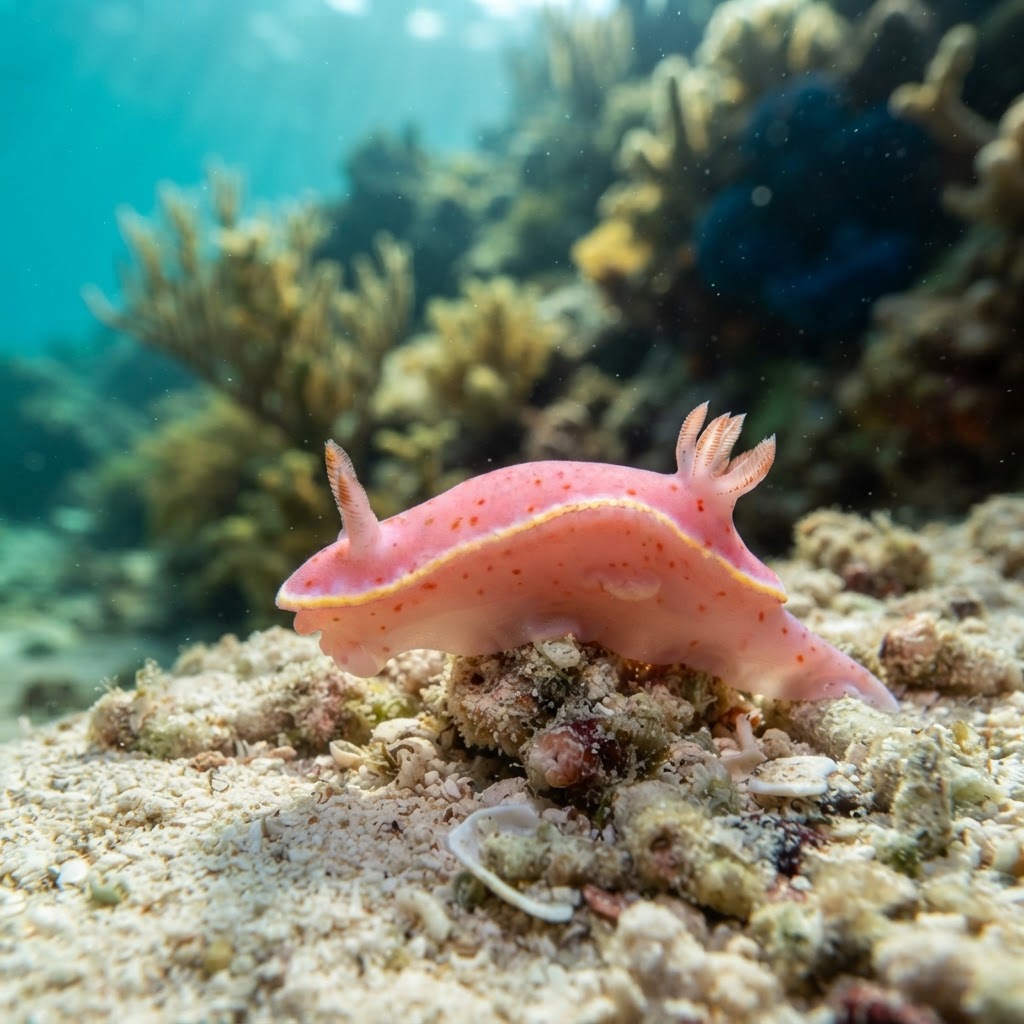
Verconia haliclona
A small nudibranch most reliably found on temperate reefs in Victoria, Australia, in water from 14.7 to 22°C, year-round.
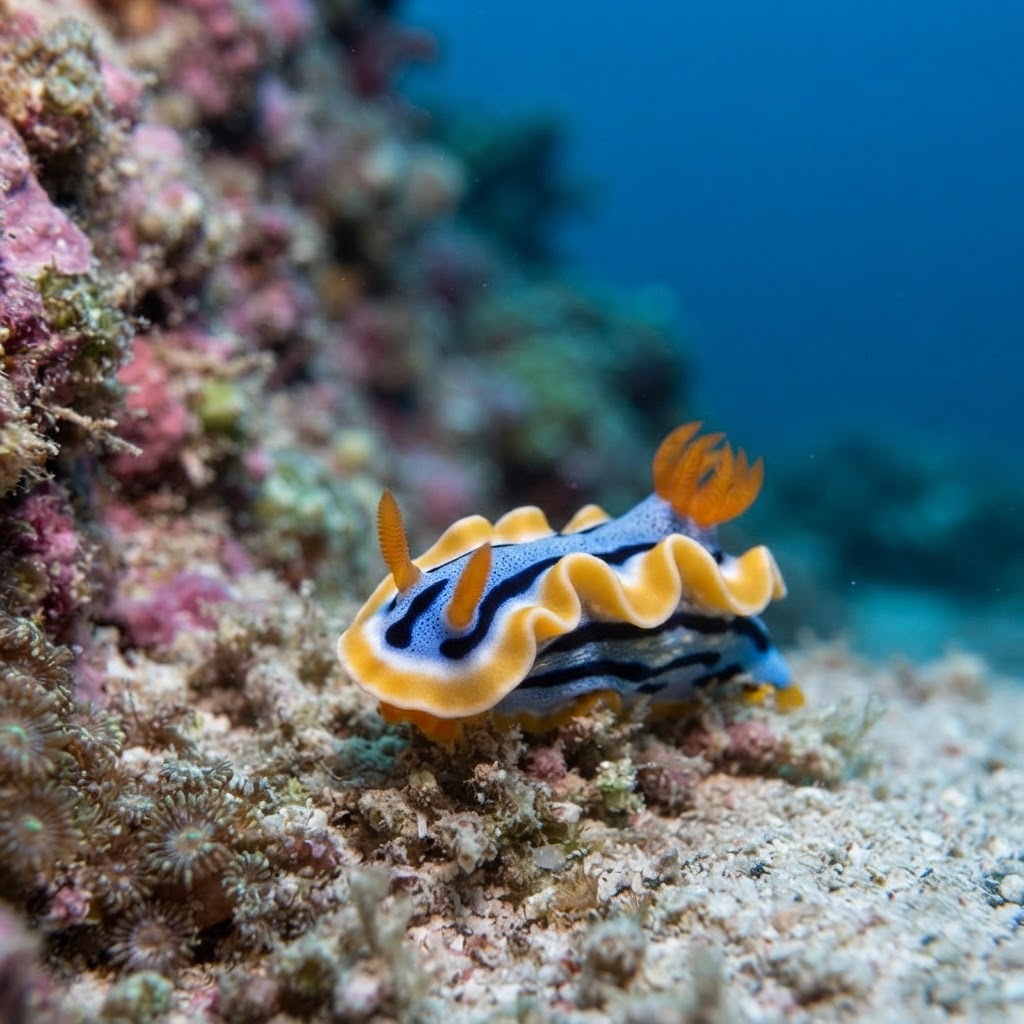
A small nudibranch (sea slug) best picked out by close-focus divers scanning reef rubble and sponge patches rather than spotted from a distance. Look for the compact, soft-bodied form typical of chromodorid nudibranchs, with a pair of rhinophores (sensory tentacles) up front and a feathery gill cluster near the tail. Exact size and colour detail are not well documented for this species, so confirm sightings against a reference photo rather than memory alone.
Divers find it grazing slowly over rocky reef and rubble, usually low down and easy to miss unless you are moving at nudibranch-hunting pace with a torch or macro lens. It shows no reaction to divers beyond the usual slow, unhurried crawl, and sightings are split fairly evenly between rare, uncommon and common depending on the site, so patience and a good eye for small reef life pay off.
Like other chromodorid nudibranchs, it almost certainly feeds on sponges and stores chemical compounds from that diet in its tissue as a defence against predators, though this hasn't been specifically documented for this species.
Sightings don't show a clear seasonal pattern, so treat it as a year-round possibility on Victorian and New South Wales reefs. Its temperature niche of 14.7 to 22°C spans the typical range of southern Australian coastal water across the year, which fits with the lack of a strong season.
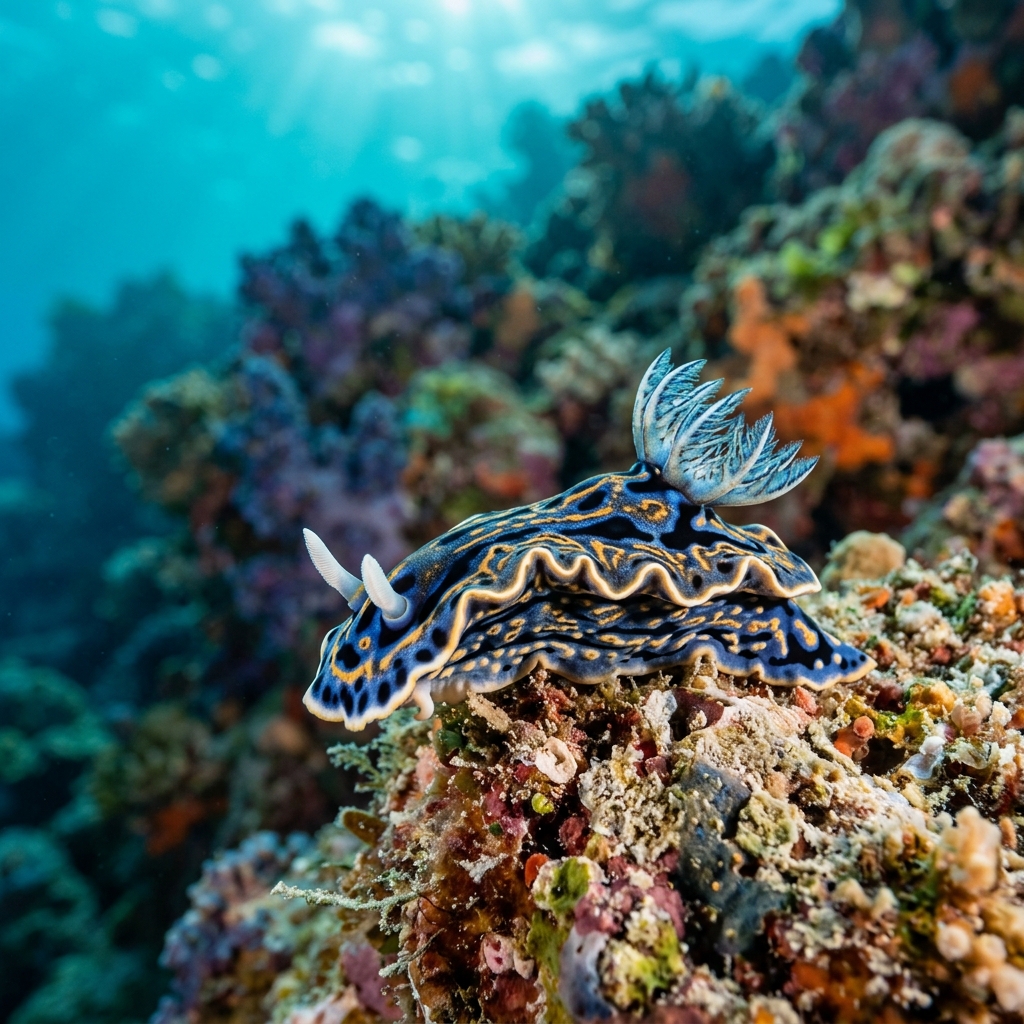
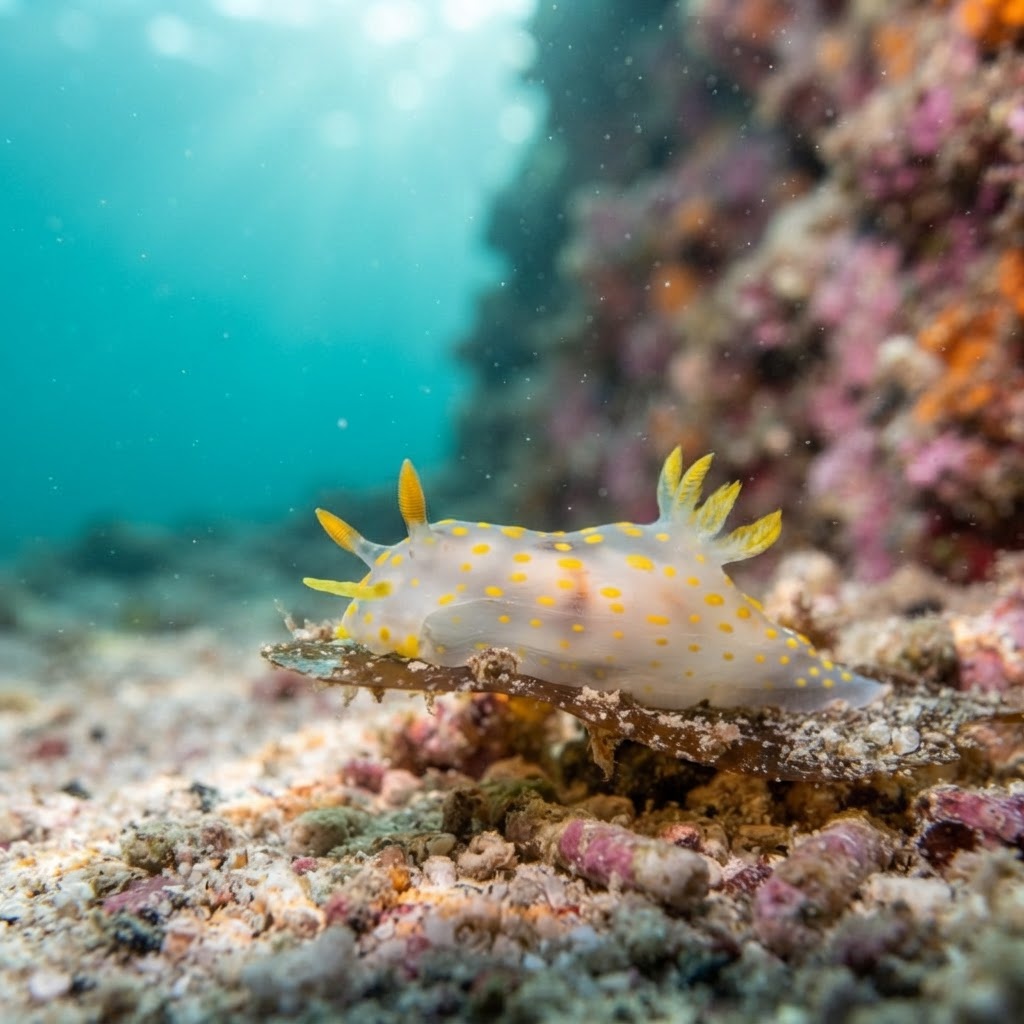
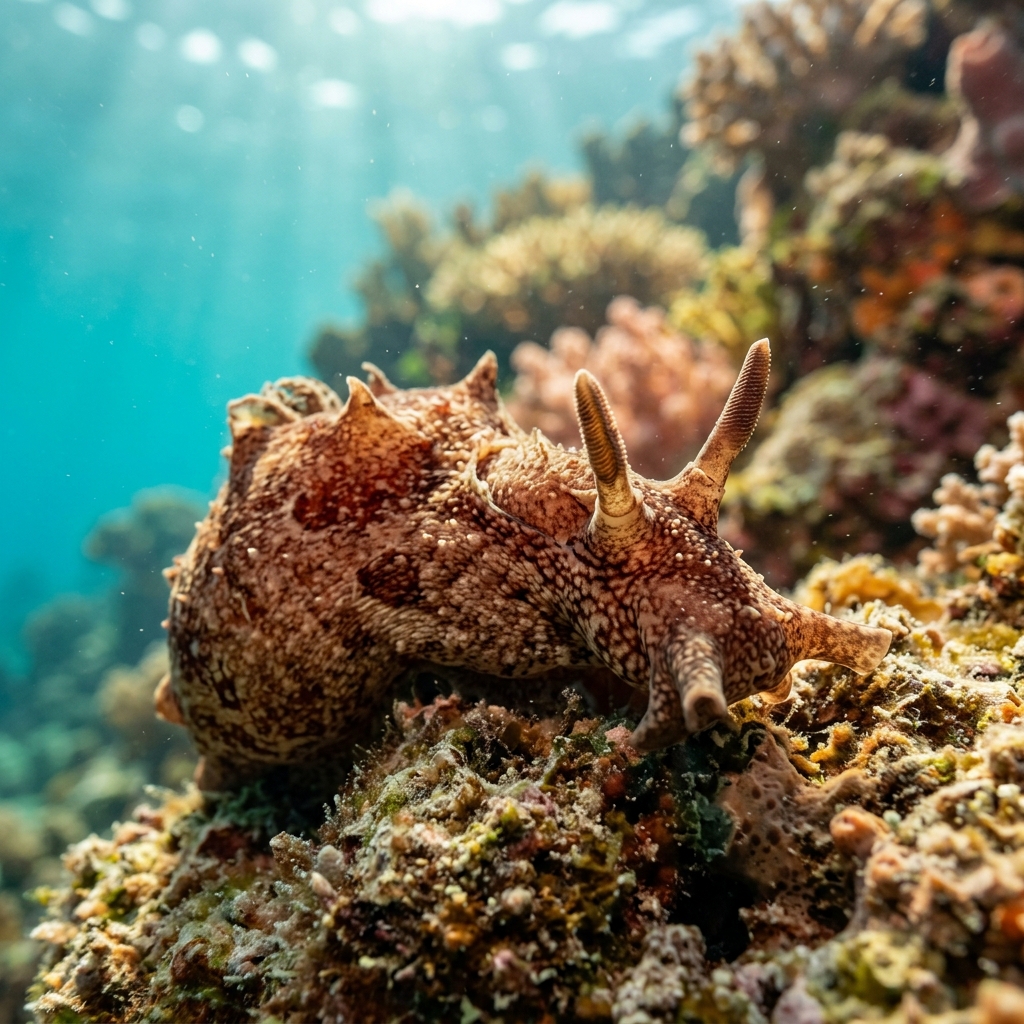
Reef neighbours a diver could mistake it for. Use the identification notes above to tell them apart.
This is very much an Australian species as logged by divers, with Victoria standing out as the strongholdvparticularly sites around Victoria itself, and a smaller but real presence in New South Wales. If you are hunting temperate nudibranchs anywhere else in the world, this one is not a reliable target outside Australian waters based on current diver records.
Mapping where Pink Sponge Verconia is logged…
Victoria, Australia is by far the most reliable place divers log this species, with a smaller number of sightings from New South Wales. Outside Australia it has not been recorded by divers with any consistency.
There's no strong seasonal pattern in the sighting data, so it's considered a year-round find on southern Australian reefs where water temperature sits between roughly 14.7 and 22°C.
It's a small, soft-bodied nudibranch best confirmed with a close-up photo rather than a quick glance, since detailed size and colour data are limited. Look for it low on reef rubble alongside similar chromodorid species and cross-check against a photo guide.
No, it poses no danger to divers. Like most nudibranchs it can be observed and photographed safely without any need for caution.
As a chromodorid nudibranch it likely feeds on sponges and repurposes chemicals from its prey for its own defence, a trait common across this family though not specifically confirmed for this species.
Site and sighting data is aggregated from diver logs, iNaturalist and GBIF. For taxonomy and conservation status:
Light-spotted Aegires
3,168 sites