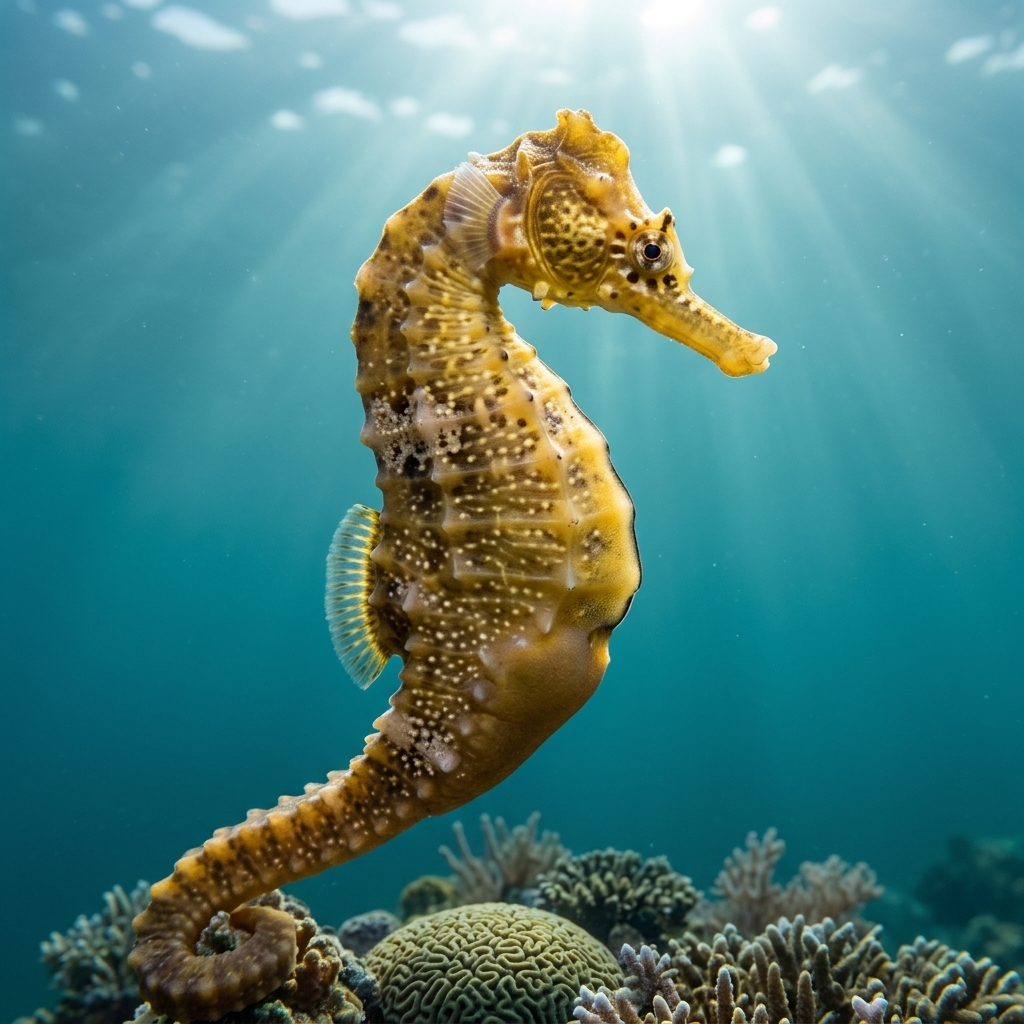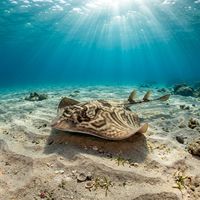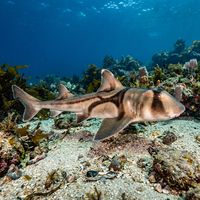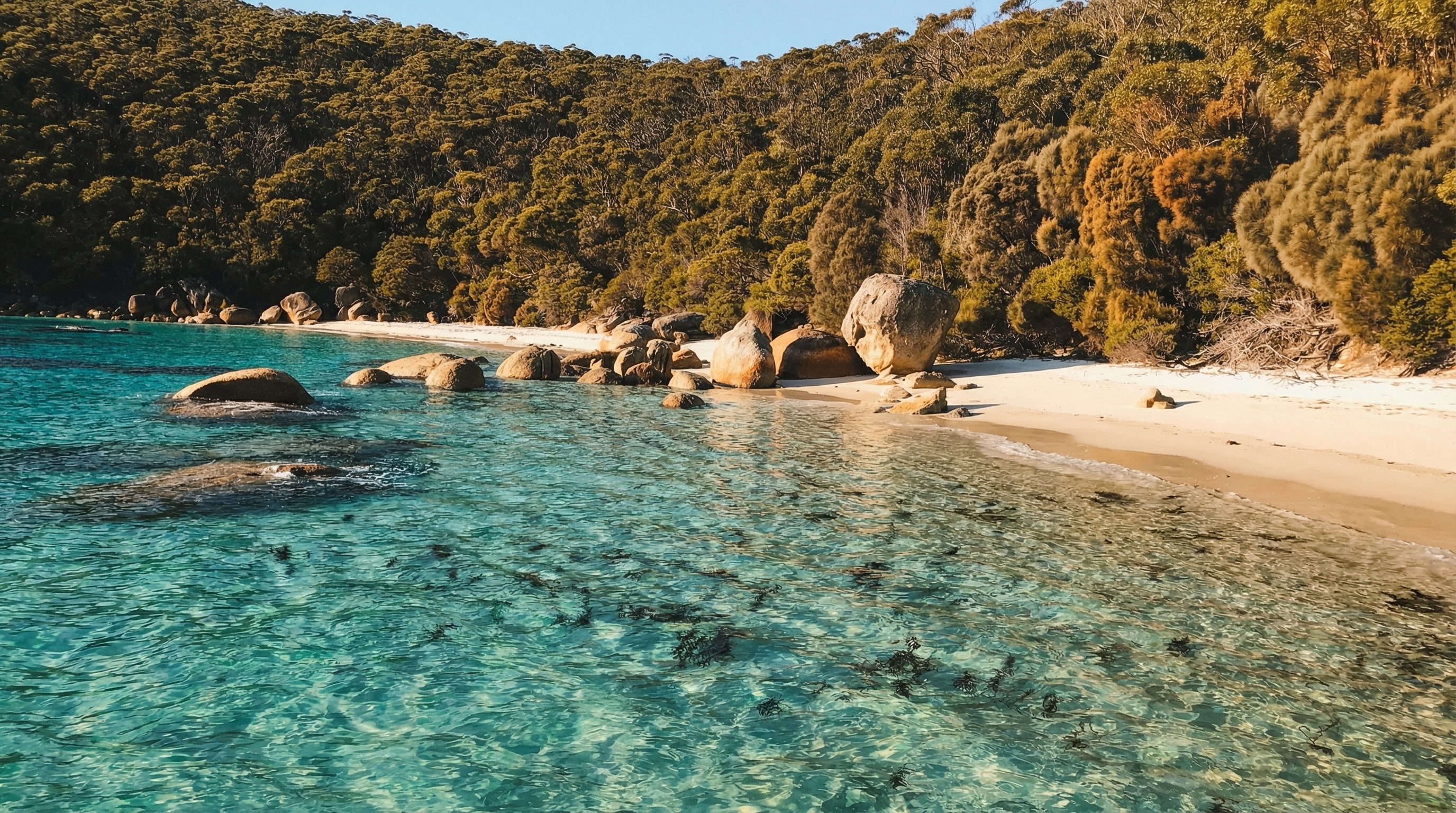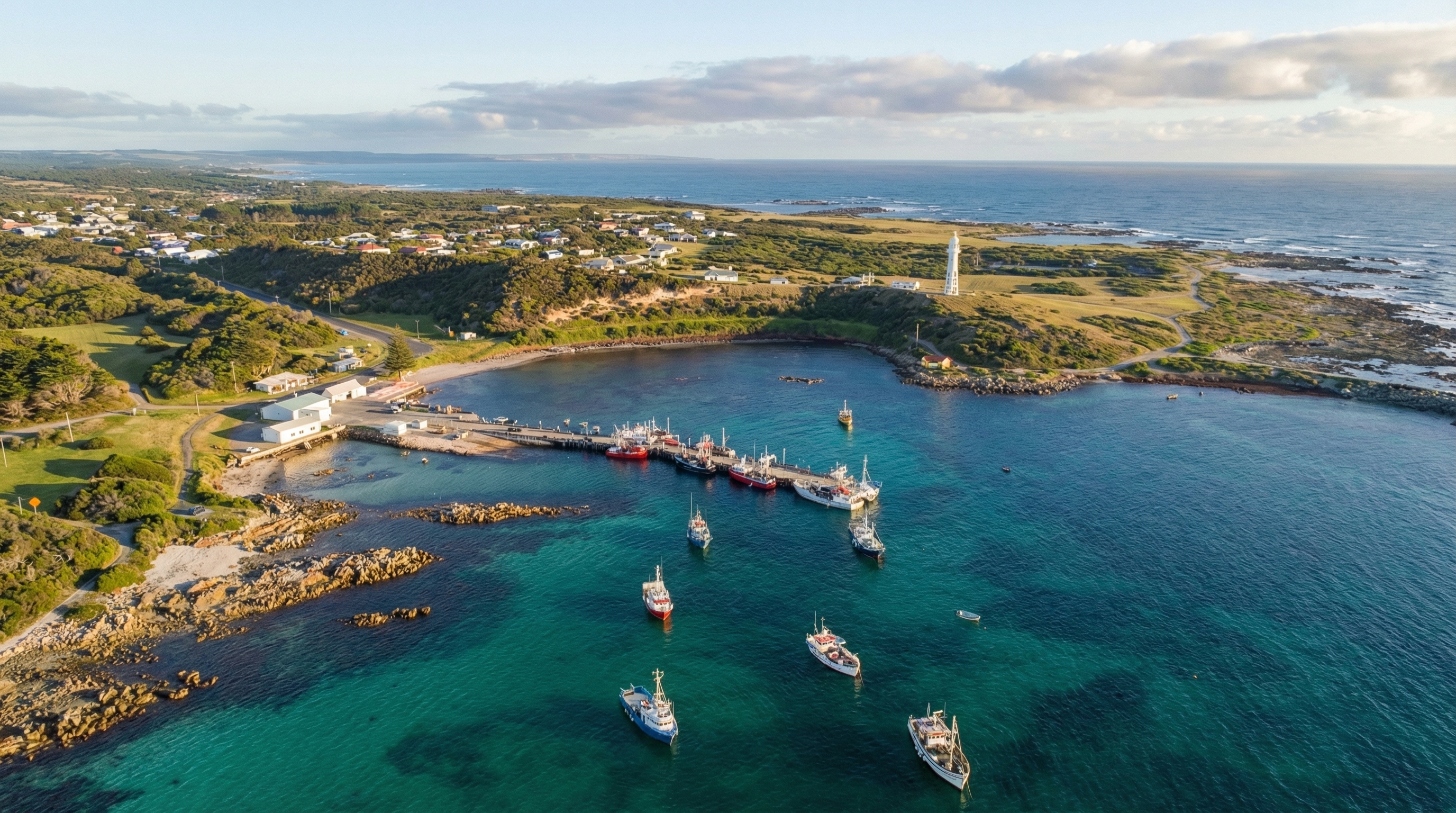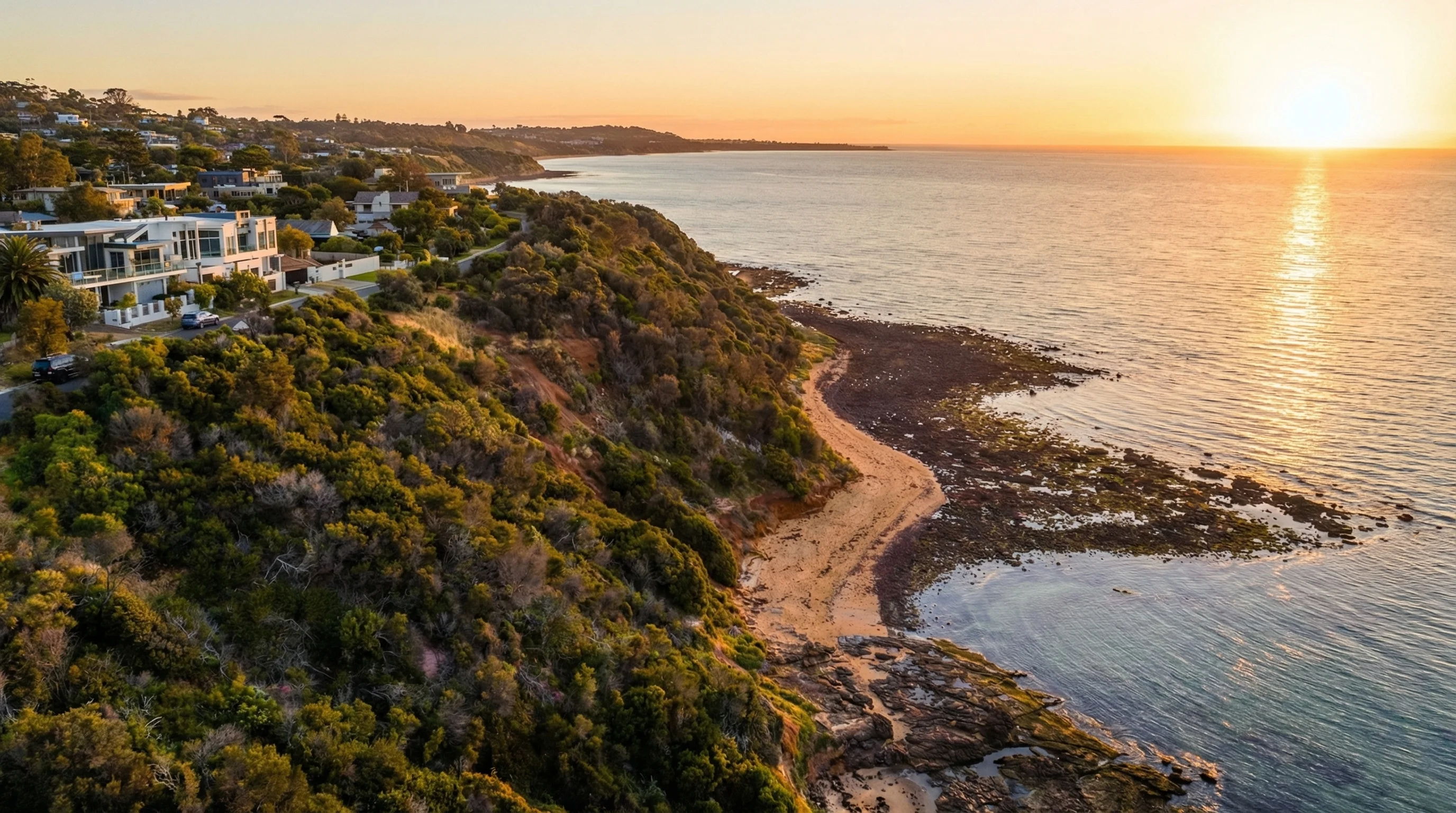
The Mornington Peninsula divides into two distinct underwater worlds: the sheltered Port Phillip Bay side, with its piers, artificial reefs and seagrass beds, and the more exposed Western Port Bay side. Together they span beginner-friendly shore entries to deep walls and drift dives demanding advanced skills. The signature species here are the Weedy Seadragon, Pot-bellied Seahorse and Smooth Ray, with Port Jackson Shark and Fiddler Ray appearing regularly across the region.
2 areas
Monthly water temperature across Mornington Peninsula's sites, from satellite sea-surface data corrected for depth. The band shows the site-to-site spread.
Water temperatures peak through the summer months of December to March, making that the most comfortable window for diving. Cooler conditions persist from mid-winter into spring, though sites remain diveable year-round with appropriate exposure protection. Exposed sites such as Lonsdale Wall and Boarfish Reef carry strong currents and suit experienced divers, while the sheltered bay side stays calm for less confident visitors.
35 operators


68 more sites to explore
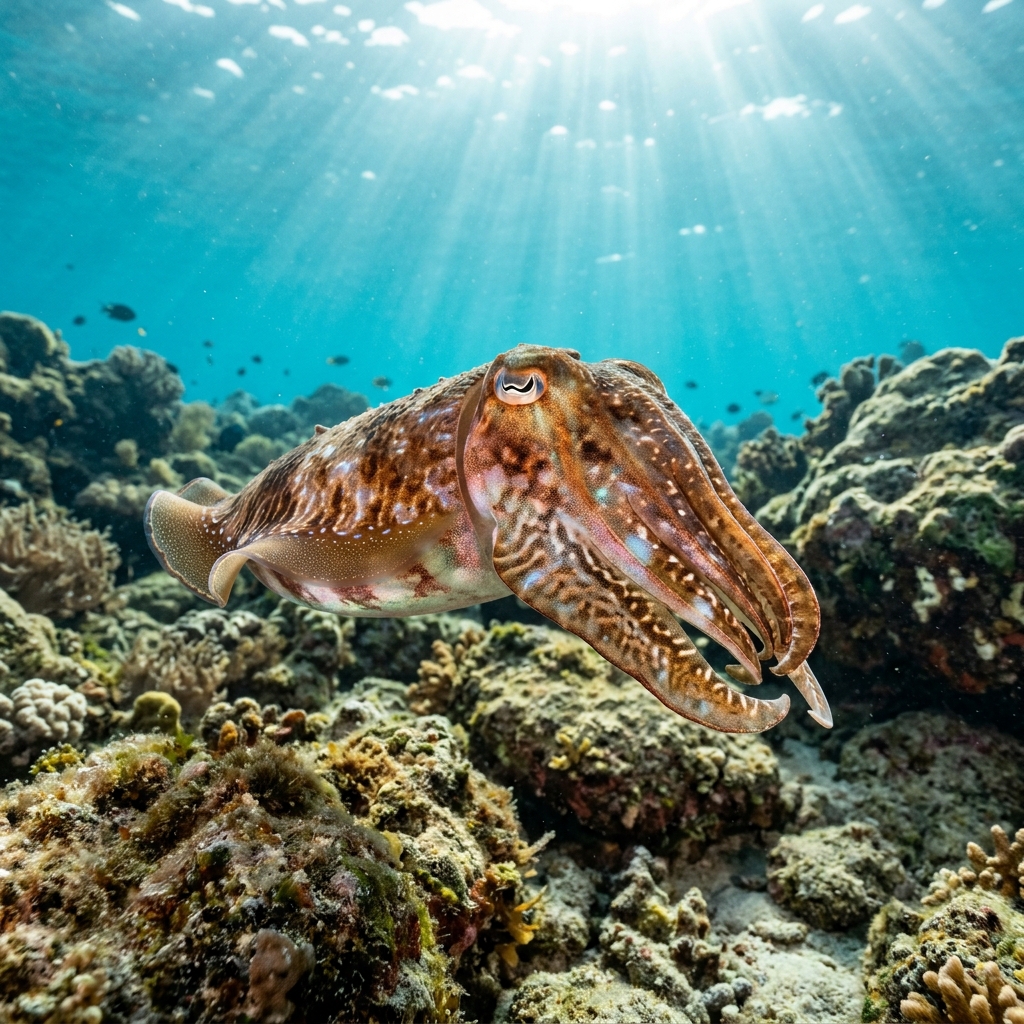
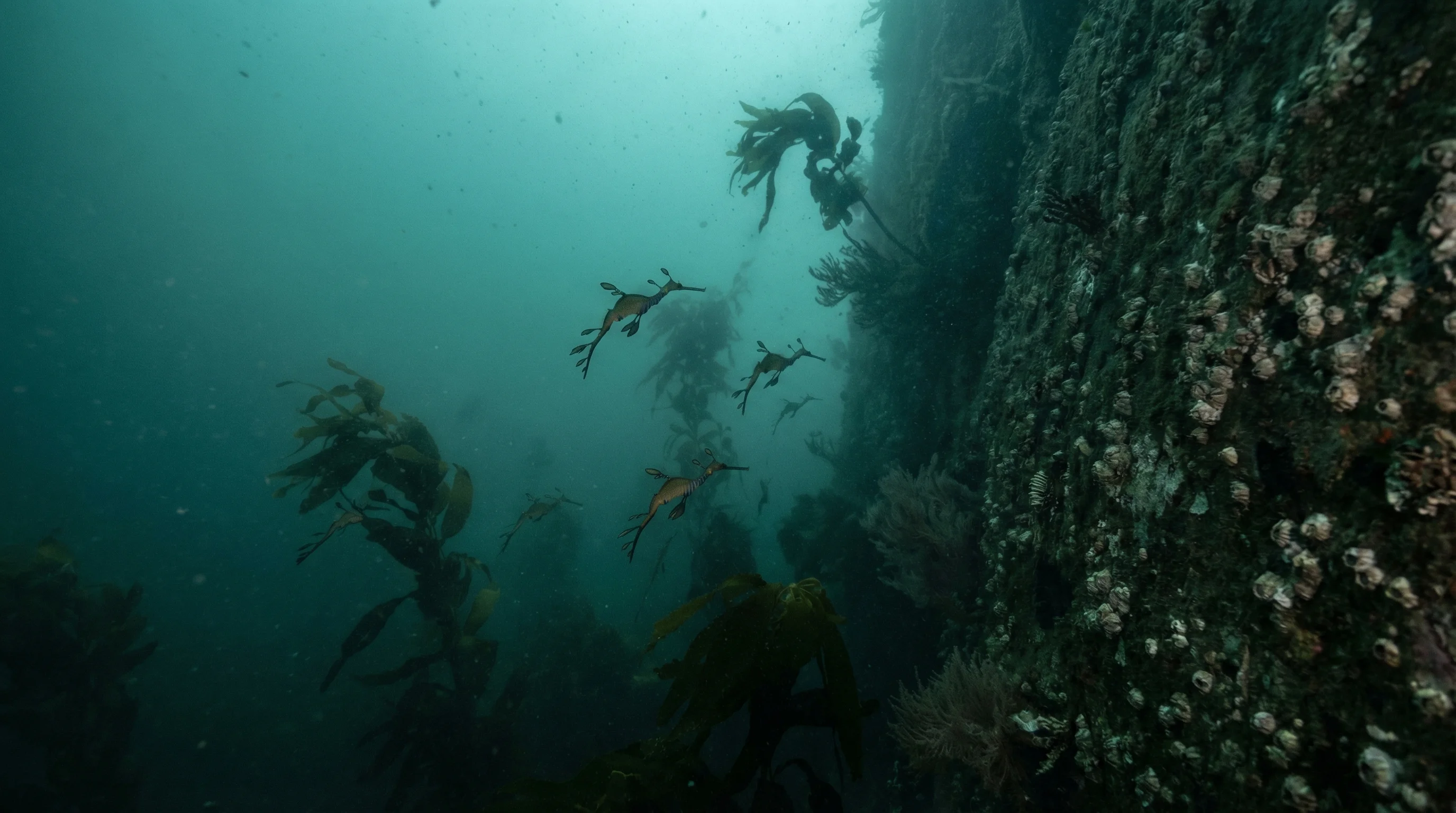
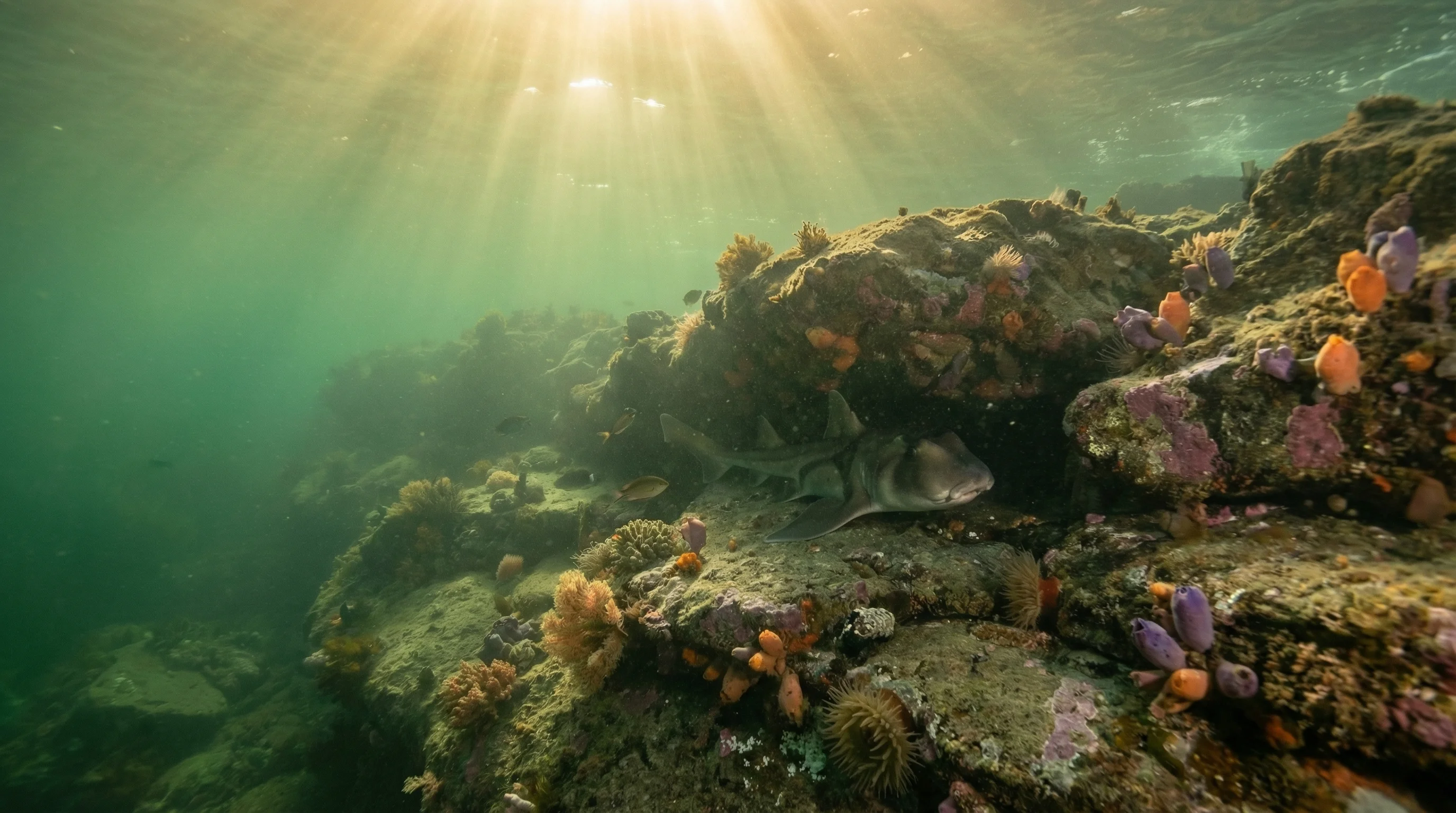
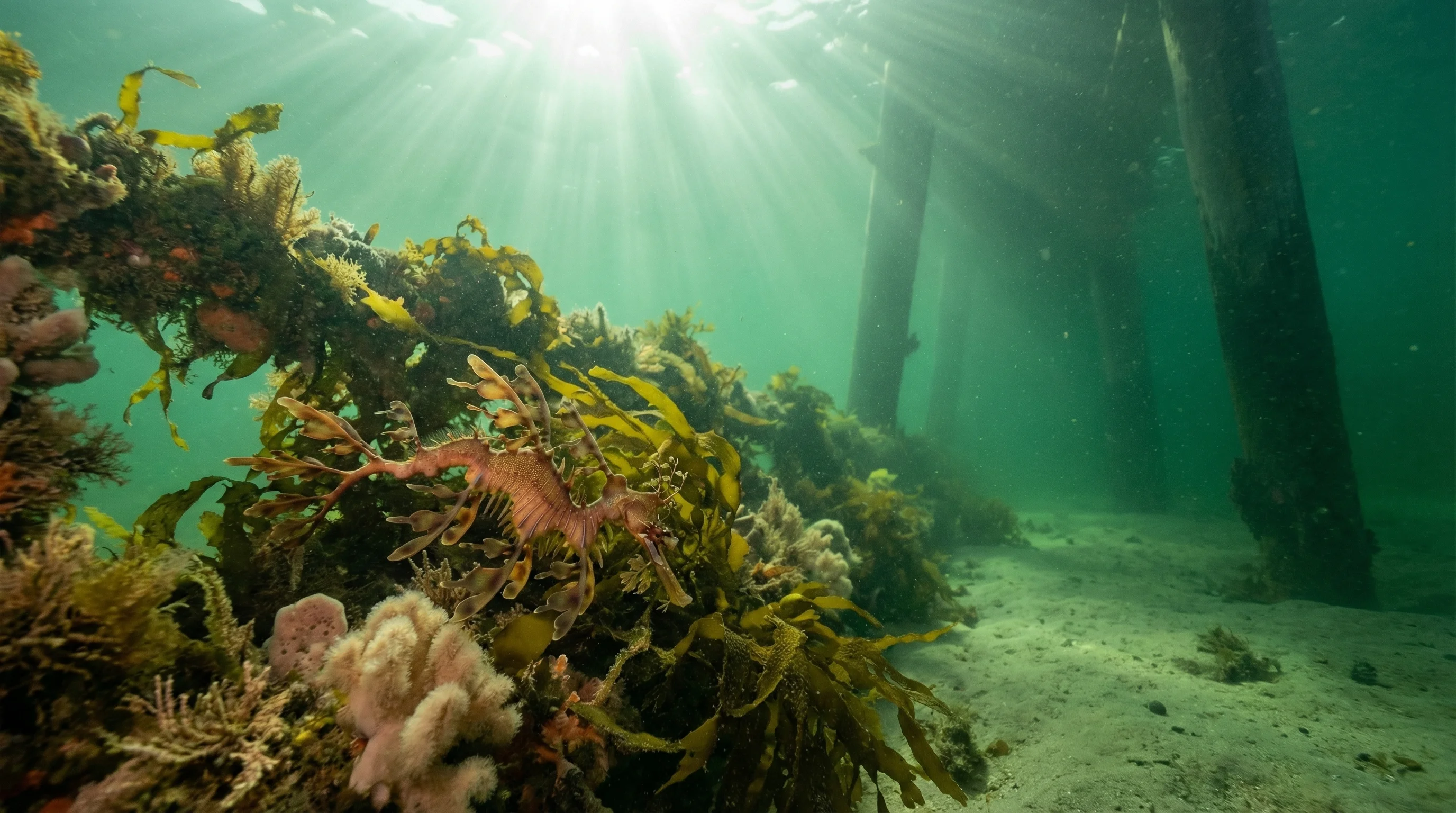
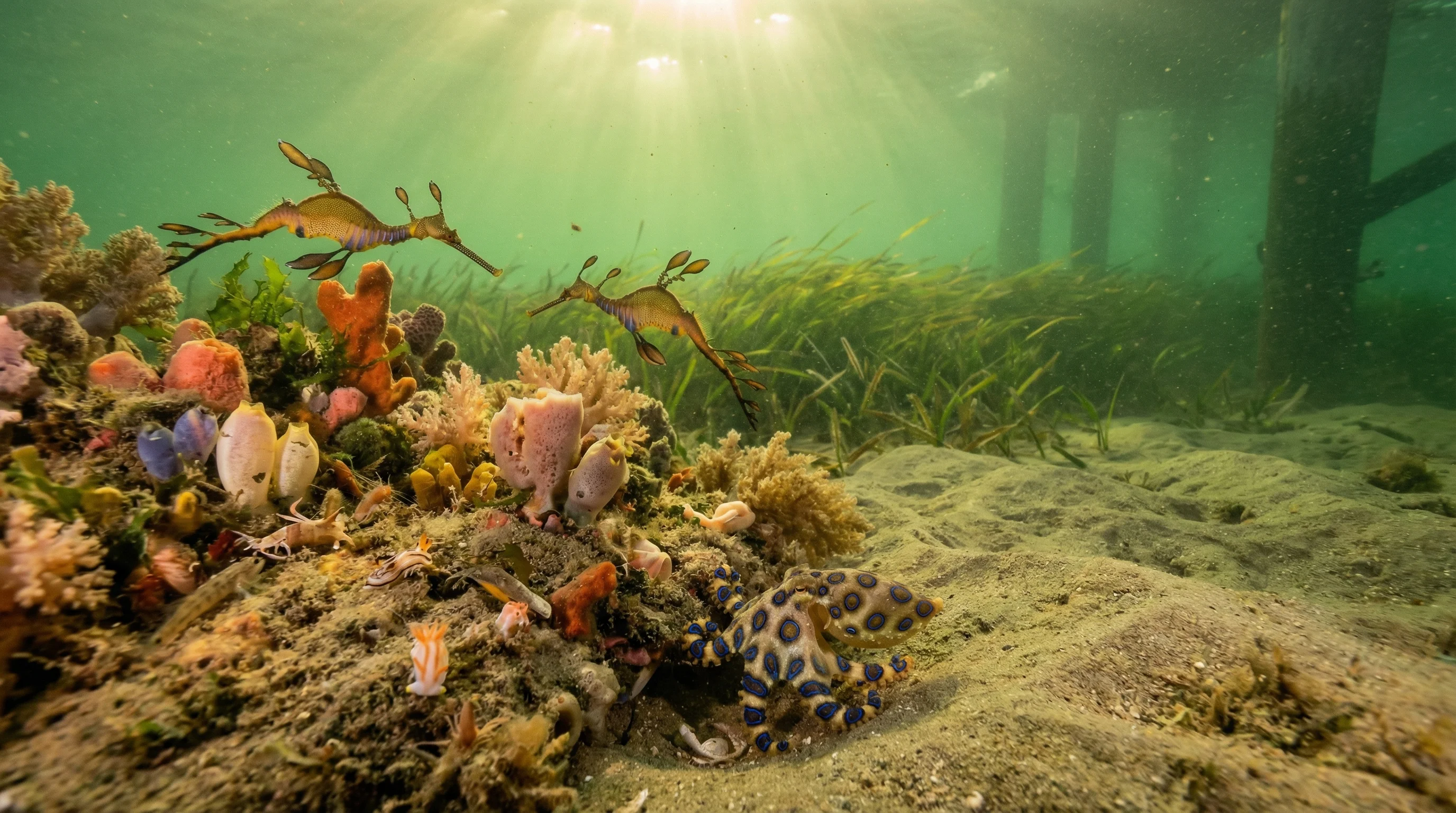
Seahorses, seadragons and cuttlefish across sheltered piers, kelp reefs and deep walls on the Mornington Peninsula's bay side.
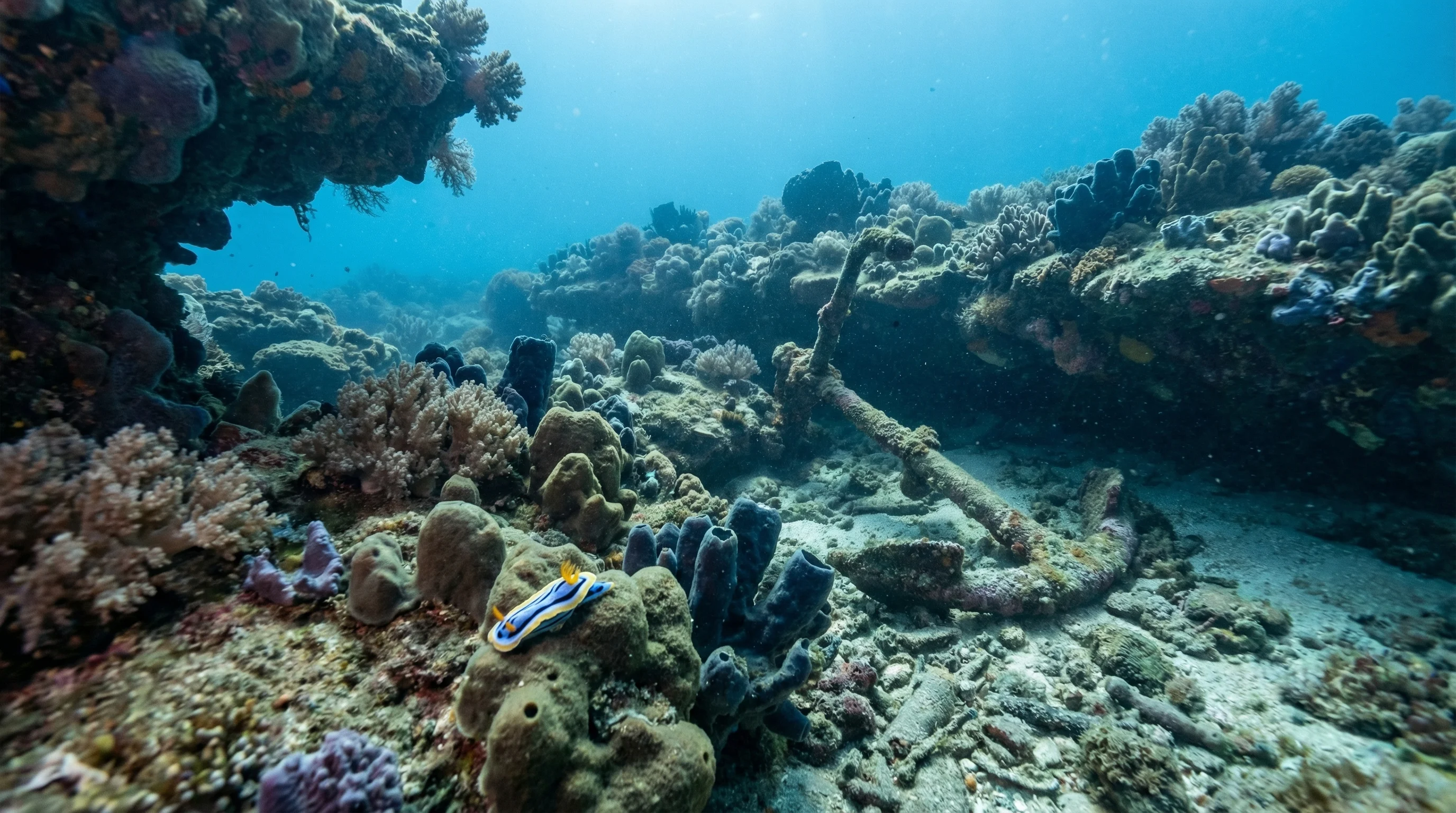
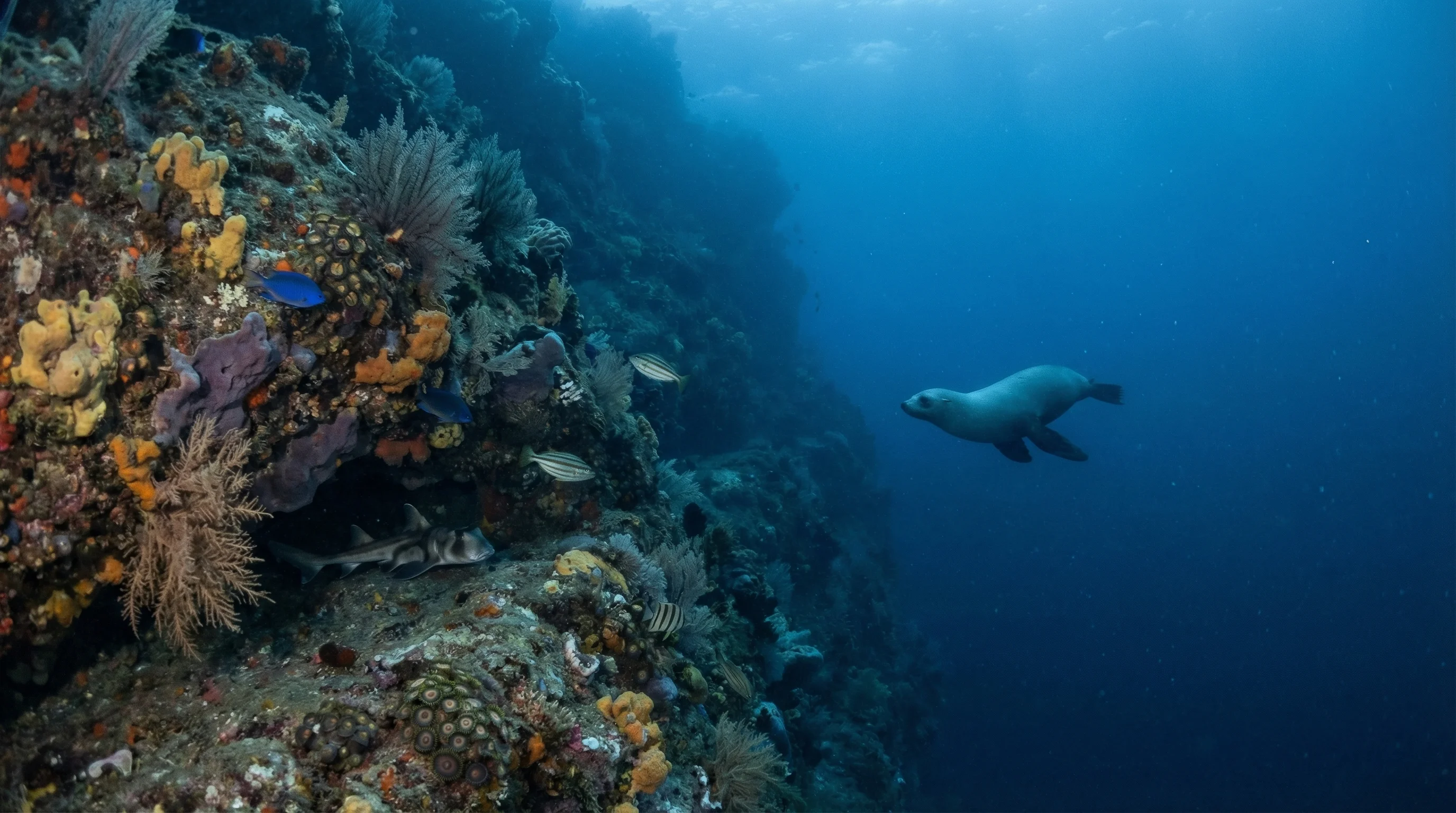
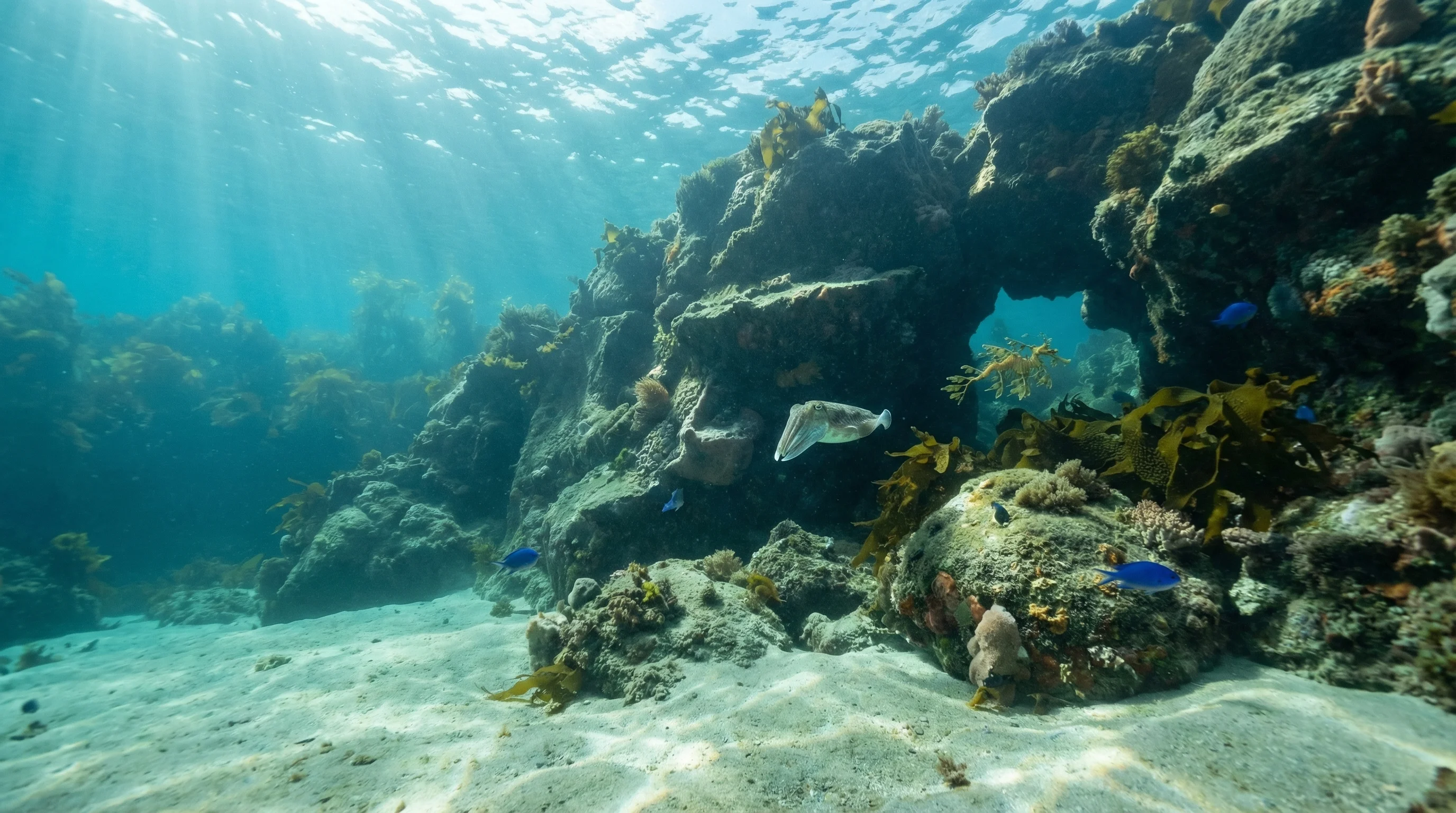
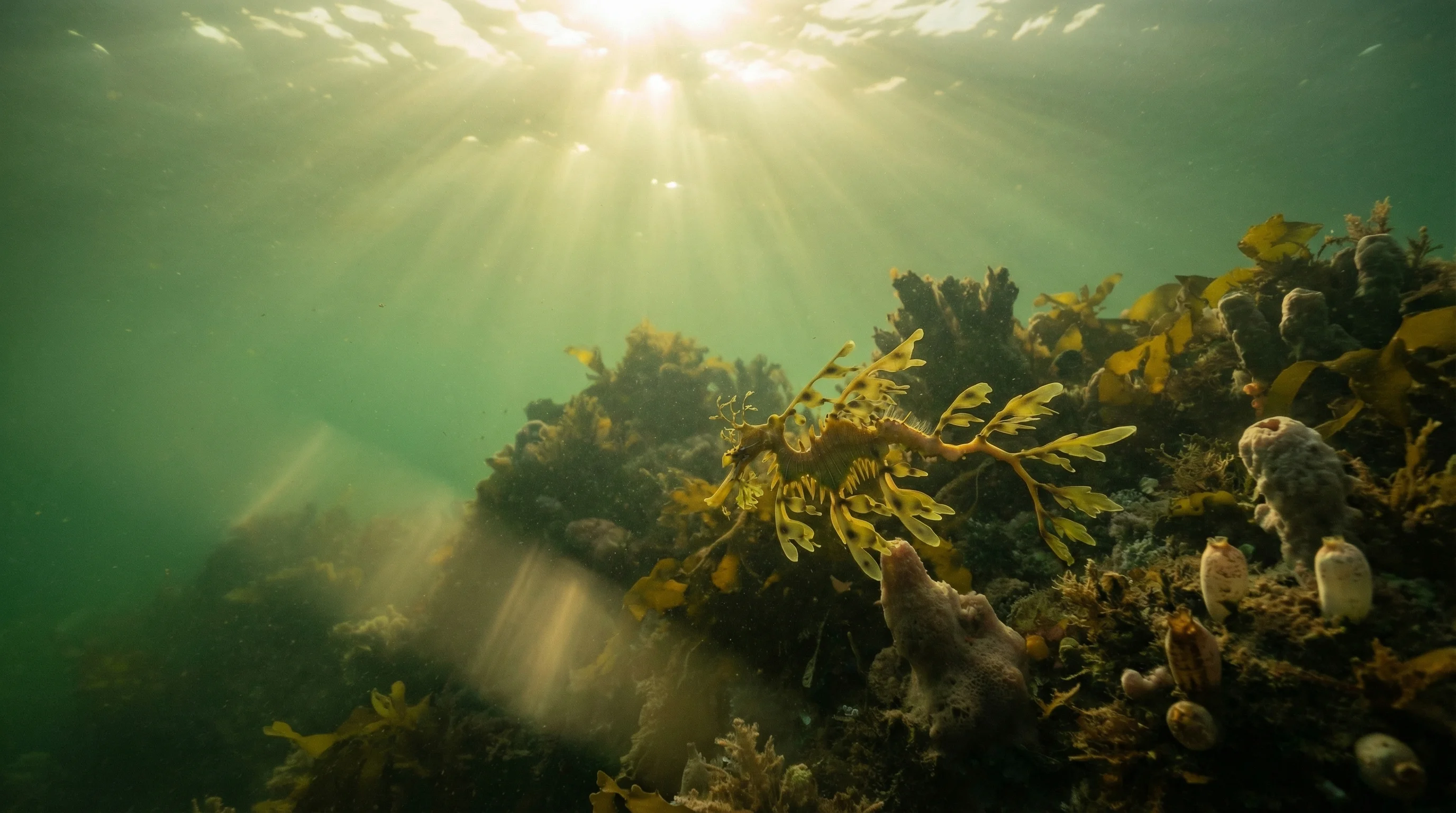
Water temperature around Mornington Peninsula ranges from about 13°C in July to 19°C in January, based on satellite sea-temperature data for its dive sites.
In the warm season (about 19°C) a 5mm suit is comfortable in Mornington Peninsula; in the coldest months (about 13°C) step up to a 7mm or semi-dry suit.
Fin maps 80 sites in Mornington Peninsula (76 scuba diving sites and 24 snorkelling spots, with some suited to both), organised into 2 areas.
Across Mornington Peninsula's dive sites, January, February, March, April, May and December are most often reported as the best months to visit.
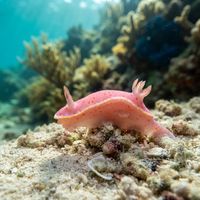
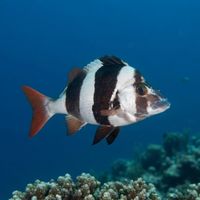
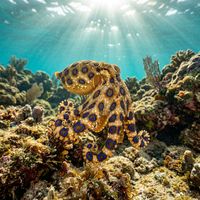
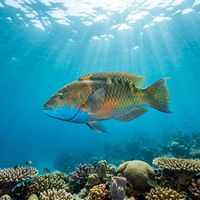
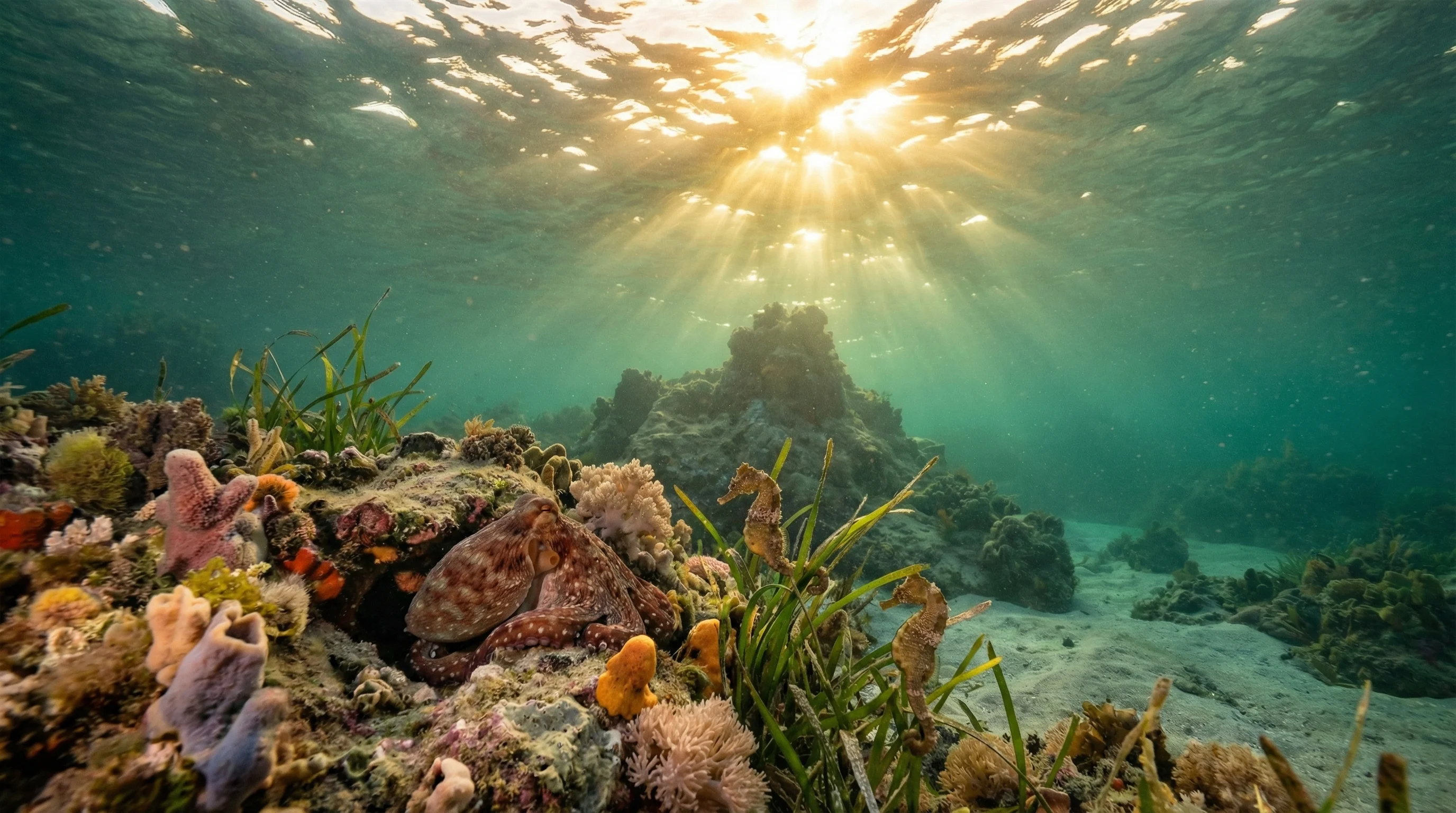
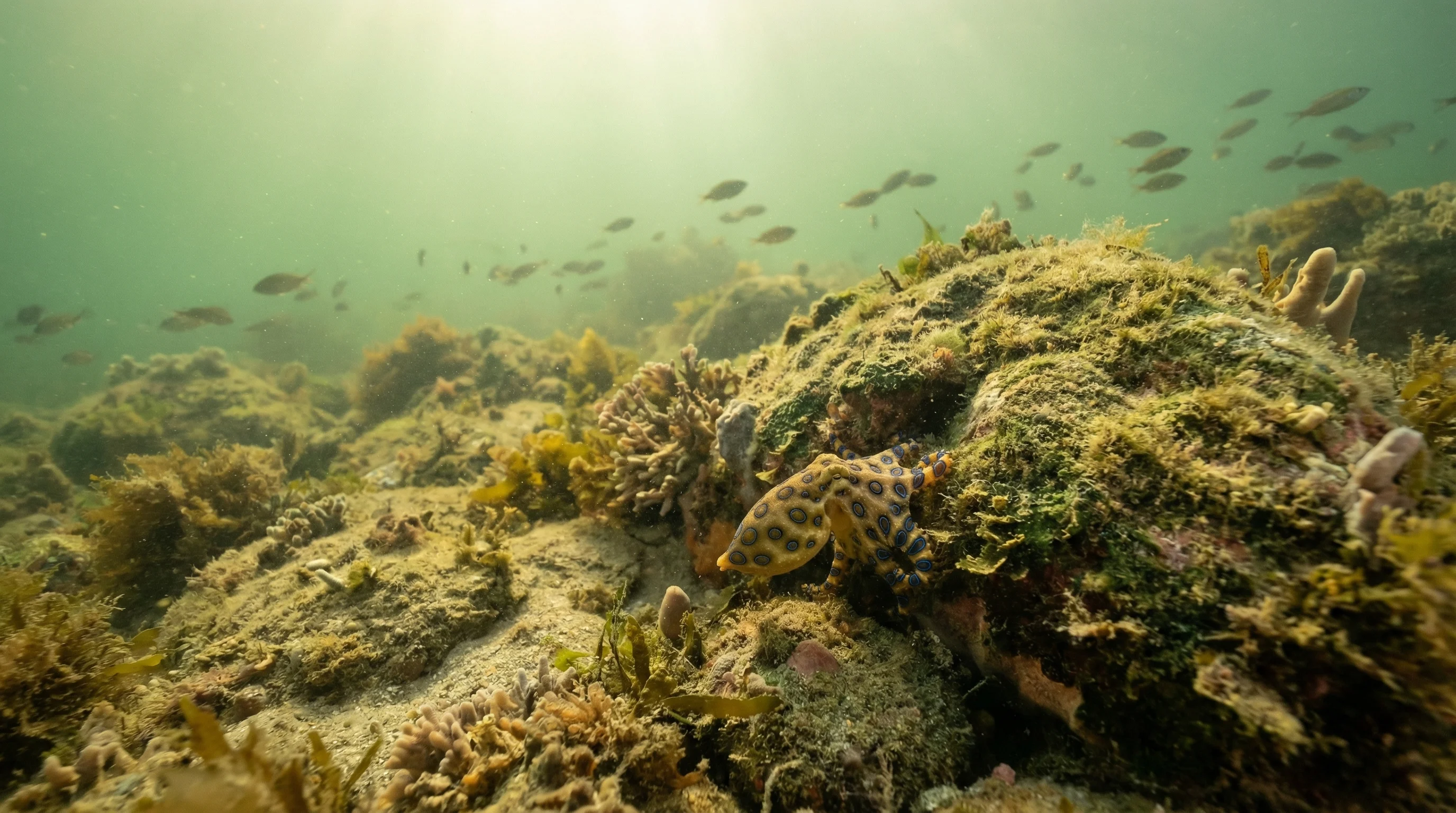
The region is best known for the Weedy Seadragon and Pot-bellied Seahorse, both observed regularly across many sites. Smooth Ray, Fiddler Ray and Port Jackson Shark are common throughout the area, and Giant Cuttlefish and Blue-ringed Octopus appear at sites on both bay sides. Nudibranchs including the Short-tailed Ceratosoma and Chromodoris Nudibranch add colour to reef dives, and Long-nosed Fur Seal is occasionally encountered.
A large proportion of sites on the Peninsula are rated beginner level, particularly along the Port Phillip Bay side. Shore-accessible piers such as Blairgowrie Pier, Rye Pier and Frankston Pier offer shallow, calm conditions with easy entries. Boat-access sites like Popes Eye and Nepean Bay also cater to beginners, though some require planning around tides and conditions.
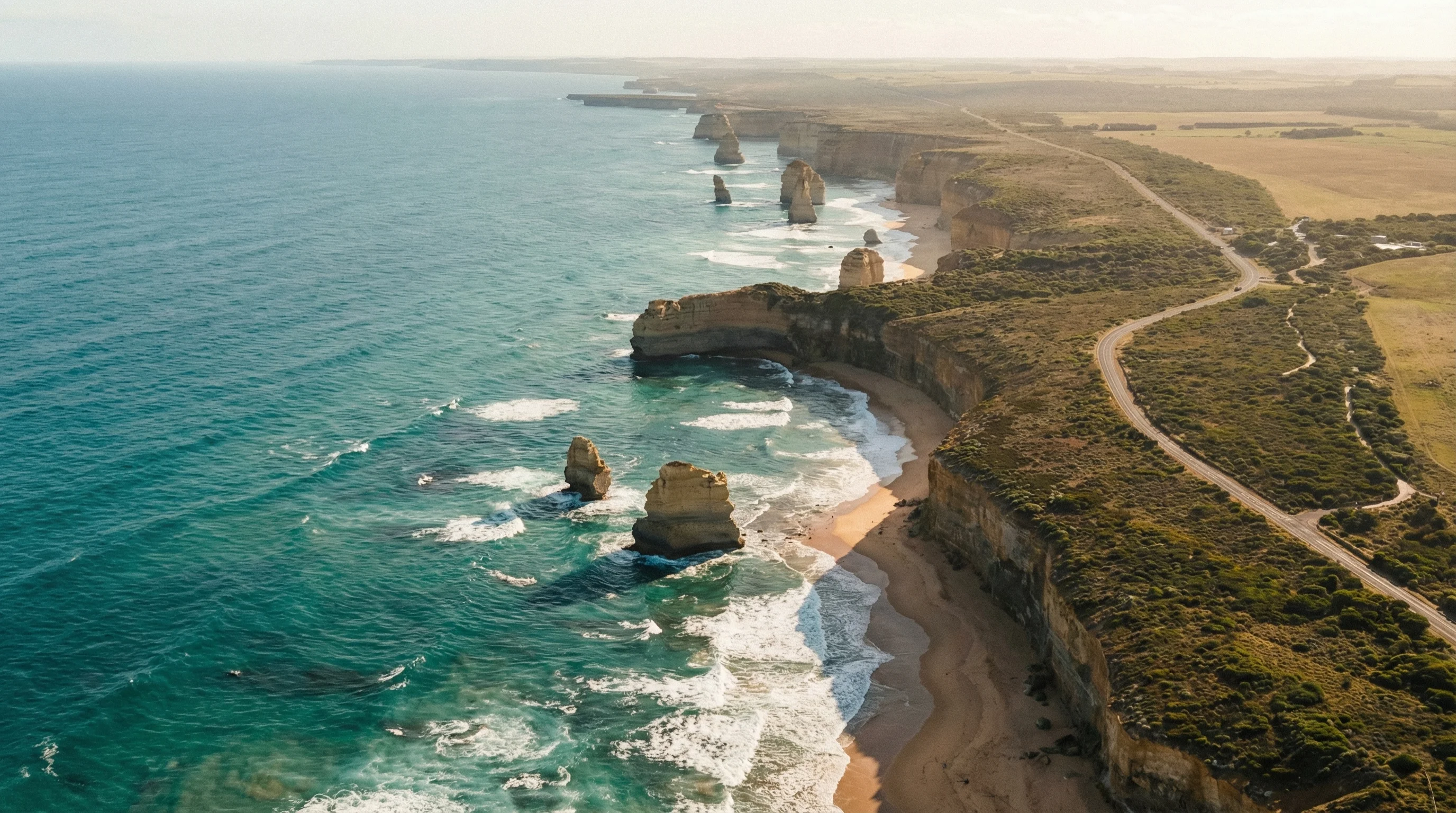
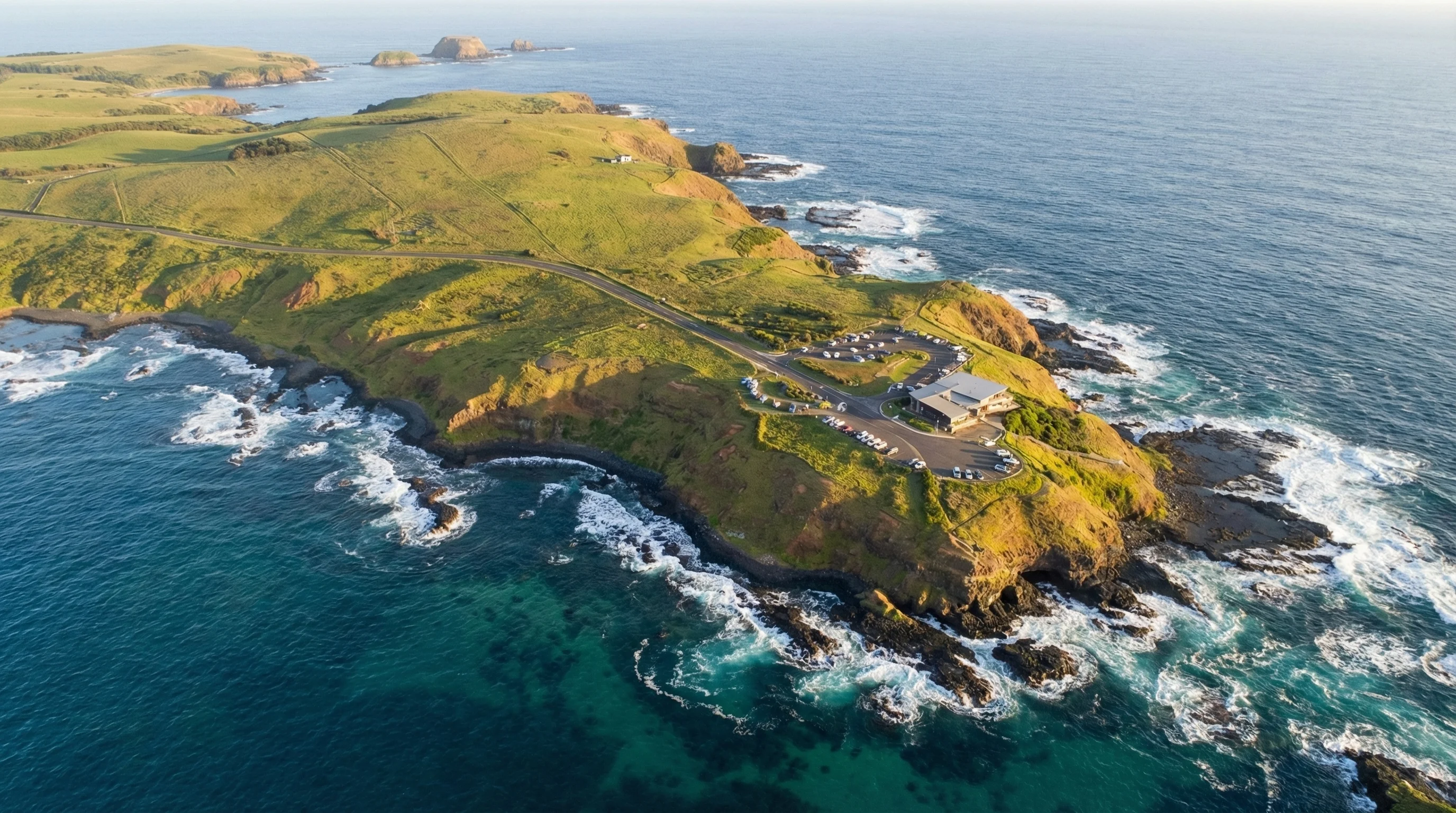
The Port Phillip Bay side holds the majority of sites and leans towards sheltered conditions, with many pier dives, artificial reefs and seagrass beds accessible from shore. Western Port Bay has fewer sites but offers a different character suited to those looking to explore beyond the main bay. Advanced divers gravitate towards sites at the bay entrance, including the deep wall at Lonsdale Wall and the drift conditions at Boarfish Reef.
Both options are well represented on the Mornington Peninsula. Shore dives at piers including Blairgowrie Pier, Rye Pier, Frankston Pier and Brighton Pier require no boat at all. Sites like Lonsdale Wall, Boarfish Reef and Popes Eye require boat access, and several operators including Diving Victoria, Ocean Divers and Aquatic Adventures run trips out of the region.