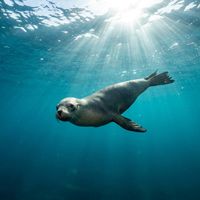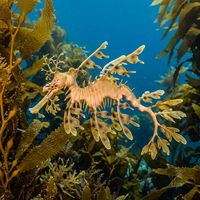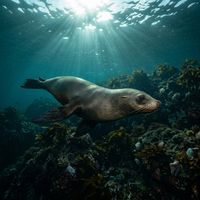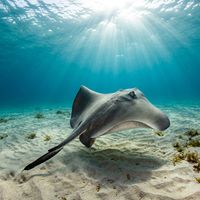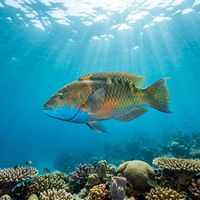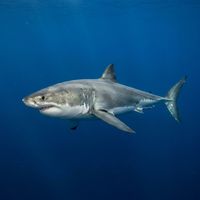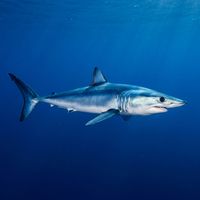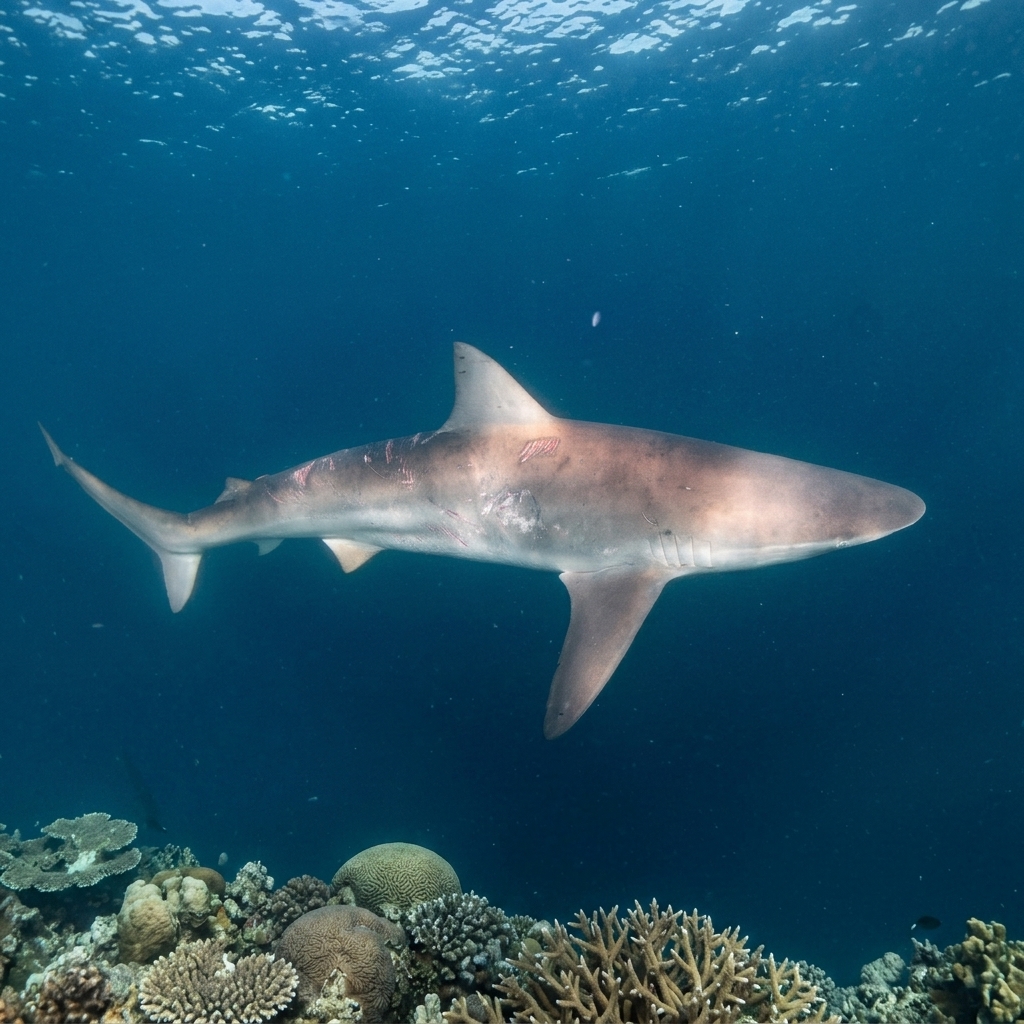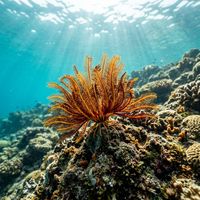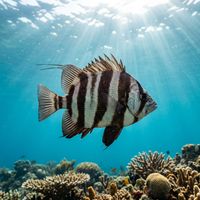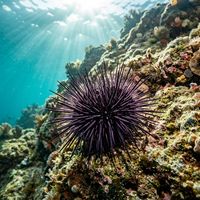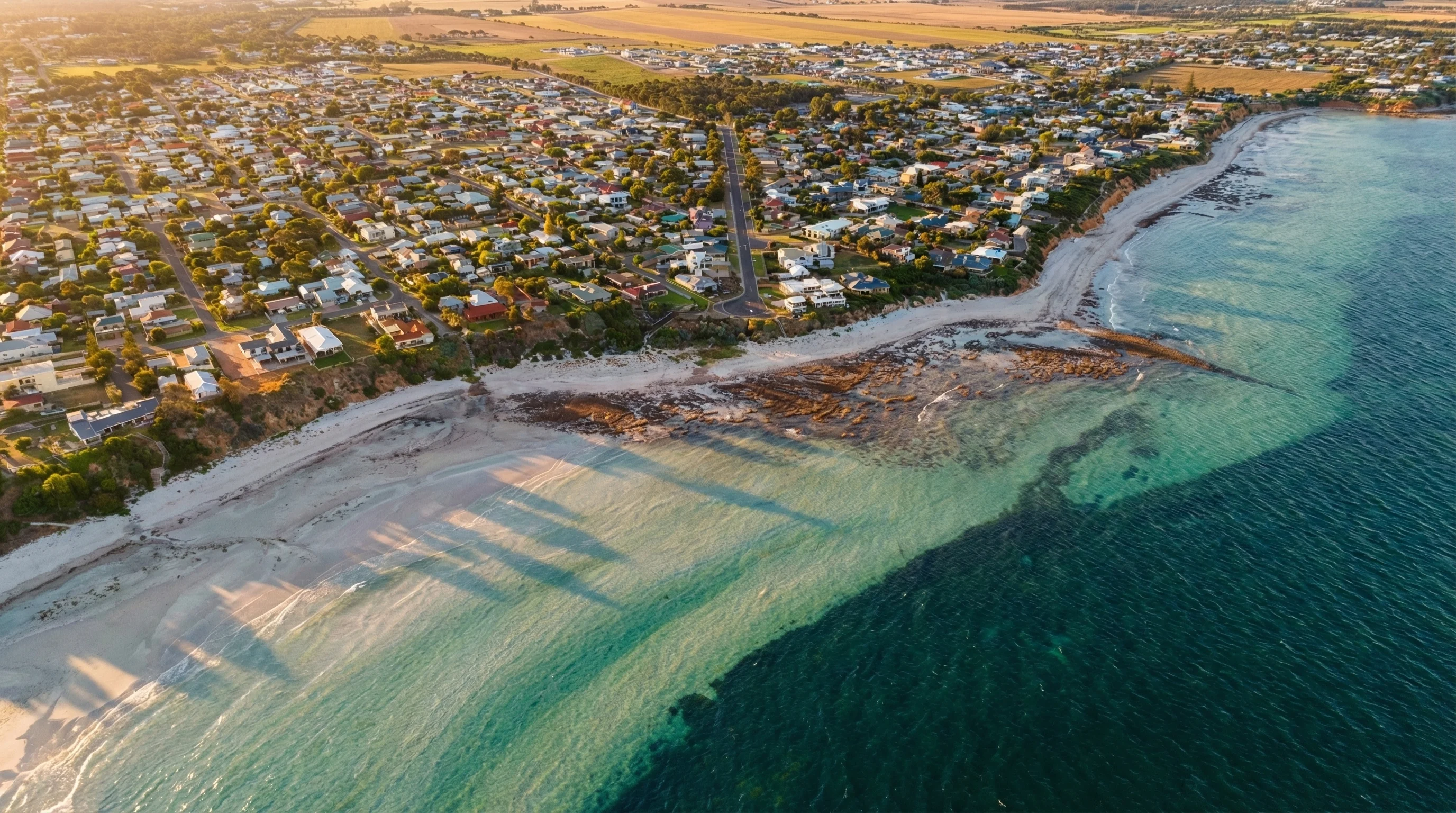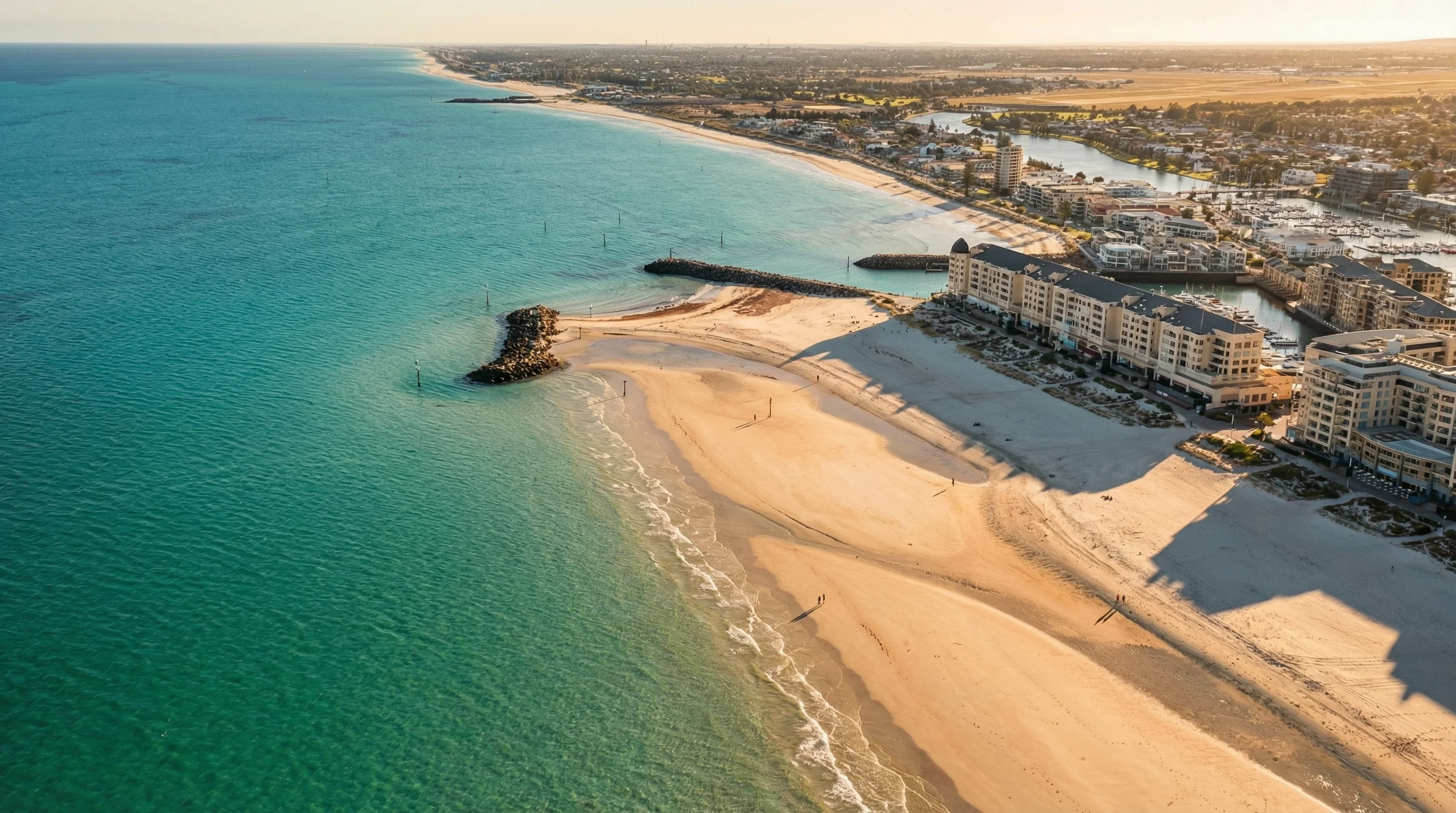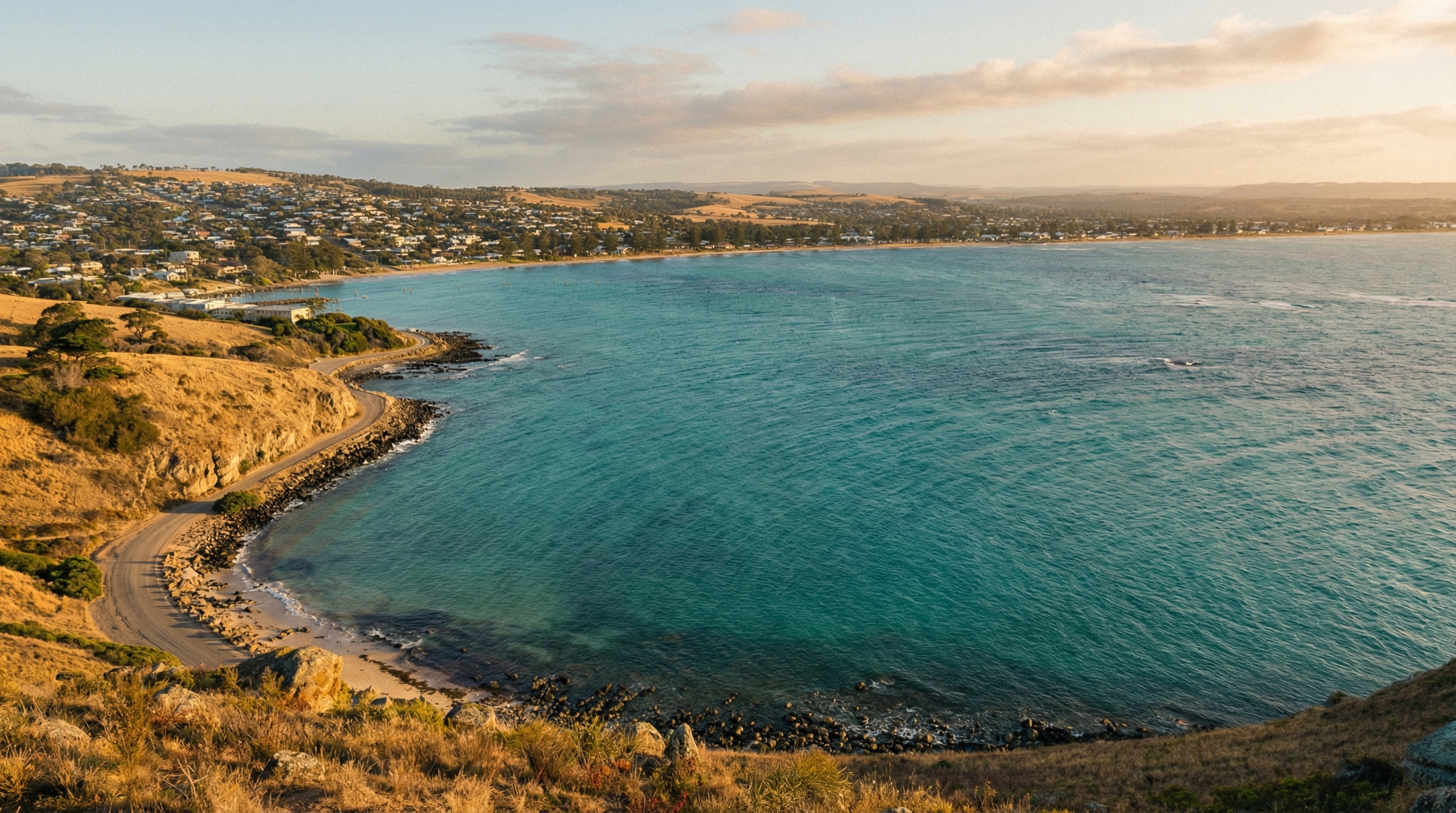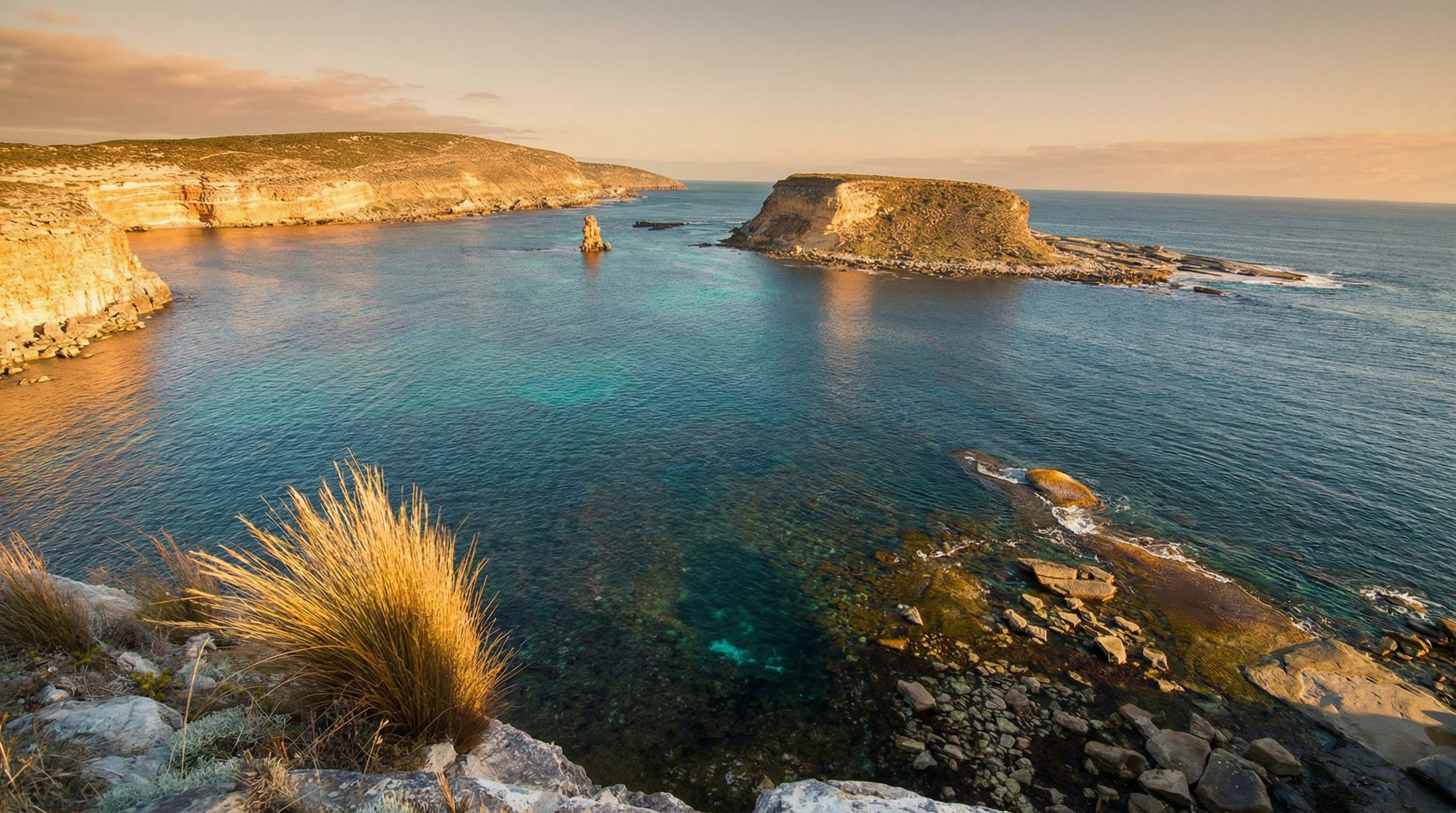
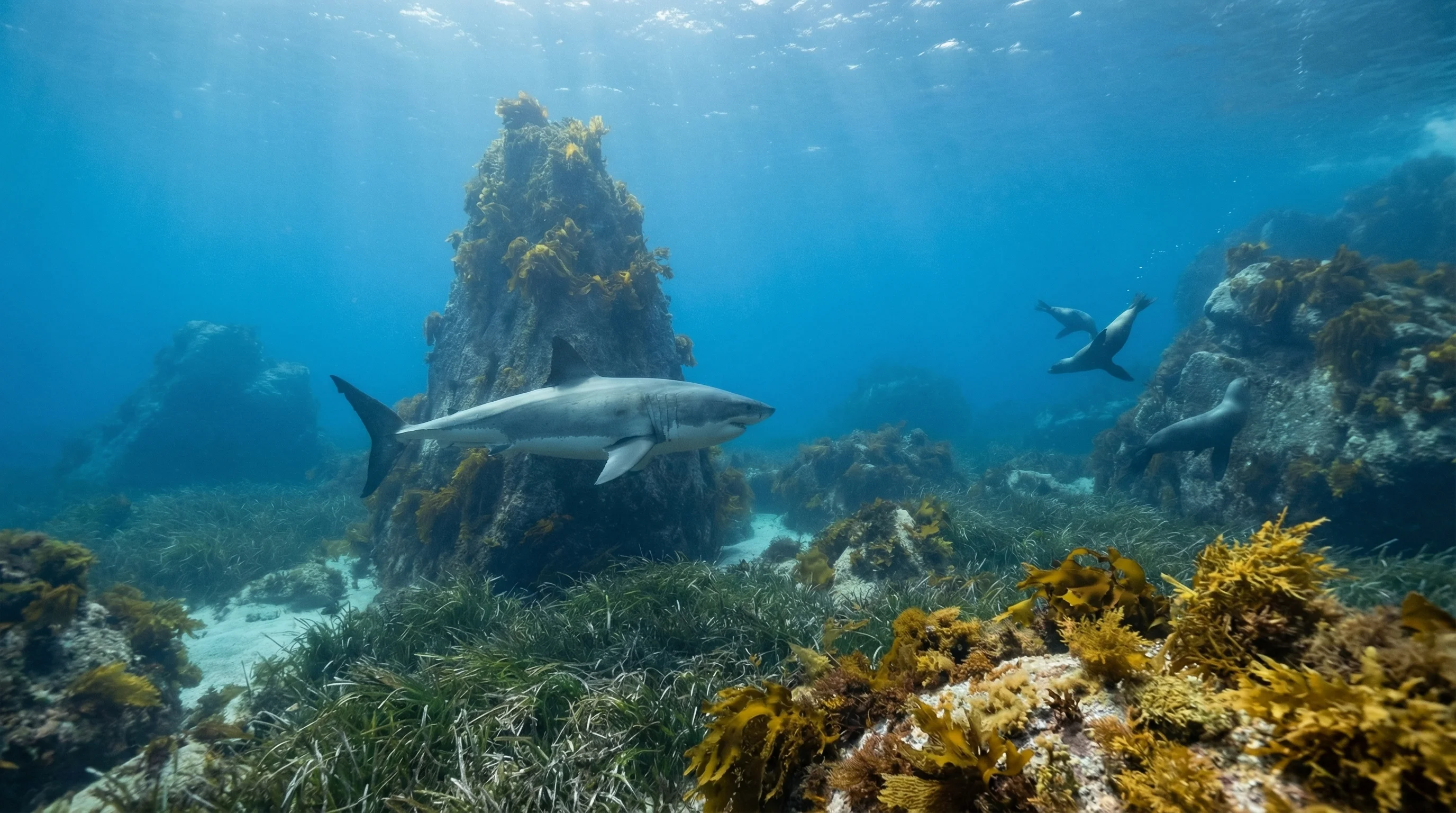
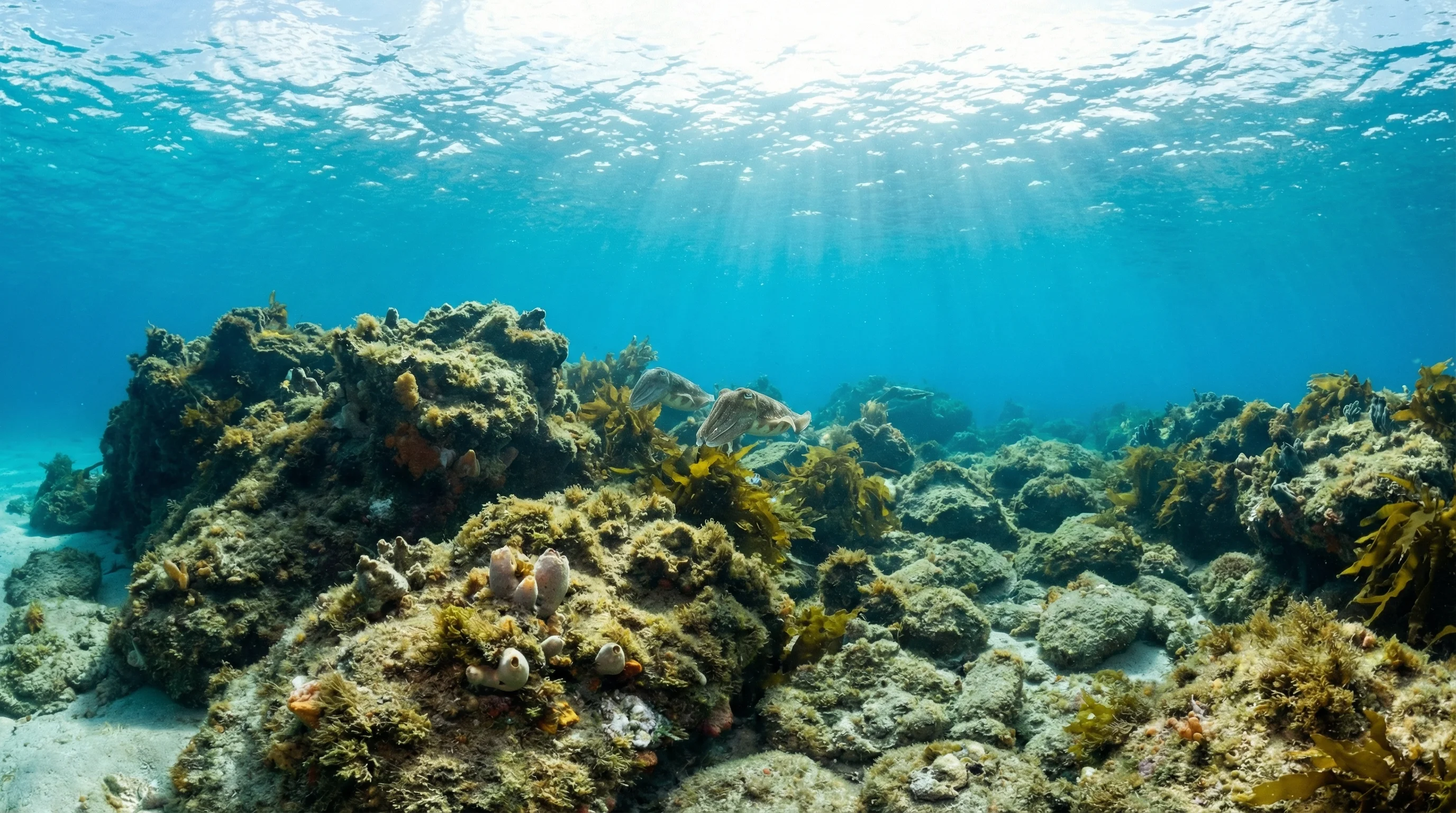
The Eyre Peninsula offers a striking contrast between its two main diving hubs. The Whyalla Cuttlefish Sites deliver shallow, shore-based encounters with Giant Cuttlefish and Leafy Seadragon, while the Neptune Islands draw divers seeking cage encounters with Great White Shark and Bronze Whaler Shark from a boat. Australian Sea Lion and Long-nosed Fur Seal appear across both areas. Old Wife, Silver Drummer, and Smooth Ray are consistent company throughout the region.
2 areas
Monthly water temperature across Eyre Peninsula's sites, from satellite sea-surface data corrected for depth. The band shows the site-to-site spread.
Water is warmest over summer and into autumn, when conditions generally favour longer dives and better visibility. The cooler months from mid-year through to spring bring temperatures to their lowest, but dedicated divers still visit, particularly for cuttlefish activity near Whyalla. The best-rated months cluster around summer and early autumn, with a secondary lift in late spring.
4 operators
Australia
12 more sites to explore
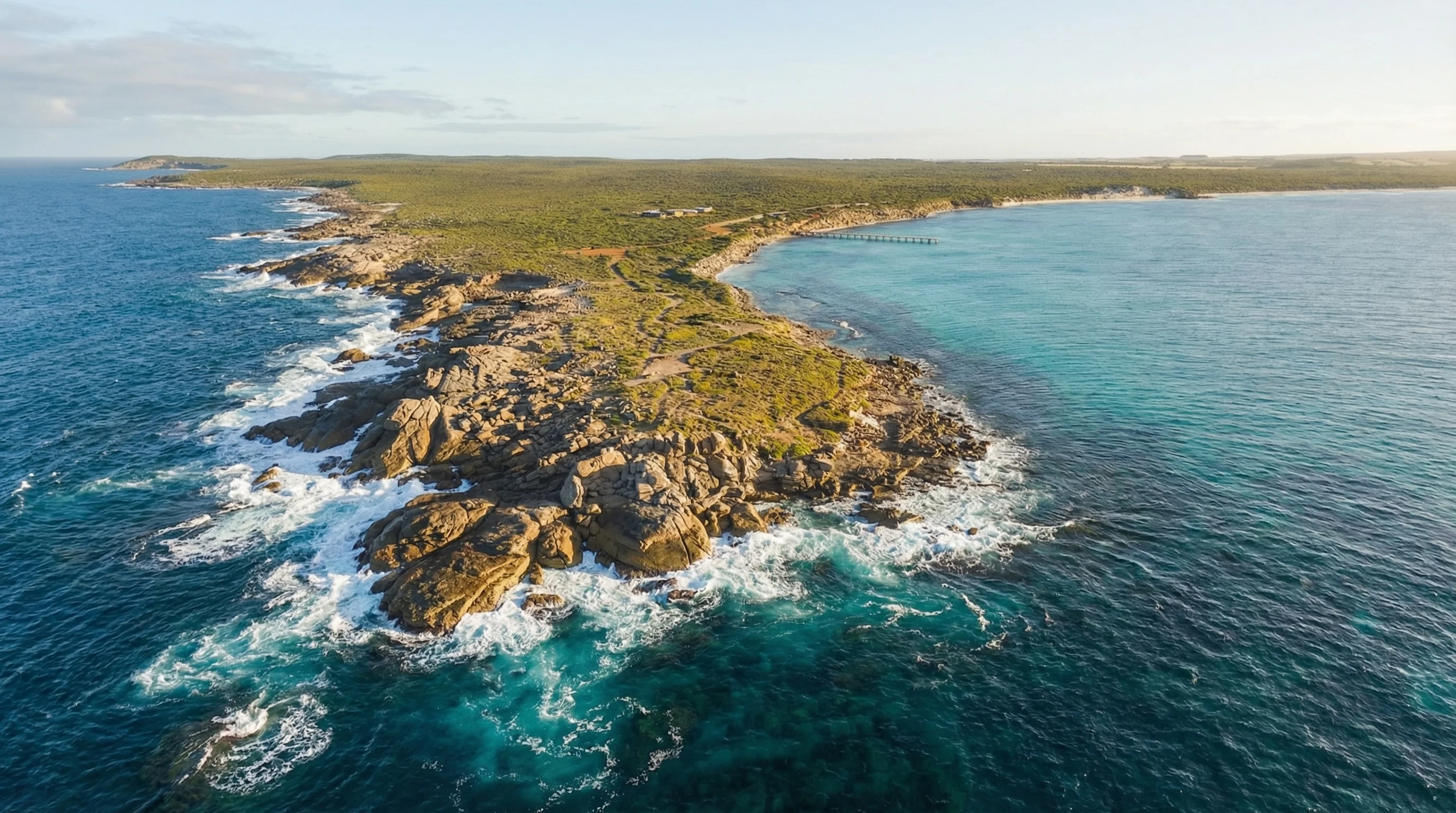
Remote boat-only sites off South Australia's Eyre Peninsula, known for Great White Shark cage diving alongside fur seals and sea lions.
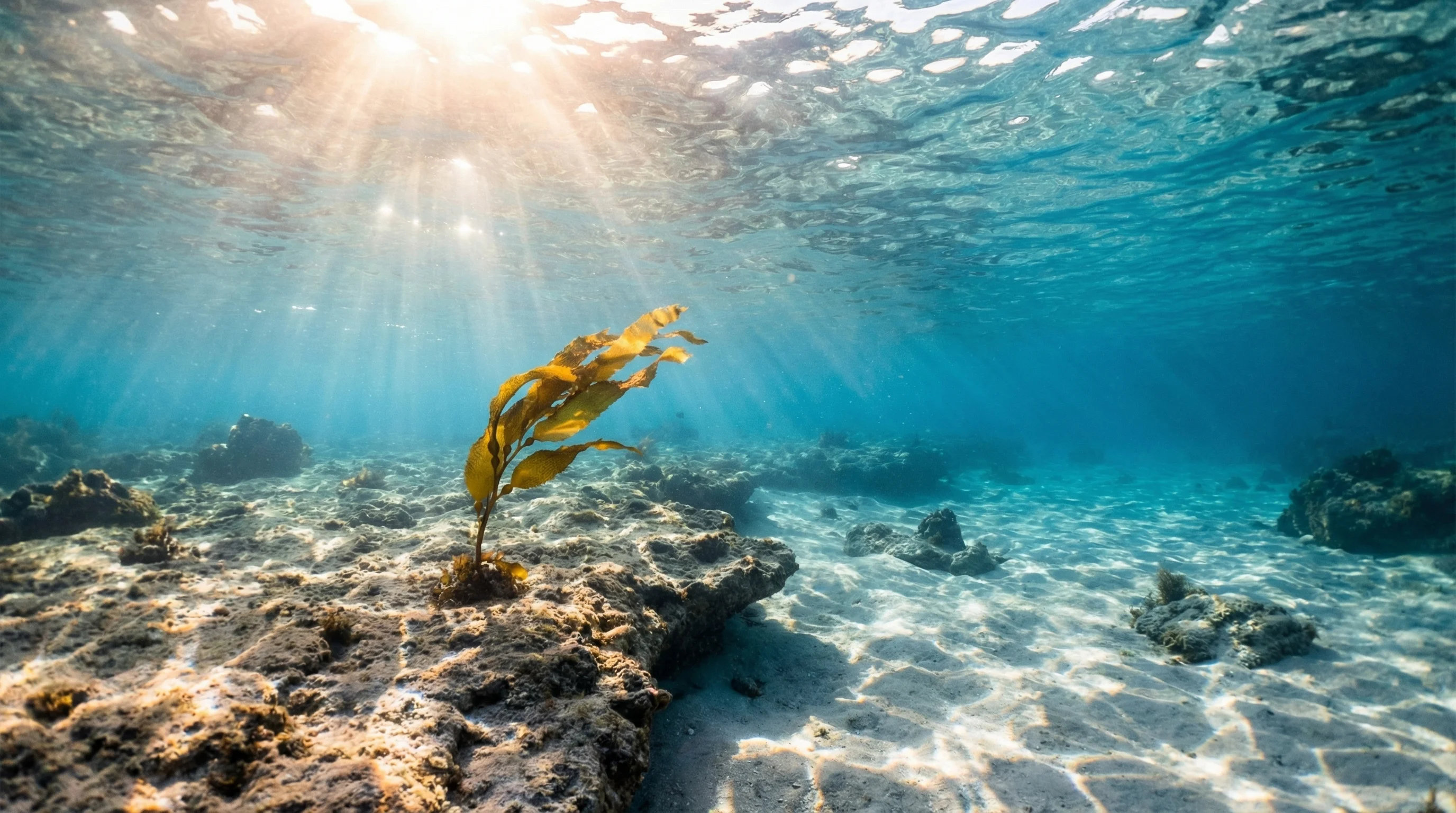
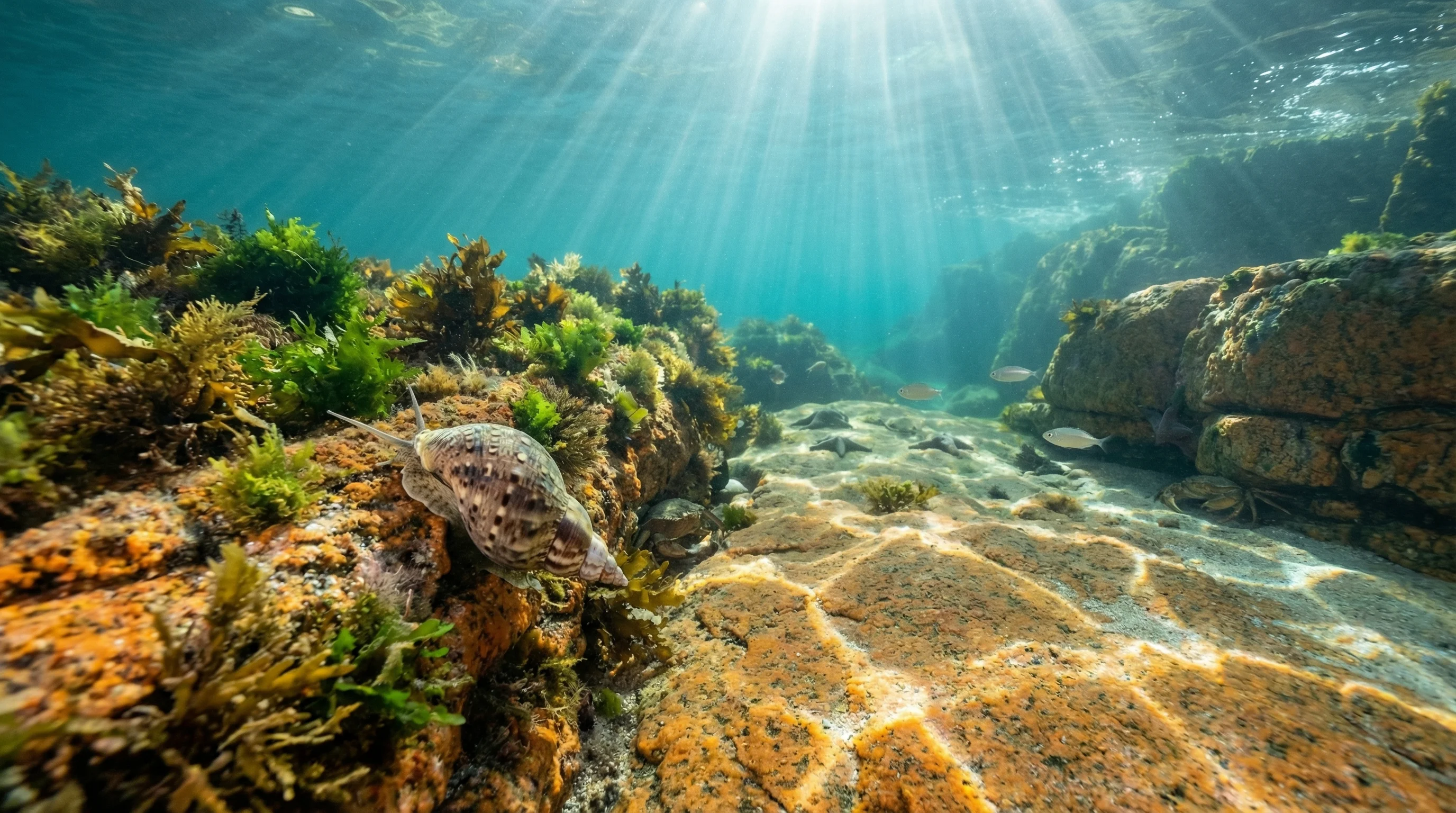
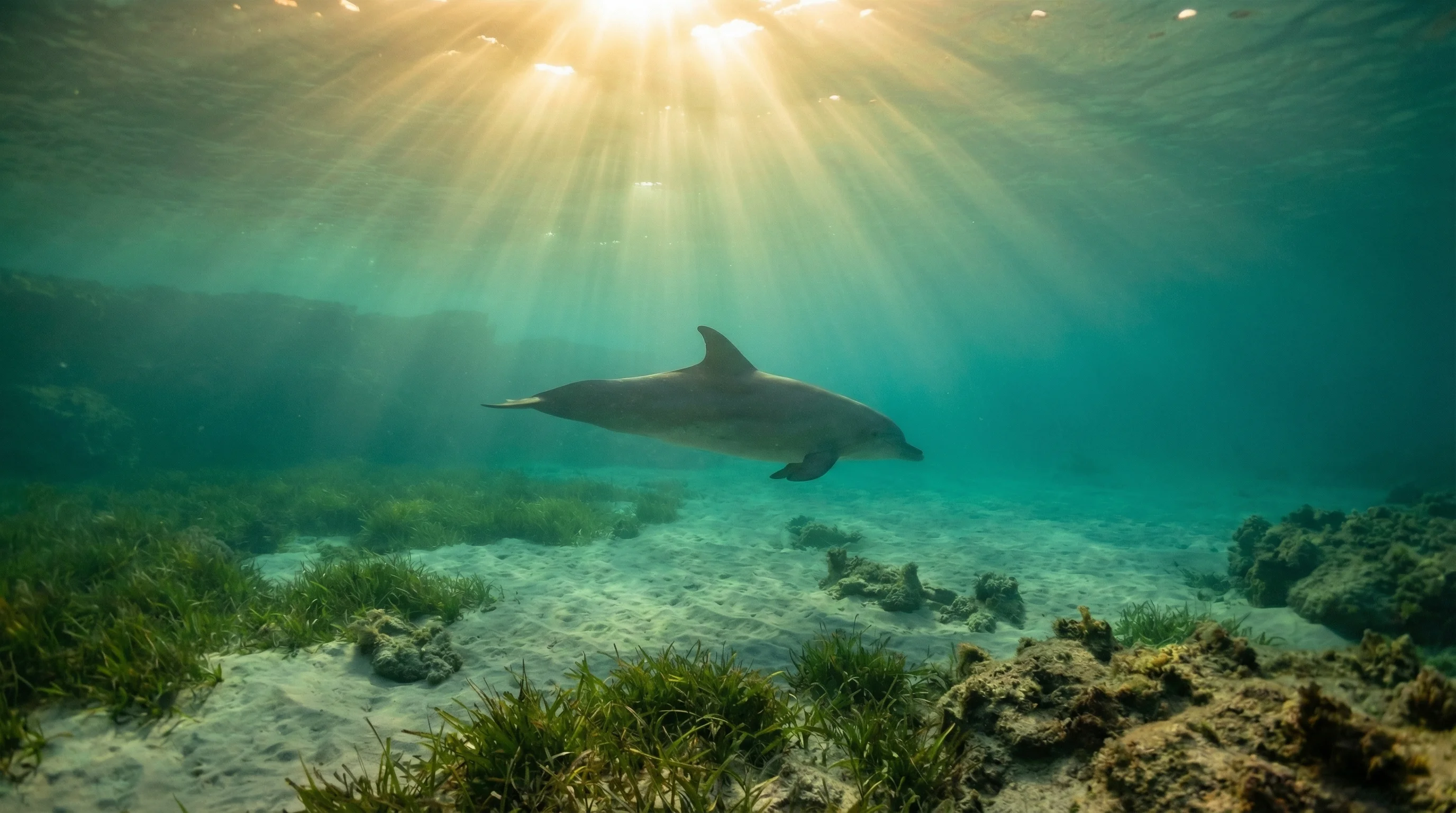
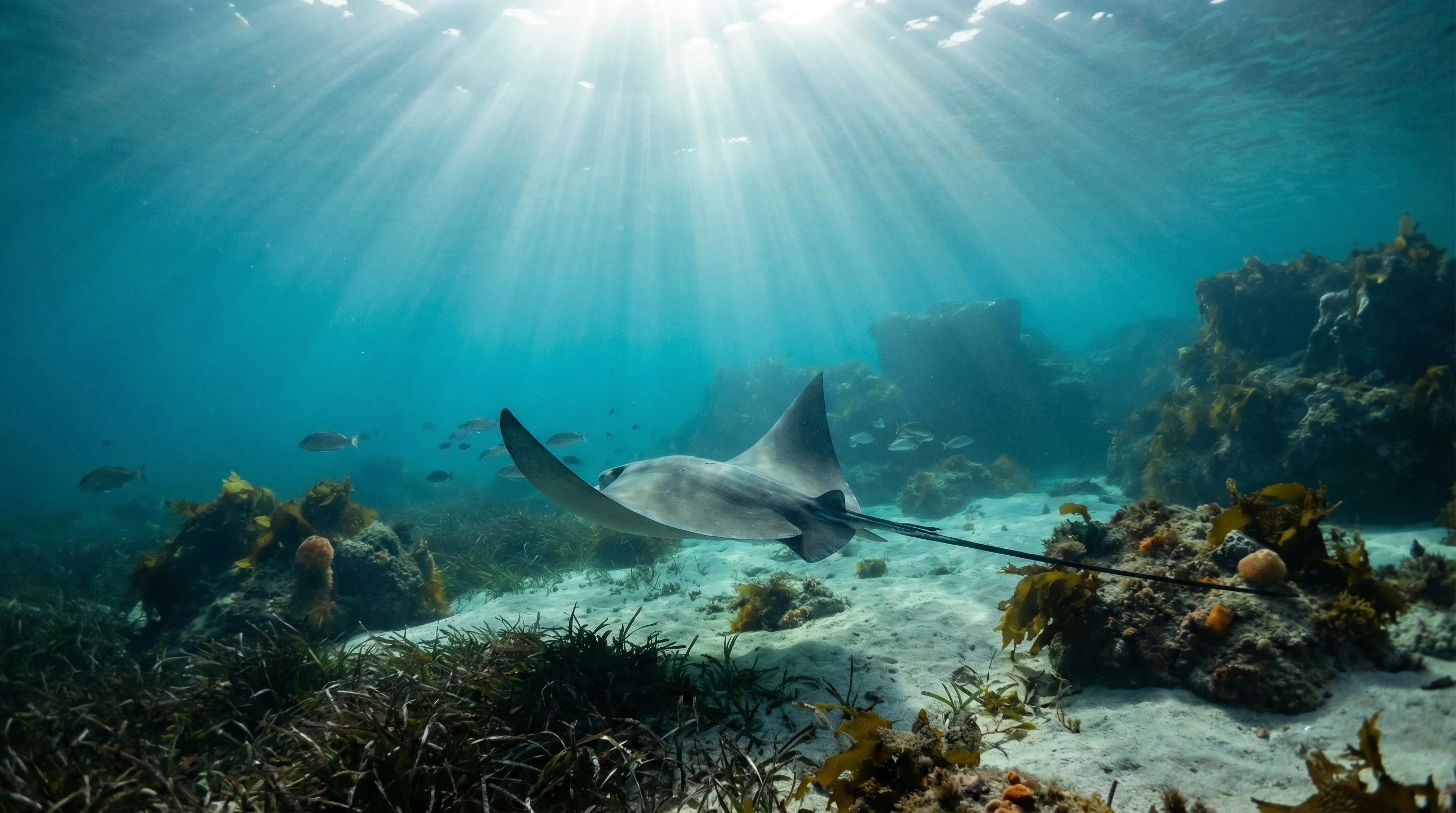
Water temperature around Eyre Peninsula ranges from about 15°C in July to 19°C in January, based on satellite sea-temperature data for its dive sites.
In the warm season (about 19°C) a 5mm suit is comfortable in Eyre Peninsula; in the coldest months (about 15°C) step up to a 7mm or semi-dry suit.
Fin maps 15 sites in Eyre Peninsula (11 scuba diving sites and 8 snorkelling spots, with some suited to both), organised into 2 areas.
Across Eyre Peninsula's dive sites, January, February, March, November and December are most often reported as the best months to visit.
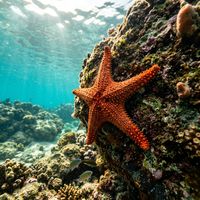
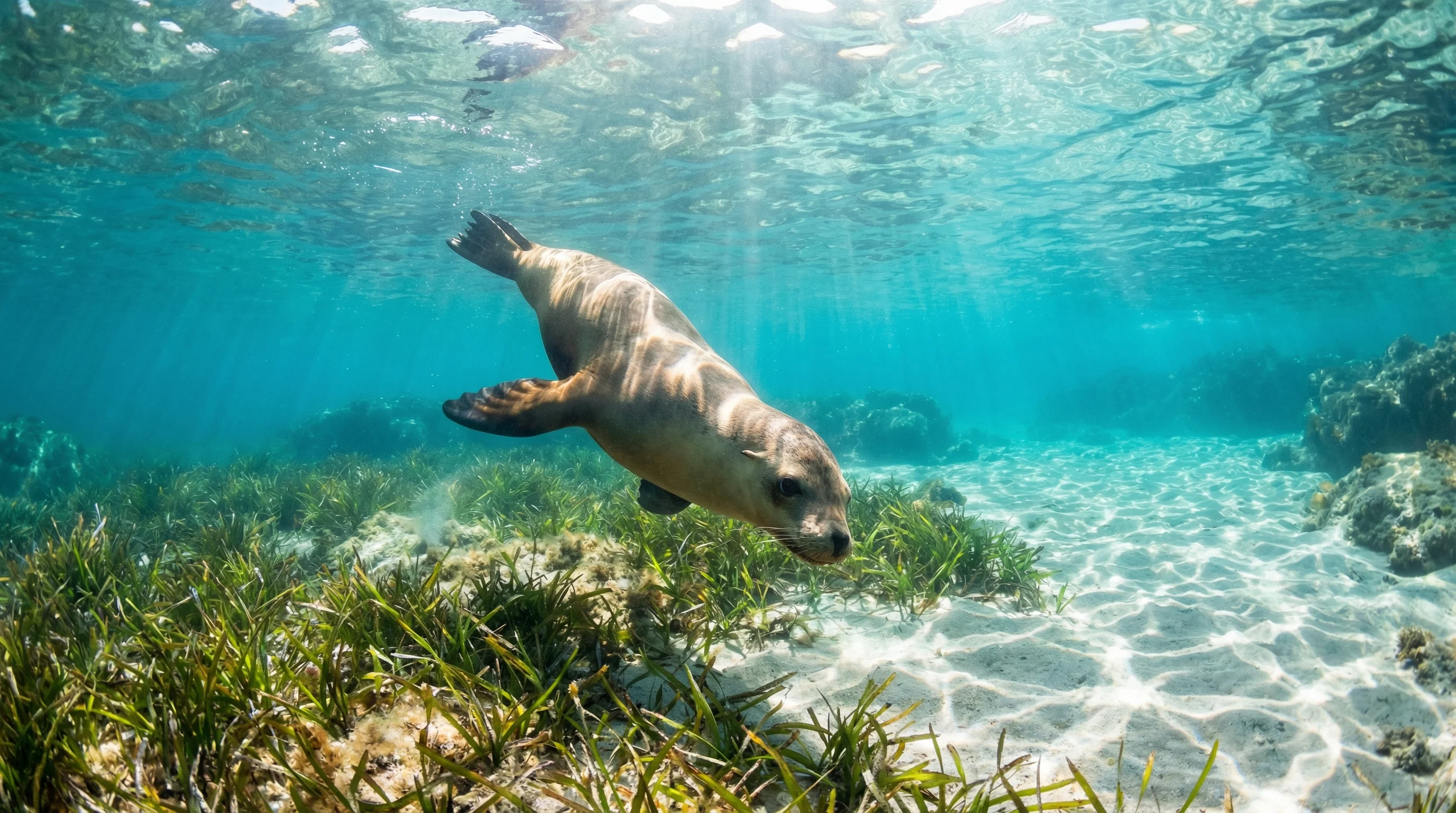
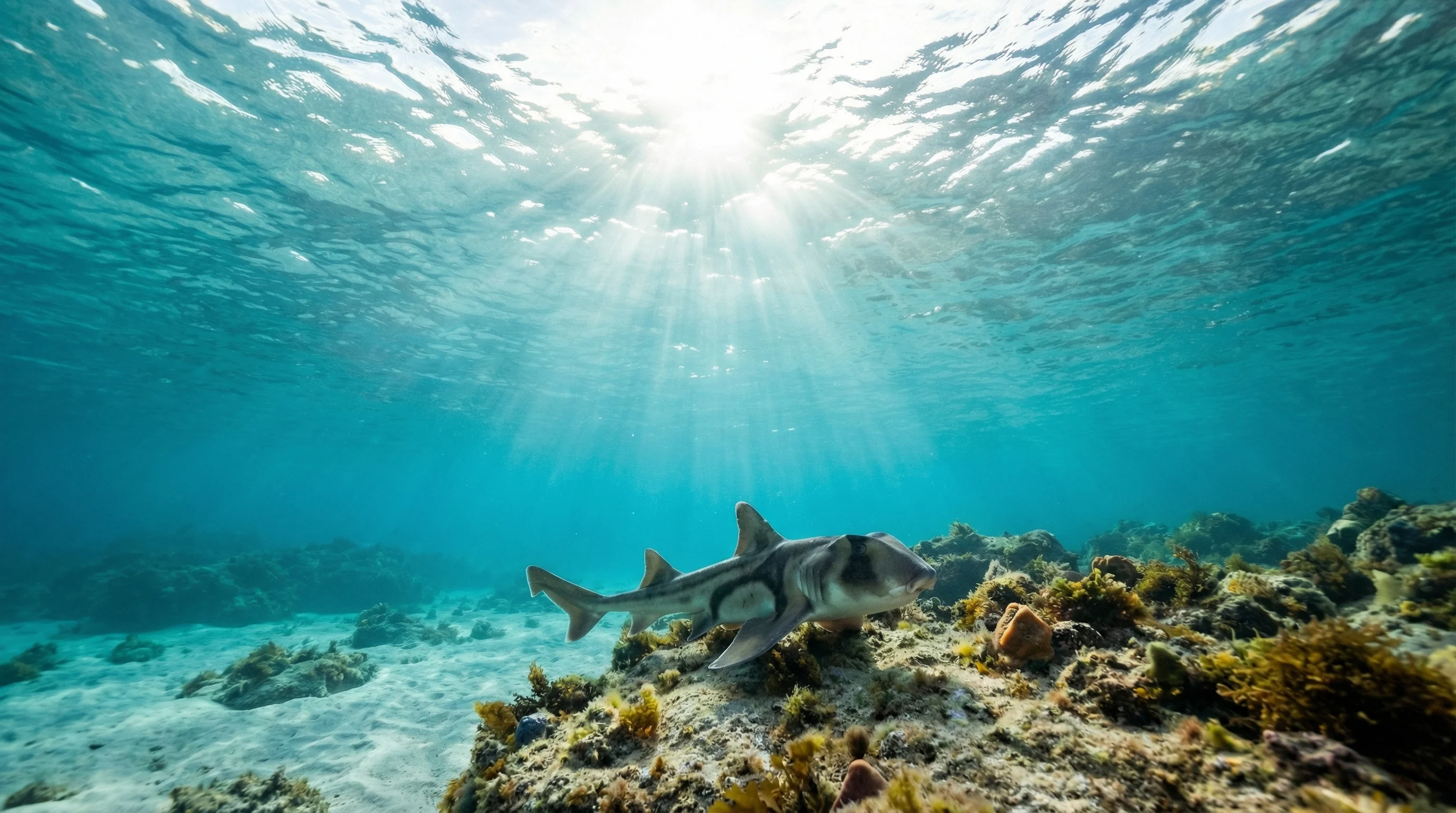
The region has a broad list of observed species. Australian Sea Lion, Long-nosed Fur Seal, Leafy Seadragon, and Smooth Ray are commonly encountered. Old Wife, Silver Drummer, and Sea Star appear at the majority of sites. Great White Shark, Bronze Whaler Shark, and Mako Shark have all been recorded, primarily around the Neptune Islands.
It depends on which area you visit. The Neptune Islands require a boat, and operators including Whyalla Dive Shop and Whyalla Dive Services can arrange access. Sites within the Whyalla Cuttlefish Sites area, such as Port Bonython Fenceline, are shore-entry dives suitable for self-guided visits. Cactus Beach is also shore-entry but involves surf and strong currents.
Some sites are rated for beginners, including the Neptune Islands boat dives and the shallow shore entry at Port Bonython Fenceline. Cactus Beach is rated intermediate due to surf and current exposure. Beginners should stick to the calmer, shallower sites and consider going out with one of the local operators for their first dives in the area.
The Neptune Islands are a remote, boat-based destination where diving takes place within protective cages alongside large sharks, including Great White Shark and Bronze Whaler Shark. The Whyalla Cuttlefish Sites are shallow, shore-accessible reef dives offering close-up encounters with Giant Cuttlefish and Leafy Seadragon in far calmer conditions. The two areas appeal to quite different diving interests.