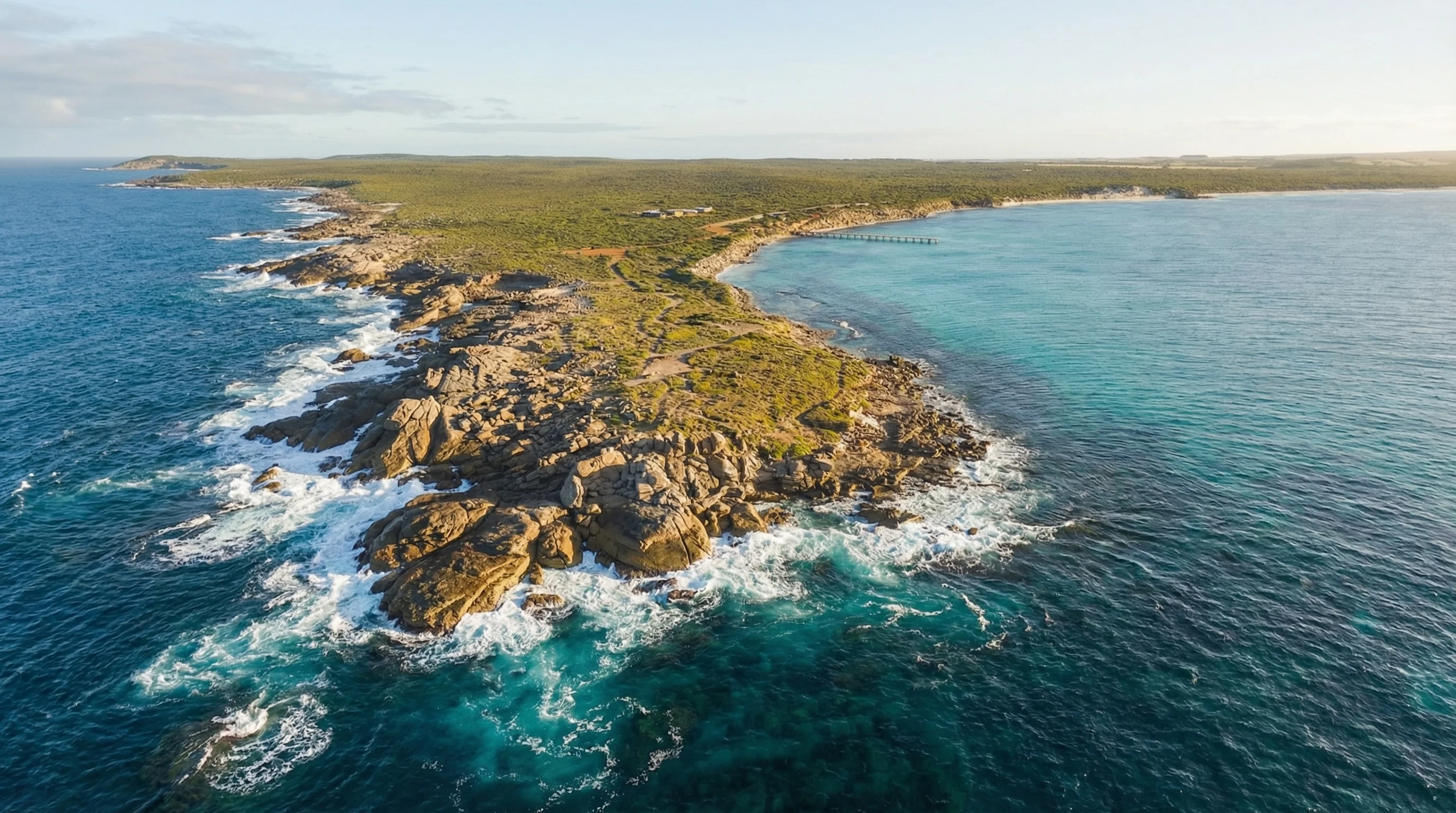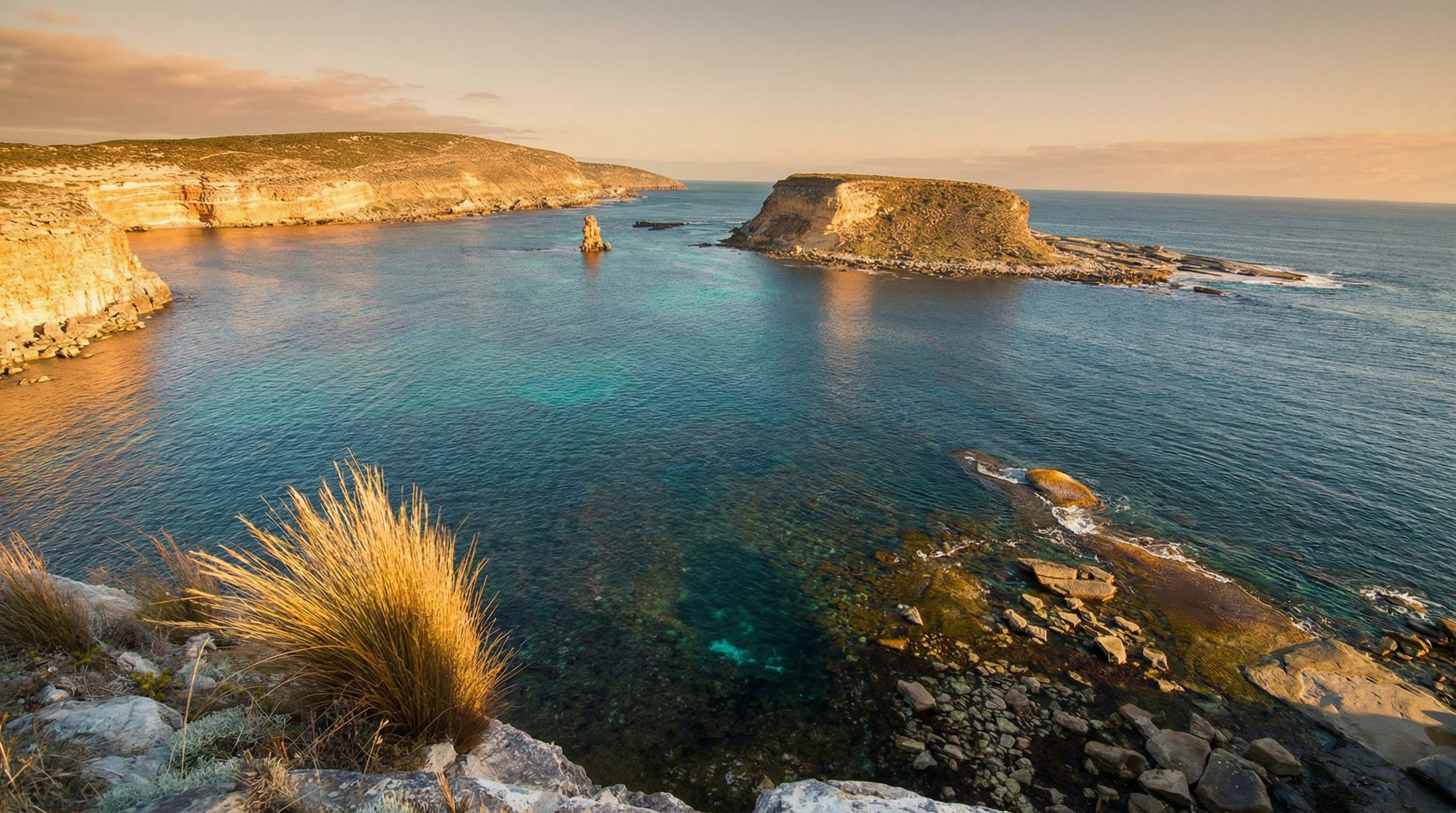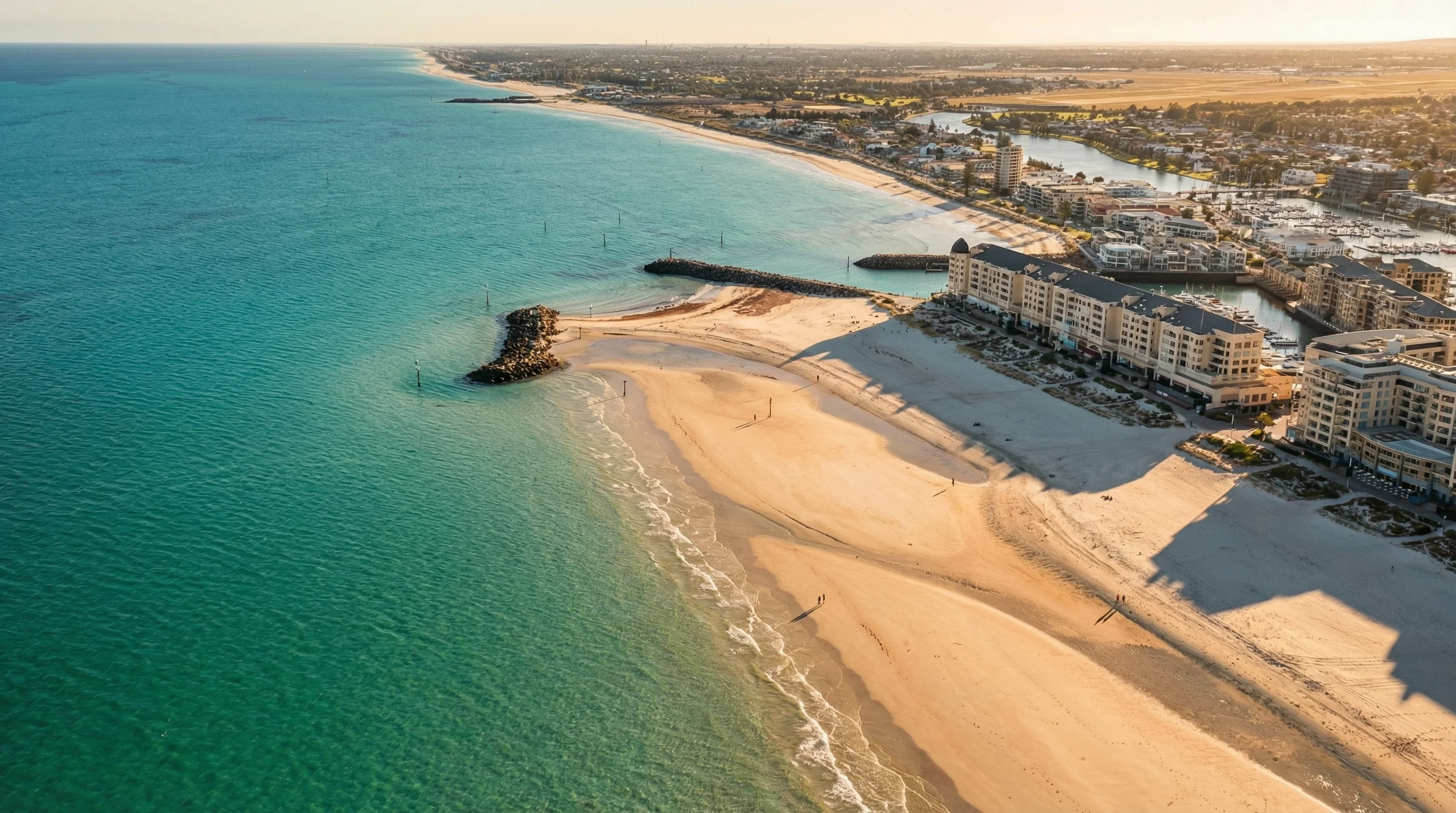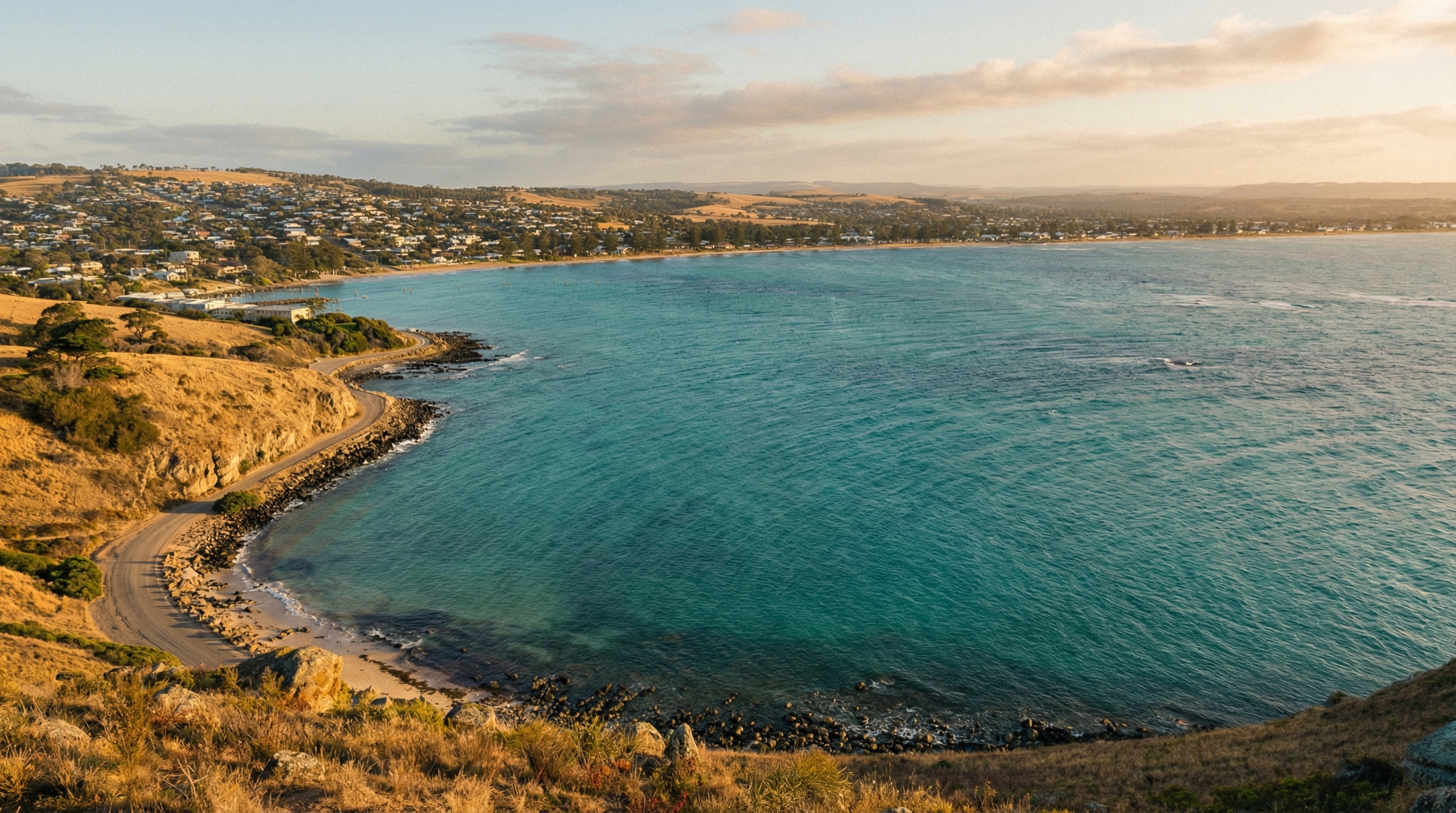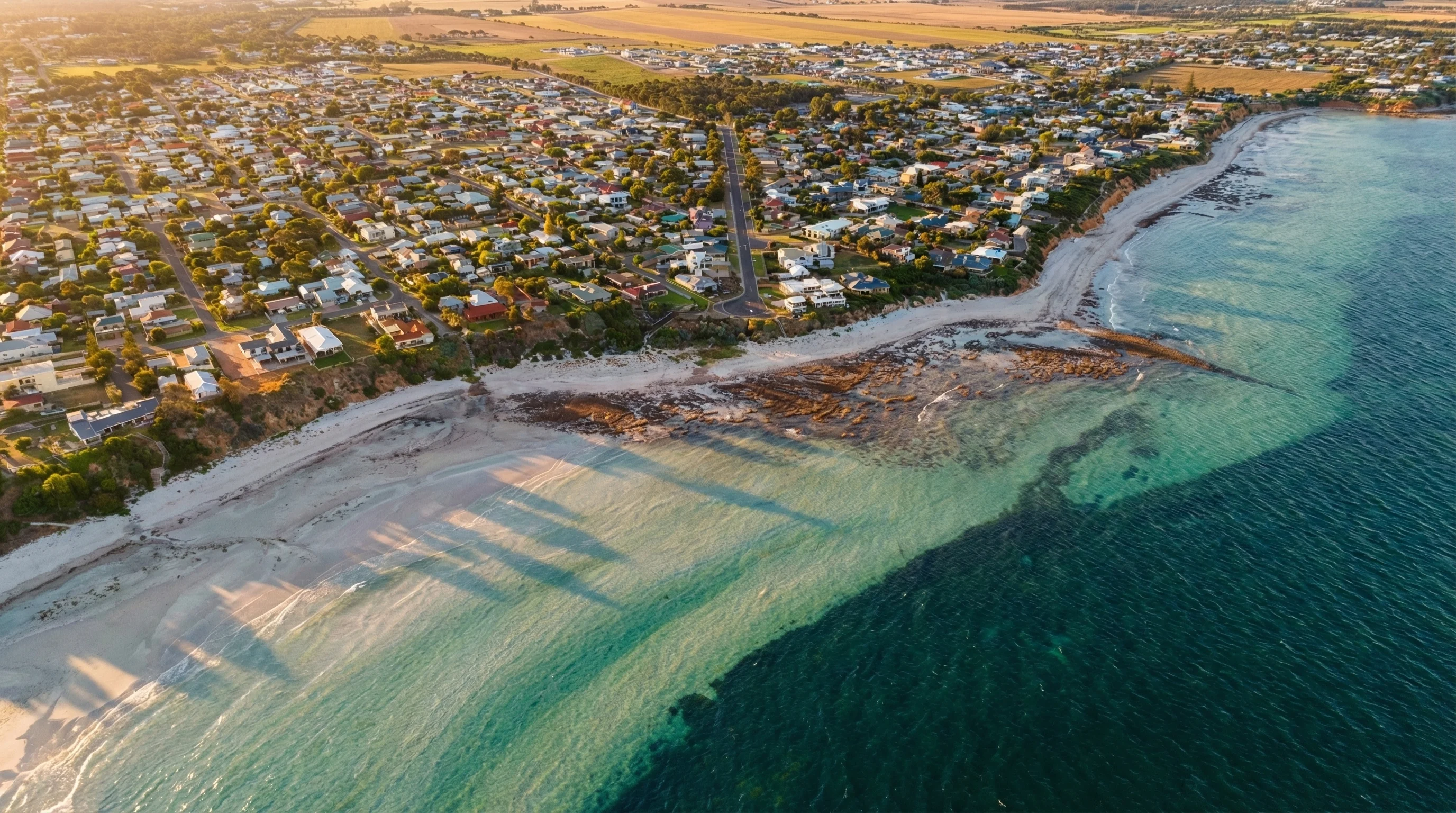
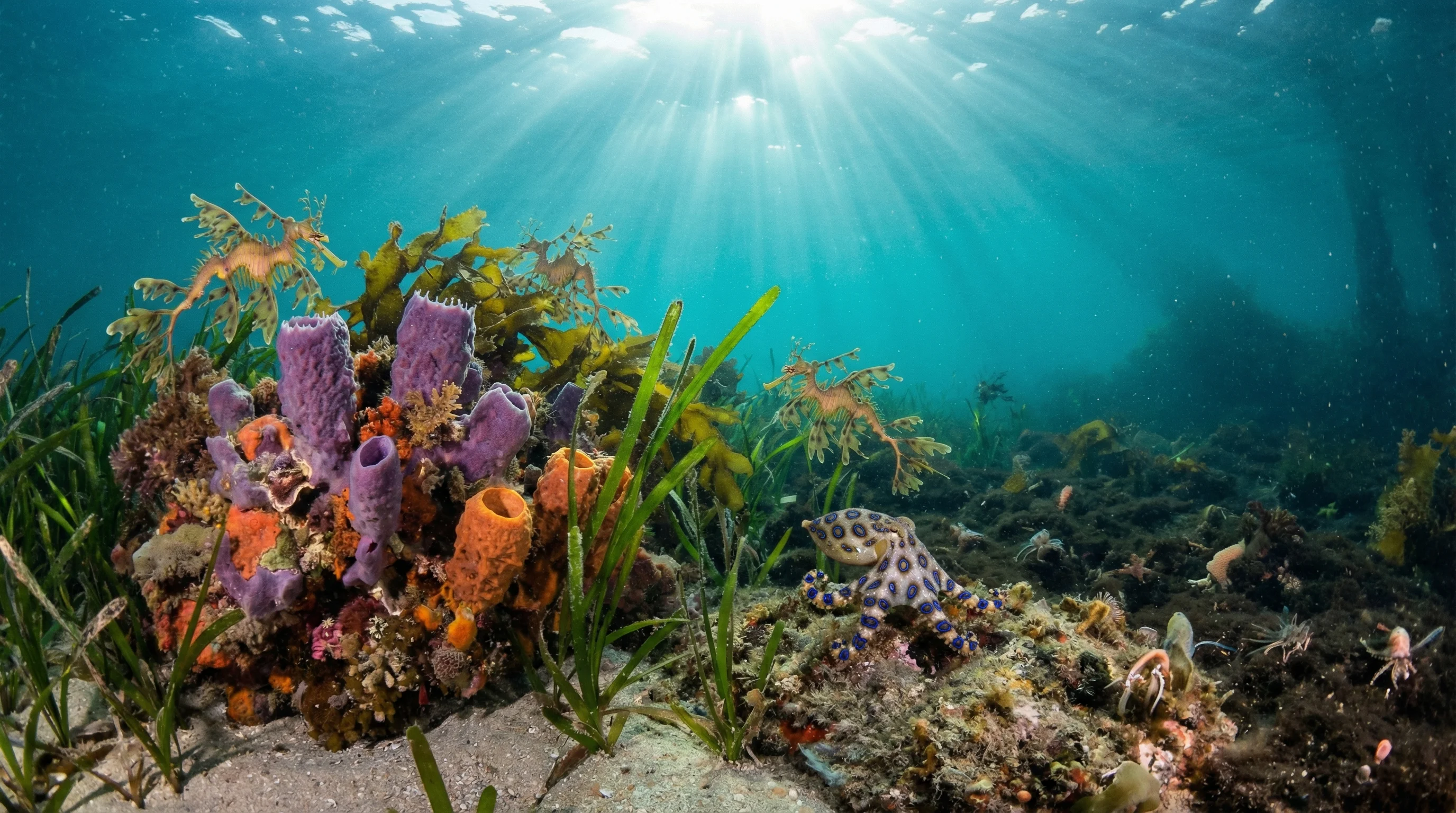
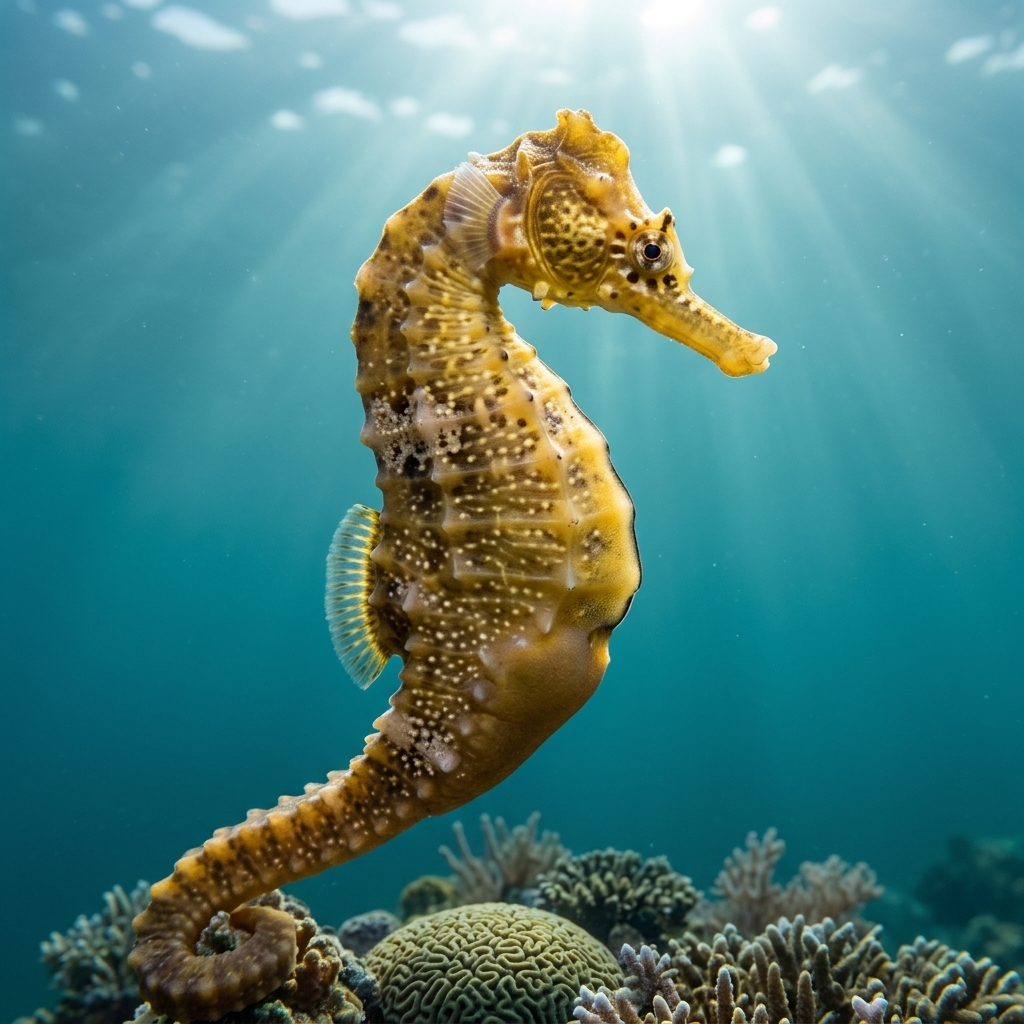
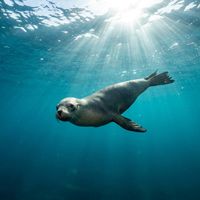
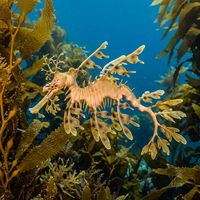
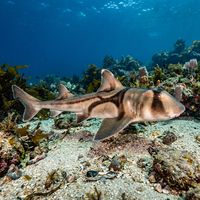
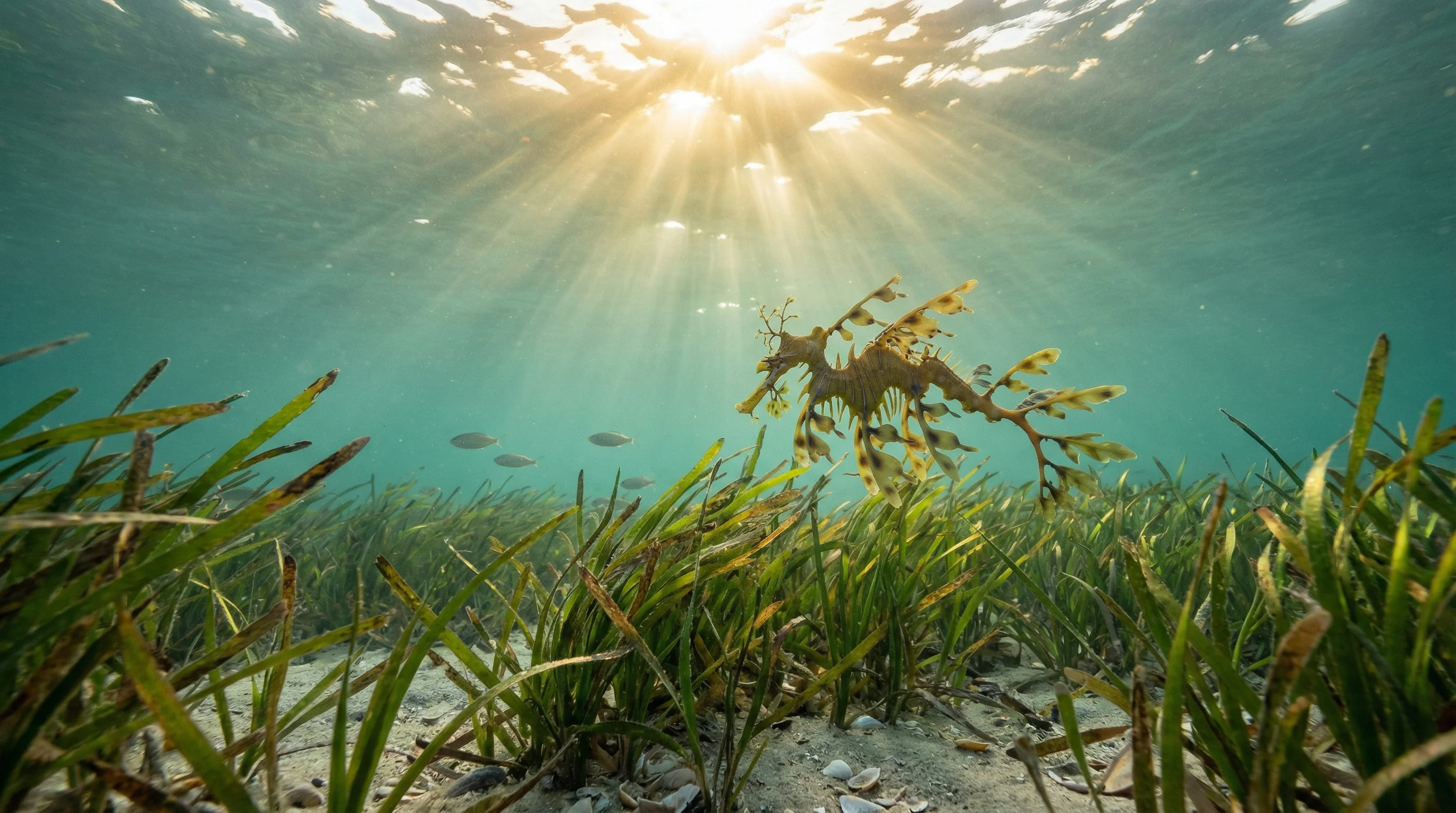
Yorke Peninsula offers a distinctive mix of shore diving and snorkelling across reef, seagrass, and muck habitats. The signature wildlife is the draw here: Pot-bellied Seahorse, Leafy Seadragon, Port Jackson Shark, and Australian Sea Lion are all observation-backed regulars. The Edithburgh sub-area anchors the site cluster with an accessible jetty dive suited to beginners. Water stays cool year-round, favouring temperate-specialist species and rewarding patient, slow-moving divers.
1 areas
Monthly water temperature across Yorke Peninsula's sites, from satellite sea-surface data corrected for depth. The band shows the site-to-site spread.
Water temperatures follow a moderate seasonal curve, peaking in the warmer months around late summer and dropping to their coolest through the winter months. Summer brings the highest visitor activity and generally the most settled conditions for shore entries. Winter diving is still viable but expect cooler water and prepare accordingly.
4 operators
Australia
Australia
Australia
12 more sites to explore
Shore-based jetty diving on South Australia's Yorke Peninsula, known for leafy sea dragons, seahorses, and macro life in shallow water.
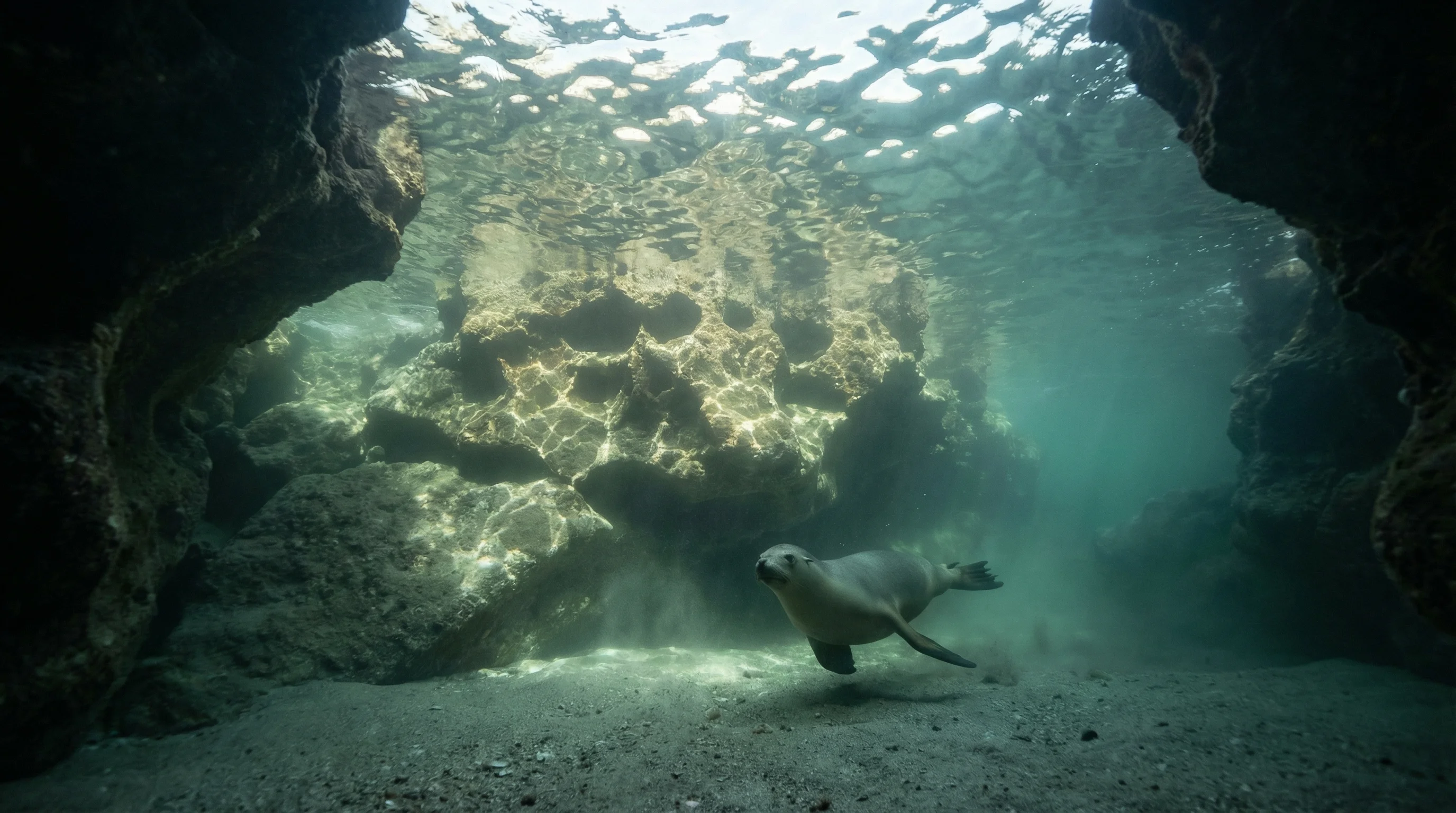
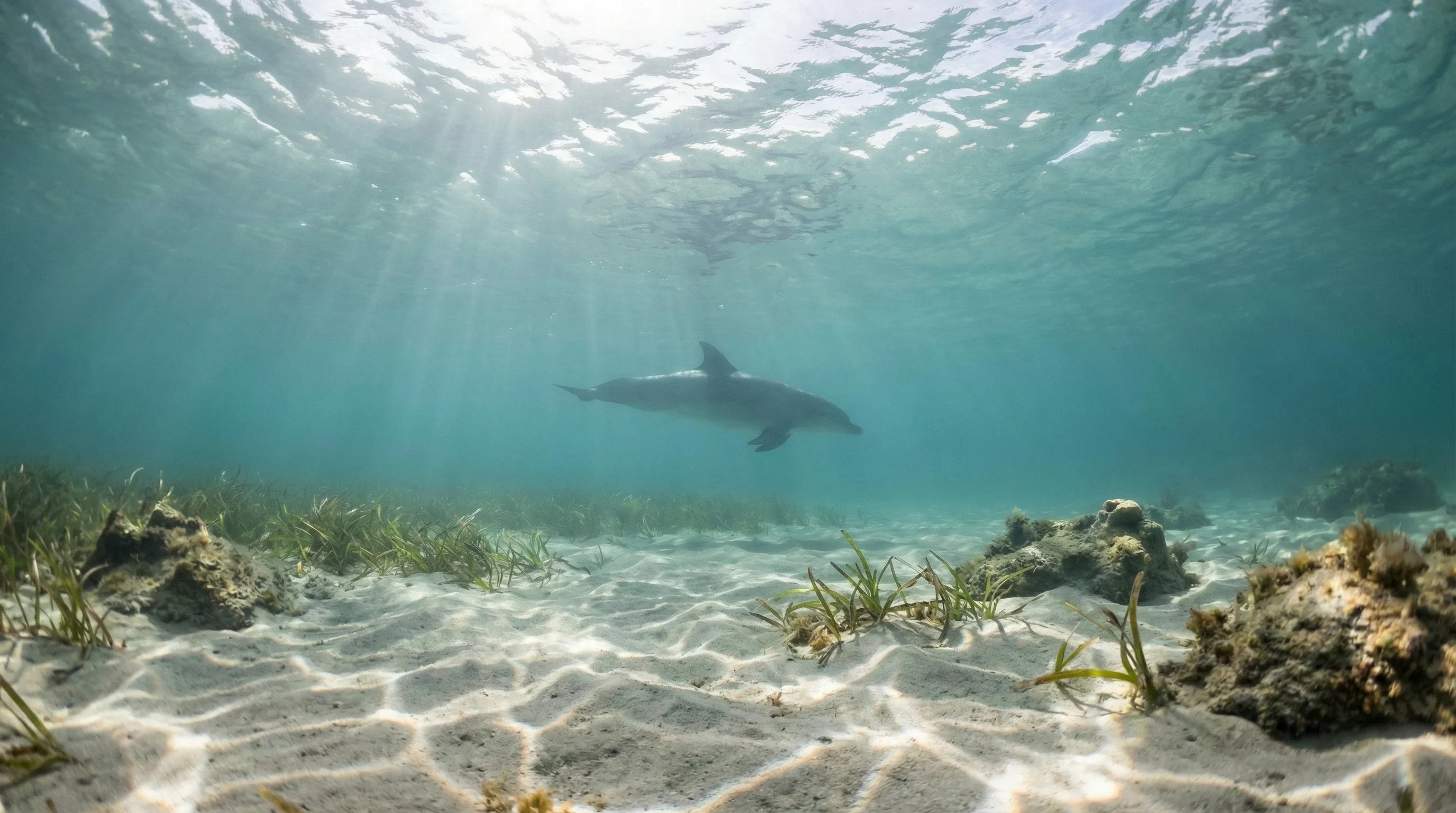
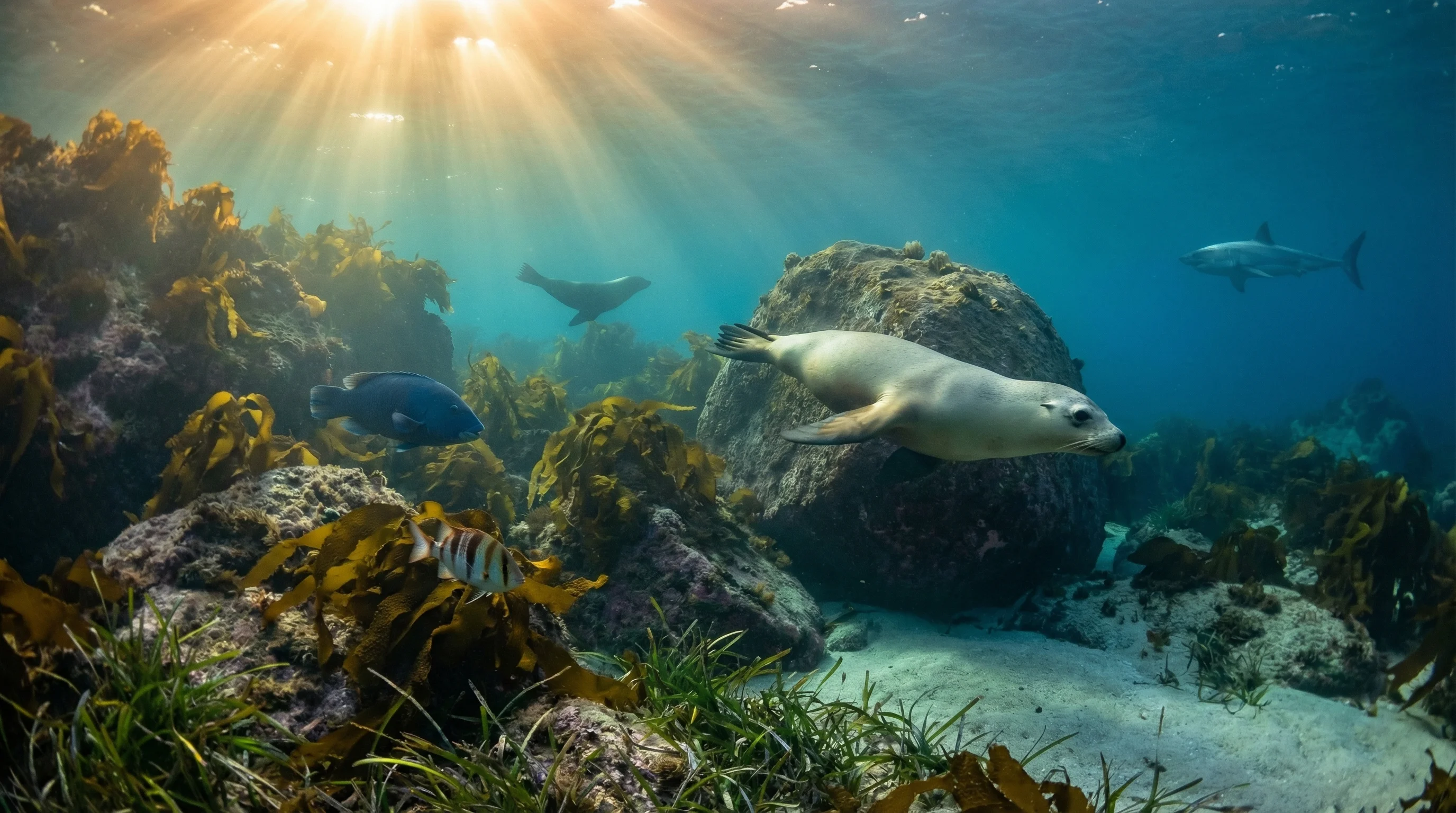
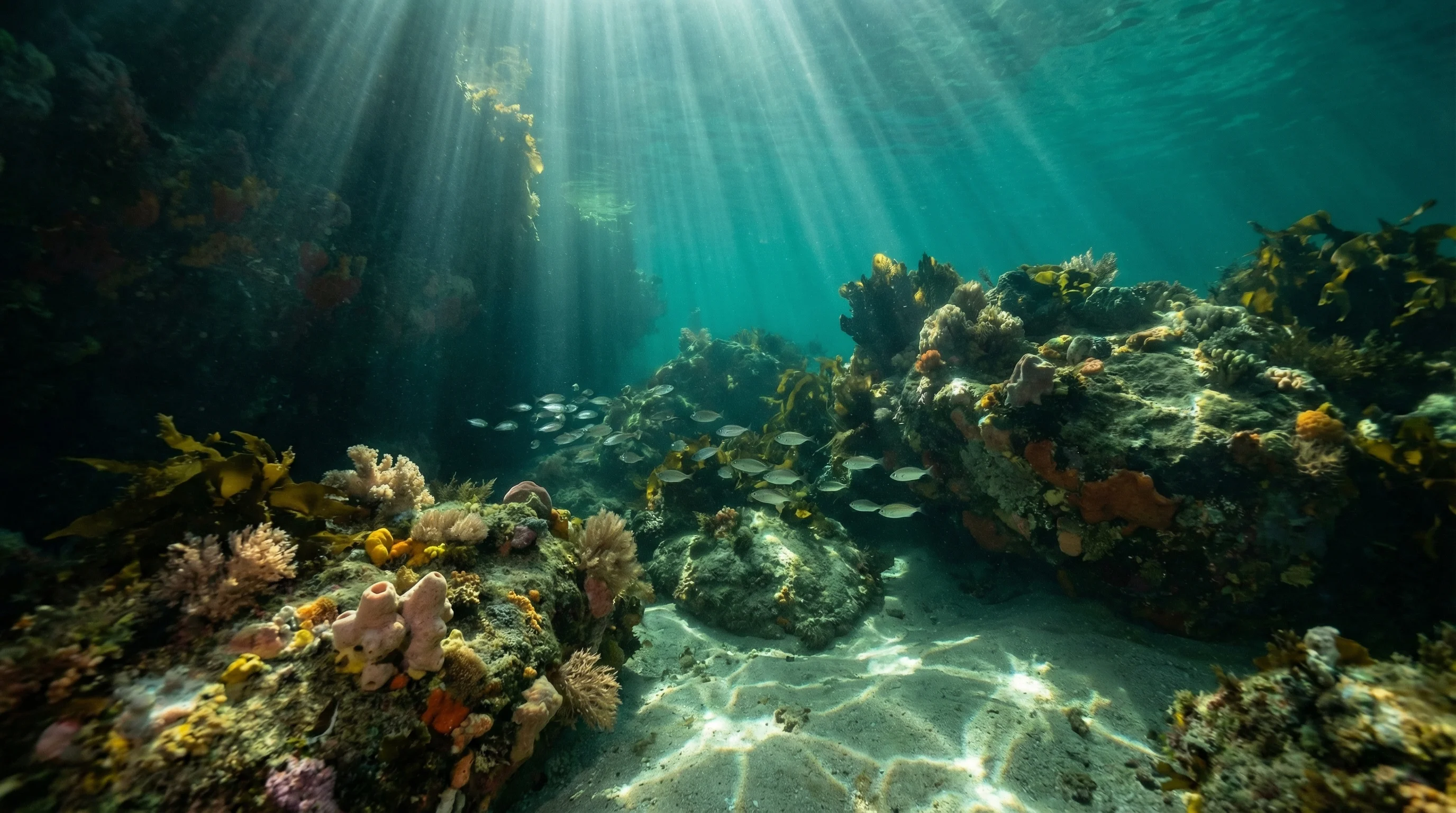
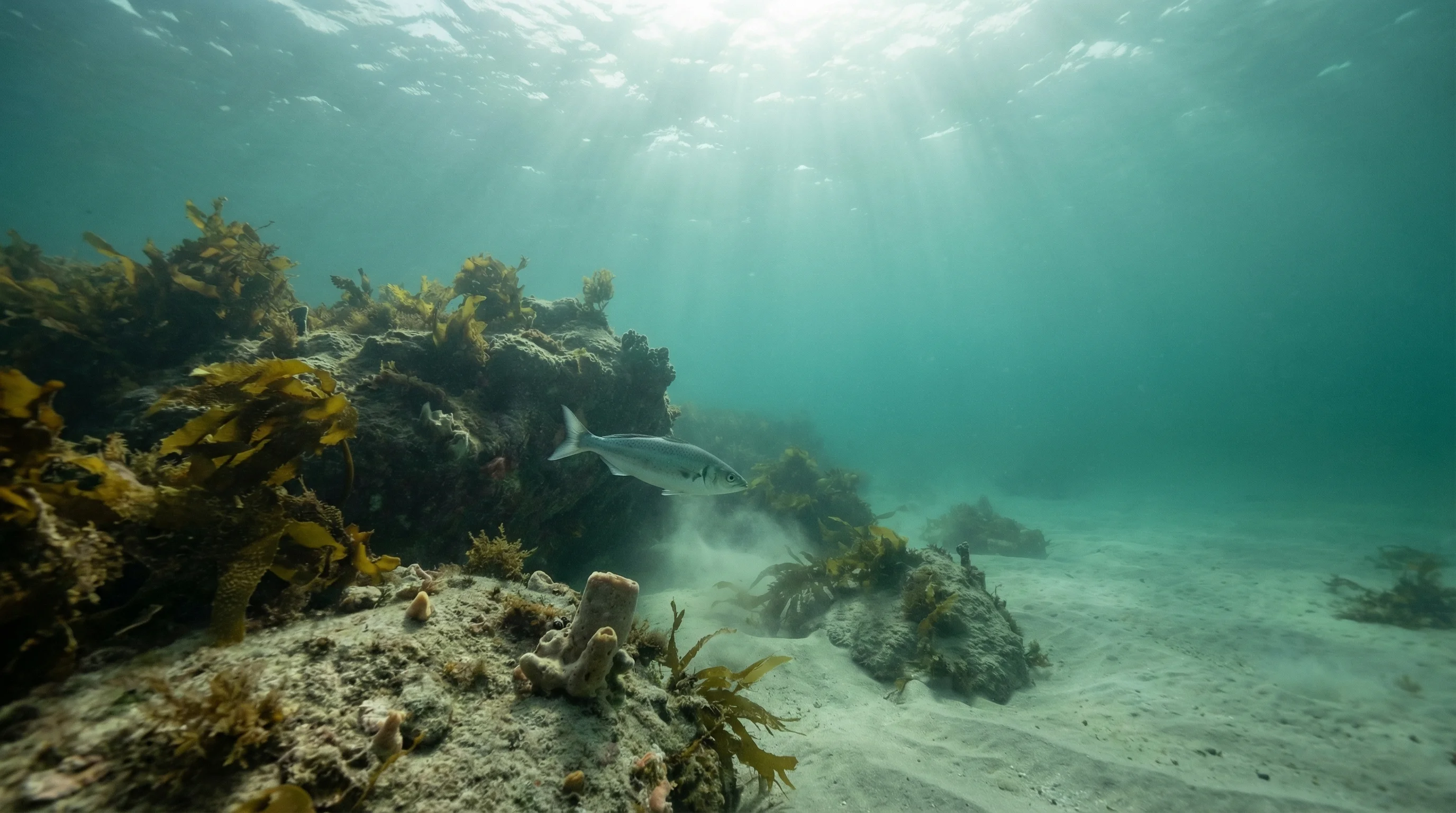
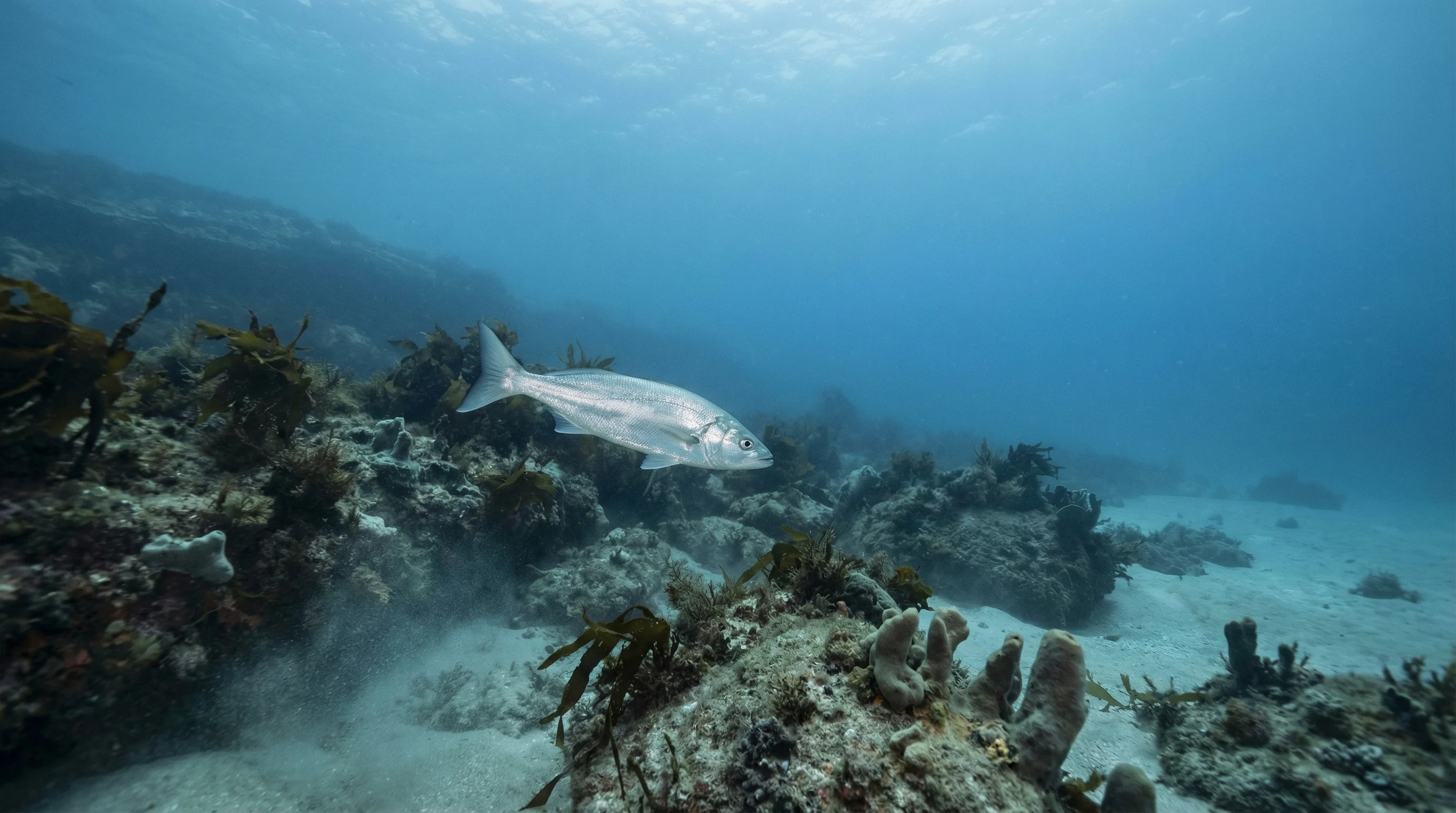
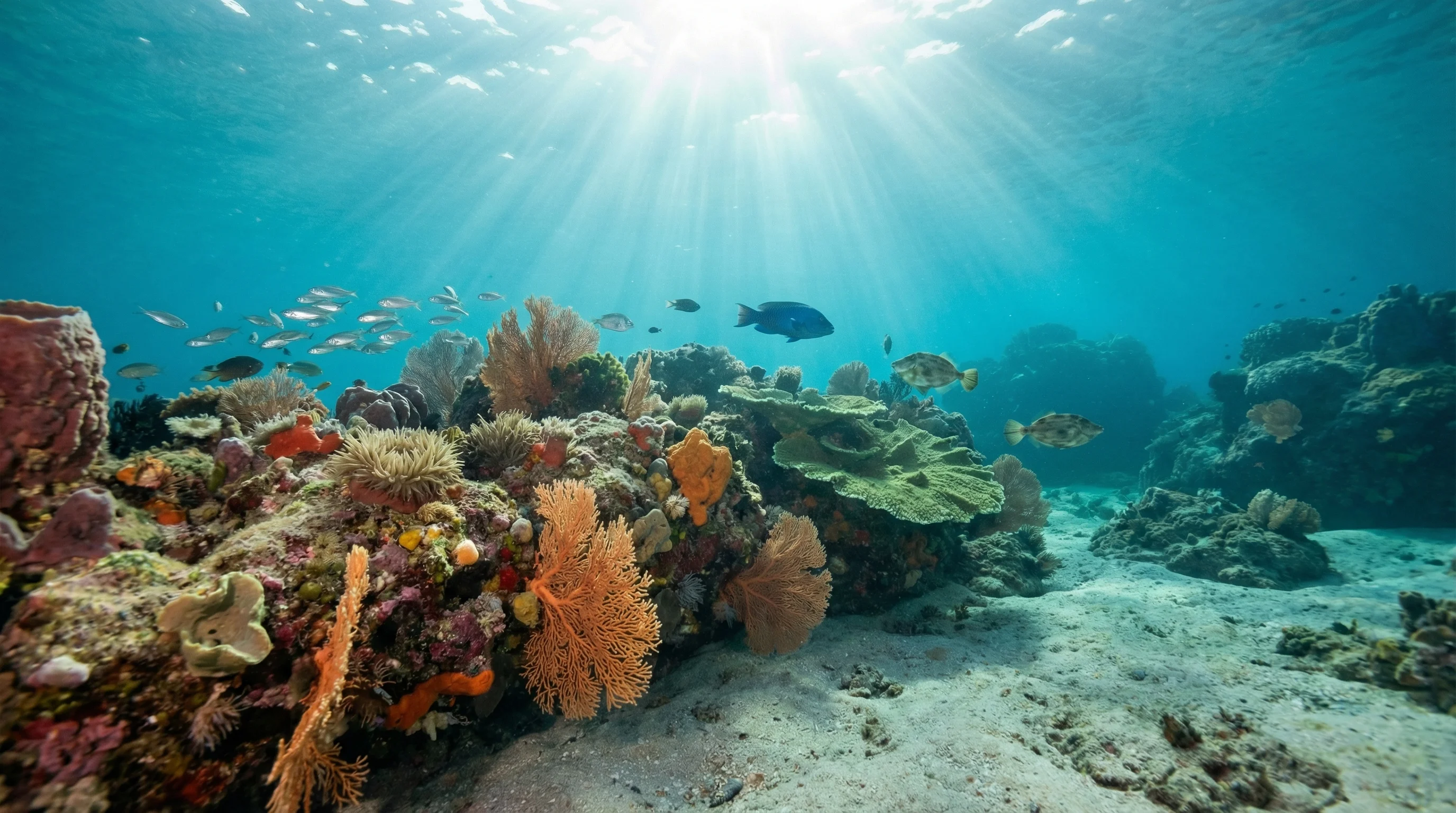
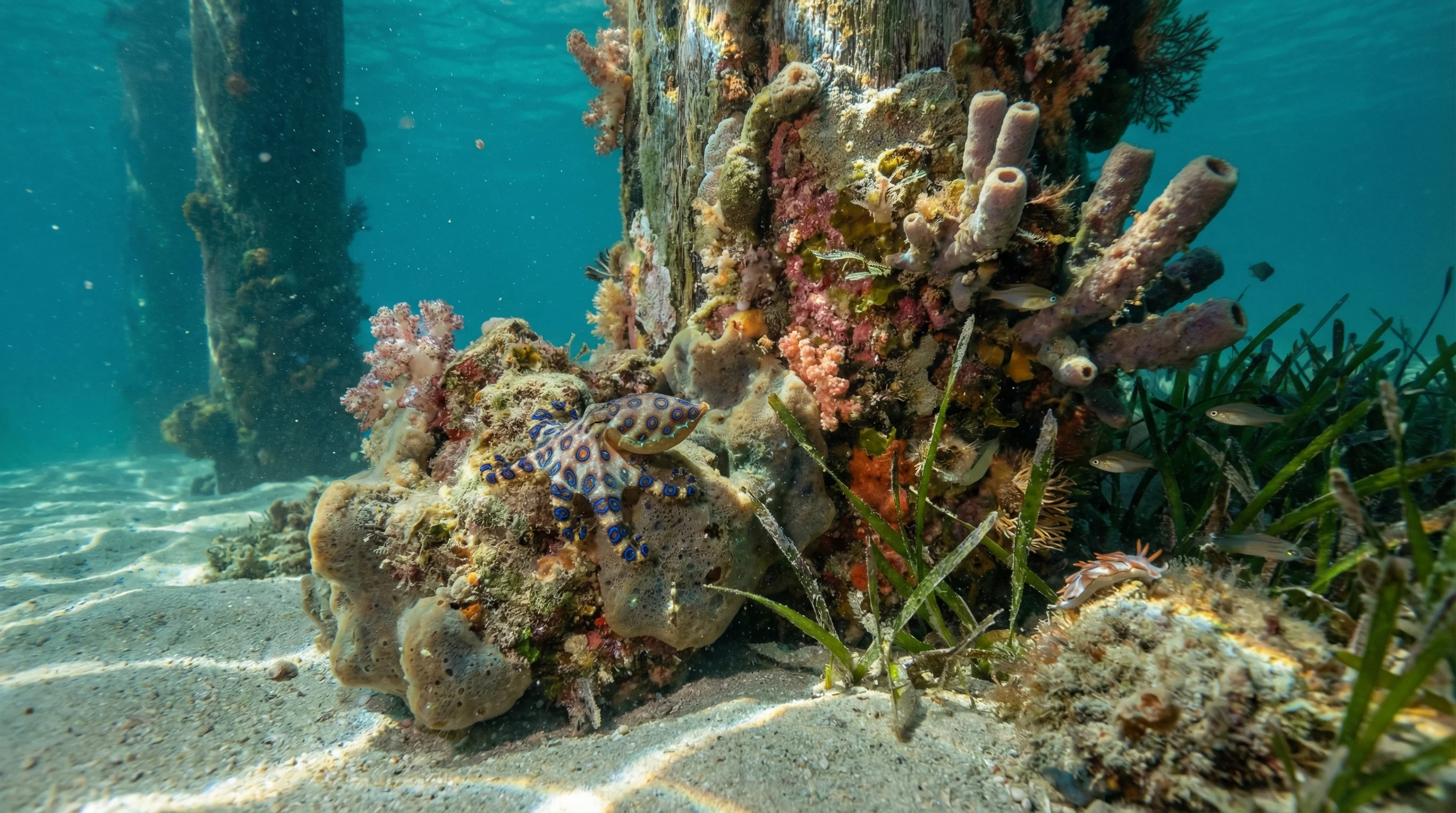
Water temperature around Yorke Peninsula ranges from about 15°C in July to 19°C in February, based on satellite sea-temperature data for its dive sites.
In the warm season (about 19°C) a 5mm suit is comfortable in Yorke Peninsula; in the coldest months (about 15°C) step up to a 7mm or semi-dry suit.
Fin maps 13 sites in Yorke Peninsula (11 scuba diving sites and 7 snorkelling spots, with some suited to both).
Across Yorke Peninsula's dive sites, January, February, March and December are most often reported as the best months to visit.
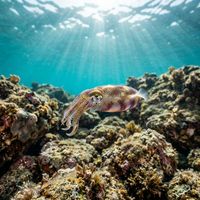
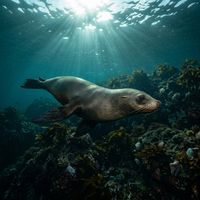
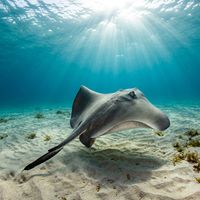
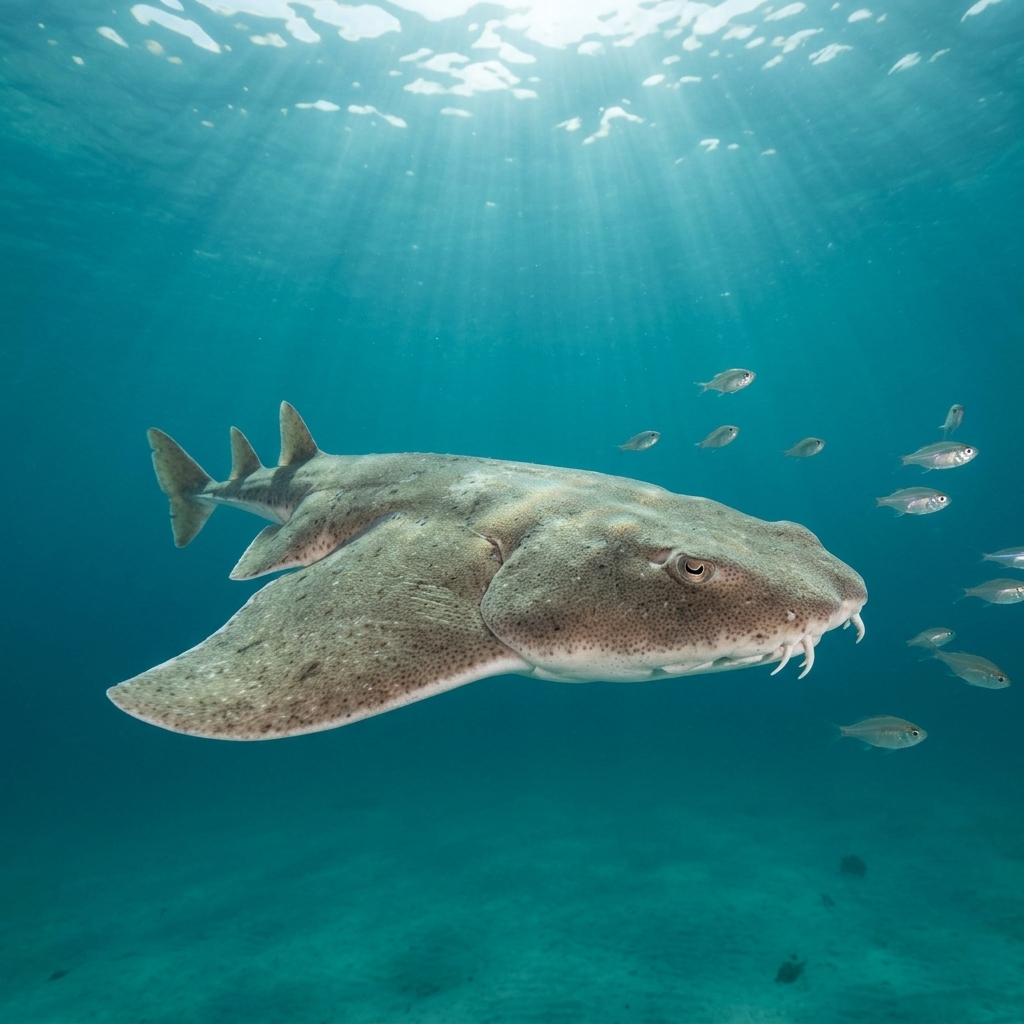
The peninsula has an impressive list of observation-backed species. Port Jackson Shark and Flathead are found across virtually all sites, while Pot-bellied Seahorse, Leafy Seadragon, Spotted Wobbegong, and Bobtail Squid are very commonly recorded. Australian Sea Lion and Long-nosed Fur Seal are also regularly sighted, making encounters with large marine mammals a realistic prospect.
Yes. Edithburgh Jetty, the most detailed site in the data, is rated beginner-level and offers a straightforward shore entry with shallow, varied habitat. The mix of seagrass, reef, and muck keeps dives interesting without demanding advanced skills. Divers new to temperate-water environments should be comfortable with cooler conditions, so a well-fitted wetsuit is important.
The sites listed are shore-entry, with Edithburgh Jetty being a clear example of direct land-based access. There are currently no operators listed for the region, so planning as an independent diver or snorkeller is advisable. Bringing your own equipment and transport is recommended given the absence of local operator infrastructure in the data.
Edithburgh is the most concentrated area within the peninsula, accounting for a notable cluster of the total sites. It is also the area with the most detailed site information available, including the well-known Edithburgh Jetty. If you are planning a focused trip, Edithburgh offers the widest choice of accessible dives within a compact area.